博客

  • Polar bears on Norwegian islands ‘fatter and healthier’ despite ice loss

    Polar bears on Norwegian islands ‘fatter and healthier’ despite ice loss

    In a remarkable ecological paradox challenging scientific expectations, polar bears in Norway’s Svalbard archipelago have demonstrated significant improvements in body condition despite accelerating sea ice loss driven by climate change. Published in Scientific Reports, comprehensive research conducted by the Norwegian Polar Institute between 1992-2019 documented surprising physiological adaptations among the region’s apex predators.

    Researchers meticulously assessed 770 adult polar bears during the 27-year study period, discovering that contrary to predictions, the animals had become substantially heavier and healthier despite the region losing approximately 100 ice-free days annually. This counterintuitive finding directly contradicts established understanding of polar bear ecology, as these mammals traditionally depend on sea ice as their primary hunting platform for capturing blubber-rich seals.

    Dr. Jon Aars, lead researcher at the Norwegian Polar Institute, expressed both surprise and cautious optimism: ‘The fatter a bear is the better it is. I would have expected to see a decline in body condition when the loss of sea ice has been so profound.’ The study reveals that Svalbard’s polar bears have developed adaptive hunting strategies, increasingly targeting land-based prey including reindeer and walruses to supplement their traditional seal-based diet.

    This dietary shift has been facilitated by Norway’s successful conservation efforts. Walruses, once hunted to near extinction in the 1950s, have rebounded significantly under official protection, creating an unexpected food source for resourceful bears. Additionally, researchers speculate that concentrated seal populations in diminishing ice areas may actually improve hunting efficiency for polar bears in certain circumstances.

    However, scientists emphasize this represents a temporary reprieve rather than a long-term solution. As Dr. John Whiteman, chief research scientist at Polar Bears International, notes: ‘Body condition is only one piece of the puzzle. Other recent research on these bears found that more ice-free days reduced survival in cubs and in subadult and old females.’

    The study highlights significant regional variations in climate change impacts across the Arctic’s 20 recognized polar bear subpopulations. While Svalbard bears currently thrive, the Western Hudson Bay population in Canada—among the most southerly and extensively studied groups—has experienced direct population declines correlated with warming temperatures.

    Experts conclude that despite this temporary adaptation, the fundamental reality remains unchanged: polar bears ultimately require sea ice for long-term survival. As ice loss continues unchecked across their range, researchers warn that these temporary gains will eventually give way to the broader pattern of climate-driven decline affecting most polar bear populations worldwide.

  • Veteran Indian politician Ajit Pawar laid to rest with state honours

    Veteran Indian politician Ajit Pawar laid to rest with state honours

    The Indian state of Maharashtra conducted a solemn state funeral on Thursday for Deputy Chief Minister Ajit Pawar, whose distinguished political career ended tragically in a plane crash. The final rites were performed with full state honors at Vidya Pratishthan ground in Baramati, where his sons lit the ceremonial pyre amid emotional scenes of public mourning.

    Prominent national figures including Union Home Minister Amit Shah, Maharashtra Chief Minister Devendra Fadnavis, and NCP leader Sharad Pawar joined thousands of citizens in paying their final respects. The atmosphere was charged with emotion as supporters chanted “Ajit Dada Amar Rahe” (Long Live Ajit Dada) while the leader’s mortal remains arrived at the ceremony grounds.

    Simultaneously, investigative teams from the Directorate General of Civil Aviation and forensic experts commenced their examination of the crash site where the aircraft went down on Wednesday morning. The Pune Rural Police have registered an Accidental Death Report and launched a comprehensive investigation into the circumstances surrounding the tragic incident.

    Ajit Pawar’s political legacy spans decades, marked by his unprecedented six non-consecutive terms as Deputy Chief Minister across various administrations. Born in 1959 in Ahmednagar district, he earned the affectionate title “Dada” (elder brother) through his grassroots connectivity and substantial contributions to Maharashtra’s development through cooperative movements, milk unions, and sugar factories.

    His complex political journey included engineering an NCP split in 2019 to join the BJP-led government, yet maintaining close ties with his uncle and political mentor Sharad Pawar. Known for his straightforward approach, Pawar’s career demonstrated remarkable resilience and adaptability within Maharashtra’s dynamic political landscape.

    The veteran leader is survived by his wife Sunetra Pawar and their two sons, who participated in the traditional funeral ceremonies alongside other family members and political associates.

  • How AI is redefining care for 1.3 million diabetes patients in the UAE

    How AI is redefining care for 1.3 million diabetes patients in the UAE

    The United Arab Emirates is pioneering a revolutionary approach to diabetes management through artificial intelligence, offering new hope for its 1.3 million affected citizens. This technological breakthrough arrives as diabetes prevalence across the Gulf Cooperation Council reaches among the highest global rates, presenting substantial challenges to healthcare sustainability.

    Roche Diagnostics recently launched Accu-Chek® SmartGuide in Dubai, an AI-enhanced continuous glucose monitoring system that represents a paradigm shift from reactive to predictive healthcare. The innovative platform employs sophisticated algorithms to forecast glucose trends up to seven hours in advance, providing 30-minute hypoglycemia warnings and two-hour glucose predictions that enable proactive intervention.

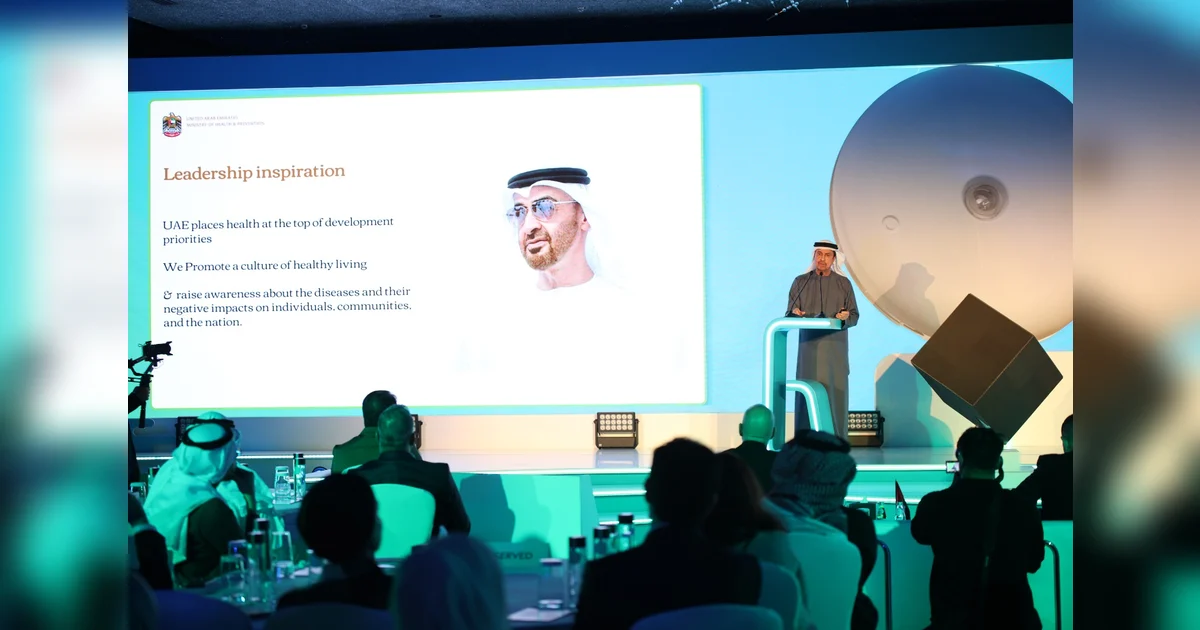
    Dr. Hussein Al Rand emphasized the UAE’s strategic commitment to preventive healthcare during the launch event, stating: “Our Health Vision 2030 prioritizes innovative solutions that enhance quality of life through evidence-based practices. This technology aligns perfectly with our national objective of building a healthier, more resilient population.”

    The system addresses critical limitations in traditional diabetes management, where brief clinical consultations, inconsistent treatment adherence, and fragmented data utilization have hampered effective large-scale care. Guido Sander, General Manager of Roche Diagnostics Middle East, explained: “Reactive diabetes care has become unsustainable. Our technology reduces uncertainty and restores patients’ sense of control over their condition.”

    Beyond individual patient benefits, the anonymized aggregate data generated by SmartGuide offers healthcare authorities unprecedented insights into population health trends, enabling more efficient resource allocation and policy development. The technology maintains rigorous data governance standards, positioning AI as a clinical decision-support tool rather than a replacement for medical professionals.

    Arthur Mattli, Ambassador of Switzerland to the UAE and Bahrain, highlighted the broader significance: “True innovation is measured by its capacity to restore dignity and certainty to people’s lives. This approach embodies the precision and long-term vision that transforms hope into tangible solutions.”

    The emotional dimension of diabetes management represents another critical aspect addressed by the technology. Patients report significantly reduced anxiety as they transition from constant vigilance to informed anticipation, fundamentally changing their relationship with the chronic condition.

    As diabetes continues to strain healthcare budgets across the region, predictive monitoring technologies like SmartGuide are evolving from luxury innovations to essential components of sustainable healthcare infrastructure, offering a practical solution to one of the Gulf’s most pressing health challenges.

  • French energy giant TotalEnergies resumes Mozambique $20 billion project as insurgency slows

    French energy giant TotalEnergies resumes Mozambique $20 billion project as insurgency slows

    French energy conglomerate TotalEnergies has officially recommenced operations on its monumental $20 billion liquefied natural gas (LNG) initiative in northern Mozambique’s Cabo Delgado province. The project, which represents one of Africa’s most substantial energy investments, had been suspended since April 2021 due to escalating insurgent violence that resulted in thousands of fatalities and displaced over one million residents.

    At a ceremony attended by Mozambican President Daniel Chapo at the Afungi project site, TotalEnergies CEO Patrick Pouyanné declared the formal conclusion of force majeure status and announced anticipated initial gas deliveries for 2029. The company projects a significant acceleration of operational activities throughout the coming months.

    The security situation that previously jeopardized the project has substantially improved through coordinated military interventions. Mozambique secured support from the Southern African Development Community (SADC) coalition forces and Rwandan defense personnel. While SADC troops completed their mandate and withdrew earlier this year, Rwandan security forces maintain their presence, contributing to stabilized conditions despite occasional isolated clashes.

    President Chapo, elected in 2024 with commitments to economic revitalization and enhanced national security, characterized the project’s revival as transformative for regional perception. He emphasized that operational resumption demonstrates Cabo Delgado’s recovery beyond security challenges and represents a crucial advancement in national economic strategy.

    The LNG development is projected to generate substantial governmental revenue through Mozambique’s minority stake, with additional investment participation from India, Japan, and Thailand. TotalEnergies anticipates employing over 4,000 workers, with 80% representing Mozambican nationals receiving specialized vocational training in technical fields including electrical systems and carpentry.

    Concurrently, TotalEnergies has pledged humanitarian assistance following catastrophic flooding that claimed approximately 300 lives across Mozambique, South Africa, and Zimbabwe earlier this month, according to United Nations assessments.

  • EU adds Iran’s Revolutionary Guards to terrorist list

    EU adds Iran’s Revolutionary Guards to terrorist list

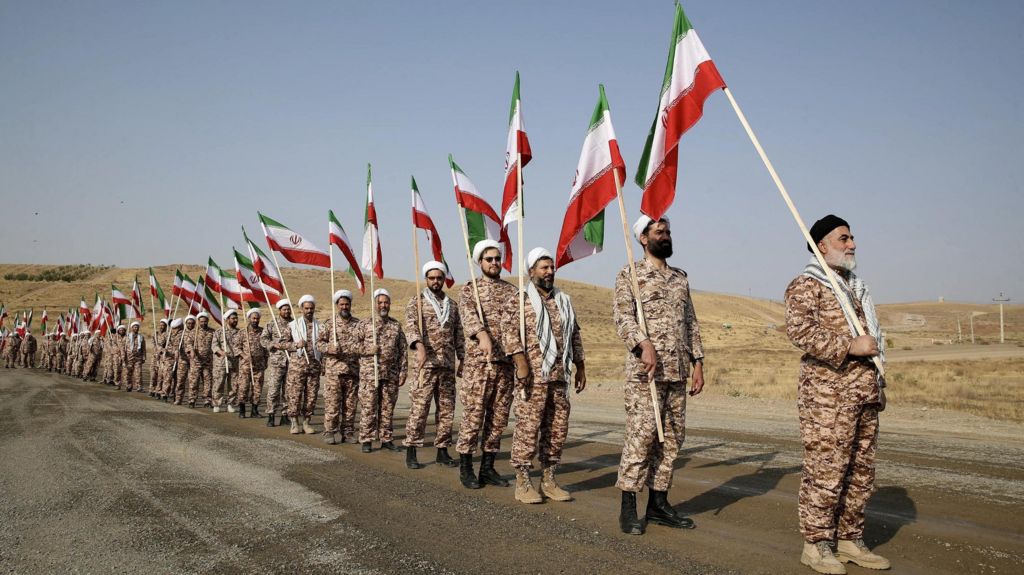
    The European Union has formally designated Iran’s Islamic Revolutionary Guard Corps (IRGC) as a terrorist organization in response to Tehran’s violent suppression of recent protests. This landmark decision places the powerful Iranian military force on the EU’s terror list alongside groups like al-Qaeda and Islamic State.

    EU foreign ministers unanimously approved the measure, with bloc diplomat Kaja Kallas characterizing it as a ‘decisive step’ against ongoing repression. ‘Repression cannot go unanswered,’ Kallas stated, emphasizing that regimes that kill their own people are working toward their demise.

    The designation follows what French Foreign Minister Jean-Noel Barrot described as ‘the most violent repression in Iran’s modern history,’ with human rights groups estimating thousands of protesters were killed by security forces during December and January unrest. The EU simultaneously imposed new sanctions on six entities and 15 Iranian officials, including Interior Minister Eskandar Momeni and Prosecutor General Mohammad Movahedi Azad, for their roles in suppressing peaceful demonstrations.

    Notably, France reversed its previous hesitation about blacklisting the IRGC over concerns about severing diplomatic channels. Italy led the push for designation, ultimately gaining unified European support.

    The IRGC, established after Iran’s 1979 revolution to defend its Islamic system, represents Iran’s most powerful military force with approximately 190,000 active personnel across land, air, and sea domains. The organization wields substantial economic and political influence while directing overseas operations through allied governments and armed groups. Domestically, it controls the Basij Resistance Force paramilitary group, which has been instrumental in suppressing dissent.

    EU terrorist designations trigger automatic sanctions including travel bans and asset freezes aimed at dismantling support networks. Despite the move, Kallas indicated expectations that diplomatic channels with Iran would remain open.

    The development occurs alongside heightened tensions with the United States, where President Donald Trump has warned that ‘time is running out’ for Iran to negotiate on its nuclear program. Trump threatened military action ‘far worse’ than previous strikes if no agreement is reached, claiming a ‘massive Armada’ was advancing toward Iran.

    Iranian officials have responded defiantly, with Foreign Minister Abbas Araghchi stating Iran’s armed forces were ready ‘with their fingers on the trigger’ to respond to any aggression. Army chief Amir Hatami vowed a ‘crushing response’ following reports that military regiments had received 1,000 new drones.

    International assessments of the crackdown’s human toll vary significantly due to internet restrictions imposed by Iranian authorities. While US-based HRANA confirms over 6,301 deaths including 5,925 protesters, Norway-based IHR estimates the final toll could exceed 25,000. Iranian authorities acknowledge approximately 3,100 fatalities but claim most were security personnel or bystanders attacked by ‘rioters.’

    The EU joins Australia, Canada, and the United States in designating the IRGC as terrorist, while the United Kingdom maintains its policy of not commenting on potential proscriptions.

  • Arijit Singh’s exit is not the end of an era, says Shreya Ghosal

    Arijit Singh’s exit is not the end of an era, says Shreya Ghosal

    The Indian music industry was stirred this week by playback singing phenomenon Arijit Singh’s announcement of his departure from professional singing commitments. His decision, shared via Instagram, resonated deeply with millions who have considered his voice the defining soundtrack of contemporary Bollywood narratives, accompanying countless moments of romance, heartbreak, and daily life.

    Rather than viewing this as a conclusion, celebrated collaborator and fellow singing icon Shreya Ghoshal framed the move as the commencement of an exciting new artistic phase. Responding directly to Singh’s post, Ghoshal expressed profound enthusiasm for the future creations of whom she described as a ‘genius.’ Her commentary rejected the notion that this departure signifies an endpoint, emphasizing that an artist of Singh’s extraordinary caliber transcends conventional boundaries and predefined formulas. She extended support for his journey toward even greater creative heights.

    Singh’s initial statement conveyed gratitude toward his global audience for their sustained affection throughout his career. He formally declared his intention to cease accepting new playback singing projects, characterizing his journey as ‘wonderful’ while signaling a definitive shift in his professional focus.

    The artist first entered the public consciousness through the 2005 reality competition ‘Fame Gurukul,’ later achieving mainstream recognition with his 2011 debut in ‘Murder 2.’ His status was cemented by the monumental success of ‘Tum Hi Ho’ from the 2013 film ‘Aashiqui 2,’ which propelled him to household name status and was followed by a prolific output of chart-topping hits.

  • Spinners end Pakistan’s eight-year T20 drought against under-strength Australia

    Spinners end Pakistan’s eight-year T20 drought against under-strength Australia

    In a historic turnaround at Lahore’s Gaddafi Stadium, Pakistan secured their first Twenty20 victory against Australia in eight years with a commanding 22-run win in the series opener on Thursday. The match pitted a full-strength Pakistani squad against an under-strength Australian side missing five World Cup players, providing crucial momentum for Pakistan just over a week before the T20 World Cup commences.

    Pakistan’s batting lineup established a competitive total of 168-8, powered by a dynamic 74-run partnership between Saim Ayub (40 off 22 balls) and captain Salman Ali Agha (39). Ayub’s innings featured his trademark no-look boundaries against pace bowling, while Agha demonstrated power hitting with four sixes. Their efforts were countered by Australian leg-spinner Adam Zampa, who delivered exceptional figures of 4-24, including the crucial wickets of both set batters and Babar Azam in his 100th T20 appearance.

    The match ultimately turned on Pakistan’s spin dominance, with their World Cup-selected quartet of Ayub, Abrar Ahmed, Shadab Khan, and Mohammad Nawaz collectively claiming six wickets. Ahmed proved particularly economical with 2-10 from his four overs, while Ayub’s two wickets included the valuable dismissal of Australian stand-in captain Travis Head for 23 runs. Australia’s response stalled at 146-8 despite a 36-run contribution from Cameron Green and late fireworks from Xavier Bartlett (34 not out).

    Australian captain Head acknowledged the challenging conditions, stating, ‘It was disappointing, but that’s how batting goes sometimes. We felt like we dragged it back well after the first 10 overs but the conditions made it difficult.’ The teams will reconvene at the same venue for the final two matches of the series on Saturday and Sunday.

  • Silent danger: Generators can be risky if used indoors, Ajman Police warn

    Silent danger: Generators can be risky if used indoors, Ajman Police warn

    Amidst recent cold and rainy conditions across the UAE, Ajman Police have escalated public warnings regarding the lethal risks associated with improper generator usage. Authorities emphasize that while generators serve as essential backup power sources, they transform into ‘silent dangers’ when operated indoors or in inadequately ventilated spaces.

    The primary hazard identified is carbon monoxide (CO) poisoning. This toxic gas is particularly perilous due to its colorless, odorless nature, making detection impossible without specialized equipment. Police officials advise residents to position generators a safe distance from living quarters and windows to prevent toxic fume infiltration.

    Health implications of exposure range from headaches, dizziness, and nausea to more severe consequences including confusion, loss of consciousness, and potentially fatal outcomes. Historical incidents underscore this threat: in 2023, two domestic helpers in Dubai succumbed to CO inhalation, while three Pakistani men in Sharjah died from similar circumstances involving an operational generator indoors.

    Ajman Police mandate regular maintenance checks and immediate emergency protocols. Suspected exposure requires shutting down the generator, evacuating the area, and contacting emergency services at 997 without delay. These measures aim to prevent further tragedies and enhance public awareness about covert hazards associated with generator operation during inclement weather.

  • Benfica’s Mourinho hails keeper’s late goal, Arbeloa laments Real collapse

    Benfica’s Mourinho hails keeper’s late goal, Arbeloa laments Real collapse

    In a stunning conclusion to a pivotal Champions League group stage match, Benfica secured progression to the knockout rounds through an unprecedented last-minute goal from an unlikely source. Ukrainian goalkeeper Anatoliy Trubin became the hero of the night with a 98th-minute header that delivered a 4-2 victory against Real Madrid at Estadio da Luz on Wednesday evening.

    The extraordinary finish culminated an emotionally charged evening for Benfica manager José Mourinho, who characterized the goalkeeper’s decisive goal as a ‘historic achievement’ for the Portuguese club. The victory secured Benfica’s advancement to the last-16 on goal difference, eliminating the need for playoff qualification.

    Meanwhile, Real Madrid coach Álvaro Arbeloa confronted the harsh reality of his team’s collapse, which included two late red cards and the relinquishment of a 1-0 lead. The defeat consigns the record 15-time Champions League winners to the two-legged playoff round rather than direct qualification.

    The match represented the first European encounter between these historic clubs since the 1965 European Cup quarterfinals, adding significance to Benfica’s victory. Mourinho, visibly moved during post-match interviews, emphasized the prestige value of defeating Real Madrid for both his club and players.

    Trubin’s game-winning contribution came during stoppage time from a set-piece opportunity, with the two-meter tall goalkeeper venturing into the opposition penalty area to connect with a delivered free kick. The goal triggered euphoric celebrations among home supporters, with Mourinho describing the stadium atmosphere as potentially ‘collapsing’ from the excitement.

    Conversely, Real Madrid’s performance drew sharp criticism from Arbeloa, who identified multiple deficiencies in his team’s display. ‘In a match where we knew what was at stake, we simply didn’t rise to the occasion,’ the frustrated manager stated, acknowledging problems both in possession and defensive organization.

    The match concluded with Raúl Asencio and Rodrygo receiving red cards in added time, compounding Real’s disappointing evening. Arbeloa attributed the disciplinary breakdown to emotional overflow given the high-stakes circumstances.

    This result compounds a challenging period for Real Madrid following former manager Xabi Alonso’s dismissal and their recent elimination from the Spanish Cup by second-tier Albacete. Arbeloa must now prepare his squad for the playoff round to salvage their European campaign.

  • Champions League: Madrid miss automatic qualification on frenetic group-stage finale

    Champions League: Madrid miss automatic qualification on frenetic group-stage finale

    In a stunning conclusion to the Champions League group stage, Real Madrid’s campaign unraveled dramatically with a 4-2 defeat against Benfica in Lisbon, denying them automatic qualification for the knockout rounds. Despite taking an early lead through Kylian Mbappé, the Spanish giants collapsed in the closing moments as José Mourinho’s Benfica staged a remarkable comeback.

    The match reached its climax in the 98th minute when Benfica goalkeeper Anatoliy Trubin scored an unprecedented header, securing his team’s fourth goal and propelling the Portuguese side into the playoffs on goal difference. Real’s disastrous evening was compounded by two stoppage-time red cards shown to Raul Asencio and Rodrygo.

    Meanwhile, defending champions Paris Saint-Germain also dropped out of the top eight after being held to a 1-1 draw by Newcastle United at home. Both teams now face the uncertainty of the playoff round despite beginning the final matchday in automatic qualification positions.

    Liverpool concluded their group campaign emphatically with a 6-0 demolition of Qarabag, featuring braces from Alexis Mac Allister and Mohamed Salah. Barcelona orchestrated a impressive recovery from ninth position, overcoming Copenhagen 4-1 with goals from Robert Lewandowski, Lamine Yamal, Raphinha, and Marcus Rashford.

    Manchester City secured their progression with a 2-0 victory over Galatasaray, climbing from eleventh to eighth position. Arsenal achieved historic distinction by becoming the first club to complete the new 36-team group format with a perfect record, defeating Kairat Almaty 3-2.

    The expanded Champions League format maintained suspense until the final seconds of the eighth round, with only four clubs definitively eliminated before the last matchday. The playoffs will feature prominent clubs including Real Madrid, Juventus, and Inter Milan, who must navigate two-legged ties to reach the last sixteen.