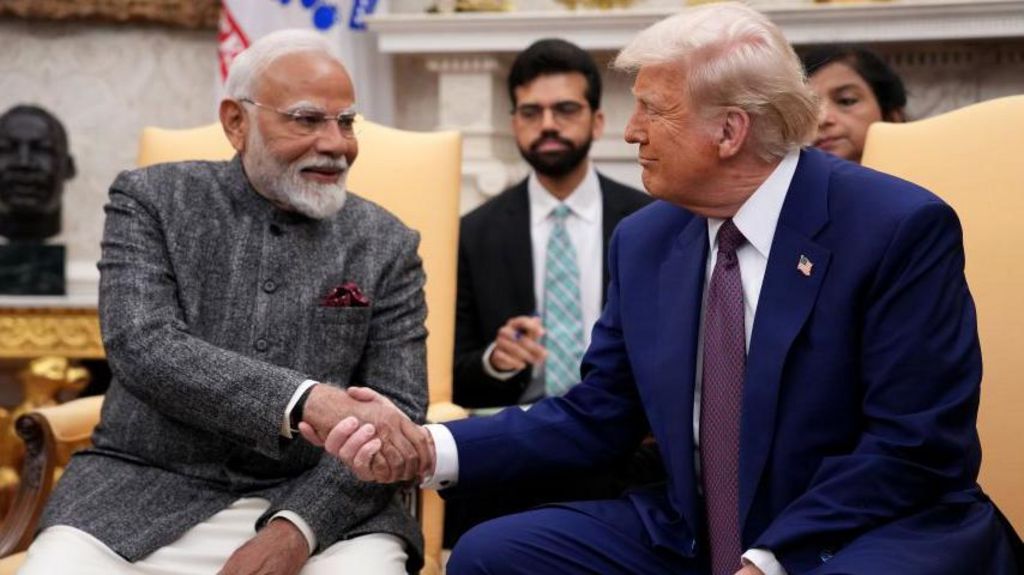
In a gesture signaling a potential easing of recent tensions, U.S. President Donald Trump reached out to Indian Prime Minister Narendra Modi to extend birthday wishes ahead of his 75th birthday. The phone call, made on Wednesday, comes after weeks of strained relations due to U.S. tariffs imposed on India for its purchase of Russian oil and weapons. Trump described the tariffs as partially punitive, while India defended its actions as necessary for domestic energy security, labeling the tariffs as unjust. The call followed recent discussions between U.S. trade negotiator Brendan Lynch and Indian commerce officials, aimed at resolving trade disputes and advancing a bilateral trade agreement. Both sides have described these talks as positive, though negotiations remain ongoing. Trump later praised Modi on social media, acknowledging his efforts in global diplomacy, particularly regarding the Russia-Ukraine conflict. Modi reciprocated by referring to Trump as a friend and reaffirming their commitment to strengthening bilateral ties. Despite the recent friction, both leaders expressed optimism about the future of U.S.-India trade relations, with Modi highlighting their shared vision as natural partners. The call marks a notable step toward mending ties, even as Trump continues to advocate for higher tariffs on China and India to pressure Russia over the Ukraine war.
博客
-
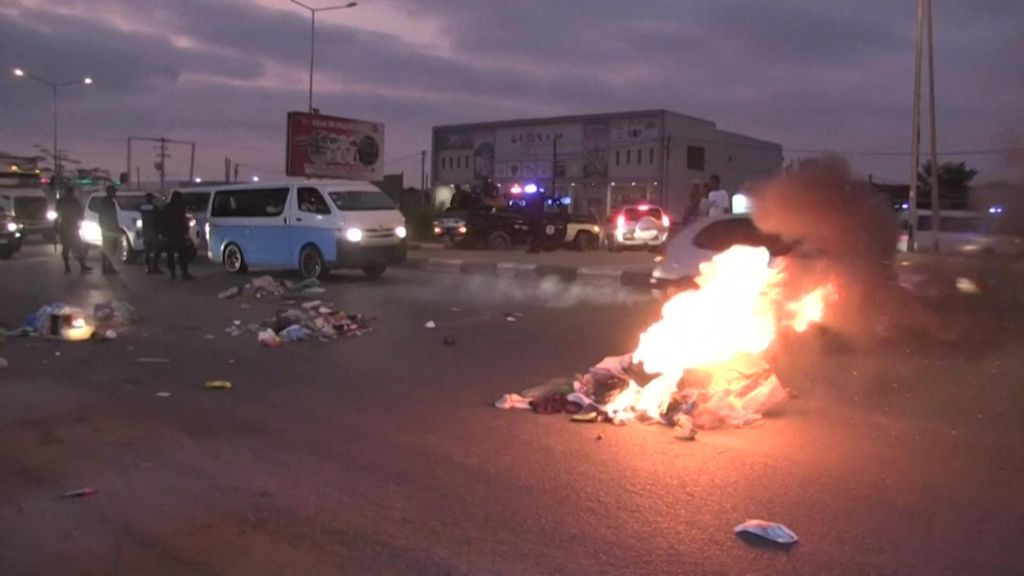
‘The hungry can’t stay silent’ – behind deadly protests in oil-rich Angola
In July, Angola witnessed one of its most significant waves of protests since the end of its civil war in 2002. What began as a demonstration by taxi drivers against rising fuel prices quickly escalated into widespread unrest, leaving at least 30 dead and thousands arrested. The protests, which paralyzed parts of Luanda and spread to other provinces, highlighted deep-seated issues of poverty, inequality, and youth unemployment in the oil-rich nation. Despite Angola’s gleaming skyscrapers, millions struggle to make ends meet in the informal sector, with youth unemployment reaching a staggering 54%. The unrest exposed the government’s failure to address systemic issues, even as President João Lourenço promised reforms. Critics argue that his administration has fallen short in tackling corruption, diversifying the economy, and creating jobs. The protests, though violent, were seen by many as a necessary outcry against a system that has long ignored the plight of the marginalized. As Angola approaches its 50th independence anniversary, the demonstrations serve as a stark reminder of the urgent need for meaningful change.
-

Canadian writer Robert Munsch approved for assisted dying
Celebrated Canadian children’s author Robert Munsch, known for timeless classics such as *The Paper Bag Princess* and *Love You Forever*, has been approved for medically assisted dying in Canada. The 80-year-old writer, who has sold over 80 million copies of his books in North America alone, was diagnosed with dementia in 2021 and also suffers from Parkinson’s disease. In a candid interview with *The New York Times Magazine*, Munsch revealed that while he has not set a specific date for his death, he plans to proceed when his ability to communicate significantly deteriorates. ‘When I start having real trouble talking and communicating, then I’ll know,’ he stated. Canada first legalized euthanasia in 2016 for individuals with terminal illnesses, and in 2021, the law was expanded to include those with severe and chronic physical conditions, even if not immediately life-threatening. Munsch’s decision was influenced by witnessing his brother’s prolonged suffering from amyotrophic lateral sclerosis (ALS), also known as Lou Gehrig’s disease. ‘They kept him alive through all these interventions. I thought, let him die,’ Munsch recalled. To qualify for assisted dying in Canada, individuals must meet stringent criteria, including having a ‘serious and incurable illness,’ making a voluntary request free from external pressure, and being in an ‘advanced state of irreversible decline in capability.’ Two independent medical practitioners must assess and confirm eligibility. Munsch’s publisher, Scholastic, praised his decision to speak openly about medically assisted dying, stating it ‘reminds us, once again, why Robert’s work continues to touch many generations.’ His daughter, Julie, clarified that her father is not in immediate danger but emphasized his long-standing resolve to pursue this option. Under Canadian law, individuals must actively consent on the day of their death. ‘I have to pick the moment when I can still ask for it,’ Munsch explained. In 2023, medically assisted dying accounted for 4.7% of deaths in Canada, with 96% of cases involving severe conditions like cancer.
-
Trump clashes with Australian journalist over business deals in office
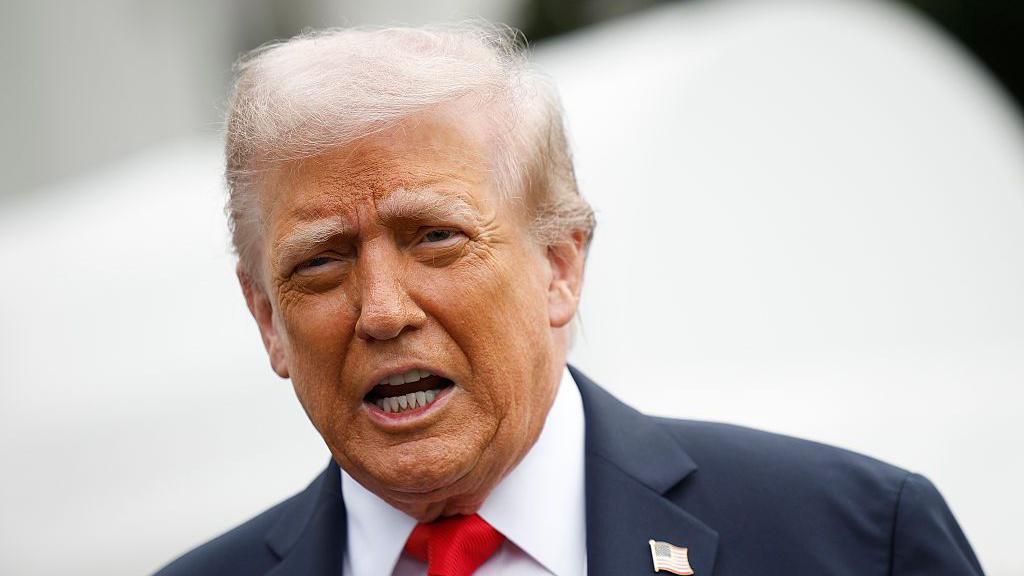
In a recent confrontation, former US President Donald Trump accused an Australian journalist of ‘hurting Australia’ during an interview. The incident occurred when John Lyons from the Australian Broadcasting Corporation (ABC) questioned Trump about his financial gains since returning to the White House in January. Trump, evading the specifics, stated that his children manage the family businesses and criticized Lyons for damaging Australia’s interests. He hinted at discussing the matter with Australian Prime Minister Anthony Albanese during their upcoming meeting. The tension between Trump and Lyons escalated when Trump abruptly ended the conversation, signaling for silence before moving on. This exchange comes amidst strained US-Australia relations, particularly following the Trump administration’s review of the Aukus submarine deal and the imposition of tariffs on Australian exports. Lyons defended his line of questioning as legitimate and non-provocative, emphasizing the importance of journalistic integrity in maintaining the alliance between the two nations. The White House later commented on the incident through a social media post, labeling Lyons as a ‘rude foreign Fake News loser’.
-
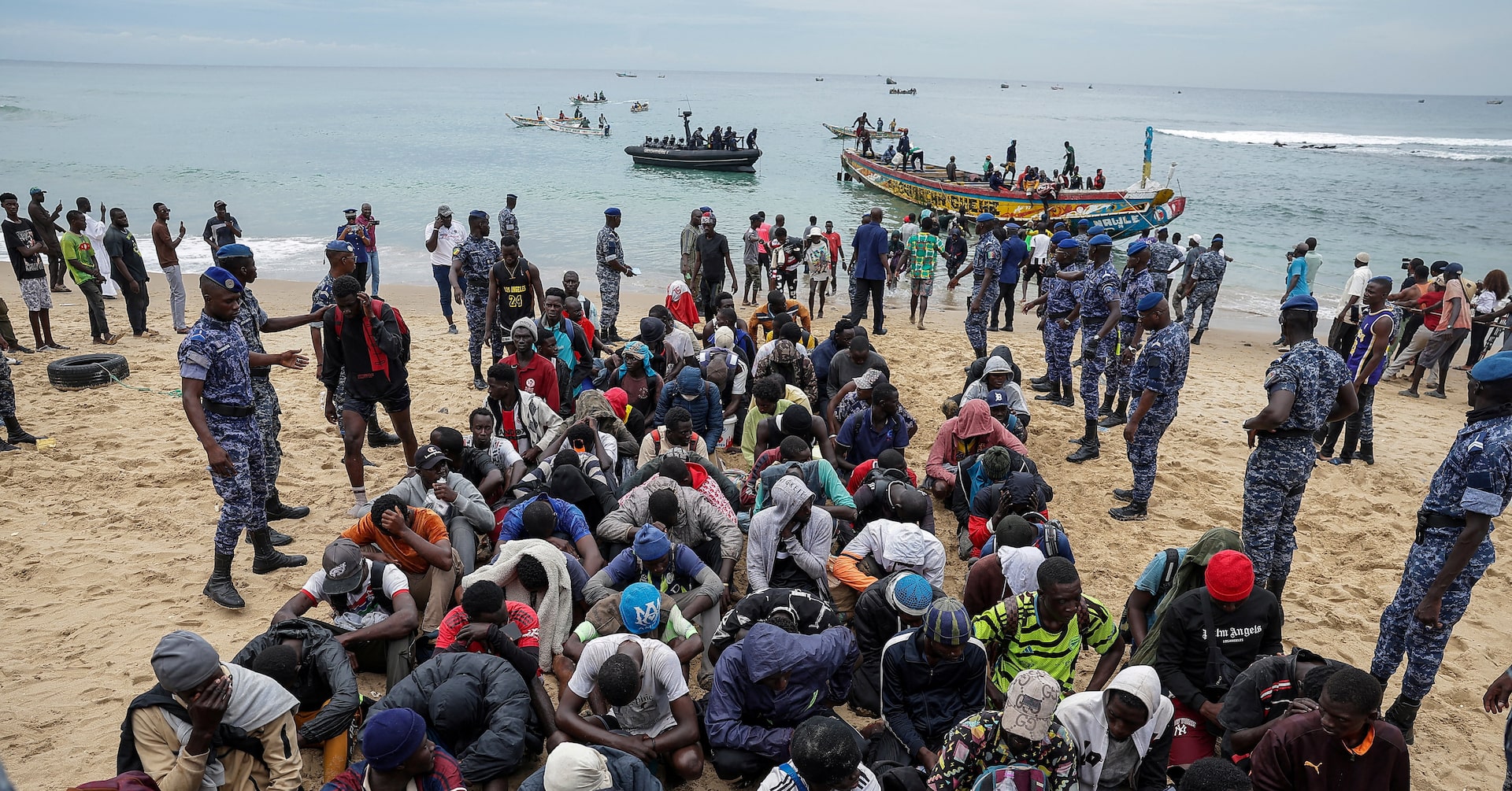
Senegal intercepts pirogue carrying 112 migrants attempting Atlantic crossing
In a dramatic intervention off the coast of Dakar, Senegalese authorities intercepted a wooden fishing boat carrying 112 migrants attempting to reach Europe via the treacherous Atlantic Ocean route. The vessel, a traditional pirogue, was discovered drifting without an engine after local fishermen raised the alarm. Abdoul Aziz Gueye, the mayor of Dakar’s Ouakam district, revealed that the fishermen provided a motor to help the boat approach the shore, where it was subsequently intercepted by the Senegalese marines. All individuals on board were identified as young men, and an investigation has been launched to determine the origins of the vessel and the circumstances surrounding its engine failure. One migrant, speaking to Reuters on Ouakam Beach, disclosed that the group hailed from Gambia and had been at sea for five days. This incident highlights the ongoing challenge of irregular migration from West Africa to Europe, particularly via the perilous Atlantic route to Spain’s Canary Islands. Despite increased collaboration between European and West African nations to curb such migration, deep-rooted issues like economic hardship, political instability, and climate change continue to drive individuals to undertake these dangerous journeys. Senegalese authorities have intensified patrols in recent years, yet migrants persist in attempting the crossing, often in overcrowded and ill-equipped vessels.
-
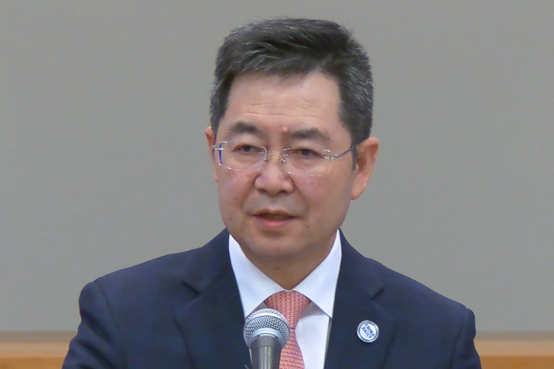
The Global Governance Initiative supports the fulfillment of the UN’s mission
At the ‘Vision China’ event held at the United Nations headquarters in New York on September 15, Qu Yingpu, publisher and editor-in-chief of China Daily, emphasized the significance of the Global Governance Initiative. The event, themed ‘Standing United: Inheriting the UN Legacy, Advancing Global Governance,’ highlighted the initiative’s alignment with core principles such as sovereign equality, international rule of law, multilateralism, a people-centered approach, and tangible outcomes. Qu underscored that these principles provide Chinese wisdom and solutions to bolster global governance, particularly as unilateralism and power politics continue to undermine the UN and other multilateral institutions. The initiative aims to foster a more collaborative and effective global governance framework, addressing contemporary challenges while upholding the UN’s foundational values.
-
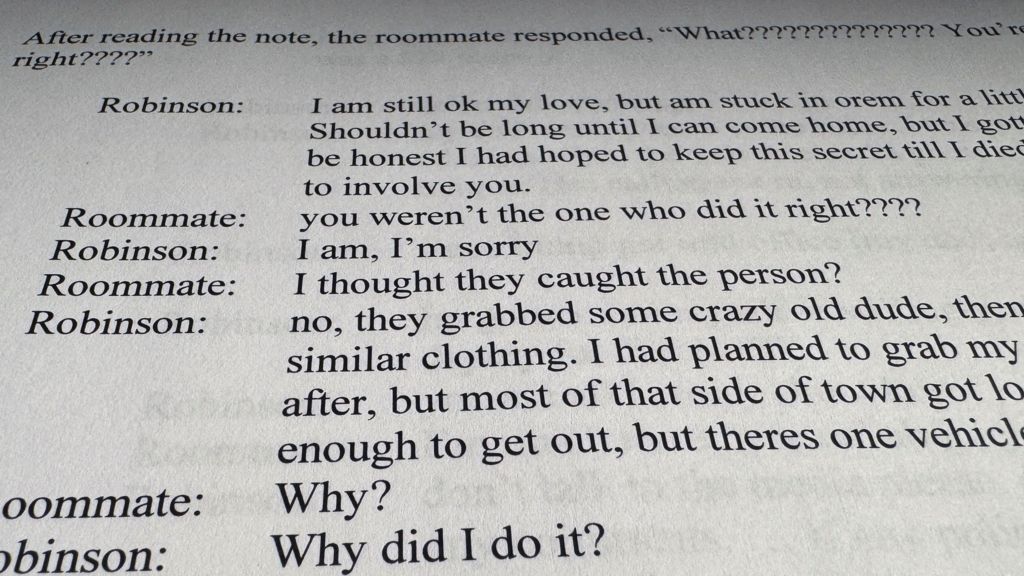
Read the text messages between Charlie Kirk accused and roommate
Tyler Robinson, the man accused of fatally shooting conservative commentator Charlie Kirk, appeared in court via video link as new details emerged from court documents. Prosecutors revealed that Robinson allegedly texted his roommate shortly after the shooting, discussing his motives and actions. The roommate, described as a biological male transitioning to female and in a romantic relationship with Robinson, provided investigators with a series of text messages exchanged on the day of the incident. The messages, which were presented in court, included Robinson’s admission to the crime and his plans to retrieve a rifle left at a drop point. Robinson also expressed concern about leaving evidence and his father’s reaction to losing the rifle. The shooting occurred last Wednesday at Utah Valley University in Orem, Utah, and has since sparked intense debate about the political divide in the United States. Authorities initially detained another individual before focusing on Robinson, who later indicated his intention to turn himself in. The case continues to unfold as investigators piece together the events leading up to the shooting.
-
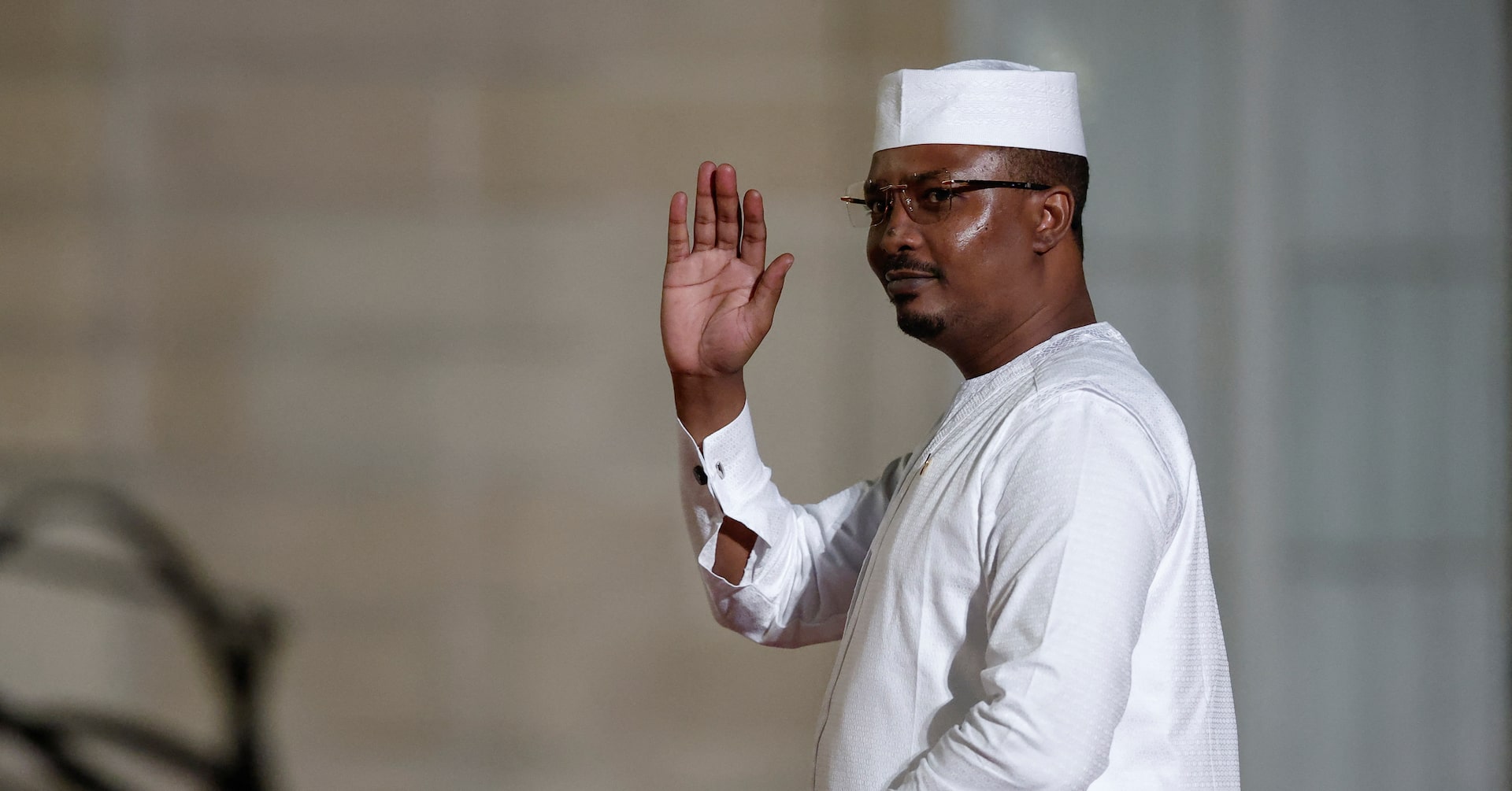
Chad votes to allow president to run unlimited times
Chad’s National Assembly has overwhelmingly approved significant constitutional amendments that extend the presidential term from five to seven years and remove term limits, potentially allowing President Mahamat Idriss Deby to remain in power indefinitely. The changes, passed with 171 votes in favor, one abstention, and no opposition, are set for a final Senate vote on October 13, after which they will be signed into law by the president. This move follows Deby’s controversial election victory in May 2024, which came after three years of military rule and was disputed by opposition leaders. The ruling party also secured a dominant majority in parliamentary elections held in December. Analysts view these revisions as a strategic effort by the ruling elite to consolidate power, with Remadji Hoinathy of the Institute for Security Studies noting that dissenting voices are increasingly being silenced. Chad, which has experienced a series of coups in recent years, was the first junta-led state in West and Central Africa to hold elections. The political landscape remains tense, with opposition leader Succes Masra sentenced to 20 years in prison for inciting violence following the disputed election.
-
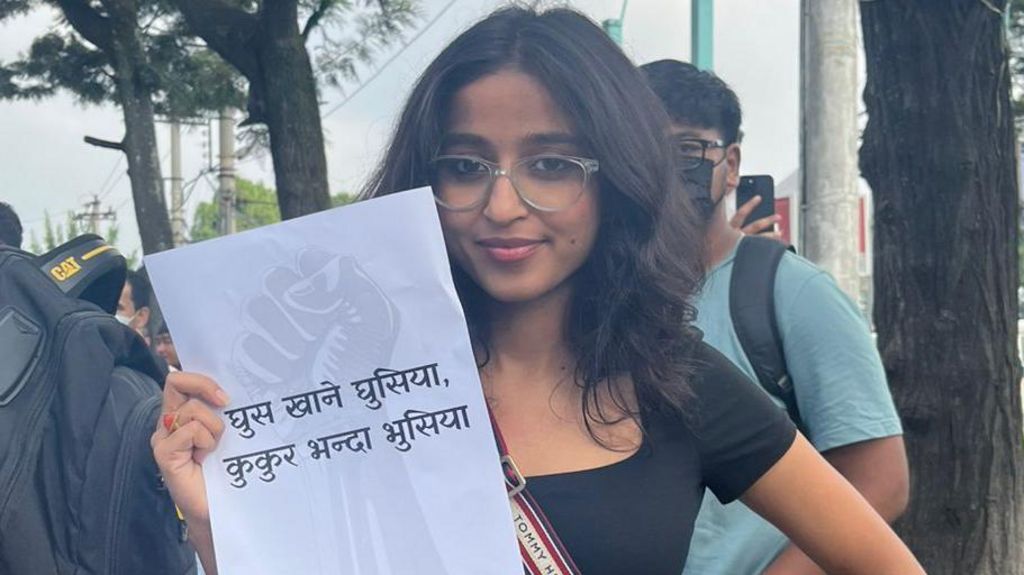
Politicians get rich while we suffer – so I helped bring down our government in 48 hours
In a dramatic turn of events, Nepal’s Generation Z protesters managed to topple the government in less than 48 hours, but the triumph was marred by significant casualties and widespread destruction. The protests, which erupted last week, resulted in the deaths of 72 people, marking the deadliest unrest in the Himalayan nation in decades. Official buildings, political leaders’ residences, and luxury hotels, including the recently opened Hilton, were set ablaze, vandalized, and looted. The wife of a former prime minister is currently fighting for her life after their home was torched.
Tanuja Pandey, a 24-year-old environmental campaigner and one of the protest organizers, expressed a mix of pride and sorrow. ‘We are proud, but there is also a mixed baggage of trauma, regret, and anger,’ she said. The protests were a vehement rejection of Nepal’s political class, accused of decades of poor governance and exploitation of state resources, according to Ashish Pradhan, a senior adviser at the International Crisis Group. However, the damage to government services could parallel the toll of the 2015 earthquake, which claimed nearly 9,000 lives.
The financial losses are staggering, estimated at 3 trillion Nepalese rupees ($21.3 billion), nearly half of the country’s GDP. The Kathmandu Post, whose offices were also attacked, reported that at least 300 local government offices across the nation were damaged. The protests were fueled by deep-seated anger over inequality, with young Nepalis targeting the children of politicians, derogatorily referred to as ‘nepo babies,’ for flaunting their unexplained wealth on social media.
Ms. Pandey, who comes from a middle-class family in eastern Nepal, had previously uploaded a video highlighting the exploitation of natural resources in the Chure mountain range. She called for action against corruption and the misuse of national wealth. The protests, leaderless like many youth movements in Asia, gained momentum after the government banned 26 social media platforms, citing their failure to register locally.
The situation escalated on September 8, when thousands gathered at Maitighar Mandala in central Kathmandu. Initially peaceful, the protests turned violent as crowds moved towards the parliament building. Police responded with tear gas, water cannons, and live rounds, resulting in numerous casualties. The chaos continued the next day, with demonstrators setting fire to parliament, the prime minister’s office, and other government buildings.
In the aftermath, former Supreme Court Chief Justice Sushila Karki was appointed interim prime minister, backed by protesters. However, concerns remain about Nepal’s political future, with experts warning against the glorification of the army as a stabilizing force. The involvement of Durga Prasai, a controversial figure with a history of violent protests, in initial negotiations has also raised eyebrows.
Families of the deceased protesters are grappling with their loss. Yogendra Neupane, a 23-year-old aspiring civil servant, was shot in the back of the head near the parliament building. His family, unaware of his participation until the situation escalated, mourns his sacrifice. ‘His blood and sacrifice should be recognized so that other young people won’t have to hit the streets again in the future,’ said his great-uncle Saubhagya.
Ms. Pandey remains cautiously optimistic about Nepal’s future, viewing the protests as a political awakening for her generation. ‘We are no longer willing to stay silent or accept injustice,’ she declared. ‘This is not just a gentle nudge; it’s a bold challenge to a system that has hoarded power for decades.’
-
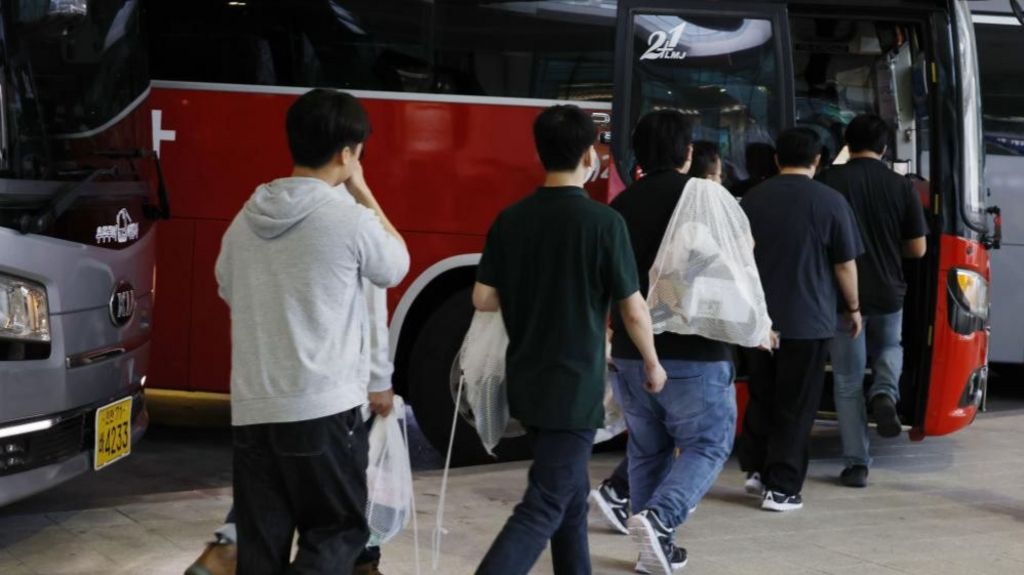
US officers tied us up and pointed guns at us, South Korean engineers tell BBC
In a startling turn of events, over 300 South Korean workers were detained in Georgia, USA, in one of the largest immigration raids during Donald Trump’s presidency. The workers, employed by South Korean companies Hyundai and LG, were assisting in the construction of an electric car battery plant, a project aimed at boosting foreign investment in the US. The raid, which involved armed immigration officers, armored vehicles, and drones, left the workers shocked and terrified. Many were handcuffed, shackled, and transported to detention centers, where they endured harsh conditions, including freezing temperatures and unsanitary water. Initially, US officials claimed the workers were in the country illegally, but a subsequent agreement allowed them to leave voluntarily without penalties. The incident has strained US-South Korea relations, with South Korea investigating potential human rights violations. Despite the ordeal, some workers express a sense of resignation, as their livelihoods depend on their work in the US.