博客

  • Thousands of Czechs rally in support of President Pavel in his dispute with foreign minister

    Thousands of Czechs rally in support of President Pavel in his dispute with foreign minister

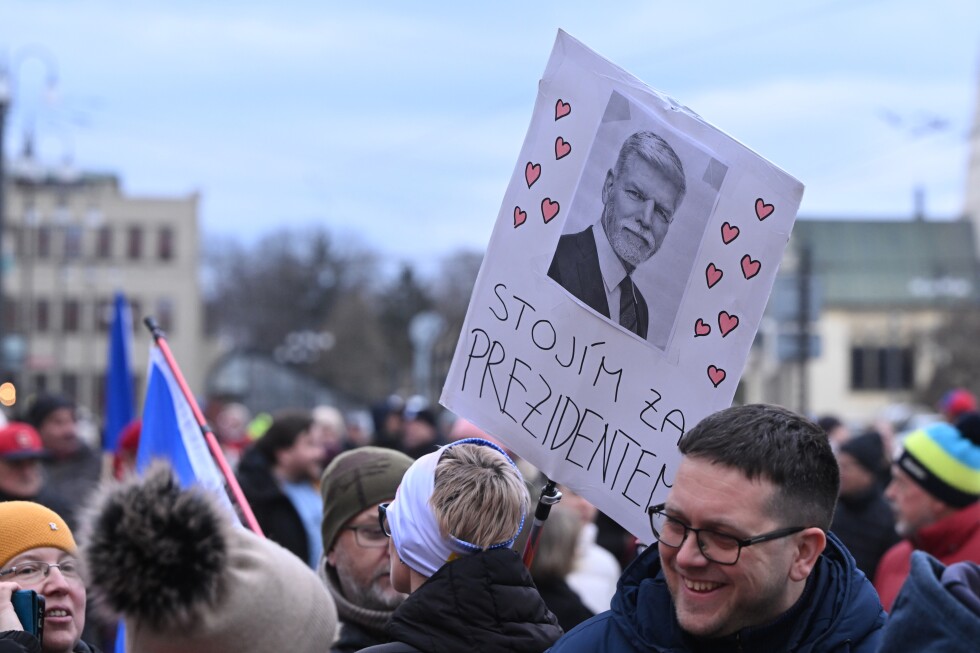
    PRAGUE — The Czech Republic witnessed widespread civic mobilization on Sunday as thousands of citizens participated in coordinated demonstrations across approximately 400 municipalities, including major urban centers like Brno. These protests, organized by the pro-democracy group Million Moments, represent a significant show of support for President Petr Pavel amid an escalating constitutional confrontation with Foreign Minister Petr Macinka’s political faction.

    The political crisis originated from President Pavel’s principled refusal to appoint Filip Turek as environment minister, a nomination put forward by the eurosceptic Motorists party. This decision followed media revelations exposing Turek’s history of publishing content with racist, homophobic, and sexist undertones on social media platforms. Although Turek offered partial apologies while disputing certain allegations, the president maintained that such appointments would violate ethical governance standards.

    Foreign Minister Macinka has escalated tensions by accusing the president of constitutional violations and issuing veiled threats of political consequences. President Pavel has characterized these actions as attempted blackmail, creating an unprecedented standoff between the presidential office and the governing coalition.

    This confrontation occurs against the backdrop of a fragile government formation led by populist Prime Minister Andrej Babiš, whose coalition includes the anti-migrant Freedom and Direct Democracy party alongside the Motorists group. The coalition’s agenda includes distancing the country from Ukrainian support mechanisms, challenging EU policy frameworks, and restructuring public broadcaster financing—moves that critics argue threaten democratic institutions.

    Mikuláš Minář, the lead organizer of the protests, emphasized that the demonstrations transcend presidential support, representing a broader defense of democratic values against what participants perceive as oligarchic and extremist influences. The protests explicitly position the Czech Republic against the pro-Russian orientations of neighboring Hungary and Slovakia, highlighting the geopolitical dimensions of this domestic political struggle.

  • Gaza civil defence says Israeli strikes kill 11 since dawn on Sunday

    Gaza civil defence says Israeli strikes kill 11 since dawn on Sunday

    Fresh violence has erupted in Gaza despite an ongoing U.S.-brokered truce, with Palestinian rescue services reporting at least 11 fatalities from Israeli military operations since Sunday dawn. The latest casualties highlight the fragile nature of the ceasefire agreement that entered its second phase last month.

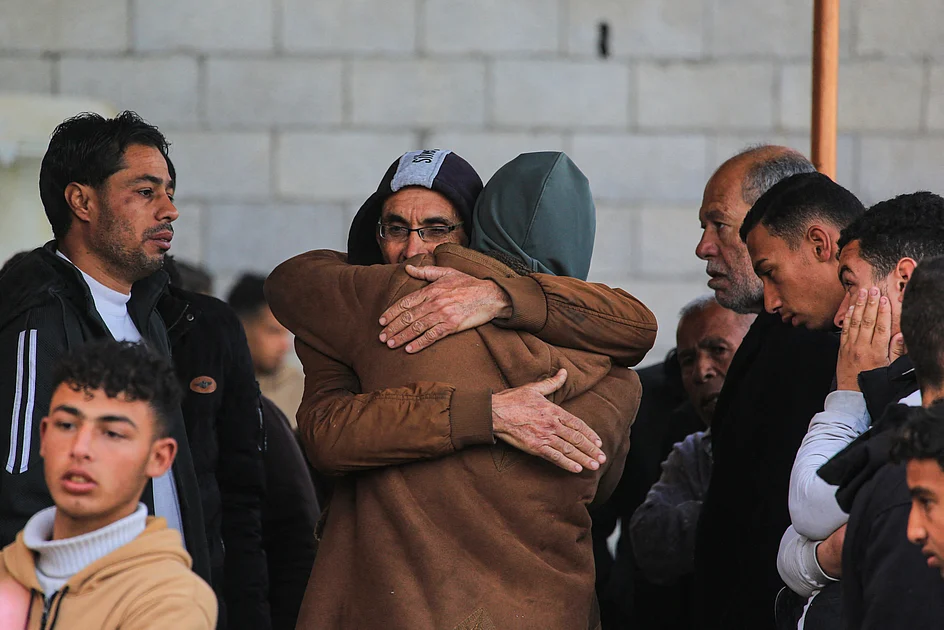
    According to Gaza’s civil defence agency, which functions as an emergency response unit under Hamas administration, the casualties occurred across multiple locations. In northern Gaza’s Jabalia region, an airstrike targeted a tent sheltering displaced persons, resulting in five deaths and multiple injuries. Simultaneously, southern Khan Yunis witnessed five additional fatalities from separate strikes, while Gaza City recorded one further casualty from Israeli shelling.

    Medical facilities including Al-Shifa and Nasser hospitals confirmed receiving at least seven bodies from the incidents. The Israeli military defended its actions, citing explicit violations of the ceasefire agreement by Hamas operatives. A military official stated that identified armed militants were observed taking cover near debris east of the designated ‘Yellow Line’ in proximity to Israeli Defense Force positions, allegedly emerging from underground infrastructure.

    The ceasefire framework, implemented on October 10, required Israeli troops to withdraw behind the Yellow Line while maintaining control over more than half of the territory. However, both parties have repeatedly accused each other of violating the agreement’s terms. Gaza’s health ministry, operating under Hamas authority, reports at least 601 Palestinian fatalities since the truce commenced, while Israeli authorities acknowledge four soldier deaths during the same period.

    The ongoing conflict continues amid challenges in independent verification, with media restrictions and limited access preventing comprehensive documentation of casualty figures and combat operations in the region.

  • Dubai-Salalah travel: Oman Air launches 3 weekly flights for Khareef season

    Dubai-Salalah travel: Oman Air launches 3 weekly flights for Khareef season

    Oman Air has unveiled strategic plans to launch a new direct flight service connecting Dubai and Salalah, marking a significant expansion of its regional network. The national carrier of Oman will commence three weekly year-round flights starting July 3, 2026, strategically timed to coincide with the beginning of Salalah’s renowned Khareef (monsoon) season.

    The airline will begin accepting bookings for this new route from February 16, 2026, providing travelers with enhanced connectivity options between the UAE and Oman’s southern Dhofar Governorate. This initiative responds to growing passenger demand and aims to strengthen regional air corridors across the Gulf Cooperation Council (GCC) region.

    Con Korfiatis, Chief Executive Officer of Oman Air, emphasized the carrier’s commitment to supporting tourism growth: ‘With increasing demand for flights to and from Salalah, we are strategically expanding our seat capacity to provide flexible travel options that actively contribute to tourism and economic development in the governorate.’

    The Khareef season, which officially runs from June 21 to September 20 annually, transforms Salalah into a major tourist destination, attracting millions of visitors from the UAE and neighboring Gulf countries who seek respite in its lush green mountains and moderate climate.

    This route expansion follows Oman Air’s demonstrated capacity growth strategy. In January 2026, the airline increased available seats to Salalah by 20% compared to the previous year, following a 15% capacity enhancement during the autumn 2025 season to accommodate peak tourist arrivals.

    Concurrently, Oman Air has been developing its international connectivity, recently launching charter flights between Moscow and Salalah to tap into the growing Russian tourism market. This initiative is projected to bring over 7,000 visitors to the region, providing substantial support to local tourism enterprises and businesses.

    The airline has also announced plans to further optimize its flight schedule, including expanded services during Ramadan, to offer passengers greater flexibility and travel options throughout the year.

  • Colombian president accepts rebel’s proposal to have a commission investigate its possible drug ties

    Colombian president accepts rebel’s proposal to have a commission investigate its possible drug ties

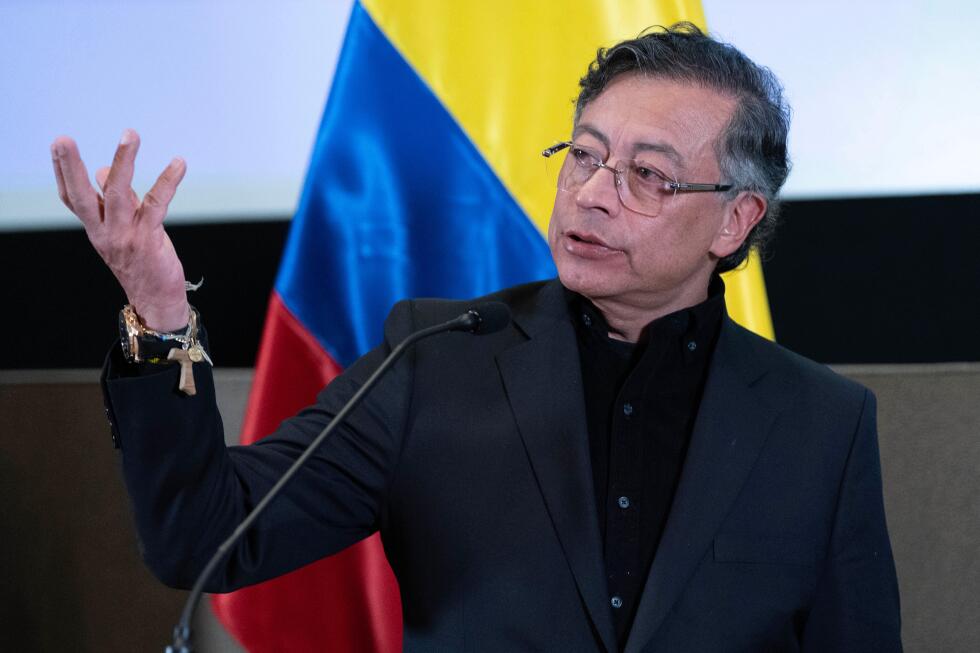
    BOGOTA, Colombia — In a significant development toward potential peace negotiations, Colombian President Gustavo Petro announced Sunday his acceptance of a proposal from the National Liberation Army (ELN) to establish an independent commission investigating the rebel group’s alleged connections to narcotics trafficking. The unprecedented move comes after ELN commander Antonio García publicly challenged the government in a January 20 video statement to verify their claims of non-involvement in drug operations. President Petro responded via social media platform X, stipulating that the verification body must maintain scientific integrity and governmental independence while reporting its findings directly to the United Nations. The Colombian leader simultaneously urged ELN forces to support crop substitution initiatives in the conflict-ridden Catatumbo region, where coca cultivation remains prevalent. This diplomatic breakthrough follows last year’s collapsed peace talks, which deteriorated after ELN offensives displaced over 50,000 civilians and resulted in numerous casualties. The 5,000-strong Marxist rebel group, established in the 1960s, has expanded its territorial control along the Venezuela-Colombia border following the 2017 disarmament of FARC rebels. Petro’s administration has consistently accused ELN leadership of being ‘drug traffickers disguised as guerrilla fighters,’ citing narcotics revenue as a primary obstacle to successful peace negotiations.

  • Tom Wilson fights in Canada’s game vs. France at the Olympics

    Tom Wilson fights in Canada’s game vs. France at the Olympics

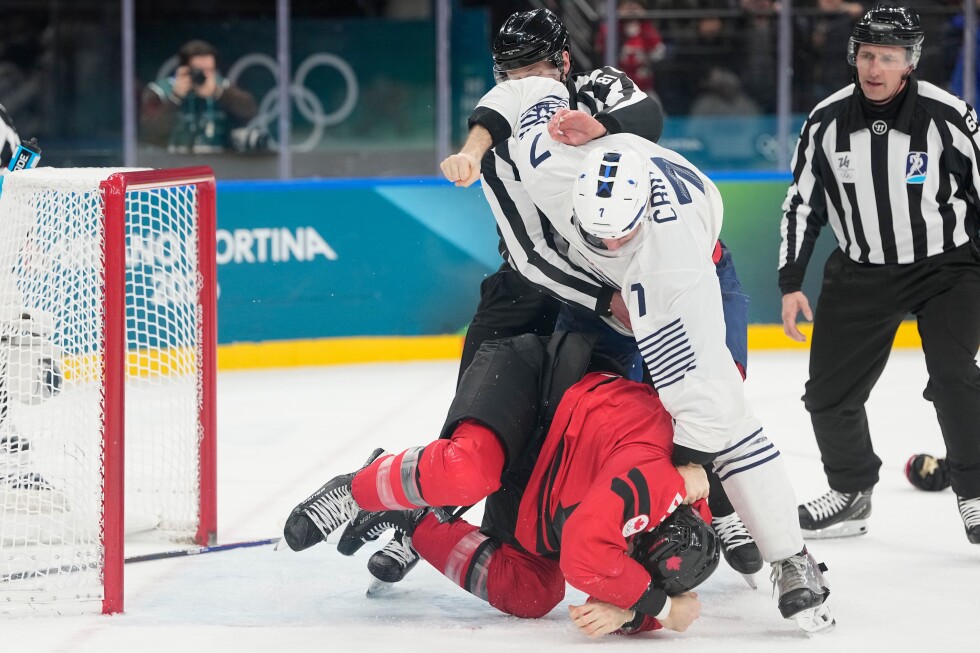
    MILAN — Olympic hockey witnessed a rare display of fisticuffs during Canada’s matchup against France on Sunday, challenging the conventional wisdom that international rules eliminate fighting from the game. The incident unfolded when Canadian winger Tom Wilson confronted French defenseman Pierre Crinon in retaliation for a forearm hit to the head of Wilson’s teammate, Nathan MacKinnon, during the third period.

    The altercation resulted in both players receiving game misconduct penalties and immediate ejections under International Ice Hockey Federation regulations, which treat fighting more severely than the NHL’s five-minute major penalty system. Despite the ejection, Wilson had already made significant offensive contributions with one goal and one assist prior to the fight.

    This physical exchange completed what hockey tradition calls a ‘Gordie Howe hat trick’—a goal, an assist, and a fight in the same game—a rare feat in international competition. The 31-year-old Washington Capitals star, who missed Canada’s 4 Nations Face-Off tournament last year, was specifically selected for the Olympic roster for his physical presence, puck retrieval skills, and offensive production. His inclusion addresses Canada’s need for toughness, particularly after the team’s previous tournament opener against the United States featured three fights within the first nine seconds of play.

    Crinon received a two-minute minor penalty for the initial hit on MacKinnon and subsequently apologized for the action. The incident highlights the ongoing tension between traditional hockey physicality and the IIHF’s stricter enforcement against fighting, even as players continue to police the game themselves when perceived dangerous plays occur.

  • ‘More than first aid’: Athletes at Dubai Games 2026 get hospital-level care

    ‘More than first aid’: Athletes at Dubai Games 2026 get hospital-level care

    Dubai Games 2026 has revolutionized athletic medical support by implementing hospital-level care directly on the competition grounds, creating an unprecedented safety net for participants and spectators alike. In a groundbreaking collaboration between Dubai Health and Dubai Corporation for Ambulance Services, the event features a fully-equipped medical facility that transcends traditional first aid capabilities.

    The medical unit operates with comprehensive diagnostic technologies including mobile X-ray equipment and blood testing laboratories, complemented by a dedicated plaster room staffed with technicians specializing in fracture management and trauma cases. The multidisciplinary team comprises doctors, nurses, administrative personnel, and IT support staff working in seamless coordination, with emergency medications and equipment immediately available.

    Dr. Ahd Shahin, Director of Events and Community Services at Dubai Health, emphasized the organization’s commitment: ‘Our presence ensures immediate care when needed, significantly reducing the necessity for hospital transfers. We maintain comprehensive clinical capabilities and expertise on-site to support both athletes and spectators.’

    The integration with Dubai Corporation for Ambulance Services provides critical backup, with ambulance teams stationed throughout the venue to facilitate immediate transfers for cases requiring advanced hospital intervention. This dual-layer medical approach ensures continuous coverage from initial assessment to specialized hospital care when necessary.

    The human impact of this medical infrastructure was demonstrated when an injured athlete, after being diagnosed with a fracture, requested to remain and support his team before hospital transfer. Medical staff accommodated his wish, providing wheelchair assistance and monitoring his condition while he cheered his teammates—a testament to the flexible, athlete-centered approach of the medical team.

    Since the inception of Dubai Games, medical capabilities have expanded annually to meet evolving championship demands. This hospital-level on-site care represents a significant advancement in sports medicine support, allowing athletes to compete with confidence knowing comprehensive medical attention is immediately accessible.

  • UAE banks well-positioned to cope with outflows amid rising geopolitical risks

    UAE banks well-positioned to cope with outflows amid rising geopolitical risks

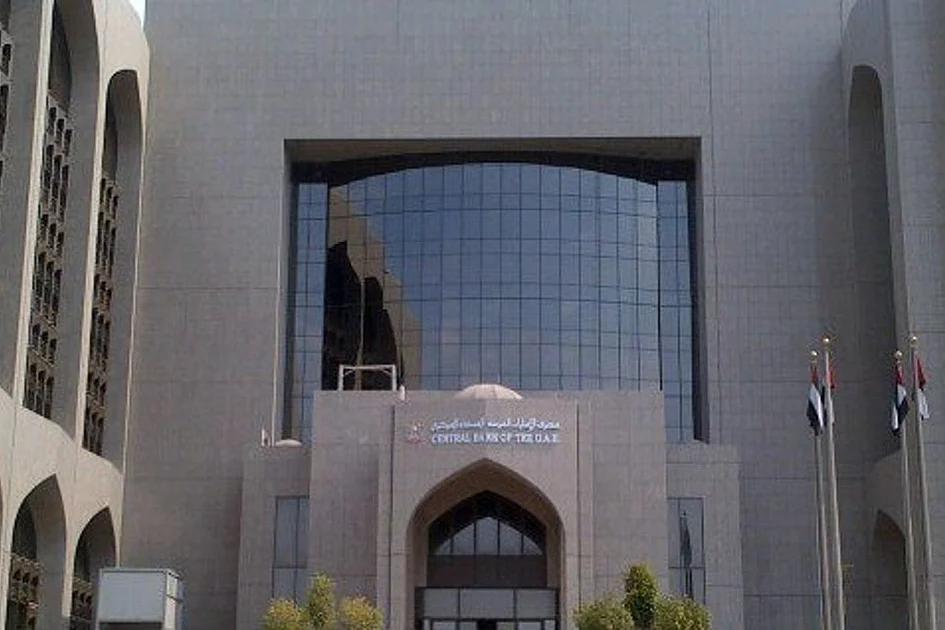
    A comprehensive analysis by S&P Global indicates that banking institutions across the Gulf Cooperation Council (GCC) region demonstrate varying levels of preparedness for potential financial outflows stemming from geopolitical tensions. According to the latest assessment, banks in the United Arab Emirates, Kuwait, and Oman maintain robust net external asset positions that would enable them to withstand significant deposit withdrawals even under severe geopolitical stress scenarios. Saudi Arabian financial institutions similarly exhibit capacity to endure outflows, notwithstanding their rapidly increasing external debt obligations. The report highlights concerning vulnerabilities in Qatar and Bahrain, where banking sectors face potential funding shortfalls in worst-case conflict scenarios. Bahraini institutions could confront an absolute funding deficit of $1.9 billion by year-end 2025, while Qatari banks may experience a reduced but still substantial $4.4 billion shortfall. S&P maintains an average long-term ‘A-‘ rating for GCC banks, with 95% of outlooks rated stable as of December 2025. The analysis suggests that any credit impact from regional escalation would likely mirror the scale and duration of the June 2025 events when Iran retaliated against American strikes by targeting Qatar’s Al Udeid Air Base. While the region remains vulnerable to external debt outflows during tensions, the UAE banking sector specifically demonstrates exceptional resilience against potential geopolitical upheavals.

  • For Indian actor and fitness icon Milind Soman, it’s life as usual at 60

    For Indian actor and fitness icon Milind Soman, it’s life as usual at 60

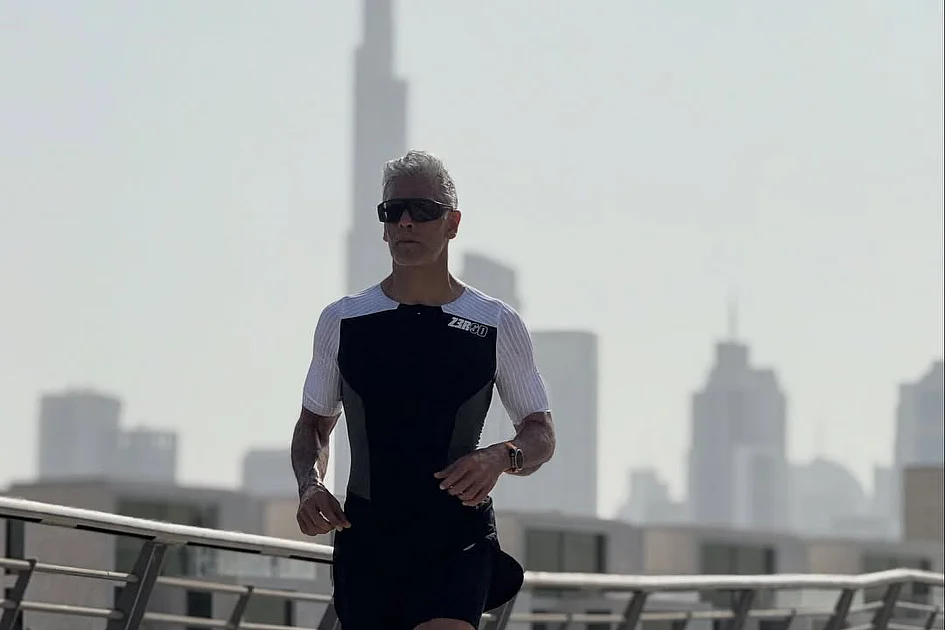
    At 60 years old, Indian actor and fitness phenomenon Milind Soman continues to embody vitality and wellness, demonstrating that age is merely a number when paired with dedication. The former model, renowned for his iconic appearances in campaigns like ‘Made in India,’ has seamlessly transitioned into his current role as a wellness authority, maintaining a physique that rivals those decades younger.

    Soman’s philosophy centers on fitness as a pathway to longevity rather than mere aesthetics. His daily regimen remains remarkably consistent, featuring 25 leg raises, sumo squats lasting one to two minutes, and the challenging boat pose. This disciplined approach extends to his nutrition, where he prioritizes whole, seasonal foods and light meals that fuel his active lifestyle.

    Beyond personal fitness, Soman’s impact resonates through his creation of Pinkathon, India’s largest women’s running event established to promote health awareness and breast cancer education. His athletic accomplishments are equally impressive, including a Limca Book of Records achievement for running 1,500 kilometers in 30 days during a greenathon event. The pinnacle of his athletic career came in 2015 when he completed the grueling Ironman Triathlon in 15 hours and 19 minutes.

    When asked about his favorite pursuit among modeling, acting, and fitness, Soman unequivocally chooses fitness. His advice for those seeking to improve their physical condition in their 50s and 60s emphasizes gradual progression and the transformative power of consistent effort. ‘Everything you do becomes a learning experience,’ he notes, reflecting his belief that fitness represents an ongoing journey rather than a destination.

  • France tears apart Wales with eight tries and is only unbeaten Six Nations team

    France tears apart Wales with eight tries and is only unbeaten Six Nations team

    CARDIFF, Wales — France delivered a masterclass performance against Wales in the Six Nations Championship on Sunday, securing a historic 54-12 victory that established new benchmarks for dominance in the tournament. The French squad emerged as the competition’s sole undefeated team after two rounds, solidifying their status as favorites for consecutive championship titles.

    The match witnessed an extraordinary offensive display with France scoring eight tries, beginning just 88 seconds into gameplay. This decisive triumph surpassed their previous record victory against Wales—a 51-0 result achieved at Wembley Stadium in 1998. Rather than relying on pure physical dominance, France employed an innovative sevens-style strategy characterized by continuous ball movement, precise offloading, and strategic positioning that systematically dismantled Wales’ defensive structures.

    France’s dynamic approach generated 28 line breaks, preventing Wales from establishing defensive cohesion. The strategy particularly benefited France’s emerging center talents—20-year-old Fabien Brau-Boirie and 22-year-old Émilien Gailleton from Pau Club—both of whom scored tries during the match. Flyhalf Matthieu Jalibert earned man-of-the-match honors with one try and three assists.

    For Wales, the defeat extended their Six Nations losing streak to 13 matches since 2022. The team has conceded 50-plus points in five of their last six home matches, including substantial losses to England (68-14), Argentina (52-28), New Zealand (52-26), and South Africa (73-0).

    The game attracted only 57,744 spectators—the smallest home crowd for Wales since the tournament’s expansion in 2000. Nearly 7,000 tickets remained unsold for Wales’ upcoming match against Scotland, reflecting growing fan disillusionment.

    Wales captain Dewi Lake acknowledged the challenges, stating: “It’s our job to make people want to come and watch games. We’re a side that’s not getting results but all we can ask is that people stick with us, come on the journey with us, because we’re growing as a team.”

    Defense coach Steve Tandy conceded France’s superiority: “If you look at the athletes France have, if we kick a little too far or if there’s an offload, they come alive. You have to tip your hat to France and where they are as a team. For us it’s transitioning, we’re not where we want to be.”

    France secured their bonus-point fourth try before halftime and added four more tries within 17 minutes during the second half. Captain Antoine Dupont was rested before the hour mark as France looks ahead to hosting Italy in Lille next weekend.

  • Hungarian opposition leader Magyar vows to pull Hungary back toward the West in campaign launch

    Hungarian opposition leader Magyar vows to pull Hungary back toward the West in campaign launch

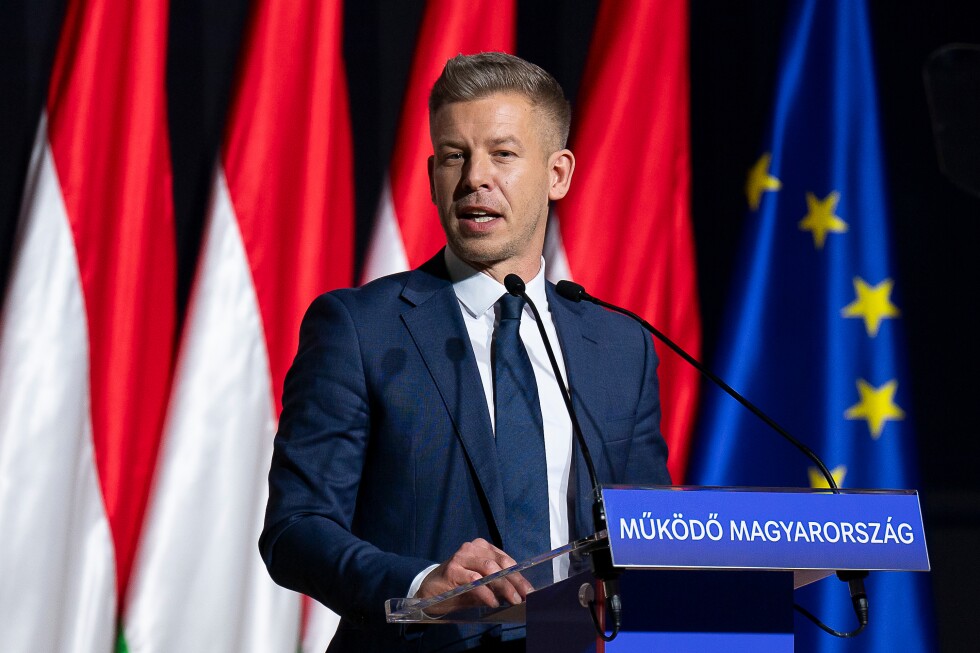
    BUDAPEST, Hungary — In a dramatic shift within Hungarian politics, opposition leader Péter Magyar has launched an ambitious campaign to unseat Prime Minister Viktor Orbán’s longstanding government. Speaking before supporters at a Budapest exposition center on Sunday, Magyar declared his center-right Tisza party stands “ready to govern” just 56 days before the crucial April 12 parliamentary elections.

    Magyar, a former insider within Orbán’s nationalist Fidesz party, has rapidly emerged as the most formidable political challenge to Orbán’s 16-year administration. Following an impressive performance in June’s European Parliament elections where Tisza captured approximately 30% of the vote, the party has maintained a consistent lead in independent polls for over a year.

    The opposition leader has conducted an intensive grassroots campaign across Hungary’s traditionally conservative rural heartlands—regions that have historically supported Orbán. Magyar’s platform centers on economic grievances, highlighting Hungary’s status as one of the EU’s poorest nations despite EU membership. He emphasizes stagnant wages, soaring living costs, and systemic corruption that he claims has enriched a small circle of government-connected oligarchs while ordinary Hungarians struggle.

    Foreign policy represents another critical dividing line. While Orbán recently stated that the European Union—not Russian aggression—poses the primary threat to Hungary, Magyar has positioned himself as pro-European. Following meetings with European leaders at the Munich Security Conference, Magyar pledged to end Hungary’s “drifting out of the European Union” and restore Western alliances, though he maintains certain Fidesz policies including border security measures and opposition to Ukraine’s accelerated EU accession.

    Tisza’s comprehensive 239-page governing program outlines ambitious reforms, including recovering billions in suspended EU funds by addressing democratic backsliding concerns, adopting the euro by 2030, and revitalizing Hungary’s deteriorating healthcare and public transportation systems. The party has recruited political newcomers from professional sectors—entrepreneurs, doctors, economists—with international energy expert Anita Orbán (no relation to the prime minister) slated as prospective foreign policy chief and former Shell executive István Kapitány as senior economy official.

    Magyar concluded his campaign launch with a promise of service-oriented governance: “We don’t plan to dominate this country, but to serve it.”