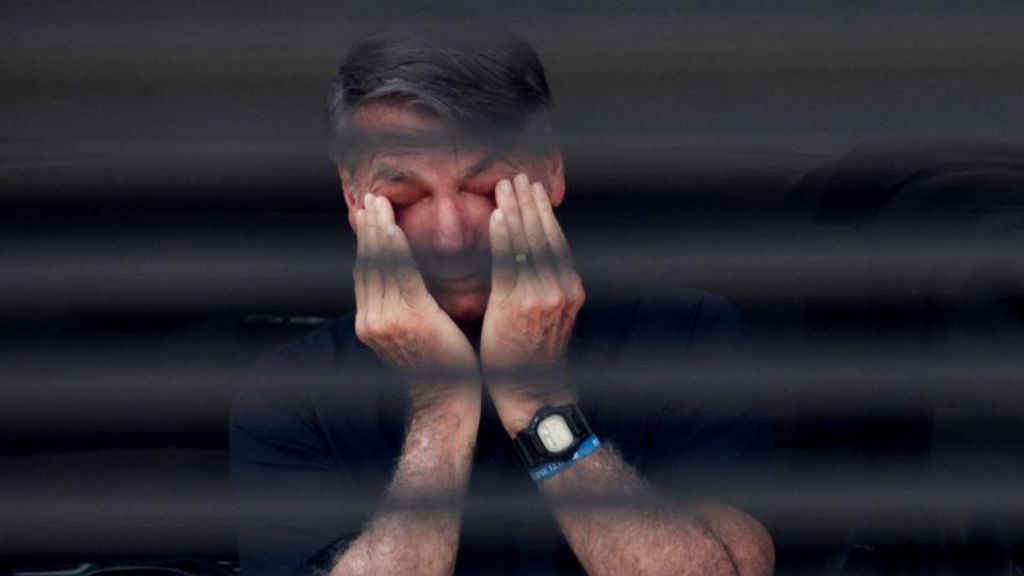
Former Brazilian President Jair Bolsonaro has been sentenced to 27 years and three months in prison after being found guilty of orchestrating a coup attempt to overturn his 2022 election loss to Luiz Inácio Lula da Silva. The verdict, delivered by Brazil’s Supreme Court, concluded that Bolsonaro led a conspiracy involving plans to assassinate Lula and his vice-presidential running mate, Geraldo Alckmin, as well as to arrest and execute Supreme Court Justice Alexandre de Moraes, who oversaw the trial. The plot failed due to lack of support from military leaders, allowing Lula to be inaugurated on January 1, 2023. However, a week later, Bolsonaro’s supporters stormed government buildings in Brasília, leading to over 1,500 arrests. The court found that Bolsonaro incited the rioters, hoping the military would intervene and restore him to power. Bolsonaro, who denies all charges, claims the trial is a politically motivated ‘witch hunt’ aimed at preventing his 2026 presidential run. He is currently under house arrest, pending appeals, and barred from public office until 2030. The case has drawn international attention, with former U.S. President Donald Trump comparing Bolsonaro’s legal battles to his own and criticizing the verdict. Seven of Bolsonaro’s allies were also convicted for their roles in the conspiracy. Bolsonaro’s presidency, marked by controversy over his handling of COVID-19 and environmental policies, continues to polarize Brazil.
博客
-
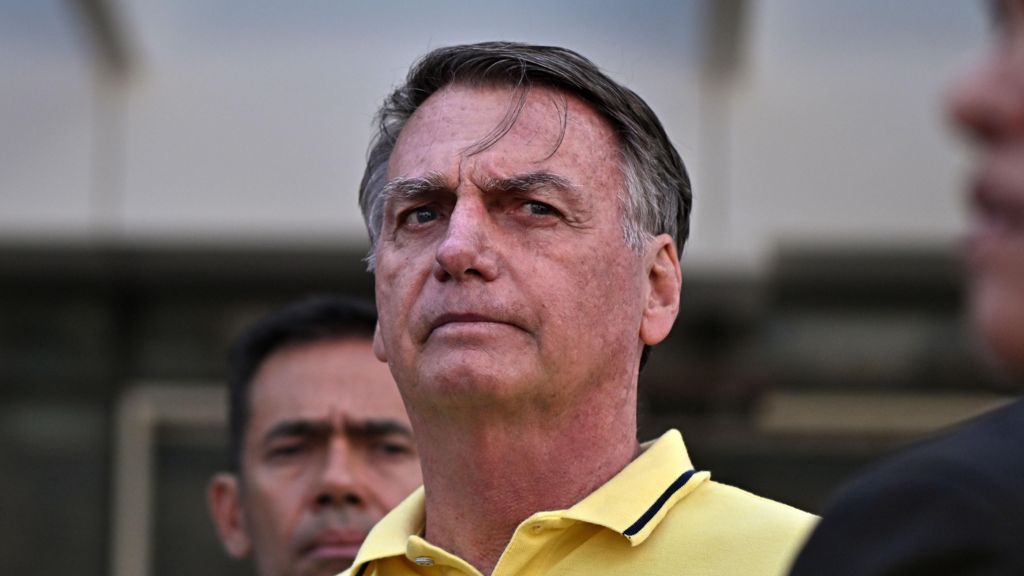
Bolsonaro’s coup trial gripped Brazil – and his conviction will divide the country
In a landmark ruling that has sent shockwaves across Brazil, former President Jair Bolsonaro has been found guilty of orchestrating a coup attempt and leading an armed criminal group following his defeat in the last election. The verdict, delivered by four out of five Supreme Court justices, sentences Bolsonaro to 27 years in prison. This decision marks a pivotal moment in Brazil’s political history, as it addresses the violent aftermath of the 2022 election, which saw Bolsonaro’s supporters storm government buildings in a manner reminiscent of the U.S. Capitol riots on January 6, 2021. The trial, which captivated the nation through live broadcasts, revealed chilling details, including a plan drafted by Bolsonaro’s allies to assassinate President-elect Luiz Inacio ‘Lula’ da Silva and Supreme Court Judge Alexandre de Moraes. Despite Bolsonaro’s absence from the courtroom, citing health issues, his lawyer vehemently denied his involvement in the plot and the riots. The ruling has further polarized the country, with Bolsonaro’s supporters decrying it as political persecution and his critics hailing it as a necessary step to safeguard democracy. As Bolsonaro contemplates an appeal and potential house arrest, the future of his punishment remains uncertain, with his party in Congress pushing for amnesty legislation.
-
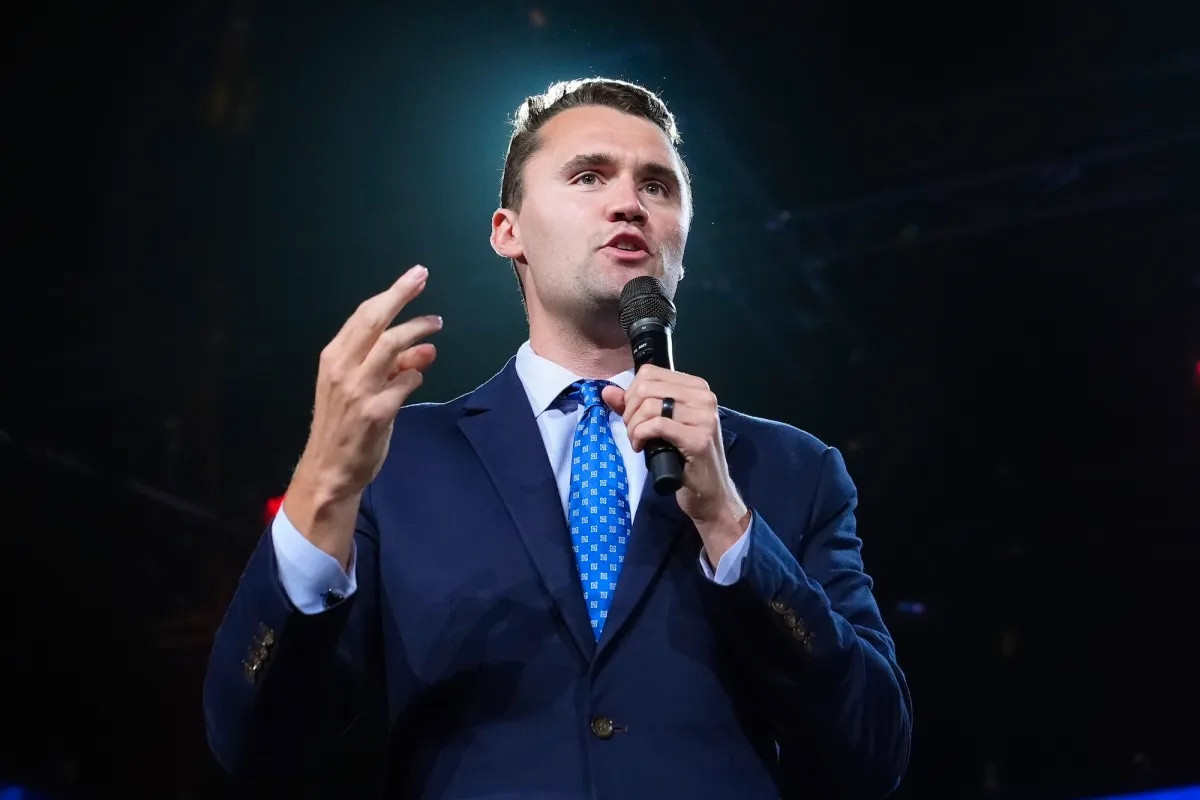
Charlie Kirk killing no cause for a US civil war
Charlie Kirk, the prominent conservative commentator and founder of Turning Point USA, was tragically assassinated during a live debate in Utah. The shocking incident has sent ripples across the political landscape, with the perpetrator still at large. FBI Director Kash Patel initially announced the suspect’s apprehension but later retracted the statement, confirming that the investigation remains ongoing. The motive behind the assassination remains unclear, fueling widespread speculation and division. Potential motives range from political extremism to personal vendettas, with Kirk having faced criticism from both the far-left and far-right factions. His conservative stance had drawn ire from progressive groups, while white supremacist factions, known as ‘groypers,’ had also targeted him for not being sufficiently aligned with their ideologies. The lack of clarity has not stopped political figures from attributing the act to their ideological opponents, with some right-wing influencers calling for extreme measures, including a violent purge of the Democratic Party. This rhetoric has drawn comparisons to historical events like the Reichstag fire, which Hitler used to justify fascism in Germany. Social media has amplified the chaos, with anonymous users on both sides of the political spectrum celebrating or condemning the assassination. Platforms like X and Bluesky have become breeding grounds for divisive content, with bots and foreign actors exacerbating tensions. Despite calls for unity from prominent politicians, the online discourse remains toxic, with many fearing that the incident could escalate into broader political violence. The assassination has highlighted the dangers of unchecked extremism and the role of social media in polarizing society. As the investigation continues, the nation grapples with the implications of this tragic event and the potential for further unrest.
-
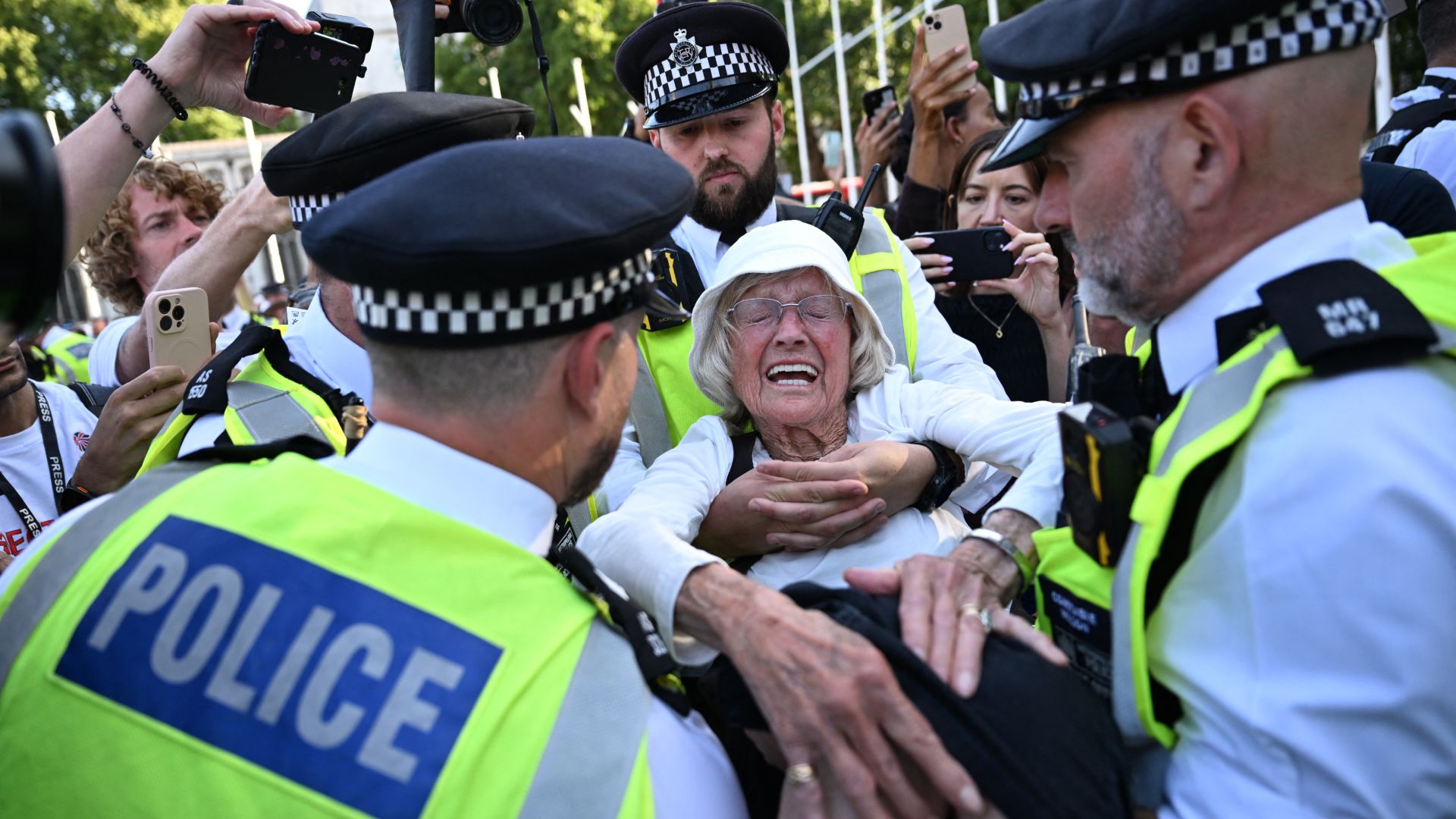
Revealed: More people charged since Palestine Action ban than during entire ‘war on terror’
The United Kingdom has witnessed an unprecedented surge in counter-terrorism arrests since the proscription of direct-action network Palestine Action in July 2025, with official statistics revealing a 400% increase in charges under Section 13 terrorism powers compared to the entire period since 9/11.
According to Home Office data analyzed by Middle East Eye, authorities have charged 138 individuals under Section 13 of the Terrorism Act 2000 in the weeks following the ban—quadruple the 34 charges brought between 2001 and June 2025. The legislation, which prohibits displaying symbols supporting proscribed organizations, has become the primary tool used by London’s Metropolitan Police against protesters demonstrating outside Parliament.
The dramatic escalation follows weeks of sustained protests across British cities, where police have made over 1,500 arrests related to opposition to the ban. Those detained have included religious leaders, elderly citizens, and disabled individuals holding signs stating: ‘I oppose genocide. I support Palestine Action.’
Human rights organizations including Amnesty International and Liberty have condemned the government’s approach as disproportionate, warning that terrorism charges—even without conviction—carry severe lifelong consequences including employment restrictions, travel limitations, and social stigma. United Nations Human Rights Commissioner Volker Türk characterized the ban as ‘disproportionate and unnecessary’ and potentially violating international human rights law.
The government maintains that the proscription remains ‘necessary and proportionate,’ with Security Minister Dan Jarvis asserting that similar measures would be applied to organizations motivated by Islamist extremism or right-wing ideology. New Home Secretary Shabana Mahmood has publicly endorsed police handling of the protests.
Meanwhile, the legal battle continues as Palestine Action co-founder Huda Ammori pursues a judicial review of the ban, while six organizers from campaign group Defend Our Juries face more serious Section 12 charges carrying potential nine-year sentences for organizing Zoom briefings about protests.
The developments have sparked unusual parliamentary dissent, with MPs across party lines—including some government supporters—questioning the enforcement approach against peaceful protesters expressing concerns about Palestinian rights and free speech.
-
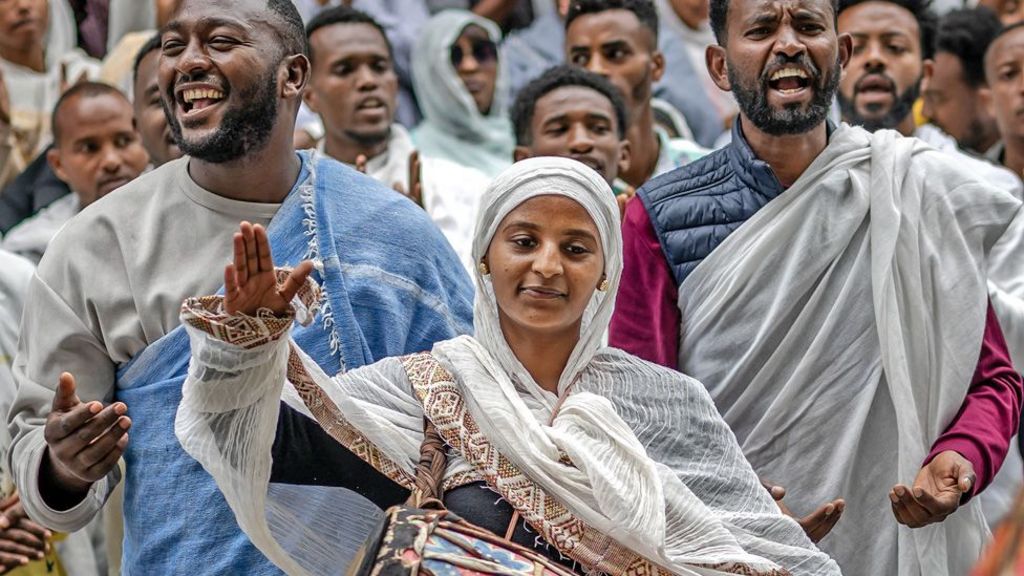
Party like it’s 2018 – Ethiopians celebrate their new year
Ethiopia has ushered in its new year, 2018, according to its unique calendar, which is seven years behind the Gregorian calendar. This discrepancy stems from a different calculation of the birth year of Jesus Christ, as the Ethiopian Orthodox Church did not adopt the Catholic Church’s revised calculation in 500 AD. The celebrations, known as Enkutatash, are a time of joy and renewal for all Ethiopians, transcending religious boundaries. The capital, Addis Ababa, is adorned with yellow ‘adey ababa’ flowers, which grow wild this time of year and are sold in small bunches for around 50 Ethiopian birr ($0.35). These flowers, along with freshly cut grass, play a central role in traditional coffee ceremonies, a nod to Ethiopia’s status as the birthplace of coffee. The festivities also include bustling markets, where vendors sell chickens, mutton, and even oxen for New Year’s feasts. Chickens, priced between 2,000 and 3,000 birr, are popular for making ‘doro wat,’ a spicy stew served with injera, while mutton and oxen cater to those with larger budgets. Families gather to share meals and invite friends, and the celebrations culminate in concerts and live music on New Year’s Eve. The following morning, the traditional song ‘Abebayehosh’ fills the air, performed by young girls who go door-to-door in some neighborhoods. Orthodox Christians attend church services, and vendors sell ceremonial umbrellas near churches. The Ethiopian calendar, with its 13 months, marks the end of the rainy season and the start of spring, symbolizing renewal and optimism. This year’s celebrations are particularly significant, as they coincide with the formal launch of the Grand Ethiopian Renaissance Dam (Gerd), a source of national pride and unity.
-
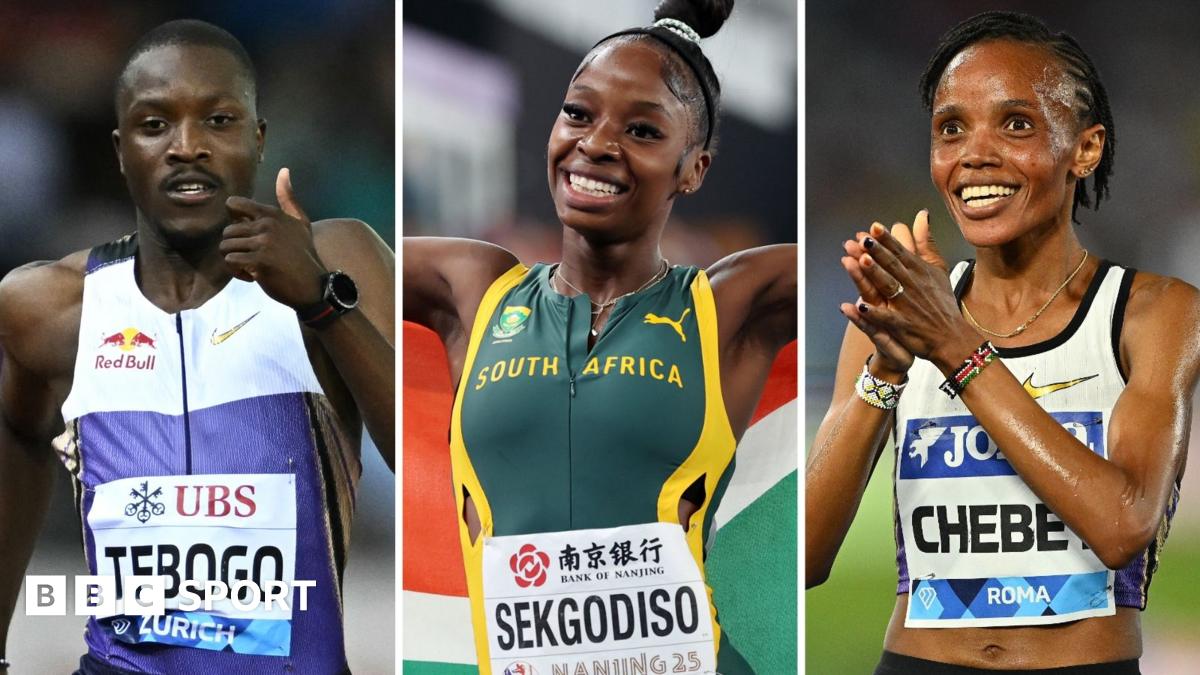
The Africans to watch at the World Athletics Championships
The 2025 World Athletics Championships in Tokyo are set to be a spectacular showcase of talent, with over 2,200 athletes from across the globe competing for glory. Among them, a host of African stars are poised to make their mark on the world stage. The event, scheduled from September 13 to 21, will feature some of the most celebrated names in track and field, including Kenya’s Faith Kipyegon, Botswana’s Letsile Tebogo, and South Africa’s Prudence Sekgodiso.
Faith Kipyegon, the reigning world champion in the 1500m and 5000m, is one of the most decorated athletes in Kenyan history. With three Olympic gold medals and four world titles to her name, Kipyegon is aiming to defend her titles and make history by becoming the first athlete to win gold in both distance events at more than one World Championships. Despite a recent setback in her attempt to break the four-minute mile barrier, Kipyegon shattered her own 1500m world record earlier this year, proving her dominance in the sport.
Prudence Sekgodiso, the 23-year-old South African middle-distance runner, is on a mission to break one of the oldest world records in athletics. After becoming the World Indoor champion in Nanjing earlier this year, Sekgodiso has set her sights on surpassing Caster Semenya’s national record of 1:54.25 and Czech runner Jarmila Kratochvilova’s long-standing world record of 1:53.28. ‘I just have to believe and know what I want and train hard for it,’ Sekgodiso told the BBC World Service. ‘It’s doable, but it’s a long-term goal for me.’
Letsile Tebogo, the 22-year-old Botswanan sprinter, made history at the Paris Olympics by winning the 200m gold medal. Despite a mixed season marred by a recurring hamstring injury, Tebogo remains optimistic about his chances in Tokyo. ‘I feel there is still a lot more in the tank that people need to see,’ he said. Tebogo, who claimed silver in the 200m and bronze in the 100m at the last World Championships in Budapest, will compete in both events again, aiming to showcase his true potential.
Other notable African athletes include Kenya’s Beatrice Chebet, who completed the Olympic double in the 5000m and 10,000m in Paris last year, and Ethiopia’s Tadese Takele, who clocked the fastest marathon time this year in Tokyo. With such a stellar lineup, the 2025 World Athletics Championships promise to be an unforgettable event, showcasing the best of African talent on the global stage.
-

Could protests lead to Vuelta being abandoned?
The 2025 Vuelta a España, one of cycling’s most prestigious Grand Tours, has been marred by repeated disruptions caused by pro-Palestinian protesters, raising serious safety concerns for riders and organizers alike. The race, which is scheduled to conclude in Madrid this Sunday, has seen multiple stages shortened or altered due to protests, with one rider forced to abandon the competition after a crash caused by demonstrators running onto the course.
-
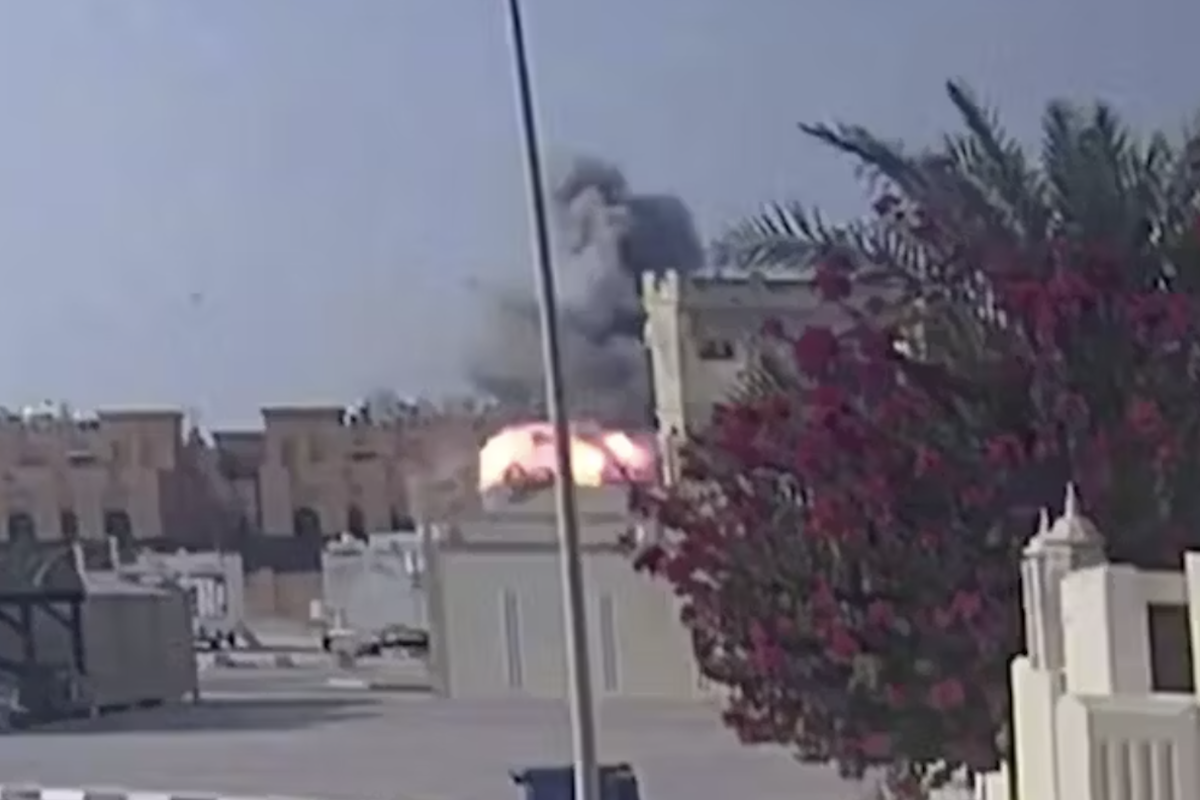
Gulf states seeking growth still hostage to regional chaos
The oil-rich Gulf states of Qatar, Saudi Arabia, and the United Arab Emirates (UAE) have long enjoyed significant advantages, including immense wealth, domestic stability, and growing global influence. In recent months, these nations have moved closer to securing robust and uncritical support from the United States, a development that coincides with the decline of Iranian power in the region. Under President Donald Trump, Gulf monarchs found an ally in Washington who prioritized strategic interests over concerns for democracy and human rights. Trump’s first international trip of his second term to Saudi Arabia, Qatar, and the UAE underscored their rising international clout. The overthrow of the Assad government in Syria and Israel’s military actions against Iran and its allies in Lebanon and Yemen have further weakened Tehran’s regional threat. However, Gulf Arab states face a precarious political landscape, as evidenced by Israel’s targeted strike on Hamas leaders in Qatar in September 2025. This incident highlights the unpredictable nature of regional dynamics and the challenges Gulf leaders must navigate. Four key uncertainties will shape their future: managing post-civil war Syria, balancing regional politics, monitoring Iran’s trajectory, and addressing Israel’s military assertiveness. In Syria, Gulf states have shifted from opposing the Assad regime to supporting new President Ahmed al-Sharaa, lobbying the US to lift sanctions and seeking stability to address the refugee crisis. Yet, ongoing Israeli attacks and internal conflicts in Syria underscore the region’s fragility. Regionally, Gulf states face the dilemma of supporting authoritarian governments while avoiding the risks of popular unrest and civil wars, as seen in Yemen and Sudan. Iran remains a central concern, with its diminished power potentially leading to instability or a shift in its political system, both of which could disrupt Gulf interests. Meanwhile, Gulf leaders must balance their strategic alignment with Israel against domestic and regional pressures to support Palestinian rights. The Gulf Cooperation Council (GCC) remains a critical platform for regional unity, though internal rivalries persist. As Gulf states strive to expand their influence, they remain vulnerable to external events that could derail their plans.
-

China’s dual-use asteroid-collision research threatens satellites
China has announced a groundbreaking mission to deliberately impact a near-Earth asteroid by 2030, marking a significant leap in its planetary defense and asteroid resource utilization capabilities. This initiative, revealed by Wu Weiren, chief designer of China’s lunar exploration program, underscores the nation’s growing ambitions in space exploration and its intent to lead in planetary defense technologies. The mission involves deploying two spacecraft: one as a kinetic impactor and another as an observer to monitor the collision and its effects. This dual approach aims to validate asteroid deflection techniques and assess their feasibility for planetary defense. The announcement comes three years after NASA’s successful Double Asteroid Redirection Test (DART) in 2022, which demonstrated the potential of kinetic impactors to alter asteroid trajectories. China’s plan, however, goes beyond defense, signaling a strategic vision for deep-space resource extraction and economic exploitation. The mission’s dual-use nature has sparked discussions about its potential military applications, particularly in anti-satellite operations. Despite these concerns, China has invited over 40 countries and organizations to collaborate on joint monitoring and research efforts, emphasizing international cooperation. The mission’s complexity lies in its precision and unpredictability, as scientists grapple with the unknown internal composition of asteroids. China’s long-term strategy includes achieving kinetic impact milestones by 2030, propulsion-based deflection tests by 2035, and mastering full-scale asteroid orbit technology by 2045. This ambitious timeline aligns with the anticipated maturity of asteroid resource utilization, positioning China as a key player in the emerging trillion-dollar space economy.
-
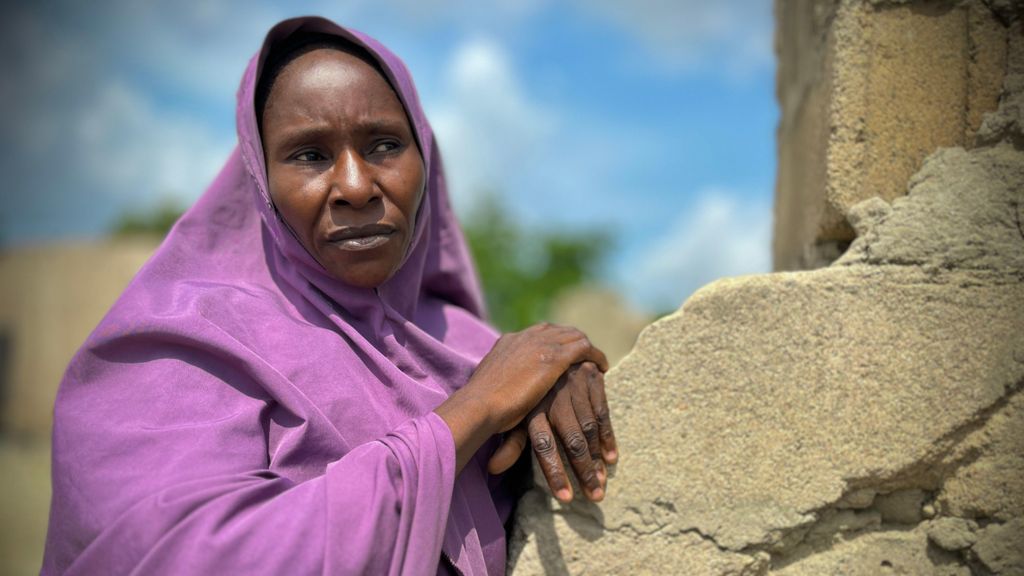
Fatal dam collapse: ‘How do you restart from nothing?’
The city of Maiduguri in northeastern Nigeria remains haunted by the devastating floods that struck a year ago, leaving a trail of destruction, loss, and ongoing suffering. Torrential rains and the collapse of the Alau dam submerged entire neighborhoods, claiming at least 37 lives and displacing two million people. For many residents, the scars of the disaster are still fresh, and the looming threat of another flood season has heightened anxiety. Among the victims is Sa’adatu Dahiru, a 42-year-old mother who lost her two-year-old son to hunger and fever during the crisis. ‘We had no proper food, no medicine, and no safe place to stay,’ she recounted, describing how her family fled in the middle of the night with only a few belongings. Despite receiving 10,000 naira ($7) in state aid initially, Dahiru claims that further government promises remain unfulfilled, leaving her family in continued hardship. The Borno state government asserts that it has provided relief camps, food aid, and cash handouts to affected communities. Reconstruction of the dam and dyke system at Alau, which caused the flooding, is also underway. However, the region’s long-standing insurgency by the Boko Haram group has complicated maintenance efforts, according to Mohammed Shettima, head of the Chad Basin Development Authority’s engineering department. The dam’s proximity to the Sambisa forest, a known jihadist stronghold, has made it vulnerable to neglect and attacks. The floods have compounded the struggles of residents already displaced by Islamist violence. Maryam Jidda, a 72-year-old grandmother, fled her hometown of Damboa after a Boko Haram attack four years ago, only to face the floods in Maiduguri. ‘I stood in waist-deep water, crying,’ she recalled, describing the moment her home was overwhelmed. Now living in temporary shelter with scarce food and unclean water, Jidda mourns the loss of her family’s memories, including cherished photographs. Young people like Ali Kadau, 21, have also been severely impacted. Kadau, who once worked at a mechanic shop, lost his livelihood and possessions in the flood. ‘Now, I just sit around. No job. No school. No money to start anything,’ he lamented. The Borno state government, led by Governor Babagana Umara Zulum, has described the flood response as a daunting task, particularly given the region’s ongoing conflict with violent extremism. Efforts to address the crisis have included desilting rivers, constructing new drainage systems, and distributing 28.2 billion naira ($18 million) in aid to over 100,000 households. However, the need for additional funding to rebuild infrastructure remains critical. As the rainy season peaks, residents like Dahiru and Jidda face an uncertain future, grappling with the question of how to rebuild their lives from nothing.