博客

  • Personal branding emerges as a strategic priority for leaders in a trust‑driven global economy

    Personal branding emerges as a strategic priority for leaders in a trust‑driven global economy

    In an era defined by digital transparency and heightened global competition, personal branding has evolved from a peripheral consideration to a fundamental leadership competency. Across rapidly developing economies including the UAE and Saudi Arabia, executives are recognizing that their individual reputation, visibility, and authenticity now directly influence commercial outcomes alongside corporate strategy.

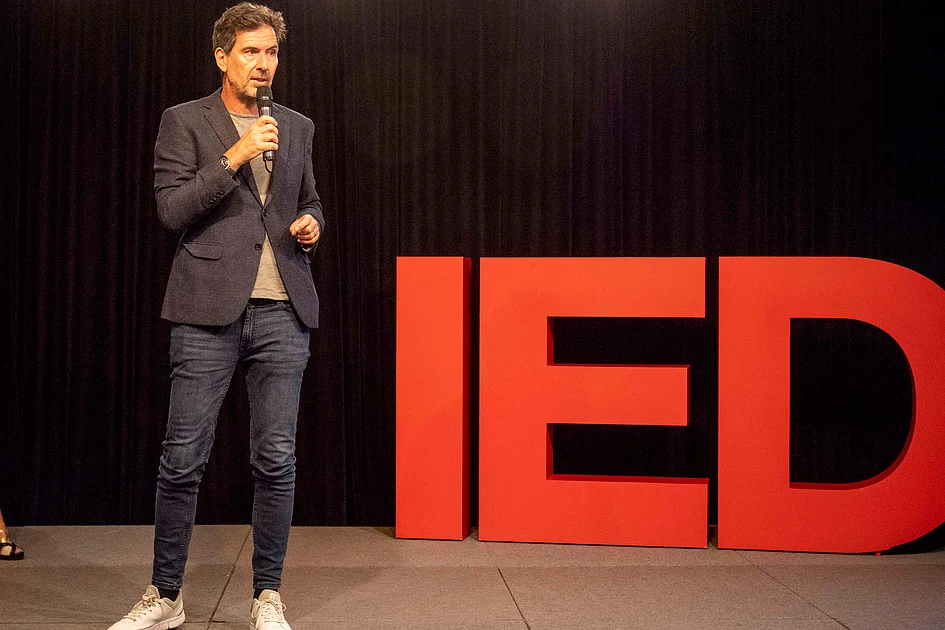
    According to Jürgen Salenbacher, personal branding strategist and founder of CPB LAB in Barcelona, “Trust has become the new currency of leadership.” This shift reflects broader market transformations where accelerated decision-making, globalized operations, and diverse stakeholder ecosystems demand greater transparency about who drives organizations, not just what they do.

    The strategic importance of executive visibility manifests in concrete business interactions. Investment discussions, partnership formations, and talent acquisition increasingly center on the public profile of founders and CEOs. This trend proves particularly significant in Middle Eastern markets where long-term relationships form the foundation of commercial culture. Leaders with well-developed personal brands experience accelerated access, enhanced credibility, and greater strategic influence.

    Contrary to superficial self-promotion, effective personal branding represents strategic clarity. Salenbacher emphasizes that “Leadership visibility is no longer optional. It is strategic infrastructure.” As organizations navigate transformations driven by artificial intelligence, generational succession, and regional expansion, consistent leadership communication reduces uncertainty for teams, markets, and stakeholders.

    This evolution demands a new approach to sustainability—not environmental, but reputational. “A sustainable personal brand is built on coherence, clarity and long-term consistency,” Salenbacher notes. “It is not about being loud. It is about being aligned.” In high-growth economies, executives must demonstrate alignment between their stated values and decisions, between their communication style and character, and between their ambitions and tangible contributions.

    The personal branding movement parallels broader shifts in global brand strategy. Just as successful corporations have transitioned from rigid messaging to ecosystem thinking, leaders must move beyond traditional corporate communications. Salenbacher describes this new reality: “Strategy is no longer projection. It is presence… It is dialogue… It is cultural intelligence.” In multicultural hubs like Dubai, where diverse markets intersect, executives must communicate across contexts while maintaining distinctive identity.

    Personal branding also integrates directly with business networking, which remains particularly crucial in Gulf economies where relationships operate as functional currency. Robust professional networks “reduce friction, accelerate opportunity and amplify credibility,” according to Salenbacher, who emphasizes that genuine influence stems from contribution rather than extraction. While difficult to quantify precisely, the impact is systemic: “A strong personal brand does not just increase visibility. It increases leverage. And leverage drives growth.”

    As the Middle East positions itself as a global laboratory for next-generation leadership, personal branding emerges as an essential component of business competitiveness—built not on superficial image, but on authentic identity, earned trust, and sustained credibility.
  • Peru’s president impeached four months into term

    Peru’s president impeached four months into term

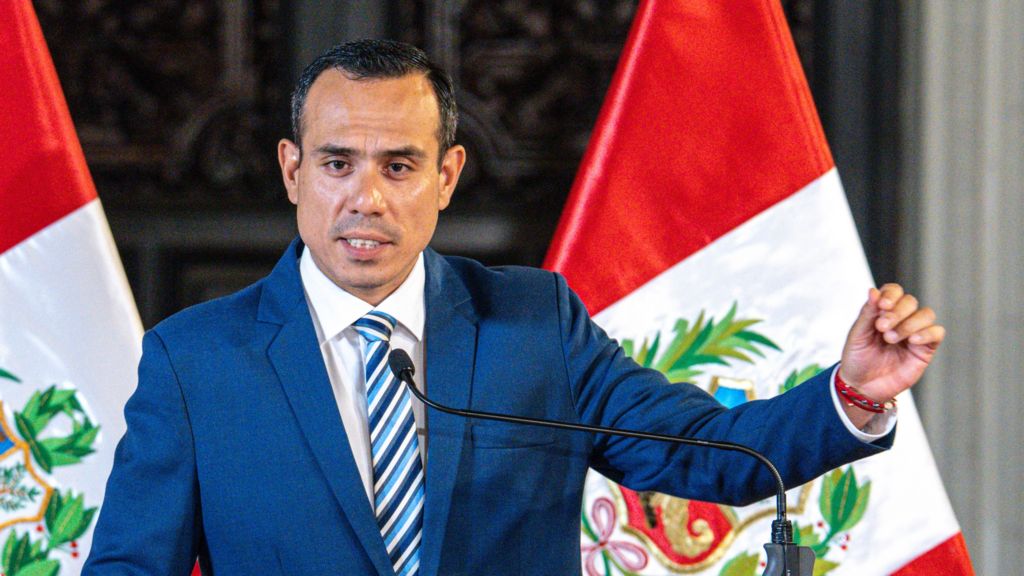
    Peru’s political crisis has escalated dramatically as Congress voted to remove interim President José Jerí from office merely four months into his tenure. The impeachment stems from his failure to disclose multiple unofficial meetings with Chinese businessman Zhihua Yang, who was under government investigation at the time of their encounters.

    The controversy, dubbed ‘Chifa-gate’ by local media after Peruvian-Chinese restaurants, erupted when security footage revealed Jerí conducting off-the-record meetings with Yang—a business magnate with state energy concessions. One particularly damaging video showed the president wearing a hooded top during a late-night visit to one of Yang’s establishments. Compounding the scandal, another attendee at these meetings was a Chinese national under house arrest for alleged connections to illegal timber operations.

    Peruvian law mandates thorough documentation of all presidential activities, yet Jerí maintained no records of these controversial encounters. Despite offering a public apology for the meetings, the former leader vehemently denied any wrongdoing and characterized the impeachment as a politically motivated smear campaign by rivals.

    The congressional vote concluded decisively with 75 lawmakers supporting impeachment against 24 opponents. Ruth Luque, one of the supporting legislators, emphasized the need for leadership prioritizing public interest, stating: ‘We ask to end this agony so we can truly create the transition citizens are hoping for—not a transition with hidden interests, influence-peddling, secret meetings and hooded figures.’

    Jerí’s removal continues Peru’s alarming pattern of political instability, making him the third consecutive president to be ousted and the seventh since 2016. His predecessor, Dina Boluarte, was impeached last October following a tumultuous tenure marked by widespread protests, corruption scandals, and escalating gang violence.

    The interim administration faced immediate challenges upon taking power, with youth-led demonstrations against political corruption and crime turning violent within days of Jerí’s appointment, resulting in one fatality and over 100 injuries.

    With the attorney general having launched a corruption investigation and presidential approval ratings plummeting, pressure for Jerí’s resignation had been mounting steadily. Congress is scheduled to vote on Wednesday for a new interim leader while the nation prepares for general elections in April, hoping to establish stable governance after years of political chaos.

  • US civil rights leader Jesse Jackson dies at 84, family says

    US civil rights leader Jesse Jackson dies at 84, family says

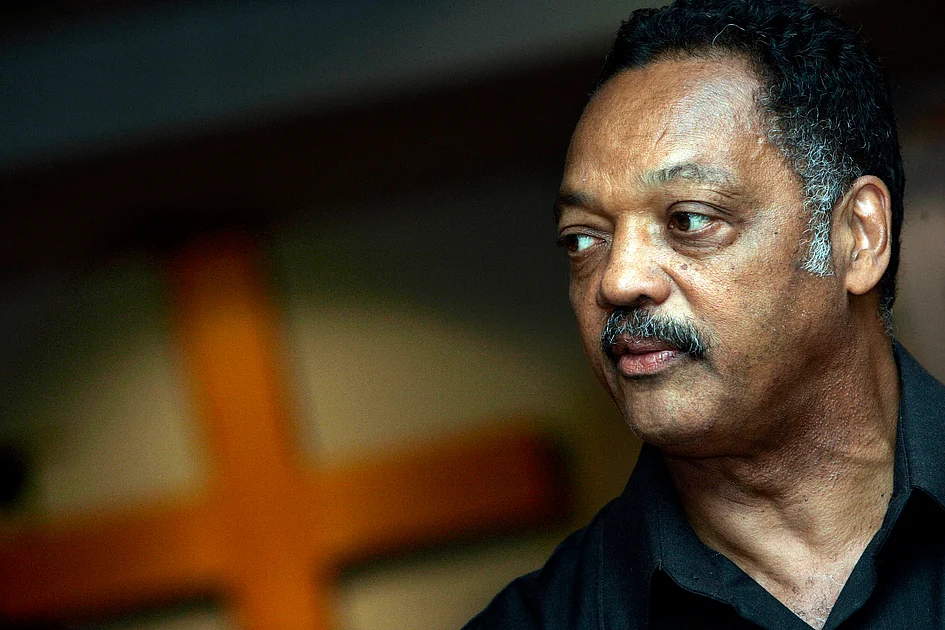
    Reverend Jesse Jackson, the towering figure of America’s civil rights movement and one of the nation’s most influential African American voices, passed away peacefully on Tuesday at age 84, according to a family announcement. The Baptist minister’s six-decade career spanned from marching alongside Martin Luther King Jr. to pioneering presidential politics that paved the way for the nation’s first Black president.

    The Jackson family confirmed his passing without disclosing the specific cause, though the reverend had publicly disclosed his Parkinson’s disease diagnosis in 2017. Recent months had seen hospitalizations related to additional neurodegenerative conditions.

    In an emotional statement, Jackson’s family memorialized him as “a servant leader — not only to our family, but to the oppressed, the voiceless, and the overlooked around the world.” They urged supporters to “honor his memory by continuing the fight for the values he lived by” — justice, equality, and unconditional love.

    Jackson’s remarkable journey began in segregated Greenville, South Carolina, where he was born Jesse Louis Burns to a teenage mother in 1941. His self-described background — “I was not born with a silver spoon in my mouth. I had a shovel programmed for my hands” — fueled his determination to overcome racial barriers through education and activism.

    His civil rights career ignited in 1965 during the Selma-to-Montgomery marches, where he captured Dr. King’s attention. Jackson would later stand beside King during the tragic Memphis assassination in 1968. His activism evolved into political history-making when he became the most prominent Black presidential candidate until Barack Obama’s election, running twice for the Democratic nomination in the 1980s.

    President Obama acknowledged this legacy on social media: “We stood on his shoulders,” recognizing Jackson’s foundational role in making his own historic presidency possible.

    Beyond domestic activism, Jackson emerged as an international mediator, negotiating prisoner releases in Syria, Iraq, and Serbia while advocating against South African apartheid. He founded the Chicago-based Rainbow PUSH Coalition in 1996, continuing his social justice work through political activism and organizational leadership.

    Political figures across the spectrum offered tributes, from President Donald Trump’s description of Jackson as “a force of nature” to Vice President Kamala Harris’s characterization of him as “one of America’s greatest patriots.” Former President Joe Biden remembered Jackson’s “determined and tenacious” spirit in the ongoing fight to “redeem the soul of our Nation.”

    Jackson’s presence marked pivotal moments in racial justice history — from weeping at Obama’s 2008 victory to standing with George Floyd’s family during the 2021 trial. He is survived by his wife and six children, leaving a legacy that forever altered America’s political and social landscape.

  • Looking for unique things to do in Abu Dhabi? Try breakfast with sea lions

    Looking for unique things to do in Abu Dhabi? Try breakfast with sea lions

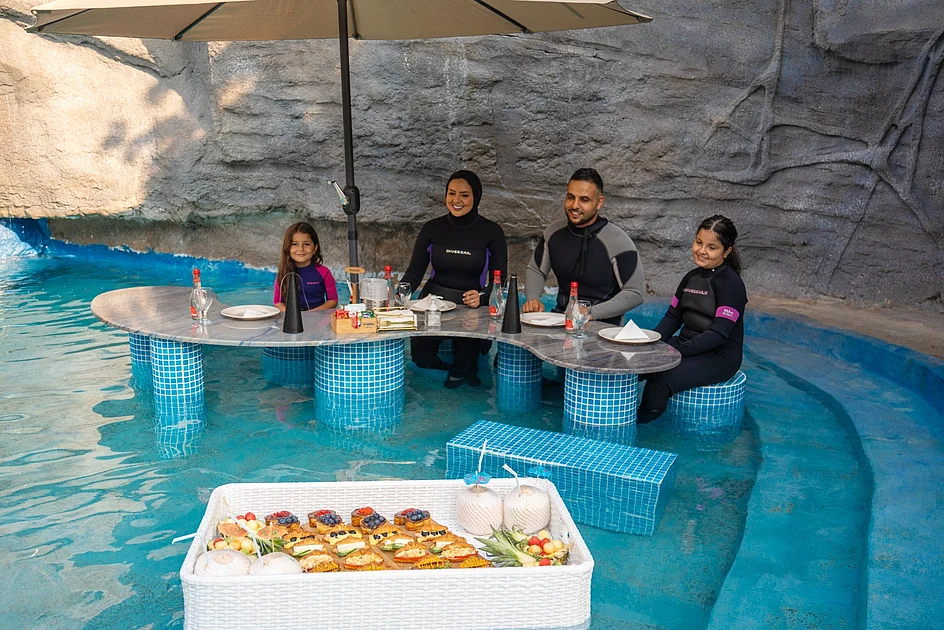
    In a country renowned for extraordinary experiences, Emirates Park Zoo & Resort has elevated the concept of unique dining with its groundbreaking breakfast encounter featuring sea lions. This viral attraction offers visitors the rare opportunity to dine alongside four charismatic South African sea lions while enjoying a Mediterranean-inspired meal in a shallow pool setting.

    The experience begins with guests checking in and changing into swimwear before being seated at tables partially submerged in water. While multiple breakfast options are available—including Arabic mezze, Full English, and Hawaiian fruit platters—the Greek selection has proven particularly noteworthy. The Strapatsada (fried eggs with Greek olive oil and feta cheese) and Tiropita (flaky phyllo with white sauce and feta) have received unexpected praise for their authentic flavors.

    The true highlight, however, involves interacting with the zoo’s four sea lion personalities: Arcto, Bia, Claudio, and Victoria. Under careful supervision by trained professionals, guests participate in feeding sessions and observe impressive aquatic demonstrations. The experience emphasizes animal welfare standards with clear boundaries—no direct contact is permitted, and human food remains separate from the sea lions’ feeding routines.

    Priced at AED 2,205 for groups of up to four people, the package includes full-day access to the entire zoo facility. For those seeking extended immersion, the adjacent resort offers rooms overlooking free-roaming giraffes and gazelles, alongside other animal-themed dining experiences including breakfast with giraffes and Ramadan iftar events featuring big cats and elephants.

    This innovative attraction represents the latest evolution in the UAE’s competitive experience economy, offering something genuinely distinctive even within a market saturated with extraordinary offerings.

  • Youth Spring Festival gala brings cultural dialogue to New Jersey

    Youth Spring Festival gala brings cultural dialogue to New Jersey

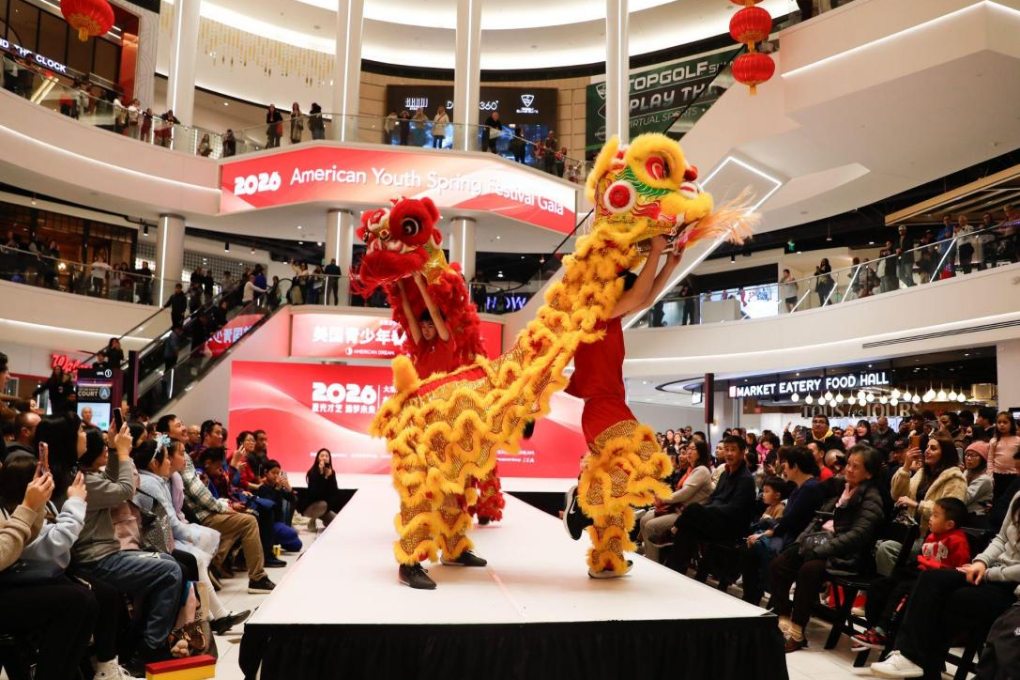
    The American Dream entertainment complex in New Jersey transformed into a vibrant stage for cultural exchange on February 14, 2026, as nearly 300 young performers from diverse East Coast backgrounds gathered for the American Youth Spring Festival Gala. The event marked a significant reinterpretation of the Spring Festival tradition following its recent UNESCO Intangible Cultural Heritage designation, showcasing how ancient customs evolve through new generational perspectives.

    Co-hosted by J.I.A. International Group Inc. and American Dancer Association Inc., the gala featured a spectacular fusion of Eastern and Western performance arts. Traditional lion dances shared the stage with contemporary acts, while bilingual hosting bridged linguistic divides. For many non-Chinese participants, the event provided their first immersive experience with Spring Festival traditions as living artistic practice rather than abstract cultural concept.

    A highlight included a screening of China Media Group’s Spring Festival Gala promotional segment, which introduced American audiences to the philosophical concepts of ‘harmony’ and ‘reunion’ central to the celebration. Chief planner David Cui described the event as dual-purpose: ‘The Spring Festival is not only the most representative traditional festival of the Chinese nation, but also the most important spiritual bond for Chinese communities overseas.’

    Executive director Chen Wang co-hosted with three multicultural youth presenters, demonstrating remarkable poise and linguistic fluency throughout the bilingual production. The choice of venue at the American Dream complex symbolized the event’s core mission: creating platforms where Chinese-American youth and their multicultural peers could showcase talents while fostering deeper cross-cultural understanding through shared artistic experience.

  • Halved tariffs should benefit Scotch whisky exports to China

    Halved tariffs should benefit Scotch whisky exports to China

    For over ten years, China has served as a pivotal growth catalyst for Western luxury brands, driving demand across fashion, timepieces, and premium beverages. Rising disposable incomes and increased global connectivity fueled an exceptional appetite for high-end products during this period.

    Scotch whisky emerged as a significant beneficiary of this trend. Export values to China skyrocketed from under £90 million in 2019 to exceeding £235 million by 2023. However, the sector has faced three consecutive years of declining sales, compounded by inflationary pressures, escalating costs, and trade tensions that have substantially compressed profit margins. A recent development offers potential relief: China has implemented a 50% tariff reduction on Scotch whisky, lowering rates from 10% to 5%.

    This sales contraction reflects a market entering maturity, where Chinese consumers demonstrate heightened selectivity, sophistication, and demanding standards. The market is undergoing a fundamental transformation—shifting from volume-driven to value-oriented consumption, from older to younger demographic dominance, and from conspicuous displays to considered purchasing decisions. These evolving patterns explain both the recent market adjustment and the sector’s underlying resilience.

    Post-pandemic economic uncertainties prompted a recalibration of luxury spending patterns. Chinese consumers began purchasing fewer items while making more deliberate investment choices in their acquisitions. This behavioral shift is particularly evident in the whisky category, where overall volumes have declined despite sustained interest in premium offerings including aged single malts, limited editions, and iconic distilleries.

    China’s whisky consumption demographic differs markedly from Western markets. Rather than appealing primarily to older drinkers, Scotch whisky has found its core audience among Generation Z consumers—urban, affluent, well-educated, and internationally experienced individuals. This new generation has reinterpreted whisky as cultural capital, embracing tasting rituals, collectible acquisitions, and cask investments as sophisticated pursuits.

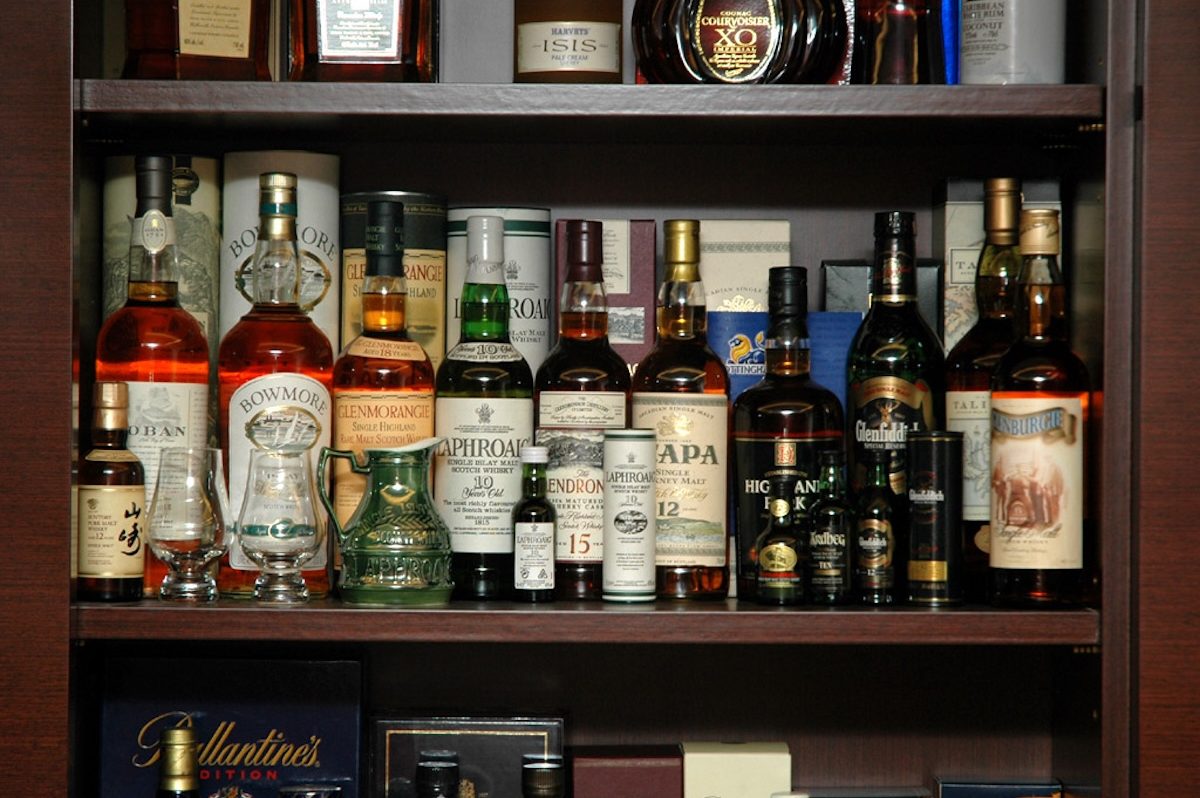
    Brands such as Glenfiddich and The Macallan have capitalized on this trend, tripling their market share since 2019. The United Kingdom dominates China’s whisky import market, accounting for 85.6% of import value in 2024, with China ranking as the ninth largest market for UK whisky exports.

    The luxury valuation framework in China remains deeply connected to authenticity and provenance. Western luxury brands derive their appeal from historical legacy, craftsmanship, and distinctive cultural narratives. For premium spirits, ‘country of origin’ functions as a crucial authenticity marker—particularly for Scotch whisky, which embodies Scotland’s landscape, climate, and production traditions. Stringent regulatory frameworks governing production, maturation, and bottling processes provide Chinese consumers with symbolic reassurance regarding quality and legitimacy.

    Despite international investments in Chinese distilleries, domestic whisky production has not diminished demand for imported Scotch. Instead, it has accentuated distinctions between ‘original’ and ‘localized’ products. In business and social contexts, prestigious Scotch continues to function as social currency, signaling trust, respect, and global sophistication.

    China’s broader luxury market has softened since 2023, with certain categories experiencing up to 20% sales declines. Economic uncertainties influenced by geopolitical factors, real estate market adjustments, and subdued consumer confidence have reshaped spending priorities. Concurrently, value systems are evolving among younger consumers who favor subtle taste expressions over overt wealth displays, prioritizing experiences and cultural capital.

    The tariff reduction agreement emerged during UK Prime Minister Keir Starmer’s state visit to Beijing, marking a significant diplomatic engagement after nearly eight years of strained relations. Beyond economic implications, this diplomatic re-engagement carries substantial symbolic importance for British heritage brands, whose appeal rests partially on emotional and cognitive appreciation of British traditions, aesthetics, and lifestyle—a manifestation of UK soft power.

    This diplomatic reconnection symbolizes renewed mutual interest and long-term commitment, potentially reinforcing perceptions of openness, legitimacy, and stability among Chinese consumers. For British luxury brands, this symbolic reassurance may prove nearly as valuable as tariff reductions in maintaining consumer trust and loyalty.

    The agreement underscores the importance of constructive UK-China relations for the Scotch industry, which supports distilling, agriculture, packaging, logistics, tourism, and rural employment throughout the United Kingdom. Maintaining access to China’s premium market segment remains vital for sustaining investment and specialized skills.

    As China’s relationship with Western luxury brands transitions from explosive growth to stabilized maturity, Scotch whisky’s emphasis on rarity, provenance, and authenticity positions it favorably. Provided producers adapt to China’s increasingly discerning consumers and benefit from constructive trade relations, the long-term outlook remains promising. In an environment characterized by oversupply and contracting margins, China’s cautious connoisseurs may ultimately emerge as Scotch whisky’s most valuable allies.

  • Fast-moving wildfires rage across southwestern US

    Fast-moving wildfires rage across southwestern US

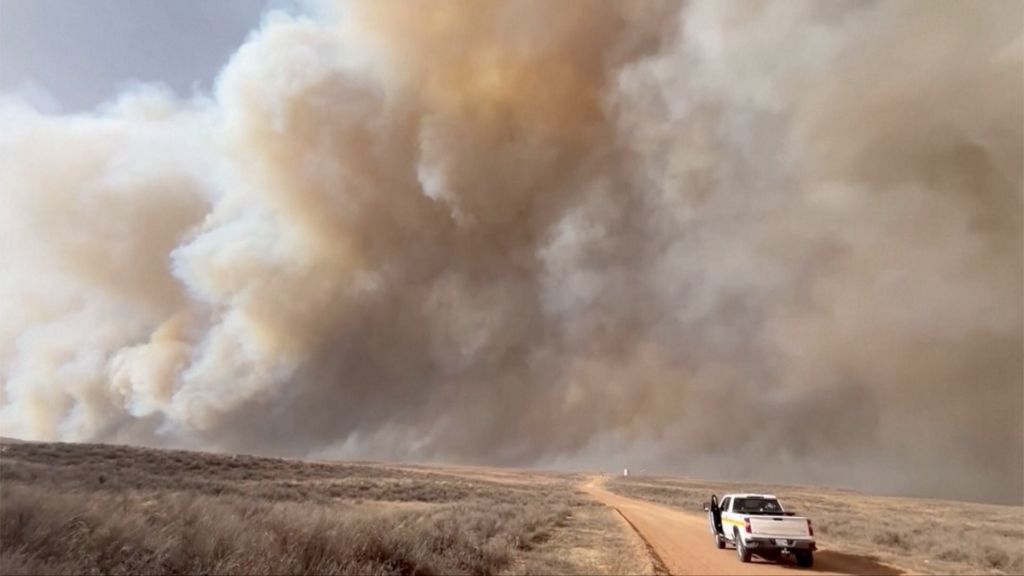
    Emergency crews are battling rapidly spreading wildfires across the southwestern United States, with one significant blaze in the Oklahoma Panhandle region already scorching approximately 15,000 acres of land. The Ranger Road Fire continues to demonstrate extreme fire behavior, propelled by favorable conditions for wildfire expansion including high winds, low humidity, and dry vegetation.

    The fire’s substantial footprint highlights the increasing vulnerability of southwestern states to early and aggressive wildfire seasons, which experts attribute to changing climate patterns and extended drought conditions. Local authorities have implemented evacuation protocols for threatened communities while deploying ground crews and aerial resources to establish containment lines.

    This incident forms part of a broader pattern of intense wildfire activity across the southwestern U.S., where similar blazes have strained firefighting resources and threatened both rural and suburban areas. The coordination between local, state, and federal agencies underscores the seriousness of the threat as they work to protect lives, property, and critical infrastructure against the fast-moving flames.

  • Iran to shut parts of Strait of Hormuz as it holds nuclear talks with US

    Iran to shut parts of Strait of Hormuz as it holds nuclear talks with US

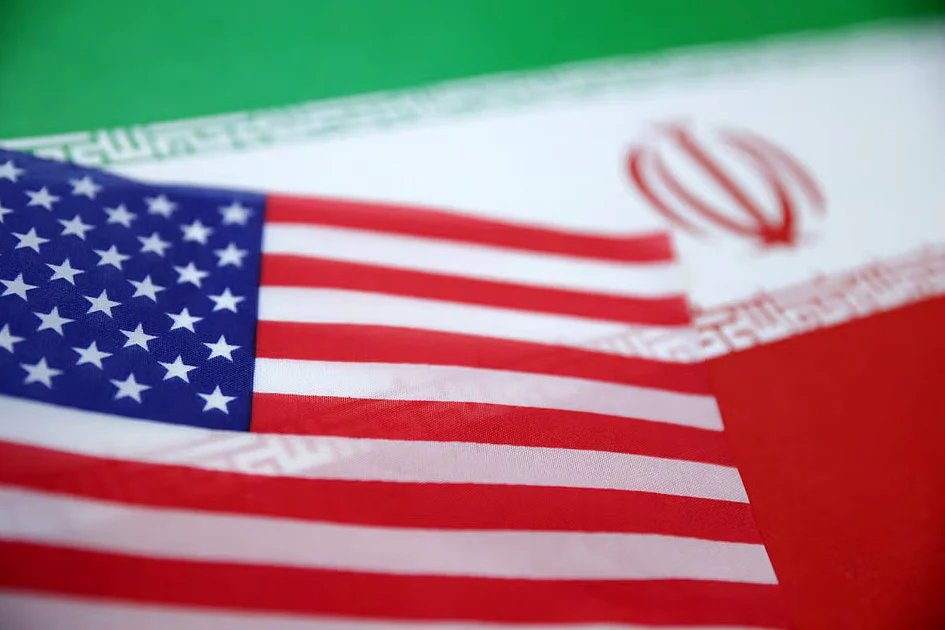
    Iran has announced plans to temporarily close sections of the strategically vital Strait of Hormuz for military exercises, coinciding with sensitive nuclear negotiations with the United States. The development emerges amid escalating tensions, with U.S. President Donald Trump suggesting regime change in Tehran might be desirable, while Iran’s Supreme Leader Ayatollah Ali Khamenei defiantly declared any American attempts to overthrow his government would inevitably fail.

    The Geneva talks, mediated by Oman and involving high-level officials including U.S. envoy Steve Witkoff and Jared Kushner, represent a critical diplomatic effort to address Iran’s controversial nuclear program. Iranian state media confirmed the talks concluded a second round, with Foreign Ministry spokesperson Esmaeil Baghaei acknowledging the complexity of discussions covering both sanctions relief and nuclear matters.

    This maritime closure threat carries significant global implications, as the Strait of Hormuz serves as a crucial transit route for approximately 20% of the world’s oil shipments. Tehran has historically threatened to blockade the waterway if attacked, a move that would dramatically impact global energy markets and crude oil prices.

    The negotiations occur against a backdrop of recent military actions, including U.S.-Israel coordinated strikes against Iranian nuclear facilities in June last year using B-2 bombers. These operations followed the collapse of previous diplomatic efforts and have significantly weakened Iran’s nuclear capabilities according to Western assessments.

    Domestically, Iran’s leadership faces substantial challenges, including widespread protests driven by economic hardship exacerbated by international sanctions that have severely constrained the country’s oil revenues. Despite these pressures, Iranian officials maintain that their missile program remains non-negotiable and separate from nuclear discussions.

    The success of current diplomatic efforts appears contingent on Washington’s willingness to lift crippling economic sanctions without imposing unrealistic demands, according to Iranian officials. Both nations maintain fundamentally opposing positions regarding the scope of negotiations, with Washington seeking to include Iran’s missile arsenal while Tehran insists discussions should focus exclusively on nuclear matters in exchange for sanctions relief.

  • Rescuers search for 10 missing skiers after California avalanche

    Rescuers search for 10 missing skiers after California avalanche

    Emergency responders are battling extreme conditions in California’s Sierra Nevada mountains after a major avalanche struck the Castle Peak area near Truckee on Tuesday. The incident has left 10 backcountry skiers unaccounted for while six survivors await extraction from the treacherous terrain.

    The Nevada County Sheriff’s Office confirmed the avalanche occurred approximately at 11:30 PST in the popular backcountry skiing zone. The group consisted of four professional guides and twelve clients, all now caught in one of the most dangerous avalanche scenarios in recent memory.

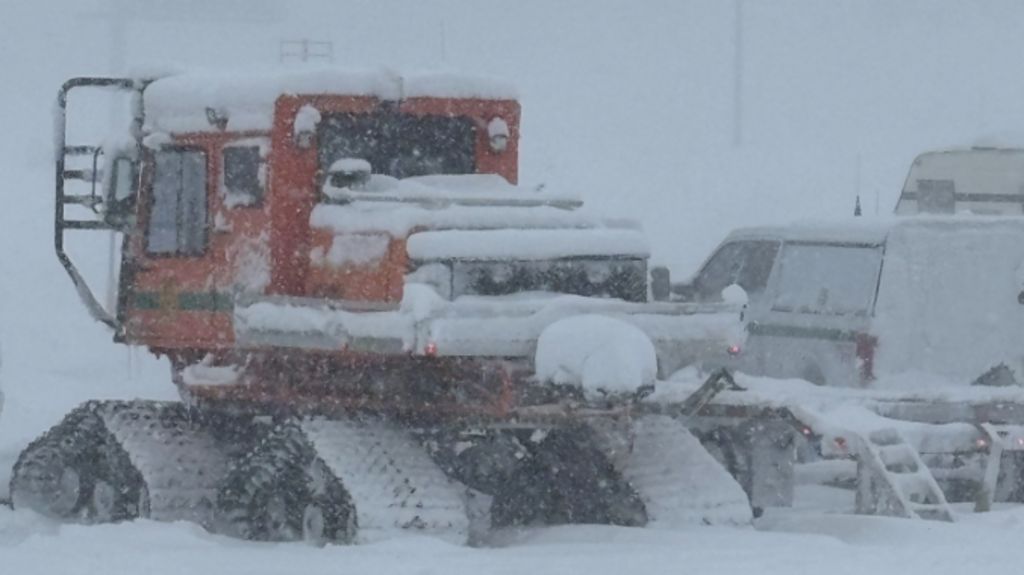
    Rescue operations have mobilized 46 emergency personnel, including highly specialized ski teams deployed from nearby Boreal Mountain Ski Resort and Alder Creek Adventure Center. In a remarkable adaptation of equipment, rescue teams have deployed a SnoCat—typically used for slope maintenance at ski resorts—to navigate the unstable snowpack.

    The meteorological conditions have created a perfect storm of danger. The Sierra Avalanche Center has issued a ‘high’ danger rating (4 out of 5), warning that ‘large avalanches may run through treed areas’ and predicting a widespread natural avalanche cycle through Wednesday morning. Boreal Mountain has recorded 76 centimeters (30 inches) of snowfall within 24 hours, prompting the resort’s closure due to high winds and poor visibility.

    The storm system has caused significant regional disruption, forcing closures of major transportation arteries including Interstate 80 and Highway 50. Rescue commanders have instructed the six located survivors to shelter in place while teams work against time and elements to reach them.

    This incident highlights the increasing dangers of backcountry skiing during extreme weather events and the extraordinary measures taken by mountain rescue professionals when nature turns deadly.

  • Calls grow among Democrats for anti-Muslim lawmaker Randy Fine to resign

    Calls grow among Democrats for anti-Muslim lawmaker Randy Fine to resign

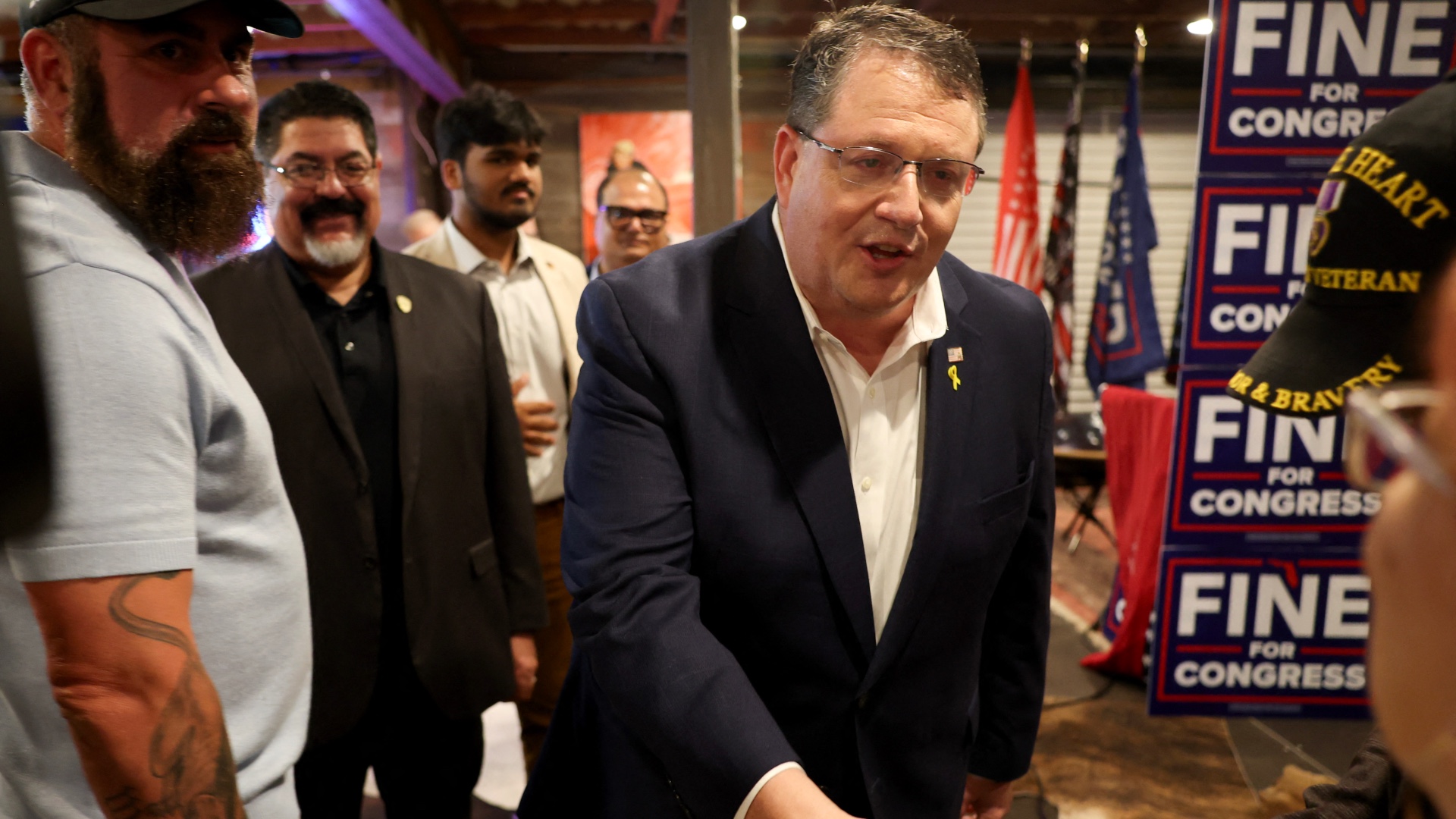
    Florida Republican Representative Randy Fine is confronting mounting demands for his resignation following a series of inflammatory statements targeting Muslim communities and Palestinian advocates. The controversy escalated when Fine posted on social media platform X that “if they force us to choose, the choice between dogs and Muslims is not a difficult one.” This remark, made in response to a Palestinian activist’s joke about Islamic views on canine cleanliness, has triggered widespread condemnation from Democratic lawmakers, civil rights organizations, and Jewish groups.

    Fine’s political career has been marked by recurrent controversies regarding his rhetoric toward Muslims and Palestinians. In September 2024, he faced accusations of Islamophobia after celebrating the death of Aysenur Eygi, a Turkish-American activist fatally shot by Israeli forces in the West Bank. Eygi was participating in a peaceful protest against illegal Israeli settlements when she was killed, with eyewitnesses confirming she was unarmed.

    The lawmaker’s extremist positions extend to foreign policy advocacy. During a May 2025 Fox News appearance, Fine suggested Gaza should be “nuked” analogously to Hiroshima and Nagasaki, following the killing of two Israeli embassy staff members in Washington, DC.

    Democratic leadership has repeatedly condemned Fine’s conduct. California Congressman Ro Khanna characterized the recent statements as “disgusting bigotry,” while New York Representative Alexandria Ocasio-Cortez described them as “among the most disgusting statements ever issued by an American official.” California Governor Gavin Newsom, a potential 2028 presidential contender, explicitly demanded Fine’s immediate resignation.

    Fine belongs to the recently established “Sharia Free America Caucus,” formed by Republican legislators despite the constitutional separation of church and state and the absence of Islamic law implementation in the United States. His tenure began after filling a vacancy created by President Trump’s UN Ambassador Mike Waltz, with Trump having enthusiastically endorsed Fine’s candidacy.

    The representative faces re-election in November’s midterms, pending August’s Republican primary in his Florida district. The ongoing controversy highlights deepening tensions within American political discourse regarding religious tolerance and Middle East policy.