博客

  • Two mothers, one last-16 battle: Svitolina vs Bencic in Dubai

    Two mothers, one last-16 battle: Svitolina vs Bencic in Dubai

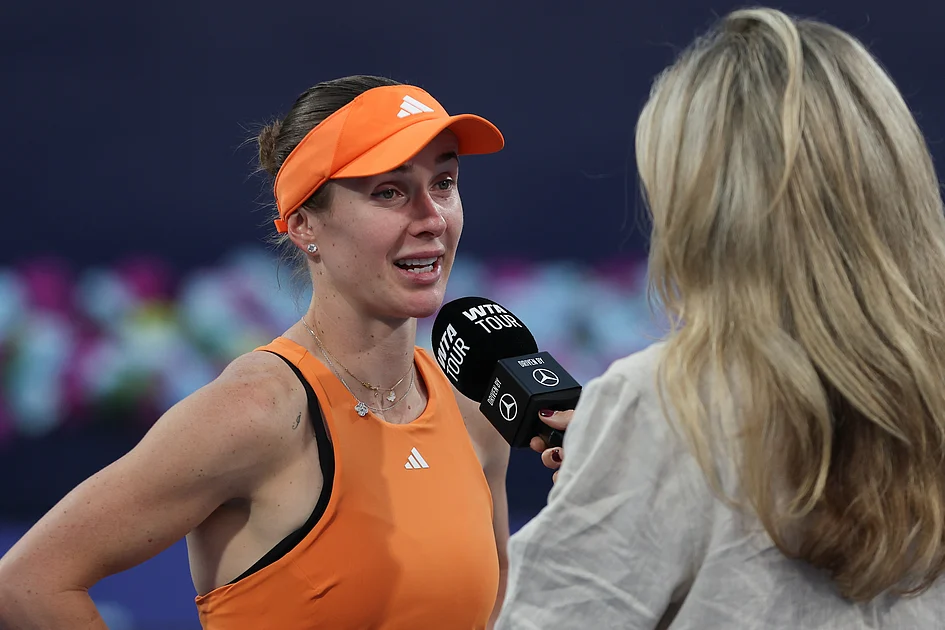
    In an extraordinary display of athletic resilience, two top-ranked mothers are poised for a groundbreaking Round of 16 confrontation at the Dubai Duty Free Tennis Championships. Elina Svitolina advanced through unusual circumstances when opponent Paula Badosa retired with a thigh injury while trailing 6-4, marking yet another withdrawal in an injury-plagued tournament.

    Despite the unsatisfying nature of her advancement, Svitolina’s attention immediately turned to her impending match against Swiss star Belinda Bencic. Both players have captured global attention with their remarkable returns to elite competition following maternity breaks, simultaneously breaking into the world’s top ten rankings.

    ‘We actually practiced together recently and understand each other’s game intimately,’ Svitolina revealed during post-match comments. ‘Our parallel journeys as returning mothers create a special narrative that ultimately benefits our sport.’

    The Ukrainian athlete, a two-time Dubai champion currently riding momentum from her Australian Open semifinal appearance, acknowledged the significant challenges of balancing professional tennis with motherhood. ‘The adjustment period extends beyond physical recovery,’ explained Svitolina, who shares daughter Skai with French tennis star Gael Monfils. ‘Reacclimating to training regimens and achieving match readiness requires substantial adaptation to new physical demands.’

    This matchup represents more than a typical tournament battle—it symbolizes the evolving landscape of women’s sports where athletes successfully combine elite competition with motherhood. Both competitors have demonstrated exceptional form, with Bencic recently overcoming her own fitness concerns to remain in contention.

    Svitolina anticipates a demanding contest: ‘She’s performing exceptionally well currently, so I must deliver my absolute best performance. This encounter presents a significant challenge for both of us.’
  • Censorship of Colbert interview sparks free speech debate ahead of Texas primary

    Censorship of Colbert interview sparks free speech debate ahead of Texas primary

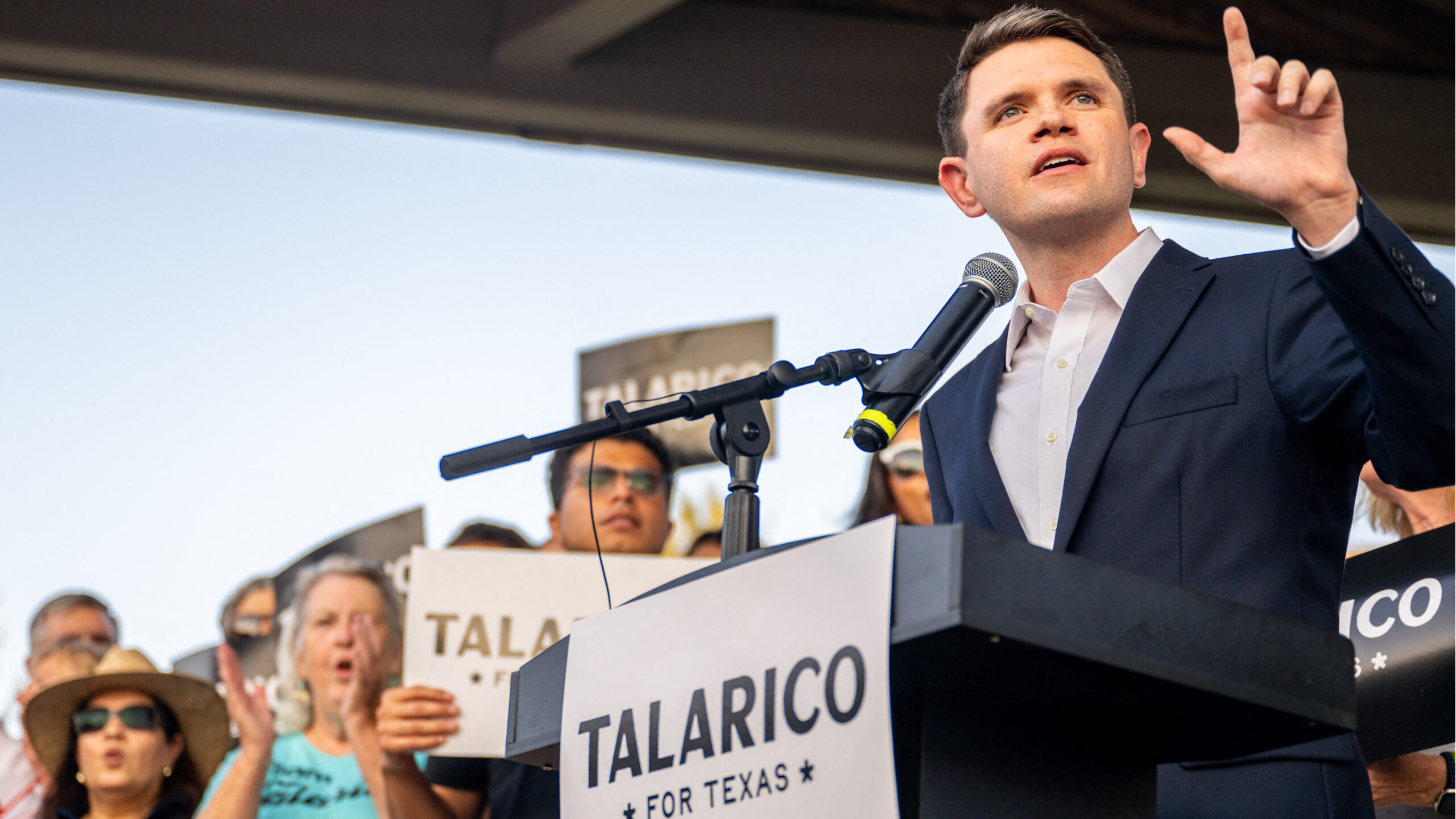
    A major controversy has erupted over free speech and media censorship after CBS intervened to block Stephen Colbert from airing his interview with Texas Democratic Senate candidate James Talarico on ‘The Late Show.’ The network’s legal team explicitly prohibited both the broadcast of the interview and any discussion of its suppression, citing concerns related to Federal Communications Commission (FCC) regulations.

    Colbert defiantly addressed the censorship during his opening monologue, stating: ‘Then I was told in uncertain terms that not only could I not have him on, I could not mention me not having him on. And because my network clearly doesn’t want us to talk about this, let’s talk about this.’ The host criticized both the FCC and the Trump administration, suggesting dissent was being suppressed under the pretext of preventing ‘partisan purposes’ in talk shows.

    Although banned from television broadcast, the interview was subsequently published on the show’s YouTube channel, where it quickly went viral. Talarico used the platform to accuse President Trump and Republican leadership of hypocrisy: ‘This is the party that ran against cancel culture. And this is the most dangerous kind of cancel culture, the kind that comes from the top.’

    The Democratic candidate further asserted that ‘corporate media executives are selling out the First Amendment to curry favor with corrupt politicians,’ warning that ‘a threat to any of our First Amendment rights is a threat to all of our First Amendment rights.’

    This incident marks the second time Talarico has faced FCC-related scrutiny, following a previous investigation into his appearance on ‘The View.’

    The censorship attempt has triggered widespread backlash across social media platforms, with many users accusing the FCC and Trump administration of undermining constitutional free speech protections. Journalist Mehdi Hassan commented on X: ‘The party (GOP) and politician (Trump) who spent the past decade screaming about free speech and snowflakes have declared war on late night comedians.’

    Some analysts suggest the censorship may ultimately benefit Talarico’s campaign, with the interview garnering over 10 million views online—far exceeding the show’s typical television audience of approximately two million viewers. Many commentators argue that the suppression attempt has generated more attention for the candidate than a standard broadcast would have achieved.

    The controversy emerges against the backdrop of Texas’ March 3 primary, where Talarico faces Congresswoman Jasmine Crockett. The candidates differ significantly on foreign policy, particularly regarding Israel-Palestine relations, with Talarico maintaining a firm stance against sending additional military aid to Israel during the conflict in Gaza.

  • Ramadan begins: UAE Awqaf announces Fajr, Iftar timings for the holy month

    Ramadan begins: UAE Awqaf announces Fajr, Iftar timings for the holy month

    The United Arab Emirates has officially confirmed the commencement of Ramadan 2026 following the successful sighting of the crescent moon on February 17. The Moon-Sighting Committee, convening at Qasr Al Hosn in Abu Dhabi, verified the astronomical event that marks the beginning of Islam’s holiest month.

    The UAE General Authority of Islamic Affairs & Endowments has released comprehensive prayer schedules for the duration of Ramadan. According to the announcement, February 18 will mark the first day of fasting for millions of Muslims across the Emirates. The atmosphere throughout the UAE was filled with anticipation as communities gathered to witness the celestial phenomenon that determines the Ramadan timeline.

    Regional synchronization sees several Gulf Cooperation Council nations aligning their observances. Saudi Arabia, Qatar, Kuwait, and Bahrain have concurrently confirmed February 18 as their Ramadan commencement date following successful moon sightings. However, Oman has declared a divergent start date of February 19 after its astronomical committee reported no visual confirmation of the crescent moon on February 17.

    The announcement triggers widespread adjustments across UAE society, from modified business hours to altered dining patterns and special spiritual activities. The holy month represents a period of intensified worship, reflection, and community bonding for Muslim residents, while also influencing the daily rhythms of the entire population regardless of faith background.

  • Witkoff may have gone out on a limb with a new Iran agreement

    Witkoff may have gone out on a limb with a new Iran agreement

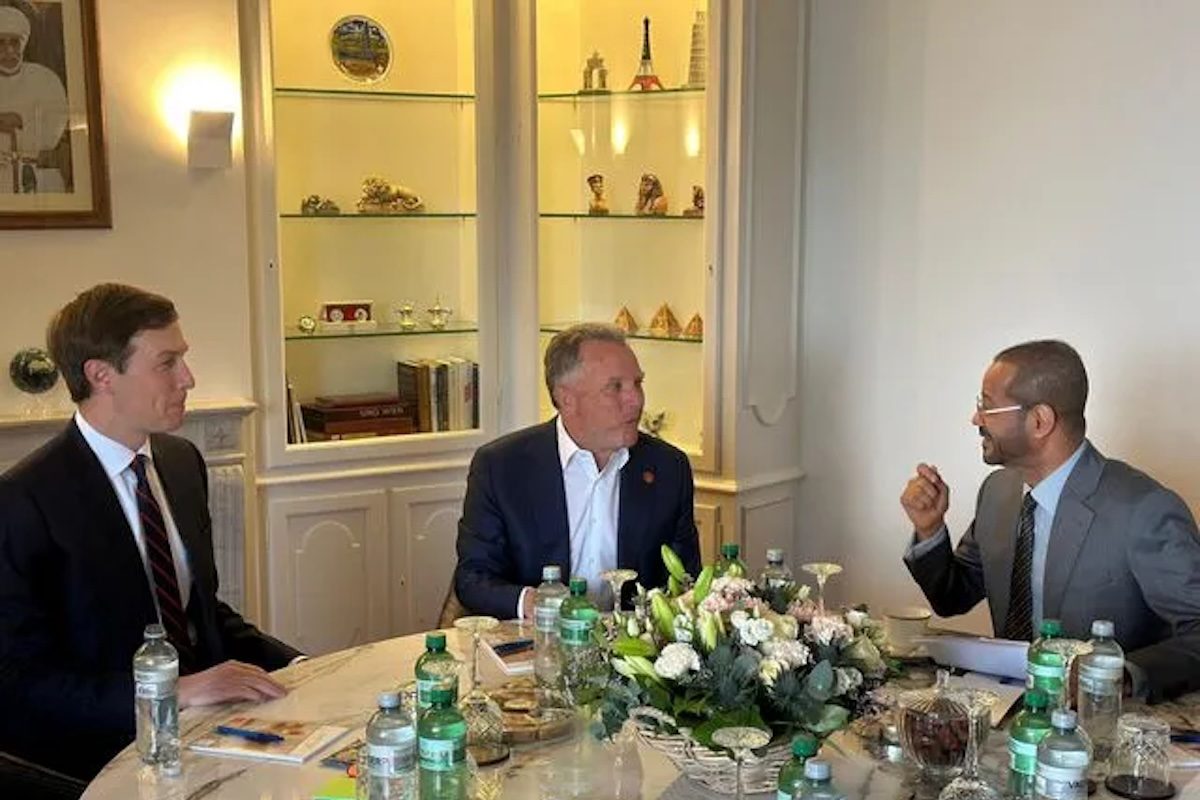
    Geneva witnessed a pivotal moment in US-Iran relations on February 17, 2026, as diplomatic envoys engaged in three to four hours of indirect negotiations facilitated by Omani intermediaries. The talks, which avoided direct contact between American and Iranian delegations, reportedly produced a tentative framework agreement focusing primarily on uranium enrichment—a significant departure from the comprehensive demands previously outlined by the Trump administration.

    According to Iranian sources, US negotiators Steve Witkoff and Jared Kushner acquiesced to a narrowed negotiation framework that potentially bypasses Secretary of State Marco Rubio’s established ‘pillars’ for any Iran agreement. These pillars explicitly require addressing Iran’s ballistic missile program, regional proxy forces, and human rights record alongside nuclear considerations.

    The emerging arrangement, as interpreted by Iranian officials, links sanctions relief to concessions on uranium enrichment—a direct reflection of Supreme Leader Ali Khamenei’s stated position. However, the White House has maintained official silence regarding the Geneva discussions, leaving the accuracy of Iranian claims unverified.

    This diplomatic maneuvering occurs against a backdrop of substantial US military mobilization. The Gerald R. Ford carrier group is en route to the Arabian Sea, while approximately 50,000 US troops are now stationed across the Middle East—a notable increase from the typical 34,000-40,000 baseline. Advanced military assets including F-35 stealth fighters, F-15E Strike Eagles, and A-10 Thunderbolts have been deployed to regional bases, complemented by sophisticated missile defense systems such as THAAD batteries in Jordan and Patriot installations throughout the Gulf.

    The convergence of diplomatic developments and military posturing creates a complex decision matrix for President Trump, who must weigh the potential for a limited nuclear agreement against Rubio’s comprehensive demands and considerable internal opposition. The timing of military assets reaching full operational capacity in early March establishes a de facto deadline for diplomatic resolution before potential escalation.

  • Botim Money launches digital silver investing from Dh10

    Botim Money launches digital silver investing from Dh10

    In a significant expansion of its digital wealth ecosystem, UAE-based fintech platform Botim Money has launched fractional silver investing, enabling users to trade the precious metal with investments as low as Dh10. The new feature, accessible through the Botim app, allows eligible users to purchase, sell, and manage digital silver holdings without the traditional barriers associated with physical precious metals.

    This strategic move follows the remarkable success of Botim Money’s gold investment service, introduced in partnership with OGold in 2025, which has processed over 128,000 trades totaling more than Dh100 million in transaction value. The platform’s latest offering eliminates conventional obstacles such as high minimum purchase requirements, storage costs, and handling concerns that have historically limited retail participation in precious metals markets.

    Sacha Haider, Chief Operating Officer of Astra Tech and Botim, emphasized that fractional investing has removed traditional investment thresholds, creating accessible pathways for portfolio diversification. The initiative strengthens Botim’s partnership with OGold, an Emirati precious metals platform dedicated to digitizing gold and silver ownership.

    Bandar Alothman, Chairman and Founder of OGold, highlighted that the collaboration enables digital silver holdings to generate returns through structured investment solutions rather than remaining idle assets. The launch comes at a pivotal time for silver markets, with industry forecasts projecting a sixth consecutive annual supply deficit in 2026 of approximately 67 million ounces, alongside growing retail investment demand despite softer industrial consumption in certain segments.

    This development reflects the broader transformation toward digital-first financial services in the UAE, where fintech platforms are increasingly integrating accessible investment tools within everyday payment and remittance applications, particularly appealing to younger and first-time investors seeking inflation hedges and portfolio diversification options.

  • Look: UAE’s faithful offer first Taraweeh prayers on eve of Ramadan

    Look: UAE’s faithful offer first Taraweeh prayers on eve of Ramadan

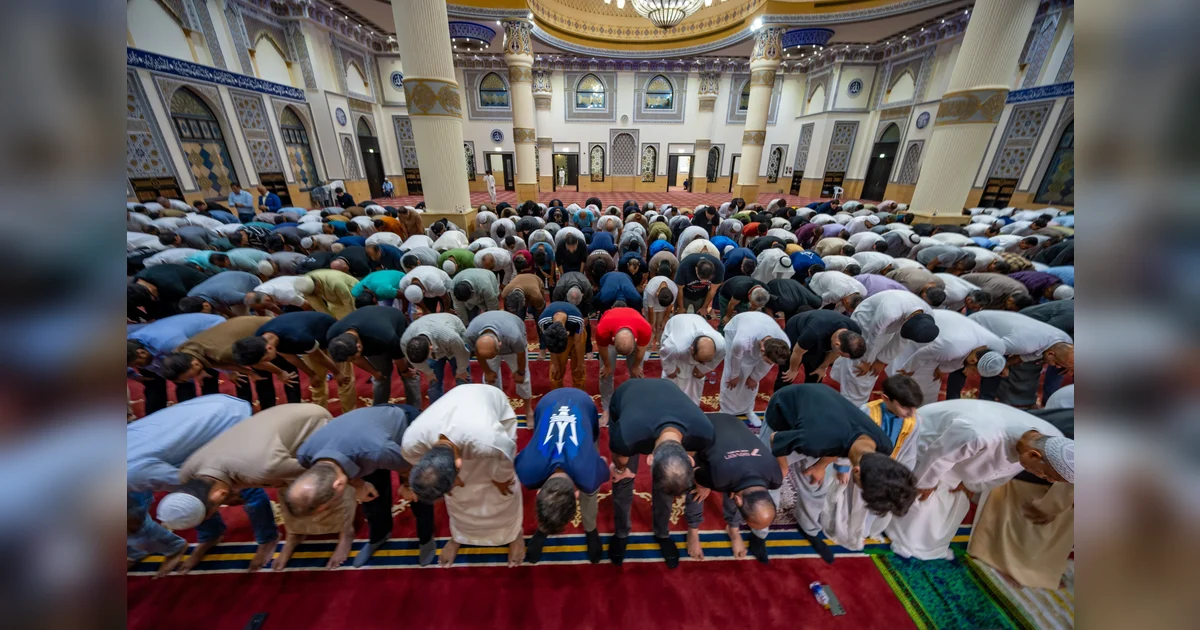
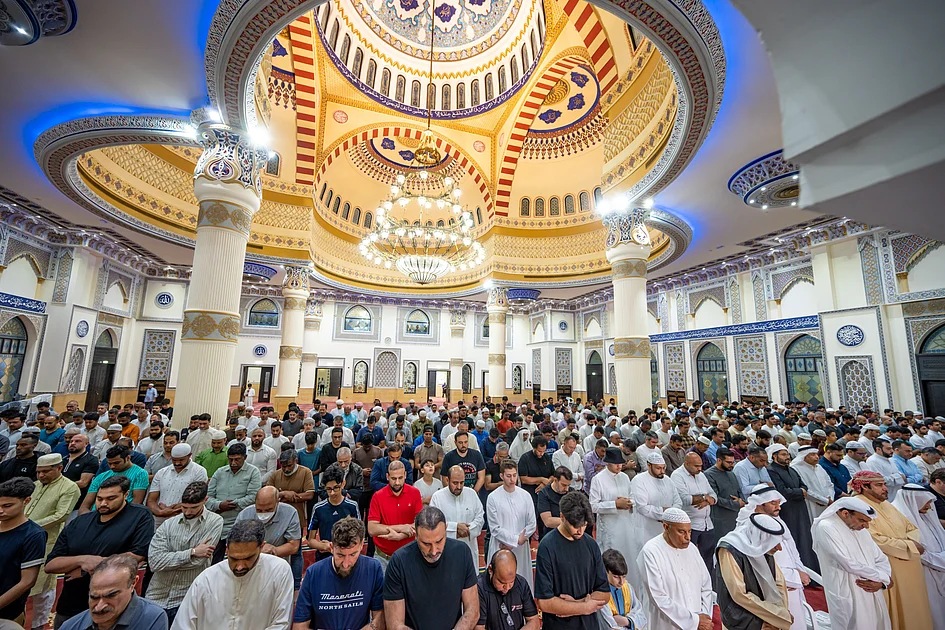
    Across the United Arab Emirates, Muslim communities gathered in mosques and prayer halls on Tuesday evening to observe the inaugural Taraweeh prayers, marking the spiritual commencement of the holy month of Ramadan. The special night prayers, conducted following the confirmation of the Ramadan crescent moon, demonstrated the nation’s deep religious observance and cultural traditions.

    Worshippers participated in extended congregational prayers that characterize Taraweeh, a distinctive feature of Ramadan nights where lengthy portions of the Quran are recited throughout the month. Mosques across the seven emirates saw faithful attendees following COVID-19 precautionary measures while maintaining the spiritual atmosphere of the occasion.

    The first Taraweeh prayers hold particular significance as they set the tone for the month of fasting, reflection, and increased devotion. Religious authorities across the UAE had coordinated preparations to ensure smooth arrangements for the night prayers, including crowd management, sanitation protocols, and organized recitation schedules.

    This religious observance occurs as the UAE continues to balance traditional Islamic practices with modern urban requirements, implementing appropriate measures to facilitate worship while maintaining public health standards. The successful commencement of Taraweeh prayers reflects the country’s commitment to preserving religious customs while adapting to contemporary circumstances.

  • Prestianni denies he racially abused Vinicius

    Prestianni denies he racially abused Vinicius

    A contentious racism allegation overshadowed Real Madrid’s narrow 1-0 victory against Benfica in Tuesday’s Champions League knockout phase play-off, triggering a stadium evacuation and sparking intense debate across the football world.

    Brazilian winger Vinícius Júnior reported alleged racial abuse from Benfica midfielder Gianluca Prestianni to referee Francois Letexier during the second half of the match in Lisbon. The accusation prompted an immediate 10-minute suspension as players from both teams left the pitch shortly after Vinícius had scored what would become the match-winning goal.

    The 25-year-old forward, who has endured multiple racist incidents throughout his career, took to Instagram post-match, stating: ‘Racists are, above all, cowards. They require the concealment of their identities to demonstrate their profound weakness. Unfortunately, they frequently operate under the protection of those who should be holding them accountable. Tonight’s events represent nothing novel in my experience or that of my team.’

    Prestianni, 20, vehemently denied the allegations through his social media channels: ‘I must clarify that I never directed racist insults toward Vinícius Jr., who unfortunately misinterpreted what he believed he heard. I have never engaged in racist behavior toward anyone, and I deeply regret the threats I have received from Real Madrid players.’

    Benfica’s official X account supported their player, posting video evidence alongside a statement suggesting the distance between players made auditory perception impossible. The Portuguese club emphasized their historical commitment to anti-racism, referencing legendary black striker Eusébio as testament to their inclusive values.

    The controversy intensified when Benfica manager José Mourinho suggested Vinícius had provoked spectators with his goal celebration and questioned the validity of the racism claims. His post-match comments drew sharp criticism from pundits including former Real Madrid midfielder Clarence Seedorf, who called Mourinho’s justification of potential racial abuse ‘a significant error.’

    Real Madrid defender Trent Alexander-Arnold condemned the incident as ‘a disgrace to football that tarnished an exceptional performance and magnificent goal.’ Teammate Kylian Mbappé went further, explicitly calling for UEFA to ban Prestianni from Champions League participation indefinitely.

    Football legends Thierry Henry and Theo Walcott added their voices to the growing condemnation, with Henry recalling his own experiences with racial abuse and noting Prestianni’s suspicious gesture of covering his mouth during the exchange.

    The incident now places significant pressure on UEFA to conduct a thorough investigation ahead of the second leg scheduled for February 25th at Santiago Bernabéu Stadium.

  • Under pressure from Trump, Venezuela’s new president has aces up her sleeve

    Under pressure from Trump, Venezuela’s new president has aces up her sleeve

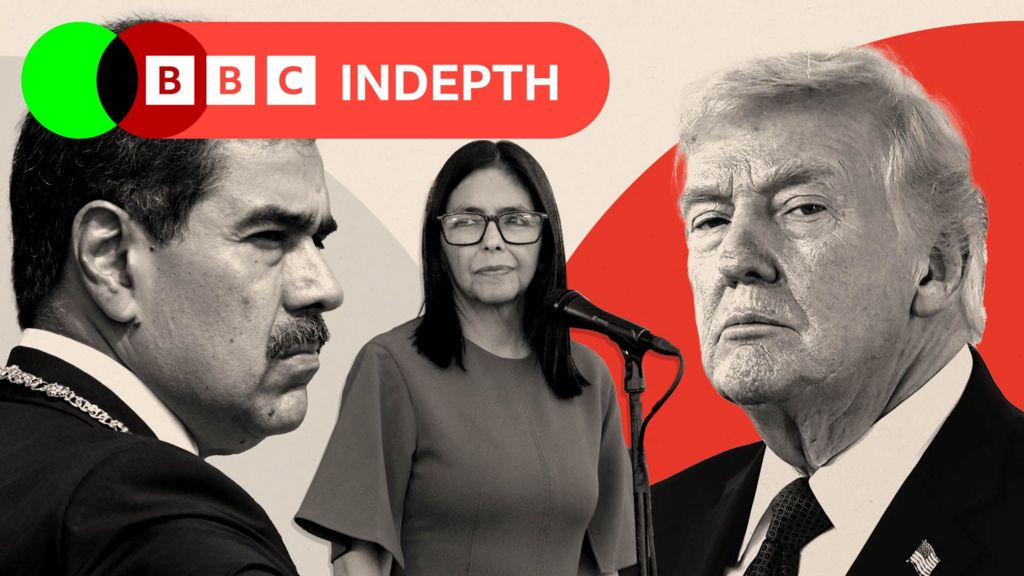
    Venezuela remains in a state of political limbo following the dramatic extraction of former President Nicolás Maduro and his wife Cilia Flores by US operatives on January 3rd. The couple now awaits trial in Brooklyn’s Metropolitan Detention Center on drug trafficking charges, which they vehemently deny.

    In their absence, acting leader Delcy Rodríguez faces an extraordinary balancing act. The lifelong Chavista must maintain support from her socialist base while implementing policy changes demanded by the Trump administration. Her predicament was visually symbolized by government-sponsored drone displays over Caracas that projected images of Maduro and Flores alongside the message ‘El pueblo los reclama’ (the people want them back).

    Rodríguez’s leadership represents a study in political pragmatism. While publicly condemning ‘US imperialist expansion’ and referring to America as a ‘lethal nuclear power,’ she has simultaneously pursued policies favorable to Washington. These include passing legislation enabling US oil companies to operate in Venezuela and releasing numerous political prisoners—actions the opposition attributes to American pressure rather than genuine reform.

    According to Christopher Sabatini of Chatham House, ‘Trump has implied that Venezuela is now a US protectorate, so she serves at the will of the US president.’ This power dynamic is complicated by Rodríguez’s own vulnerability to US legal action, with DEA investigations hanging over her despite no formal indictment.

    The acting leader must also navigate domestic power structures, particularly the military hierarchy loyal to Maduro. Interior Minister Diosdado Cabello commands significant influence through both formal security forces and paramilitary groups, creating an uneasy alliance that Rodríguez manages cautiously.

    Despite apparent US leverage, some analysts suggest Rodríguez retains more agency than initially apparent. Sabatini notes that President Trump is ‘desperate for the world to see the extraction of Maduro as an unqualified success,’ creating potential bargaining power for the Venezuelan leader. Divisions within the US administration—particularly Secretary of State Marco Rubio’s anti-communist stance—further complicate Washington’s position.

    Venezuela’s profound economic crisis adds another layer to this political calculus. With inflation at the world’s highest levels and 86% of citizens in poverty, Rodríguez potentially benefits from any economic improvement resulting from US engagement. However, with American focus primarily on oil interests, tangible benefits for ordinary Venezuelans remain uncertain.

    The ultimate test may come in determining the timing of new elections. As Sabatini observes, ‘She wants to wait to see the economy lifted so she could potentially run and win.’ This pragmatic approach reflects the core Chavista philosophy described by analyst Phil Gunson: ‘They bend so as not to break.’

  • Climber on trial for leaving girlfriend to die on Austria’s highest mountain

    Climber on trial for leaving girlfriend to die on Austria’s highest mountain

    A landmark trial opening Thursday in Austria examines whether a mountain climber bears criminal responsibility for his girlfriend’s hypothermia death during a disastrous winter ascent of the Grossglockner peak in January 2025. The case has ignited international debate about liability in extreme sports.

    Prosecutors allege Thomas P, 33, committed nine critical errors during the ill-fated climb that resulted in Kerstin G’s death at 3,798 meters (12,460 feet). As the more experienced climber who planned the expedition, he is charged with gross negligent manslaughter for allegedly failing to protect his partner from lethal alpine conditions.

    The prosecution’s case centers on Thomas’s role as ‘responsible guide’ during the January 18-19 climb. Evidence indicates he initiated the ascent two hours behind schedule despite his girlfriend’s lack of experience with high-altitude winter tours. Prosecutors further contend he permitted inadequate footwear and carried insufficient emergency bivouac equipment.

    Webcam footage timestamped 21:00 on January 18 captures the couple’s torchlights ascending through gathering storms. Despite deteriorating conditions featuring -20°C wind chill and 74km/h winds, they continued toward the summit rather than turning back.

    The defense maintains both climbers were experienced, well-prepared, and in excellent physical condition. Attorney Karl Jelinek characterizes the death as ‘a tragic accident’ rather than criminal negligence, noting the couple felt capable until Kerstin suddenly exhibited extreme exhaustion near the summit.

    Critical disagreement surrounds events after midnight. Prosecutors allege Thomas failed to signal a police helicopter overhead at 22:50 and delayed emergency notification until 03:30. The defense claims he left his immobilized partner at 02:00 to seek help, descending the opposite slope as captured by webcam imagery.

    Mountain rescue teams couldn’t launch helicopter operations until morning due to violent winds. Kerstin succumbed to hypothermia alone on the mountainside before help arrived.

    The verdict could establish precedent for criminal liability in mountain sports, potentially creating what Austria’s Der Standard newspaper calls ‘a paradigm shift’ for adventure tourism accountability.

  • Takaichi will be reappointed as Japan’s prime minister with a goal of pushing to the right

    Takaichi will be reappointed as Japan’s prime minister with a goal of pushing to the right

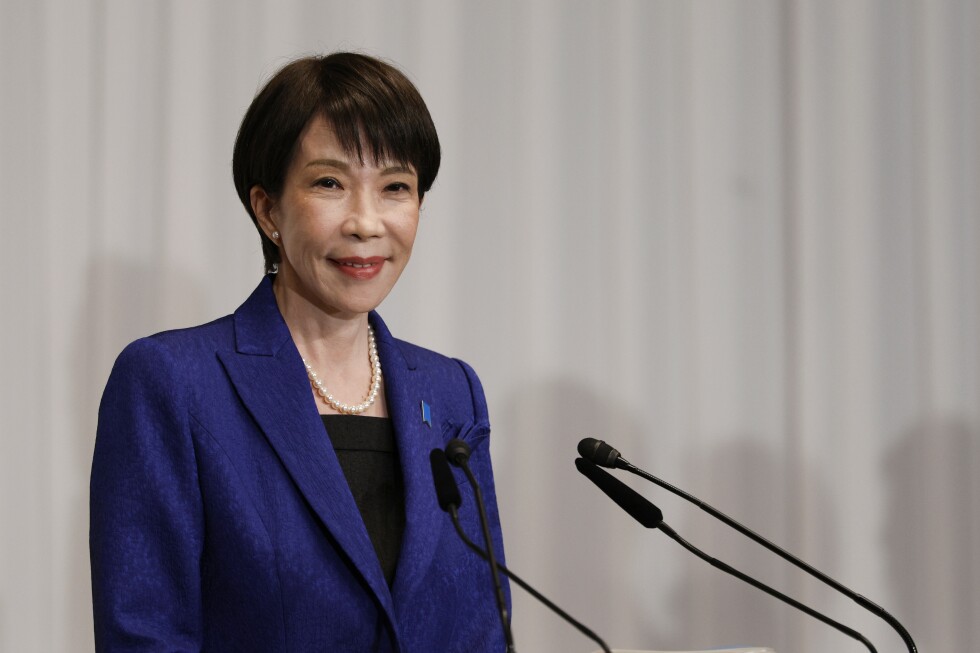
    TOKYO — Prime Minister Sanae Takaichi’s decisive electoral victory has positioned her administration to pursue an ambitious conservative transformation of Japanese policy. With her formal reappointment by parliament this Wednesday, Takaichi will helm her second Cabinet empowered by a commanding two-thirds supermajority in the lower house—Japan’s more influential parliamentary chamber.

    This legislative dominance enables the Liberal Democratic Party to control key committee positions and override opposition from the upper house, where the ruling coalition lacks majority control. The government’s agenda encompasses significant military expansion, heightened defense spending, stricter immigration controls, and the preservation of traditional social structures.

    Takaichi’s immediate priorities include addressing economic pressures through a proposed two-year sales tax reduction on food items, though economists warn this fiscal approach may exacerbate inflation and impede efforts to reduce Japan’s substantial national debt.

    International relations present both challenges and opportunities. Takaichi is preparing for a critical summit with U.S. President Donald Trump, who previously endorsed her leadership. Japan faces expectations to fulfill a $550 billion investment commitment made in October while navigating complex security dynamics in the Asia-Pacific region.

    The Prime Minister’s hawkish stance toward China has already triggered diplomatic tensions, particularly following her remarks regarding potential Japanese responses to Chinese military actions toward Taiwan. Her expressed intention to visit the controversial Yasukuni Shrine—viewed by neighboring nations as symbolic of Japan’s unrepentant wartime past—further underscores her government’s nationalist orientation.

    Defense policy revisions scheduled for December would mark a significant departure from postwar pacifist principles, potentially including lethal weapons exports and nuclear-powered submarine development. Concurrently, the administration is advancing stricter espionage laws and immigration controls that critics argue may compromise civil liberties.

    Social policy initiatives aim to reinforce traditional values, including male-only imperial succession and opposition to same-sex marriage. The government’s approach to surname regulations has drawn criticism from rights advocates who view proposed alternatives as insufficient for addressing gender equality concerns.