博客

  • Witkoff says ‘meaningful progress’ made as Ukraine talks enter second day

    Witkoff says ‘meaningful progress’ made as Ukraine talks enter second day

    GENEVA – U.S. Special Envoy Steve Witkoff has reported ‘meaningful progress’ in trilateral negotiations between Ukrainian and Russian delegations during ongoing peace talks in Switzerland. The discussions, mediated by Witkoff and Jared Kushner, President Trump’s son-in-law, entered their second day on Wednesday amid cautious optimism from American officials despite fundamentally opposing positions from both conflict parties.

    Witkoff publicly credited President Trump’s diplomatic influence for bringing the warring nations to the negotiation table. ‘President Trump’s success in bringing both sides of this war together has brought about meaningful progress,’ Witkoff stated on social media platform X, emphasizing the administration’s commitment to ‘stop the killing in this terrible conflict.’

    The negotiations, occurring just one week before the fourth anniversary of Russia’s full-scale invasion, face significant hurdles due to Moscow’s unwavering territorial demands. The Kremlin maintains its maximalist position seeking Ukrainian cession of additional territories beyond the approximately 20% of the country it currently occupies, including complete control of the eastern Donbas region – conditions Ukraine has categorically rejected.

    Ukrainian President Volodymyr Zelensky expressed concerns about the negotiation dynamics, telling Axios that ‘it’s not fair’ that Trump consistently pressures Ukraine to broker a deal without equivalent demands on Russia. Zelensky warned that lasting peace cannot be achieved by simply ‘handing victory to Russia,’ while cautiously hoping the American approach represents ‘just his tactics and not the decision.’

    Top Ukrainian negotiator Rustem Umerov reported that initial discussions focused on ‘practical issues and the mechanics of possible solutions’ during six hours of tense negotiations that utilized both bilateral and trilateral formats. Zelensky subsequently indicated Ukraine’s willingness to refrain from military strikes as proposed by U.S. mediators, asserting that ‘We don’t need war’ but are ‘defending our state, our independence.’

    The talks proceed against a backdrop of continued violence, with Russia’s Defense Ministry reporting the destruction of 43 Ukrainian drones over Russian territory and Crimea overnight. This followed a massive combined aerial assault by Russia against Ukraine the previous night, involving approximately 400 drones and nearly 30 missiles across 12 regions that resulted in at least three Ukrainian fatalities according to officials in Kyiv.

  • Olives, opera and a climate-neutral goal: How a mural in Greece won ‘Best in the World’

    Olives, opera and a climate-neutral goal: How a mural in Greece won ‘Best in the World’

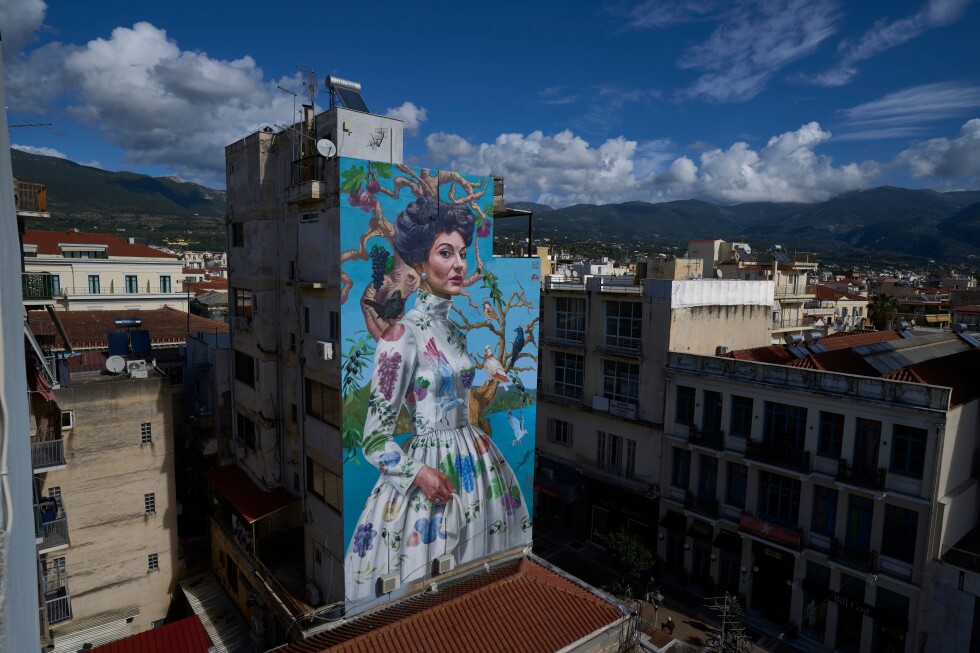
    The southern Greek city of Kalamata, historically celebrated for its premium olives and Mediterranean allure, has achieved global artistic recognition. A monumental mural transforming opera legend Maria Callas into a powerful allegory for the city has been honored as the 2025 “Best Mural of the World” by Street Art Cities, an international platform dedicated to urban art.

    This distinction emerges from a deliberate urban strategy rather than mere artistic coincidence. City officials, led by Deputy Mayor Vassilis Papaefstathiou for strategic planning and climate neutrality, conceived the mural as a visual manifesto for Kalamata’s ambitious goal to become climate-neutral by 2030. The artwork serves as an accessible representation of complex initiatives including sustainable development, agricultural innovation, and local economic resilience for its 73,000 residents.

    Artist Kleomenis Kostopoulos, 52, executed the visionary piece, explaining that the mural titled ‘Kalamata’ uses Callas allegorically rather than literally. Instead of a conventional operatic portrait, he created an earthy, grounded depiction connecting people to their land through symbolic elements: native birds, agricultural products, and tree branches representing both roots and growth. Her dress embodies the “bloom and fruition” of Kalamata’s blessed terrain.

    The creation process presented significant challenges, requiring approximately two weeks of intensive work spread across a month due to weather interruptions. Kostopoulos employed brushes, spray paint, and a cherry-picker to complete the massive installation.

    Beyond aesthetic achievement, the mural has become a civic focal point generating multiple benefits. It has enhanced tourism promotion and stimulated discussions about public art’s role in urban spaces, with additional building owners expressing interest in hosting similar works. The artwork also strengthens local identity at a critical time, as southern Greece faces increasing climate pressures including heatwaves, droughts, and wildfires that threaten the olive groves central to the regional economy.

    The Callas connection resonates deeply with locals—though born in New York to Greek immigrants, her father originated from a village south of Kalamata, making her a beloved native daughter. This bond is institutionally recognized through the Maria Callas-named alumni association at the local music school and a dedicated exhibition at the cultural center.

    Community response reflects profound pride, with tourism educator Dimitra Kourmouli expressing “immense pride” in the recognition. Officials and the artist hope the award will catalyze broader appreciation for public art’s cultural, social, and economic benefits throughout Greece, serving as a springboard for meaningful conversations about art in public spaces.

  • Philippine Vice President Duterte will seek presidency in 2028 but faces impeachment bids

    Philippine Vice President Duterte will seek presidency in 2028 but faces impeachment bids

    MANILA, Philippines — In a dramatic political declaration, Philippine Vice President Sara Duterte has formally announced her intention to seek the presidency in the 2028 elections, setting the stage for a contentious political battle amid ongoing impeachment proceedings and criminal investigations that could potentially disqualify her from public office.

    The announcement came during a televised address on Wednesday where Duterte launched scathing criticisms against President Ferdinand Marcos Jr., her former electoral ally in the 2022 elections. The vice president accused Marcos of betraying campaign promises and presiding over governmental mismanagement, while simultaneously requesting public forgiveness for systemic issues including corruption, security concerns, and economic inflation.

    Duterte’s presidential ambitions face significant legal hurdles. Multiple impeachment complaints have been filed against her in Congress, focusing on allegations of mishandling $10.3 million in confidential funds during her tenure as both vice president and education secretary. Additional accusations include unexplained wealth in personal bank accounts, currently under investigation by anti-graft prosecutors.

    Perhaps most strikingly, one impeachment complaint cites Duterte’s 2024 threat against President Marcos, First Lady Liza Araneta-Marcos, and House Speaker Martin Romualdez, in which she suggested they would be killed if she were assassinated.

    The political rift between Duterte and Marcos represents a complete breakdown of their previous alliance. Duterte and her family have directly blamed Marcos for the detention of her father, former President Rodrigo Duterte, who faces potential trial at the International Criminal Court in the Netherlands for crimes against humanity related to his deadly anti-drug campaign.

    Presidential spokesperson Claire Castro responded by suggesting Duterte should apologize for her own alleged irregularities and frequent international travels rather than attacking others. Meanwhile, Duterte’s legal representative, Michael Poa, maintains that the vice president is prepared to confront all allegations and expects a fair review will demonstrate their lack of factual and legal foundation.

    The Supreme Court previously intervened in an earlier impeachment attempt, ruling that the House of Representatives violated constitutional procedures by processing multiple cases against a single official within one year.

  • Pakistan grabs Super 8 spot at T20 World Cup. India wins toss and bats against the Netherlands

    Pakistan grabs Super 8 spot at T20 World Cup. India wins toss and bats against the Netherlands

    Pakistan cemented their place in the Super 8 stage of cricket’s Twenty20 World Cup with an emphatic 102-run triumph against Namibia in Colombo on Wednesday. The victory was powered by Sahibzada Farhan’s spectacular maiden T20 century and Usman Tariq’s mesmerizing spin bowling performance.

    Opening batsman Farhan delivered a masterclass in aggressive yet controlled batting, remaining unbeaten on 100 from just 58 deliveries. His innings featured 11 boundaries and four massive sixes, with his second fifty coming off a mere 20 balls. Captain Salman Ali Agha contributed a solid 38, while Shadab Khan provided late fireworks with an unbeaten 36 that included three sixes, propelling Pakistan to a formidable total of 199-3.

    The bowling attack, led by the unorthodox spinner Usman Tariq, dismantled Namibia’s batting lineup with clinical precision. Tariq’s distinctive pause-and-bowl action proved particularly devastating, earning him figures of 4-16, including a remarkable double-wicket maiden over. Shadab Khan complemented with 3-19 as Namibia collapsed from 79-4 to be all out for 97 in 17.3 overs, suffering their fourth consecutive group stage defeat.

    In concurrent Group D action, South Africa completed their group stage campaign undefeated, comfortably chasing down 123 against United Arab Emirates with 40 balls to spare. The Proteas’ comprehensive performance sets them up strongly for the Super 8 phase, alongside New Zealand who also advanced from Group D.

    The victory ensures Pakistan, the 2009 champions, progress to the next round while eliminating any remaining hopes for the United States team. Pakistan’s spinners demonstrated complete dominance, with only Namibia’s Louren Steenkamp (23) and Alexander Busing-Volschenk (20) offering meaningful resistance in an otherwise one-sided contest.

  • Japan’s exports surge 17% in January, on strong shipments to China and other Asian markets

    Japan’s exports surge 17% in January, on strong shipments to China and other Asian markets

    Japan witnessed a remarkable 16.8% surge in exports this January compared to the same period last year, according to the latest data released by the Finance Ministry. The export value reached 9.19 trillion yen ($59.8 billion), while imports experienced a slight decline of 2.5% to 10.3 trillion yen ($67 billion). This resulted in a significantly reduced trade deficit of 1.15 trillion yen ($7.5 billion), representing less than half of the deficit recorded a year earlier.

    Economic analysts attribute this substantial export growth primarily to the timing of the Lunar New Year, which occurred later than usual on February 17, creating extended manufacturing and shipping periods. The data reveals particularly strong performance in Asian markets, with exports to China jumping 32% year-on-year despite ongoing political tensions regarding Taiwan. Overall exports to Asia surged by an impressive 26%.

    The technology sector demonstrated particularly robust performance, with imports of semiconductors and computer components showing the fastest growth. This trend appears closely linked to the artificial intelligence boom, which has generated unprecedented demand for data center equipment and advanced computer chips.

    However, the trade relationship with the United States presented a contrasting picture. Exports to the U.S. declined by 0.5%, while imports from America increased by 3%. Notably, vehicle exports to the U.S.—which typically account for approximately one-third of total exports to the country—fell by nearly 10%.

    Economic experts caution that this export surge may be temporary. Norihiro Yamaguchi of Oxford Economics noted that ‘the currently strong tailwind from the US AI boom is unlikely to last,’ predicting that ‘gains in exports to Asia excluding China will moderate’ and that exports were ‘highly likely to moderate next month.’

    This trade data emerges against the backdrop of Japan’s fragile economic recovery, with the economy expanding at a mere 0.2% annual pace in the last quarter and projected growth for 2025 standing at just 1.1%, as weaker exports have offset modest increases in private consumption.

  • Business executives and politicians exposed in Abu Dhabi data leak: Report

    Business executives and politicians exposed in Abu Dhabi data leak: Report

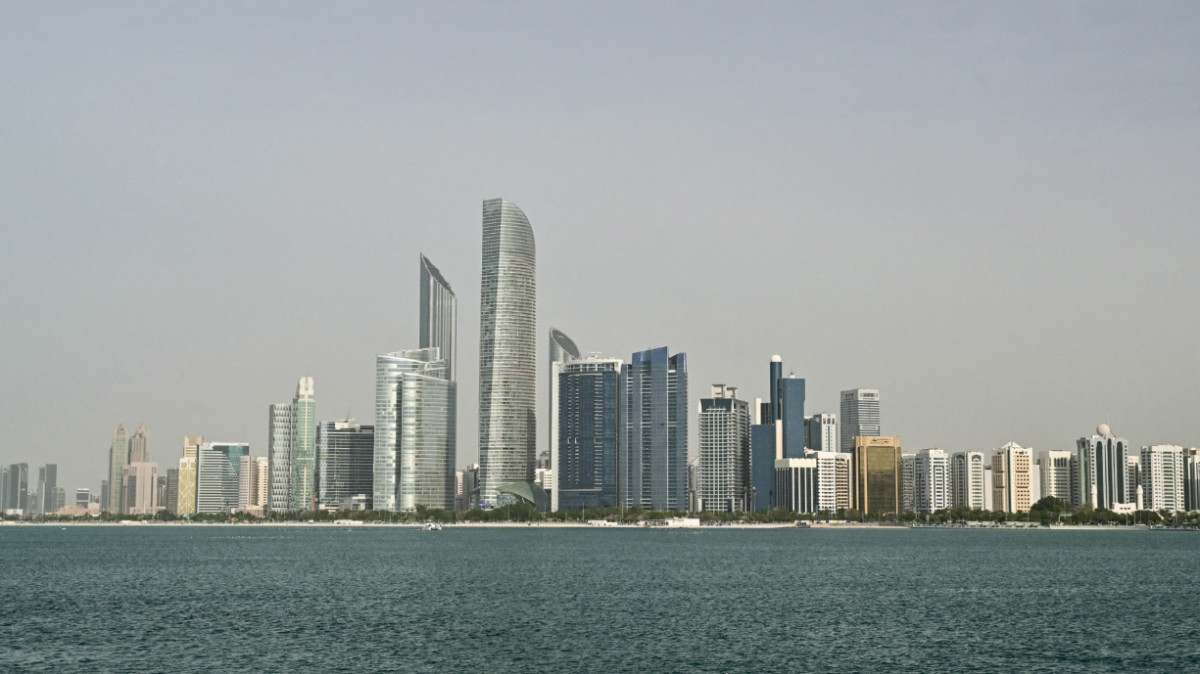
    A significant data security breach has exposed confidential identification documents of numerous high-profile international figures through an unprotected server linked to Abu Dhabi Finance Week (ADFW). According to Financial Times reporting, the compromised data included scanned copies of over 700 passports and state identity cards belonging to prominent individuals such as former UK Prime Minister David Cameron and Anthony Scaramucci, former White House communications director and prominent podcaster.

    The sensitive information remained publicly accessible through standard web browsers until Monday, when ADFW officials secured the vulnerability after being contacted by Financial Times journalists. Event organizers attributed the security lapse to “a vulnerability in a third-party vendor-managed storage environment,” claiming immediate remediation and preliminary assessment suggesting limited access to the researcher who identified the issue.

    This security incident emerges during a period of heightened regional tensions between the United Arab Emirates and neighboring Saudi Arabia. The two Gulf nations, traditionally allies, have experienced growing diplomatic strains regarding conflicts in Sudan and Yemen, as well as differing approaches to relations with Israel. Middle East Eye reports indicate the UAE has actively encouraged pro-Israel lobbying groups to criticize Saudi positions.

    The timing proves particularly sensitive given both nations’ ongoing efforts to position themselves as premier destinations for international business and foreign investment. The UAE, particularly through Dubai and Abu Dhabi’s economic diversification initiatives, has historically maintained advantages in attracting global corporations and expatriate professionals. The ADFW event itself featured prominent attendees including Abu Dhabi’s crown prince and senior executives from major financial institutions including UBS, Blackstone, Barclays, and Morgan Stanley, alongside cryptocurrency representatives.

    The data exposure raises serious questions about cybersecurity protocols at high-level international financial gatherings and potentially impacts the UAE’s carefully cultivated reputation as a secure business hub amidst increasing regional competition.

  • Fallout from Epstein and Mandelson puts Britain’s House of Lords under scrutiny

    Fallout from Epstein and Mandelson puts Britain’s House of Lords under scrutiny

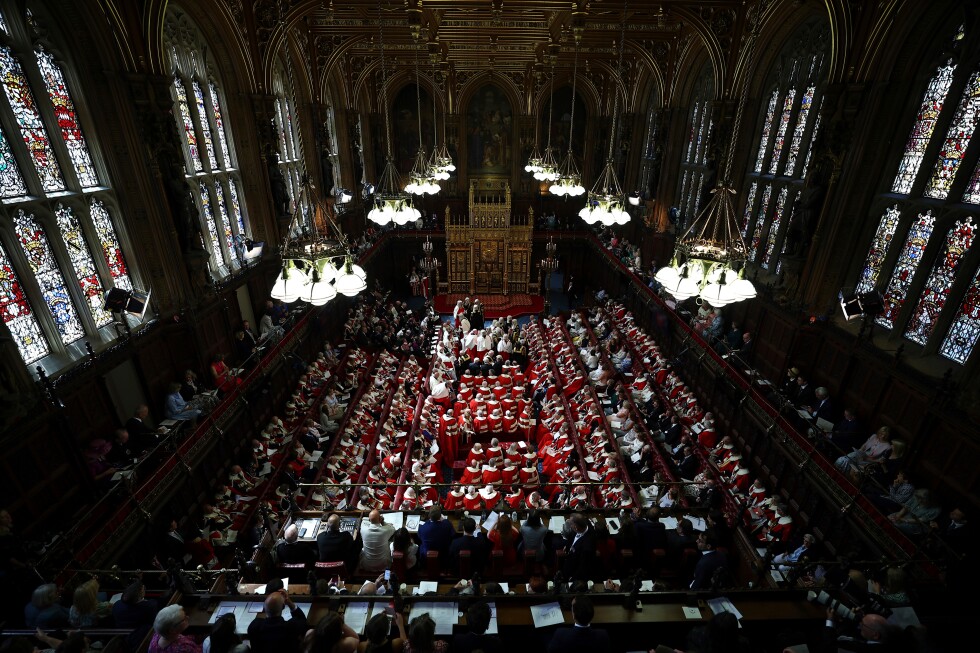
    LONDON — Britain’s centuries-old House of Lords confronts mounting pressure for structural reform as scandals and antiquated traditions expose fundamental flaws in the parliamentary institution. The recent resignation of former UK ambassador Peter Mandelson, compelled by his association with convicted sex offender Jeffrey Epstein, has intensified scrutiny of the upper chamber’s accountability mechanisms and membership standards.

    The 700-year-old institution, comprising over 850 unelected lifetime members bearing aristocratic titles, faces criticism from across the political spectrum for its semi-feudal structure. While supporters maintain the Lords serve a vital democratic function in reviewing legislation, even proponents acknowledge the necessity for modernization in what Green Party member Jenny Jones characterizes as “a mess” of historical anachronisms.

    Historical transformation of the chamber began with the introduction of government-appointed “life peers” in the 1950s, expanding to include female members. The Blair administration’s 1999 reforms removed most hereditary peers, though 92 retained positions temporarily. Prime Minister Keir Starmer’s current Labour government has initiated legislation to eliminate remaining hereditary positions, denounced as “indefensible relics” of Britain’s aristocratic past.

    The chamber’s disciplinary capabilities remain historically constrained despite modifications allowing expulsion for code of conduct violations, imprisonment, or non-attendance. Notable cases include thriller-writer Jeffrey Archer’s 2001 perjury conviction and media magnate Conrad Black’s 2007 fraud sentence, neither of whom faced expulsion under previous regulations. While several members have resigned preemptively over misconduct allegations, no peer has been formally expelled for behavioral transgressions.

    Controversy extends to appointment processes, with most life peerages distributed directly by the prime minister to political allies, aides, and donors without independent quality assessment. Crossbench members undergo selection through an independent committee, creating inconsistent standards across the chamber.

    Constitutional experts describe reform progress as “glacial,” with discussions spanning decades before implementation. Recent proposals include introducing an 80-year retirement age and strengthening participation requirements, while more radical suggestions advocate replacing the Lords with an elected senate-style body.

    The Epstein-related scandals have amplified existing concerns about membership quality and selection criteria, creating political complications for Prime Minister Starmer’s administration. As Britain grapples with modernizing its parliamentary democracy, the House of Lords stands at a crossroads between centuries of tradition and contemporary democratic expectations.

  • Third Briton dies in French Alps avalanches in one week

    Third Briton dies in French Alps avalanches in one week

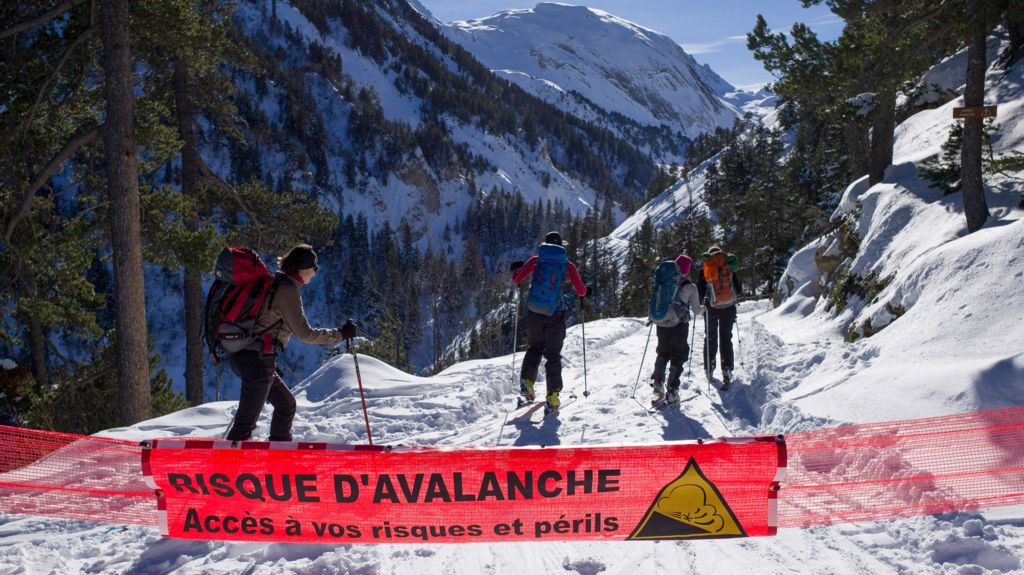
    A series of devastating avalanches in the French Alps on Tuesday resulted in multiple fatalities, including a British national, marking a continued pattern of winter tragedies in the region. The incidents occurred in two separate locations under elevated avalanche risk conditions.

    In the first tragedy near the resort town of La Grave, a British man in his 30s and a Polish citizen were killed while skiing off-piste with a group of five individuals. The avalanche struck without warning, burying the victims under heavy snow. Two other members of the group—a German and an Australian skier—miraculously escaped uninjured.

    Simultaneously, a second avalanche occurred in the neighboring Valloire area, claiming one life and leaving two hikers in critical condition. French authorities have launched comprehensive investigations into both incidents to determine the exact circumstances surrounding the deaths.

    The French weather service had issued elevated avalanche warnings for both regions, rating the risk at level four (high) on a five-point scale for La Grave due to recent snowfall and strong winds, while Valloire faced the maximum level five risk designation.

    These latest fatalities bring the winter season’s death toll to 28 in the French Alps, following another tragic incident just days earlier that claimed the lives of two British nationals and a French citizen. The UK Foreign Office confirmed it is providing consular assistance to affected families and remains in contact with local authorities.

    The Alpine region has experienced numerous fatal avalanches since the beginning of the year, including a particularly deadly weekend in January that resulted in six fatalities, highlighting the persistent dangers of mountain activities during winter conditions.

  • Nvidia leads the US stock market near its all-time high

    Nvidia leads the US stock market near its all-time high

    Wall Street witnessed a significant rally on Wednesday, propelled predominantly by a landmark artificial intelligence partnership between two tech behemoths. The S&P 500 advanced 0.9%, nearing its recent all-time high, while the Dow Jones Industrial Average climbed 308 points (0.6%) and the Nasdaq composite surged 1.3%.

    The catalyst for this upward momentum was a major announcement from Meta Platforms, which unveiled a long-term strategic collaboration to integrate millions of Nvidia’s advanced chips and hardware into its AI data center infrastructure. This development sent Nvidia’s stock soaring 2.3%, cementing its position as the most influential single stock driving market performance. Nvidia CEO Jensen Huang emphasized the unprecedented scale of Meta’s AI deployment capabilities.

    While this partnership underscored the immense market optimism surrounding AI’s transformative potential, it also highlighted growing investor apprehensions. Meta’s shares experienced initial volatility, dipping 1.7% before recovering to a modest 0.3% gain, reflecting concerns over the massive capital expenditures required for AI development and uncertainty about future profitability.

    Beyond the AI sector, several companies reported strong quarterly results that contributed to the market’s positive performance. Cadence Design Systems jumped 9.1% after exceeding both profit and revenue expectations, with CEO Anirudh Devgan highlighting the resilience of their engineering software. Analog Devices gained 2.7% following better-than-anticipated earnings, citing record orders in its data center division. Moderna rose 5.5% after the FDA agreed to review its flu vaccine candidate, reversing a previous decision.

    However, not all news was positive. Palo Alto Networks dropped 5.5% despite strong quarterly results, as its future profit forecasts fell short of analyst projections.

    In the bond market, Treasury yields edged higher ahead of the Federal Reserve’s meeting minutes release, with the 10-year yield rising to 4.07%. Strong economic data, including improved industrial production and durable goods orders, suggested the economy remains robust, potentially influencing the Fed’s timeline for interest rate adjustments. The widespread expectation on Wall Street is for rate cuts to resume later this year, possibly during the summer following anticipated leadership changes at the central bank.

    Internationally, London’s FTSE 100 climbed 1.3% on encouraging inflation data, while Japan’s Nikkei 225 rose 1% following Prime Minister Sanae Takaichi’s reappointment after her party’s electoral victory.

  • Surprise shark caught on camera for first time in Antarctica’s near-freezing deep

    Surprise shark caught on camera for first time in Antarctica’s near-freezing deep

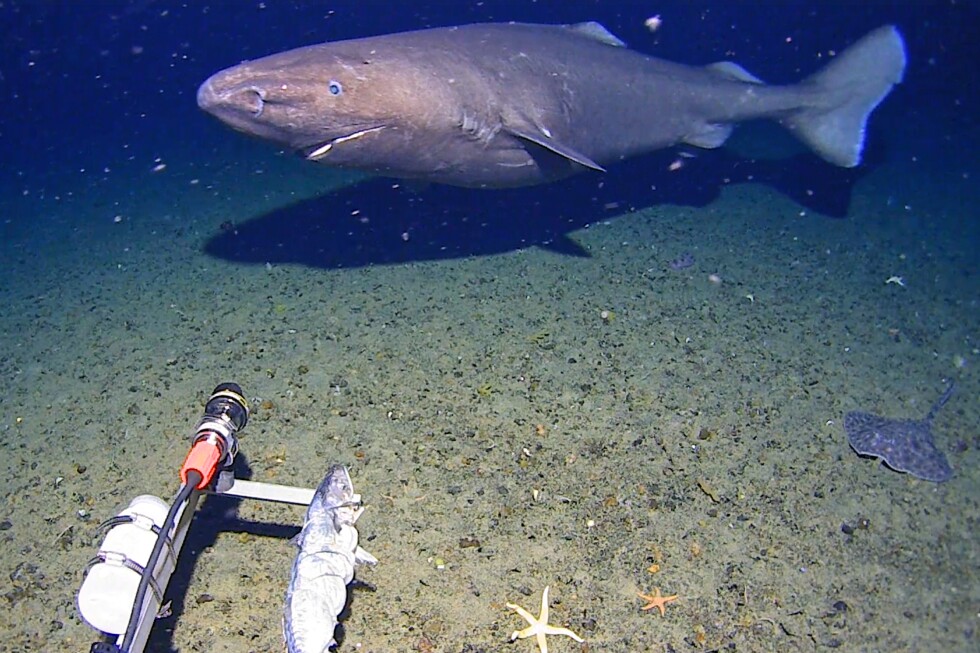
    In an unprecedented marine discovery that challenges established scientific understanding, researchers have documented the first confirmed sighting of a shark within Antarctica’s icy waters. The remarkable encounter occurred in January 2025 when a deep-sea camera operated by the Minderoo-UWA Deep-Sea Research Centre captured footage of a substantial sleeper shark approximately 490 meters deep near the South Shetland Islands.

    Dr. Alan Jamieson, founding director of the research center, expressed profound surprise at the discovery, noting that conventional scientific wisdom held that sharks could not survive in Antarctica’s extreme conditions. The observed specimen measured between 3-4 meters (10-13 feet) in length and was navigating waters with temperatures nearing freezing at 1.27°C (34.29°F).

    The recording shows the massive shark moving deliberately across a barren seabed environment, passing a seemingly undisturbed skate (a shark relative resembling a stingray) without apparent interaction. The camera was positioned well within the Antarctic Ocean boundaries, defined as below the 60-degree south latitude line.

    Independent conservation biologist Dr. Peter Kyne from Charles Darwin University confirmed this represents the first documented evidence of sharks inhabiting these southern extremes. Researchers speculate that climate change and warming oceans might be driving marine species toward colder polar regions, though they acknowledge the possibility that sleeper sharks have existed undetected in these remote waters for extended periods.

    The Antarctic Ocean’s unique stratification creates distinct water layers with varying properties, and the shark was observed maintaining a depth of approximately 500 meters where water conditions were most favorable. Scientists believe these deep-water sharks likely feed on whale carcasses, giant squids, and other marine organisms that sink to the ocean floor.

    This discovery highlights significant gaps in our understanding of polar marine ecosystems, particularly given that research equipment can only operate during the Southern Hemisphere’s summer months from December to February, leaving three-quarters of the year completely unobserved.