博客

  • World Economic Forum head Børge Brende steps down following pressure over Epstein links

    World Economic Forum head Børge Brende steps down following pressure over Epstein links

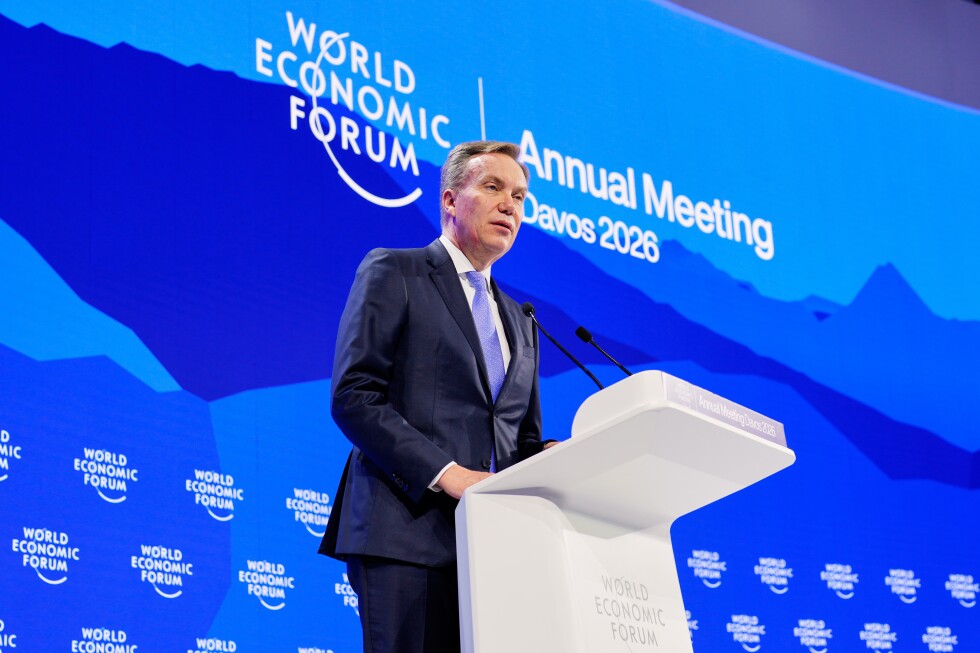
    GENEVA — Børge Brende has announced his resignation as President and Chief Executive Officer of the World Economic Forum following mounting pressure regarding his associations with convicted sex offender Jeffrey Epstein. The former Norwegian foreign minister disclosed his decision after what he described as “careful consideration” of the circumstances.

    In an official statement released by the WEF, Brende expressed gratitude for his collaborative experiences with colleagues and partners while emphasizing his belief that this departure would allow the organization to continue its critical work “without distractions.” The forum, renowned for its annual Davos summit gathering global leaders, now faces leadership transition during a period of heightened scrutiny.

    This development follows the WEF’s initiation of an internal review earlier this month after disclosed documents indicated multiple dinner meetings and electronic communications between Brende and Epstein. The Norwegian executive previously maintained to national broadcaster NRK that these interactions occurred strictly in professional contexts, asserting he had no knowledge of Epstein’s criminal history at the time of their engagements.

    WEF co-chairs André Hoffmann and Larry Fink confirmed the completion of an independent external investigation, stating the findings revealed “no additional concerns beyond what has been previously disclosed.” The organization has appointed Alois Zwinggi as interim President and CEO during this transitional phase. Brende becomes one of several prominent Norwegian figures facing examination following recent Epstein document releases.

  • TÜV Rheinland invests $21.74 million in Guangzhou operation center

    TÜV Rheinland invests $21.74 million in Guangzhou operation center

    German quality assurance giant TÜV Rheinland has announced a substantial investment of $21.74 million to establish a comprehensive operational center in Guangzhou’s Huangpu district. The formal agreement, signed with local government authorities on Wednesday, marks a significant expansion of the company’s presence in the Guangdong-Hong Kong-Macao Greater Bay Area.

    The new facility, to be situated within Guangzhou Development District, will incorporate advanced research and development laboratories, a specialized capability center, and an integrated testing and certification technology platform. The center’s technical scope will encompass cutting-edge sectors including new energy vehicles, intelligent connected vehicle components, robotic systems, commercial smart equipment, low-altitude aircraft technology, and smart home appliances.

    Beyond technical services, the operation center will provide comprehensive development support including management system certification, supply chain quality assessment, and sustainable development evaluation services. The facility will also house a dedicated talent development center focused on low-carbon sustainability initiatives and intelligent manufacturing advancement.

    This strategic investment builds upon TÜV Rheinland’s three-decade presence in the Greater Bay Area region. Company representatives indicate the enhanced capabilities will strengthen local enterprises’ competitive positioning in international markets while promoting the global standardization of industrial technical specifications. The project represents a significant vote of confidence in Guangzhou’s growing importance as a technological innovation hub within southern China’s most dynamic economic region.

  • UFC to spend around $60m on White House event

    UFC to spend around $60m on White House event

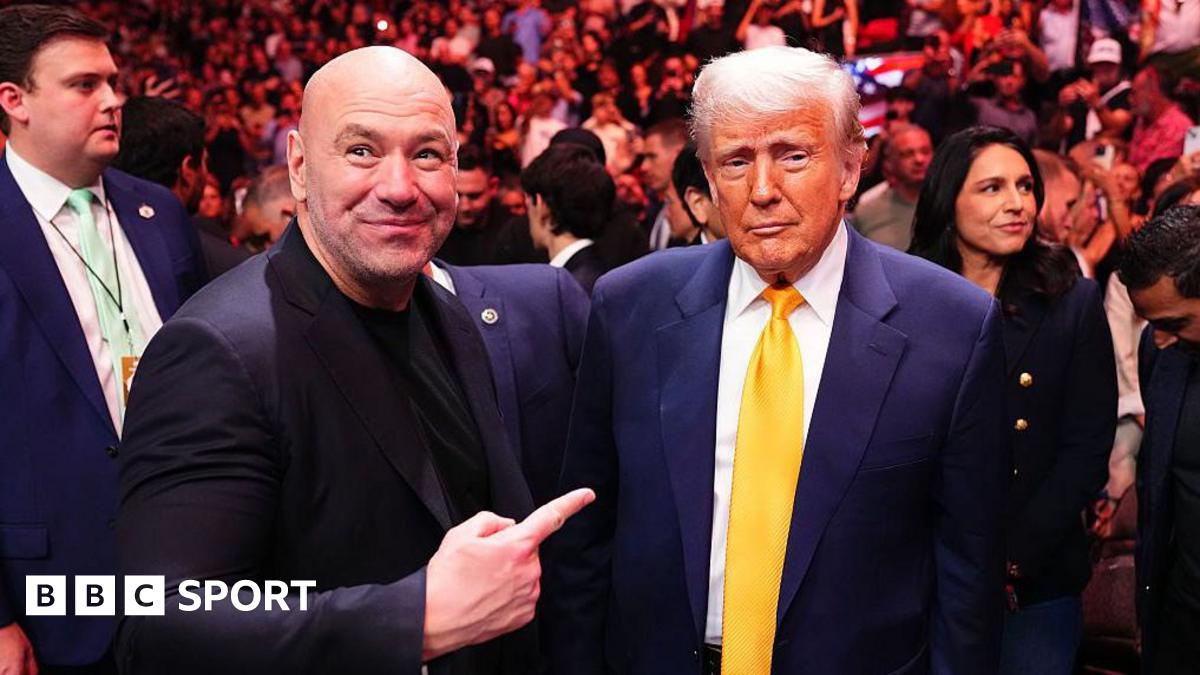
    In an unprecedented fusion of sports and national celebration, the Ultimate Fighting Championship (UFC) will invest approximately $60 million to produce a landmark event at the White House on June 14th. The spectacle, commemorating America’s 250th independence anniversary, represents one of the most ambitious sporting productions in presidential history.

    According to TKO Group Holdings executive Mark Shapiro, the UFC’s parent company acknowledges this venture as a non-profit initiative. “We will not profit from the White House event independently,” Shapiro clarified, characterizing the expenditure as “an investment for the long term” focused on “earned media” value rather than direct financial returns.

    The production scale is monumental. UFC President Dana White confirmed arrangements for approximately 5,000 spectators on the White House South Lawn, with an additional 80,000 fans expected to watch from Washington DC’s Ellipse Park. While specific bout confirmations remain pending, President Donald Trump—who maintains a well-documented friendship with White—promised the card would feature “the biggest fights they’ve ever had.”

    Financial mitigation strategies are underway through corporate partnerships. TKO executives project offsetting nearly $30 million of production costs through sponsor investments, though Shapiro acknowledged budgetary fluidity: “Bottom line is, it’s still a moving target.”

    Anticipation builds within the fighting community, with legendary athletes including Jon Jones, Conor McGregor, Alex Pereira, Amanda Nunes, Nate Diaz, and Islam Makhachev expressing interest in participating. This convergence of political ceremony and athletic spectacle marks a transformative moment in sports entertainment history.

  • Singer D4vd confirmed as ‘target’ of investigation into murder of teen

    Singer D4vd confirmed as ‘target’ of investigation into murder of teen

    Newly unsealed court documents have unveiled that emerging music artist D4vd, legally named David Anthony Burke, has been formally designated as a target in a high-profile grand jury investigation concerning the murder and dismemberment of a 14-year-old California girl. The case centers on the September 2025 discovery of Celeste Rivas Hernandez’s remains inside a Tesla vehicle registered to the singer’s Texas address.

    Investigative reports detail how authorities responding to foul odor complaints at a Hollywood impound lot discovered Hernandez’s decomposed torso and head within a cadaver bag placed in the front trunk of the vehicle. Subsequent examination revealed additional black bags containing her severed limbs. Forensic analysis indicated the victim had been deceased for several weeks prior to discovery.

    The legal proceedings took a significant turn when D4vd’s family members received summons to testify before the California grand jury. His father, Dawud Burke, mounted a legal challenge in Texas courts arguing the subpoena violated due process rights due to heavily redacted documentation. This legal maneuver resulted in the unprecedented release of previously sealed investigation materials.

    While no formal charges have been filed and D4vd maintains non-suspect status, court filings explicitly state he may face proceedings for one count of murder. The artist’s representatives have previously stated his cooperation with law enforcement, though his legal counsel declined to comment on recent developments.

    The case has drawn additional scrutiny due to the Los Angeles Medical Examiner’s office receiving a rare security hold order, preventing public release of autopsy findings. Chief Medical Examiner Dr. Odey Ukpo noted such practices are ‘virtually unheard of in other counties’ and lack proven benefit to legal outcomes. The Los Angeles District Attorney’s office has declined comment as the secretive grand jury proceedings continue.

  • Girl, 14, shot dead as South Africa’s ‘taxi wars’ hit school

    Girl, 14, shot dead as South Africa’s ‘taxi wars’ hit school

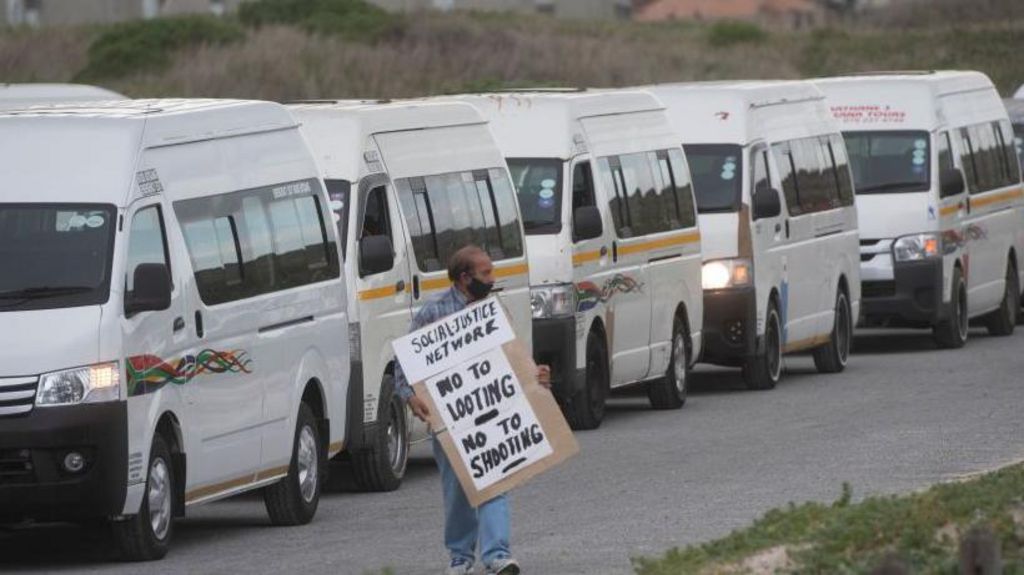
    A deadly shooting outside a secondary school in Cape Town has resulted in the deaths of a 14-year-old student and a taxi operator, marking another violent episode in South Africa’s long-standing taxi industry conflicts. The attack occurred on Wednesday as students were departing Atlantis Senior Secondary School, when an unidentified assailant opened fire on a stationary minibus taxi awaiting passengers.

    According to police spokesperson FC van Wyk, the shooting left the 42-year-old taxi driver with multiple fatal gunshot wounds inside his vehicle. On school grounds, authorities discovered the body of a female student who sustained multiple chest wounds while attempting to flee the gunfire. Two additional students aged 14 and 16 sustained gunshot injuries—one seriously wounded in the back and another grazed by a bullet.

    Western Cape official Isaac Sileku condemned the incident, stating: ‘It is unacceptable that our children continue to be exposed to danger as a result of ongoing conflict within the taxi industry.’ Regional authorities characterized the violence as a ‘senseless act’ that undermines community safety and disrupts education.

    The investigation involves specialized units including the Taxi Violence Investigations Unit, though the number of perpetrators remains undetermined. Local media reports indicate this was the second assassination attempt on the same taxi operator within the month.

    This tragedy highlights the escalating tensions in South Africa’s competitive transportation sector, where traditional minibus taxi services face increasing pressure from e-hailing platforms. The industry has been plagued by deadly turf wars for decades, but recent violence has increasingly impacted public spaces and civilian populations.

  • South Africa stay unbeaten with win over West Indies

    South Africa stay unbeaten with win over West Indies

    In a spectacular display of batting prowess, South Africa secured a decisive nine-wicket victory against West Indies during the Super 8 Group 1 clash of the 2026 T20 World Cup in Ahmedabad. The Proteas, maintaining their flawless tournament record, effortlessly chased down a target of 177 runs with 23 deliveries remaining, largely thanks to captain Aiden Markram’s explosive unbeaten 82 from just 46 balls.

    Markram’s masterclass, featuring seven boundaries and four sixes, anchored South Africa’s pursuit. He forged a formidable 95-run opening partnership with Quinton de Kock, who contributed a rapid 47 off 24 deliveries before being dismissed by Roston Chase. Ryan Rickelton provided valuable support with an unbeaten 45 from 28 balls, ensuring a smooth chase that concluded with Markram’s 11th boundary.

    This triumph positions South Africa firmly at the summit of Group 1, placing them on the cusp of semi-final qualification. Their progression will be mathematically confirmed if India defeats Zimbabwe in the group’s other fixture. Conversely, West Indies face elimination if they lose their final match against India.

    Earlier, West Indies’ innings was a tale of two halves. After being reduced to a precarious 83-7, a remarkable 89-run eighth-wicket partnership between Romario Shepherd (52* off 37) and Jason Holder (49 off 31) propelled them to a competitive 176-8. This recovery followed a disastrous collapse that saw four wickets fall for 14 runs in the powerplay, with Lungi Ngidi (3-30) and Kagiso Rabada causing significant damage.

  • Chinese courts crack down on telecom fraud linked to northern Myanmar

    Chinese courts crack down on telecom fraud linked to northern Myanmar

    China’s Supreme People’s Court has announced groundbreaking judicial actions against transnational telecommunications fraud networks operating from northern Myanmar. By December 2025, Chinese courts had adjudicated more than 27,000 first-instance cases connected to these criminal operations, resulting in convictions for over 41,000 individuals involved in cross-border fraud schemes.

    The judicial campaign achieved a major milestone with the conclusive resolution of two high-profile cases targeting notorious family-run syndicates based in northern Myanmar. These proceedings culminated in severe sentences for 39 convicted criminals, including life imprisonment and more stringent penalties. Notably, 16 ringleaders received capital punishment for their roles in orchestrating sophisticated fraud operations.

    Wang Bin, presiding judge of the SPC’s Third Criminal Division, characterized these verdicts as a decisive strike against transnational criminal enterprises. “The dismantling of these two major armed criminal organizations represents a significant blow to the audacity of offenders operating across international borders,” Wang stated during a press briefing.

    The judicial authority emphasized its continued commitment to imposing stringent punishments on telecommunications fraud perpetrators, particularly those leading cross-border criminal networks. Wang further clarified that individuals involved in violent accompanying crimes—including intentional homicide, assault, and kidnapping—would face the full severity of Chinese law.

    Comprehensive data released by the Supreme People’s Court reveals the extensive scope of anti-fraud efforts between 2021 and 2025. During this five-year period, Chinese judiciary bodies concluded approximately 159,000 first-instance criminal cases related to telecommunications fraud, leading to sentencing decisions for about 338,000 defendants nationwide.

  • Russia says it has handed over 1,000 Ukrainian soldiers’ bodies

    Russia says it has handed over 1,000 Ukrainian soldiers’ bodies

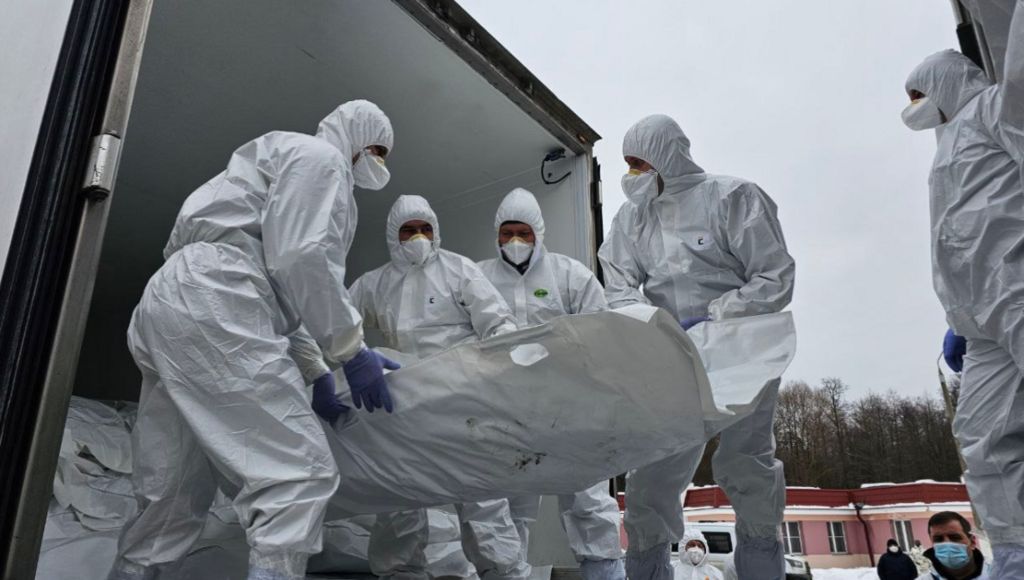
    Amidst a backdrop of renewed hostilities and diplomatic stagnation, Russia and Ukraine have conducted a significant exchange of soldiers’ remains. Vladimir Medinsky, a senior aide to Russian President Vladimir Putin, announced via Telegram that Russia has transferred the remains of 1,000 Ukrainian soldiers and received 35 in return, though Ukraine has not officially confirmed the operation. This grim transaction occurs as another round of peace talks, mediated by U.S. President Donald Trump’s envoys, is set to commence in Geneva.

    The negotiations, which have previously included figures like Steve Witkoff and Jared Kushner, have yet to yield a breakthrough in the five-year conflict. The latest diplomatic effort was immediately preceded by a severe escalation, with President Volodymyr Zelensky reporting that Russia launched 420 drones and 39 missiles across six Ukrainian regions, injuring dozens.

    The body exchange is executed under the framework of the Istanbul Agreement from June 2025, a pact wherein both nations committed to returning up to 6,000 remains each, alongside all severely wounded, ill, and POWs under the age of 25. While such exchanges have occurred periodically throughout the war, this latest event highlights a persistent and unexplained discrepancy: Russia has consistently repatriated fewer bodies to Ukraine than it has received. Both sides have traded accusations over violating the agreement’s terms, with Moscow alleging Ukrainian non-compliance and Kyiv criticizing Russia’s irregular and sometimes inaccurate returns.

    This asymmetry may be partly tactical; Russian forces, often on the offensive, potentially have greater access to recover remains from the battlefield. The human cost of the war remains staggering and heavily disputed. President Zelensky recently acknowledged 55,000 Ukrainian military fatalities—a figure Western analysts consider a significant underestimate. Conversely, the BBC has confirmed nearly 186,000 Russian military deaths from public sources, with the actual toll believed to be substantially higher.

    On the diplomatic front, President Zelensky expressed cautious optimism following a phone call with Donald Trump, stating that the Geneva talks could pave the way for high-level trilateral negotiations in March. Zelensky emphasized that this top-down approach, which Trump reportedly supports, is ‘the only way to resolve all the complex and sensitive issues.’ However, a major obstacle remains, as Putin continues to refuse direct engagement with Zelensky, whom he deems illegitimate due to the suspension of Ukrainian presidential elections under the martial law imposed after Russia’s invasion.

  • US justice department accused of withholding Trump-related Epstein files

    US justice department accused of withholding Trump-related Epstein files

    A significant political confrontation has erupted between Congressional Democrats and the Justice Department regarding the handling of sensitive documents related to Jeffrey Epstein’s criminal network. Representative Robert Garcia, the top Democrat on the House Oversight Committee, has publicly accused federal authorities of deliberately concealing files containing sexual abuse allegations against former President Donald Trump.

    According to Garcia, who has personally reviewed unreleased documentation, these files contain specific allegations made by a woman who claims she was sexually abused by Trump between 1983 and 1985, when she would have been between 13 and 15 years old. The Congressman asserts these allegations are not reflected in the publicly released Epstein documents.

    The Justice Department, under Attorney General Pam Bondi, has vehemently denied these accusations, stating that ‘NOTHING has been deleted’ and that documents were only withheld if they were ‘duplicates, privileged, or part of an ongoing federal investigation.’ The department maintains that some files contain ‘untrue and sensationalist claims against President Trump’ that lack credibility.

    This controversy follows reports from NPR and The New York Times indicating that three FBI witness interviews totaling over 50 pages appear to be missing from the publicly available Epstein documentation. These interviews were conducted in 2019 as part of the investigation into Ghislaine Maxwell, Epstein’s accomplice who was convicted of sex trafficking in 2022.

    The White House has responded through spokeswoman Abigail Jackson, who emphasized that President Trump has ‘done more for Epstein’s victims than anyone before him’ by releasing thousands of pages of documents, cooperating with Congressional subpoenas, and signing the Epstein Files Transparency Act.

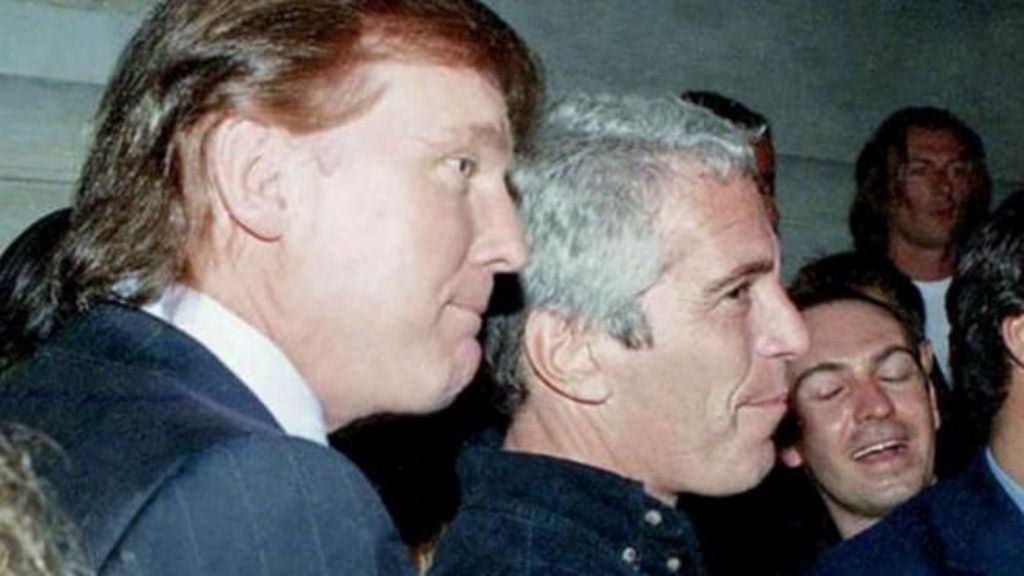
    Historical context reveals that Trump and Epstein maintained a social relationship from the late 1980s through the following decade, with Trump describing Epstein in a 2002 interview as a ‘terrific guy’ who ‘likes beautiful women… many of them on the younger side.’ The two reportedly fell out in the early 2000s, prior to Epstein’s first arrest.

    The released documents include emails from Epstein to Maxwell in 2011 suggesting Trump’s presence with an alleged victim, though the White House has identified this individual as the late Virginia Giuffre, who previously stated Trump was not involved in any wrongdoing.

    Garcia has formally demanded full disclosure of all withheld materials, accusing the Trump administration of orchestrating ‘the largest government cover-up in modern history.’ The Justice Department has committed to reviewing whether any files were improperly withheld while simultaneously accusing Democrats of ‘manufacturing outrage from their radical anti-Trump base.’

  • Patterns on mammoth tusks help to retell history of writing

    Patterns on mammoth tusks help to retell history of writing

    A groundbreaking archaeological discovery in southern Germany is fundamentally reshaping our understanding of human communication’s origins. Researchers have uncovered compelling evidence that symbolic writing systems emerged approximately 40,000 years earlier than previously documented, challenging conventional historical timelines.

    Analysis of Paleolithic artifacts from German cave systems, particularly the extensive Lonetal network in Baden-Württemberg, reveals sophisticated symbolic patterns carved onto mammoth ivory figurines and other objects. These intricate markings—comprising carefully arranged rows of crosses, dots, and notches—demonstrate statistical complexity comparable to later proto-cuneiform scripts from ancient Mesopotamia.

    The research team, including Professor Christian Bentz from Saarland University and Dr. Ewa Dutkiewicz from Berlin’s Museum of Prehistory and Early History, examined over 3,000 characters across 260 artifacts dating back 45,000 years. Their investigation focused on objects created just as Homo sapiens migrated from Africa into Europe, potentially interacting with Neanderthal populations.

    Notable among the findings is a meticulously carved mammoth figurine featuring engraved rows of crosses and dots, and an ‘adorant’ artifact from Geißenklösterle cave depicting a lion-human hybrid with systematic dot and notch patterns. The researchers observed that symbolic density was particularly pronounced on figurative objects rather than utilitarian tools, suggesting ritual or communicative purposes beyond mere decoration.

    Statistical analysis revealed these Paleolithic symbol sequences possessed information density remarkably similar to Mesopotamian proto-cuneiform tablets created 40,000 years later. The patterns demonstrate predictable sequencing and repetitive structures that researchers interpret as deliberate communication attempts by highly skilled craftspeople.

    This discovery positions Stone Age humans as cognitive equals to modern humans, capable of developing complex symbolic systems tens of thousands of years before writing was traditionally believed to have emerged in ancient Iraq. While the precise meaning of these symbols remains undeciphered, their systematic arrangement suggests they represent an early alternative to writing rather than arbitrary decorations.

    The research, published in the prestigious journal PNAS, indicates that current understanding of prehistoric symbolic communication represents merely ‘scratching the surface’ of what might be discovered through continued analysis of Paleolithic artifacts across Europe and beyond.