博客

  • At least 2 South Africans died fighting for Russia in Ukraine, South Africa says

    At least 2 South Africans died fighting for Russia in Ukraine, South Africa says

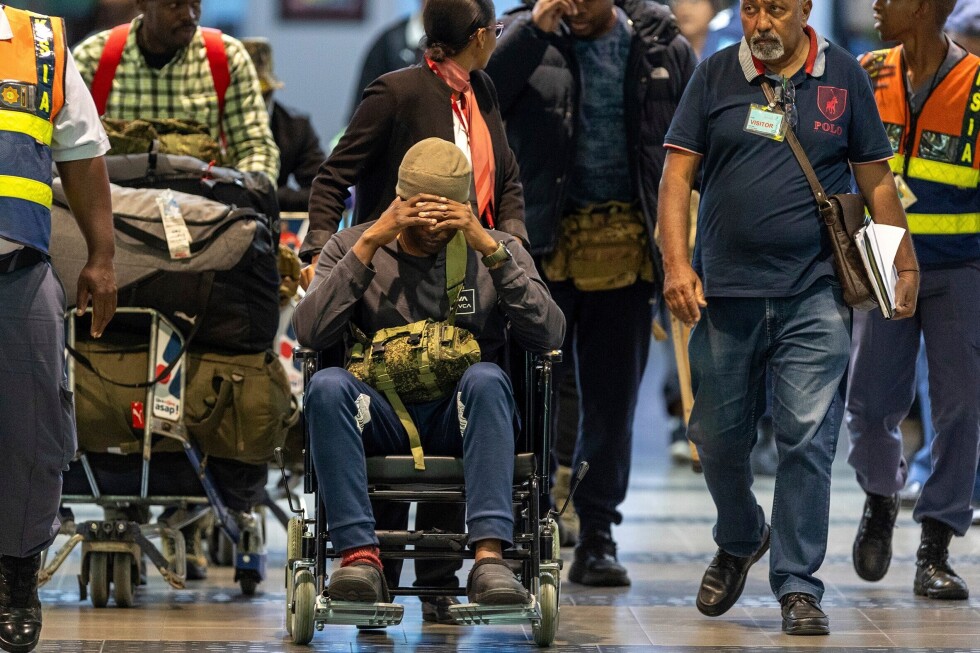
    CAPE TOWN, South Africa — South African authorities have disclosed the first confirmed fatalities of its citizens fighting alongside Russian forces in Ukraine, revealing they were deceived through fraudulent recruitment schemes promising employment and training opportunities. Foreign Minister Ronald Lamola made the announcement Thursday during visits with families of 11 recently repatriated nationals.

    The deceased individuals, whose identities remain confidential, perished after being lured to Russia under false pretenses. This confirmation marks a significant development in the growing international concern over Moscow’s alleged recruitment practices across African nations.

    Simultaneously, a high-profile investigation continues into Duduzile Zuma-Sambudla, daughter of former President Jacob Zuma, regarding her suspected involvement in recruiting South Africans for Russian military service. Although she has consistently denied wrongdoing, Zuma-Sambudla resigned from her parliamentary position last year following these allegations.

    Minister Lamola clarified that the two fatalities were unrelated to the group allegedly recruited by Zuma-Sambudla, indicating multiple recruitment channels may be operating. The returning survivors arrived home Wednesday after reportedly being trapped in combat roles despite initially being promised security training programs.

    This development occurs within the broader context of Ukraine’s official claims that over 1,700 African nationals have been recruited by Russian forces since the conflict began, highlighting concerning transnational dimensions to the war’s manpower strategies.

  • India’s Modi pledges to stand by Israel in fighting ‘terrorism’ as the two countries boost ties

    India’s Modi pledges to stand by Israel in fighting ‘terrorism’ as the two countries boost ties

    JERUSALEM — Indian Prime Minister Narendra Modi concluded a significant two-day diplomatic visit to Israel on Thursday, cementing a strengthened bilateral partnership centered on counterterrorism cooperation and enhanced defense capabilities. The visit culminated in substantial agreements that signal a strategic shift in Middle East-Asia relations.

    During a joint press conference with Israeli Prime Minister Benjamin Netanyahu, Modi unequivocally declared India’s solidarity with Israel in combating terrorism, stating: “We maintain a shoulder-to-shoulder stance against terrorism and its supporters, and this commitment remains unwavering. Terrorism in any manifestation is utterly unacceptable.”

    The two nations announced plans to initiate negotiations for a comprehensive free trade agreement while expanding collaboration in cutting-edge technological domains including artificial intelligence development and cybersecurity infrastructure. Both leaders endorsed U.S. President Donald Trump’s proposed ceasefire framework for the Gaza conflict.

    Netanyahu emphasized the transformative nature of the partnership, noting: “Previous constraints that limited our cooperation no longer apply. Innovation drives progress, and both Israel and India are dedicated to pioneering advancements.”

    In a significant workforce development, Israel will issue an additional 50,000 work visas to Indian nationals, addressing labor shortages that emerged after restrictions were imposed on Palestinian workers following the October 2023 Hamas-led attacks. This expansion builds upon the existing tens of thousands of South Asians already employed in Israel’s construction and caregiving sectors.

    The joint statement referenced both the October 2023 assault on Israel and the April 2025 attack on civilians in Indian-administered Kashmir’s Pahalgam region, highlighting shared security concerns.

    India’s diplomatic positioning reflects nuanced balancing—while historically supporting Palestinian statehood, the nuclear-armed nation (now the world’s fourth-largest economy) has frequently abstained from criticizing Israel in international forums, including UN votes regarding the Gaza conflict. However, India recently joined other nations in condemning Israeli measures that consolidate control over the West Bank.

    This evolving relationship occurs against the backdrop of India’s transformed foreign policy under Modi’s leadership, which has mainstreamed Hindu nationalist principles while managing relations with Muslim-majority nations. India previously ceased Iranian oil imports during Trump’s first term following U.S. pressure, despite maintaining historical trade and security cooperation with Tehran, particularly regarding Afghan affairs.

  • Brazil’s Minas Gerais state hit by more rain as flooding death toll rises to 53

    Brazil’s Minas Gerais state hit by more rain as flooding death toll rises to 53

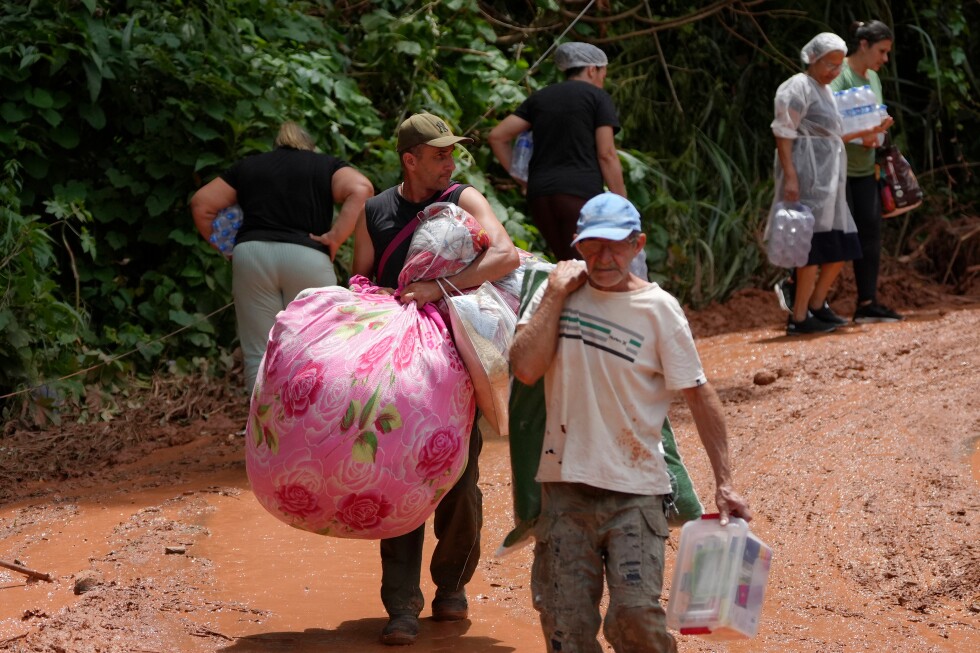
    Authorities in Brazil’s Minas Gerais state reported a grim milestone Thursday as the death toll from catastrophic flooding and landslides reached 53 victims. The region continues to battle severe weather conditions that have transformed urban landscapes into scenes of widespread devastation.

    Rescue operations entered their third consecutive day as emergency teams worked against time to locate 15 individuals still missing while successfully extracting over 230 residents from perilous situations. The cascading natural disasters, which commenced late Monday, have resulted in collapsed residential structures, inundated roadways, shuttered commercial establishments, and shuttered educational facilities.

    Meteorological officials from Brazil’s National Institute of Meteorology (Inmet) issued renewed warnings Thursday morning, forecasting additional heavy precipitation accompanied by intense winds. The advisory highlighted multiple hazards including potential electrical outages, falling arboreal debris, recurrent flooding incidents, and lightning strikes.

    Rev. Ananias Simões, a clergy member providing aid through his church in the severely impacted municipality of Juiz de Fora, described the compounding challenges: “This morning, all the shops in the city center are being cleaned again. The storm on Monday already caused damage, and early this morning there was even more damage.”

    The humanitarian effort faces significant logistical complications as numerous transportation routes remain impassable due to preemptive closures implemented in anticipation of further rainfall. Despite these obstacles, relief organizations continue coordinating supply distributions to affected zones, particularly the northern sectors of Juiz de Fora and the neighboring city of Uba—located approximately 310 kilometers north of Rio de Janeiro—where all documented fatalities have occurred.

    Civil defense authorities have issued public safety guidelines urging residents to identify structural warning signs including wall fissures, door and window malfunctions, exterior mudflows,倾斜的树木, and auditory indicators of ground instability. President Luiz Inácio Lula da Silva confirmed via social media channels that national security forces have been mobilized for rescue operations and immediate population assistance.

    This environmental catastrophe echoes similar devastating flooding that struck Brazil’s southern Rio Grande do Sul state in May 2024, which claimed 185 lives and resulted in economic damages exceeding $1.9 billion. Climate scientists emphasize that human-induced climate change is accelerating the frequency and intensity of such extreme weather phenomena globally.

  • Trump administration asks the Supreme Court to allow an end to legal protections for Syrian migrants

    Trump administration asks the Supreme Court to allow an end to legal protections for Syrian migrants

    The Trump administration has escalated its immigration enforcement agenda by petitioning the U.S. Supreme Court to terminate temporary protected status for Syrian migrants currently residing in the United States. This emergency appeal, filed Thursday by the Department of Justice, challenges a New York federal judge’s injunction that blocked the Department of Homeland Security from revoking legal protections for approximately 6,100 Syrians who fled their country’s armed conflict.

    The legal maneuver represents the administration’s latest effort to bypass lower court rulings that have impeded its immigration policies. The government seeks not only to lift the stay on Syrian TPS terminations but also to establish a broader precedent that would affect similar cases involving migrants from other nations.

    Syria initially received TPS designation in 2012 during its devastating civil war, which persisted for over a decade before the eventual collapse of President Bashar Assad’s government in late 2024. Homeland Security Secretary Kristi Noem moved to revoke this status less than a year later, determining that conditions no longer met the criteria for ongoing armed conflict posing serious threats to returning nationals.

    Immigration advocates have vigorously contested this assessment, arguing that Syria continues to grapple with severe humanitarian crises. The International Refugee Assistance Project warns that terminating protections would strip work authorization from thousands and expose hundreds to potential deportation, particularly affecting approximately 800 individuals with pending applications.

    The case now rests with the conservative-majority Supreme Court, which has previously sided with the administration on similar emergency requests regarding Venezuelan migrant protections. A response to the administration’s appeal is due by March 4, setting the stage for another significant ruling on presidential authority over immigration matters.

  • China’s quantum computer operating system Origin Pilot opens for public download

    China’s quantum computer operating system Origin Pilot opens for public download

    China has launched a significant advancement in quantum computing technology with the public release of its domestically developed operating system, Origin Pilot. The system became officially available for download on Thursday, representing a strategic move to democratize access to quantum computing resources and accelerate ecosystem development.

    Developed by Hefei-based Origin Quantum Computing Technology Co., Ltd., the operating system has undergone substantial evolution since its initial debut in 2021. The platform now supports multiple quantum processor architectures including superconducting, ion trap, and neutral atom technologies. Currently deployed on Origin’s Wukong series quantum computers, the system provides critical functionality for resource scheduling and hardware-software coordination.

    Origin Pilot introduces groundbreaking capabilities in parallel quantum task processing and automated qubit calibration, substantially enhancing computational efficiency. By providing unified programming interfaces and standardized driver systems, the platform eliminates technical barriers that have previously hindered quantum software development.

    The public release enables research institutions, academic organizations, and developers worldwide to access China’s quantum computing infrastructure through the official Origin Quantum website. Users can connect to various physical quantum chips and perform programming using independent frameworks such as QPanda, according to development team leader Dou Menghan.

    This opening of China’s quantum computing operating system to global users marks a pivotal moment in quantum technology accessibility, potentially accelerating innovation and collaboration across international research communities.

  • Cuba vows to counter ‘terrorist’ attacks after clashing with US-based boat

    Cuba vows to counter ‘terrorist’ attacks after clashing with US-based boat

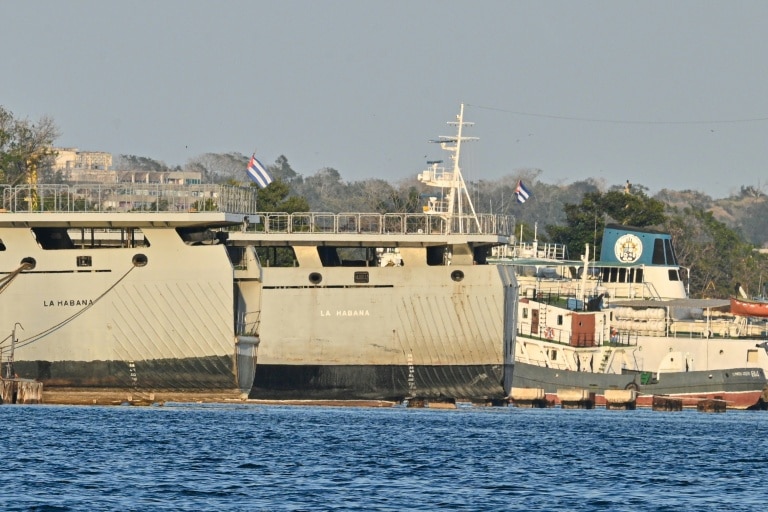
    Cuban authorities have pledged to confront what they characterize as terrorist and mercenary aggression originating from abroad, following a lethal maritime confrontation involving a Florida-registered speedboat. The incident, which resulted in multiple casualties, has intensified existing diplomatic strains between Havana and Washington.

    President Miguel Diaz-Canel condemned Wednesday’s events as a deliberate infiltration attempt, asserting that Cuba would respond with resolute determination to protect its national sovereignty and stability. According to official statements from the Interior Ministry, Cuban coast guard vessels engaged the speedboat after sustaining gunfire near the island’s northern coastline.

    The ministry reported four fatalities and six injuries among the assailants, identifying all individuals aboard as Cuban expatriates residing in the United States. Survivors have been detained and face accusations of planning terrorist activities, with authorities seizing an arsenal including assault rifles, handguns, Molotov cocktails, and specialized military equipment during the operation.

    United States Secretary of State Marco Rubio denied Washington’s involvement in the incident, committing to appropriate response measures following thorough investigation. Concurrently, Florida’s attorney general has initiated an independent inquiry into the circumstances surrounding the fatalities.

    This confrontation occurs against the backdrop of escalating economic pressure on Cuba, exacerbated by the disruption of Venezuelan oil supplies following the Trump administration’s intervention in Caracas. The Caribbean nation, which previously relied on Venezuela for approximately half its fuel requirements, has recently received humanitarian assistance from both Mexico and Canada to alleviate economic distress.

    The U.S. Treasury Department has stipulated that any Venezuelan oil shipments must channel through private enterprises rather than Cuban government entities, maintaining economic pressure while permitting limited commercial and humanitarian oil transfers.

  • Report: Attacks on Ukraine’s energy system to lower economic growth this year and next

    Report: Attacks on Ukraine’s energy system to lower economic growth this year and next

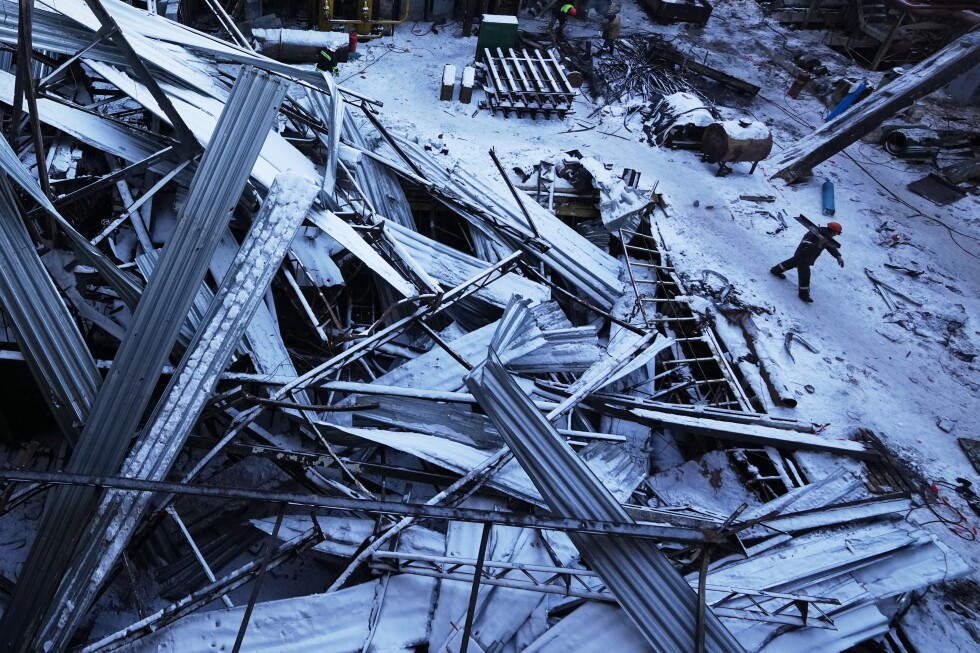
    The European Bank for Reconstruction and Development (EBRD) has dramatically revised its economic projections for Ukraine, slashing its 2026 growth forecast from 5% to just 2.5% due to catastrophic damage to the nation’s energy infrastructure from sustained Russian attacks. The assessment reveals that systematic missile and drone assaults on power stations throughout the winter have created enduring operational challenges for businesses now entering their fifth year of conflict-related disruptions.

    According to EBRD Chief Economist Beata Javorcik, the widespread destruction of critical energy facilities represents the primary factor behind the downgraded outlook. “That’s impacting Ukraine today, but it will also impact Ukrainian performance next year because it will take time to make the repairs,” Javorcik stated, emphasizing that economic repercussions will extend into 2027.

    The bank’s previous projections had anticipated reconstruction spending to commence in 2026, but with peace remaining elusive, these economic activities have now been postponed until at least the following year. Ukrainian businesses continue to grapple with severe electricity shortages that have paralyzed production capabilities during frequent power outages.

    Beyond infrastructure damage, multiple additional factors constrain economic recovery: significant labor shortages due to displacement and military enlistment, adverse weather conditions affecting agricultural exports, and the partial withdrawal of European Union trade privileges. While the EU initially suspended import duties following Russia’s February 2022 invasion, it subsequently imposed limits on politically sensitive commodities including sugar and vegetable oils.

    Ukraine’s economy has contracted dramatically since the conflict began, losing 29% of GDP in the first year alone and remaining approximately one-fifth smaller than pre-war levels. With consumer spending diminished and major industrial assets located in occupied territories, the government depends heavily on foreign loans and grants to maintain essential services, including pension payments and public sector salaries, while directing most domestic tax revenue toward military expenditures.

    The London-based EBRD, established in 1991 to facilitate economic transitions in post-Cold War Europe, has provided substantial support through generator purchases and credit guarantees enabling over $3 billion in business financing during the conflict. The Ukraine assessment forms part of the institution’s broader regional growth forecast covering Eastern Europe, former Soviet states, Central Asia, the western Balkans, and sub-Saharan Africa.

  • Four convicted over spyware scandal that shook Greece

    Four convicted over spyware scandal that shook Greece

    An Athens misdemeanor court has delivered landmark convictions in Greece’s extensive wiretapping scandal, sentencing four individuals for their role in illegally surveilling prominent citizens using Predator spyware. The case, widely dubbed “Greece’s Watergate,” exposed systematic targeting of 87 high-profile figures including government ministers, military officials, and journalists.

    The convicted defendants—two Greek nationals, Felix Bitzios and Yiannis Lavranos, and two Israeli citizens, Tal Dilian and Sara Hamou—were found guilty of violating telecommunications confidentiality and illegally accessing personal data. Despite being tried in absentia, each received suspended sentences pending appeal that could theoretically reach 126 years, though Greek law limits actual service to eight years for misdemeanor convictions.

    Notably, the court rejected defense pleas for mitigation, with the presiding judge noting defendants appeared to act alongside “unknown third parties” potentially including Greek and foreign intelligence officials. This finding prompted judicial authorities to refer case documents to the Athens Prosecutor’s Office for potential espionage investigations.

    The scandal originated in summer 2022 when Nikos Androulakis, now leader of Greece’s Socialist Pasok party, was alerted by European Parliament IT specialists about a malicious text message targeting his device. Subsequent revelations showed Androulakis had been simultaneously tracked by Greece’s National Intelligence Service (EYP) for “national security reasons.”

    Predator spyware, developed by Athens-based Israeli firm Intellexa, enables comprehensive device access including messages, cameras, and microphones. Though illegal in Greece at the time of deployment, controversial 2022 legislation later legalized state surveillance software under strict conditions.

    The verdict has intensified scrutiny around Prime Minister Kyriakos Mitsotakis’s administration, which directly supervised EYP during the surveillance period. While Mitsotakis acknowledged the scandal, no government officials have faced charges, prompting accusations of institutional cover-ups.

    Financial reporter Thanasis Koukakis, among those surveilled, told BBC the ruling provided satisfaction regarding privacy violations while affirming Greece’s rule of law safeguards. Legal representatives for victims emphasized the judgment must now trigger thorough investigation into potential felony offenses by additional conspirators.

  • German court says intelligence agency can’t designate the AfD party an extremist group for now

    German court says intelligence agency can’t designate the AfD party an extremist group for now

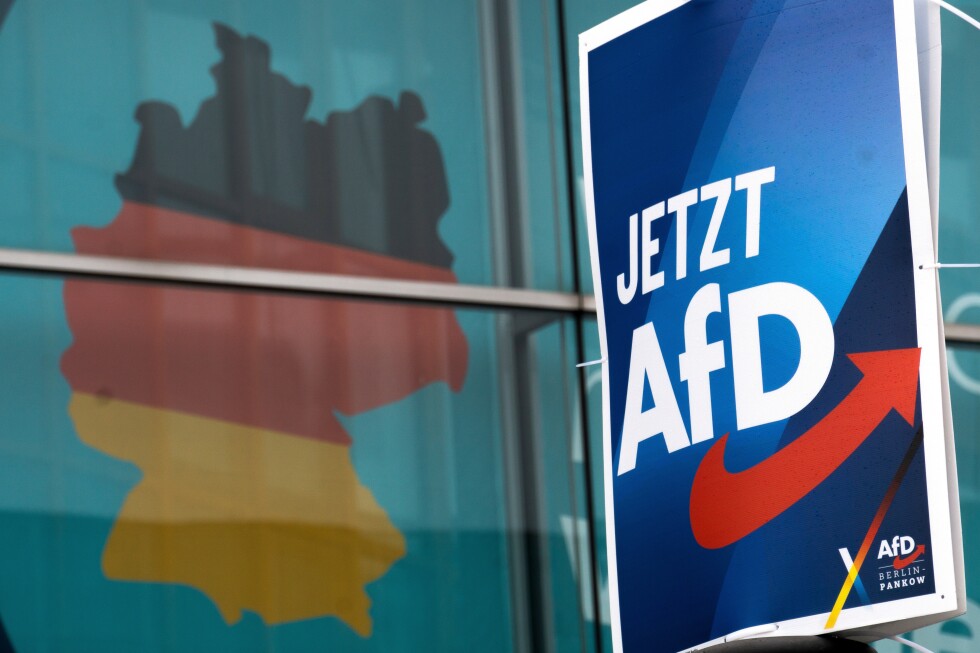
    A German administrative court has issued a significant injunction preventing the country’s domestic intelligence service from classifying the Alternative for Germany (AfD) party as a proven right-wing extremist organization while litigation continues. The Cologne-based court’s decision temporarily suspends the Bundesamt für Verfassungsschutz (BfV)’s controversial designation made in May 2023, which had characterized AfD as threatening Germany’s democratic foundations through its anti-migrant rhetoric and activities.

    The judicial intervention comes as response to AfD’s legal challenge against the intelligence agency’s assessment. Although the court acknowledged evidence of anti-constitutional elements within certain party factions, it determined that these elements did not sufficiently establish a comprehensive pattern of systemic extremism across the entire organization to justify the designation at this procedural stage.

    This interim ruling represents a procedural victory for AfD, Germany’s primary opposition party, which secured second place in the most recent federal election. The suspension of the extremist label means the BfV cannot implement enhanced surveillance measures against the party until the court delivers its final verdict, for which no timeline has been established.

    The case has attracted international attention, previously prompting diplomatic exchanges between German and U.S. officials regarding the appropriate boundaries of political designation and monitoring. AfD leadership has celebrated the injunction as a triumph for democratic principles, while the intelligence agency must now await judicial clearance before proceeding with its constitutional oversight responsibilities.

  • Spain to check Gibraltar arrivals under post-Brexit deal

    Spain to check Gibraltar arrivals under post-Brexit deal

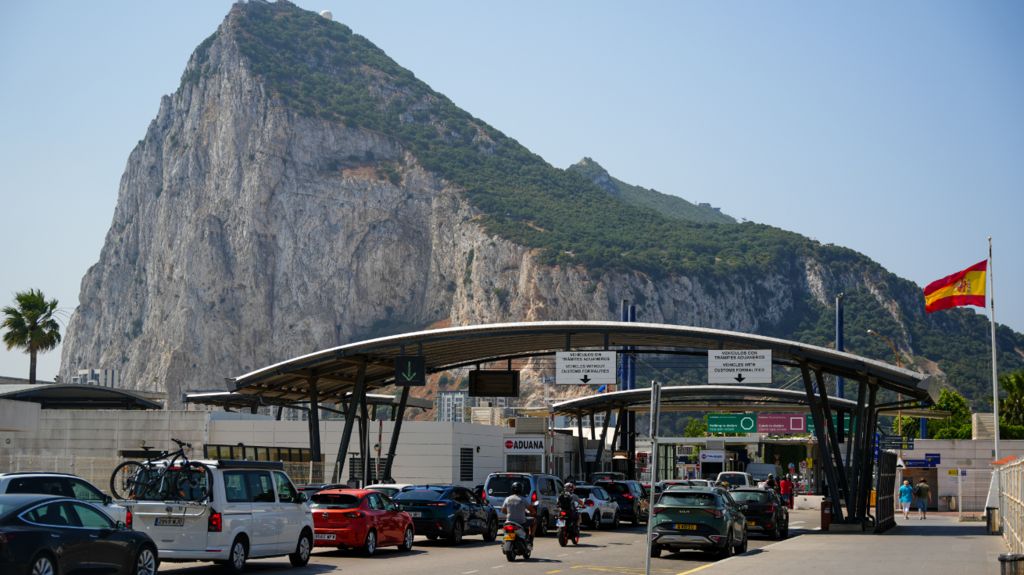
    In a significant development following years of post-Brexit uncertainty, the United Kingdom and European Union have finalized a comprehensive border agreement for Gibraltar that introduces a novel dual-check system while maintaining the territory’s unique status.

    The 1,000-page draft treaty, published Thursday, establishes that Spanish border officials will conduct secondary Schengen-style checks at Gibraltar’s airport and port facilities following initial screenings by Gibraltarian authorities. This arrangement notably avoids Gibraltar’s formal accession to the Schengen zone while addressing border control requirements.

    Spanish guards operating within designated special zones will be granted specific powers to “arrest, search and interview travellers where justified during border control operations,” according to the treaty provisions. The agreement paves the way for eventual removal of ‘La Verja’ – the 1.2km border fence separating Gibraltar from Spain, which approximately half of Gibraltar’s workforce crosses daily.

    Spanish Foreign Minister José Manuel Albares celebrated the arrangement as eliminating “the last wall in continental Europe,” while UK officials compared the system to existing procedures at London’s St Pancras station where both British and French officials conduct border checks for Eurostar passengers.

    The timing proved crucial, with pressure mounting ahead of April’s scheduled implementation of the EU’s new automated border system featuring biometric checks at the Gibraltar-Spain frontier. UK authorities had warned such measures would “devastate” Gibraltar’s economy, where British nationals constitute 86.5% of all airport departures according to recent tourism data.

    Gibraltar Chief Minister Fabian Picardo welcomed the agreement as delivering “the certainty our people and businesses need,” with provisional application targeted for April 10th – coinciding with the EU’s new border system implementation date after previous delays.

    Beyond border arrangements, the treaty establishes that most goods destined for Gibraltar will undergo EU customs clearance in Spain, eliminating need for border checks. Additionally, both UK and EU have committed financial contributions to a new fund promoting “training and employment” in Spanish regions surrounding the territory.

    The agreement represents the culmination of negotiations following a political deal reached in June 2023, with the draft now undergoing final legal review and translation before requiring ratification by both UK and European Parliaments.