博客

  • Danish prime minister calls a parliamentary election on March 24

    Danish prime minister calls a parliamentary election on March 24

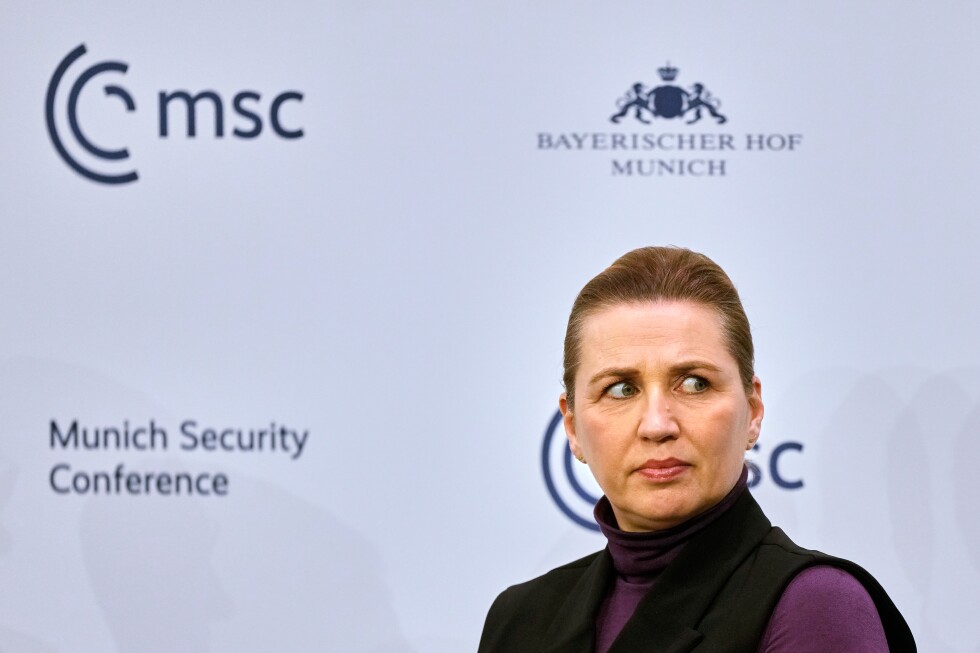
    COPENHAGEN, Denmark — In a significant political development, Danish Prime Minister Mette Frederiksen declared on Thursday that the Scandinavian nation will conduct parliamentary elections on March 24. This electoral process will determine the composition of the Folketing, Denmark’s parliamentary body, for the subsequent four-year legislative term.

    The Danish parliamentary system comprises 179 seats, with 175 allocated to representatives from mainland Denmark and two seats each reserved for lawmakers from the kingdom’s semi-autonomous territories of Greenland and the Faroe Islands. While Danish law mandates general elections at minimum four-year intervals, the Prime Minister retains constitutional authority to call early elections at their discretion.

    The upcoming vote follows the previous general election held on November 1, 2022, which produced an unusual cross-spectrum governing coalition. Frederiksen, a center-left Social Democrat who has held the premiership since June 2019, currently leads a tripartite government comprising her Social Democratic party, the right-leaning Liberal Party led by Defense Minister Troels Lund Poulsen, and the centrist Moderate party headed by Foreign Minister Lars Løkke Rasmussen, a former prime minister.

    This political arrangement represents a rare coalition bridging traditional left-right ideological divisions in Danish politics. The March election will test the durability of this unconventional governing alliance and determine Denmark’s political direction for the coming term.

  • Human rights situation in Colombia is backsliding, UN warns as nation heads into elections

    Human rights situation in Colombia is backsliding, UN warns as nation heads into elections

    The United Nations has issued a stark warning that Colombia faces a dangerous regression to pre-peace accord human rights conditions, potentially undermining both national security and upcoming electoral processes. In its annual assessment released Thursday, the UN High Commissioner for Human Rights documented alarming escalations across multiple conflict indicators throughout 2025.

    Rural communities have become battlegrounds for armed factions and drug trafficking organizations vying for territories vacated by the Revolutionary Armed Forces of Colombia (FARC) following their historic 2016 disarmament. The statistical evidence reveals a disturbing trend: forced displacements surged by 85% to approximately 94,000 citizens, while murders targeting human rights defenders increased by 9%. Simultaneously, illegal armed groups imposed 12% more lockdowns—coercive measures that restrict civilian movement, prohibit farming activities, and force closures of educational institutions and businesses.

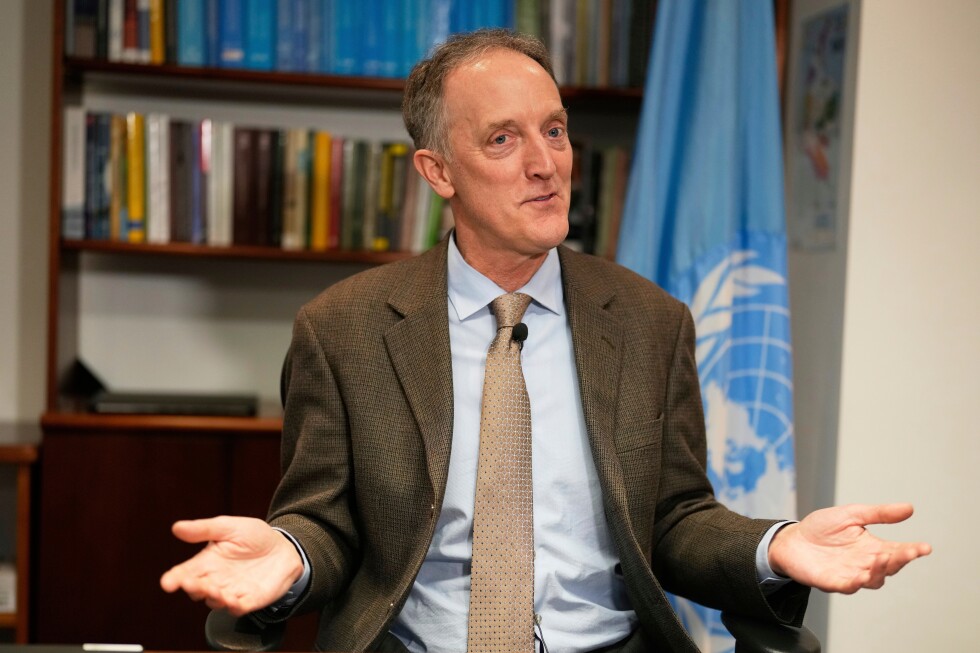
    Scott Campbell, the UN’s Colombia representative, characterized the report as “an early warning” highlighting numerous indicators demanding immediate attention to prevent further deterioration. While current violence levels haven’t reached the peak conflict era’s annual displacement of 300,000 people, the assessment emphasizes that governmental protections remain insufficient.

    A particularly insidious development involves rebel groups leveraging social media platforms to forcibly recruit minors. Although the UN verified 150 such cases in 2025, officials acknowledge significant underreporting due to families’ legitimate fears of retaliation.

    The administration of President Gustavo Petro—a former guerrilla member who pioneered “total peace” negotiations with remaining insurgent groups—has struggled to translate ceasefires into enhanced civilian protection. The report notes these diplomatic efforts have frequently failed to reduce attacks against non-combatants.

    Electoral security emerges as a critical concern, with documented attacks against 126 political leaders and 18 assassinations in the past year. The assassination of conservative presidential candidate Miguel Uribe in Bogotá—the first such incident in three decades—exemplifies the deteriorating security environment for democratic participation.

    With congressional elections scheduled for March 8 and presidential voting in May, the UN urges both current and future administrations to fully implement the 2016 peace agreement’s outstanding provisions. These include establishing agrarian conflict resolution mechanisms and developing sustainable alternative livelihoods to coca cultivation. Campbell emphasized that the existing peace accord provides a definitive “road map” toward achieving lasting stability and human rights protection.

  • Trump joke ‘overshadows’ US women’s Olympic success

    Trump joke ‘overshadows’ US women’s Olympic success

    U.S. women’s ice hockey captain Hilary Knight has condemned former President Donald Trump’s controversial remarks that diverted attention from female athletes’ historic accomplishments at the Winter Olympics. The criticism emerged following Team USA’s unprecedented dual gold medal victory in both men’s and women’s ice hockey during the Milan-Cortina Games.

    During a congratulatory call to the men’s team, Trump made what Knight characterized as a ‘distasteful joke,’ suggesting he would need to invite the women’s team to his State of the Union address ‘or I probably would be impeached.’ The women’s team subsequently declined the invitation to Tuesday’s speech in Washington DC.

    The five-time Olympic medalist expressed disappointment that the political controversy has eclipsed recognition of women’s athletic achievements. ‘Unfortunately that is overshadowing a lot of the success, the success of just women at the Olympics carrying for Team USA and having amazing gold medal feats,’ Knight told ESPN.

    Knight demonstrated remarkable grace toward the men’s team, several of whom appeared to laugh at Trump’s comment during their White House call. ‘I think there’s a genuine level of support there and respect,’ she noted, suggesting the men were ‘in a tough spot’ and characterizing their reaction as ‘a quick lapse.’

    The legendary forward, who concludes her Olympic career with a record 15 goals for any U.S. hockey player regardless of gender, hopes the incident will serve as ‘a really good learning point, to really focus on how we talk about women, not only in sport but in industry.’

    ‘Women aren’t less than, and their achievements shouldn’t be overshadowed by anything else other than how great they are,’ Knight asserted, emphasizing the need for equitable recognition of female athletic excellence.

  • Guarding Great Wall as lifelong commitment for Beijing local villager

    Guarding Great Wall as lifelong commitment for Beijing local villager

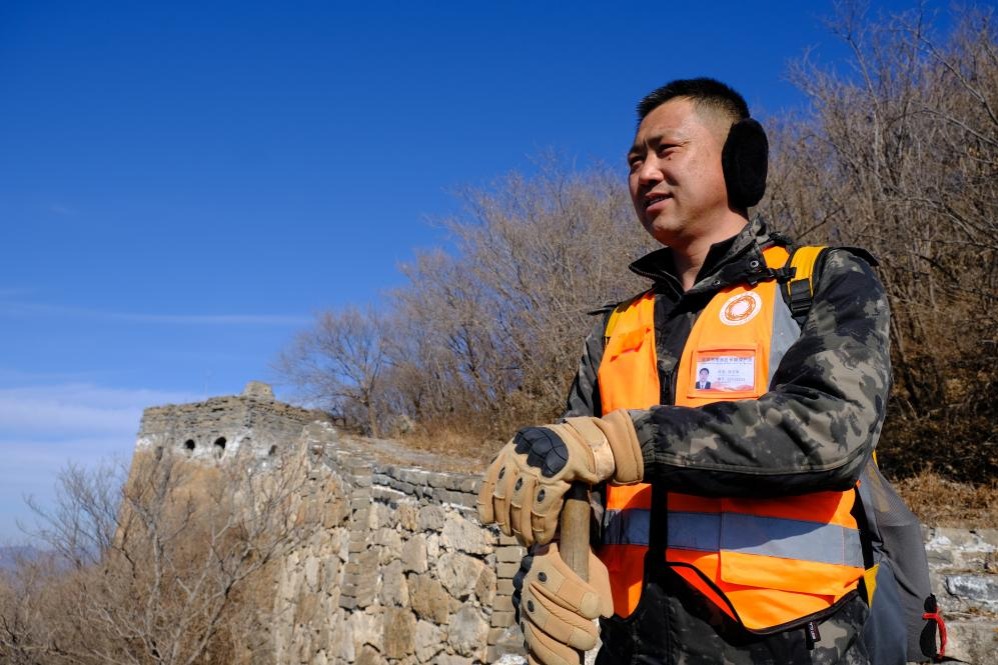
    In the rugged mountains of Beijing’s Miyun district, Zhou Wenjun embarks on his daily pilgrimage along the Simatai section of the Great Wall, carrying specialized tools and a profound sense of historical responsibility. For fourteen consecutive years, this local villager has dedicated himself to protecting one of China’s most challenging architectural marvels—a steep Ming Dynasty (1368-1644) structure where some slopes exceed 70 degrees, requiring climbers to ascend on all fours.

    Zhou’s conservation methodology demonstrates remarkable precision. He exclusively employs a flat-head shovel to clear drainage channels of leaves and branches, consciously avoiding pointed or rounded tools that might damage the ancient masonry. “Every brick here is a treasure,” Zhou emphasizes during his multi-kilometer patrols, where he meticulously collects displaced bricks from surrounding woodlands—some bearing inscriptions dating back to 1577 that document the soldiers and craftsmen who originally constructed the wall nearly 450 years ago.

    His 10-kilogram backpack contains essential preservation equipment: water, snacks, trash bags, measuring tape, and first-aid supplies. Beyond structural maintenance, Zhou assists visitors and monitors potentially damaging behaviors. His estimated 10,000 kilometers walked along the wall represent just one aspect of his expanding conservation efforts.

    Zhou has pioneered digital preservation through livestreaming broadcasts that reach over 70,000 followers. His explanations of defensive architectures and ancient border guards’ daily lives have earned him recognition as a knowledgeable “farmer anchor” disseminating cultural heritage knowledge.

    The Simatai protection team now comprises 22 members, predominantly local villagers, forming part of Beijing’s broader network of 380 dedicated Great Wall guardians. Their conservation work will gain strengthened legal support next month with new capital regulations specifically addressing Great Wall preservation.

    Despite the physical demands, Zhou’s commitment has evolved from occupation to life purpose. Through both physical safeguarding and digital education, he ensures global recognition of this UNESCO World Heritage site’s enduring significance.

  • Nigeria to hold inquest into death of Chimamanda Ngozi Adichie’s toddler

    Nigeria to hold inquest into death of Chimamanda Ngozi Adichie’s toddler

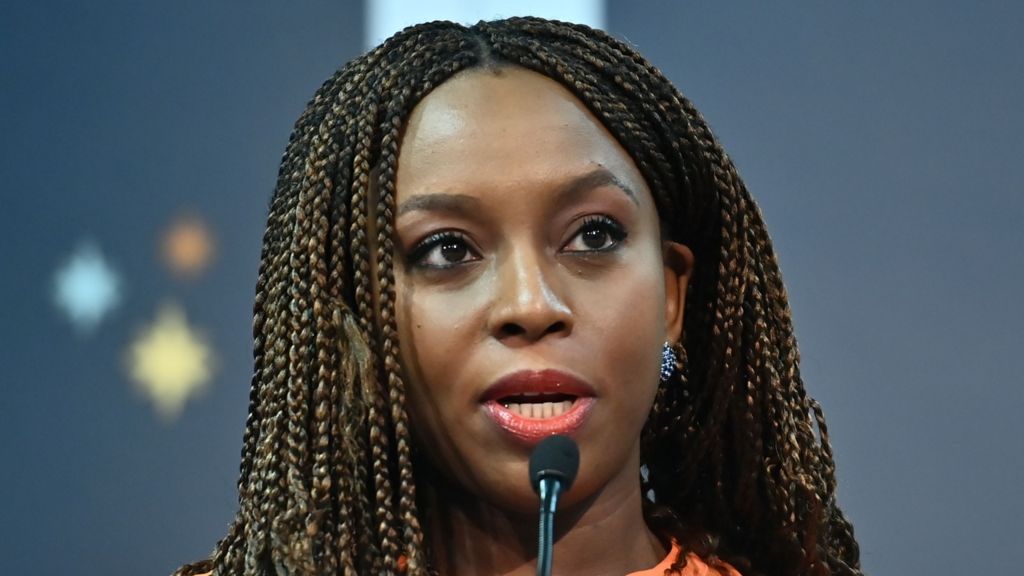
    A formal judicial inquest into the tragic death of Nkanu Nnamdi Esege, the 21-month-old son of acclaimed Nigerian author Chimamanda Ngozi Adichie, will commence on April 14th. The Yaba Magistrate Court in Lagos established this timeline during preliminary proceedings, nearly two months after the infant’s passing at Euracare hospital in January.

    The child’s family has levied serious allegations of medical malpractice against the healthcare facility, asserting that medical staff denied the boy essential oxygen support while administering excessive sedation medication. This combination of actions allegedly precipitated fatal cardiac arrest. Euracare Hospital has issued public condolences regarding the tragedy but maintains that their treatment protocols adhered rigorously to international medical standards.

    Presiding Magistrate Atinuke Adetunji has mandated all involved parties to submit formal witness statements in preparation for the comprehensive inquiry. The forthcoming proceedings will feature testimony from medical specialists and hospital representatives as the coroner seeks to determine the precise circumstances and medical causation behind the toddler’s demise.

    According to court documentation submitted by Adichie’s legal representatives, Nkanu was initially receiving treatment at Atlantis Hospital in Lagos for a progressively worsening though initially mild illness. Medical arrangements were underway to transfer the patient to Johns Hopkins Hospital in Baltimore, Maryland for advanced specialized care. As part of pre-transfer preparations, Atlantis Hospital referred the patient to Euracare for diagnostic procedures including magnetic resonance imaging (MRI) and lumbar puncture. The child died on January 7th following these interventions.

    Through legal counsel, Adichie and her husband Dr. Ivara Esege formally accused Euracare of violating their duty of care obligations three days after their son’s death. The hospital administration has consistently refuted these allegations. The case has sparked broader conversations about patient safety protocols and medical accountability within Nigeria’s healthcare infrastructure.

  • China Coast Guard drives away Philippine vessels illegally intruding into Huangyan Island waters

    China Coast Guard drives away Philippine vessels illegally intruding into Huangyan Island waters

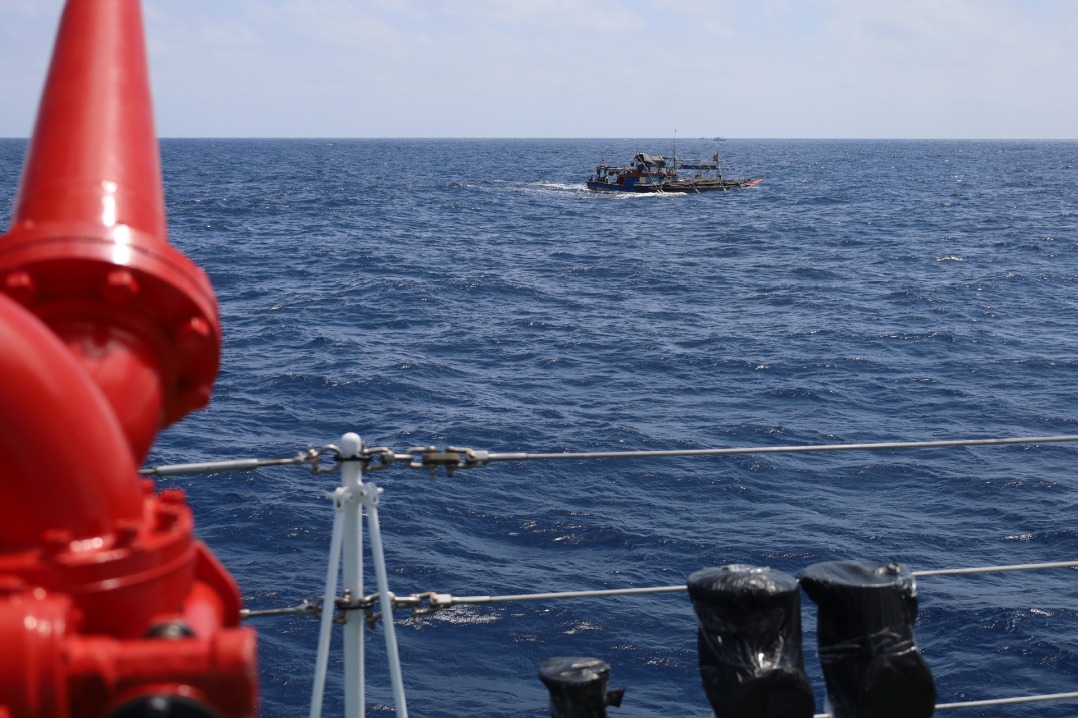
    In a recent maritime incident near Huangyan Island, Chinese Coast Guard vessels implemented lawful enforcement measures against Philippine ships that had entered contested waters. The encounter occurred on February 21, 2026, when multiple Philippine vessels gathered and crossed into what China claims as its territorial waters in the South China Sea.

    According to official reports, the Philippine ships engaged in photographing Chinese vessels and executing dangerous navigation maneuvers that involved crossing the paths of patrolling CCG ships. The Philippine Coast Guard vessel 4409 was additionally observed maintaining presence at a distance from the main engagement.

    The China Coast Guard responded with repeated verbal warnings before escalating to regulatory actions. These measures included targeted water cannon sprays and tactical navigation control operations that ultimately compelled the Philippine vessels to depart the area.

    Chinese authorities emphasized that their response demonstrated appropriate restraint and full compliance with international legal standards. The CCG’s on-duty fleet characterized the Philippine actions as a staged performance under the guise of escort and rights protection missions, noting that these activities occurred despite challenging weather conditions and increased maritime accident risks in the region.

    China reaffirmed its commitment to fulfilling maritime rescue responsibilities while maintaining an uncompromising position regarding territorial sovereignty. The incident highlights ongoing tensions in the strategically significant South China Sea waterways where multiple nations maintain competing territorial claims.

  • US seeks indefinite nuclear deal with Iran: report

    US seeks indefinite nuclear deal with Iran: report

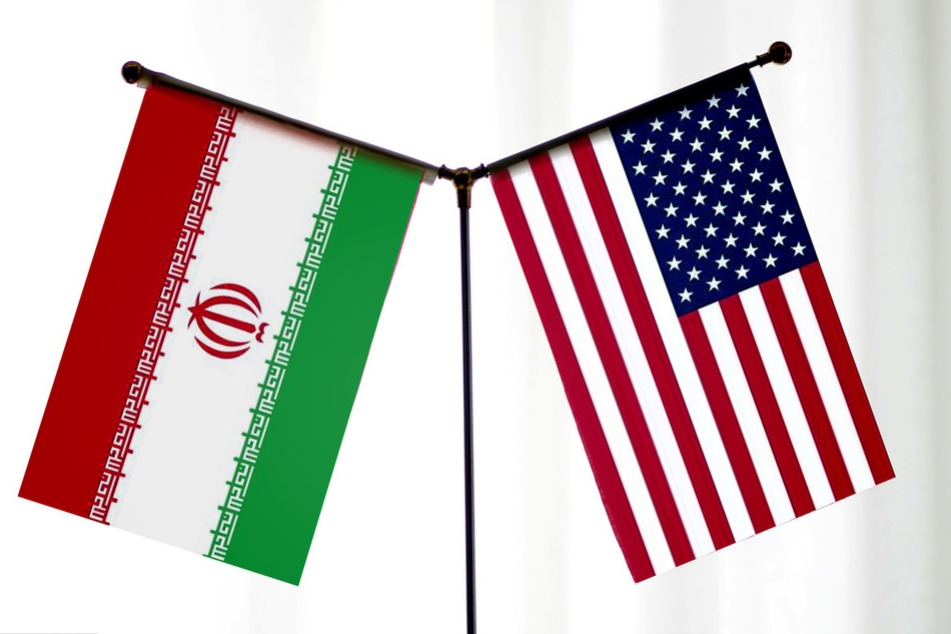
    WASHINGTON – The United States is pushing for a nuclear agreement with Iran that would impose permanent restrictions on Tehran’s nuclear activities, according to a report by Axios. Steve Witkoff, the US president’s special envoy, articulated this position at a private gathering in Washington, D.C., stating the administration’s foundational premise that “there is no sunset provision” in any future deal.

    Witkoff emphasized that regardless of whether an agreement is reached, the expectation remains that Iran must maintain compliant behavior indefinitely. The current negotiations are reportedly centered on two critical issues: Iran’s uranium enrichment capabilities and the disposition of its existing stockpile of enriched uranium.

    While discussions currently focus on nuclear matters, the White House intends to pursue subsequent negotiations addressing Iran’s ballistic missile program and its support for proxy militias throughout the Middle East should an initial nuclear accord be achieved.

    This stance represents a significant departure from the 2015 Joint Comprehensive Plan of Action (JCPOA) negotiated during the Obama administration, which included expiration dates for most nuclear restrictions between 8 and 25 years after implementation. President Trump withdrew from that agreement in 2018.

    According to officials familiar with the matter, the administration might consider allowing limited “token” enrichment in Iran if Tehran provides verifiable assurances that such activities would not contribute to nuclear weapons development. Mediators including Oman, Qatar, Egypt, and Turkiye are reportedly applying substantial pressure on Iran to reach an agreement with the United States that would avert military conflict.

    The diplomatic efforts continue with a new round of US-Iran talks scheduled for Thursday in Geneva, where uranium enrichment levels and sanctions relief are expected to dominate the agenda. The negotiations occur against a backdrop of heightened military preparedness, with the US having deployed significant forces to the region. President Trump recently warned that while he prefers a diplomatic solution, failure to reach an agreement would result in “a very bad day” for Iran, alluding to potential military action.

  • US and Iran begin talks seen as crucial to prevent conflict

    US and Iran begin talks seen as crucial to prevent conflict

    GENEVA – Critical indirect negotiations between the United States and Iran have entered a third round in Geneva, facilitated by Omani diplomatic channels, as both nations demonstrate what mediators describe as “unprecedented openness to new and creative ideas” despite escalating military posturing.

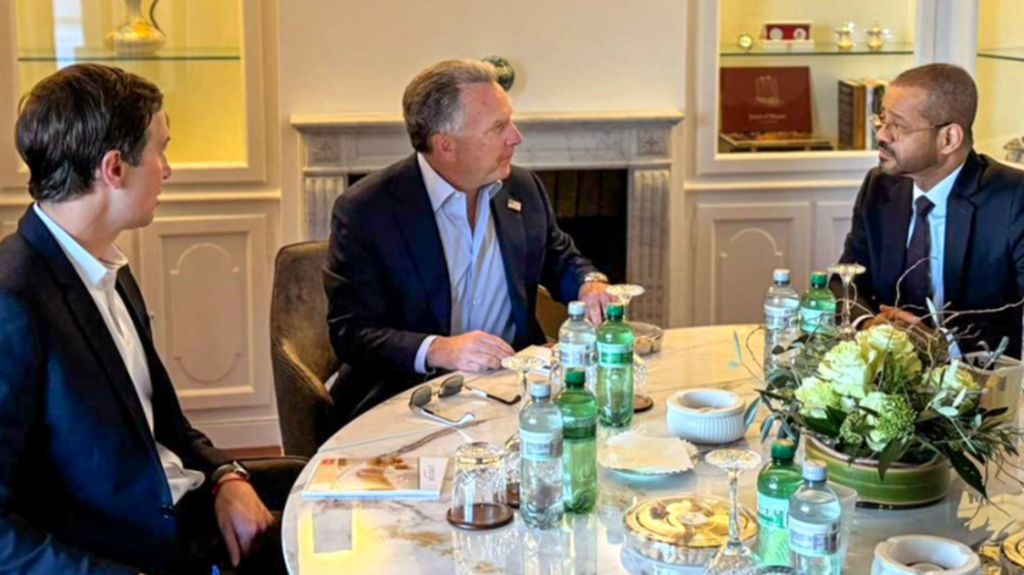
    Omani Foreign Minister Badr Albusaidi, serving as primary mediator in the talks held at Oman’s ambassador’s residence, reported constructive engagement from both delegations. The U.S. contingent, led by Special Envoy Steve Witkoff and Presidential Advisor Jared Kushner, faces Iranian officials headed by Foreign Minister Abbas Araghchi in discussions aimed at preventing open conflict.

    The negotiations unfold against the backdrop of the largest U.S. military deployment in the Middle East since the 2003 invasion of Iraq, including two aircraft carrier groups and thousands of troops that President Trump has characterized as an “armada.” This show of force coincides with explicit threats from Trump regarding potential limited strikes on Iranian nuclear facilities and Revolutionary Guard assets if diplomatic efforts fail.

    Iranian officials have maintained their longstanding position against nuclear weapons development, with Araghchi publicly affirming that Iran would “under no circumstances ever develop a nuclear weapon” while expressing optimism for an “historic opportunity to strike an unprecedented agreement.”

    Substantive discussion points reportedly include potential establishment of a regional uranium enrichment consortium and disposition of Iran’s existing stockpile of approximately 400kg of highly enriched uranium. In exchange, Tehran seeks relief from crippling economic sanctions that have devastated its economy.

    Significant obstacles remain, however, as Iran continues to reject limitations on its ballistic missile program or cessation of support for regional proxy groups comprising what Tehran terms the “Axis of Resistance” – including Hamas, Hezbollah, and Yemen’s Houthi rebels.

    The political landscape is further complicated by Israeli Prime Minister Benjamin Netanyahu’s opposition to any agreement excluding missile and proxy limitations, while regional U.S. allies express concerns about potential escalation into broader conflict. Congressional leaders have received classified briefings on the situation, with Senate Minority Leader Chuck Schumer acknowledging the seriousness of the situation and emphasizing the administration’s need to “make its case to the American people.”

    Military analysts note the considerable risks associated with strikes against Iranian targets, potentially drawing the U.S. into prolonged engagement, despite Trump’s assertions that any conflict would be “easily won.” Iran has vowed to retaliate against any attack by targeting U.S. military assets throughout the Middle East and Israel.

    The negotiations represent the most significant diplomatic engagement between the two nations since U.S. airstrikes destroyed Iranian nuclear facilities eight months ago during the Israel-Iran conflict, after which Iran claims to have halted enrichment activities though international inspectors have been denied access to verify these claims.
  • Ugandan police arrest two women for allegedly kissing in public

    Ugandan police arrest two women for allegedly kissing in public

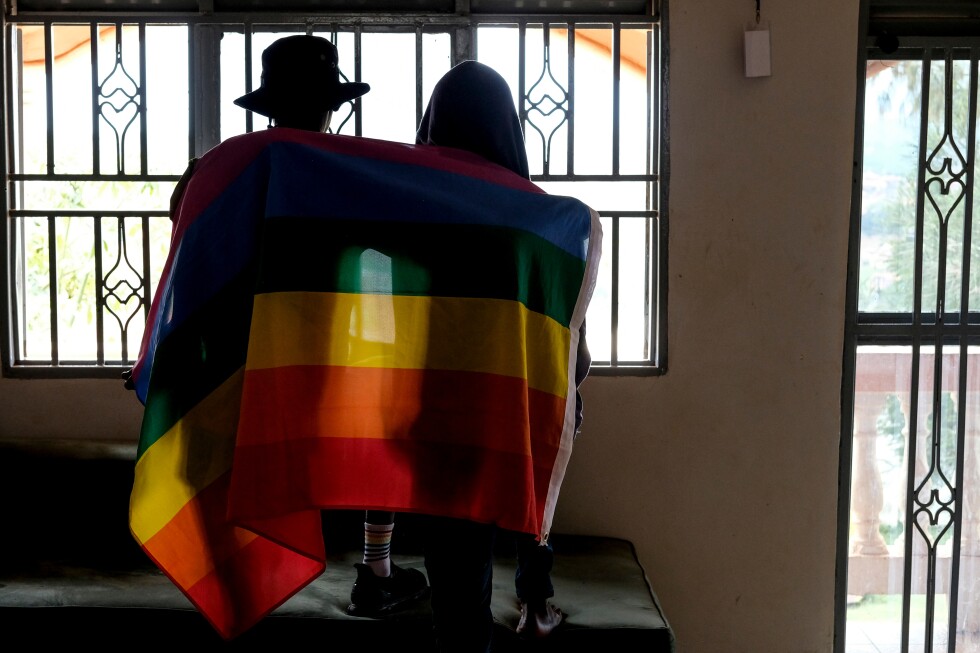
    Ugandan authorities have made their first documented arrests under the nation’s stringent Anti-Homosexuality Act of 2023, marking a significant enforcement milestone for the controversial legislation. Police in the northwestern city of Arua detained two women on February 18th following reports from neighbors who alleged witnessing same-sex intimacy between the individuals.

    According to police spokesperson Josephine Angucia, officers responded to community tips about frequent kissing between the women and discovered them in a compromising situation. The suspects were subsequently released on police bond pending further investigation, with formal charges yet to be filed as authorities continue their probe.

    The 2023 legislation, while not criminalizing LGBTQ identification itself, imposes extreme penalties including capital punishment for so-called ‘aggravated homosexuality’—a broad category encompassing HIV-positive individuals engaging in sexual activity, relations with minors, and other vulnerable groups. This new law exists alongside colonial-era statutes that already criminalize ‘relations against the order of nature.’

    Frank Mugisha, a leading Ugandan LGBTQ rights advocate, condemned the arrests as indicative of a ‘grim reality’ unfolding under the legislation. Mugisha warned of escalating targeted crackdowns that extend beyond arrests into dangerous patterns of blackmail and extortion against sexual minorities.

    The Ugandan legislation reflects broader continental trends, with approximately 30 of Africa’s 54 nations maintaining criminal penalties for same-sex relations. Recent developments in Senegal suggesting heightened penalties further underscore the region’s challenging environment for LGBTQ rights.

  • Iran-US talks begin in push to avert war

    Iran-US talks begin in push to avert war

    Diplomatic efforts to prevent armed conflict between the United States and Iran commenced Thursday in Geneva through Omani mediation, marking a critical juncture following the largest American military mobilization in the Middle East in decades. The negotiations unfold against a backdrop of heightened tensions, with former President Donald Trump having issued a 15-day ultimatum to Tehran just last week.

    The discussions, held under tight security at the Omani ambassador’s residence, proceeded despite recent disruptions from Iranian exile protests. Oman’s Foreign Minister Badr Albusaidi characterized the dialogue by noting an “unprecedented openness to new and creative ideas and solutions” from both delegations.

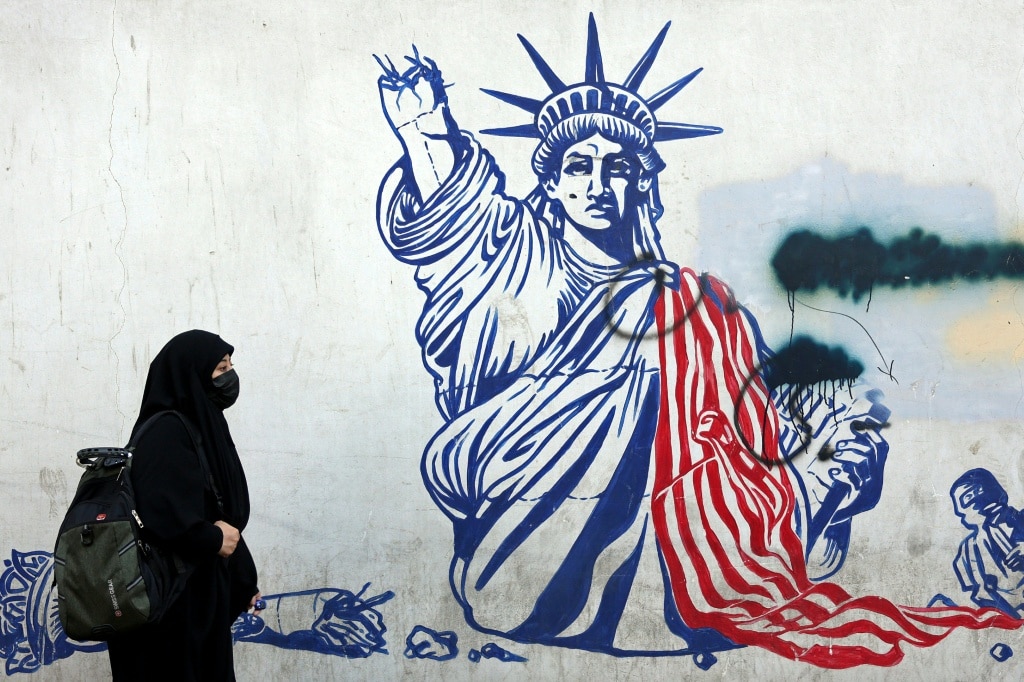
    A fundamental divergence in negotiation priorities emerged immediately. Iranian President Masoud Pezeshkian reiterated the nation’s peaceful nuclear intentions, stating, “Our Supreme Leader has already stated that we will not have nuclear weapons at all.” Conversely, the US stance, articulated by officials like Secretary of State Marco Rubio, demands that talks must comprehensively address Iran’s ballistic missile program and its regional support for militant groups, which he labeled “a big, big problem.”

    The diplomatic push occurs alongside significant military posturing. The USS Gerald R. Ford, the world’s largest aircraft carrier, has been deployed to the Mediterranean, underscoring the serious threat of force. This tension is further amplified by recent domestic turmoil within Iran, where a severe crackdown on widespread protests has resulted in significant casualties according to human rights organizations.

    While Iranian Foreign Minister Abbas Araghchi hailed the talks as “a historic opportunity,” the shadow of past failures looms large. A previous negotiation round collapsed following Israeli airstrikes on Iranian nuclear sites. The current dialogue represents a fragile attempt to bridge deep-seated mistrust and conflicting demands, with the alternative being a potentially devastating regional war.