博客

  • Qatar warns war on Iran could ‘bring down’ world economies

    Qatar warns war on Iran could ‘bring down’ world economies

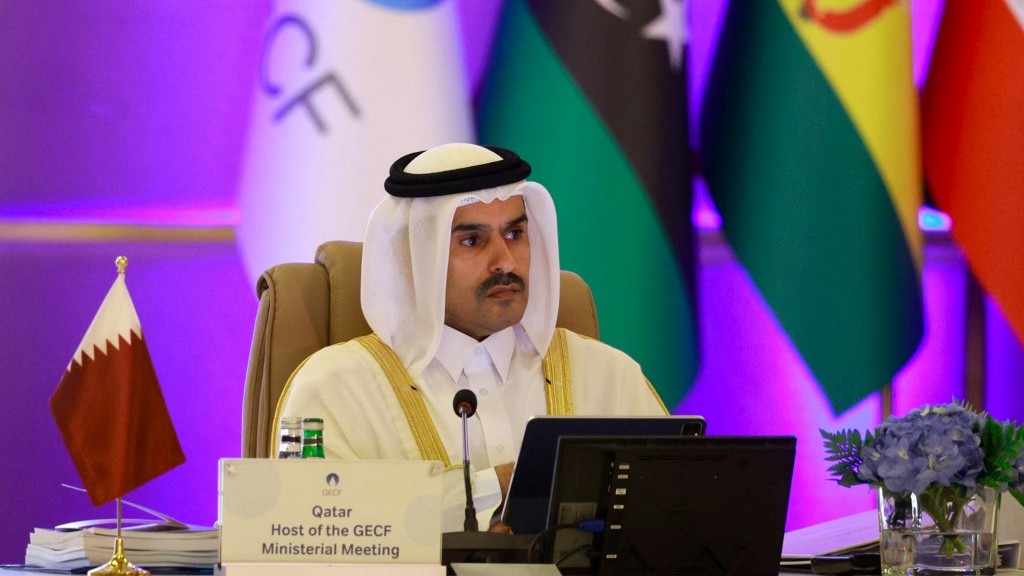
    Qatar’s Energy Minister has issued a stark warning that escalating military conflicts between the US-Israel alliance and Iran could precipitate a worldwide economic crisis. Saad al-Kaabi stated that recent attacks on Gulf energy infrastructure could force regional exporters to declare force majeure within days, potentially driving oil prices to $150 per barrel.

    The minister emphasized that continued hostilities would cripple global GDP growth, create energy price surges worldwide, and trigger supply chain disruptions affecting manufacturing sectors globally. Recent Iranian drone strikes have already impacted critical energy facilities in Qatar’s Ras Laffan and Mesaieed industrial cities, prompting Qatar Energy—the world’s largest LNG producer—to suspend liquefied natural gas production.

    Financial markets have already responded to the escalating tensions, with Brent crude climbing 2.5 percent to $87.6 per barrel on Friday, reaching its highest level since the conflict began. The minister projected that blockade scenarios involving the Strait of Hormuz—through which one-fifth of global oil and gas passes—could push crude prices to $150 within weeks.

    Additionally, Kaabi predicted natural gas prices could quadruple to $40 per million British thermal units, while warning that broader trade disruptions between Gulf states and global partners would create significant economic repercussions for all trading nations. The situation represents the most serious threat to global energy security since the beginning of the conflict.
  • In Miami, the opening game of the World Baseball Classic was a celebration for Venezuelan fans

    In Miami, the opening game of the World Baseball Classic was a celebration for Venezuelan fans

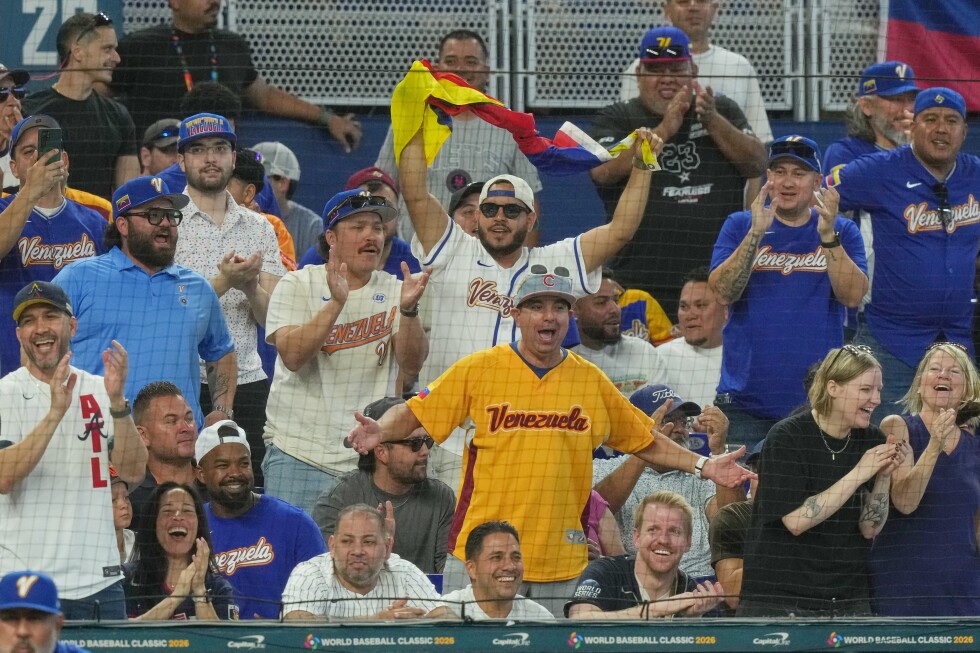
    MIAMI — In a powerful display of national unity, Venezuelan baseball fans transformed Miami’s loanDepot park into a sea of yellow, blue, and red during Friday’s World Baseball Classic matchup against the Netherlands. The game provided a temporary respite from political divisions as thousands of Venezuelan expatriates and supporters gathered to cheer for ‘La Vinotinto’ on American soil.

    The atmosphere was electric from the early morning hours, with fans arriving more than 90 minutes before the first pitch. Outside the stadium, vendors sold national team merchandise from duffle bags while Latin music from artists like Elsen Pro, Bacilos and Carlos Vives filled the air. Inside the ballpark, the lower deck buzzed with excitement, particularly on the third-base side near Venezuela’s dugout.

    The gathering occurred just two months after U.S. forces conducted a military operation in Venezuela aiming to capture deposed leader Nicolás Maduro on drug trafficking charges. Yet political tensions seemed momentarily forgotten as fans focused exclusively on baseball. ‘For our people, baseball is joy,’ said Jessalyn Suarez, an office manager from Miami wearing her team’s jersey with the national flag around her neck. ‘Today is joy. Today is not about anything else.’

    Retired heavy machine operator Jesus Otero from Hialeah echoed the sentiment: ‘Nobody is thinking about him today. He’s not here.’ The overwhelming Venezuelan presence made Netherlands supporters a distinct minority in the crowd.

    Nelson Zurita, a Venezuelan who traveled from Chile for the tournament, explained: ‘The presence of this team provides some relief from the everyday political stress. The emphasis instead is on the Classic. Baseball breathes new life.’ Security presence appeared standard for a major sporting event, with no signs of political protests disrupting the baseball celebration.

  • Middle East war a new shock for financial markets

    Middle East war a new shock for financial markets

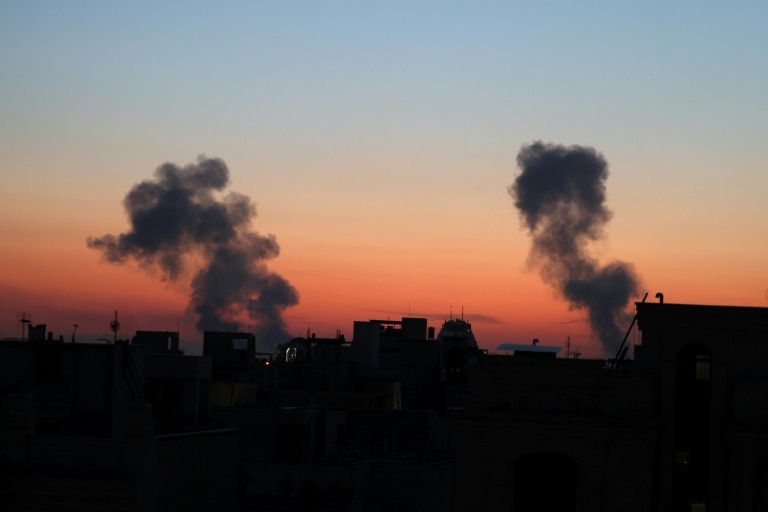
    Global financial markets are experiencing significant volatility following the escalation of military conflict in the Middle East, with energy prices surging and equity markets declining sharply across multiple continents. The confrontation between US-Israeli forces and Iran, along with Tehran’s retaliatory strikes across the Gulf region, has severely disrupted shipping through the critical Strait of Hormuz—a vital transit route for approximately 20% of global oil and liquefied natural gas supplies.

    The immediate economic impact has been dramatic: European natural gas prices have skyrocketed by 66% since last week, while international benchmark Brent crude oil surged beyond $90 per barrel, representing a more than 25% price increase. This energy shock has raised serious concerns about renewed inflationary pressures and potential slowdowns in the global economy.

    Equity markets have responded with substantial losses worldwide. European markets have declined significantly, with London’s FTSE losing approximately 6%, while Frankfurt and Paris indices dropped over 7%. Asian markets experienced even steeper declines, with Tokyo falling 5.5% and Seoul plunging 10.6% following a record 12% single-day drop earlier in the week.

    Market analysts note this crisis represents the latest in a series of extraordinary events that financial markets have navigated in recent years, including the COVID-19 pandemic, the Ukraine conflict’s disruption of energy and food supplies, and previous tariff offensives.

    The US dollar has emerged as an unexpected beneficiary of the turmoil, gaining 2.2% against the euro as investors seek safe-haven assets. Interestingly, traditional safe havens like gold have underperformed, declining 3.6% over the past week.

    Government bonds, typically another refuge during market stress, have instead seen rising yields. Ten-year US Treasury yields increased from 4.0% to 4.14%, while Germany’s benchmark bund yields rose from 2.6% to 2.9%. This counterintuitive movement reflects investor concerns that central banks may delay interest rate cuts in response to mounting inflationary pressures.

    Some analysts caution that prolonged conflict could raise the specter of stagflation—a combination of economic stagnation and inflation reminiscent of the 1970s oil crisis. However, others note fundamental differences in today’s economy, including reduced oil dependency and more resilient corporate supply chains. The relative outperformance of US markets, with the Dow declining approximately 3% compared to steeper losses elsewhere, reflects America’s status as a net energy exporter and its relative insulation from energy import disruptions.

  • Memories of twin inspire Paralympian Patrick Halgren to spread good vibes — one sticker at a time

    Memories of twin inspire Paralympian Patrick Halgren to spread good vibes — one sticker at a time

    Paralympic skier Patrick Halgren has transformed personal tragedy into triumphant inspiration at the Milan Cortina Paralympics, honoring his late twin brother through both his athletic performance and a deeply personal movement. Upon arriving in Italy, Halgren began placing distinctive blue-and-yellow “SvendIt” stickers throughout Cortina d’Ampezzo—on chairlifts, water bottles, and even restaurant bathrooms—as a tribute to his brother Lucas Sven Halgren, who died in a 2016 motorcycle accident.

    The phrase “SvendIt,” a playful twist on the skiing term “send-it,” embodies Halgren’s approach to life and sport. His brother Sven had initially encouraged him to pursue adaptive skiing after Halgren lost his left leg above the knee in his own motorcycle crash in 2013. Now competing in his second Paralympics across five standing division events, Halgren carries his brother’s spirit both literally and figuratively—with the words tattooed across his abdomen.

    Halgren’s journey to Cortina represents a victory in itself after a season marked by multiple crashes. His parents traveled from Connecticut to witness his competitions, which he’s approaching with characteristic flair—planning to dye his hair red and blue to complement his blonde braids for different events.

    The athlete leads an unconventional lifestyle, splitting time between his Ford camper van and Colorado Springs home. During ski season, he parks near Winter Park Resort, where he announces races for children, assists with mountain maintenance, and trains. Halgren has also expanded into filmmaking, contributing to “Us and Them,” a project showcasing adaptive skiing from athletes’ perspectives.

    Reflecting on his brother’s legacy, Halgren shared: “I’ve got a lot of really good friends messaging me and saying, ‘He’d be so proud of you.’ When there’s a ray of sunshine on the mountain, I’ve got to believe that it’s him up there showing me the way.”

    The globally distributed “SvendIt” stickers—found from Norwegian slopes to Colorado weather stations—represent more than just memorial; they symbolize Halgren’s philosophy: “Basically, if you’re going to do something, you’ve just got to go for it. Go have some fun and live your life. Have something to talk about later.”

  • ‘It tried to attack me!’ – Loose turkey gives police runaround

    ‘It tried to attack me!’ – Loose turkey gives police runaround

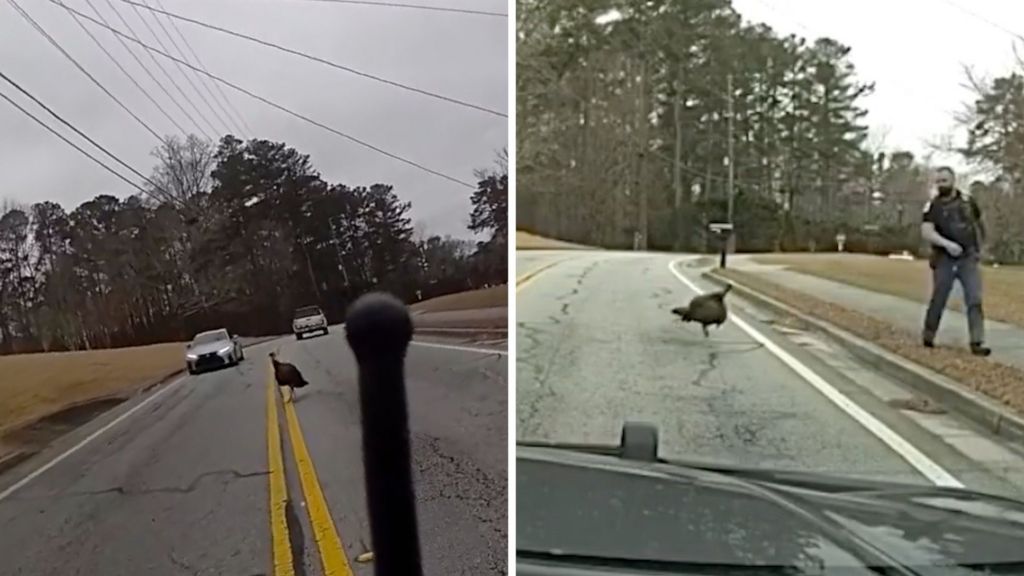
    Law enforcement officers in Georgia found themselves in an unexpected wildlife encounter this week, engaging in a protracted pursuit of a belligerent wild turkey that had taken up residence on a busy roadway. Body camera footage released by local authorities captures the peculiar standoff, showing officers making multiple attempts to corral the agitated bird while managing traffic safety concerns.

    The incident unfolded when police responded to calls about a large turkey obstructing traffic and demonstrating aggressive behavior toward motorists. The footage reveals the substantial bird, with feathers flared and wings spread, charging at officers who attempted to guide it to safety. “It tried to attack me!” one officer can be heard exclaiming as the turkey advanced toward him with clear hostile intent.

    Traffic came to a temporary standstill as officers employed creative tactics to resolve the situation without harming the animal. The encounter lasted approximately twenty minutes before the turkey eventually retreated into nearby woodland. Wildlife experts note that wild turkeys can become particularly aggressive during mating season or when they feel threatened in urban environments.

    Local police departments have increasingly faced similar wildlife interventions as urban expansion continues to encroach upon natural habitats. This incident highlights the unusual challenges law enforcement officers encounter beyond traditional crime prevention, requiring adaptability in handling non-human disturbances to public order.

  • Hushed stillness and Japanese craft at Issey Miyake’s Paris show

    Hushed stillness and Japanese craft at Issey Miyake’s Paris show

    PARIS — At the Carrousel du Louvre on Friday, the Issey Miyake fashion house posed a profound question rarely addressed in the industry: When should a designer cease designing? Under creative director Satoshi Kondo’s guidance, the fall-winter collection titled ‘Creating, Allowing’ provided a contemplative answer through garments that balanced structured design with organic freedom.

    The presentation began in atmospheric minimalism, with sparkling dust particles drifting across the runway as models moved with deliberate slowness. The collection explored the essential tension between actively shaping clothing and allowing fabric and body to interact naturally—a philosophical approach deeply rooted in the Japanese concept of ‘ma’ (the significance of space between objects) that founder Issey Miyake championed until his passing in 2022.

    Initial pieces demonstrated restrained elegance with oversized off-white sweaters featuring architecturally sloped shoulders and dark suits adorned with asymmetrical front panels that resembled unfinished thoughts. Voluminous black trench coats were cinched with belts evoking martial arts attire, while fabric headpieces wrapped tightly around models’ skulls created a monastic aesthetic.

    The collection’s color palette remained deliberately muted until carefully orchestrated moments of visual explosion. A vibrant yellow pleated wrap dramatically cut through the monochrome environment, its pleats hand-wrung then machine-set to create dynamic movement. Most striking were the rigid bodices and peplums in solid red, crafted through an innovative technique called Urushi Body. These pieces were constructed from lacquered washi paper—hand-torn sheets layered onto 3D-printed molds by Echizen region craftspeople, then finished with multiple lacquer coats by Kyoto artisans. The resulting forms contouring the body with armor-like authority represented a fusion of ancient Japanese craftsmanship with cutting-edge technology.

    In a Paris Fashion Week season characterized by sensory overload, Issey Miyake delivered a powerful statement through disciplined minimalism. The collection celebrated the confidence to leave designs intentionally unfinished, transforming negative space and silent moments into profound aesthetic statements.

  • Pokémon condemns White House for using its imagery

    Pokémon condemns White House for using its imagery

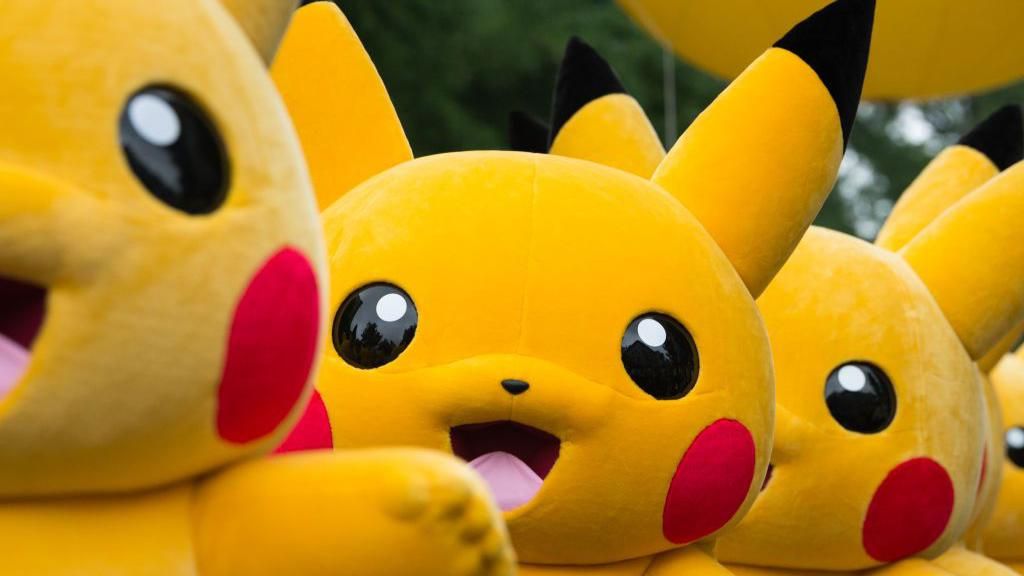
    The Pokémon Company International has issued a formal condemnation against the White House for appropriating its intellectual property without authorization. The controversy emerged when official government social media channels disseminated a meme featuring the iconic character Pikachu alongside the political slogan “Make America Great Again.”

    Corporate spokeswoman Sravanthi Dev explicitly stated that the company had no involvement in the creation or distribution of the content and did not grant permission for using its assets. “Our mission centers on unifying people worldwide through entertainment,” Dev emphasized, “and this purpose remains entirely separate from any political perspective or agenda.”

    This incident marks the latest in a series of confrontations between the entertainment giant and the Trump administration. Previously, the company criticized the same administration for utilizing its theme song and trademark phrase “Gotta catch ’em all” in promotional materials related to immigration enforcement operations.

    The recent meme appears to incorporate imagery from the newly released game Pokopia, with Pikachu emerging playfully from behind the letter ‘e’ in “make.” In response to Pokémon’s statement, White House spokesman Kaelan Dorr attempted to counter the criticism by referencing a decade-old article about Hillary Clinton’s Pokémon Go-related voting initiative during the 2016 campaign.

    This situation reflects the current administration’s distinctive approach to digital communication, which White House Spokeswoman Abigail Jackson has characterized as employing “engaging posts and banger memes” to promote presidential policies. However, this strategy has repeatedly drawn objections from content creators and intellectual property holders across various industries, including comedian Theo Von, who previously demanded compensation and removal of his likeness from government deportation videos.

  • Hungary’s top diplomat stokes anger at anti-Ukraine protest with allegation of election meddling

    Hungary’s top diplomat stokes anger at anti-Ukraine protest with allegation of election meddling

    BUDAPEST, Hungary — In a dramatic escalation of diplomatic tensions, Hungary’s Foreign Minister Péter Szijjártó has leveled serious allegations against Ukraine, accusing the neighboring nation of attempting to influence Hungary’s upcoming April elections. The accusations were delivered Friday before hundreds of protesters gathered outside Ukraine’s embassy in Budapest, organized by a pro-government group with ties to Prime Minister Viktor Orbán’s Fidesz party.

    The demonstration coincided with Hungary’s detention of seven Ukrainian state-owned bank employees and seizure of two armored vehicles transporting approximately $80 million in cash—a move condemned by Kyiv as illegal hostage-taking.

    Minister Szijjártó presented multiple unsubstantiated claims, including allegations that Ukraine has been coordinating with the European Union and Orbán’s political opposition to block Russian oil shipments to Hungary via the Druzhba pipeline. “This is something that will not happen in Hungary. There will be no pro-Ukraine government, and Hungary will not have a pro-Ukraine prime minister,” Szijjártó declared to the angry crowd.

    The foreign minister’s rhetoric reflects the increasingly bitter feud between the two nations over Hungary’s access to Russian oil through Ukrainian territory. Oil shipments through the Druzhba pipeline have been suspended since January 27, with Ukraine attributing the interruption to damage from Russian drone strikes and expressing concerns about technician safety and ongoing vulnerability.

    Prime Minister Orbán, who faces an unprecedented electoral challenge next month, has intensified his anti-Ukraine campaign, recently labeling Ukraine as Hungary’s “enemy” and accusing President Volodymyr Zelenskyy of deliberately provoking an energy crisis to influence the Hungarian election. Orbán’s government has already implemented several retaliatory measures, including halting diesel shipments to Ukraine, vetoing new EU sanctions against Russia, and blocking a substantial €90 billion loan package for Kyiv.

    With polls showing Orbán trailing behind a popular center-right challenger, the incumbent leader has framed the election as a defense against existential threats from Ukraine. He has claimed that an opposition victory would result in the EU forcing Hungary into bankruptcy by cutting Russian energy imports and sending Hungarian youth to fight in Ukraine.

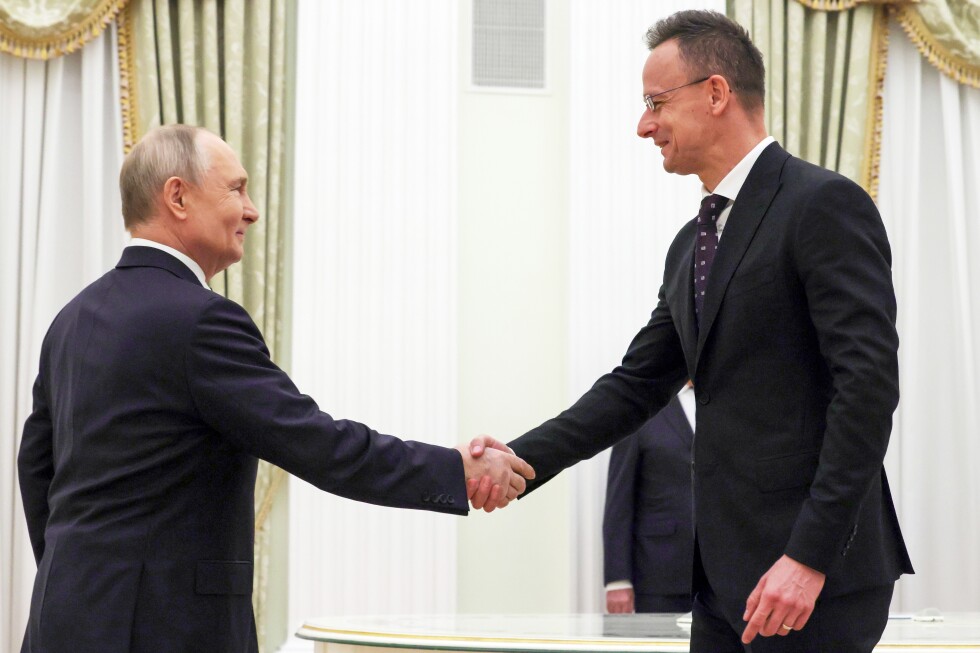
    The diplomatic confrontation deepened when Szijjártó traveled to Moscow on Wednesday for a meeting with Russian President Vladimir Putin, seeking guarantees for continued access to Russian oil and gas despite disruptions caused by the Middle East conflict and pipeline interruptions. On Friday, Szijjártó asserted that Ukraine had placed Hungary under an “oil blockade” specifically designed to damage Orbán’s government before the election.

  • Human rights court orders Peru to pay compensation for a 1997 forced sterilization death

    Human rights court orders Peru to pay compensation for a 1997 forced sterilization death

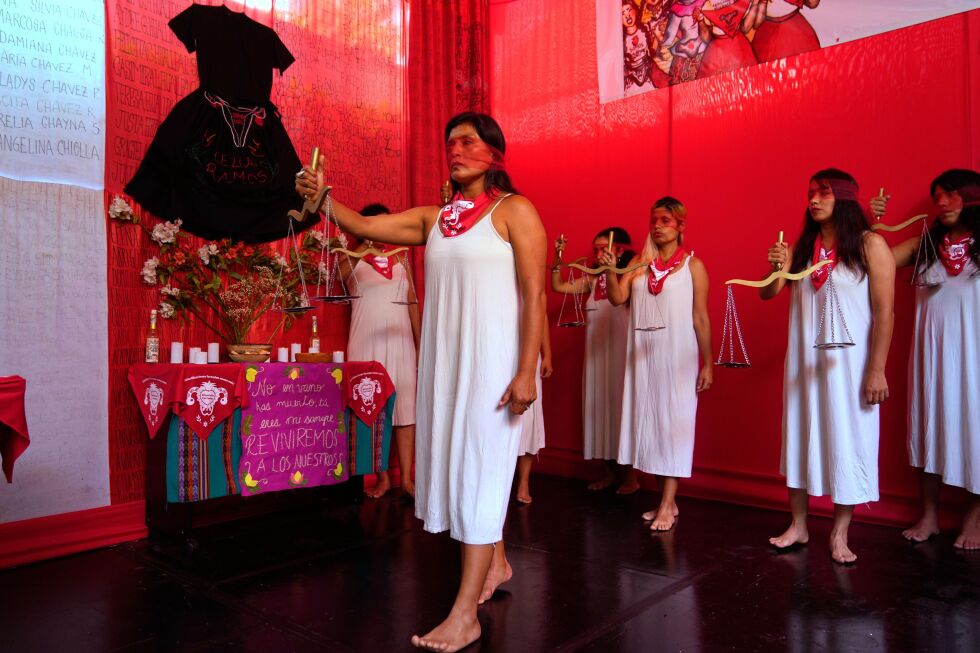
    In a historic ruling with profound implications for human rights accountability, the Inter-American Court of Human Rights has mandated that Peru provide substantial reparations to the family of Celia Ramos, a victim of the nation’s coercive sterilization program implemented during Alberto Fujimori’s presidency. The landmark decision marks the first judicial condemnation by Latin America’s supreme human rights tribunal regarding Peru’s systematic sterilization campaign that predominantly targeted impoverished and Indigenous women.

    Court documents reveal that Ramos, a 34-year-old mother of three from an Andean village, sought medical attention at a state health facility in 1997 only to be subjected to coercive tubal ligation procedures. The operation was conducted under critically substandard conditions, lacking essential medical equipment and necessary medications to address potential complications. During the procedure, Ramos suffered a severe allergic reaction but waited approximately thirty minutes before transfer to intensive care. She succumbed to complications nineteen days later on July 22, 1997.

    The Peruvian state subsequently failed to conduct a formal autopsy and provided no transparent explanation to Ramos’ grieving family regarding her tragic demise. As rectification for these grave injustices, the court has ordered compensation totaling approximately $340,000 to the Ramos family, encompassing reimbursement for medical expenses and compensation for lost lifetime earnings.

    This ruling emerges despite Peru’s judicial system having recently overturned criminal proceedings against the late President Fujimori in August 2024 regarding forced sterilizations. With Fujimori’s passing, legal attention has shifted toward establishing criminal accountability for other high-ranking officials, including multiple former health ministers implicated in the sterilization program. Peru’s Ministry of Justice had not issued an immediate response to requests for commentary regarding the court’s decision.

  • Canada and US resume trade talks after months-long pause

    Canada and US resume trade talks after months-long pause

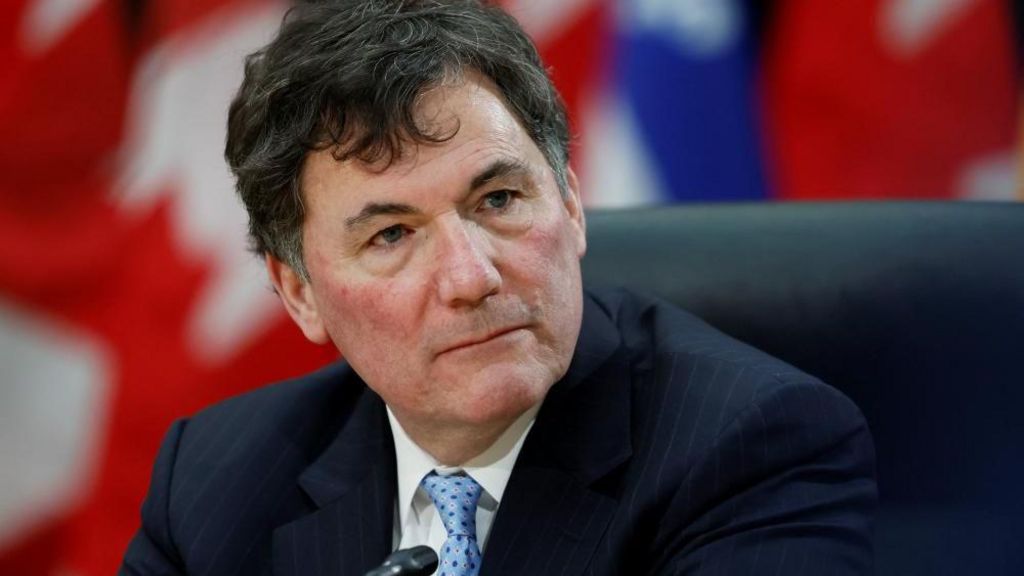
    In a significant diplomatic development, Canadian Minister for US-Canada Trade Dominic LeBlanc has arrived in Washington for crucial negotiations with US Trade Representative Jamieson Greer. These talks represent the first high-level engagement between the two nations since trade discussions collapsed abruptly in October of last year.

    The primary focus of the meetings centers on the future of the USMCA (United States-Mexico-Canada Agreement), which faces a mandatory review this year. The trade pact, known as CUSMA in Canada, has provided essential protection for the majority of Canadian exports against broad-based tariffs imposed by the Trump administration.

    Trade relations between the neighboring countries deteriorated significantly after President Trump suspended formal negotiations in response to an anti-tariff advertisement run by the province of Ontario. Since then, the Trump administration has contemplated either abandoning the trilateral agreement entirely or pursuing separate bilateral deals with Canada and Mexico.

    Prime Minister Mark Carney expressed serious concerns about the current state of affairs, stating that the agreement has been ‘effectively broken in the short term by US actions.’ The Canadian government fears either a ‘zombie CUSMA’ that exists in name only or complete termination of the pact.

    Despite USMCA protections, Canada continues to face substantial sector-specific tariffs on steel, aluminum, and automobiles that have resulted in significant job losses, particularly in Ontario’s automotive manufacturing sector. Both nations acknowledge that certain baseline tariffs will likely persist regardless of the USMCA review outcome.

    The automotive industry remains particularly contentious, with US officials historically advocating for complete relocation of manufacturing to the United States. This complex supply chain sees vehicles crossing North American borders multiple times during production, making the industry deeply integrated across all three USMCA countries.

    Meanwhile, parallel developments are occurring in the Indo-Pacific region, where Prime Minister Carney has been securing alternative trade partnerships. Canada recently signed a strategic partnership with Japan covering defense, energy, and technology cooperation, though Japanese officials noted that their continued support for Canada’s auto sector depends on successful USMCA negotiations.

    Additionally, Canada has pursued significant agreements with India, including a decade-long nuclear energy pact, and strengthened defense ties with Australia, which will join Canada’s G7 critical minerals production alliance. These efforts align with Carney’s election platform of reducing Canada’s economic dependence on the United States, which has already decreased from 75% to 67.3% of exports since October.