博客

  • Women’s Day marches in Brazil decry gender-based violence, fueled by alleged gang rape in Copacabana

    Women’s Day marches in Brazil decry gender-based violence, fueled by alleged gang rape in Copacabana

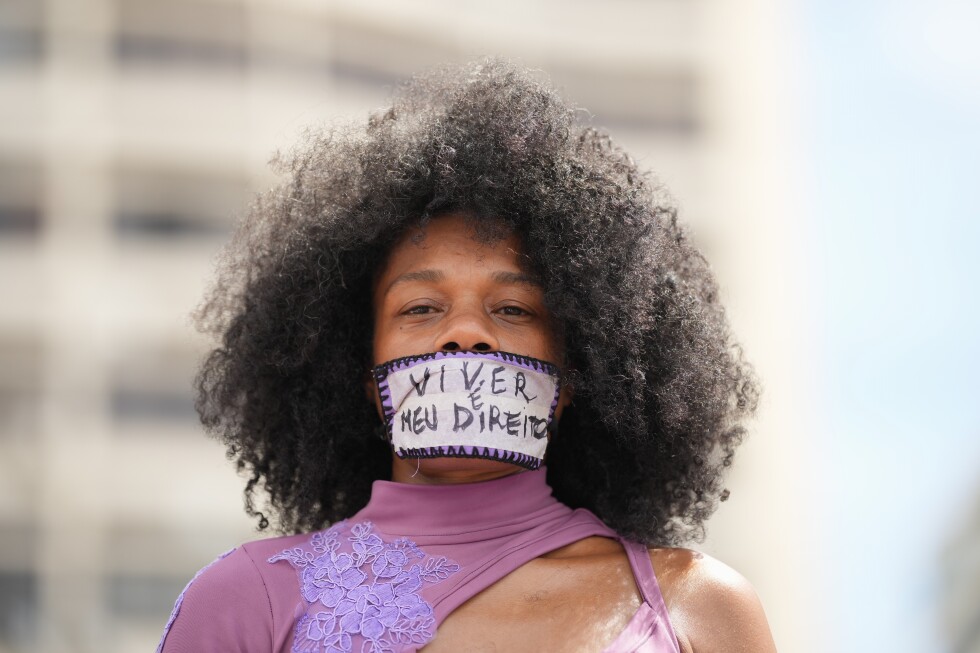
    Brazil witnessed massive nationwide demonstrations on International Women’s Day as thousands mobilized against escalating gender-based violence, galvanized by a horrific gang rape case that has ignited national outrage. The protests, organized across at least 15 cities, specifically condemned the January assault of a 17-year-old girl in Rio de Janeiro’s Copacabana neighborhood that gained national attention this week when four suspects surrendered to authorities.

    The case exemplifies Brazil’s growing crisis of violence against women, with official data revealing 1,568 femicides reported in 2025 alone—a 4.7% increase from the previous year and more than triple the 2015 figures. According to the Brazilian Forum on Public Safety, related crimes including threats, stalking, psychological violence, and rape have consistently risen in recent years.

    Police investigations indicate the teenage victim received an invitation from a classmate at her prestigious school to visit a friend’s apartment in January. Once inside, she was allegedly confined to a room and subjected to sexual assault along with physical and psychological violence by multiple perpetrators. Four young men currently in pretrial detention face formal rape charges, while a fifth minor suspect turned himself in on Friday.

    The case’s prominence intensified when security footage of suspects arriving and leaving the crime scene circulated widely on social media. Further scrutiny emerged when local media revealed one suspect’s father served as a Rio state official in the social development and human rights department, leading to his dismissal following the allegations.

    Government ministers Anielle Franco and Sônia Guajajara joined women’s rights groups and ordinary Brazilians in denouncing the violence. ‘It’s impossible not to feel indignation when a 17-year-old young woman suffers such brutal sexual violence,’ stated Racial Equality Minister Franco, who called for mass protests.

    In response to the crisis, President Luiz Inácio Lula da Silva’s administration announced multipronged measures including a national task force to execute approximately 1,000 arrest warrants for known aggressors, implementation of electronic tracking systems for individuals with protective orders, and deployment of 52 mobile units to assist women in dangerous situations.

    While sociologist Isadora Vianna acknowledged these measures’ symbolic importance, she emphasized that ‘it would be more effective to invest massively in policies of prevention and support networks.’ The researcher also highlighted the need for better regulation of misogynistic content online.

    Longtime activist Tatianny Araújo, who has participated in over 30 International Women’s Day events, described the current climate as uniquely charged: ‘We feel bad, we cry, we’re consumed by rage and by pain. But at the same time we cannot stop. We have to mobilize, we have to do something.’

  • Israeli settlers kill three Palestinians as attacks surge amid Iran war

    Israeli settlers kill three Palestinians as attacks surge amid Iran war

    A surge of violence in the occupied West Bank has resulted in the deaths of three Palestinians during separate attacks by Israeli settlers over the weekend, with a fourth fatality occurring from Israeli military tear gas exposure. The escalation comes amid heightened tensions following recent regional military actions.

    According to Palestinian media reports, the first lethal incident occurred Saturday in the Wadi al-Rakhim area of Masafer Yatta, south of Hebron. Settlers from the unauthorized Susiya settlement, constructed on Palestinian territory, allegedly opened fire at close range on two brothers near their residence. The attack claimed the life of Amir Mohammad Shanaran and left his brother with critical injuries.

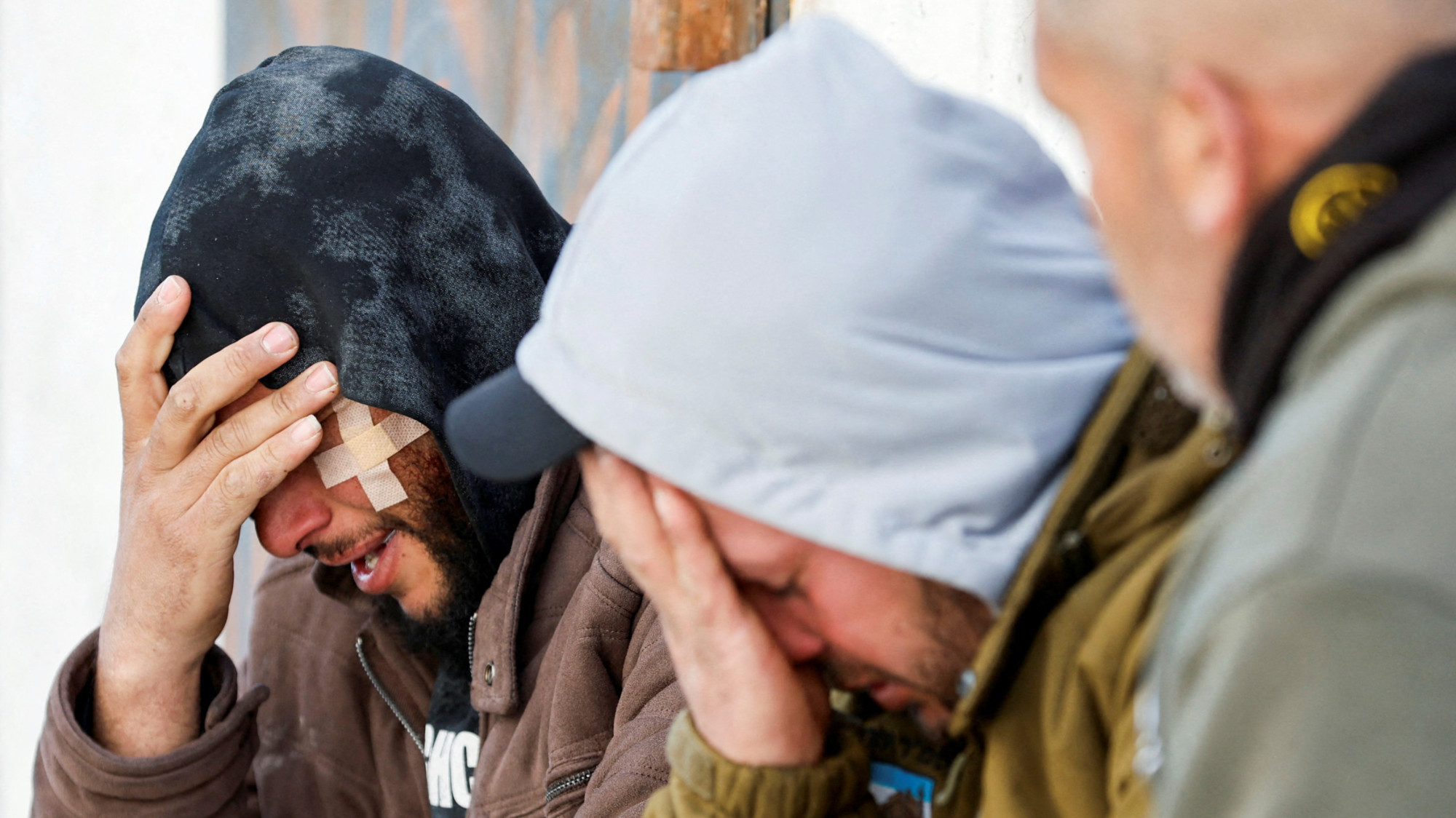
    On Sunday morning, further violence erupted in Abu Falah northeast of Ramallah, where armed settlers assaulted residents and initiated shooting. The Palestinian Health Ministry identified two fatalities as Thaer Farouq Hmayel, 24, and Farea Jawdat Hamayel, 57. During the same assault, Mohammad Hassan Marra succumbed to cardiac arrest after inhaling tear gas deployed by Israeli forces, according to medical sources at a Ramallah hospital.

    The attacks left at least seven additional casualties with varying injuries, including three victims with head gunshot wounds, one pelvic injury, and another shot in the shoulder.

    Palestinian leadership condemned the violence, with Vice President Hussein al-Sheikh denouncing it as a “major escalation of settler terrorism” and urging international intervention through “serious punitive measures” in a statement on social media platform X. Hamas issued a statement mourning the deaths and calling for escalated confrontations against Israeli forces and settlers.

    Human rights organizations report a 25 percent increase in settler attacks since recent military operations began, with Hassan Mleihat of Al-Bidar Human Rights Organization noting that settlers and authorities are exploiting current security circumstances to intensify pressure on Palestinian communities for displacement.

    Despite approximately 700,000 settlers residing in over 200 settlements across occupied territories—considered illegal under international law—no prosecutions have occurred for the estimated 40 Palestinian deaths caused by settlers since October 2023.

  • India crush New Zealand to win third T20 World Cup title

    India crush New Zealand to win third T20 World Cup title

    In a spectacular display of cricketing prowess, India secured a record-breaking third T20 World Cup championship on Sunday, delivering a crushing 96-run defeat to New Zealand in a remarkably one-sided final at Ahmedabad’s Narendra Modi Stadium. The victory marks an unprecedented achievement as India becomes the first nation to successfully defend their T20 World Cup title before an electrified home crowd of over 86,000 spectators.

    The foundation of India’s triumph was built upon Sanju Samson’s magnificent 89 runs from just 46 deliveries, featuring five boundaries and eight spectacular sixes. Samson’s outstanding form continued throughout the tournament’s crucial stages, registering his third consecutive score of 89 or higher when it mattered most. His explosive opening partnership of 98 runs with Abhishek Sharma, who contributed a rapid 52 from 21 balls, established an imposing platform that propelled India to an intimidating total of 255-5.

    New Zealand’s response never gained substantial momentum against India’s disciplined bowling attack. Jasprit Bumrah delivered a masterclass in pace bowling, finishing with exceptional figures of 4-15 through a combination of precision yorkers and deceptive slower deliveries. The bowling effort was complemented by Axar Patel’s critical early breakthroughs, including the dismissal of dangerous opener Finn Allen for just nine runs.

    Despite Tim Seifert’s resilient 52 from 26 balls and captain Mitchell Santner’s late 43-run effort, New Zealand consistently lost wickets at regular intervals, ultimately being dismissed for 159 in the nineteenth over. The defeat represents New Zealand’s second loss in a T20 World Cup final, having previously fallen to Australia in the 2021 championship match.

    The victory holds special significance for the Indian team, exorcising demons from their heartbreaking loss to Australia in the 2023 ODI World Cup final at the same venue. Team members expressed particular satisfaction with their composed performance under pressure throughout the tournament, especially during must-win encounters against England and West Indies in the Super Eight stage.

  • Exploring ancient China: How procuratorial work helps revive porcelain

    Exploring ancient China: How procuratorial work helps revive porcelain

    China’s procuratorial organs are deploying cutting-edge judicial measures to safeguard the nation’s fragile cultural relics, creating an unprecedented fusion of legal protection and technological innovation in heritage conservation.

    When ancient artifacts face endangerment, prosecutors now conduct immediate field investigations to gather crucial evidence, establishing formidable judicial safeguards for cultural preservation. This legal framework enables authorities to systematically combat cultural relic crimes while facilitating the effective restoration of historically significant sites.

    The integration of digital technology has transformed traditional procuratorial work into a sophisticated anti-theft network. Through advanced techniques including 3D scanning and intelligent digital stitching, restoration specialists can now meticulously reconstruct shattered porcelain artifacts that once seemed beyond repair. This technological renaissance allows even the most severely damaged national treasures to regain their historical splendor.

    Beyond technological applications, procuratorial agencies have developed comprehensive legal protocols that ensure continuous protection for cultural heritage. By combining judicial authority with digital capabilities, they’ve established a multilayered defense system against artifact theft, illegal excavation, and improper conservation practices.

    The convergence of digital innovation with traditional craftsmanship represents a groundbreaking approach to cultural preservation. This judicial-technological synergy not only deters potential heritage crimes but also provides conservators with unprecedented tools for artifact rehabilitation, ensuring that China’s cultural legacy maintains its vitality for future generations.

    Through determined legal action and innovative technological applications, China’s procuratorial system has emerged as a crucial guardian of civilizational continuity, demonstrating how judicial institutions can actively contribute to cultural preservation in the digital age.

  • Starmer and Trump speak for first time since president’s Iran criticism

    Starmer and Trump speak for first time since president’s Iran criticism

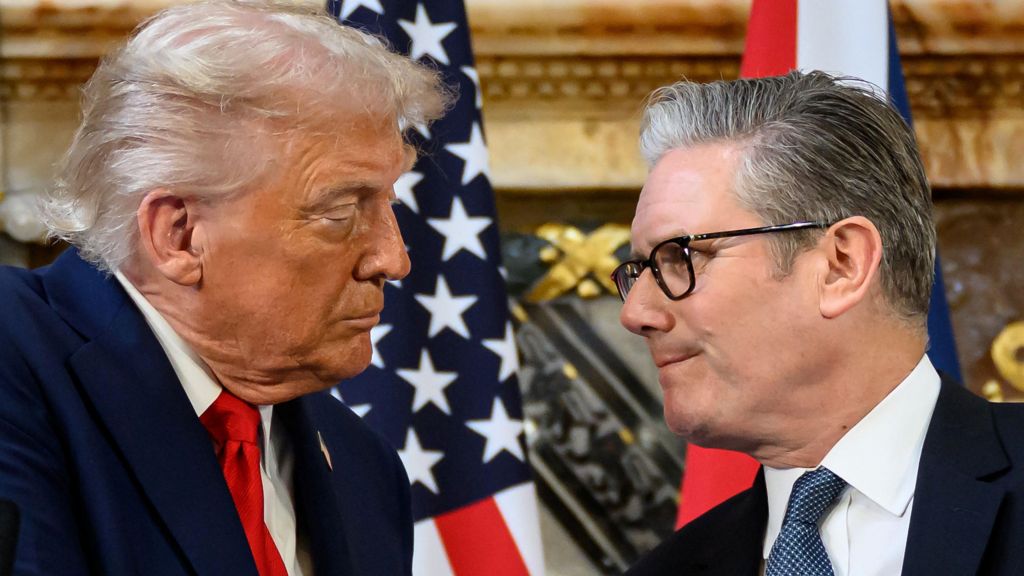
    A carefully worded readout from Downing Street has revealed that British Prime Minister Sir Keir Starmer and U.S. President Donald Trump held their first direct conversation following a public diplomatic rift over military strategy toward Iran. The discussion, described as covering Middle Eastern stability and bilateral defense cooperation, aimed to smooth over tensions sparked by President Trump’s social media criticism of the UK’s cautious military stance.

    The controversy emerged when President Trump publicly dismissed the potential deployment of British aircraft carriers to the Middle East, questioning their utility after initial combat operations and referring to Britain as ‘our once great ally.’ This remark came amid his expressed frustration with Prime Minister Starmer’s refusal to permit U.S. forces to utilize UK bases for offensive strikes against Iranian targets.

    While the UK government has authorized the use of British installations exclusively for defensive operations—such as intercepting missiles targeting allied nations—it has maintained a firm position against participating in offensive campaigns. This distinction has become the central point of transatlantic disagreement, with Trump previously comparing Starmer unfavorably to Winston Churchill and stating his dissatisfaction with UK policy.

    Foreign Secretary Yvette Cooper emerged as the primary defender of the government’s position, emphasizing that Britain must independently determine its national interests rather than automatically aligning with U.S. foreign policy. ‘It is our job as the UK government to decide what’s in the UK national interest,’ she stated during a television appearance, acknowledging that the two nations would not see eye-to-eye on every issue.

    The diplomatic exchange occurred against a backdrop of heightened military preparedness. HMS Prince of Wales has been placed on advanced readiness status, though deployment remains unconfirmed. Meanwhile, HMS Dragon is scheduled to depart for the Mediterranean to enhance security around the RAF base in Akrotiri, Cyprus, where a recent drone strike caused minimal damage.

    The political response has cut across party lines, with Reform UK’s Robert Jenrick criticizing the government’s hesitation as damaging to bilateral relations, while former Labour Prime Minister Tony Blair advocated for stronger alignment with U.S. strategy. Liberal Democrat leader Sir Ed Davey went so far as to recommend canceling King Charles’s scheduled state visit to the U.S., calling it an inappropriate diplomatic honor given current tensions.

    As military assets are repositioned and diplomatic channels remain active, the UK government continues to walk a careful line between supporting allied defense efforts and maintaining its principled distinction between defensive and offensive operations in the region.

  • Thousands of civilians in South Sudan flee opposition-held town after army’s evacuation order

    Thousands of civilians in South Sudan flee opposition-held town after army’s evacuation order

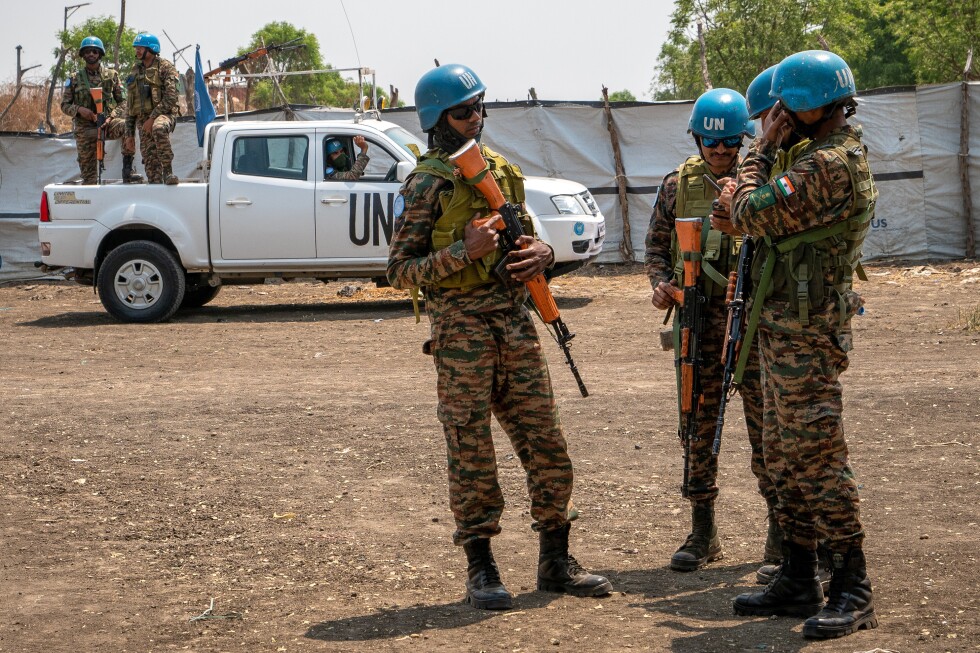
    JUBA, South Sudan — A humanitarian crisis is unfolding in eastern South Sudan as thousands of civilians flee the opposition-controlled town of Akobo following a military evacuation order issued by government forces. The exodus, which began Saturday night, has left the border town near Ethiopia virtually empty according to local officials.

    Nhial Lew, Akobo’s humanitarian affairs official, confirmed Sunday that “the town is now almost empty” with women, children, and elderly residents having crossed into Ethiopia. Despite the government’s Monday afternoon evacuation deadline, fighting has already erupted west of Akobo since Saturday, with machine gun fire audible approaching the town.

    The South Sudan People’s Defense Forces issued formal evacuation notices to the United Nations Mission in South Sudan (UNMISS) on Friday, demanding closure of its Akobo base. Military spokesperson Lul Ruai Koang stated that NGOs and civilians were instructed to evacuate to “avoid unnecessary collateral damage” during planned military operations targeting “Akobo and surrounding areas.”

    Akobo represents one of the final strongholds of the Sudan People’s Liberation Movement-In Opposition (SPLM-IO), led by detained Vice President Riek Machar. The 2018 peace agreement between Machar and President Salva Kiir has effectively collapsed since fighting resumed between their forces last year.

    Tensions have escalated dramatically in northern Jonglei since December, when opposition forces captured government outposts. A subsequent government counteroffensive displaced over 280,000 people within weeks. Akobo, previously considered a relative safe haven under opposition control since the 2013 civil war, had attracted more than 82,000 displaced persons due to the presence of UN peacekeepers.

    UNMISS has not formally responded to the evacuation order. Two UN flights evacuated most humanitarian workers on Sunday, though the International Committee of the Red Cross maintained its surgical unit at Akobo County Hospital, where several wounded patients received treatment.

    Local health authorities expressed grave concerns about impending military action. Akobo County Health Director Dual Diew stated, “We are worried for our patients at the hospital. We tried to make a plan to take them to a safer location, but we don’t have enough fuel.”

    On Saturday, Akobo civilians demonstrated against the army’s ultimatum, marching toward the UN base while calling for peace and protection.

  • Running for beauty and fun

    Running for beauty and fun

    Shanghai witnessed a remarkable fusion of athleticism and femininity as the 2026 Women’s Half Marathon commenced on International Women’s Day, March 8th. The event attracted 8,000 female participants who gathered in Changning district for a unique sporting experience that redefined traditional marathon conventions.

    Breaking from conventional race formats, organizers implemented an innovative approach by integrating comprehensive beauty services throughout the event venue. Runners accessed dedicated cosmetic zones offering professional makeup application and hairstyling services, including intricate braiding techniques. The course featured multiple touch-up stations and specially designed photographic areas with thematic backdrops, allowing participants to capture their athletic achievements while maintaining their personal style.

    This groundbreaking initiative represents a significant shift in sporting event organization, challenging stereotypes by demonstrating that physical endurance and feminine elegance can coexist harmoniously. The marathon’s distinctive format emphasized women’s multifaceted capabilities while celebrating their grace and strength simultaneously.

    The event’s timing on International Women’s Day carried profound symbolic importance, transforming the athletic competition into a powerful statement about female empowerment and self-expression. Participants expressed enthusiasm for the unique combination of physical challenge and beauty services, noting how it created an inclusive environment that honored both their athletic ambitions and personal identity.

    Local authorities and sports organizations have hailed the event as a pioneering model for future women’s sporting events, potentially setting new standards for how athletic competitions can incorporate elements of personal care and aesthetic appreciation while maintaining competitive integrity.

  • A new scroll along the river: The prosecution chapter

    A new scroll along the river: The prosecution chapter

    Drawing inspiration from the classical Chinese painting ‘Along the River During the Qingming Festival,’ a contemporary initiative titled ‘A New Scroll Along the River: The Prosecution Chapter’ demonstrates how China’s procuratorial system is actively safeguarding cultural heritage through legal mechanisms. This modern interpretation showcases prosecutors assuming an expanded role as protectors of both tangible and intangible cultural assets.

    The narrative centers on interventions at the Zhouqiao Bridge archaeological site, where prosecutors responded to preservation emergencies by mobilizing cultural heritage experts for comprehensive assessments. Through formal procuratorial recommendations and public interest litigation proceedings, legal authorities compelled responsible parties to implement effective conservation measures that addressed critical seepage threats to the ancient structure.

    Beyond physical preservation, the initiative documents prosecutorial efforts in defending intangible cultural heritage. These include revitalization programs for Zhuxian Town woodblock New Year prints—a traditional folk art—and legal actions to protect Bian embroidery’s geographical indication status through aggressive anti-infringement campaigns. The interventions represent a sophisticated integration of cultural policy and legal enforcement.

    This prosecutorial engagement establishes a modern framework for cultural stewardship, where legal instruments become tools for maintaining historical continuity. By exercising their duties across both criminal and civil domains, prosecutors are creating a living tapestry of protection that connects China’s rich historical legacy with contemporary preservation methodologies, ensuring cultural transmission to future generations.

  • Unanswered questions as search for Nancy Guthrie enters a new month

    Unanswered questions as search for Nancy Guthrie enters a new month

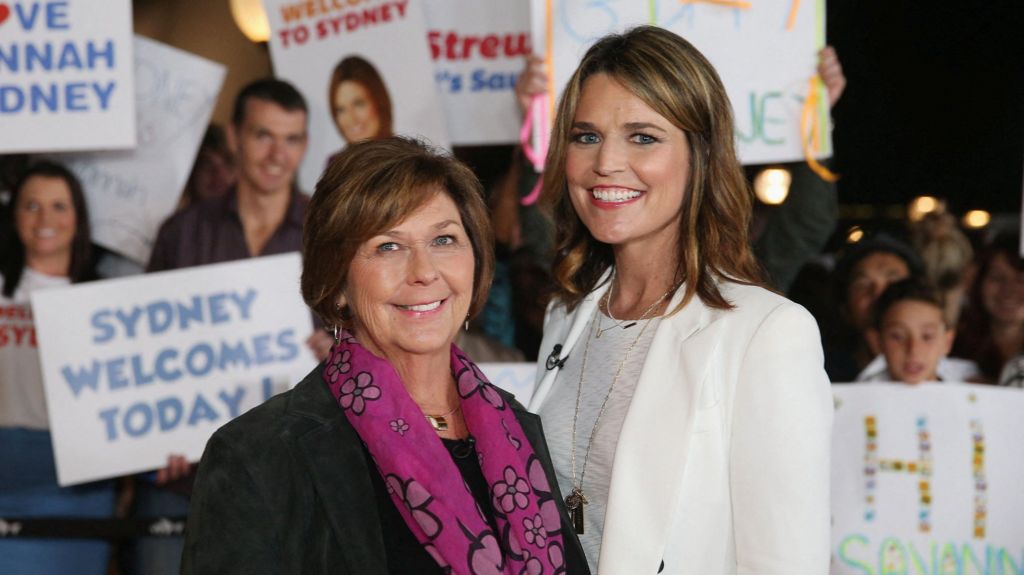
    The mysterious disappearance of 84-year-old Nancy Guthrie, mother of prominent NBC ‘Today’ show host Savannah Guthrie, continues to baffle investigators and captivate a concerned nation more than a month after she vanished from her Tucson, Arizona home under circumstances resembling a true-crime thriller.

    According to official reports, Guthrie was allegedly ‘taken in the dark of night from her bed’ on January 31st, with evidence indicating a violent struggle including blood droplets found on her doorstep. Surveillance footage captured a masked, gloved individual tampering with her front-door camera before the abduction, though the device itself was stolen during the incident.

    The case has generated an unprecedented response from both law enforcement and the public, with over 3,000 tips submitted to authorities and widespread media coverage transforming the quiet suburban community into an investigative hub. The complexity of the case has been compounded by bizarre developments including cryptic ransom notes, Bitcoin payment demands, and interference from false leads.

    Despite initial optimism following the release of surveillance footage showing the suspected abductor, investigative breakthroughs have proven elusive. Several persons of interest—including a deliveryman detained for questioning and a California man arrested for sending fraudulent ransom notes—have been cleared of involvement. Most recently, black gloves discovered approximately two miles from Guthrie’s residence were DNA-matched to a local restaurant employee unrelated to the disappearance.

    Pima County Sheriff Chris Nanos maintains that investigators continue to operate under the assumption that Guthrie remains alive, with a dedicated homicide team working alongside FBI agents pursuing thousands of leads. ‘Investigators are definitely closer to bringing this case to a close,’ Nanos told NBC News, though he emphasized that disclosing specific details could compromise the ongoing investigation.

    The emotional toll on the Guthrie family has become increasingly apparent, with Savannah Guthrie acknowledging the possibility that her mother ‘may be lost, may already be gone.’ Nonetheless, the family has increased their reward offer to $1.1 million combined for information leading to Nancy’s safe return or case resolution.

    Forensic experts note that the passage of time diminishes survival probabilities, particularly given Guthrie’s age and health considerations. Joseph Scott Morgan, a forensic analyst and professor at Jacksonville State University, observed that ‘hope is waning’ rather than interest, though he emphasized that a month-long investigation does not constitute a cold case from a professional standpoint.

    As the investigation continues with laboratory analysis of additional DNA evidence, the case has sparked broader discussions about media attention cycles and public engagement with missing persons cases, particularly those involving elderly victims.

  • Iran prepares to name new leader as Tehran fuel dumps burn

    Iran prepares to name new leader as Tehran fuel dumps burn

    Iran stands at a critical juncture as the Assembly of Experts convenes privately to select a successor to the late Supreme Leader Ayatollah Ali Khamenei, whose assassination in US-Israeli coordinated strikes nine days ago ignited widespread conflict across the Middle East. The leadership transition unfolds against a backdrop of severe wartime devastation, with Tehran’s skies blanketed by toxic smoke from strategic fuel depot bombings that have crippled the capital’s infrastructure.

    Mojtaba Khamenei, the 56-year-old son of the deceased leader, emerges as a probable successor, though official confirmation remains pending. His strong affiliations with Iran’s Revolutionary Guards position him as a conservative continuity candidate during this period of unprecedented crisis.

    International tensions escalated dramatically as US President Donald Trump asserted demands for influence over the succession process, countered emphatically by Iranian Foreign Minister Abbas Araghchi’s declaration on NBC’s ‘Meet the Press’ that Tehran would ‘allow nobody to interfere in our domestic affairs.’ Araghchi further demanded presidential apologies for the widespread ‘killings and destruction’ affecting regional populations.

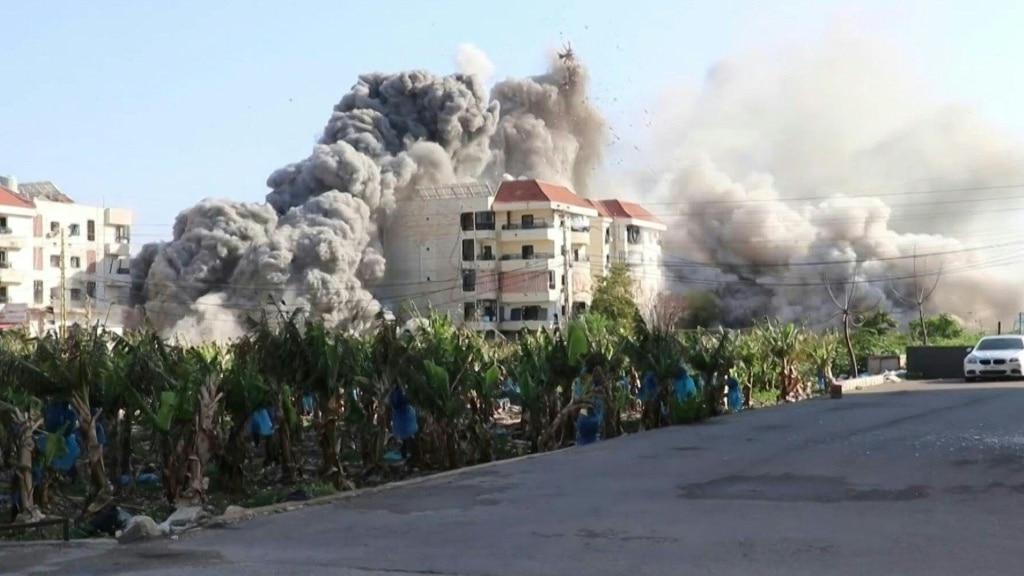
    The humanitarian situation deteriorates rapidly across multiple fronts. Tehran residents report unbreathable air and critical gasoline shortages, while Iran’s health ministry cites approximately 1,200 civilian fatalities and 10,000 injuries—figures awaiting independent verification. Concurrently, Lebanon reports 394 fatalities including 83 children from Israeli airstrikes, with two Israeli soldiers confirmed dead in southern border conflicts.

    Military capabilities remain at the forefront as Revolutionary Guards spokesman Ali Mohammad Naini warned of impending ‘advanced and less-used long-range missiles’ following the deployment of first and second-generation weaponry. Regional targeting expanded with attacks on Saudi diplomatic quarters, Kuwait’s airport fuel reserves, and Bahrain’s water desalination facilities.

    Despite Trump’s assertions of imminent victory and hypothetical reconstruction offers conditional on acceptable leadership, analysts identify no clear resolution pathway for a conflict projected to extend months longer. Global powers maintain cautious distance, with China’s diplomat Wang Yi condemning a return to ‘law of the jungle’ while Pope Leo XIV appealed for ceasefire and renewed dialogue.