博客

  • Sheikh Mohamed, Putin review UAE-Russia ties, discuss key economic agreements in Moscow

    Sheikh Mohamed, Putin review UAE-Russia ties, discuss key economic agreements in Moscow

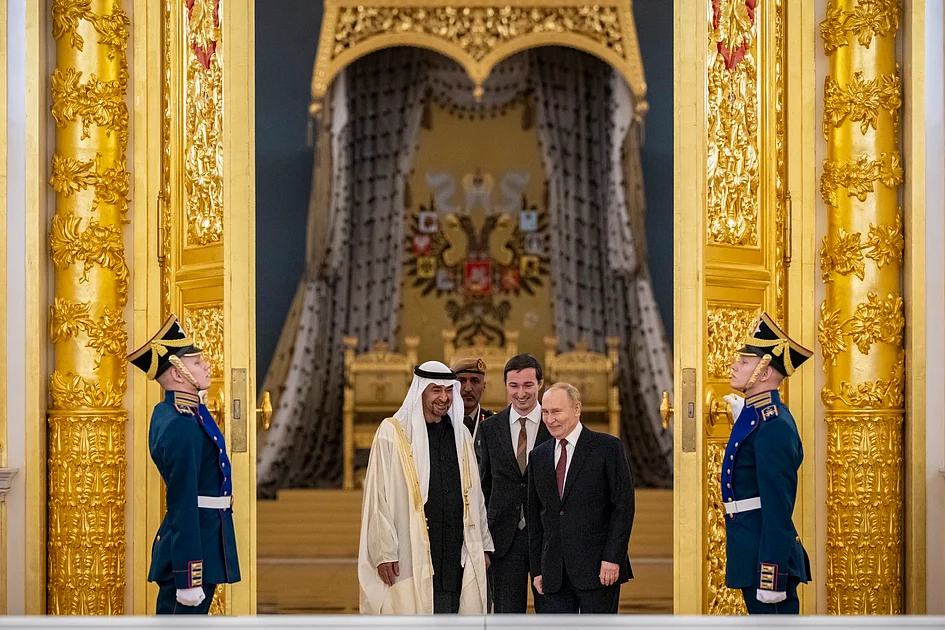
    In a significant diplomatic engagement at the Kremlin on January 29, 2026, UAE President Sheikh Mohamed bin Zayed Al Nahyan and Russian President Vladimir Putin convened to strengthen bilateral relations and explore new cooperative frontiers. The high-level discussions centered on enhancing the strategic partnership between the two nations across multiple sectors including trade, investment, technology, space exploration, and energy security.

    The meeting, marked by formal ceremonies including an honor guard reception and military jet escort departure, underscored the importance both nations place on their relationship. President Sheikh Mohamed expressed optimism that 2026 would mark a year of substantial progress for Russia and continued advancement in UAE-Russia relations, noting the foundation of trust built over five decades of cooperation.

    A key outcome of the summit was the highlighting of two major economic agreements: the UAE-Russia Trade in Services and Investment Agreement (August 2025) and the UAE-Eurasian Economic Union Economic Partnership Agreement (June 2025). These frameworks are expected to significantly boost bilateral trade flows and investment opportunities while supporting sustainable development goals.

    The leaders also addressed critical regional and international issues, particularly emphasizing the urgent need for peace in the Middle East through a two-state solution. President Sheikh Mohamed reaffirmed the UAE’s commitment to global peace and stability through dialogue and diplomatic solutions.

    Notably, President Putin expressed appreciation for the UAE’s mediation efforts in the Russia-Ukraine conflict, specifically acknowledging successful prisoner exchanges facilitated by Emirati diplomacy. The Russian leader thanked the UAE for hosting trilateral talks involving Russia, Ukraine, and the United States, highlighting the Emirates’ growing role as an international peace broker.

    The delegation included senior UAE officials including Sheikh Hamed bin Zayed Al Nahyan, Managing Director of the Abu Dhabi Investment Authority, and Sheikh Hamdan bin Mohamed bin Zayed Al Nahyan, Deputy Chairman of the Presidential Court for Special Affairs, signaling the comprehensive nature of the bilateral engagement.
  • UN criticizes Haiti for lack of progress on a political transition

    UN criticizes Haiti for lack of progress on a political transition

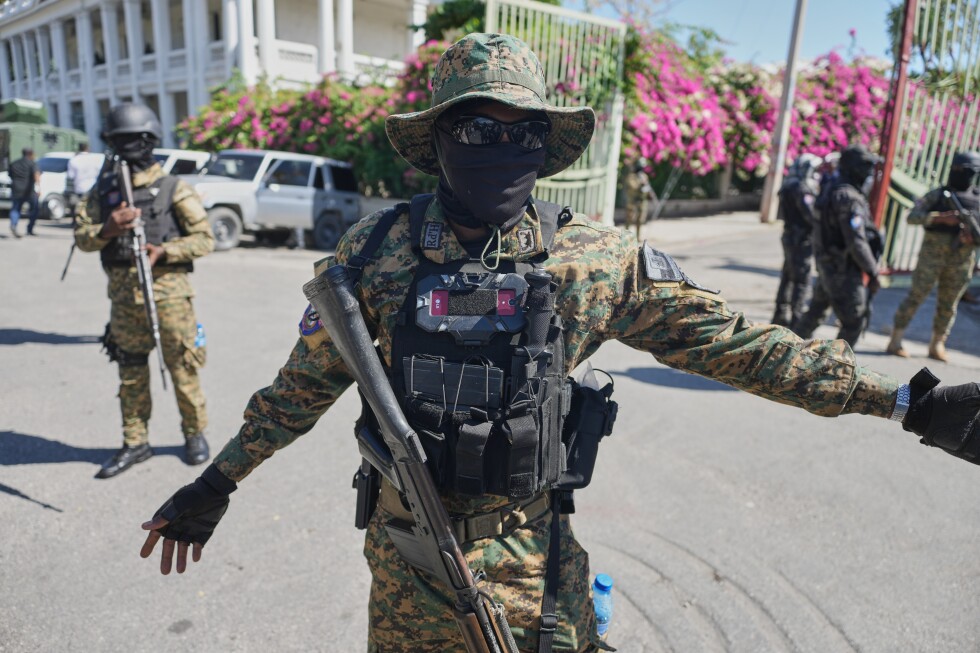
    The United Nations Security Council has unanimously approved a resolution extending its political mission in Haiti through January 2027 while issuing strong criticism of the country’s leadership for failing to advance political transition processes. The council’s decision comes as Haiti experiences unprecedented levels of gang violence that now dominates 90% of the capital city Port-au-Prince and continues spreading into rural areas.

    In the strongly-worded resolution co-sponsored by the United States and Panama, Security Council members condemned in the strongest terms the dramatic surge in criminal activities, citing extensive human rights violations including systematic sexual violence against all demographics, human trafficking, migrant smuggling, child abductions, and targeted killings by armed groups. The violence has escalated significantly since the 2021 assassination of President Jovenel Moïse, which created a power vacuum that criminal organizations have exploited.

    The extended UN mission, known as BINUH, will now refocus its mandate toward facilitating national dialogue and supporting electoral processes for municipal, parliamentary, and presidential elections. Additionally, the mission will collaborate with the newly authorized international security force to develop comprehensive programs for disarming and reintegrating former gang members, with particular attention to children recruited by armed groups.

    Haiti’s current transitional governance structure, established in April 2024 with Caribbean leadership support after gangs forced closure of the main international airport and critical infrastructure, has struggled to maintain stability. The council has overseen three different prime ministers despite its original mandate to dissolve by February 2025. Recent warnings from the United States against governmental changes highlight international concerns about the unelected body’s ability to transition toward democratic elections for the first time in ten years.

    The resolution emphasizes urgent security sector reform requirements and calls for enhanced coordination between the political mission and the planned 5,500-member international security force authorized in September, which remains without a definitive deployment timeline despite being hailed as offering ‘hope’ for the crisis-stricken nation.

  • No white flag from Djokovic against Sinner as Alcaraz faces Zverev threat

    No white flag from Djokovic against Sinner as Alcaraz faces Zverev threat

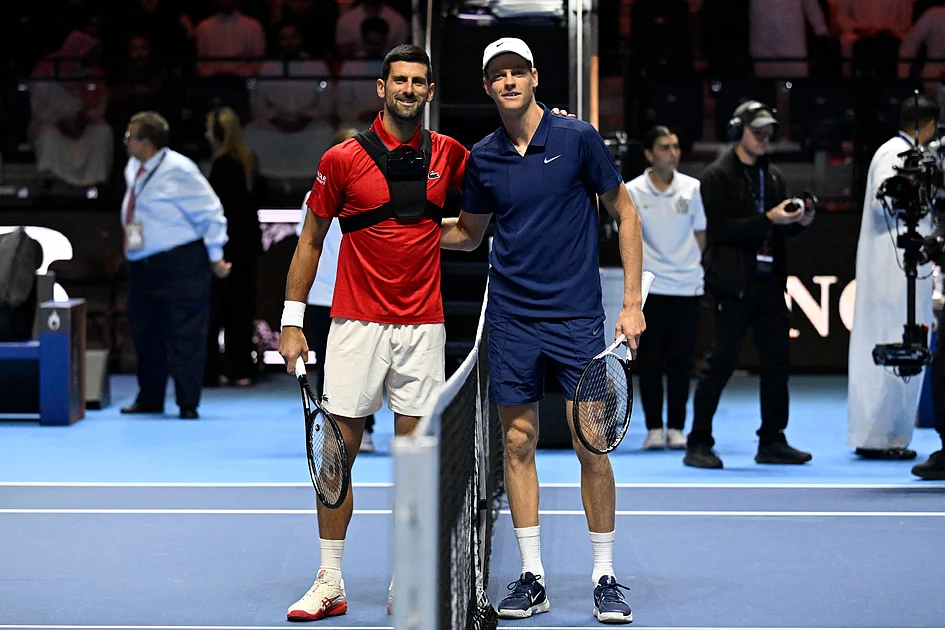
    Novak Djokovic approaches his Australian Open semifinal confrontation with Jannik Sinner carrying the psychological burden of five consecutive defeats to the Italian phenom. The 38-year-old Serbian legend, pursuing an unprecedented 25th Grand Slam title, acknowledges Sinner’s current dominance but remains defiantly opposed to surrender.

    Djokovic’s path to this critical juncture has been unusually facilitated by opponent withdrawals. Lorenzo Musetti retired during their quarterfinal clash while leading, following Jakub Mensik’s pre-match withdrawal in the fourth round. This fortuitous progression sets the stage for Friday’s blockbuster confrontation on Rod Laver Arena, where Djokovic must overcome his recent struggles against the double defending champion.

    The winner will advance to face either Spanish top seed Carlos Alcaraz or German third seed Alexander Zverev in the championship match. Djokovic, competing in his record-extending 55th Grand Slam semifinal, recognizes the superior form of his younger rivals but maintains his competitive fire. “Are they better right now than me and all the other guys? Yes, they are,” Djokovic conceded. “But does that mean that I walk out with a white flag? No.”

    Meanwhile, the second semifinal presents equally compelling narratives. Alcaraz seeks to become the youngest man to complete a career Grand Slam at just 22 years old, while Zverev continues his pursuit of an elusive first major title. The German arrives pain-free after injury-plagued seasons and has developed a more aggressive playing style. Alcaraz, acknowledging Zverev’s elevated form observed during pre-tournament practice sessions, anticipates a physically demanding contest, warning his opponent would need to “sweat a lot” for victory.

    Sinner, despite his favored status, expressed profound respect for Djokovic’s professionalism and legacy. The 24-year-old Italian described the Serbian as an inspirational figure from whom younger players continuously learn, particularly regarding court management and experience utilization.

  • Svitolina keeps sadness at bay after Sabalenka semifinal defeat

    Svitolina keeps sadness at bay after Sabalenka semifinal defeat

    In a poignant display of perspective and resilience, Ukrainian tennis star Elina Svitolina processed her Australian Open semifinal defeat to Aryna Sabalenka with thoughts firmly fixed on her war-torn homeland. The match, which concluded 6-2, 6-3 in favor of the top-seeded Belarusian, marked Svitolina’s first semifinal appearance at Melbourne Park, yet her post-match reflections transcended the court’s boundaries.

    The geopolitical context loomed large over the contest, occurring against the backdrop of ongoing conflict in Ukraine. Since Russia’s 2022 invasion, which utilized Belarusian territory as a staging ground, players from both nations have been prohibited from representing their countries at Grand Slam events and tour competitions.

    Addressing media without directly referencing her opponent, the 31-year-old Svitolina expressed profound disappointment at missing her opportunity to reach a maiden Grand Slam final. However, she immediately contextualized her athletic setback within broader human suffering. ‘I feel like I should not be allowed to really be sad. I have a great position,’ Svitolina told reporters, emphasizing her privilege to compete on center court while representing Ukraine with dignity.

    Svitolina described the emotional exchange with Ukrainian supporters as ‘a big exchange of positive emotions,’ noting how her matches provide temporary respite for citizens enduring ‘horrible and terrifying’ circumstances. She consciously rejected self-pity, stating, ‘I cannot complain… people are really living a horrible and terrifying life in Ukraine, so I should not be allowed to really be sad because I’m a very, very lucky person.’

    Technically, Svitolina acknowledged Sabalenka’s superior power that resulted in four service breaks against her, while she managed just one break point conversion from four opportunities. Despite the straight-sets defeat, the Ukrainian believed she demonstrated competitive quality against the world’s top-ranked player throughout the tournament.

    Svitolina emphasized sport’s unifying role in national morale, describing how athletic achievements cut through the ‘dark days, grey days with so much negativity’ that characterize daily life in Ukraine. She expressed pride in providing moments of joy and unity for her compatriots, recognizing sports’ capacity to generate ‘great emotions’ during times of profound adversity.

  • Trump threatens tariffs for countries that sell oil to Cuba

    Trump threatens tariffs for countries that sell oil to Cuba

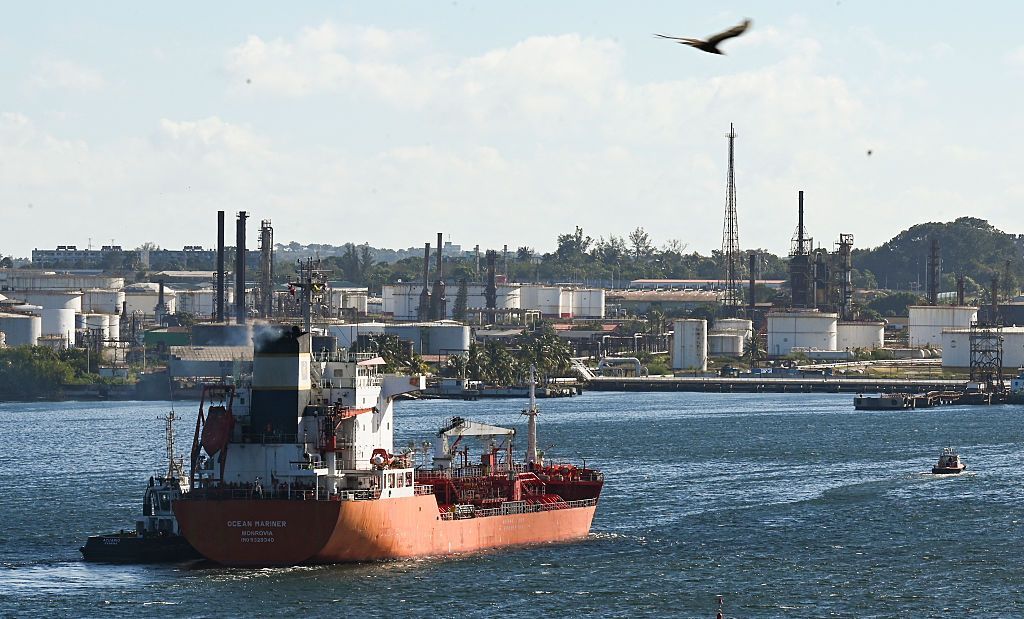
    The Trump administration has intensified its economic pressure campaign against Cuba by threatening to impose tariffs on countries that supply oil to the Caribbean nation. This latest move was formalized through an executive order, though specific tariff rates and targeted nations remain unspecified.

    The development follows President Trump’s assertion on Tuesday that Cuba’s communist government “will be falling pretty soon,” citing Venezuela’s recent cessation of oil shipments to the island nation. Previously, Venezuela had been supplying approximately 35,000 barrels of oil daily to Cuba, representing a crucial energy lifeline for the Cuban economy.

    This escalation in US policy toward Cuba gained momentum after American forces participated in the January 3rd raid in Caracas that resulted in the capture of Venezuelan leader Nicolás Maduro, a longstanding Cuban ally. The administration’s approach marks a significant hardening of stance against both communist governments in the region.

    Cuban Foreign Minister Bruno Rodríguez has vehemently opposed the US position, asserting Cuba’s “absolute right to import fuel” from any willing exporter without submission to “unilateral coercive measures of the United States.” This diplomatic confrontation highlights the deepening rift between the two nations and potentially signals a return to more adversarial relations.

    The proposed tariffs represent another front in the Trump administration’s broader strategy of applying maximum economic pressure on governments it considers adversarial, continuing a pattern of utilizing trade measures as foreign policy instruments.

  • Music legend Fela Kuti becomes first African to get Grammys Lifetime Achievement Award

    Music legend Fela Kuti becomes first African to get Grammys Lifetime Achievement Award

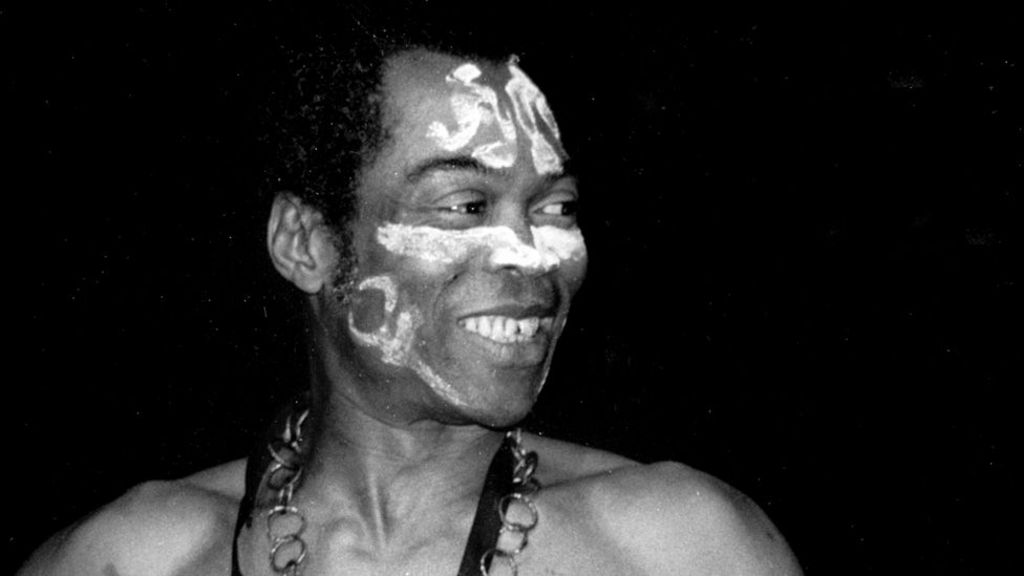
    In a landmark recognition of African musical excellence, the Recording Academy will posthumously honor Nigerian icon Fela Kuti with the Grammy Lifetime Achievement Award—marking the first time an African artist receives this prestigious accolade. The announcement comes nearly three decades after the Afrobeat creator’s death in 1997, signaling a transformative moment in the global music industry’s engagement with African artistry.

    Fela Kuti’s musical legacy, characterized by its fusion of West African rhythms, jazz, and politically charged lyricism, has experienced a global resurgence through the contemporary Afrobeats movement. His son, musician Seun Kuti, described the recognition as “a double victory” that brings “balance to the Fela story.” Longtime manager Rikki Stein echoed this sentiment, noting that while “Africa hasn’t in the past rated very highly in their interests,” the Grammys’ evolving perspective reflects meaningful progress.

    The honor arrives alongside the Grammys’ introduction of the Best African Music Performance category in 2024, acknowledging the genre’s explosive global popularity. Nigerian superstar Burna Boy, whose work carries clear influences of Fela’s pioneering sound, also receives a nomination in the Best Global Music Album category this year.

    Beyond his musical innovations, Fela Kuti emerges as a figure of profound cultural and political significance. His performances at Lagos’ legendary Afrika Shrine blended musical spectacle with political rally and spiritual ceremony, creating immersive experiences where “nobody applauded” because “the audience wasn’t separate—they were part of it,” according to Stein.

    Fela’s activism came at tremendous personal cost. His 1977 album “Zombie,” which satirized Nigeria’s military regime, triggered a violent raid on his Kalakuta Republic compound that resulted in his mother’s death from sustained injuries. Rather than retreat, Fela transformed his grief into protest, delivering her coffin to government offices and releasing the incendiary “Coffin for Head of State.”

    His musical evolution was shaped by West African cultural exchange, particularly Ghana’s highlife tradition. Artists like E.T. Mensah and Ebo Taylor provided the melodic foundation that Fela would fuse with jazz, funk, and Yoruba rhythms to create Afrobeat’s distinctive sound.

    Today, Fela’s influence resonates through artists from Burna Boy to Kendrick Lamar and Idris Elba, who recently curated a vinyl box set of Fela’s work. Elba has compared his unique artistry to icons like Sade and Frank Sinatra while emphasizing its irreducible originality.

    The award ceremony will see Fela’s family, friends, and collaborators accepting the honor on his behalf—not merely as a personal tribute but as recognition of what Seun Kuti describes as a broader human tapestry: “The global human tapestry needs this, not just because it’s my father.”

  • Visit the North Sea oil field used to store greenhouse gas

    Visit the North Sea oil field used to store greenhouse gas

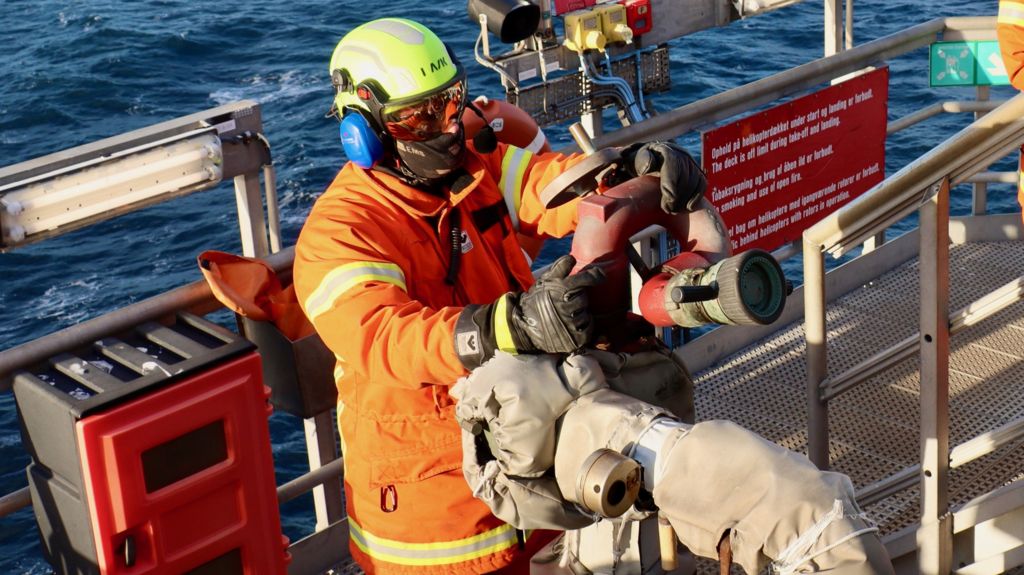
    A revolutionary transformation is underway in the North Sea, where aging oil infrastructure is being repurposed for climate solutions. The Greensand Future project, spearheaded by British multinational Ineos Energy, is converting the nearly-depleted Nini oil field into Europe’s first large-scale offshore carbon storage facility.

    Located 250 kilometers off Denmark’s western coast, the Siri platform serves as the operational hub for this ambitious initiative. Instead of extracting fossil fuels, engineers will now inject thousands of tonnes of captured CO2 into the same geological formations that once held oil and gas. “Instead of pulling oil and gas up from the ground, we’re going to inject CO2 into the ground instead,” explains Ineos Energy CEO Mads Gade.

    The project represents a significant scaling of Carbon Capture and Storage (CCS) technology, with plans to store approximately 400,000 tonnes of CO2 this year alone. By 2030, the consortium aims to increase capacity to eight million tonnes annually – equivalent to nearly 40% of Denmark’s emission reduction targets.

    This initiative arrives as international climate bodies including the Intergovernmental Panel on Climate Change (IPCC) and International Energy Agency (IEA) have recognized carbon capture as an essential tool for achieving climate goals. The European Union has similarly endorsed CCS as necessary for reaching net-zero emissions by 2050.

    The North Sea’s geological characteristics make it ideally suited for carbon storage. According to Niels Schovsbo, senior researcher at the Geological Survey of Greenland and Denmark, the region’s porous rock formations and thick clay layers provide natural containment, similar to how they trapped oil and gas for millions of years.

    However, the technology faces criticism from environmental groups. Helene Hagel, head of climate policy at Greenpeace Denmark, cautions that CCS might discourage essential emission reductions and could create problems for future generations by occupying seabed storage capacity.

    Despite concerns, CCS projects are advancing rapidly across Northern Europe. Norway’s Northern Lights project began operations last August as the world’s first commercial carbon storage service, while the UK is developing multiple capture clusters including Scotland’s Acorn Project.

    The transition also offers new opportunities for offshore workers. Maintenance manager Peter Bjerre notes that skills previously used for maintaining turbines and gas compressors will now be applied to high-pressure pumps for CO2 injection, representing a significant workforce transformation in the green transition.

  • ‘Markets are nervous’: How geopolitical tensions feed food inflation risks

    ‘Markets are nervous’: How geopolitical tensions feed food inflation risks

    DUBAI – Rising geopolitical conflicts and shipping route disruptions are creating significant upward pressure on global food prices, according to expert analysis presented at Thursday’s Intercontinental Commodity Exchange summit in Dubai. Industry leaders warned that market nervousness is exacerbating inflationary trends despite adequate global grain supplies.

    Thierry Beaupied, Vice President of Romania-based Trans-Oil Group, emphasized that psychological market factors are now driving price increases. “Markets are extremely nervous,” Beaupied stated. “Even with sufficient global grain and corn inventories, regional bombings and transport disruptions trigger buying frenzies as purchasers anticipate potential shortages.”

    The Black Sea conflict emerged as a primary concern, with climate shocks and damaged Ukrainian energy infrastructure creating additional volatility in grain and vegetable oil markets. Beaupied noted that approximately 60% of global sunflower oil originates from the Black Sea region, maintaining “tight and bullish” market conditions for vegetable oils in the medium term.

    For the United Arab Emirates, the challenge centers on price stability rather than physical shortages. The Middle Eastern nation remains generally well-supplied, with vegetable oils primarily sourced from South America. However, intense competition from major buyers including India and Iran continues to support elevated pricing structures.

    Logistical complexities are compounding the situation, with many vessels now discharging cargo in India before proceeding to Arabian Gulf ports to optimize freight expenses. This rerouting adds layers of complexity to supply chain management.

    Red Sea security concerns are forcing exporters to reconsider traditional trade routes. While Egypt’s grain imports remain relatively unaffected due to their reliance on Black Sea and American sources, exports of processed wheat products to neighboring regions have noticeably slowed.

    Mahmoud Kalila, Managing Director of Elementra Commodities in Egypt, revealed that security concerns have prompted investments in alternative logistics infrastructure, including enhanced road networks and proprietary shipping fleets.

    The summit also highlighted financial technology’s expanding role in managing cross-border trade risk. Nabeel Ahmed, Managing Director of HexTrust, emphasized the UAE’s critical position as a regional financial hub where efficient payment systems are becoming increasingly vital.

    “When wealth moves, money has to move with it,” Ahmed explained. “Regulated digital solutions enable businesses to transfer value within seconds instead of weeks, providing crucial flexibility during periods of market volatility.”

    Experts concluded that food security will remain intrinsically linked to geopolitical stability, with UAE consumers increasingly exposed to global market forces that extend far beyond local supermarket shelves.

  • Why the US dollar hit a four-year low and could fall further

    Why the US dollar hit a four-year low and could fall further

    The US dollar has plunged to its weakest position in four years against a basket of major currencies, marking a dramatic reversal from earlier expectations of market stability. This significant depreciation has seen the dollar drop approximately 3% within a single week, reaching multi-year lows against both the Euro and British pound.

    The currency’s decline represents a continuation of last year’s 10% slump – its poorest performance since 2017 – which began following former President Trump’s controversial ‘Liberation Day’ tariff announcements. Recent tensions between the US and Europe over Greenland have further exacerbated the dollar’s weakness, while speculation about potential coordinated intervention with Japan to support the yen has added to market uncertainty.

    Financial analysts attribute the sustained pressure on the dollar to growing market concerns about the unpredictable nature of current US administration policies. Robin Brooks, senior fellow at the Brookings Institution and former Goldman Sachs FX strategist, noted that ‘markets are reacting to the haphazard nature of policy in this administration – the escalation, de-escalation,’ drawing parallels between the backlash over tariffs and recent Greenland tensions.

    The dollar’s weakness has broader implications beyond currency markets. American travelers abroad face reduced purchasing power, while sustained depreciation could potentially fuel domestic inflation through higher import costs. More significantly, the decline raises fundamental questions about the dollar’s long-standing status as the world’s premier reserve currency, a position that has historically helped maintain relatively low borrowing costs for the United States.

    Despite the currency’s struggles, other US assets have shown resilience. Equity markets continue trading near record highs, and movements in government debt markets have remained relatively contained. However, the dollar’s decline has contributed to a surge in gold prices, which have doubled over the past year as investors seek safe-haven alternatives.

    Looking forward, analysts at ING anticipate additional dollar weakness of 4-5% this year as growth prospects outside the US improve. The currency’s ultimate trajectory will depend significantly on Federal Reserve interest rate decisions and US economic performance, with potential rate cuts likely to exert further downward pressure on the dollar as investors pursue higher returns elsewhere.

  • Indonesian authorities attempt to soothe worries after $80 billion market rout

    Indonesian authorities attempt to soothe worries after $80 billion market rout

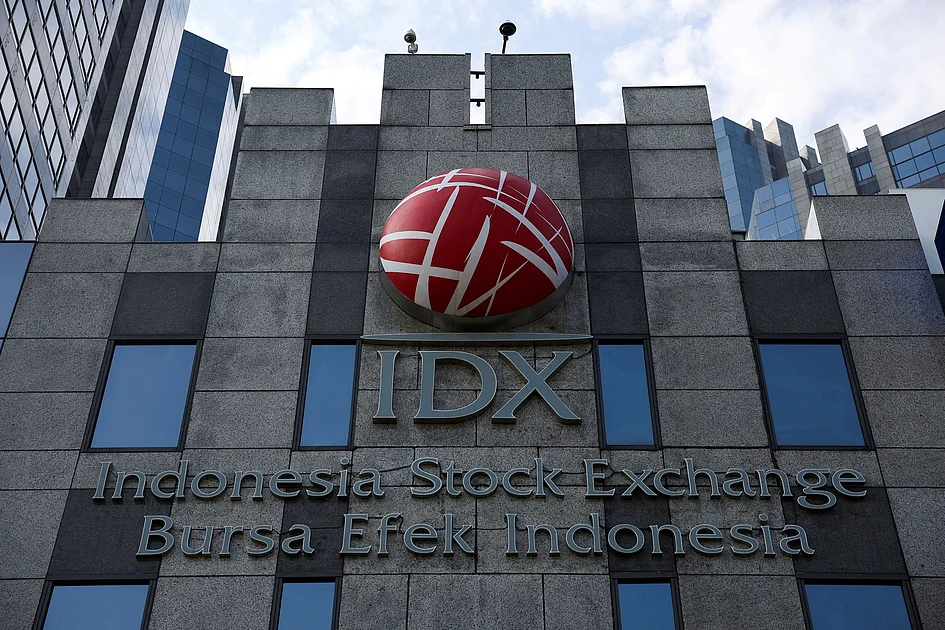
    Indonesian financial regulators initiated emergency stabilization measures on Thursday following a massive two-day market selloff that erased approximately $80 billion in market valuation. The dramatic downturn was triggered by index provider MSCI raising serious concerns about ownership transparency and trading practices within the Indonesian equity market.

    The Jakarta Composite Index experienced extreme volatility, plummeting 7.4% on Wednesday followed by an additional 8% decline on Thursday that activated circuit-breaker trading halts. The benchmark ultimately closed with a moderated 1% loss following intervention announcements from authorities.

    Central to the crisis are investor apprehensions regarding President Prabowo Subianto’s economic policies, particularly the expansion of fiscal deficits and increased governmental involvement in financial markets. These concerns were exacerbated by recent controversial appointments, including the president’s nephew to the central bank and the dismissal of respected Finance Minister Sri Mulyani Indrawati last year.

    In response to MSCI’s potential downgrade warning, Indonesian authorities unveiled a comprehensive package of corrective measures. The Financial Services Authority (OJK) announced the doubling of free-float requirements for listed companies from 7.5% to 15%, alongside commitments to enhance ownership transparency through detailed disclosure of shareholdings above and below 5% thresholds.

    Mahendra Siregar, Head of OJK, indicated during a press conference that communications with MSCI have been constructive, with expectations for resolution by March. Meanwhile, the Indonesian rupiah continued its decline, trading at 16,745 against the US dollar, approaching recent record lows.

    International financial institutions responded decisively. Goldman Sachs and UBS both downgraded their recommendations for Indonesian equities, with Goldman warning of potential outflows reaching $7.8 billion in a worst-case downgrade scenario. Market analysts characterized the selloff as predominantly driven by structural concerns rather than fundamental economic weaknesses.

    Despite the aggressive measures, analysts anticipate continued market fragility in the near term, emphasizing that investor confidence will require demonstrable improvements in transparency and consistent policy implementation rather than merely announcements of intent.