博客

  • Watch: Batman tells city council to not assist ICE at Super Bowl

    Watch: Batman tells city council to not assist ICE at Super Bowl

    In an unusual display of civic engagement, a Santa Clara City Council meeting witnessed testimony from an unexpected advocate—a citizen clad in full Batman regalia. The unidentified individual utilized the public comment period to deliver a pointed condemnation of the city’s collaborative stance with U.S. Immigration and Customs Enforcement (ICE), particularly highlighting concerns surrounding upcoming Super Bowl events.

    The costumed speaker articulated strong opposition to any potential coordination between municipal authorities and federal immigration enforcement agencies. While specific policy details weren’t elaborated, the theatrical presentation underscored growing community tensions regarding immigration enforcement protocols during major public gatherings.

    This incident reflects broader national debates surrounding municipal cooperation with federal immigration authorities, demonstrating how these discussions permeate local government proceedings. The timing is particularly significant given the elevated security and federal presence typically associated with Super Bowl festivities, raising questions about the intersection of public safety and immigration enforcement.

    The visual spectacle of a comic book character delivering serious policy criticism highlights unconventional methods citizens employ to gain attention for their causes. The event demonstrates how symbolic activism continues to evolve in municipal governance forums, blending theatrical elements with substantive political discourse about the role of local government in federal immigration enforcement operations.

  • Nation gears up for Spring Festival rush

    Nation gears up for Spring Festival rush

    China is mobilizing its entire transportation network for what officials project will be the largest Spring Festival travel migration in history, with an anticipated 9.5 billion cross-regional trips during the 40-day chunyun period from January 30 to March 13. This massive annual movement, which reunites families across the nation, represents both a logistical triumph and an unprecedented challenge for infrastructure systems.

    According to Li Chunlin, Deputy Head of the National Development and Reform Commission, this year’s travel surge involves coordinated efforts across more than 20 government departments working to ensure smooth and safe transportation for millions. The travel landscape continues to evolve, with self-driving journeys maintaining dominance at approximately 80% of all trips. Railway and aviation sectors are preparing for record volumes of 540 million and 95 million passengers respectively, with both overall travel numbers and single-day peaks expected to surpass previous records.

    Railway authorities are implementing significant capacity expansions, with China State Railway Group’s Zhu Wenzhong announcing that 22 new lines spanning over 3,100 kilometers and more than 50 stations will participate in their first Spring Festival rush. Nearly 1,000 additional high-speed trains will operate overnight along major corridors to alleviate congestion, while peak days will see over 14,000 passenger trains in service—a 5.3% year-on-year increase in seating capacity.

    The travel period coincides with a nine-day national holiday from February 15-23, creating distinct travel patterns. While outbound journeys are expected to be relatively dispersed due to staggered university winter breaks, return trips are anticipated to be heavily concentrated as educational institutions reopen and factories resume operations.

    Tourism continues to shape travel flows, with northern ice-and-snow destinations and southern beach resorts attracting significant numbers alongside growing international travel. Civil Aviation Administration’s Xu Qing noted evolving patterns including ‘reverse travel’ where parents visit adult children, and hybrid trips combining family visits with leisure travel.

    Airlines are responding with over 19,000 daily flights focused on tourist hotspots and major hubs, while enhancing transfer options for travelers from smaller cities. Special services including dedicated check-in areas, in-flight amenities, and flexible baggage options will accommodate passengers traveling with children or elderly relatives.

    Road transportation will see toll-free passage for small passenger vehicles throughout the holiday period, while key ferry routes including the Qiongzhou Strait in Hainan will receive additional support. The surge in electric vehicles—now numbering nearly 44 million nationwide—has prompted infrastructure enhancements with over 71,000 charging connectors available in highway service areas, supplemented by mobile chargers and real-time updates to prevent congestion.

  • US Senate fails to advance funding package as partial govt shutdown looms, according to unofficial tally

    US Senate fails to advance funding package as partial govt shutdown looms, according to unofficial tally

    WASHINGTON — The United States Senate reached an impasse Thursday, failing to advance a critical government funding package and significantly escalating the threat of a partial federal shutdown. The legislative stalemate stems from deep-rooted disagreements over immigration enforcement policy, creating a political gridlock that lawmakers have thus far been unable to break.

    The procedural vote, which required 60 votes to move forward, fell short of the necessary threshold. The failure leaves a substantial portion of the federal government on the brink of a funding lapse, with key agencies set to begin shutting down operations if a resolution is not reached before the impending deadline.

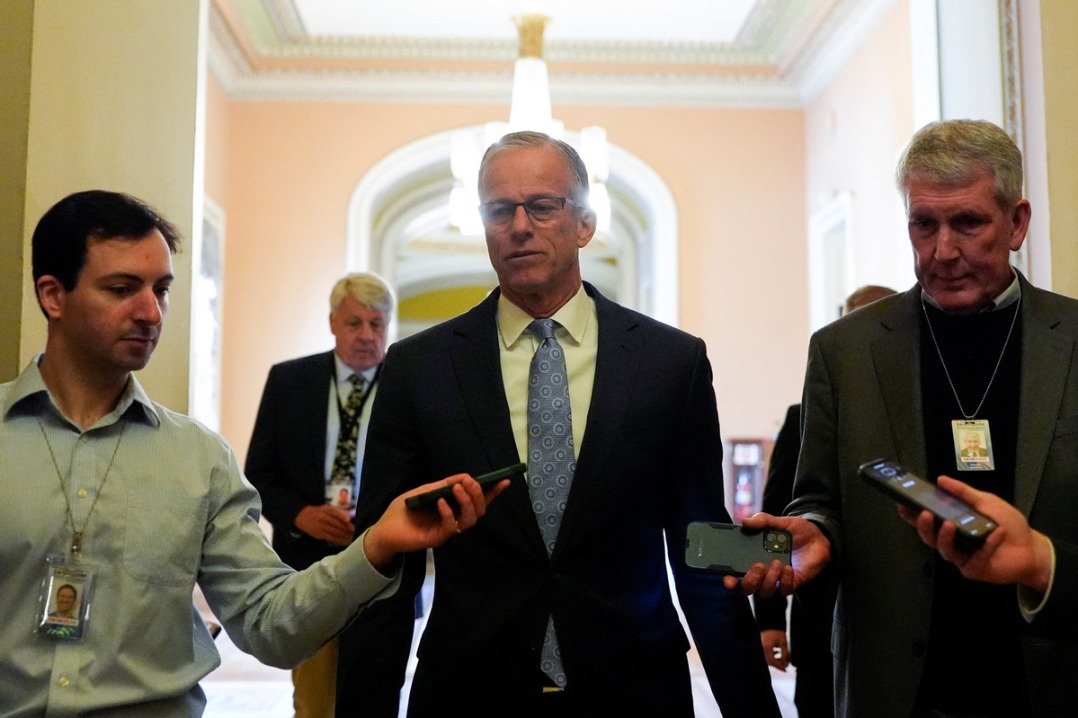
    Senate Majority Leader John Thune (R-SD) addressed reporters on Capitol Hill earlier in the day, acknowledging the challenges in resolving the dispute. Lawmakers from both parties have been engaged in intense negotiations, yet fundamental differences regarding border security measures and immigration protocols have prevented a consensus. The deadlock reflects the broader, highly polarized national debate on immigration, which continues to dominate the legislative agenda and complicate budgetary processes.

    The impending shutdown would affect numerous non-essential government services and federal employees, potentially leading to furloughs and disruptions in public services. This latest standoff echoes previous government funding crises, underscoring the persistent challenges in achieving bipartisan cooperation on fiscally critical matters intertwined with contentious policy issues.

  • Polar bears bulk up despite melting Norwegian Arctic: study

    Polar bears bulk up despite melting Norwegian Arctic: study

    In a remarkable ecological paradox, polar bears inhabiting Norway’s Svalbard archipelago have demonstrated unexpected resilience to climate change by actually increasing their body mass despite significant habitat degradation. Published in Scientific Reports, the comprehensive study reveals these Arctic predators have adapted their feeding strategies to survive in rapidly changing conditions.

    The Barents Sea region has experienced among the most dramatic temperature increases globally, with some areas warming by up to 2°C per decade since 1979. This accelerated warming has caused sea ice habitats to vanish at twice the rate observed in other polar bear territories, losing approximately four days of ice coverage annually. Yet contrary to scientific predictions, the local bear population has not only maintained but enhanced its physical condition.

    Researchers from the Norwegian Polar Institute conducted detailed analysis of 770 adult bears over a 24-year period (1995-2019), measuring body condition indices to track fat reserves. The findings revealed a surprising trend: after initial declines until 2000, bear fitness metrics showed consistent improvement despite accelerating ice loss.

    The secret to their success lies in dietary adaptation. With reduced access to their traditional seal hunting grounds, Svalbard’s polar bears have increasingly turned to land-based prey including reindeer and walrus calves. These alternative food sources have become more abundant due to successful conservation efforts and reduced human exploitation. Additionally, warmer temperatures have concentrated ringed seals into smaller ice areas, making hunting more efficient where ice remains.

    Lead researcher Jon Aars acknowledged the counterintuitive nature of these findings: ‘The increase in body condition during significant sea ice loss was unexpected. Had I been asked to predict outcomes in 2003, I would have anticipated skinnier bears.’

    The study highlights critical regional variations in climate impact responses, cautioning against extrapolating findings from other Arctic areas where polar bears have indeed suffered nutritional stress. While currently thriving, scientists warn this adaptation may represent a temporary reprieve rather than long-term salvation, as continued habitat degradation will eventually overcome even these remarkable adaptive capabilities.

  • AI helps doctors spot breast cancer in scans: world-first trial

    AI helps doctors spot breast cancer in scans: world-first trial

    A groundbreaking randomized controlled trial published in The Lancet has demonstrated that artificial intelligence significantly enhances breast cancer detection rates in routine mammography screenings. The Swedish study, conducted throughout 2021-2022 with over 100,000 participants, represents the first gold-standard research validating AI’s role in cancer screening programs.

    The investigation compared two diagnostic approaches: one utilizing AI-supported single radiologist analysis and another employing the conventional European standard of dual-radiologist assessment. Results revealed a striking 9% increase in cancer detection within the AI-assisted group. Furthermore, this cohort exhibited a 12% reduction in interval cancer diagnoses—those occurring between regular screenings—over the subsequent two-year monitoring period.

    Senior author Kristina Lang of Lund University emphasized that implementing AI-supported mammography could substantially alleviate radiologist workload pressures while simultaneously improving early-stage cancer identification. The consistency of improvement across varying patient ages and breast density levels—known risk factors for cancer—underscores the technology’s broad applicability. Both groups maintained comparable false-positive rates, indicating AI integration doesn’t compromise diagnostic specificity.

    Despite these promising results, researchers caution against hasty implementation. French radiology federation head Jean-Philippe Masson noted that AI systems remain prone to overdiagnosis and require radiologist oversight to correct erroneous tissue interpretations. The Transpara AI model, trained on 200,000 historical examinations across 10 nations, nearly halved radiologist scan-reading time in interim 2023 findings.

    With breast cancer affecting 2.3 million women globally and causing 670,000 deaths in 2022 according to WHO data, this technological advancement offers potential relief to overburdened healthcare systems. However, experts stress the necessity for continuous monitoring and further long-term validation before widespread clinical adoption.

  • Trump orders re-opening of Venezuela airspace, 4 weeks post Maduro’s capture

    Trump orders re-opening of Venezuela airspace, 4 weeks post Maduro’s capture

    In a significant diplomatic development, U.S. President Donald Trump has directed the immediate reopening of Venezuelan airspace to commercial aviation, marking a pivotal step in normalizing relations following last month’s military intervention. The announcement came during a cabinet meeting on Thursday, January 29, 2026, where Trump revealed he had personally communicated with interim Venezuelan President Delcy Rodriguez regarding the policy shift.

    The presidential directive specifically tasked Transportation Secretary Sean Duffy and military authorities with implementing the airspace reopening by the end of the business day. This decision effectively reverses the aviation restrictions imposed during the military operation that resulted in the capture of former leader Nicolas Maduro approximately four weeks ago.

    In response to the policy change, American Airlines has announced preparations to reinstate daily flight services to Venezuela, pending final authorization from U.S. regulatory bodies and comprehensive security evaluations. The airline’s statement emphasized that resumption of service would be contingent upon meeting all safety protocols and government approval requirements.

    The airspace reopening represents the latest development in the ongoing political transition in Venezuela, where the United States has recognized the interim government following the removal of Maduro’s administration. Aviation industry analysts note that restoring commercial air travel is crucial for reestablishing economic and diplomatic connections between the two nations.

  • Arsenal seek fun factor as Frank searches for home comforts

    Arsenal seek fun factor as Frank searches for home comforts

    The English Premier League enters a pivotal weekend with mounting pressure at both ends of the table, presenting critical tests for several clubs grappling with form and consistency.

    League leaders Arsenal face a challenging away fixture against Leeds United following an unexpected stumble in their title campaign. Despite maintaining a four-point advantage, Mikel Arteta’s squad has secured merely two points from their last three outings, including their inaugural home defeat against Manchester United. The Spanish manager has emphasized the necessity for his team to rediscover their joy and courage on the pitch while addressing their overreliance on set-piece goals. Statistical analysts Opta still project an 81% probability of Arsenal securing their first league title since 2004, though their standing could narrow to a solitary point should results favor pursuing teams this weekend.

    Meanwhile, Tottenham Hotspur manifests perplexing inconsistency as they prepare to host Manchester City. Their domestic performance contrasts starkly with European success, having qualified for the Champions League knockout stages while languishing in 14th Premier League position with only two victories in fourteen matches. Manager Thomas Frank confronts growing discontent from supporters despite continental achievements, with the team’s home form ranking among the league’s weakest.

    Crystal Palace’s situation grows increasingly precarious as they approach their encounter with Nottingham Forest. The South London club has failed to secure victory in eleven consecutive matches across all competitions amidst managerial uncertainty and significant player departures. Manager Oliver Glasner’s announced departure and public frustrations with club leadership have compounded on-field struggles, though recent discussions with chairman Steve Parish have reaffirmed his commitment through season’s end.

    This weekend’s fixtures include numerous compelling matchups: Brighton host Everton, Chelsea face West Ham, and Liverpool meet Newcastle in Saturday’s standout evening fixture. Sunday features Manchester United against Fulham before the spotlight falls on Tottenham’s confrontation with Manchester City, while Monday’s concluding match sees Sunderland versus Burnley.

  • Appleby sets the standard as history and class collide at Dubai Racing Carnival

    Appleby sets the standard as history and class collide at Dubai Racing Carnival

    The Dubai Racing Carnival at Meydan Racecourse prepares for an electrifying eight-race program this Friday, with Godolphin trainer Charlie Appleby emerging as the dominant force. Appleby’s stable demonstrates exceptional form heading into the event, saddling the favorite in six of the eight contests while boasting a remarkable 25% strike rate this season with nine victories from 36 runners.

    The evening’s centerpiece, the Group 3 Dubai Millennium Stakes sponsored by DP World, carries profound historical significance as it honors Godolphin’s legendary 2000 Dubai World Cup champion. Appleby has astonishingly captured this prestigious event nine times, including the last seven consecutive renewals. This year, he fields a powerful duo featuring By The Book, recent winner of the Dubai Racing Club Classic, and Arabian Light, fresh from victory in the Zabeel Turf.

    International challengers seek to disrupt Appleby’s dominance, with Irish trainer Gerard Keane presenting Crystal Black for his UAE debut and British handler David Simcock testing new acquisition Chibitty. The competitive Listed Dubai Sprint showcases Dark Saffron’s return to turf following disappointing dirt performances, while Appleby’s Symbol Of Honour makes his seasonal debut in what trainers describe as a preparatory event.

    The Mawj Stakes embodies the Carnival’s international spirit with participants from Spain, Sweden, Denmark, Czechia, France and the UK competing alongside local contenders. Appleby’s Dance To The Music drops in class after Group 1 competition in Britain, emerging as the clear favorite among the fillies’ contest.

    The program commences with the Jumeirah Guineas Trial, where emerging three-year-olds including Simon and Ed Crisford’s Title Role test their Classic potential. The evening promises a compelling blend of established champions and rising talent across multiple racing disciplines.

  • ADCB posts record profit as growth accelerates across lending, deposits and digital transformation

    ADCB posts record profit as growth accelerates across lending, deposits and digital transformation

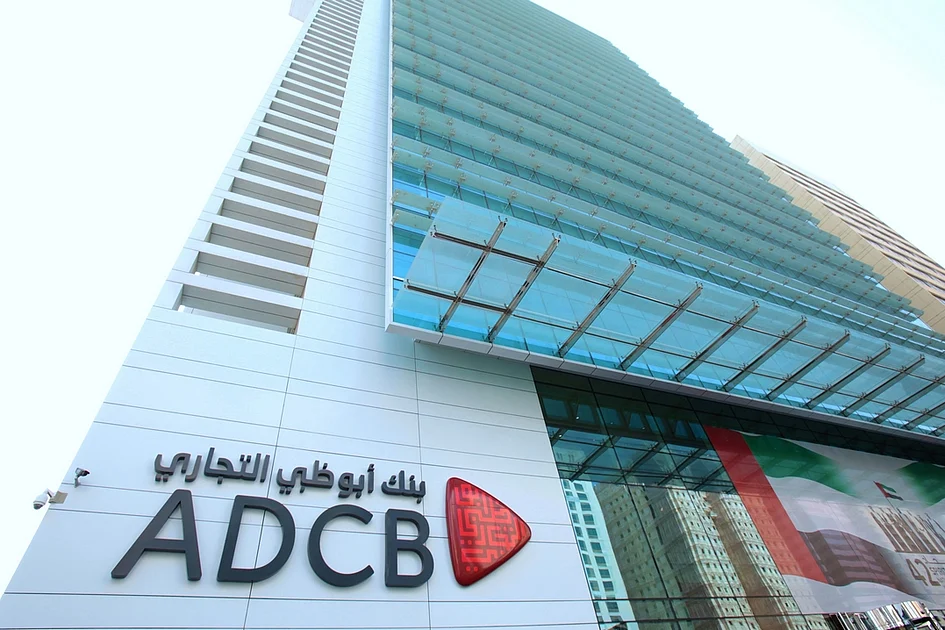
    Abu Dhabi Commercial Bank (ADCB) has concluded its 40th anniversary year with an unprecedented financial triumph, posting record-breaking profits fueled by expansive growth across its core banking operations and a successful digital transformation initiative. The UAE’s third-largest financial institution reported a 22% annual surge in net profit after tax, reaching Dh11.445 billion for fiscal year 2025, while pre-tax profits climbed 21% to Dh12.843 billion.

    The bank’s exceptional performance was anchored by substantial balance sheet expansion, with total assets growing 19% to Dh774 billion. This growth was propelled by robust double-digit increases in both lending and deposit portfolios. Net loans advanced 16% to Dh406 billion, reflecting sustained credit demand across retail and corporate segments, while customer deposits swelled 19% to Dh500 billion.

    Chairman Khaldoon Khalifa Al Mubarak emphasized the institution’s alignment with national economic objectives, stating: ‘ADCB’s 2025 results underscore the Bank’s pivotal role in supporting the UAE’s economic growth and reflect our continued commitment to disciplined, sustainable expansion.’

    Operational efficiency reached new heights as the bank achieved a record-low cost-to-income ratio of 28.2%, down from 31% in 2024. This improvement was largely attributed to technology-driven optimization and artificial intelligence implementation. Total operating income rose 14% to Dh22.183 billion, featuring an 11% increase in net interest income and a 20% surge in non-interest income.

    Asset quality demonstrated remarkable improvement, with non-performing loans declining to 1.83% from 3.04% the previous year. Provision coverage strengthened significantly to 146.4%, indicating conservative risk management practices. The bank further bolstered its capital position through a Dh6.1 billion rights issue—the largest ever on the Abu Dhabi Securities Exchange—elevating its common equity tier 1 ratio to 13.79%.

    Group Chief Executive Ala’a Eraiqat credited the bank’s strategic execution: ‘With a technology-driven model and a clear five-year roadmap, the Bank is well positioned to sustain strong performance and create long-term value for our shareholders, customers and communities.’ The board has recommended a cash dividend of Dh0.63 per share, representing a total payout of Dh4.985 billion.

  • How US sanctions and external threats destroyed Iran’s economy

    How US sanctions and external threats destroyed Iran’s economy

    In a stark declaration of foreign policy, US Treasury Secretary Scott Bessent outlined the Trump administration’s uncompromising stance towards Iran in a March 2025 address to the New York Economic Club. The stated objective, encapsulated in the phrase ‘Making Iran Broke Again,’ represents a significant escalation beyond the strategies of both previous and successive administrations, including Democrat Joe Biden’s.

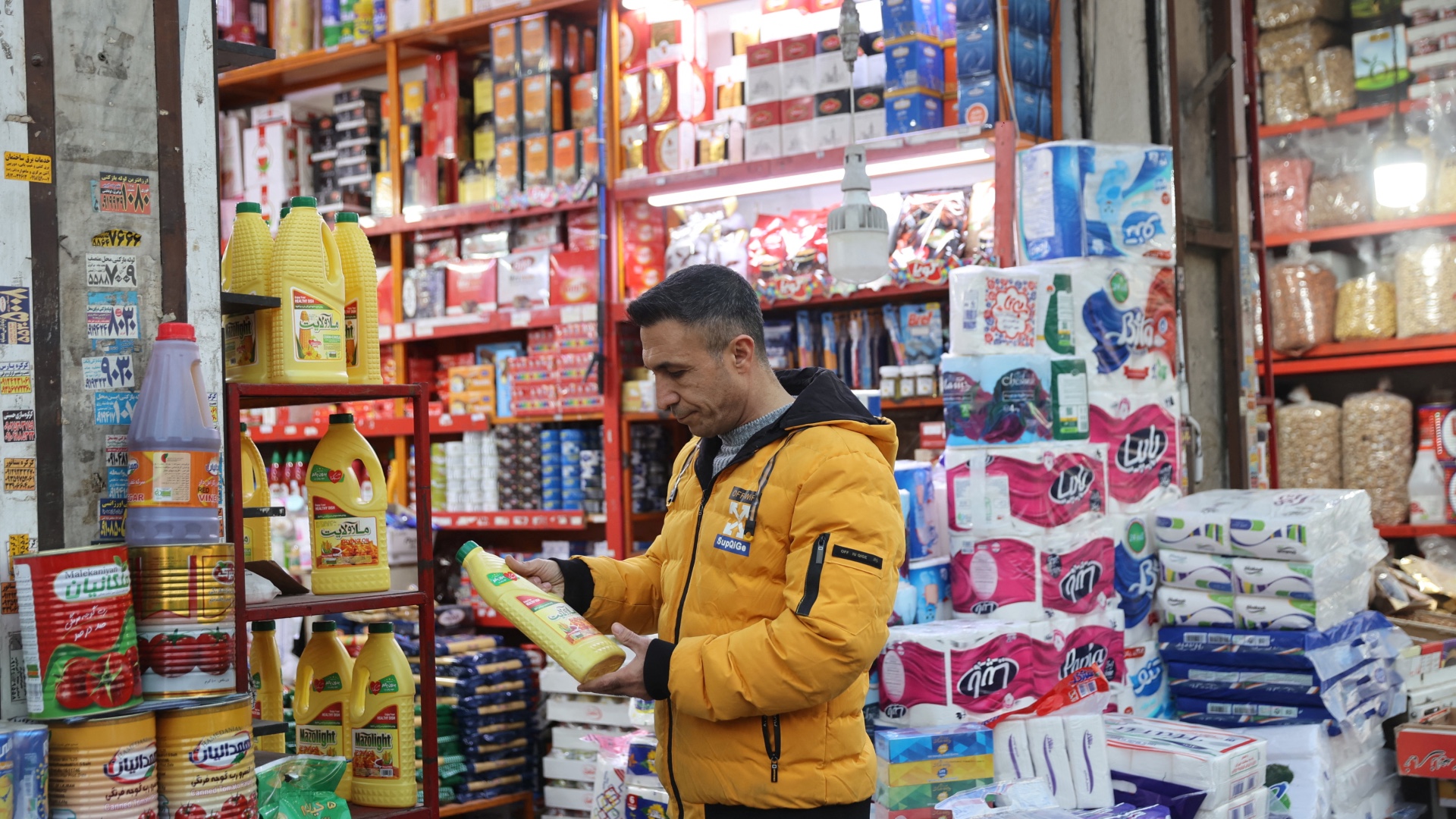
    This aggressive sanctions regime, described by former US State Department sanctions official Richard Nephew as a tool to extract ‘nuclear concessions, regional proxy concessions, and missile concessions,’ has fundamentally reshaped Iran’s economic landscape. Data reveals a devastating impact: Iran’s GDP per capita plummeted from $8,000 to $5,000 between 2012 and 2024, with the economy contracting by approximately 6-7% annually following the 2018 reimposition of sanctions after the US withdrawal from the JCPOA nuclear deal.

    The human cost is profound. Sina Azodi, an assistant professor at George Washington University, detailed the consequences: ‘Unemployment has gone up. Inflation has gone up. The price of medical treatment, especially for cancer, has gone up.’ The recent collapse of a local bank and the Iranian rial hitting a historic low of 1.5 million to the US dollar have further fueled mass protests and economic instability.

    Despite this economic devastation, analysts question the efficacy of sanctions in achieving geopolitical objectives. Experts point out that Iran’s nuclear program, which officials claim is for civilian purposes but is also framed as a deterrent against Israeli attacks, has continued to advance. The policy has instead strengthened the regime’s ‘resistance economy’—a model of socialist-style basic needs provision, import substitution, and barter trade with allied nations.

    Critically, analysts argue that sanctions have had the opposite of their intended effect. Azodi states, ‘Economic sanctions make authoritarian regimes more authoritarian,’ explaining that regimes under pressure allocate more resources to security forces, viewing citizens as threats rather than assets. Furthermore, with the 2025 designation list targeting sanctions evasion networks surpassing all previous years, the cycle of economic isolation deepens. The Central Bank prints money to finance a budget crippled by a more than 60% drop in oil exports, leading to hyperinflation and a vicious cycle of currency devaluation.

    The long-term outcome remains uncertain. While the Trump administration’s goal is to force behavioral change, the decades-long application of sanctions has failed to alter Iran’s nuclear policy, regional activities, or human rights record. Instead, it has inflicted immense hardship on the Iranian populace, with experts like Nephew acknowledging that sanctions are fundamentally ‘a question of applying pain,’ though their ultimate success in achieving strategic goals is far from guaranteed.