博客

  • Bessent says new US sanctions aim to block all potential sources of revenue for Iran

    Bessent says new US sanctions aim to block all potential sources of revenue for Iran

    The United States has launched a new round of harsh economic penalties against Iran, with Treasury Secretary Scott Bessent announcing Monday that the measures are designed to cut off every potential revenue stream for Tehran, warning any nation maintaining economic ties with the Iranian government will face U.S. retaliation.

    In remarks to a Washington press conference, Bessent emphasized that operating in ambiguous gray economic zones related to the ongoing Middle East conflict is no longer tolerated by the U.S. “Let there be no ambiguity as to the position of the United States,” he stated. “An economic engagement of any kind with this murderous regime will expose those responsible to the full reach of American power.”

    While Bessent declined to name specific countries that could face secondary U.S. sanctions, the move targets China, Turkey, and the United Arab Emirates—Tehran’s three largest remaining trade partners. Just one week before the announcement, the UAE, long a key hub for Iranian imports, already suspended all bilateral trade with Iran in a pre-emptive step to comply with the incoming U.S. measures.

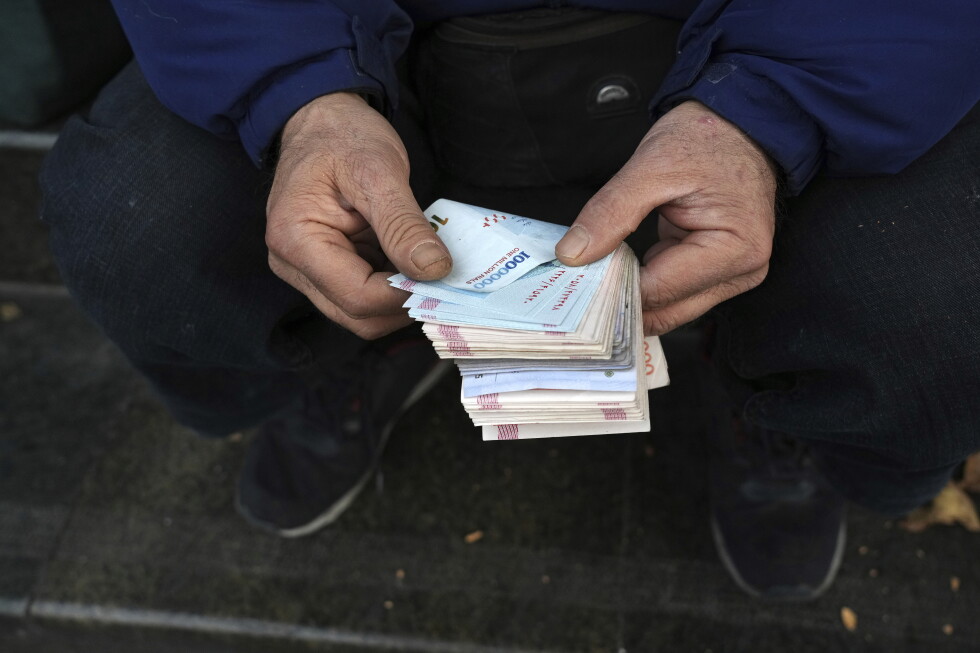
    The announcement comes as Iran’s national currency, the rial, has plummeted to an all-time historic low. When currency markets opened Monday, the free-market exchange rate hit 2.02 million rial to one U.S. dollar, far outstripping the Iranian central bank’s official pegged rate of roughly 1.5 million rial to the dollar, which has little bearing on most ordinary Iranians’ daily transactions.

    Economic pressures on Iran have been mounting for months: even before the U.S. and Israeli military strike on Iran on February 28, the country was grappling with double-digit inflation and negative GDP growth. Nearly six months of open conflict have worsened the crisis, pushing the rial to repeated record lows and making basic food staples unaffordable for many Iranian households. Since the outbreak of war, domestic rice prices have surged roughly 60%, while beef prices have jumped more than 150%. The International Monetary Fund now projects Iran’s gross domestic product will contract by more than 5% this year.

    To date, however, crippling economic pressure has failed to translate into meaningful domestic political pressure on the Iranian regime, which has retained a critical strategic leverage over global energy markets by shutting down most traffic through the Strait of Hormuz— the strategic waterway that carried one-fifth of the world’s traded oil before the conflict began. Iran’s repeated attacks and threats against commercial shipping in the strait have brought transit to a near-standstill, inflicting widespread damage on the global economy and increasing political pressure on U.S. President Donald Trump ahead of upcoming congressional elections.

    The conflict has since devolved into a standoff over control of the key waterway. Tehran has refused to fully reopen the strait to international traffic unless it is allowed to charge transit fees to commercial vessels. Regional diplomatic efforts are ongoing: Tehran and Muscat are reportedly in the final stages of negotiating a joint management plan for the strait, and Oman’s foreign minister is scheduled to travel to Tehran Tuesday to advance the talks.

    The Trump administration says the expanded sanctions are an effort to break the current impasse. Ahead of Bessent’s announcement, Trump took to social media to declare, “IRAN IS COMPLETELY COLLAPSING!!!” In a Sunday opinion piece published in the *Financial Times*, Bessent argued that Trump’s existing policies have already gutted Iran’s economy to an unprecedented degree. “President Trump decimated Iran’s economy to a point where the rial has never been weaker and inflation has rarely been higher,” Bessent wrote. “The regime’s final refuge now lies in the self-deception of fearful nations that still believe accommodating aggression can secure a durable peace.”

    Iran has already warned that it will respond harshly to the new U.S. measures. “Any escalation of this situation will undoubtedly bring about consequences,” Iranian Foreign Ministry spokesperson Esmail Baghaei told reporters in Tehran Monday. “Our hands are not tied,” he added.

    Amid rising escalation, regional diplomatic efforts to de-escalate tensions continue. Pakistan, which brokered a 60-day ceasefire between Washington and Tehran in June, has sent a high-level delegation headed by army chief Field Marshal Asim Munir to Tehran Monday, with the goal of encouraging both sides to return to negotiating the table. Two senior Pakistani officials confirmed the trip on condition of anonymity, as they were not authorized to speak publicly about the sensitive diplomatic mission.

    A person familiar with private discussions confirmed to reporters that Trump spoke with Munir ahead of the army chief’s trip to Iran, a conversation first reported by Reuters citing Pakistani sources. Pakistan’s military has only publicly confirmed Munir’s visit, saying its goal is to reduce regional tensions. Munir was accompanied by Pakistani Interior Minister Mohsin Naqvi and other senior security and diplomatic officials, and met with Iranian Interior Minister Eskandar Momeni shortly after arriving in Tehran. He is expected to stay overnight in the Iranian capital for additional meetings with Iranian President and other top government officials before returning to Pakistan. This marks Munir’s second trip to Tehran this year; his May visit helped lay the groundwork for the June ceasefire memorandum signed by the U.S. and Iran.

    For many ordinary Iranians, however, there is little optimism for a near-term resolution to the crisis. In downtown Tehran, 73-year-old Sadegh Mahmoudi told reporters he joined a queue of a dozen Iranians to exchange his remaining rial savings for U.S. dollars to protect his savings from further devaluation. “There is no hope for a deal and peace,” he said.

  • AFL 2026: Carlton defender Billy Wilson wins Rising Star nomination

    AFL 2026: Carlton defender Billy Wilson wins Rising Star nomination

    AFL side Carlton’s remarkable late-season resurgence has unearthed another exciting young talent, with 22-year-old defender Billy Wilson named the club’s fourth Rising Star nominee of the current campaign. Wilson’s nomination comes off the back of a standout performance against ladder-topping Fremantle in Round 24, capping a stunning breakout season that few could have predicted when head coaching changes rocked the club earlier this year.

    Before new coach Josh Fraser took over the senior role from Michael Voss, Wilson had only featured in a single senior game for the Blues. But under Fraser’s leadership, which has been credited with erasing the culture of fear of failure that had lingered under the previous regime, Wilson has evolved into one of Carlton’s most reliable and impactful players across the halfback line. He is now part of a wave of promising young talent including Jagga Smith, Harry Dean and Talor Byrne that is driving the club’s return to finals contention.

    What many fans do not know is that four-fifths of this exciting young cohort already live and breathe Carlton football together on a daily basis. Wilson shares a home just a short walk from Carlton’s training ground with teammates Harry Dean, Talor Byrne and Flynn Young, and the group has developed a quirky pre-game ritual that they credit for their consistent on-field form: a shared pesto rigatoni pasta with chicken ahead of every match.

    “We’ve stuck with the same routine all season, and we’ve won a lot of games eating this pasta – it’s just pesto rigatoni with some chicken,” Wilson explained in an interview after his Rising Star nomination was announced. “I jump in to help here and there, but Flynn Young is definitely the head chef of the house – he loves cooking for all of us.”

    Off the field, the young group keeps a surprisingly low profile compared to many young professional athletes. Wilson says aside from Dean and Byrne occasionally zooming around the house to burn off excess energy late in the day, the household is quiet and focused on preparation. “We’re a pretty cruisy, measured group,” Wilson said. “Most nights before a game, we just end up sitting down to watch some old footy together. We don’t get up to much crazy stuff, that’s for sure. We’re all just really excited to be here, and we can’t wait for what comes next.”

    Carlton will now face Melbourne in a wildcard final this week, a knockout match that marks the club’s return to finals football after years of rebuilding. Wilson acknowledges that this weekend’s contest carries more weight than a standard regular-season game, but says the entire squad is ready to lean on the roaring support of Carlton fans to push for an upset win.

    “At the end of the day, our job is still just to go out and play the footy we’ve been playing,” Wilson said. “All we need is for our supporters to get behind us, and that’s what’s really driving us right now. We’re ready for the challenge.”

  • Insurance shows Hormuz is a balance sheet, not just a battlefield

    Insurance shows Hormuz is a balance sheet, not just a battlefield

    When discussing the ongoing crisis in the Strait of Hormuz, raw missile counts and military deployments tell only a small fraction of the story. The most revealing metric of the current instability can be found not in defense briefings, but in global shipping insurance ledgers.

    Before the latest escalation of tensions, war-risk premiums for tankers transiting the strategic waterway averaged just 0.15% of a vessel’s total value – a negligible expense that rarely registered on shipping company balance sheets. At the peak of conflict this year, however, that same premium skyrocketed to between 5% and 10% of a tanker’s value, with some reports noting brief spikes thousands of times higher than pre-crisis levels.

    To put that surge in perspective: for a $100 million supertanker, the cost of war-risk insurance jumped from $150,000 per one-way voyage to between $5 million and $10 million per trip. This pricing shock has gutted commercial traffic through the strait, which carries roughly a fifth of global oil supplies. Where daily transits once averaged around 178 vessels, traffic fell by as much as 95% at the most tense points of the crisis.

    This quiet disruption reveals a core reality of Iran’s asymmetric strategy: Tehran does not need to formally close the Strait of Hormuz to achieve its geopolitical goals. It only needs to inject enough uncertainty into the market to push global underwriters to pull coverage or raise costs to prohibitive levels, turning the private insurance industry into an unintended ally of Iranian policy.

    ### A Problem Military Power Cannot Fix
    For decades, U.S. strategy in the Persian Gulf has rested on a single core assumption: overwhelming naval force would deter aggression and keep commercial shipping lanes open. This framework worked for generations, but it has failed to address Iran’s unorthodox approach.

    Instead of building a conventional fleet to match U.S. naval power, Iran has invested in asymmetric capabilities: naval mines, fast attack craft, drones, and anti-ship missiles. These weapons are not designed to win a full-scale war against the U.S. Instead, their purpose is to generate enough persistent risk to force London-based Lloyd’s of London underwriters to reprice the cost of transiting the strait, until shipping companies choose to avoid the route entirely.

    This reality explains why traditional U.S. responses – naval escort missions and the Trump administration’s $40 billion reinsurance backstop through the International Development Finance Corporation – have only treated the symptoms of the crisis, not its root cause. While escorts can get individual vessels through the strait, they do little to convince global underwriters that the region has returned to sustainable safety. As a Crisis Group analyst bluntly notes, there is no military solution to this standoff: the strait will only fully reopen through negotiation, not show of force.

    This is the essence of the current asymmetric standoff: Iran cannot defeat the U.S. Navy, and it has no intention of trying. It only needs to rattle global insurance markets long enough to make “freedom of navigation” too expensive for U.S. partners to sustain.

    ### The High Cost of Every Policy Path
    None of Washington’s available policy options come without significant tradeoffs. Further military strikes risk targeting critical Gulf energy infrastructure, which would only drive risk premiums even higher. Decades of economic sanctions have proven they can cripple Iran’s economy, but they have failed to force Tehran to surrender to U.S. demands.

    Negotiation remains a viable path, with recent reporting indicating that new Iranian President Masoud Pezeshkian has internally pushed to de-escalate the confrontation from a position of strength, opposing hardline factions that favor continued tensions. Yet neither Washington nor Tehran has been willing to appear as the first party to back down – a dynamic that led to the quick collapse of the Islamabad Memorandum ceasefire. While the deal managed temporary political de-escalation, it failed to address the underlying economic reality: every new attack on commercial shipping resets market risk pricing from scratch.

    ### Pakistan’s Overlooked Stakes in the Hormuz Crisis
    Most analysis of Pakistan’s role in the crisis focuses on its obvious positioning: it shares a border with Iran, maintains security ties with Gulf states, has deep economic links to China, and preserves working relations with Washington, leading it to adopt a hedging stance. But this framing misses the direct economic impact that a Hormuz insurance shock has on Pakistan’s own economy, as well as the unique opportunities the crisis creates for Islamabad.

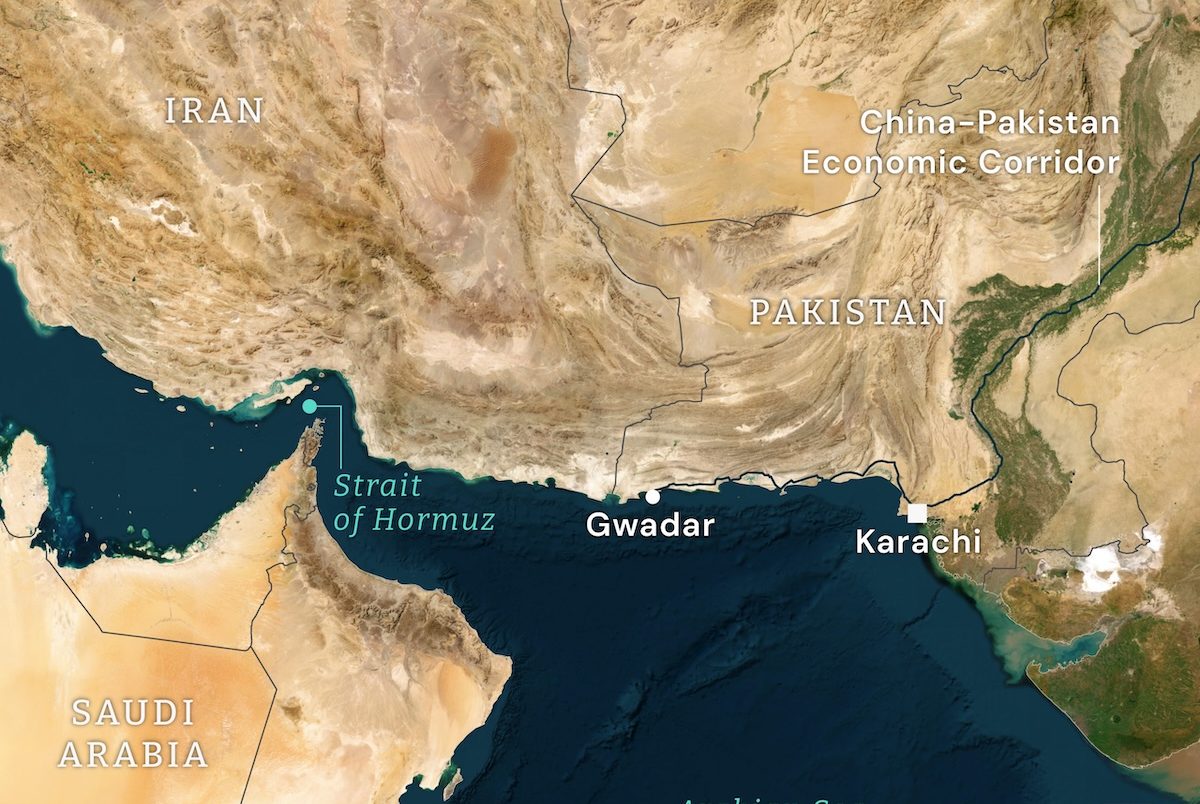
    Three key points outline Pakistan’s stake. First, Pakistan imports nearly all of its oil via the Gulf, so war-risk premiums added to every tanker bound for Karachi or Port Qasim are not a distant geopolitical issue – they directly raise domestic fuel prices and widen Pakistan’s already strained current account deficit. This is an immediate, tangible concern for economic policymakers in Islamabad.

    Second, the port of Gwadar – long framed primarily as a showcase project for the China-Pakistan Economic Corridor (CPEC) – offers a unique alternative for shippers. Located on the open Arabian Sea, entirely outside the Strait of Hormuz, Gwadar is one of the few major regional ports that does not force commercial vessels to run the gauntlet of high Hormuz war-risk premiums. To date, few Pakistani officials have actively marketed this advantage to shippers and energy traders looking to diversify their routing to cut risk, but the opportunity remains untapped.

    Third, Pakistan’s existing diplomatic and economic ties create a natural buffer against the crisis. Its Makkah Joint Defense Agreement with Saudi Arabia, paired with new investment frameworks for mineral development at Reko Diq and under the Project Vault initiative, function as Pakistan’s own “insurance policy” against Hormuz-related market shocks. A posture that combines Gulf security partnerships with economic and connectivity ties to both Gulf states and China gives Pakistan far more leverage than a generic neutral stance.

    This exposes a common trap for Pakistani policy: treating “active neutrality” as an end in itself, rather than a foundation for a proactive economic strategy. Neutrality without a targeted economic plan is just unmanaged risk disguised as diplomatic prudence. A productive approach would turn Pakistan’s unique geographic advantages – Gwadar’s position outside the strait, its border with Iran, its ties to both Riyadh and Washington – into concrete shipping contracts and infrastructure investment, rather than just praise for avoiding direct conflict.

    ### A Broader Global Pattern
    Zooming out from Pakistan’s specific situation, the Hormuz crisis reveals a new global mechanism of coercion that is not unique to the Persian Gulf. A near-identical dynamic played out in the Red Sea during Houthi attacks on commercial shipping: war-risk premiums rose roughly fivefold, and shipping volumes collapsed even though most vessels never encountered an actual mine or missile attack.

    Analysts who study this phenomenon note that the formula works anywhere with three core features: a narrow maritime chokepoint, few viable alternative routing options, and a functioning private insurance and reinsurance market. This applies to other critical global chokepoints, from the Strait of Malacca to the Taiwan Strait to the Turkish Straits. Coercion through risk pricing has become a powerful new weapon that does not require a single shot to be fired to achieve its goals, and the U.S.-led reinsurance backstops being built for Hormuz may end up serving as a template for future crises around the world.

    For the United States, this is an uncomfortable lesson: even if it dismantles all of an adversary’s conventional military capabilities, it can still lose the quiet argument that matters most to the shipowner deciding whether to route through a high-risk waterway. For Pakistan, the lesson is not just uncomfortable – it is actionable. Few non-belligerent countries are positioned as close to a major chokepoint crisis as Pakistan, and few hold the same combination of strategic assets: Gwadar’s location, existing Gulf security ties, and access to Chinese infrastructure investment. These assets can turn proximity to the crisis into tangible economic leverage, if Islamabad chooses to treat the moment as an opening rather than just a diplomatic high-wire act.

    Most analysts expect the Strait of Hormuz will eventually reopen to full commercial traffic, through talks rather than force. But global insurance markets, which have already completely repriced risk for the entire Persian Gulf, will not forget this shift quickly. The actors that recognize this structural change early will emerge with a lasting advantage over those that only focus on the political theater of the crisis.

  • Optus, Telstra and TPG forced to explain how to call triple-0 during outage in wake of disasters

    Optus, Telstra and TPG forced to explain how to call triple-0 during outage in wake of disasters

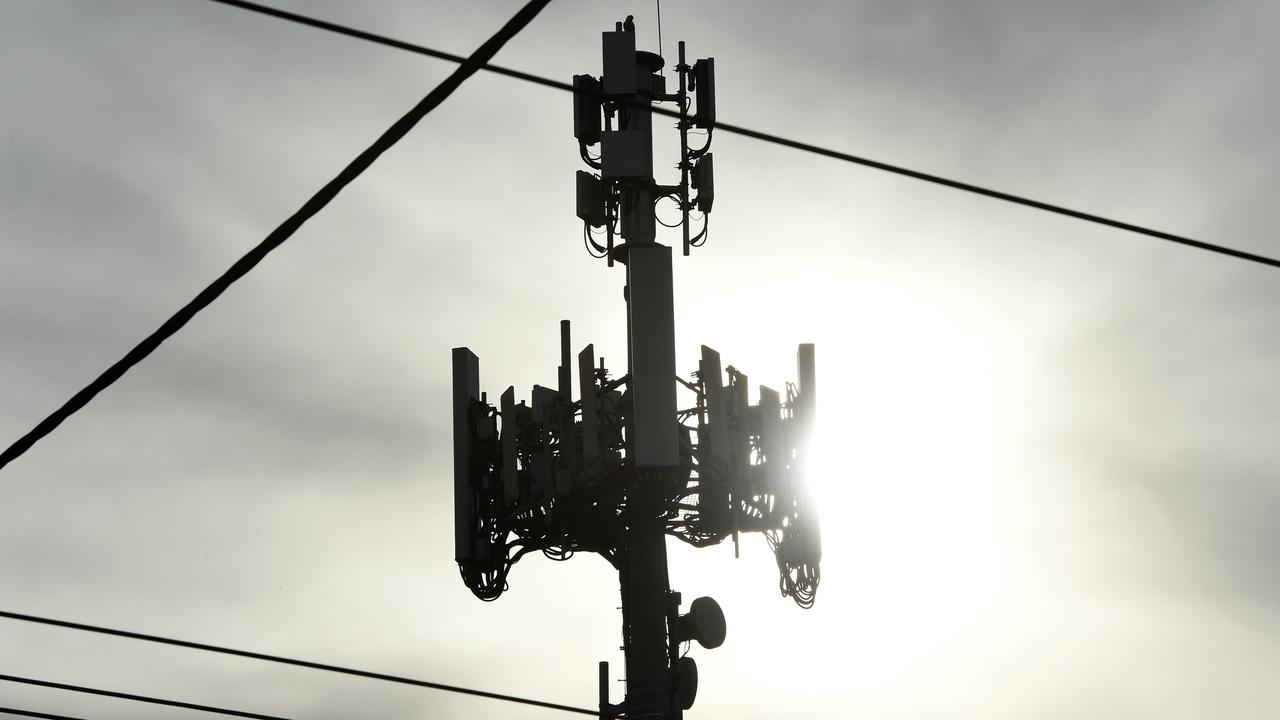
    In response to a string of crippling national network failures that have already been tied to preventable deaths, Australia’s three largest mobile network operators have joined forces with the government’s national emergency call oversight body to roll out a critical public education campaign on accessing the 000 emergency line when primary networks go down.

    The joint initiative, launched Monday by industry giants Optus, Telstra and TPG Telecom (owner of the Vodafone network), comes in partnership with the Triple-Zero Custodian, the government office established in 2024 to oversee Australia’s national emergency call system. The campaign is designed to arm everyday Australians with clear, actionable guidance to reach first responders even when their home network suffers an outage.

    “This campaign gives Australians practical, easy-to-find information about how their phones connect to emergency services, and what steps they can take if their regular provider’s network is unavailable,” said Jane McNamara, a corporate spokesperson for Optus, the carrier at the center of the most recent high-stakes outage. “By raising public awareness of existing safeguards like the emergency camp-on system and delivering simple guidance that people can remember under pressure, we are helping Australians better prepare for the moments when reliable access to 000 matters more than anything else.”

    The catalyst for this urgent public outreach is the widespread Optus outage that struck in September 2025, which blocked 000 calls across large swathes of Australia: South Australia, Western Australia, the Northern Territory, and far western New South Wales. Over the 14-hour outage, 75% of all 000 calls placed through the network failed to connect, and official records have linked two preventable deaths to the communications failure.

    In the wake of the disaster, the Australian Communications and Media Authority launched legal action against Optus, alleging the carrier breached two separate legal regulatory obligations more than 1,000 times. An independent investigation commissioned by Optus itself later traced the outage to multiple overlapping errors that occurred during a routine network upgrade carried out by Optus teams and contractor Nokia.

    The new public campaign breaks down how existing emergency backup systems work, and clarifies the different status messages that iOS and Android devices display when network access is compromised. At its core is an explanation of the “emergency camp-on” function, a pre-existing safeguard that automatically routes a 000 call from an unavailable home network to a competing carrier’s active network, if local coverage from another provider is available.

    The guidance outlines key steps for users attempting to access this backup system: Callers will typically experience five seconds of silence at the start of the first call attempt while the system routes the connection. If the first attempt does not connect, users are instructed to hang up and retry, and on subsequent attempts, to stay on the line for up to 60 seconds to allow the routing process to complete.

    Luke Coleman, chief executive of the Australian Telecommunications Alliance, the national peak body for the telecommunications sector, emphasized that the campaign is intended to address gaps in public knowledge that could cost lives during a crisis. “Our priority is to ensure Australians are equipped with simple advice they can recall and use in a worst-case scenario if they need to call 000 and find their usual network is unavailable,” Coleman explained.

    The campaign also clarifies what different device status messages mean for users: If emergency camp-on access is available, iPhones will display “SOS” or “SOS only” in the status bar, while Android devices will show “Emergency calls only”, “No service – emergency calls only”, or a dedicated SOS icon. If a device displays a plain “No service” message, however, no mobile network coverage is available at all. In that scenario, users are advised to locate a working landline, public payphone, or connect to a Wi-Fi network to place an emergency call.

  • A political amnesty law takes effect in Thailand but excludes lese majeste

    A political amnesty law takes effect in Thailand but excludes lese majeste

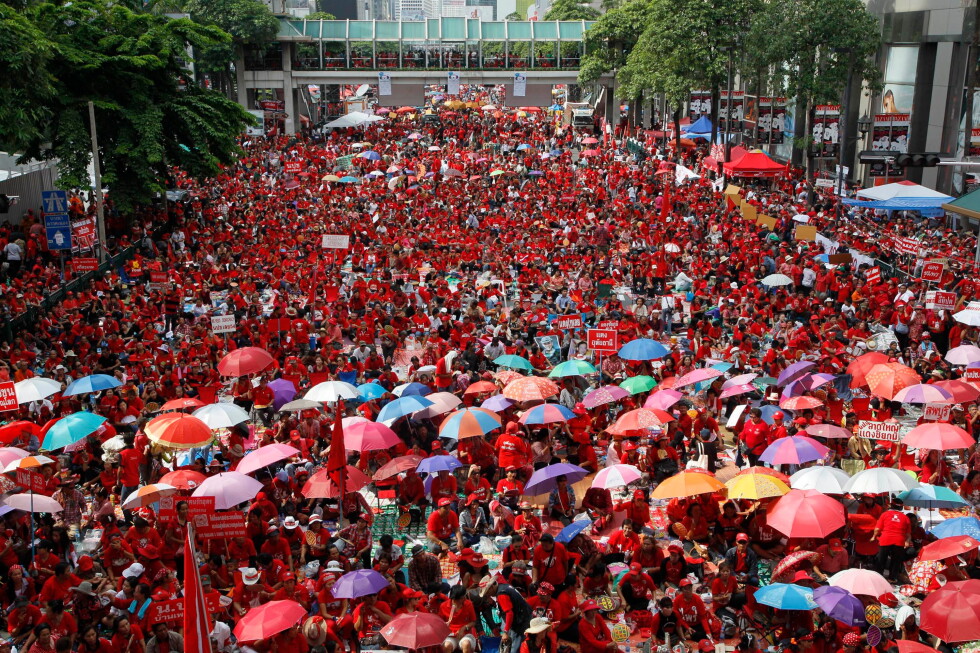
    BANGKOK – A long-awaited amnesty covering political offenses committed across Thailand over the past 20 years officially entered into force on Monday, but targeted exclusions for high-profile and controversial crimes – most notably violations of the country’s harsh lese-majeste law that criminalizes defamation of the monarchy – have left advocates of national reconciliation skeptical of the policy’s ability to heal deep-seated political rifts.

    First introduced as a measure to mend divisions sparked by decades of political unrest, violent mass protests, and repeated military coups, the amnesty is projected to apply to roughly 6,000 eligible individuals, according to parliamentary estimates. Formally named the Peaceful Society Promotion Act, the legislation passed its final parliamentary vote in July and was officially published in the Royal Gazette on Sunday, clearing the final procedural hurdle before it could take effect.

    A special committee led by Thailand’s prime minister will be tasked with reviewing applications and confirming which individuals qualify for amnesty. The panel is required to convene its first meeting within 30 days of the law’s entry into force, though no official timeline has been set for how long the full eligibility review process will take.

    The amnesty covers a broad spectrum of political offenses committed between January 1, 2005, and July 15, 2025. For qualifying recipients, the law will not only secure the release of currently imprisoned individuals, but also terminate open investigations and prosecutions, dismiss pending court cases, and permanently expunge related criminal records. Beyond lese-majeste offenses, the policy also excludes convictions for public corruption and any political crimes that resulted in death or severe bodily harm.

    Critics have centered their pushback on the exclusion of lese-majeste cases, formally codified as Article 112 of Thailand’s Criminal Code. The law has long been a flashpoint of national controversy: critics argue it is routinely weaponized to suppress political dissent, with penalties including a maximum prison sentence of 15 years per conviction. Complaints can be filed by any private citizen, not just government or royal officials, and most defendants are ordered to remain in detention for the duration of often years-long legal proceedings. Even minor acts, such as liking a critical social media post on Facebook, have resulted in charges in recent years.

    Mass student-led pro-democracy protests that erupted across Thailand in 2020 centered calls for reform of Article 112, only for many of the movement’s leading organizers to be charged with lese-majeste offenses themselves. Thai Lawyers for Human Rights, a Bangkok-based legal advocacy organization, reports that more than 290 people – the majority of whom are young student activists – have faced Article 112 charges since early 2020. As of July this year, at least 54 people remain imprisoned in connection with political cases, and only around 10 of those detainees are expected to qualify for release under the new amnesty, the group confirmed, because all others are being held on lese-majeste charges.

    Thailand’s long-running political divides have largely centered on the polarizing figure of former Prime Minister Thaksin Shinawatra, who was removed from office in a 2006 military coup. Thaksin’s populist policy agenda earned him fierce loyalty among low-income and rural voters, particularly in the country’s northern and northeastern regions, but his widespread popularity and assertive governing style created deep, lasting fractures between his political base and the kingdom’s conservative establishment: urban elites, traditional royalists, and the military. Over the past two decades, parties aligned with Thaksin have repeatedly won general elections and returned to power, while Thaksin himself lived in self-imposed exile abroad for many years to avoid prison time on past political convictions. Just last week, Thaksin was granted an early royal pardon and released from parole just over a year after he returned to Thailand, a development that has reignited debate over the country’s uneven application of political justice.

  • Pant, Jurel guide India to 419-6 at lunch on Day 2 of the 2nd cricket test against Sri Lanka

    Pant, Jurel guide India to 419-6 at lunch on Day 2 of the 2nd cricket test against Sri Lanka

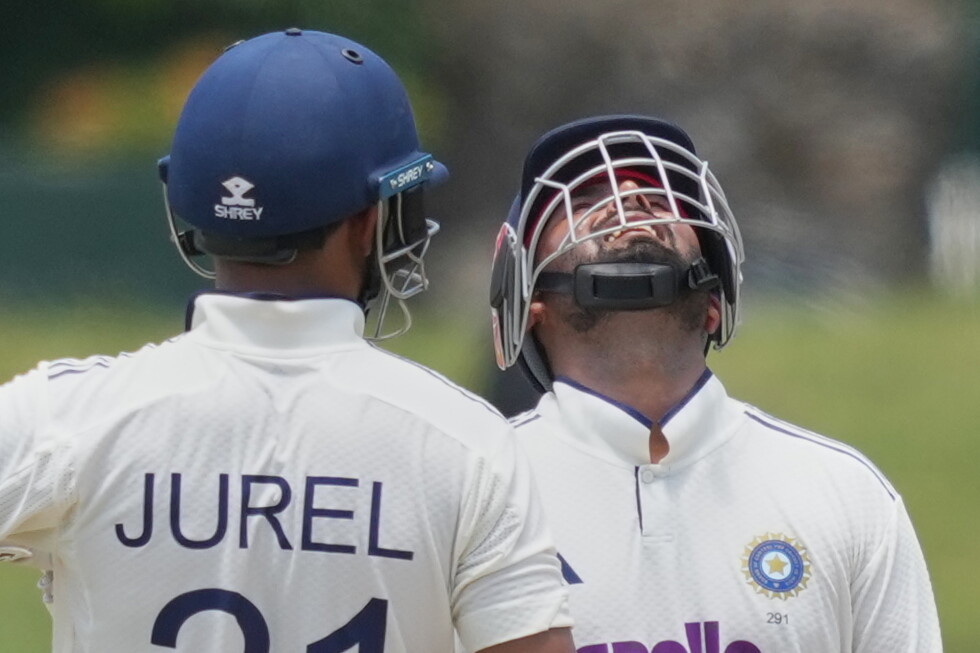
    The second Test match between India and Sri Lanka in Colombo entered its second day on Monday with India building on a strong overnight foundation, thanks to a game-changing seventh-wicket stand from experienced wicketkeeper Rishabh Pant and young batter Dhruv Jurel. Resuming play at 300 for five wickets after a dominant first day of action, India lost an early wicket just seven runs into the day’s scoring, when maiden Test batter Saransh Jain was dismissed for six runs. Fast bowler Asitha Fernando delivered a high bouncer, and Jain’s attempted defensive fend ended in a caught behind, with fielder Kamil Mishara securing the catch to leave India at 307 for six.

    That set the stage for Pant and Jurel to turn the tide in India’s favor, putting together an unbeaten 112-run partnership that carried the visitors to 419 for six by the lunch interval. Pant, who had been forced to return to the pavilion late on Day 1 after taking a blow to the body from a Lahiru Kumara delivery, reached his 21st Test half-century and remained not out on 63 off 88 deliveries at the break. His innings included six boundaries and two towering sixes, anchoring the middle order with calm experience after India’s early wicket.

    Alongside him, Jurel notched up his third Test half-century, finishing the first session unbeaten on 59 from 107 deliveries, with five well-placed boundaries to his name. For Sri Lanka, Fernando was the standout bowler, finishing the first session with impressive figures of four wickets for just 46 runs, while Kumara and spin bowler Keshara Nuwantha each claimed one wicket apiece.

    The strong session for India followed a stellar first day headlined by opener Devdutt Padikkal’s second Test century. Carrying the red-hot form he showed in the series opener, where his 167-run first innings knock helped India secure a 165-run win in Galle, Padikkal scored 117 runs from 193 deliveries on Day 2. He spent nearly five hours at the crease, hitting 12 boundaries to build a solid platform for India’s batting innings and set up the big total the side built on Monday morning.

    Heading into the second Test, India already holds a 1-0 lead in the two-match series, putting Sri Lanka under increasing pressure to respond with a strong all-round performance to level the tie.

  • Burnham and European leaders arrive in Kyiv as Ukraine marks Independence Day

    Burnham and European leaders arrive in Kyiv as Ukraine marks Independence Day

    On Monday, a landmark day that marks Ukraine’s 35th anniversary of independence from the Soviet Union, United Kingdom Prime Minister Andy Burnham touched down in Kyiv for his first foreign visit since assuming office. The high-profile trip brings him together with Ukrainian President Volodymyr Zelenskyy for key bilateral talks, and he will co-lead a gathering of the global coalition backing Ukraine alongside a cohort of other top international leaders.

    Burnham is not arriving empty-handed. According to statements from his official office, the British premier is set to announce a critical policy shift: the UK government has given approval for defense manufacturer MBDA to declassify technical details of British-built components integrated into the SCALP long-range cruise missile. This regulatory and security move clears a major bureaucratic hurdle that has blocked progress on a joint plan between France and Ukraine to manufacture the SCALP weapon domestically on Ukrainian soil.

    A string of other senior European leaders also made their way to the Ukrainian capital to join the commemorations and talks. Among those in attendance are European Council President Antonio Costa, Moldovan President Maia Sandu, Luxembourg Prime Minister Luc Frieden, and Estonian President Alar Karis, a showing that underscores the continued unified European support for Kyiv amid its ongoing conflict.

    For context, the SCALP missile, developed and produced by France, shares deep technological roots with the UK’s own Storm Shadow long-range missile. Both weapons rely on shared technology developed jointly by French and British defense industries, making the declassification of UK-built components a critical step for any domestic production effort in Ukraine.

    Beyond the missile announcement, Burnham’s schedule includes taking part in official Independence Day remembrance events and leading discussions at the coalition of the willing meeting, where participating leaders will debate the future of ongoing international military, economic and political support for Ukraine as the war with Russia continues.

  • Maradona’s ‘Hand of God’ ball sells for £2.5m

    Maradona’s ‘Hand of God’ ball sells for £2.5m

    One of the most controversial and recognizable pieces of football memorabilia in history — the match ball Diego Maradona used to score his infamous ‘Hand of God’ goal during the 1986 FIFA World Cup — has found a new buyer at auction, closing at a final price of £2.5 million ($3.3 million).

    The moment that cemented the ball’s place in global sports lore came during Argentina’s tense World Cup quarter-final clash against England in 1986. With the match tied at 1-1, Maradona extended his left arm to punch the ball past England goalkeeper Peter Shilton, a handball that went unnoticed by referee Ali Bin Nasser. After Argentina secured a 2-1 victory, Maradona famously quipped to reporters that the goal had been scored “a little with the head of Maradona and a little with the hand of God” — a quote that turned an already controversial moment into a permanent part of football folklore. Later in the same match, Maradona scored what is still widely referred to as the ‘Goal of the Century’, weaving past five England outfield players in a 60-yard mazy run before beating Shilton again to secure Argentina’s place in the next round of the tournament.

    The Adidas Azteca match ball was brought to auction by its current owner at Heritage Auctions’ sports memorabilia event held in the United States on Saturday. While auction specialists had initially projected the one-of-a-kind item could sell for as much as $10 million (£7.3 million), the final winning bid fell far short of those expectations.

    Ahead of the auction, Mike Provenzale, a senior specialist auctioneer at Heritage, described the piece as an unparalleled artifact for football fans. “It’s a true one-of-one item,” Provenzale told Reuters. “Arguably the most significant soccer item that exists.”

    The ball has a decades-long ownership history tied directly to the 1986 match. It was collected by Bin Nasser, the Tunisian referee who officiated the quarter-final, right after the final whistle blew. Bin Nasser kept the ball in his personal collection for more than 30 years before selling it at auction for the first time in 2022, when it fetched $2.37 million (£1.74 million). After the 2022 sale, the ball’s new owner put it back up for auction in 2022, but the lot failed to sell as incoming bids did not meet the reserve price set by the owner. In 2023, authentication of the ball was solidified when Bin Nasser issued a signed formal letter confirming it was the actual match ball used throughout the entire 1986 quarter-final, a finding that was later independently verified by third-party experts.

    The ‘Hand of God’ ball is not the only piece of memorabilia from that iconic match to break sales records in recent years. The match shirt Maradona wore during the 1986 quarter-final sold at auction for £7.1 million back in 2022, setting a new benchmark for match-worn football apparel at the time.

  • The health of Norway’s King Harald deteriorates over the weekend

    The health of Norway’s King Harald deteriorates over the weekend

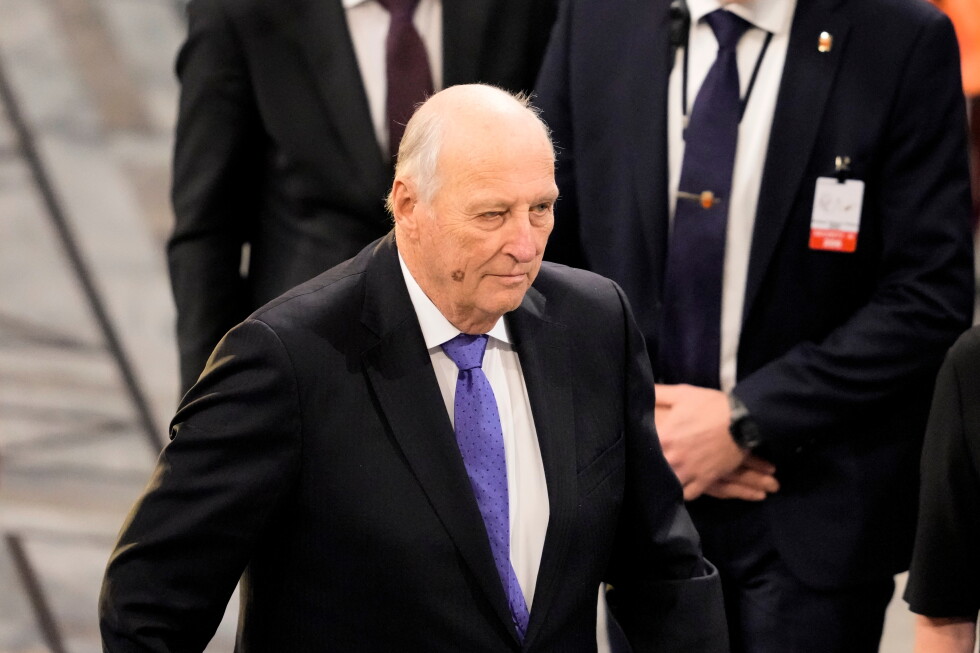
    OSLO, Norway — The Norwegian Royal House has issued an update confirming that 89-year-old King Harald V’s health declined over the weekend, days after he was admitted to Oslo’s National University Hospital for ongoing chronic health complications. The aged monarch, who has ruled the Scandinavian nation since 1991, had already been on medical leave for several weeks ahead of his hospital admission one week prior to the latest update.

    Late Sunday, palace representatives announced that the king is currently undergoing antibiotic treatment to target a newly diagnosed bacterial blood infection, and that he has shown positive preliminary responses to the therapeutic course. As of the latest update, his condition is classified as stable.

    Last week, palace officials clarified the root of the king’s current hospital stay: King Harald lives with hemolytic anemia, a chronic blood condition that has required long-term management with cortisone medication. Ongoing cortisone treatment triggered a dangerous accumulation of fluid in his body, which necessitated urgent inpatient medical intervention.

    In the king’s absence during his medical leave, his son and heir apparent, Crown Prince Haakon, has stepped into the role of regent, carrying out the formal constitutional duties of the monarchy on a temporary basis.

    The 89-year-old king has faced growing health challenges in recent years, with multiple hospital admissions for routine and urgent care as his chronic conditions progress.

  • New Zealand’s prime minister proposes banning children from using social media

    New Zealand’s prime minister proposes banning children from using social media

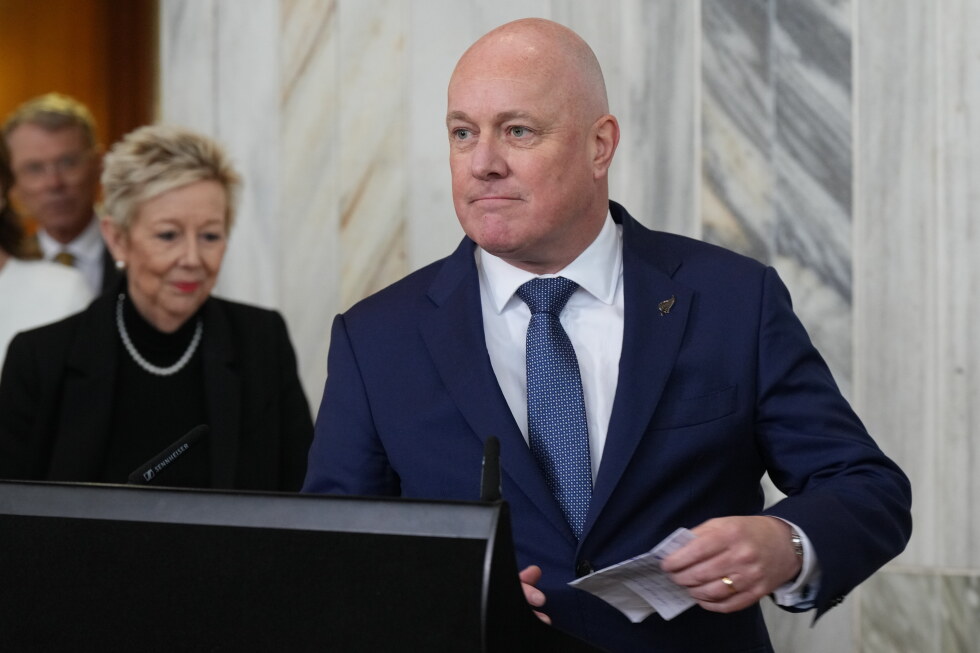
    WELLINGTON, New Zealand — Prime Minister Christopher Luxon has introduced a landmark draft law that would bar all children under the age of 16 from accessing major social media platforms, framing the proposal as an urgent response to what he described as widespread, generational harm to New Zealand’s young people. Announced on Monday, the policy joins a growing global wave of age-based restrictions on big tech, but faces immediate gridlock within Luxon’s own ruling coalition, leaving its path to passage deeply uncertain.

    The proposed legislation targets leading platforms including Instagram, TikTok, Snapchat, and Facebook, requiring these companies to implement verifiable age-checking measures to exclude underage users. Acceptable verification methods outlined in the policy document from Luxon’s center-right National Party include existing user account data, facial age estimation technology, digital identity services, and formal government-issued identification. Critical carve-outs exclude one-on-one messaging services such as WhatsApp, user-generated online gaming platforms like Roblox, and productivity-focused artificial intelligence tools including ChatGPT, Google Gemini, and Microsoft Copilot.

    Notably, the draft law imposes no penalties on children or parents who access platforms in violation of the ban. Instead, enforcement falls entirely on tech companies, which could face fines of up to 10 percent of their annual global revenue for failing to meet their compliance obligations. The bill also mandates that platforms with significant child user bases must conduct regular public risk assessments and publish reports detailing potential harms to young users on their networks.

    Luxon framed the policy as a necessary intervention based on local data, noting that 2025 research found one-third of New Zealand teenagers spend at least five hours per day on social media. “Social media is exposing them to harmful content, addictive technology and pressures they are not equipped to deal with and it’s affecting their family life, mental health, sleep, and education,” he told reporters on Monday.

    Luxon’s push for the ban follows Australia’s implementation of a world-first under-16 social media ban that took effect in December 2025. Since Australia’s ban came into force, Canada, Brazil, and Indonesia have also enacted similar age restrictions, while dozens of other nations are currently drafting or evaluating their own rules. Early results from Australia show that just one month after the ban took effect, major platforms reported revoking access to roughly 4.7 million accounts confirmed to belong to underage users. The policy has divided global stakeholders: child safety advocates and many parents have praised the measures as a long-overdue protection for young people, while digital privacy organizations argue age-verification rules are easily circumvented and create unacceptable risks to users’ personal data.

    Despite the prime minister’s support, the bill faces steep procedural and political obstacles. Two of the three parties in Luxon’s ruling coalition — the libertarian ACT Party and populist NZ First — have repeatedly and vehemently opposed the legislation, and confirmed Monday they will vote against it. For the bill to advance, Luxon will need backing from opposition lawmakers, who have not yet committed to supporting the proposal. Chris Hipkins, leader of the center-left Labour Party, the largest opposition bloc, said Monday his caucus has not reached a final decision on how to vote.

    Complicating matters further, Luxon confirmed there is insufficient time to complete the legislative process before Parliament dissolves on October 1, ahead of New Zealand’s general election scheduled for November. Under New Zealand law, all bills must pass three separate rounds of parliamentary voting, a process that typically takes several months, before they can be signed into law. If Luxon’s National Party is reelected to lead the next government, he has pledged to reintroduce and advance the bill to make New Zealand the latest nation to implement strict age limits for social media access.

    This is not the first time Luxon’s government has taken action to limit young New Zealanders’ screen time: in 2024, the administration enacted a nationwide ban on cellphone use during school hours for students of all age groups.