
Botswana has made history by becoming the first African nation to win the men’s 4×400 meters relay at the World Athletics Championships in Tokyo. In recognition of this monumental achievement, President Duma Boko has declared Monday, 29 September, a public holiday, coinciding with the eve of the country’s Independence Day. The victorious team, comprising Lee Bhekempilo Eppie, Letsile Tebogo, Bayapo Ndori, and Busang Collen Kebinatshipi, triumphed over the United States, the reigning champions of the past decade, in a thrilling rain-soaked race. South Africa secured the third position. President Boko, addressing the nation from New York where he is attending the UN General Assembly, lauded the athletes as ‘Botswana’s natural diamonds,’ emphasizing their role in elevating the nation’s global stature. This victory marks Botswana’s best-ever performance in the championship, with the country securing fifth place overall in the medal standings, behind the US, Kenya, the Netherlands, and Canada, with two golds, one silver, and a bronze. This achievement follows last year’s historic moment when Letsile Tebogo clinched Botswana’s first Olympic gold in the men’s 200 meters in Paris, a feat that was celebrated with a half-day holiday and a grand reception at the National Stadium in Gaborone. President Boko described the current victory as ‘electric,’ underscoring its significance in Botswana’s rising prominence on the world stage.
博客
-
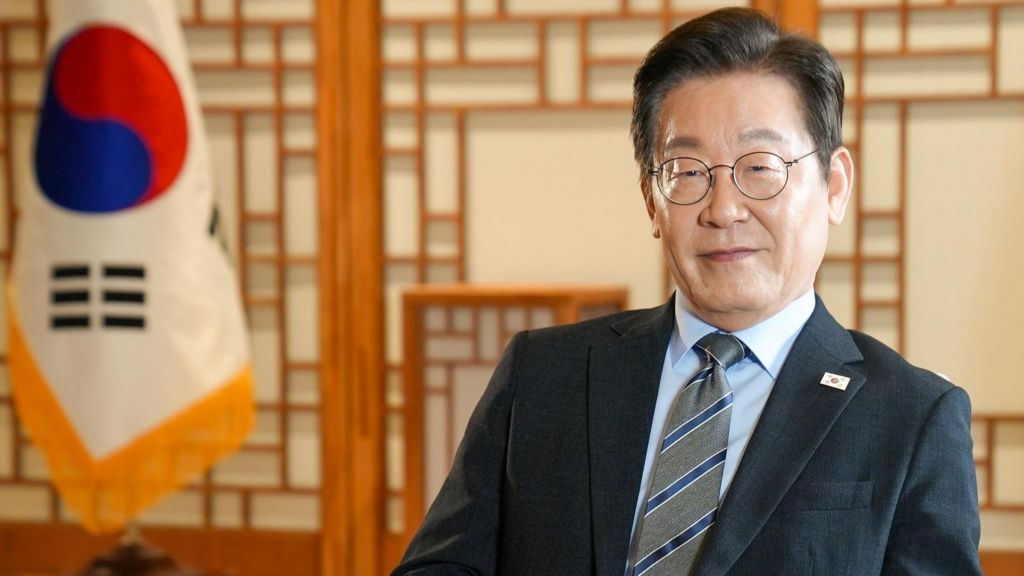
South Korea would accept a Trump-Kim deal to freeze nuclear programme, president tells BBC
In a recent interview with the BBC, South Korean President Lee Jae Myung expressed his willingness to support an interim agreement between former U.S. President Donald Trump and North Korean leader Kim Jong Un, which would involve freezing North Korea’s nuclear weapons production rather than pursuing full denuclearization. President Lee described this approach as a “feasible, realistic alternative” to the long-term goal of denuclearization, emphasizing the need for pragmatic solutions in the face of North Korea’s ongoing nuclear advancements. North Korea, which declared itself a nuclear power in 2022, has consistently vowed to retain its nuclear arsenal, making immediate denuclearization an unlikely prospect. Lee argued that halting North Korea’s nuclear and missile development would offer significant benefits while maintaining the ultimate goal of denuclearization. President Lee, who assumed office in June, has prioritized reducing tensions with North Korea, a stark contrast to his predecessor Yoon Suk Yeol, whose aggressive policies led to heightened regional instability. Lee has also called for the resumption of nuclear talks between the U.S. and North Korea, which stalled in 2019 after the U.S. demanded the dismantling of North Korea’s nuclear facilities. He expressed optimism about the potential for renewed dialogue, citing a degree of mutual trust between Trump and Kim. However, Lee acknowledged the challenges posed by the growing alliance between North Korea, China, and Russia, which he described as a “very difficult situation” for South Korea. Despite these complexities, Lee emphasized the importance of maintaining balanced relationships with both the U.S. and China, while cautiously navigating South Korea’s position in a rapidly shifting global order. Domestically, Lee faces a polarized nation still recovering from the political turmoil of his predecessor’s failed martial law attempt. He has taken steps to rebuild trust with North Korea, including halting radio broadcasts into the North, a move criticized by human rights groups. While North Korea has dismissed Lee’s overtures as “delusional,” the South Korean president remains committed to pursuing a pragmatic path toward peace on the Korean Peninsula.
-
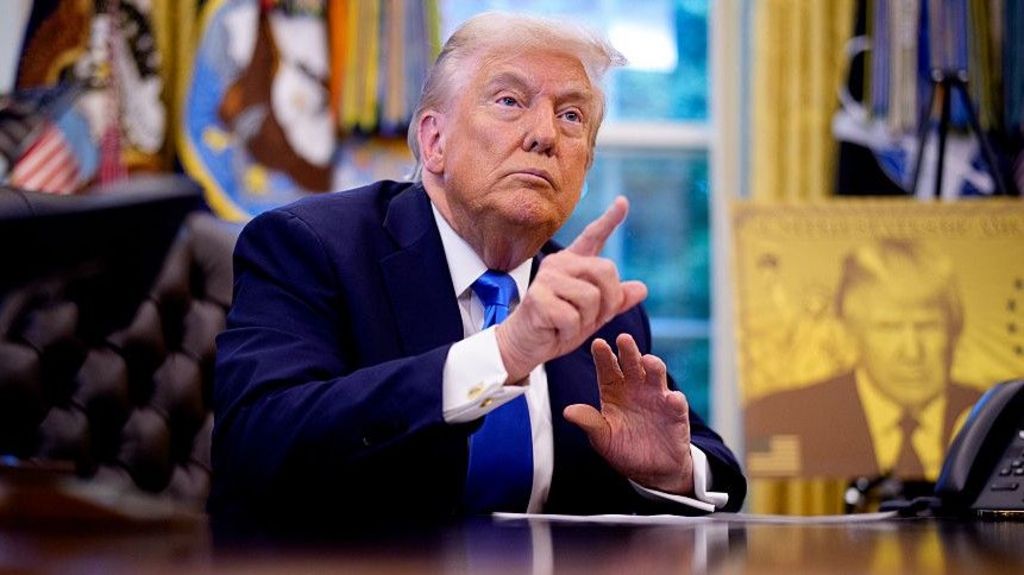
Trump’s $100,000 H-1B visa shock: Why US may lose more than India
The recent announcement by US President Donald Trump to increase the cost of H-1B visas by up to 50 times has sent shockwaves through the tech industry and beyond. The proposed fee hike, raising the cost to $100,000, initially caused widespread panic among Indian workers and Silicon Valley firms. However, the White House later clarified that the fee would only apply to new applicants and be a one-time charge. Despite this adjustment, the long-term implications of the policy remain uncertain, raising concerns about its impact on both the US and Indian economies. The H-1B visa program, which has been a cornerstone of the American tech industry for decades, has allowed millions of skilled workers, predominantly from India, to contribute to the US economy. Indians account for over 70% of H-1B recipients, with significant representation in tech, medicine, and academia. The fee hike, experts argue, could lead to medium and long-term labor shortages in the US, particularly in critical sectors like healthcare and technology. Indian outsourcing giants like TCS and Infosys have already begun adapting by building local workforces and shifting operations offshore. However, the broader impact on the US could be severe, with hospitals facing doctor shortages, universities struggling to attract STEM students, and startups losing access to global talent. Immigration policy analysts warn that the move could force US companies to radically change their hiring policies, potentially offshoring more work and dealing a blow to US innovation and competitiveness. The decision has also left Indian students, who make up a quarter of international students in the US, in a state of uncertainty. Many have already invested significant sums in their education, and the new policy could deter future students from choosing the US as their destination. Legal challenges to the policy are expected, and its full impact remains to be seen. As the dust settles, the H-1B shake-up appears less like a tax on foreign workers and more like a stress test for the US economy and its ability to attract and retain global talent.
-

Anger in Australia after telecom outage linked to deaths
Australian telecommunications giant Optus is under intense scrutiny following a catastrophic systems outage that left hundreds unable to contact emergency services for 13 hours, resulting in multiple deaths. The incident, which occurred last week, affected more than half of the country, with over 600 emergency calls failing to connect, primarily in South Australia, Western Australia, and the Northern Territory. Optus CEO Stephen Rue has publicly apologized for the ‘completely unacceptable’ failure, acknowledging that at least three lives were lost due to the outage, including a baby boy. However, police have indicated that the network failure was ‘unlikely’ to be the cause in the infant’s case. Authorities in Western Australia also suspect a fourth death linked to the incident. The Australian Communications and Media Authority (Acma) has launched an investigation, criticizing Optus for its delayed response. The company waited 40 hours to inform the public and regulators, contrary to standard practice. Rue attributed the outage to a technical fault during a network upgrade but admitted the company was unaware of the issue for 13 hours. Despite multiple customer complaints, the problem was not escalated promptly. Acma expressed deep concern, emphasizing that access to emergency services is a fundamental responsibility of telecom providers. This is the second major outage for Optus in two years, following a 2023 incident that resulted in A$12 million in penalties. Communications Minister Anika Wells has condemned the failure, stating that Optus will face ‘significant consequences.’ Prime Minister Anthony Albanese has suggested Rue consider resigning. Investigations are ongoing, with Rue promising daily public updates.
-
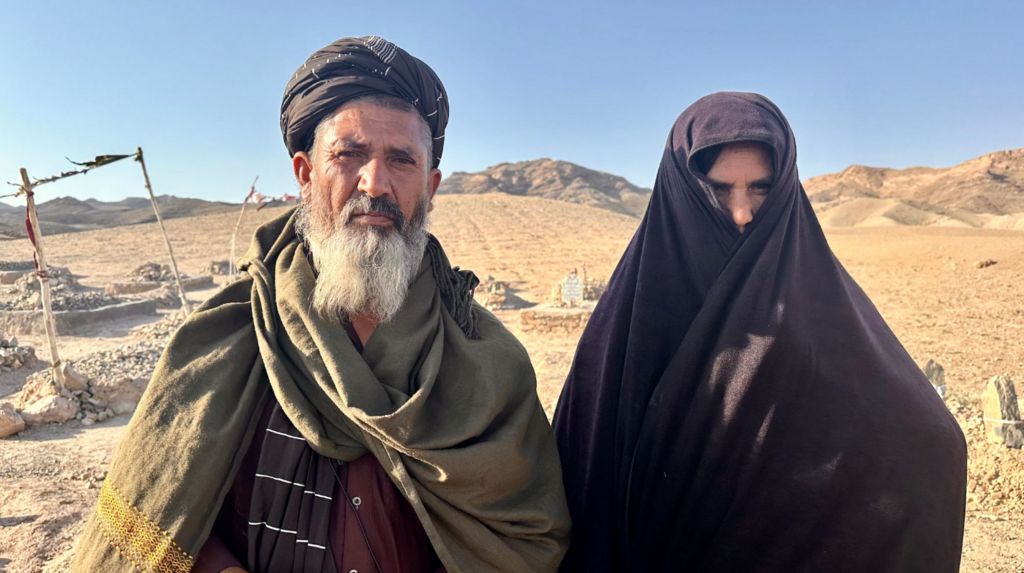
My three boys starved to death. I hope angels bring them home, says Afghan mother
In the desolate graveyard of Sheidaee, outside Herat in western Afghanistan, Ghulam Mohiddin and his wife Nazo mourn the loss of their three young sons—Rahmat, Koatan, and Faisal Ahmad—all victims of malnutrition. Their story is a harrowing testament to the silent wave of child mortality sweeping across Afghanistan, a crisis exacerbated by severe food shortages, economic collapse, and dwindling international aid. The couple, who survive by breaking walnut shells, have received no assistance from the Taliban government or NGOs, leaving them helpless in the face of unimaginable grief. ‘One minute there’s a baby in your arms, the next minute they are empty,’ Nazo lamented. The graveyard, filled with hundreds of small graves, starkly illustrates the scale of the tragedy, with two-thirds of the burials being children. The UN has labeled the situation an ‘unprecedented crisis of hunger,’ with nearly half of Afghanistan’s children under five suffering from stunted growth. The World Food Programme (WFP) warns that over three million children are at risk of severe malnutrition, as aid funding dries up and winter approaches. The Taliban’s policies, including restrictions on women’s rights and bans on NGO operations, have further complicated efforts to deliver life-saving assistance. With WFP’s funding set to run out in November, the situation is dire. ‘We are starting to turn away malnourished women and children because we simply cannot afford to feed them,’ said John Aylieff, WFP’s country director. As Afghanistan teeters on the brink of catastrophe, the world watches, seemingly powerless to stop the unfolding disaster.
-
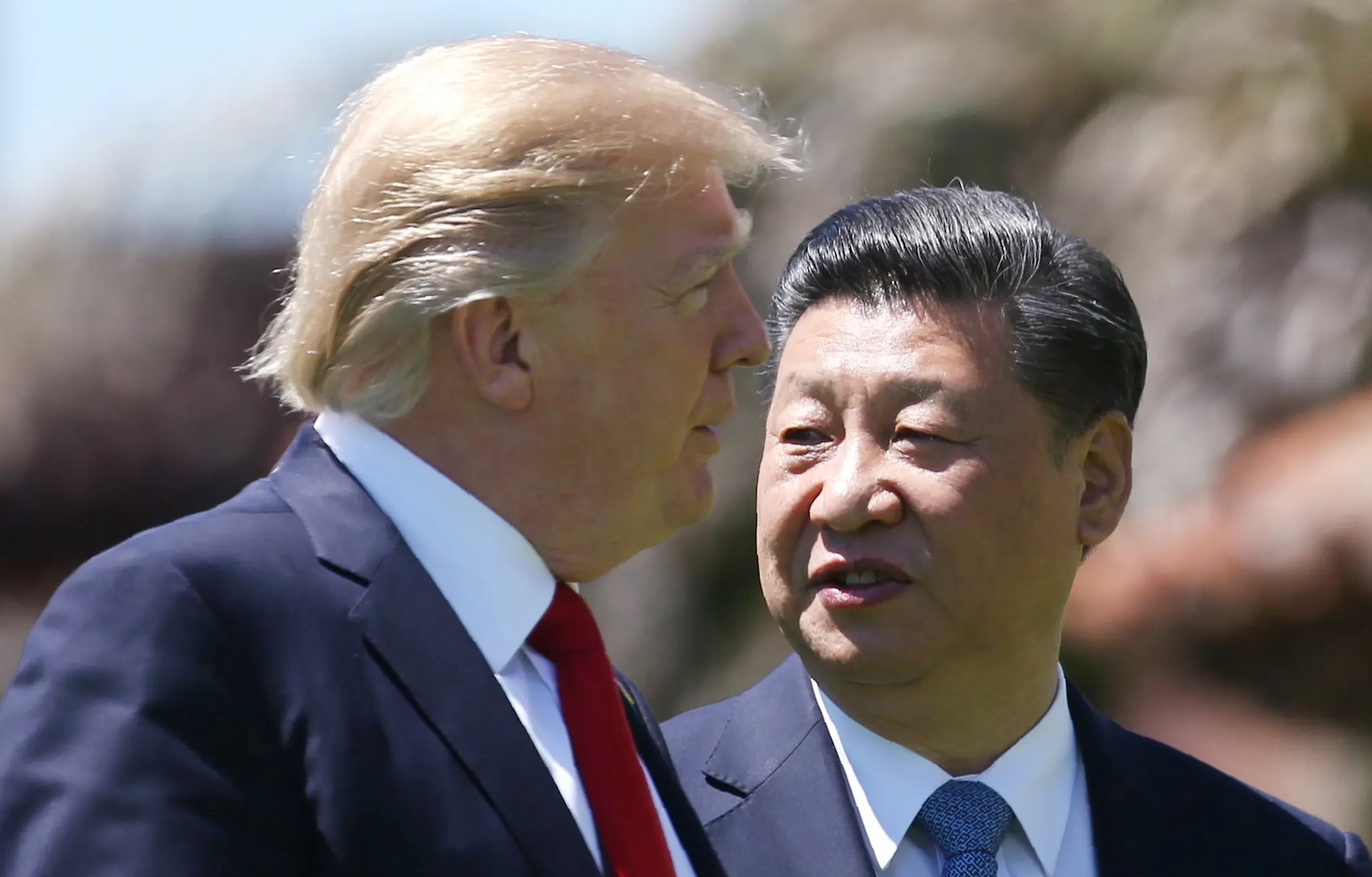
When the US cedes Asia to China
In the wake of a reportedly positive phone call between US President Donald Trump and Chinese President Xi Jinping, speculation is rife about the future of US-China relations, particularly regarding a potential partial US withdrawal from Asia. This move, if realized, could significantly alter the geopolitical landscape, granting China greater political and strategic influence in the region. However, such a shift is fraught with risks and uncertainties, as Asian countries are wary of being left to navigate China’s growing dominance without US support. Francesco Sisci, a prominent analyst, warns that a US retreat from Asia could exacerbate regional tensions, potentially leading to a nuclear arms race among neighboring countries like South Korea and Japan. The situation is further complicated by shifting alliances and defense agreements, such as the recent pact between Pakistan and Saudi Arabia, which could push India closer to Iran. Meanwhile, countries like the Philippines are caught in a delicate balancing act between aligning with China or the US. Sisci emphasizes that any bilateral agreement between the US and China must be part of a broader multilateral framework to avoid destabilizing the region. The interview underscores the fragile and unpredictable nature of Asia’s geopolitical dynamics, where the US presence has historically acted as a stabilizing force. Without it, the region could descend into heightened conflict and militarization, with far-reaching global consequences.
-

UK formally recognises Palestinian state
In a landmark move, UK Prime Minister Sir Keir Starmer has announced the formal recognition of a Palestinian state, marking a significant shift in British foreign policy. The decision, unveiled in a video statement on X, aligns the UK with countries like Australia, Canada, and Portugal, which have also recognized Palestinian statehood. France is expected to follow suit. Starmer emphasized that the recognition aims to preserve the possibility of peace and a two-state solution amidst escalating violence in the Middle East. However, the move has drawn sharp criticism from Israeli Prime Minister Benjamin Netanyahu, who declared that a Palestinian state ‘will not happen,’ and from families of hostages held in Gaza, who argue it rewards terrorism. The US and Israeli governments view the recognition as a diplomatic victory for Hamas following its October 2023 attack on southern Israel, which resulted in 1,200 deaths and 251 hostages. Starmer countered these claims, asserting that the decision does not legitimize Hamas but instead seeks to isolate the group from future governance. Palestinian Authority President Mahmoud Abbas welcomed the move, calling it a step toward peaceful coexistence with Israel. The UK Foreign Office clarified that recognition is based on provisional borders along the 1967 lines, with final boundaries to be negotiated. The two-state solution envisions a Palestinian state in the West Bank and Gaza Strip, with East Jerusalem as its capital. Despite recognition by 75% of UN member states, Palestine lacks internationally agreed borders, a capital, or an army, rendering its statehood largely symbolic. The announcement comes amid worsening conditions in Gaza, where Israeli military operations have displaced hundreds of thousands and caused widespread devastation. A recent UN commission accused Israel of genocide in Gaza, a claim Israel vehemently denies. UK Deputy Prime Minister David Lammy acknowledged that recognition alone would not resolve the crisis but stressed the importance of advocating for a two-state solution. Meanwhile, Israeli far-right leaders have called for annexing the West Bank and dismantling the Palestinian Authority. The decision has sparked mixed reactions domestically, with Conservative leader Kemi Badenoch labeling it ‘absolutely disastrous,’ while Liberal Democrat leader Sir Ed Davey praised it as ‘long overdue.’
-
Li calls on US lawmakers to enhance exchanges, ties
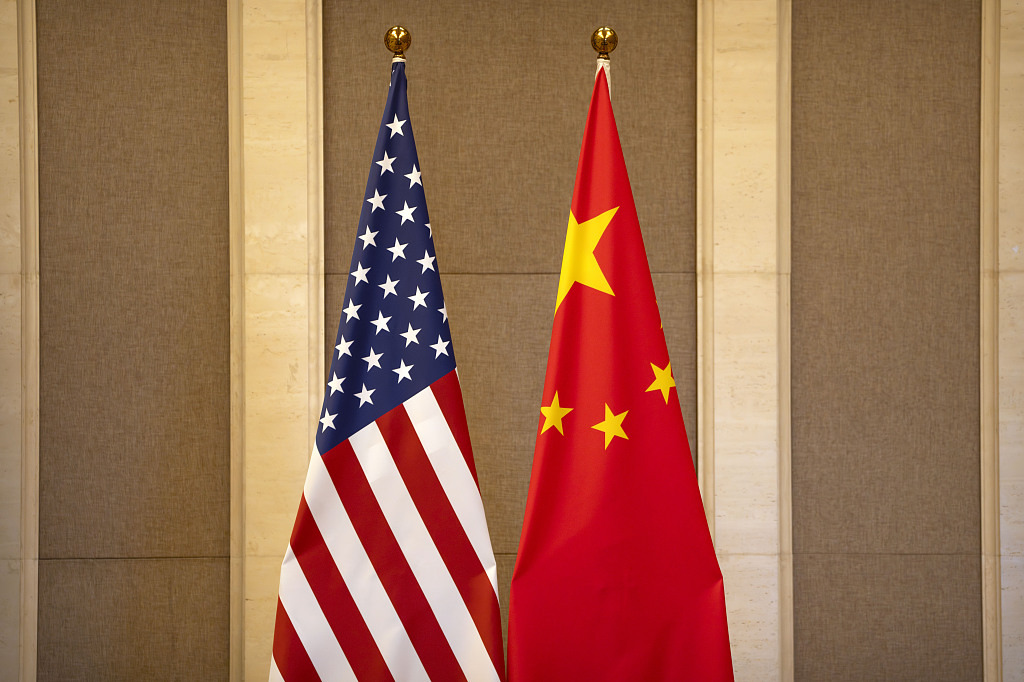
In a significant diplomatic engagement, Chinese Premier Li Qiang met with a delegation of US congressmen at the Great Hall of the People in Beijing on September 21, 2025. The delegation, led by Adam Smith, the Democratic leader of the House Armed Services Committee, marked the first visit by US House representatives to Beijing since 2019. Premier Li emphasized that fostering stable, sound, and sustainable relations between China and the United States aligns with the shared interests of both nations and the broader international community. He highlighted the importance of mutual respect, peaceful coexistence, and win-win cooperation as foundational principles for bilateral relations. Li expressed optimism that both countries could address their respective concerns through dialogue grounded in equality, respect, and reciprocity. He urged the US Congress to play a constructive role in advancing friendship and shared development, reinforcing the notion that China and the US should be partners in development, empowering each other for mutual success.
-

‘Icing on cake’ – Fraser-Pryce retires with world silver
In a poignant moment at the Tokyo National Stadium, Shelly-Ann Fraser-Pryce, the most decorated female 100m sprinter in history, concluded her illustrious career with a silver medal in the 4x100m relay. This marked her 25th and final global podium appearance, cementing her legacy as one of the greatest athletes of all time. At 38, Fraser-Pryce, an eight-time Olympic medallist and five-time world 100m champion, passed the baton to the next generation, including 21-year-old twin sisters Tia and Tina Clayton, who were part of the Jamaican quartet. Reflecting on her journey, Fraser-Pryce expressed gratitude for her remarkable career, stating, ‘I have had an amazing career, and today’s medal is the icing on the cake.’ Her son Zyon, born in 2017, was a driving force behind her post-motherhood comeback, which saw her win back-to-back world 100m titles and become the oldest woman to claim a 100m world title in 2019. Despite a disappointing withdrawal from the 100m semi-final at the 2024 Olympics due to a panic attack, Fraser-Pryce was determined to end her career on her own terms. Her final race saw her finish sixth in the 100m final, just 0.19 seconds off the podium. Tributes poured in from fellow athletes, including Usain Bolt, who hailed her as ‘the greatest of all time.’ Fraser-Pryce now plans to focus on advocacy, supporting women and athletes, and continuing to make an impact beyond the track.
-

Kenya’s Sawe and Wanjiru win Berlin marathons
Kenya celebrated a triumphant double victory at the 2025 Berlin Marathon, with Sabastian Sawe clinching the men’s title and Rosemary Wanjiru securing the women’s crown. Sawe, 30, showcased his exceptional endurance and speed, finishing the race in 2:02:16, marking his third consecutive marathon win. The Kenyan athlete, fresh from his victory at the London Marathon earlier this year, set a blistering pace, leaving his competitors trailing behind. He was accompanied by his pacesetters for much of the race, demonstrating his dominance in long-distance running. Japan’s Akasaki Akira secured second place, nearly four minutes behind Sawe, while Ethiopia’s Chimdessa Debele rounded out the podium in third. Reflecting on his performance, Sawe expressed satisfaction, stating, ‘I did my best and I am happy for this performance. I felt well, but you cannot change the weather. Next year will be better.’ Sawe had aimed to challenge Kelvin Kiptum’s 2023 world record of 2:00:35, reaching the halfway mark in 1:00:12, but couldn’t sustain the pace towards the end. In the women’s race, Wanjiru surged ahead after 25 kilometers, finishing in 2:21:05. Ethiopia’s Dera Dida followed closely, just three seconds behind, with Azmera Gebru taking third place in 2:21:29. Wanjiru’s time, while impressive, was 12 minutes slower than compatriot Ruth Chepng’etich’s world record of 2:09:56, set in Chicago in 2024. The Berlin Marathon once again highlighted Kenya’s prowess in marathon running, with Sawe and Wanjiru delivering standout performances.