博客

  • Congo’s Ebola outbreak records one of its highest weekly death tolls yet

    Congo’s Ebola outbreak records one of its highest weekly death tolls yet

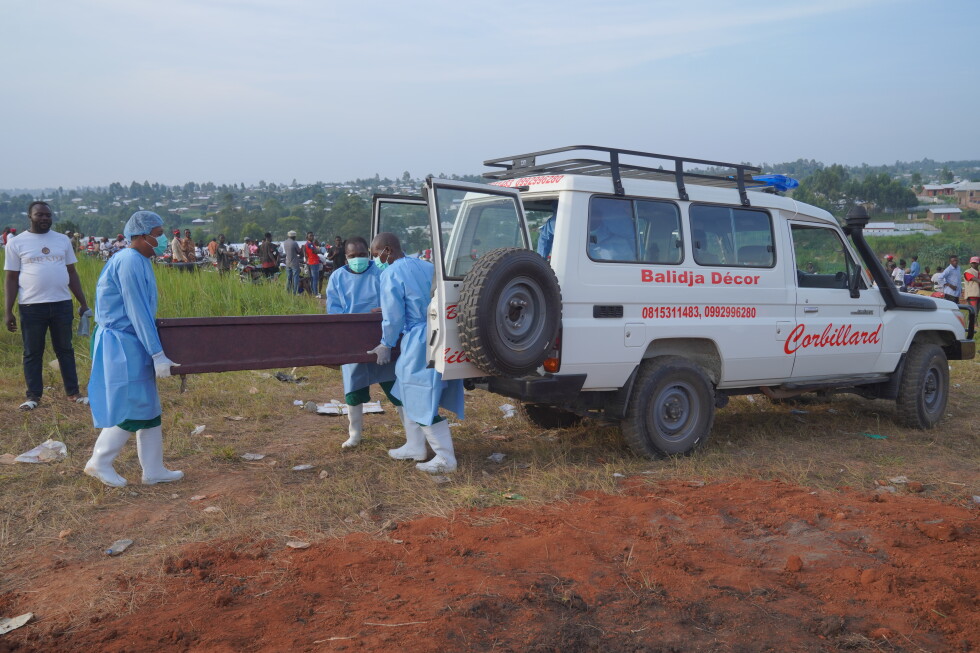
    BUNIA, Democratic Republic of Congo – Fresh government data released Monday has revealed a catastrophic milestone in the ongoing Ebola crisis gripping eastern Congo, with more than 300 fatalities recorded in the past seven days alone — one of the sharpest weekly death tolls since the outbreak began. As frontline health teams fight against overwhelming odds to contain the virus, the epidemic is spreading at a rate never before seen in global Ebola history.

    According to figures from Congo’s Ministry of Health, as of Saturday, the outbreak has been linked to 5,514 confirmed and probable cases, with a total of 2,642 deaths nationwide. The 317 new fatalities reported over the previous week mark a dangerous acceleration in the virus’s spread. Congolese public health experts warn the true scale of the crisis is far worse than official numbers indicate, noting the virus was circulating undetected for weeks before the outbreak was formally confirmed, and the actual case count could be three times higher than currently documented.

    This outbreak, caused by the rare Bundibugyo Ebola variant, is now the fastest-growing on record. A large share of deaths are occurring outside of formal treatment centers, and at this stage of the outbreak, the death toll is already seven times higher than that of the 2014–2016 West Africa Ebola outbreak at the same point, despite that outbreak eventually becoming the deadliest in history with more than 11,000 total fatalities.

    Ituri province remains the epicenter of the crisis, and data shows that most new infections are still occurring among people who were not part of monitored contact tracing networks, making early intervention and isolation nearly impossible. The overall national case fatality rate currently stands at 47.9%, but hard-to-access regions like neighboring North Kivu province face far deadlier outcomes, with a fatality rate reaching 68.6% according to government data.

    One of the biggest barriers to containing the spread has been the absence of formally approved vaccines or targeted treatments for the rare Bundibugyo variant driving this outbreak. In a small glimmer of progress, Congo received more than 16,000 doses of the Ervebo vaccine on Friday — a jab that has proven highly effective against the more common Zaire Ebola variant in past outbreaks. The World Health Organization has announced that the doses will first be offered to frontline medical workers, and will also be used to support clinical trials for a Bundibugyo-specific vaccine.

    While early laboratory and animal studies suggest Ervebo may offer some cross-protection against the Bundibugyo variant, public health officials have not yet confirmed its effectiveness against this specific strain. Authorities have not yet announced a timeline for rolling out the vaccine doses to at-risk frontline workers, but local residents in Ituri expressed cautious optimism that the arrival of vaccines will help turn the tide of the outbreak.

    “I am very pleased that these vaccines have finally arrived,” said Héritier Ramazani, a local Ituri resident. “We are fed up with recording new cases of Ebola every day.”

    The response effort is already hindered by a collection of overlapping challenges that make containing the virus extraordinarily difficult. The outbreak is centered in a region plagued by ongoing rebel violence that puts response teams at constant risk, alongside massive, unregulated population movements that help the virus spread across provincial and national borders. Medical teams also face unpaid salaries that have led to repeated work stoppages, deep-seated community mistrust built from decades of conflict, poor road infrastructure that slows access to remote communities, and widespread misinformation that claims Ebola does not exist at all.

    Epidemiologists tracing the outbreak’s origins believe the virus began spreading in the mining town of Mongbwalu as early as February, roughly three months before Congolese authorities officially declared the outbreak on May 15. The months of undetected transmission allowed the virus to take hold across multiple communities before response efforts could even begin.
  • Despair and anger in Conakry after deadly landfill collapse

    Despair and anger in Conakry after deadly landfill collapse

    A catastrophic garbage landslide that swept through a residential neighborhood in Guinea’s capital Conakry early Sunday has left at least 30 people dead, 22 injured, and a community grappling with overwhelming grief and anger over what locals say was a preventable disaster. The collapse, triggered by days of heavy, seasonably intense rain, buried multiple homes in Conakry’s Dar es Salam neighborhood, turning a quiet overnight into a chaotic nightmare of destruction and loss.

    Abou Hamza, a local community activist whose neighborhood sits at the foot of the massive suburban dump, says residents spent months sounding alarm bells about the looming risk. Hamza told reporters at the disaster site that young local organizers held multiple outreach meetings with government officials to push for the dump’s relocation, a promise authorities had made publicly one year prior. But their warnings were dismissed, he said, leaving the community exposed to the disaster that finally unfolded over the weekend. “The state failed to take steps to close the dump,” Hamza said, a statement that underscores the widespread anger over official inaction.

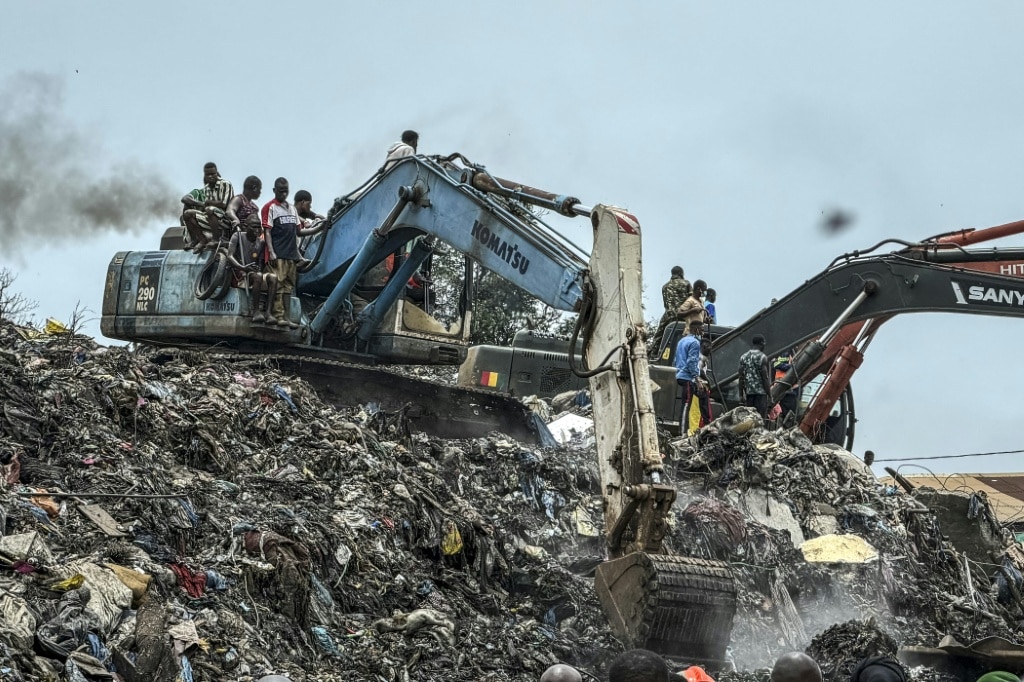
    By Sunday morning, the scene was one of raw chaos and grief. Heavy excavators rumbled across mounds of rotting garbage, digging through debris in search of remains and possible survivors, while dozens of local residents — including children — gathered at the crest of the garbage piles, scanning the wreckage for traces of missing loved ones. Rescue crews ferried injured survivors out on stretchers, trailed by distraught family members waiting for word of the missing. Grieving women, shaken by the sudden loss, huddled together in small groups, sobbing and holding one another through the shock.

    Survivors recount terrifying moments of the collapse that came without warning in the middle of the night. Alhassane Camara, a young neighborhood resident, was asleep alongside his two younger brothers when unusual rumbling signaled the slide was beginning. “I was sleeping with my two brothers… there were strange noises behind me. Then I saw things fall,” he recalled. One of his little brothers was killed instantly, buried under the tide of garbage, while the other was pulled alive from the wreckage. The rest of his family — his mother, grandmother and sisters — all escaped unharmed. “It was God who helped us,” Camara said.

    Another resident, Aboubacar Camara, who managed to evacuate his own family to safety, described a second, deadlier slide that hit just as local residents rushed in to rescue those trapped by the first collapse. “Around 2 or 3 o’clock in the morning we heard a slide, screams outside, everyone was screaming,” he said. Moments after he stepped outside with his wife, the second landslide hit, burying the group of neighbors who had gone in to pull out initial victims. “Everyone who went there to help, they all ended up buried in it,” he said.

    Guinea’s Prime Minister Amadou Oury Bah visited the disaster site on Sunday, where he pledged government support for the response, saying authorities were moving quickly to provide medical care for the injured and financial and logistical support for families displaced by the tragedy. Notably, the government had announced evacuation and site security operations for the landfill in recent days, acknowledging the elevated landslide risk brought by the region’s extended, intense rainy season. But those measures came too late to prevent the disaster.

    Opposition figures have weighed in on the tragedy, with exiled former prime minister and leading opposition figure Cellou Dalein Diallo describing the incident as a devastating tragedy that has left the nation in dismay. Diallo claimed that the official closure of the dangerous dump had actually been scheduled for Sunday — the same day the collapse occurred. He is now calling for a full, transparent independent investigation into the circumstances that led to the disaster, saying authorities must be held accountable and draw clear lessons to prevent similar losses in the future.

  • Crash involving coach carrying German students injures 16

    Crash involving coach carrying German students injures 16

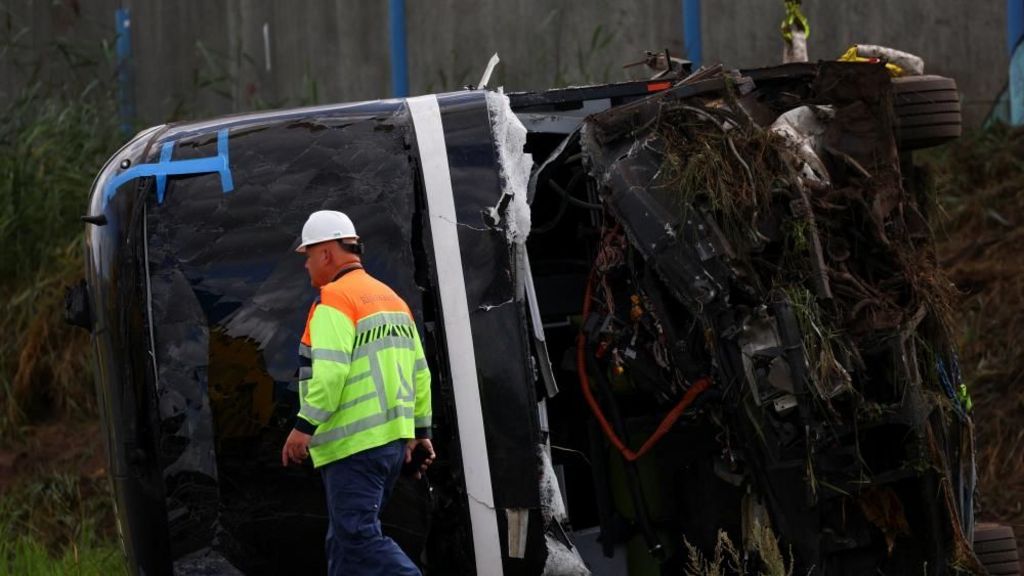
    A serious highway collision involving a passenger coach and a delivery van in the eastern Netherlands has left 16 people injured, with eight of those wounded sustaining critical harm, regional law enforcement has confirmed. The incident, which unfolded shortly before 4:30 a.m. local time on Monday along the A28 motorway near the town of Wezep, approximately 60 kilometers east of Amsterdam, has shut down the major route in both directions indefinitely as investigations get underway.

    According to Gelderland region police, all injured parties were transported to local medical facilities for urgent care soon after the crash. The injured group includes the driver of the delivery van, who is among the eight people counted as seriously hurt, while the remaining eight casualties have only minor injuries. As of the latest updates, authorities have not confirmed how many of the injured are students traveling on the coach.

    The coach was carrying more than 50 17-to-18-year-old German students and four adult teachers from a secondary school in the northern German town of Schönberg, the institution confirmed in an official statement posted to its website. The group was en route to Paris when the accident occurred, with the students split across two separate 12th-grade classes for the educational trip.

    Witness and official accounts from both Dutch and German media outline the sequence of the crash: after the coach collided head-on with the delivery van, it careened through a roadside guardrail before overturning onto its side. Officials have not yet announced any potential causes of the collision, with a full investigation currently in progress.

    In a reassuring update, the German school involved confirmed that there are no reports of life-threatening injuries among any of those involved, and all affected individuals are already receiving extensive, specialized medical attention at area hospitals.

  • Republic of Ireland net migration continues to fall from Ukraine war peak

    Republic of Ireland net migration continues to fall from Ukraine war peak

    Fresh official data released on Irish migration trends reveals a steady decline in net immigration to the Republic of Ireland, retreating from the record highs seen at the height of the Ukrainian refugee crisis sparked by Russia’s full-scale invasion.

    For the 12-month period ending in April 2026, official estimates calculate that roughly 111,000 people relocated to Ireland for long-term residency, while approximately 62,500 individuals departed the country. This results in a net migration figure of around 48,000, marking a consistent downward shift from recent years. In comparison, net immigration hit nearly 60,000 in 2025, and reached almost 80,000 in both 2023 and 2024 — peaks driven by the large-scale arrival of people fleeing the war in Ukraine.

    Shortly after the outbreak of the war in early 2022, Ireland joined other European Union member states in welcoming Ukrainian refugees under the bloc’s Temporary Protection Directive. Between March and December 2022 alone, almost 68,000 Ukrainians arrived in the country to seek safety. This sudden, unprecedented influx placed extraordinary strain on Irish state and social infrastructure, particularly when combined with already rising migration from other regions. The Irish government was forced to implement emergency measures, including temporary tent-based accommodation to house new arrivals, as the crisis stretched existing housing and public services far beyond their planned capacity.

    Critically, the sudden growth in immigration exacerbated a pre-existing housing shortage that had already left thousands of Irish residents struggling to access affordable accommodation. The issue quickly rose to become one of the most divisive social and political topics in Irish politics, prompting the current centre-right ruling coalition to implement a series of stricter migration enforcement policies, alongside a gradual phase-out of emergency state-funded accommodation for Ukrainian refugees.

    Alongside the overall decline in net migration, the new data also highlights a surprising and growing trend: rising net migration from the United States. Estimates put net migration from the U.S. at 4,000 in the most recent reporting period, up from 3,500 in 2025. Many analysts and observers have linked this uptick to political shifts in the United States tied to Donald Trump’s political career. The most high-profile example of this trend is veteran American comedian and actress Rosie O’Donnell, who publicly relocated to Ireland in 2025, citing a refusal to live in a country led by Trump.

  • PM pushes major AI and data centre plan to win global investment

    PM pushes major AI and data centre plan to win global investment

    As Australia positions itself to compete for a slice of the booming global artificial intelligence economy, Prime Minister Anthony Albanese has issued a stark warning: without successfully attracting large-scale international AI investment, the nation faces eroding living standards in the years ahead. The warning comes ahead of a packed week of national policy talks, with Albanese set to address the Business Council of Australia’s (BCA) annual dinner Tuesday, followed by a critical National Cabinet meeting with state and territory leaders Wednesday to align on a unified national AI strategy.

    At the core of the federal government’s new plan is a first-of-its-kind national AI framework, which Albanese will outline to state and territory leaders. The framework establishes binding national standards for the sector, including minimum requirements for water and energy consumption for power-hungry AI training data centres, alongside mandatory training protocols for teams working on copyright compliance, AI safety, and cybersecurity. A central office within the Prime Minister’s own department will oversee the unified policy framework, making Australia one of the first advanced economies to consolidate AI regulation under a single national governance structure.

    Albanese emphasizes that Australia’s existing geographic, diplomatic, and economic advantages put it in a strong competitive position to draw investment for large-scale data centres. However, he stresses that maintaining public trust — or “social licence” — will be the make-or-break factor for long-term sector growth. This means guarding against household energy price hikes, protecting regional water security, and selecting appropriate locations for new infrastructure development. Getting this strategy right, he argues, would let Australia establish itself as the leading AI infrastructure hub for the Indo-Pacific, boosted by its existing status as a Five Eyes intelligence partnership member. Beyond economic gains, Albanese says a thriving domestic AI sector will strengthen national sovereignty, boost national security, lift business productivity, accelerate scientific innovation, and build national economic resilience.

    For Albanese, the AI boom represents a once-in-a-generation economic opportunity. The overarching goal of all levels of Australian government, he argues, should be to turn the nation’s already competitive investment conditions into a distinct comparative advantage that aligns with long-term national interests. Capturing a larger share of the global AI market, hosting large-scale AI training facilities, and unlocking domestic frontier AI development will not only deliver greater economic value and technical expertise but also boost Australia’s global strategic influence. Crucially, he adds, building a strong, innovation-driven economy with robust national institutions will help Australia fend off the rising wave of populism that has reshaped politics across much of the developed world. “Australia’s economy and democracy are in an excellent place,” Albanese will tell BCA attendees. “By working intelligently together, we will keep them there.”

    The prime minister’s warning echoes a new analysis from the BCA, which released its own 18-point roadmap this week to boost Australia’s global competitiveness and attract much-needed foreign investment. BCA Chief Executive Bran Black will echo Albanese’s warning, noting that Australia currently ranks just 21st out of 42 nations on the BCA Global Competitive Index — a result Black says is unacceptable for a nation with Australia’s inherent advantages.

    Black argues that Australia cannot tax, overregulate, or redistribute its way to higher living standards. Instead, sustained economic growth and productivity gains are the only path to lifting household prosperity. “To do this, we have to create the conditions for businesses to invest, innovate, expand and employ more Australians,” Black will say. “As you know, the good news is that Australia starts with advantages most countries envy.”

    The BCA roadmap frames AI as a core pillar of Australia’s plan to climb the competitiveness rankings. “AI has the potential to lift productivity, attract enormous investment, create new industries and improve the way Australians work and live,” Black notes. For Australian households struggling with ongoing cost-of-living pressures, the council says the solution is not additional taxes or government handouts, but a “laser focus” on growing the economy and closing Australia’s long-standing productivity gap. This approach, the BCA argues, will ultimately deliver higher wages, increased housing supply, and improved public services for all Australians.

  • New Zealand to introduce bill for under-16s social media ban

    New Zealand to introduce bill for under-16s social media ban

    New Zealand’s national government is set to table a landmark piece of legislation Monday that would enforce a sweeping ban on social media use for all users under the age of 16, marking one of the world’s most aggressive regulatory pushes to curb minor exposure to harmful online content. If passed, the rules would require major platforms including TikTok, Instagram, Snapchat and Facebook to implement mandatory age verification checks, utilizing tools ranging from existing user account data to facial age estimation technology and formal digital identity screening to confirm user ages. Non-compliant platforms that fail to meet their regulatory obligations would face crippling fines of up to 10 percent of their annual global revenue, a penalty far steeper than the maximum $99 million Australian fine imposed for similar violations. Importantly, no penalties would apply to underage users, their parents or caregivers for accessing platforms under the proposed framework.

    Prime Minister Christopher Luxon, who has spearheaded the policy push, framed the ban as a critical public protection measure. He argued that unregulated social media exposes developing minors to toxic harmful content, algorithmically driven addictive design, and social pressures that young people lack the emotional and cognitive maturity to navigate, with well-documented negative impacts on children’s family relationships, mental health, sleep quality and academic performance. “We have long enforced protections to keep children safe in the physical world, and it is past time we put equivalent safeguards in place for the virtual spaces they inhabit every day,” Luxon said in a public statement on the policy. To date, the government has not released a full list of additional “high-risk” platforms that would be covered by the new rules, beyond the major social media sites already named. The legislation also includes additional requirements for platforms regularly accessed by minors: they must conduct regular, transparent assessments of the harms their services pose to young users, and publish public reports detailing how they are identifying and mitigating these risks.

    Despite being put forward by the ruling government coalition, the bill faces major immediate uncertainty over its path to passage. Two of the government’s three coalition partners — the Act Party and New Zealand First (NZF) — have already publicly confirmed they will vote against the legislation, leaving it short of the required support to become law. Act leader and Deputy Prime Minister David Seymour has publicly rejected the policy, arguing that the proposed ban will not deliver on its stated goals of reducing minor exposure to harm. NZF leader and Foreign Affairs Minister Winston Peters went further, saying his party has deep concerns about the overreach of the legislation, warning that it sets a precedent that will lead to ever-expanding state control of online speech, a slippery slope he says threatens New Zealand’s civil liberties. Peters also labeled Australia’s national under-16 social media ban, implemented in December 2024, a “colossal failure,” noting that Australian regulators have struggled to enforce the rule, with widespread reports that underage users have continued to access banned platforms without meaningful disruption.

    New Zealand’s proposal is the latest in a growing global wave of regulatory action targeting underage social media use. Australia already enacted a similar ban last year, while the United Kingdom and Greece have announced plans to introduce their own targeted restrictions on minor social media access in 2026. However, the policy push has faced significant pushback globally in recent weeks: earlier this month, France’s highest constitutional court struck down a similar proposed under-16 ban, ruling that the policy infringed on constitutional protections for freedom of expression and digital access.

    The New Zealand policy debate comes as policymakers around the world grapple with competing priorities: protecting vulnerable young people from well-documented online harms, while avoiding overregulation that could restrict digital access and free expression, and addressing practical challenges around effective enforcement of age-based bans.

  • ANALYSIS: Western missiles will help Ukraine – but won’t win the war

    ANALYSIS: Western missiles will help Ukraine – but won’t win the war

    On Monday, United Kingdom Prime Minister Andy Burnham held a face-to-face meeting with Ukrainian President Volodymyr Zelensky in Kyiv, a gathering that comes as Western allies adjust their approach to military support for Ukraine amid its ongoing defensive war against Russia.

    The latest significant shift in this support strategy came after France first agreed, followed by the UK, to hand over full technical blueprints for the joint Franco-British Scalp/Storm Shadow cruise missile, allowing Ukraine to attempt domestic production of the long-range weapon. This decision marks a notable departure from previous Western caution about sharing sensitive military expertise, sending a clear signal that a core group of Western nations is willing to deepen its technological assistance to help Ukraine defend its sovereign territory.

    However, military analysts and defense insiders warn that this step alone is unlikely to dramatically shift the trajectory of the nearly three-year-old conflict. The Storm Shadow/Scalp missiles are not a cutting-edge new technology: they were initially developed in the 1990s, and thousands of the units have already been supplied to Ukraine by both Britain and France, which have used the weapons to strike high-value Russian military targets deep inside Russian-occupied territory and Russia proper.

    Beyond the age of the design, multiple structural barriers stand in the way of large-scale domestic production in Ukraine. Each unit costs roughly £1 million to build, relies on specialized, hard-to-source components tied to complex global supply chains, and has historically only been produced in low volumes — in the hundreds, not the thousands, needed for a protracted full-scale war. Even with full access to blueprints, experts estimate it could take Ukraine anywhere from months to several years to establish a working production line capable of turning out meaningful numbers of the missiles.

    This challenge has exposed a long-standing flaw in Western defense planning that the war in Ukraine has forced allies to confront. For decades, NATO nations including the UK prioritized building small batches of high-precision, high-cost weapons, a model that has proven completely unsustainable for drawn-out conflicts. As far back as 2021, former United States Army Europe commander General Ben Hodges revealed that a NATO wargame run by the UK found the British military would exhaust its stockpiles of critical precision weapons within just days of full-scale conflict.

    The UK’s own shift away from the old model is already underway: the British military no longer purchases new Storm Shadow missiles for its own arsenal. Instead, it is accelerating development of a new domestic long-range cruise missile under the rapid-program initiative Project Brakestop. Designed to be built without reliance on foreign components and priced at less than half the cost of a Storm Shadow, the new missile is on track to enter service by the end of 2026 — and the UK has pledged to supply the new weapon to Ukraine once production scales.

    Ironically, it is Ukraine itself that has paved the way for this new approach to weapons production for protracted war. When Russia launched its full-scale invasion in 2022, Ukraine’s armed forces relied entirely on aging Soviet-era Cold War weaponry. Gradual, inconsistent supply of Western weapons pushed Kyiv to rapidly build up its own domestic defense industry, and today 70% of all weapons used by Ukraine’s military are produced domestically.

    The centerpiece of Ukraine’s domestic defense innovation has been unmanned aerial systems. From small, low-cost first-person view (FPV) one-way attack drones for front-line engagements to large long-range drones capable of striking targets deep inside Russia, Ukraine has scaled production at an unprecedented rate. Kyiv is on track to manufacture 1 million drones by the end of 2026, and by leveraging mass-produced commercial components from China, Ukraine can build its drones at half the cost of equivalent NATO-built systems, which have intentionally avoided Chinese parts.

    Even with this impressive domestic production capacity, Ukraine still faces critical gaps in its ability to build certain high-end weapons systems indigenously. These include advanced fighter jets, and most urgently, air defense interceptors capable of shooting down incoming Russian ballistic missiles. By far the most effective system for this mission is the U.S.-built Patriot interceptor, but Ukraine’s stockpiles are now nearly exhausted. Existing global supply is already stretched thin by U.S. commitments in the Middle East, and each Patriot interceptor costs roughly £3 million, with current production rates far too low to meet Ukraine’s needs. While the U.S. plans to ramp up annual production from 600 to 2,000 missiles, that expansion will take several years to complete.

    Last month, former U.S. President Donald Trump signaled openness to sharing Patriot production technology with Ukraine, but he has since walked back that commitment. Even if the technology transfer were approved, experts estimate it would take Ukraine at least a year to begin production, and the country would still face the same component shortages that are plaguing global production lines.

    Ukraine has launched its own domestic interceptor development program, Project Freya, with support from European partners. But developing a high-speed interceptor capable of destroying an incoming ballistic missile traveling thousands of miles per hour poses extreme technological hurdles, and the process is both extremely costly and time-consuming.

    Ukraine’s defense sector has already proven it can adapt and innovate at remarkable speed: domestic defense firm Fire Point is currently developing an indigenous ballistic missile that it aims to deploy for combat next year. But Russia has already ramped up its own ballistic missile production to roughly 100 units per month, putting continuous pressure on Ukraine’s stretched air defense networks. At the end of the day, developing sophisticated military weapons is a capital-intensive, time-consuming process, and Ukraine is currently facing critical shortages of both time and funding to scale up production of the systems it needs to win the war.

  • Kanter Freedom ejected from WNBA game over player row

    Kanter Freedom ejected from WNBA game over player row

    A routine Sunday WNBA matchup between the Chicago Sky and Indiana Fever devolved into an off-court controversy Sunday, when former NBA center Enes Kanter Freedom was removed from Wintrust Arena following a heated verbal altercation with Chicago Sky guard Natasha Cloud that has reignited national debate over transgender inclusion in women’s sports.

    Kanter Freedom, who has been an outspoken critic of the WNBA’s current transgender athlete eligibility framework, was seated courtside for the game wearing a T-shirt printed with the phrase “WOMAN noun. Adult human female.” The confrontation erupted during a game timeout, when Cloud approached the sideline, pointed directly at Kanter Freedom and began shouting at him. In response, Kanter Freedom stood, extended his arms, and stepped toward the court, raising tensions before security and Sky players stepped in to de-escalate the situation.

    The incident is the latest in a string of disruptions targeting the WNBA over its transgender athlete policies. Earlier this month, Kanter Freedom announced he would declare for the 2027 WNBA Draft, leveraging what he calls the league’s vague and insufficient eligibility guidelines for transgender women to make a political statement. Following his ejection, he took to social media platform X to frame the incident as an attack on women’s rights, writing: “I just got kicked out of a WNBA game for supporting WOMEN! Let that sink in, AMERICA!”

    Cloud pushed back on Kanter Freedom’s framing in a post-game statement on Threads, centering support for trans communities. “To every trans kid/person, you are apart of MY community & tribe. You belong. You’re loved. You’re seen. You’re perfect as you are & you will always be protected by me,” she wrote.

    After the altercation, local law enforcement confirmed they spoke with Kanter Freedom before he left the arena peacefully. On the court, the Indiana Fever pulled out a 113-90 victory over the Sky.

    Chicago Sky head coach Tyler Marsh criticized the off-court disruption, emphasizing that fans should attend games to focus on the athletic talent on display. “There’s so many good things about this league and so many good things about the play of these players, that if you come to a game, you should probably come to enjoy the basketball,” Marsh said. “That seems pretty simple to me. I think these players deserve that and have earned that. Being a former basketball player, you should probably understand and feel that, too.”

    Sunday’s clash comes just two days after another high-profile disruption across WNBA games. During a Chicago Sky win over the Golden State Valkyries Saturday, sex toys were thrown onto the court in two separate matches, interrupting play. USA Today reported the same group responsible for six similar disruptions during the 2025 WNBA season across Atlanta, New York and Los Angeles has claimed responsibility, saying the actions are intended to protest the league’s transgender athlete policies.

    The core of the debate centers on the WNBA’s eligibility rules laid out in its collective bargaining agreement (CBA), negotiated between the league and the Women’s National Basketball Players Association. The CBA explicitly states that “Only players who are women are eligible to play in the WNBA,” but does not include additional restrictive criteria for transgender women, a provision that has drawn criticism from those who oppose trans inclusion in women’s sports. Currently, no transgender athletes are competing in the WNBA, but the debate gained new momentum recently after Indiana Fever guard Sophie Cunningham — who played in Sunday’s game in Chicago — publicly questioned the league’s current rules, sparking national discussion across U.S. sports and political circles.

  • Afghan woman, 18, tries to persuade Taliban governor to support her divorce

    Afghan woman, 18, tries to persuade Taliban governor to support her divorce

    In a rare and courageous stand for personal autonomy in Afghanistan’s shifting social and political landscape, an 18-year-old Afghan woman has publicly brought her plea for a divorce to a regional Taliban governor, asking for official support to end a marriage she says is marked by ongoing abuse.

    The young woman’s request cuts to the heart of ongoing debates over women’s rights in Afghanistan, since the Taliban returned to power in 2021. Under the group’s rule, restrictions on women’s access to education, employment, and public life have drawn widespread international condemnation, and family law procedures that grant women greater autonomy have been significantly rolled back in many regions.

    While divorce is legally permitted under Islamic law that governs Afghan family courts, cultural stigma and systemic barriers often prevent women from pursuing separation even in cases of domestic violence. By taking her request directly to the regional governor, the teenager is bypassing traditional lower-level court processes that often side with male spouses, choosing to appeal directly to the top local authority for intervention.

    Her case has drawn quiet attention from local women’s rights advocates, who point to it as an example of how young Afghan women continue to push for basic protections despite the restrictive environment they face. No immediate decision has been announced from the governor’s office regarding her request.

  • NI Secretary Sir Chris Bryant visiting Dublin

    NI Secretary Sir Chris Bryant visiting Dublin

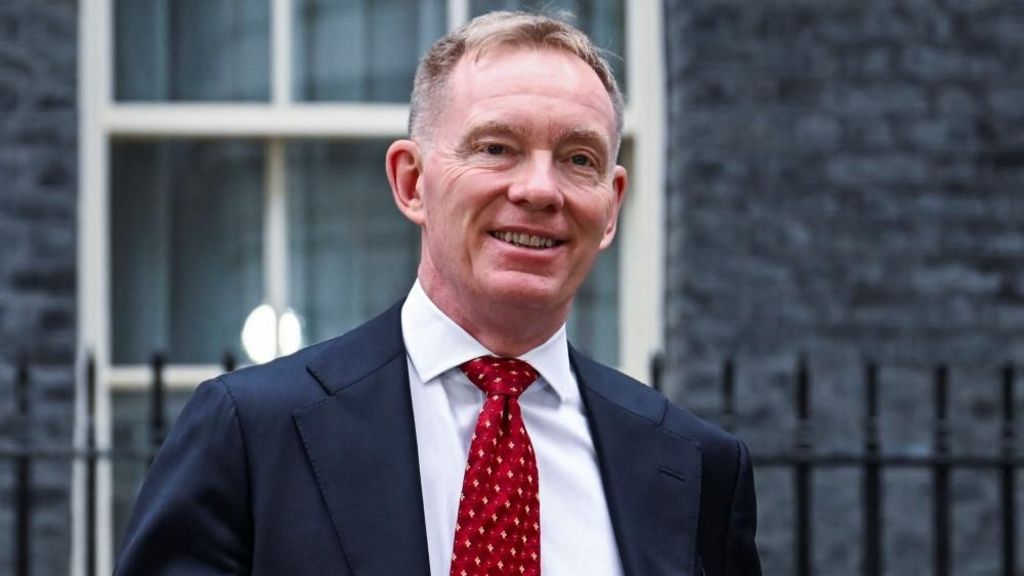
    Fresh off his appointment to the UK Cabinet, newly minted Northern Ireland Secretary Sir Chris Bryant is set to make his first official visit to the Republic of Ireland on Monday, heading to Dublin for a packed schedule of diplomatic and economic engagements focused on strengthening bilateral ties and addressing longstanding regional issues.

    Bryant, who took over the role from Hilary Benn during Prime Minister Andy Burnham’s late July Cabinet reshuffle, will be accompanied throughout the day by Northern Ireland Minister Baroness Ruth Anderson and Kara Owen, the King’s Ambassador to Ireland. His itinerary includes high-level bilateral meetings with two top Irish government officials: Minister for Foreign Affairs and Trade Helen McEntee TD and Minister for Justice Jim O’Callaghan TD. He will also join a cross-border roundtable discussion with leading business figures from both the UK and Ireland.

    Ahead of kicking off his Dublin engagements, Bryant outlined his core priorities for the trip, emphasizing his unwavering commitment to upholding the Good Friday Agreement alongside Irish ministers, and delivering on the shared legacy commitments both governments have made to address the aftermath of the Troubles. “The UK-Ireland relationship is fundamental to our shared security and prosperity, and has been significantly strengthened over the past two years,” Bryant noted, adding that he also planned to highlight Northern Ireland’s untapped immense economic potential to drive new investment and growth.

    Talks with Irish ministers will center on a range of shared priorities, from boosting collaborative economic growth and cross-border security to advancing work on Troubles legacy issues. The new Labour government is currently advancing legislation to repeal and replace key parts of the previous Conservative administration’s Troubles legacy framework, which was introduced at Westminster last year following a joint agreement with the Irish government. That 2025 bill was designed to create a new, more accountable approach to addressing decades-old legacy cases while adding new legal safeguards for military veterans. Legacy issues are expected to dominate a significant portion of Monday’s discussions, particularly following confirmation earlier this month that no extension will be granted to the application deadline for a support scheme for people left with permanent physical or psychological injuries from Troubles-related incidents.

    The business roundtable, meanwhile, will focus on pragmatic steps to expand cross-border trade and attract new inbound investment to the region, building on the deep existing economic ties between the UK and Ireland that Bryant has repeatedly highlighted as a core asset for both nations.

    This visit marks Bryant’s second major public engagement in the region since taking office, following a trip to Northern Ireland in July, where he met with representatives of all major political parties at Hillsborough Castle. At that time, he framed his approach as focused on delivering a concrete checklist of resolved priorities rather than offering immediate blank-check funding, noting that while Northern Ireland Executive parties had already made strong representations for increased budget funding, he would not be bringing final decisions on that request during his first visit. He has also clarified that a border poll on Irish unity is not among his immediate priorities for the role.

    Bryant’s appointment to the Cabinet marked his first frontbench cabinet position, though he held multiple shadow frontbench roles under both former Labour leader Jeremy Corbyn and current leader Sir Keir Starmer. A long-serving public official, he joined the Labour Party in 1986 and has served as Member of Parliament for the Welsh constituency of Rhondda and Ogmore since 2001. Before entering politics, he was an Anglican priest, but left the church in 1991 over the institution’s stance on homosexuality. In 2010, he and his long-term partner Jarred Cranney made history as the first couple to enter a civil partnership at the Palace of Westminster. He was knighted in 2023 for his years of campaigning work on behalf of people affected by acquired brain injury and melanoma, a deadly form of skin cancer.