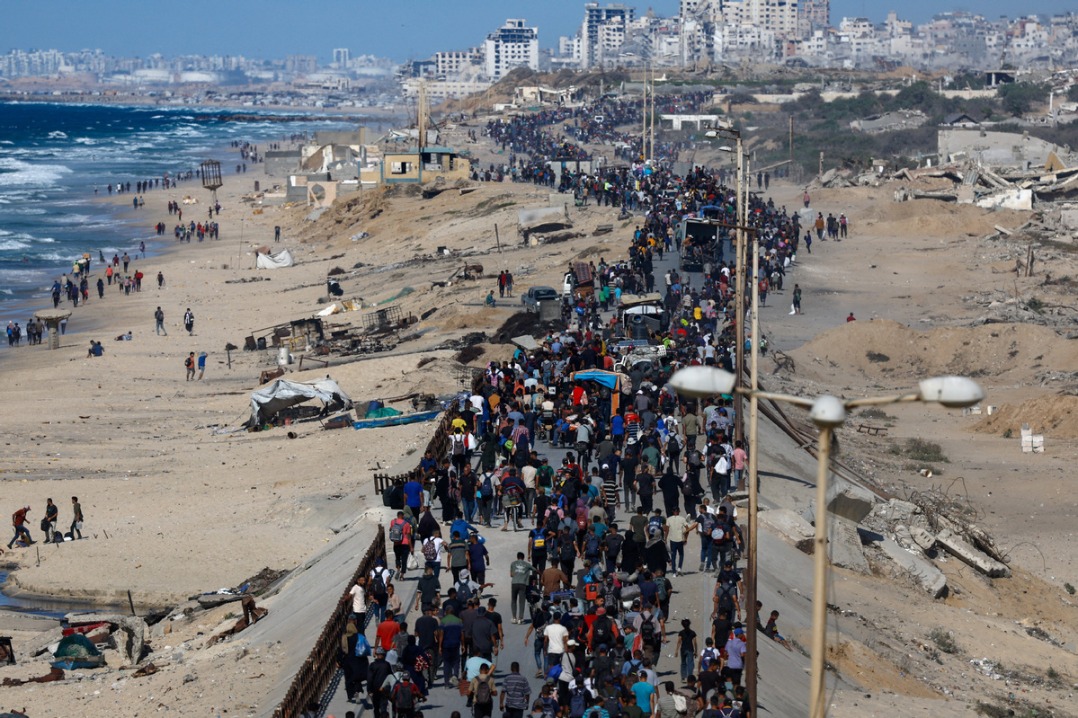
Israeli Prime Minister Benjamin Netanyahu emphasized on Sunday that the nation’s military campaign remains ongoing, even as a ceasefire with Hamas takes effect and the release of hostages and detainees is underway. Speaking in a televised address, Netanyahu described the planned release of the 20 remaining living Israeli hostages as a ‘historic event,’ but cautioned that the conflict is far from resolved. ‘Wherever we fought, we won,’ he stated. ‘But the campaign is not over yet.’ Netanyahu highlighted the persistent security challenges facing Israel, warning that some adversaries are attempting to regroup. He vowed to ensure the nation’s safety and stability. Earlier in the day, Israel’s military chief, Eyal Zamir, declared a ‘victory over Hamas,’ attributing the success to sustained military pressure and diplomatic efforts. Zamir also noted that Israel remains engaged in a ‘multi-front war’ and will continue its operations to reshape the Middle East’s security landscape. The ceasefire, which began on Friday, follows over two years of intense Israeli bombardments that have left Gaza in ruins and triggered widespread famine. While the truce has brought temporary relief, Netanyahu’s remarks underscore the fragile nature of the peace and the ongoing tensions in the region.
博客
-
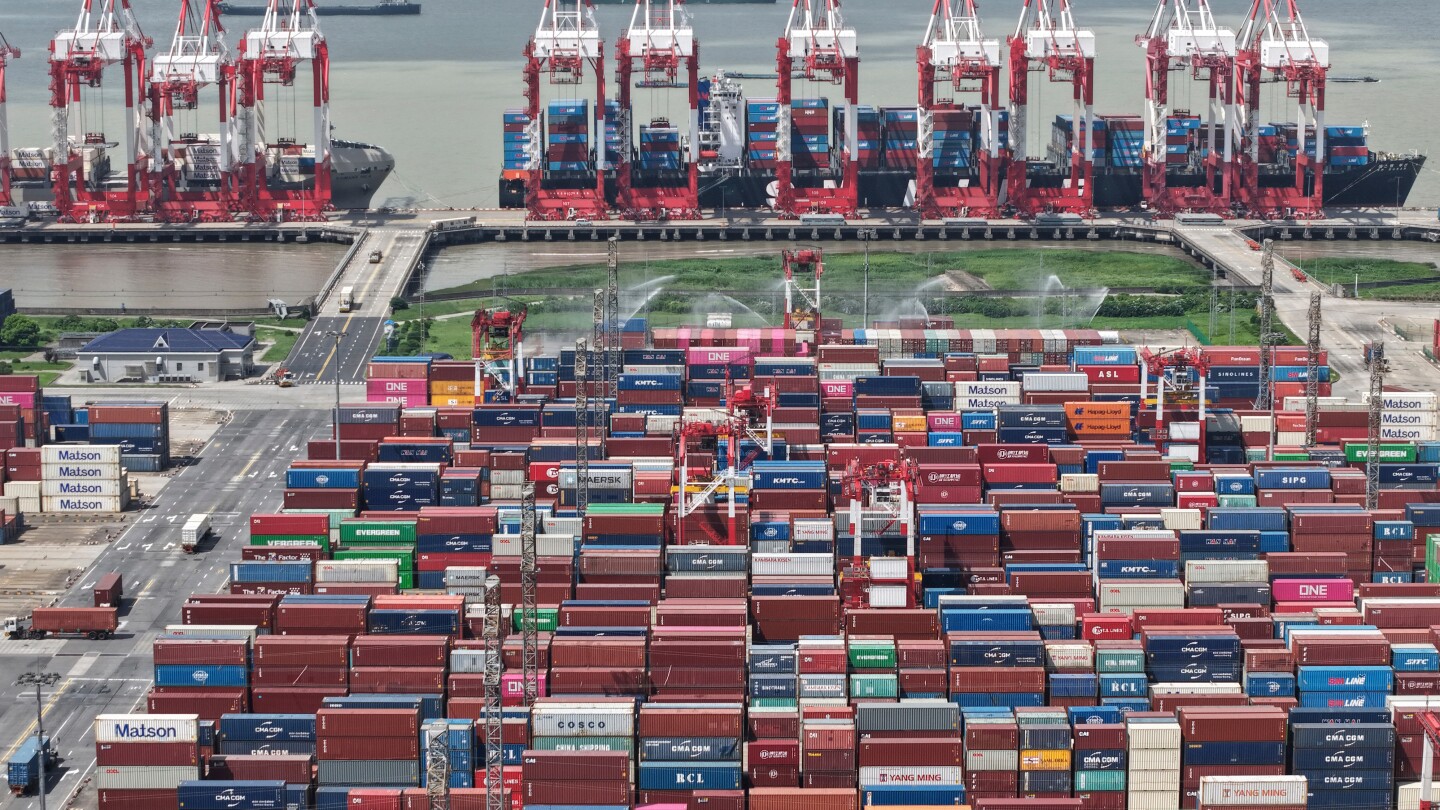
China’s exports to US drop in September, while rise in global shipments hits a 6-month high
China’s trade dynamics in September presented a mixed picture, with global exports surging to a six-month high while exports to the United States continued their downward spiral. According to customs data released on Monday, China’s worldwide exports rose by 8.3% year-on-year, reaching $328.5 billion, significantly exceeding economists’ expectations and marking a notable improvement from August’s 4.4% growth. However, exports to the U.S. plummeted by 27% compared to the previous year, marking the sixth consecutive month of decline and following a 33% drop in August. Imports also showed improvement, growing by 7.4% in September, up from a modest 1.3% increase in August, though domestic economic challenges and a struggling real estate sector continue to dampen demand. The ongoing trade tensions between Beijing and Washington have cast a shadow over the outlook, with both sides imposing new tariffs and retaliatory measures. U.S. President Donald Trump’s policies aimed at reshoring manufacturing have pressured Chinese exports to the U.S., prompting China to diversify its markets. Shipments to Southeast Asia grew by 15.6%, while exports to Latin America and Africa surged by 15% and 56%, respectively. Despite these efforts, the external environment remains fraught with uncertainty, as highlighted by Wang Jun, vice minister of China’s customs agency, who emphasized the need for sustained efforts to stabilize trade in the fourth quarter. Analysts like Gary Ng of Natixis point to the resilience of China’s exports due to low costs and limited global alternatives but warn that escalating export controls could have a more prolonged impact on supply chains. Recent developments, including Trump’s threats of additional tariffs and export controls on critical software, coupled with China’s retaliatory measures such as new port fees and extended export controls on lithium-ion batteries and rare earths, have further strained relations. These tensions could jeopardize a planned meeting between Trump and Chinese President Xi Jinping in late October and underscore the lack of progress in reaching a comprehensive trade agreement.
-
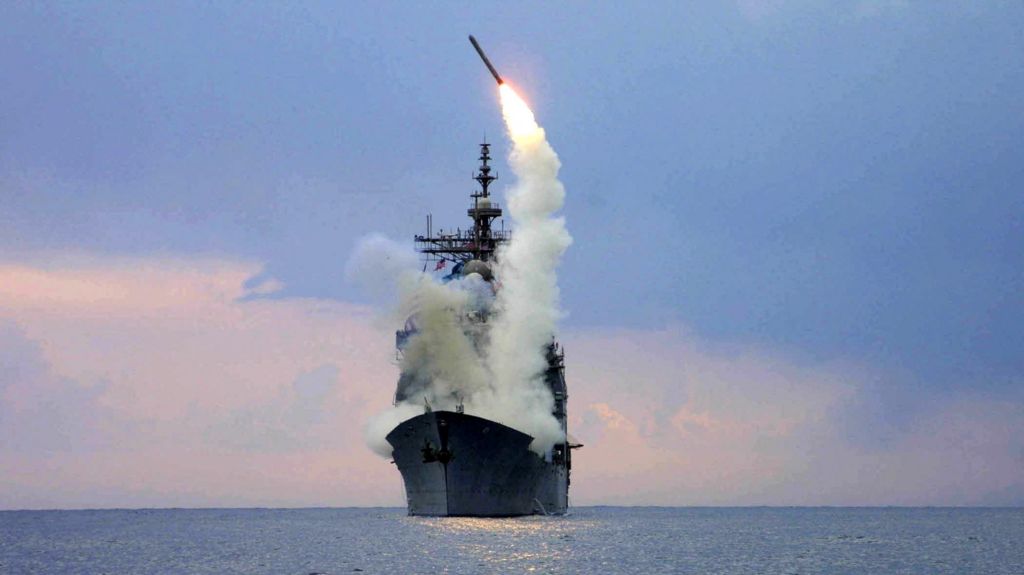
Trump says he may send Tomahawk missiles to Ukraine
In a significant development in the ongoing Russia-Ukraine conflict, U.S. President Donald Trump has hinted at the possibility of supplying Ukraine with Tomahawk long-range cruise missiles. This move, described by Trump as ‘a new step of aggression,’ could dramatically enhance Ukraine’s ability to strike deep into Russian territory. The consideration follows a recent phone conversation between Trump and Ukrainian President Volodymyr Zelensky, during which Zelensky emphasized the need for advanced military capabilities to counter Russian offensives. Tomahawk missiles, with a striking range of 2,500 kilometers (1,500 miles), would place Moscow within Ukraine’s reach, potentially altering the strategic dynamics of the war. However, Moscow has previously cautioned Washington against such actions, warning that it would escalate tensions and further strain U.S.-Russian relations. Trump, speaking to reporters aboard Air Force One en route to Israel, indicated that he might discuss the matter with Russia, stating, ‘Do they [Russia] want Tomahawks going in their direction? I don’t think so.’ The potential deployment of these missiles comes as Ukraine faces relentless Russian attacks on its cities and critical infrastructure, including energy facilities, which have caused widespread power outages. Last month, Trump’s special envoy to Ukraine, Keith Kellogg, suggested that the U.S. president had authorized strikes deep into Russian territory, asserting that ‘there are no such things as sanctuaries’ in this conflict. Despite these developments, the Kremlin has downplayed the impact of Tomahawks, with spokesperson Dmitry Peskov stating that such weapons ‘won’t be able to change the dynamic’ of the war.
-

Hamas, Israel in discussions over list of prisoners to be released: Palestinian sources
Indirect negotiations between Hamas and Israel, facilitated by Egyptian, Qatari, and Turkish mediators, have entered their final phase, focusing on the list of prisoners to be exchanged, according to Palestinian sources. The talks, held on Sunday, aim to finalize the details of a recently agreed ceasefire deal. Under the agreement, Hamas will release 20 living hostages and 28 deceased hostages held in Gaza since the Israel-Hamas conflict began on October 7, 2023. In return, Israel will free approximately 2,000 Palestinian detainees. However, disagreements persist over the composition of the prisoner list. Hamas is pushing for the inclusion of prominent figures such as Fatah leader Marwan Barghouti and Popular Front for the Liberation of Palestine leader Ahmed Saadat, while Israel prefers to release women, minors, and prisoners serving medium-term sentences. A senior Hamas official, speaking anonymously, revealed that intensive discussions with mediators have been ongoing to expand the list and prioritize the release of long-term detainees. The official expressed confidence that mediators are working tirelessly to resolve remaining obstacles before the official announcement. Hamas reiterated its commitment to implementing the agreement on schedule, emphasizing its humanitarian framework supervised by international partners. Meanwhile, Israel anticipates the release of all 20 living hostages early Monday morning. An international task force will be established to assist in locating the remains of deceased hostages. Israeli security measures have been heightened in Gaza to ensure the smooth execution of the exchange process.
-
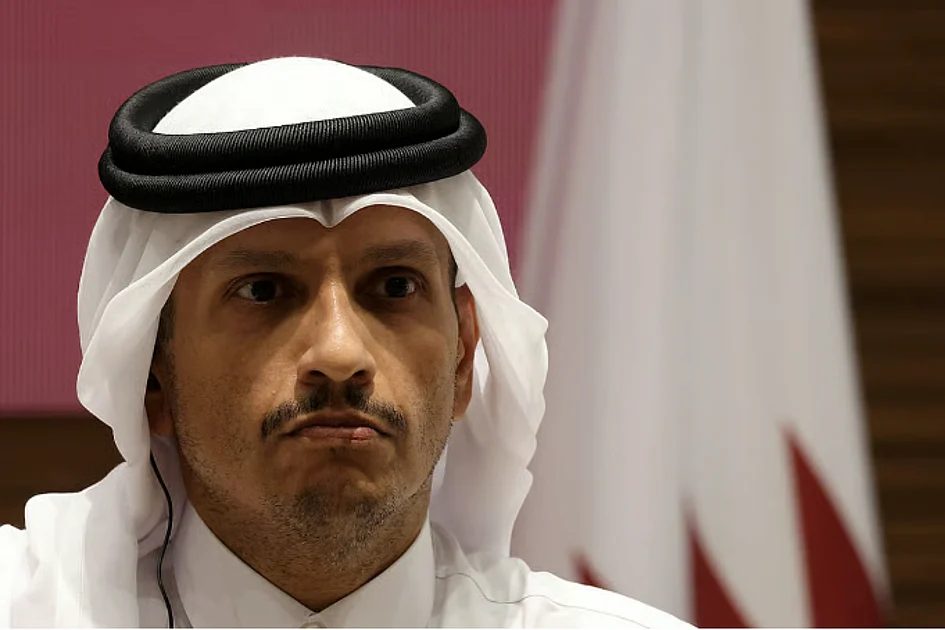
Qatar PM offers condolences after 3 Qatari diplomats die in Egypt car crash
In a tragic incident near Egypt’s Sharm el-Sheikh, three Qatari diplomats lost their lives in a car crash, prompting an outpouring of condolences from Gulf leaders. The Qatari Prime Minister, Sheikh Mohammed bin Abdulrahman Al Thani, expressed his heartfelt sympathies to the bereaved families via a post on X, formerly known as Twitter. He prayed for the deceased to be granted eternal peace and for their families to find strength during this difficult time. Additionally, he wished a swift recovery for the two individuals injured in the accident, who are currently receiving medical care at a local hospital. The Qatar embassy in Cairo confirmed the details of the incident, which occurred early on Sunday. The diplomats were part of Qatar’s Amiri Diwan, the royal court, and were on official duty at the time of the crash. The accident has drawn widespread attention, especially given the recent diplomatic activities in Sharm el-Sheikh, where Qatar, Turkey, and Egypt had engaged in indirect talks aimed at brokering peace in the ongoing Gaza conflict. The city is also set to host a global summit to finalize the agreement. Leaders from across the Gulf, including UAE President Sheikh Mohamed bin Zayed Al Nahyan, Saudi King Salman bin Abdulaziz, and Kuwait’s Emir Sheikh Meshal Al Ahmad Al Jaber Al Sabah, have extended their condolences to Qatar. The Gulf Cooperation Council (GCC) also issued a formal statement expressing solidarity with Doha in this time of grief.
-

‘We’re in limbo’: A town in Trump country where shutdown axe looms
Three months into his stay at a temporary housing facility for homeless veterans in Martinsburg, West Virginia, Jonathan Giba continues to wait for essential medical and dental care. The U.S. government shutdown has further delayed his treatment, leaving him frustrated and calling the situation ‘political bs.’ The Veterans Affairs (VA) hospital where Giba resides is still operational, but other VA programs assisting veterans with job placement and transitioning to civilian life have been suspended. ‘The shutdown is a waste of time, and it hurts everyone in the meantime,’ Giba, an Army veteran, remarked. Martinsburg, a town heavily reliant on federal employment, is particularly vulnerable to the shutdown’s ripple effects. With over 3,300 federal workers employed locally and thousands more commuting to Washington, D.C., the economic impact is severe. The shutdown has also disrupted community events and threatened the livelihoods of small businesses. Troy Williams, another veteran, emphasized that the issue transcends party lines: ‘This isn’t a Democrat or Republican issue; this is a why aren’t they working on a solution issue.’ Air Force veteran Marcellus Brothers expressed concern about the uncertainty, stating, ‘We’re in limbo; it’s scary.’ The political deadlock between Republicans and Democrats over government funding has left over 700,000 federal workers on unpaid leave, with 200,000 ‘essential’ employees working without pay. The shutdown has already forced the closure of critical services, including a USDA office assisting farmers and ranchers. West Virginia Senator Shelley Moore Capito has blamed Democrats for the impasse, while local residents fear the long-term economic consequences. ‘The pain to the elderly, the disabled, and to children could be catastrophic,’ warned resident Mark Mulligan. As the shutdown persists, the toll on communities, businesses, and individuals continues to mount.
-

Paraguay – the Silicon Valley of South America?
Gabriela Cibils, a Paraguayan tech visionary, is spearheading efforts to transform her homeland into South America’s Silicon Valley. Growing up in Paraguay, a country nestled between Brazil and Argentina, Cibils observed that the nation was not traditionally tech-focused. However, inspired by her parents’ careers in technology and her education at the University of California, Berkeley, she pursued a path in computing and neuroscience. After eight years in Silicon Valley, Cibils returned to Paraguay, driven by a mission to elevate the country’s tech sector and attract global tech giants. Now a partner at Cibersons, a global technology and investment firm based in Asunción, she is leveraging Paraguay’s unique advantages to position it as a hub for innovation. Paraguay’s abundant, low-cost green energy, primarily from the Itaipu Dam—the world’s largest hydroelectric power station outside China—is a key selling point. The dam supplies 90% of Paraguay’s electricity needs and makes the country the largest exporter of clean energy globally. This reliable and renewable energy source is particularly appealing for energy-intensive industries like AI data centers. Paraguayan President Santiago Peña has actively promoted the country’s potential, engaging with tech giants like Google and OpenAI during a visit to California. The government is also investing $20 million in a new digital park near Asunción’s airport, designed to foster collaboration between public, private, and academic sectors. With a young population—average age 27—and initiatives to train software engineers and programmers, Paraguay is building a robust tech ecosystem. Vanessa Cañete, president of the Paraguayan Chamber of the Software Industry, emphasizes the importance of closing the gender gap in tech through initiatives like Girls Code, which has trained over 1,000 young women in programming and robotics. While challenges like bureaucratic hurdles remain, Cibils and other leaders are optimistic about Paraguay’s potential to become a global tech superpower.
-

Shamans openly using psychedelic drugs for treatment in South Africa
In the lush outskirts of Cape Town, a clandestine yet burgeoning industry thrives despite stringent legal prohibitions. Psychedelic substances such as psilocybin and MDMA, though illegal in South Africa, are being openly utilized by self-proclaimed healers and shamans for therapeutic purposes. These practitioners, operating in a legal grey area, offer treatments that they claim can address a spectrum of mental health issues, from depression to PTSD.
-
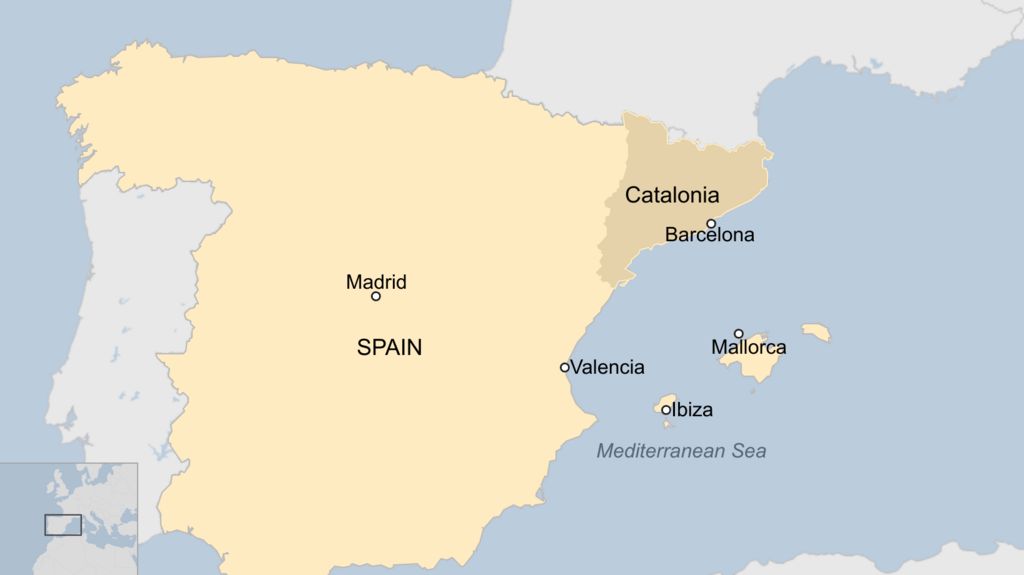
Floods trap people in cars in Spain’s Catalonia region
Torrential rains have unleashed devastating floods in Spain’s north-eastern Catalonia region, leaving numerous individuals stranded in their vehicles, according to officials. Dramatic footage circulating on social media depicts muddy torrents surging through the towns of La Ràpita and Santa Bàrbara in Tarragona province, sweeping away everything in their path. Spain’s national weather agency, AEMET, has issued a red alert—the highest level of warning—for the coastal province. Fortunately, there have been no reports of fatalities or injuries thus far. Catalonia’s Civil Protection agency has advised residents in Tarragona’s Ebro Delta to remain indoors, as AEMET predicts up to 180mm (7 inches) of rainfall within a 12-hour period. ‘The situation is complex, and additional rainfall is expected,’ stated Cristina Vicente, a senior official at the agency, in an interview with La Vanguardia newspaper. The severe weather has disrupted train services along the Mediterranean Corridor, with departures from Barcelona and Valencia suspended indefinitely. This flooding follows days of heavy rains and inundation in several south-eastern Spanish regions, including the Balearic Islands. The extreme conditions are attributed to Storm Alice, which has been active in the western Mediterranean.
-
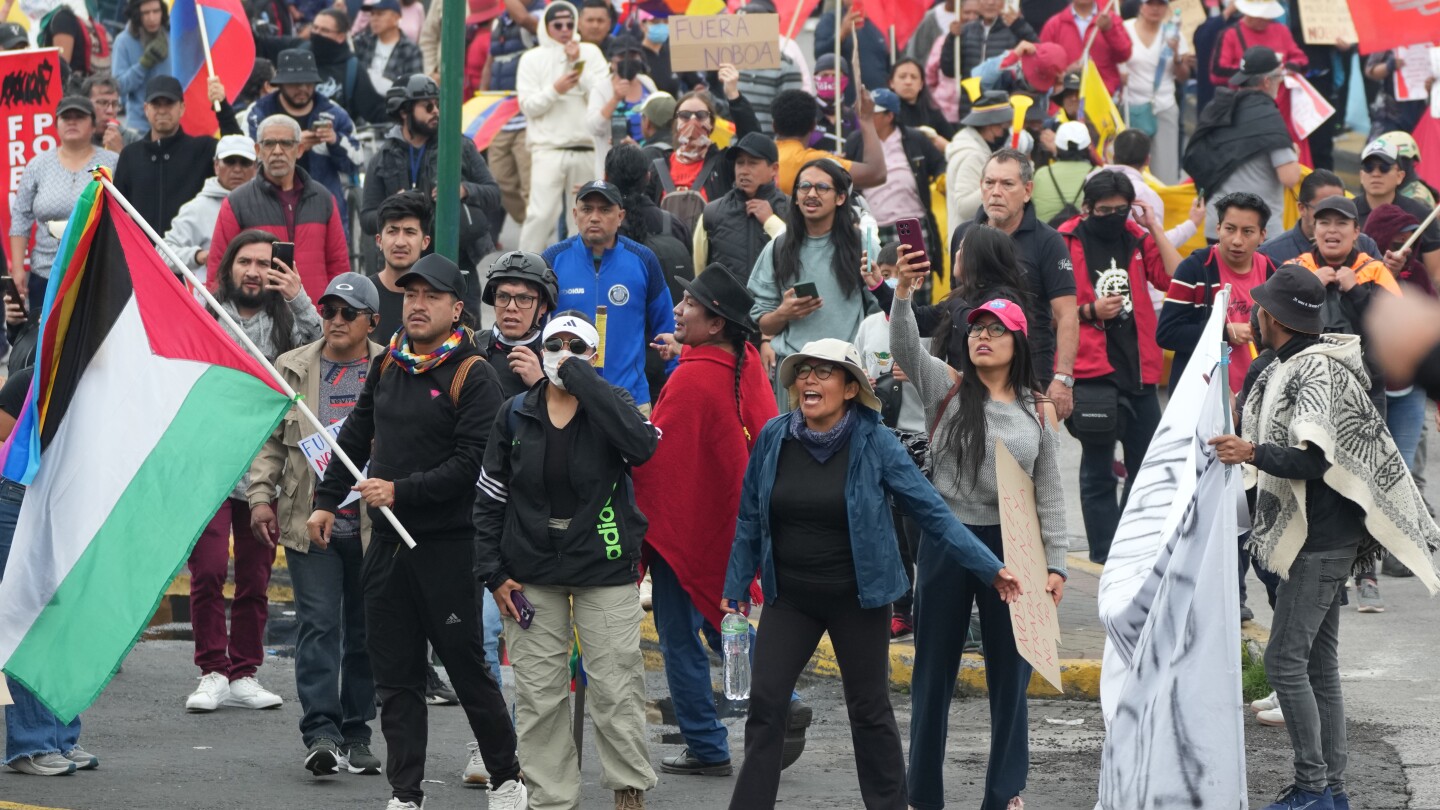
Protesters clash with police in Ecuador amid nationwide strike over fuel prices
QUITO, Ecuador — The streets of Ecuador’s capital, Quito, were engulfed in chaos on Sunday as demonstrators protesting soaring fuel prices clashed with riot police. Protesters burned tires, blocked roads, and faced off against law enforcement, who responded with tear gas. This marked the latest escalation in a series of nationwide protests that have tested President Daniel Noboa’s administration. The unrest was sparked 21 days ago by Ecuador’s largest Indigenous organization, which called for strikes following the government’s decision to eliminate a fuel subsidy, causing diesel prices to surge from $1.80 to $2.80 per gallon. The protests have often turned violent, resulting in one civilian death, dozens injured, and over a hundred arrests. In response, Noboa declared a state of emergency in 10 provinces, restricting public gatherings in Quito and other areas. Last week, the situation intensified when protesters attacked Noboa’s motorcade with rocks. Sunday’s rally, coinciding with Ecuador’s Day of Interculturality and Plurinationality—a holiday honoring the nation’s Indigenous heritage—drew thousands of police in riot gear to the capital. Protesters, chanting “Noboa out, out!,” marched from southern Quito but were dispersed by police before reaching their destination. President Noboa has defended the subsidy cuts, arguing they are necessary to address the country’s financial crisis and curb fuel smuggling across borders. However, the policy has disproportionately impacted Indigenous communities, who rely on affordable fuel for agriculture, fishing, and transportation. Despite offering bonuses to struggling farmers and transport workers, Noboa has refused to negotiate with the Indigenous federation, further fueling tensions.