博客

  • I didn’t know Epstein was a predator – Norway’s crown princess

    I didn’t know Epstein was a predator – Norway’s crown princess

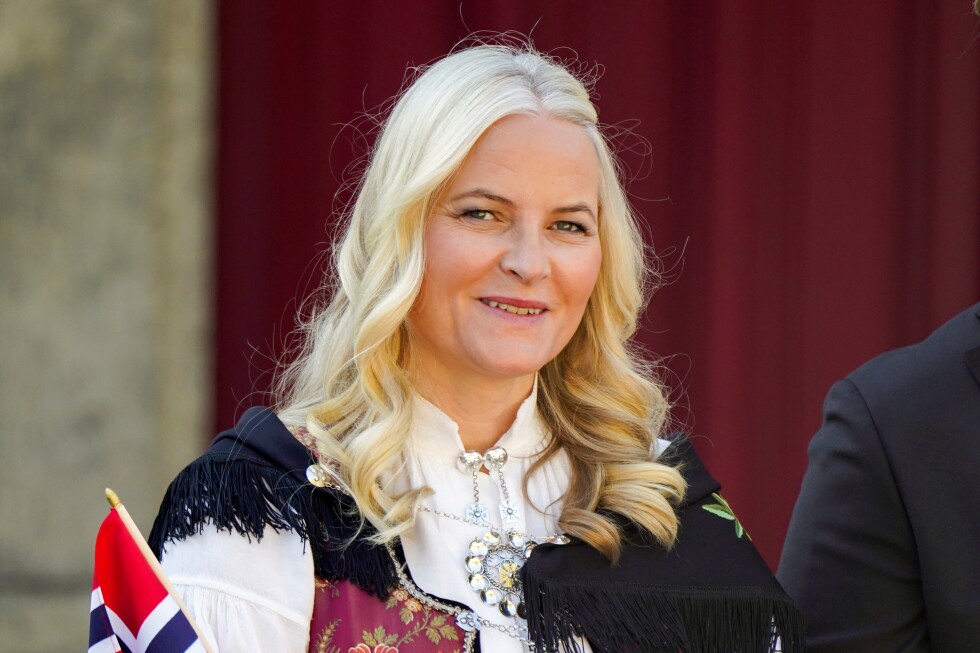
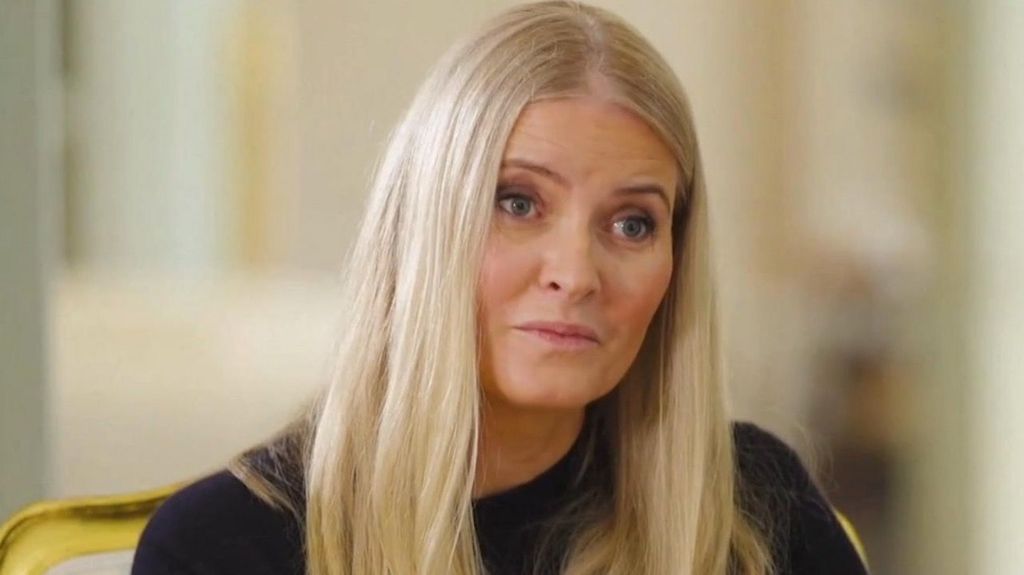
    In a rare and candid public statement, Norway’s Crown Princess Mette-Marit has openly expressed profound regret over her past association with the late financier and convicted sex offender Jeffrey Epstein. The royal figure disclosed that she had been entirely unaware of Epstein’s predatory behavior and criminal activities at the time of their acquaintance.

    The Crown Princess’s remarks came during a carefully moderated public engagement, where she addressed previous social interactions with the disgraced financier. She emphasized that had she possessed any knowledge of his criminal actions and the extent of his exploitation of vulnerable young women, she would have unequivocally avoided any contact with him.

    This revelation marks a significant moment for European royalty, demonstrating a willingness to address uncomfortable associations with controversial figures. The statement reflects the ongoing reassessment of social connections in the wake of the Epstein scandal, which has implicated numerous high-profile individuals across international business, political, and aristocratic circles.

    The Norwegian royal household has maintained a reputation for transparency and modernity compared to other European monarchies. Princess Mette-Marit’s decision to address this matter publicly aligns with this tradition of openness while acknowledging the complex social responsibilities faced by contemporary royalty in navigating international relationships and associations.

  • Venezuelan leader replaces senior military commanders

    Venezuelan leader replaces senior military commanders

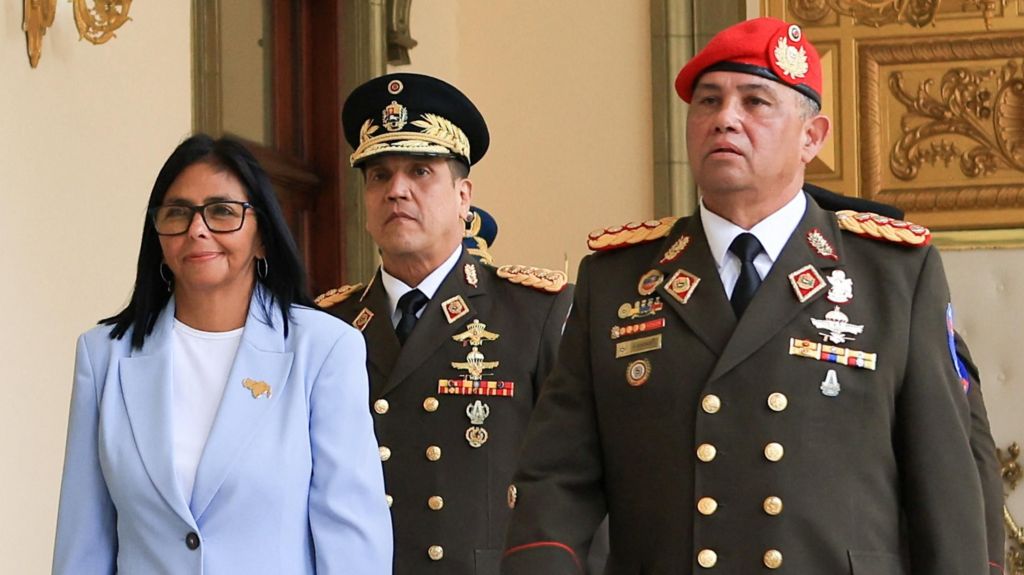
    Venezuela’s interim administration under Delcy Rodríguez has executed a comprehensive restructuring of the nation’s military command, signaling a significant departure from the previous government’s policies. The reshuffle comes precisely one day following Rodríguez’s appointment of Gustavo González López as Defense Minister, replacing longtime Nicolás Maduro loyalist Vladimir Padrino López.

    Rodríguez characterized the sweeping changes as essential for safeguarding Venezuela’s ‘sovereignty, peace, stability and territorial integrity.’ The reorganization introduces a completely new leadership team across all military branches: Dilio Alejandro Agüero Montes assumes command of the navy, Royman Antonio Hernández Briceño leads the air force, and Rubén Darío Belzares Escobar takes charge of the army.

    This strategic realignment follows the dramatic capture of former President Maduro by U.S. forces in January and reflects Rodríguez’s ongoing efforts to establish closer cooperation with Washington. The two nations recently restored diplomatic relations in early March after years of tension.

    The appointment of González López has drawn sharp criticism from human rights organizations. Provea, a Venezuelan human rights watchdog, condemned the move as a ‘recycling of impunity,’ while Human Rights Watch’s Americas director Juanita Goebertus noted the appointment ‘means keeping the repressive structure intact and rewarding someone who should be investigated for very serious human rights violations.’

    González López’s background includes two terms leading Venezuela’s intelligence service (Sebin) under Maduro between 2014-2018 and 2019-2024. In 2015, the Obama administration sanctioned him for alleged human rights abuses, citing his ‘prominent role in the repressive actions against the civil population during the protests in Venezuela.’

    Despite these concerns, Rodríguez expressed full confidence in her new defense minister, welcoming him and the newly appointed military commanders at the presidential palace on Thursday.

  • Spain makes light of failure to reschedule Finalissima vs. Argentina with comedy sketch

    Spain makes light of failure to reschedule Finalissima vs. Argentina with comedy sketch

    BARCELONA, Spain — The Spanish football federation has demonstrated remarkable adaptability following the cancellation of the highly anticipated “Finalissima” match against Argentina. Originally scheduled for March 27 in Qatar, the championship game between European and South American titleholders was called off due to security concerns stemming from escalating regional conflicts in the Middle East.

    Rather than lamenting the lost opportunity, Spain’s football authorities swiftly organized an alternative friendly match against Serbia in Villarreal on the same date. The federation showcased their creative response through a humorous video posted on their official social media channels. The sketch features an Argentine couple where the husband unexpectedly reaches out to Spanish coach Luis de la Fuente requesting tickets. Surprisingly, the coach responds positively, offering multiple tickets while expressing regret about the cancelled Argentina-Spain showdown.

    The cancellation resulted from intensified military actions in the region that made Qatar an untenable host. Despite extensive efforts by UEFA and CONMEBOL to find alternative arrangements, including proposed venues in Madrid and Italy, all solutions proved unworkable. Disagreements emerged regarding dates and locations, with Argentina proposing a March 31 fixture while Spain had scheduling conflicts.

    In additional football developments, Spain announced another friendly match against Egypt in Barcelona on March 31. Coach de la Fuente unveiled his squad selection, introducing several new faces including Barcelona goalkeeper Joan García and Arsenal defender Cristhian Mosquera, both fresh from Olympic success. The selection presents interesting tactical decisions, particularly in midfield where Martín Zubimendi’s current form challenges established starter Rodri ahead of June’s World Cup preparations.

  • Hungary’s Orbán threatens further anti-Ukraine measures over Russian oil dispute

    Hungary’s Orbán threatens further anti-Ukraine measures over Russian oil dispute

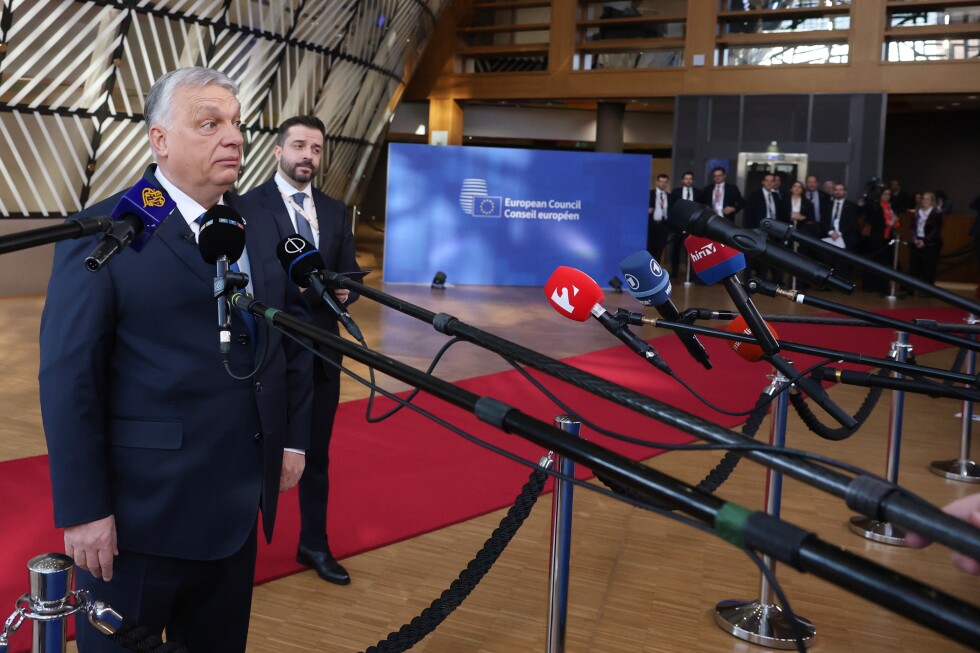
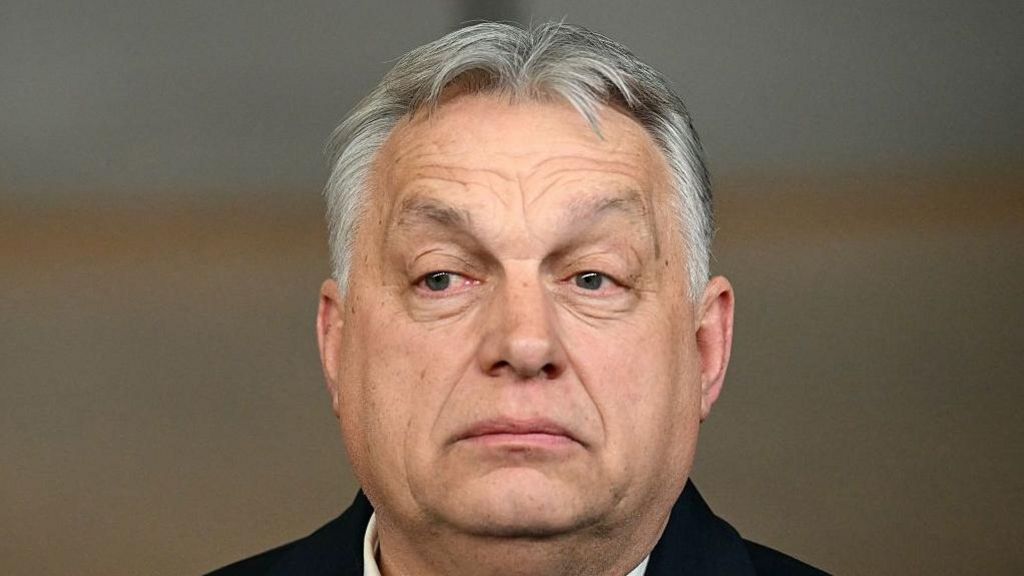
    BRUSSELS — Hungarian Prime Minister Viktor Orbán has intensified his government’s confrontation with Ukraine, revealing multiple leverage points his administration could employ to compel the restoration of Russian oil shipments. The announcement came just one day after Orbán single-handedly vetoed a critical €90 billion European Union assistance package destined for Kyiv.

    Speaking to journalists in the Belgian capital, Orbán disclosed that Hungary maintains significant influence over Ukraine’s energy infrastructure, noting that “40 percent of Ukraine’s electricity supply transits through Hungarian territory.” The prime minister characterized this as merely one of “many cards in our hands” beyond blocking financial aid that Ukraine desperately requires to sustain its military operations and economic stability.

    Tensions between the neighboring nations have deteriorated sharply in recent weeks following the interruption of oil deliveries through the Druzhba pipeline, which traverses Ukrainian territory. While Ukraine attributes the disruption to Russian drone strikes damaging pipeline infrastructure, Hungarian authorities have accused Kyiv of intentionally creating an “oil blockade” against Hungarian interests.

    Orbán further threatened to veto the EU’s forthcoming seven-year budget should it incorporate financial support for Ukraine, declaring: “I don’t think it’s worth picking a fight with Hungary.” The prime minister also emphasized that any new EU sanctions against Russia would require unanimous approval, which Hungary would withhold.

    The confrontation occurs against the backdrop of Hungary’s April parliamentary elections, which analysts predict will be the most competitive contest during Orbán’s lengthy tenure. The Hungarian leader has increasingly centered his campaign on anti-Ukraine rhetoric, portraying President Volodymyr Zelenskyy as an existential threat to Hungarian sovereignty and alleging that Ukrainian and EU leadership seek to drag Hungary into direct conflict with Russia.

    EU officials had previously attempted to resolve the impasse by offering technical and financial support to repair the damaged pipeline, which Ukraine accepted. However, Orbán’s latest statements indicate a hardening position that extends beyond energy concerns to fundamental disagreements about the EU’s relationship with Ukraine amid ongoing hostilities.

  • Officer reportedly leaks location of French aircraft carrier with Strava run

    Officer reportedly leaks location of French aircraft carrier with Strava run

    A significant security breach has emerged from the French Navy after a naval officer inadvertently revealed the precise location of the aircraft carrier Charles de Gaulle through a fitness tracking application. According to initial reporting by Le Monde, the officer—identified only as Arthur—recorded a 35-minute run on the deck of the carrier on March 13 using Strava, a popular sports app. The activity was geotagged and uploaded, creating a digital map that pinpointed the warship’s position approximately 100 kilometers northwest of Cyprus in the eastern Mediterranean.

    The French Ministry of Armed Forces confirmed the aircraft carrier serves as the centerpiece of a carrier strike group recently deployed to the region amid escalating tensions related to the Iran conflict. In response to inquiries from AFP, military officials stated the incident ‘does not comply with current instructions’ and promised appropriate measures would be taken if the report is verified. BBC Verify attempted to locate the specific route but found it may have been deleted or made private after discovery.

    This incident represents the latest in a series of security concerns involving fitness tracking applications. Previous cases include the exposure of French President Emmanuel Macron’s security details through his bodyguards’ Strava activities in 2024, similar tracking of US Secret Service agents protecting President Biden, and the identification of Russian security personnel at disputed properties. The application’s ‘heatmap’ feature—which aggregates and visualizes global user activity—has previously drawn criticism for potentially compromising military base locations worldwide.

    The Charles de Gaulle carrier group, which includes 20 fighter jets, surveillance aircraft, and helicopters, was deployed as part of France’s enhanced military presence in the Middle East. President Macron has characterized the deployment as strictly defensive, aimed at protecting French nationals and interests while supporting regional allies. Strava, headquartered in San Francisco, boasts over 195 million users across 185 countries and utilizes GPS technology from mobile devices and fitness trackers to map exercise routes.

  • Zelenskyy sends a delegation to US to seek resumption of Russia-Ukraine talks

    Zelenskyy sends a delegation to US to seek resumption of Russia-Ukraine talks

    Ukrainian President Volodymyr Zelenskyy has dispatched an official delegation to the United States in an effort to restart suspended negotiations aimed at ending Russia’s ongoing invasion of Ukraine. This diplomatic move comes as both Kyiv and Moscow signal potential readiness to resume trilateral discussions, though significant obstacles remain.

    The peace talks, mediated by the United States, have failed to yield breakthroughs on critical issues and were put on hold as international attention shifted to the conflict in Iran. Kremlin spokesman Dmitry Peskov confirmed Russia would not participate in the upcoming U.S.-Ukraine meeting, noting that timing and venue for renewed trilateral negotiations had not yet been finalized. Peskov characterized the current pause in discussions as “temporary.”

    Western European officials have consistently accused Russian President Vladimir Putin of deliberately prolonging negotiations while pursuing military advantages on the battlefield. Russian forces currently occupy approximately 20% of Ukrainian territory, with expectations mounting that Putin will launch new offensives as weather conditions improve.

    The geopolitical landscape has complicated Ukraine’s position significantly. The recent conflict in the Middle East, beginning with Israeli and U.S. strikes on Iran in late February, has diverted international attention and resources from Ukraine’s struggle. Meanwhile, Russia is benefiting financially from a temporary U.S. waiver on oil sanctions, while Ukraine faces severe cash shortages and awaits delivery of a promised €90 billion loan from the European Union.

    Military assistance concerns are growing as well. Ukraine may receive fewer advanced air defense missiles precisely when it needs them most, as stockpiles are depleted by the Iran conflict. In response, Ukraine is leveraging its battlefield experience with drone interception technology, offering expertise to Arab Gulf nations targeted by Iranian Shahed drones in exchange for air defense capabilities. A senior Ukrainian delegation has recently visited the Gulf region to explore potential security agreements.

    Zelenskyy addressed these developments Thursday evening, indicating progress in understanding what new security arrangements might be achieved with regional partners. The White House has not confirmed any specific meeting details regarding the Ukrainian delegation’s visit.

  • Hungary’s Orbán accused of disloyalty and blackmail over Ukraine loan veto

    Hungary’s Orbán accused of disloyalty and blackmail over Ukraine loan veto

    European Union leaders have erupted in fury against Hungarian Prime Minister Viktor Orbán, accusing him of disloyalty and political blackmail for vetoing a crucial €90 billion aid package for Ukraine. The dramatic confrontation unfolded during a tense Brussels summit that extended late into Thursday night.

    Orbán justified his blockade by citing an ongoing dispute over the Druzhba pipeline, a Soviet-era conduit that normally transports Russian oil to Hungary and Slovakia through Ukrainian territory. The pipeline has been non-operational since January damage, with Budapest blaming Kyiv for inadequate repairs and Kyiv maintaining the damage resulted from Russian airstrikes.

    “No oil = no money,” Orbán declared on social media platform X following the summit, directly linking energy supplies to financial assistance for Ukraine.

    The Hungarian leader’s stance drew immediate condemnation from senior EU figures. German Chancellor Friedrich Merz characterized Orbán’s actions as “a gross act of disloyalty” that would “leave deep marks” on European unity. European Council President António Costa went further, labeling the maneuver “completely unacceptable” and declaring that “nobody can blackmail the European institutions.”

    French President Emmanuel Macron described the summit outcome as “unprecedented” while insisting the aid package must be “implemented without delay.”

    Orbán, who has maintained closer ties with Moscow than other EU leaders since Russia’s 2022 invasion of Ukraine, remained defiant. “It was a tough debate, but we stood our ground,” he posted, addressing Ukrainian President Volodymyr Zelensky directly: “As long as @ZelenskyyUa does not lift the oil blockade, they will not receive any money from Brussels.”

    The blockade creates immediate financial pressure on Ukraine, with President Zelensky having urgently appealed for the funds during the summit. “For the third month now, the most important financial security guarantee for Ukraine from Europe is not working,” Zelensky stated. “This is critical for us. It is a resource to protect lives.”

    Slovak Prime Minister Robert Fico, another Putin ally, joined Orbán in refusing to endorse the summit conclusions that reaffirmed intent to release the Ukrainian funds. With unanimity required for the aid package’s approval, EU leaders have postponed further discussion until their next meeting.

    Despite the setback, European Commission President Ursula von der Leyen vowed the assistance would reach Ukraine “one way or the other,” while Macron rejected alternatives, insisting “there will be no plan B” because “plan A must be implemented.”

  • Norway’s crown princess talks about her ties to Epstein for the first time

    Norway’s crown princess talks about her ties to Epstein for the first time

    In a revealing television interview with Norwegian broadcaster NRK, Crown Princess Mette-Marit of Norway disclosed her disturbing experiences with the convicted sex offender Jeffrey Epstein, describing herself as a victim of manipulation and deception. The royal couple’s 20-minute interview addressed the ongoing scrutiny surrounding the princess’s association with Epstein, which has persisted for years despite no allegations of wrongdoing on her part.

    The crown princess detailed a particularly unsettling 2013 encounter at Epstein’s Palm Beach, Florida mansion that left her feeling so unsafe that she contacted her husband, Crown Prince Haakon, the heir to Norway’s throne. While declining to provide specific details about the incident, Mette-Marit attributed her continued contact with Epstein between 2011 and 2014 to her own gullibility and his manipulative behavior.

    This interview coincided with the conclusion of the criminal trial involving Mette-Marit’s son, Marius Borg Høiby, from a previous relationship. Prosecutors have sought a prison sentence exceeding seven years for Høiby, who maintains his innocence against rape allegations. A verdict in his case is anticipated in early June.

    The princess, who suffers from pulmonary fibrosis causing serious respiratory challenges, acknowledged the strain her Epstein association has placed on the royal family. She expressed profound regret for her connection to Epstein, particularly emphasizing her sympathy for his victims and admitting responsibility for insufficient background research. Despite hundreds of email exchanges between them—including personal messages where Mette-Marit described Epstein as someone who ‘tickled her brain’—she maintained she never witnessed any illegal activities or knew about his sexual offenses until they became public knowledge.

    Epstein died by suicide in 2019 while awaiting trial on charges of sexually abusing underage girls at multiple residences.

  • Mexican teen dies while being held in US immigration custody

    Mexican teen dies while being held in US immigration custody

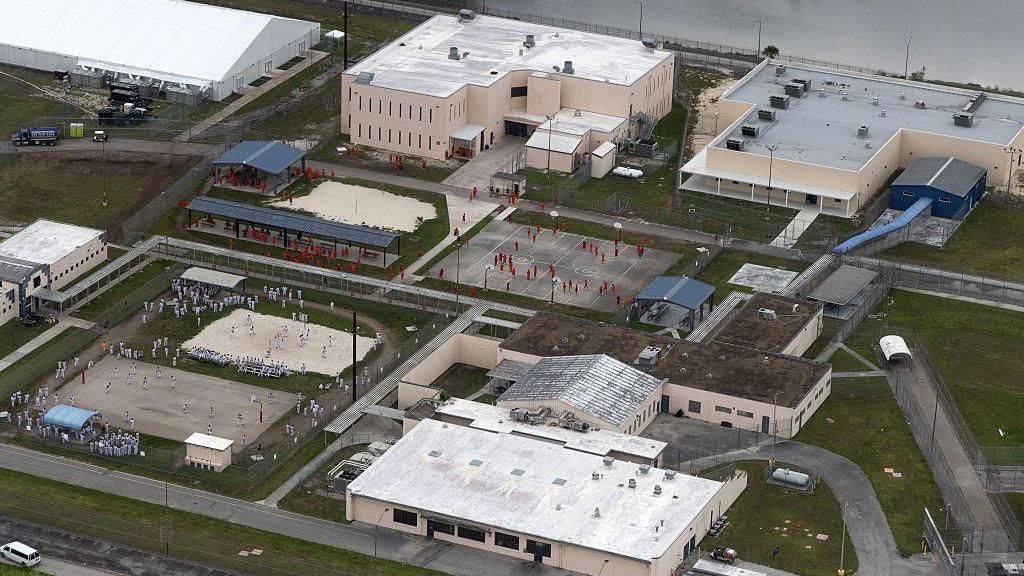
    A 19-year-old Mexican national has died while detained at a US Immigration and Customs Enforcement (ICE) facility in Florida, marking the youngest fatality in immigration custody since the reinstatement of Trump administration policies. Royer Perez-Jimenez was discovered unresponsive in his cell at Glades County Detention Center on March 16th at approximately 2:34 AM local time.

    Despite immediate resuscitation attempts by prison staff, Perez-Jimenez was pronounced dead in what ICE officials preliminarily described as a presumed suicide. The agency emphasized that the official cause of death remains under active investigation. According to detention records, the deceased had been arrested in January on charges of impersonation fraud and misdemeanor resisting arrest, having entered the United States illegally at an unspecified date.

    ICE maintains that during initial intake procedures, Perez-Jimenez denied any behavioral health concerns and provided negative responses to all suicide screening questions. This incident has triggered diplomatic repercussions, with the Mexican government formally demanding a comprehensive investigation into the circumstances surrounding the death, characterizing such fatalities as ‘unacceptable.’

    The tragedy occurs against the backdrop of intensified immigration enforcement, with advocacy group Detention Watch Network reporting over 42 migrant deaths in custody since January 2025. This figure notably exceeds the 24 custody-related deaths recorded throughout the entire previous four-year presidential term. Recent enforcement operations have additionally resulted in multiple migrant fatalities and the controversial shooting deaths of two US citizens during a Minnesota raid.

  • Shanghai launches fourth innovation, entrepreneurship competition

    Shanghai launches fourth innovation, entrepreneurship competition

    Shanghai has officially inaugurated the fourth iteration of its prestigious Innovation and Entrepreneurship Competition, marking a significant milestone in the city’s ongoing campaign to foster technological advancement and cross-sector economic growth. Launched on March 20, 2026, this year’s competition introduces substantial upgrades aligned with emerging global business trends and technological developments.

    Since its establishment in 2023, the competition has attracted remarkable participation, with over 3,200 enterprises engaging in previous editions. The 2026 event features a refined structure comprising ten specialized tracks strategically designed to leverage the unique industrial strengths of Shanghai’s various districts. These competition categories span cutting-edge creative sectors including original intellectual property operations, music innovation, game development, film and television production, digital content globalization, and artificial intelligence integration with digital creative industries.

    The competition framework has been enhanced with a comprehensive resource platform offering ten specialized empowerment services, providing participants with end-to-end support throughout their development journey. Successful enterprises will receive exclusive benefits including policy support, talent subsidies, incubation assistance, and opportunities for achievement showcases.

    The competition process will progress through multiple stages including online preliminary evaluations, semifinals, and finals, culminating in an awards ceremony scheduled for later this year. This initiative represents Shanghai’s strategic commitment to building a multi-domain innovation ecosystem that bridges cultural, commercial, tourism, and exhibition sectors while stimulating groundbreaking entrepreneurial ventures.