
China has achieved a groundbreaking milestone in high-speed rail technology with its CR450 bullet train, which reached an astonishing speed of 453 kilometers per hour during pre-service trials. This achievement solidifies the CR450’s position as the world’s fastest high-speed train, surpassing its predecessor, the CR400, which operates at 350 km/h. The trials are being conducted on the high-speed rail line connecting Shanghai and Chengdu, as reported by Science and Technology Daily. The CR450 is engineered for a top test speed of 450 km/h and a commercial service speed of 400 km/h, showcasing China’s leadership in rail innovation. The train’s design features a longer, sleeker nose, a 20-centimeter lower roofline, and a 50-tonne weight reduction, reducing aerodynamic drag by 22 percent. Additionally, the CR450 can accelerate from 0 to 350 km/h in just 4 minutes and 40 seconds, and two trains set a record by passing each other at a combined speed of 896 km/h. Before entering commercial service, the CR450 will undergo rigorous testing, logging 600,000 trouble-free kilometers to ensure passenger safety and reliability. This development marks a significant leap forward in high-speed rail technology, reinforcing China’s commitment to advancing transportation infrastructure.
博客
-
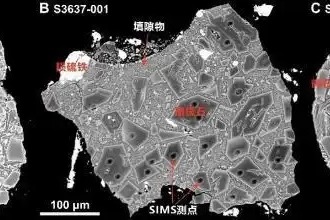
Scientists discover rare meteorite relics in Chang’e 6 lunar samples
In a groundbreaking discovery, scientists analyzing lunar samples from China’s Chang’e 6 mission have uncovered rare meteorite relics that could revolutionize our understanding of mass transfer within the Solar System. The findings, published in the prestigious journal *Proceedings of the National Academy of Sciences*, were led by a research team from the Guangzhou Institute of Geochemistry under the Chinese Academy of Sciences.
-
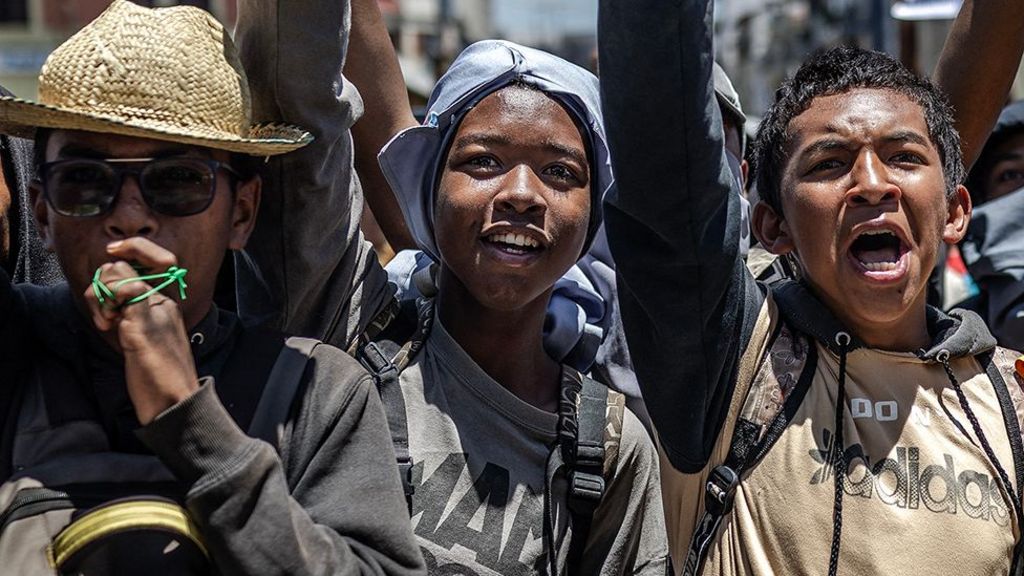
Madagascar’s Gen Z protesters angry at coup leader’s choice of PM
The recent political upheaval in Madagascar, marked by the ousting of President Andry Rajoelina, has been spearheaded by the country’s Gen Z movement. However, the group has expressed dissatisfaction with the new administration’s leadership choices. Colonel Michael Randrianirina, who led a military coup last week, was sworn in as the head of state on October 17. Shortly after, he appointed businessman Herintsalama Rajaonarivelo as prime minister. This decision has been met with criticism from Gen Z Mada, the youth-led movement, which claims the appointment was made without transparency or consultation. The group argues that Rajaonarivelo’s ties to the previous government undermine the structural changes they seek. Protests, initially sparked by frequent water and power outages, have evolved into a broader demand for political reform. Rajoelina’s attempts at dialogue failed to quell the unrest, leading to his eventual disappearance and reports of him fleeing the country. Randrianirina, in his inaugural address, acknowledged the youth’s role in the revolution but faces ongoing scrutiny from Gen Z Mada, which vows to monitor the new administration’s actions closely. The movement has warned against the continuation of past failures in governance, signaling potential further resistance if their demands are not addressed.
-
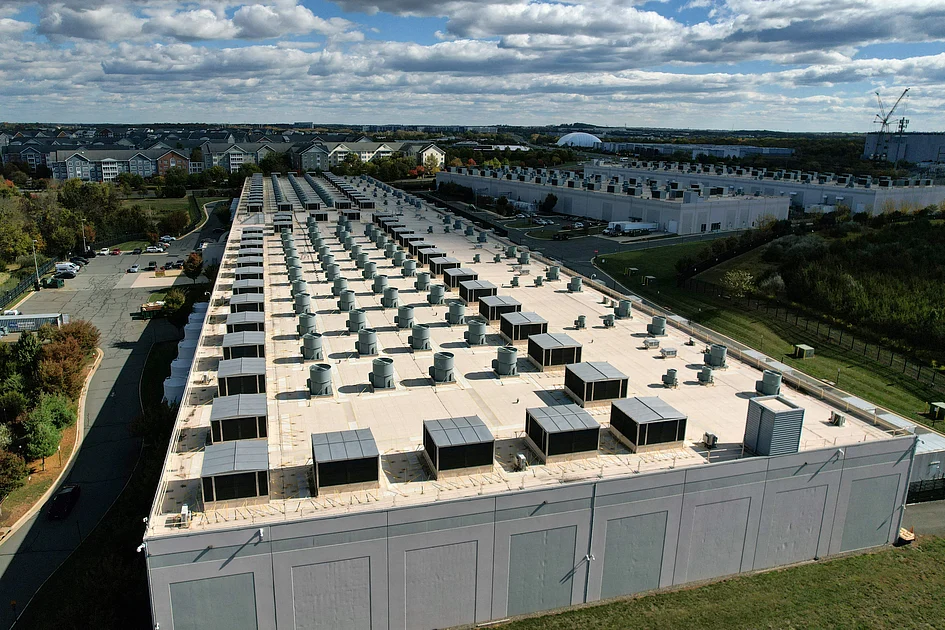
Amazon says AWS cloud service back to normal after global outage hits thousands of sites
Amazon Web Services (AWS) has restored normal operations following a significant global outage that disrupted thousands of websites and applications, including major platforms like Snapchat, Reddit, and Venmo. The incident, which began on Monday, marked the largest internet disruption since last year’s CrowdStrike malfunction, which impacted hospitals, banks, and airports. AWS attributed the outage to a subsystem failure within its network health monitoring system, specifically affecting its US-EAST-1 data center in northern Virginia, a region historically prone to such issues. The problem stemmed from the Domain Name System (DNS), which prevented applications from accessing AWS’s DynamoDB API, a critical cloud database. While most services were restored by Monday afternoon, some, including AWS Config and Redshift, faced message backlogs requiring additional processing time. The outage underscored the fragility of global cloud infrastructure and the widespread reliance on a few dominant providers. Experts emphasized the need for better fault tolerance and diversified cloud strategies to mitigate future disruptions. Major companies, including Lloyd Bank, Vodafone, and HMRC, were among those affected, with over 4 million users reporting issues. Despite the chaos, Amazon’s stock rose 1.6%, reflecting Wall Street’s muted reaction to the incident.
-

Watch: A ‘big moment’ for France as Sarkozy jailed
In a landmark judicial decision that has sent shockwaves through France, former President Nicolas Sarkozy has been sentenced to serve time in prison. This unprecedented event marks a significant moment in French political history, as Sarkozy becomes the first former head of state in modern France to face incarceration. According to the BBC’s Paris Correspondent Hugh Scofield, Sarkozy will be housed in a modest cell, underscoring the gravity of the situation. The verdict stems from a long-standing legal battle involving charges of corruption and influence peddling, which Sarkozy has consistently denied. This development not only tarnishes the legacy of a once-influential leader but also raises questions about the integrity of political figures in France. The case has drawn widespread attention, both domestically and internationally, as it highlights the judiciary’s increasing willingness to hold high-ranking officials accountable. Sarkozy’s imprisonment is seen as a pivotal moment in the fight against political corruption, signaling a new era of transparency and accountability in French governance.
-

Photos: Could electric tuk tuks be coming to UAE soon?
The United Arab Emirates (UAE) may soon witness the introduction of electric tuk tuks, a sustainable and innovative mode of transportation that is already popular in countries like Egypt, Thailand, and India. These three-wheeled vehicles, also known as auto rickshaws, are being proposed by Green Power GCC, a company specializing in eco-friendly mobility solutions. Currently awaiting official approval from the UAE’s Road and Transport Authority (RTA), the electric tuk tuks could soon become a common sight on the streets of Dubai and Sharjah. Ahmed Tauseef, a sales executive at Green Power, revealed that the vehicles are not only designed for urban commuting but could also serve as transport options for hotels and resorts, similar to golf carts. The company showcased its electric tuk tuks and motorcycles at the recently concluded Evolve Future Mobility Show, generating significant interest from potential buyers. The electric tuk tuks are powered by a combination of solar energy and electricity, featuring solar panels that charge onboard batteries. They also come equipped with standard charging ports, ensuring functionality even on cloudy days. With a range of up to 500km when fully charged, these vehicles can also be charged at home, and some models offer swappable batteries. Green Power has already shipped 200 solar-powered tricycles to Egypt and has received hundreds of inquiries in the UAE. The company’s website states that the tricycles cost approximately Dh8,000, with periodic maintenance being the only additional expense. The introduction of electric tuk tuks aligns with the UAE’s broader sustainability goals, including the National Electric Vehicles Policy, which aims to reduce energy consumption in the transport sector by 20% and increase the share of electric vehicles to 50% by 2050. This initiative is part of the UAE’s commitment to combating climate change and promoting green mobility.
-
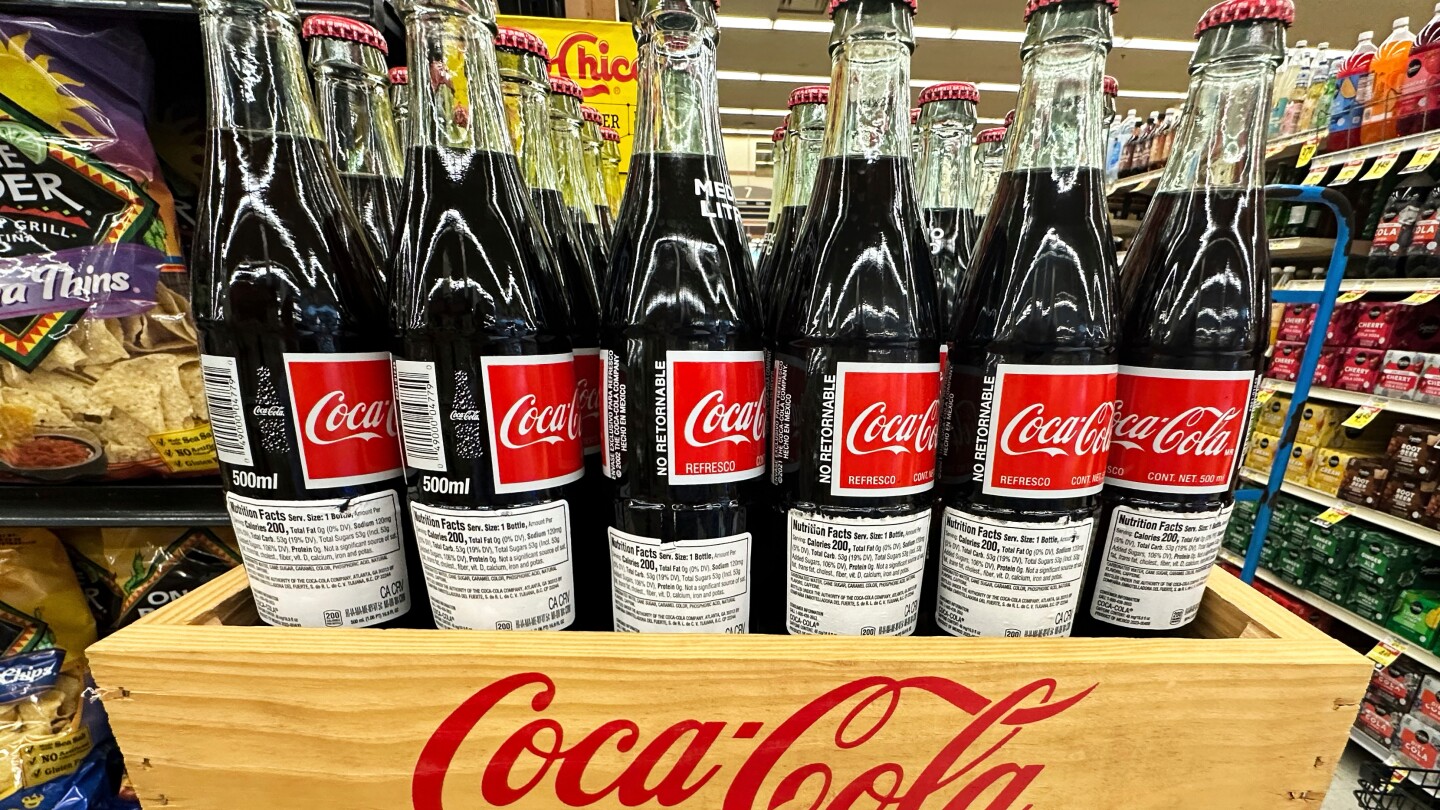
Coca-Cola sees third-quarter revenue rise on higher prices
The Coca-Cola Company announced a robust third-quarter performance on Tuesday, attributing its revenue growth primarily to increased pricing strategies. The Atlanta-based beverage leader reported a 6% rise in organic revenue, reaching $12.41 billion for the July-September period, aligning with Wall Street expectations as per FactSet analyst polls. Global unit case volumes saw a modest 1% increase, with notable regional variations: flat growth in North America and Latin America, a 1% decline in Asia, and a 4% surge in the Europe, Middle East, and Africa (EMEA) region. The company implemented a 6% price hike during the quarter, contributing significantly to its financial uptick. Coca-Cola Zero Sugar emerged as a star performer, with global unit case volumes soaring by 14%, while Diet Coke and Coca-Cola Light experienced a 2% growth. The water, sports drinks, coffee, and tea category saw a 3% rise, contrasting with a 3% drop in dairy and juice volumes. Net income surged by 30% to $3.69 billion, with adjusted earnings per share at 82 cents, surpassing the 78 cents forecasted by analysts. In a strategic move, Coca-Cola revealed plans to refranchise its African bottling operations. The company, along with Gutsche Family Investments, agreed to sell a 75% controlling stake in Coca-Cola Beverages Africa (CCBA) to Coca-Cola HBC AG, a major Swiss-based bottler, in a deal valued at $2.55 billion. Coca-Cola will retain a 25% stake in CCBA, the continent’s largest bottler operating in 14 countries and accounting for 40% of Coke’s product volume in Africa. The transaction is expected to conclude by the end of 2026. Following the announcement, Coca-Cola shares climbed 2.6% in premarket trading.
-
The rare earths race is already over and China won
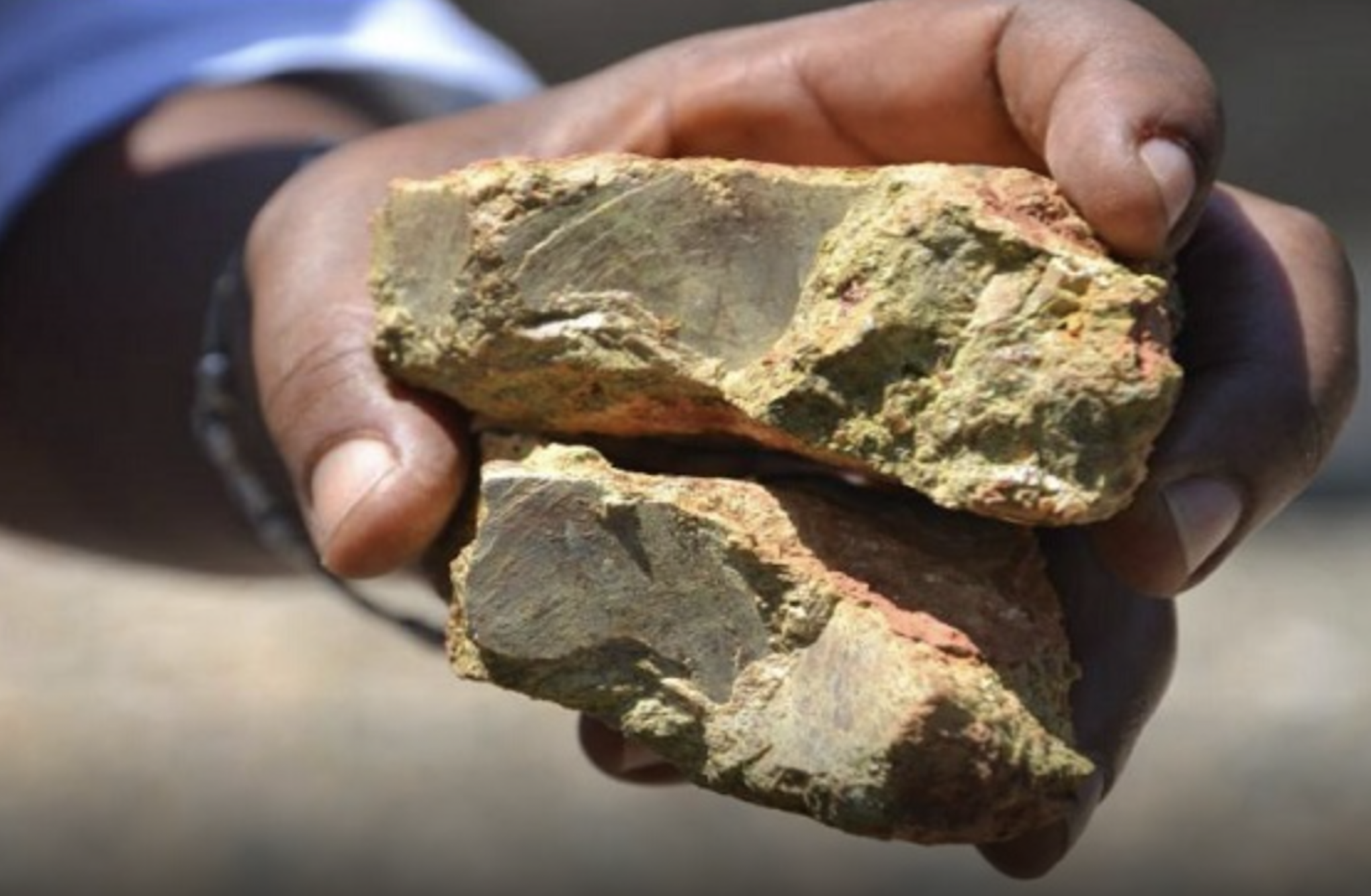
China has emerged as the undisputed leader in the global rare earths race, a position that is reshaping international trade, technology, and investment landscapes. While the United States intensifies efforts to reduce its reliance on Beijing—evidenced by a recent critical minerals agreement with Australia—the reality is that China’s control over these essential materials is only strengthening. Rare earths, vital for smartphones, electric vehicles, wind turbines, and defense systems, are the backbone of the digital and green economies. Without them, modern industries would grind to a halt. China’s dominance spans the entire supply chain, from mining to refining and manufacturing, controlling 70% of global mining output and nearly 90% of processing capacity. Despite Washington’s aggressive measures, including billions in investments and eased environmental regulations, China’s structural lead remains insurmountable. Beijing’s recent export controls on rare earths further tighten its grip, requiring government approval for shipments of magnets or alloys containing even trace amounts of these materials. This strategic control allows China to influence global markets and shape geopolitical strategies. The U.S. faces significant challenges in catching up, as its efforts remain fragmented and politically cyclical. Meanwhile, China’s vertical integration between resource extraction and manufacturing provides unmatched cost and speed advantages. The global reorganization of mineral trade is driving a new industrial cycle, with capital flowing into exploration, refining, and alternative materials research. However, China’s expansion into Africa and Latin America ensures its long-term dominance. As the world enters this new era of resource competition, China’s foresight and strategic investments have positioned it firmly in the lead, leaving other nations scrambling to reduce their dependence.
-
Trump says Hamas will be ‘eradicated’ if group breaches Gaza ceasefire deal
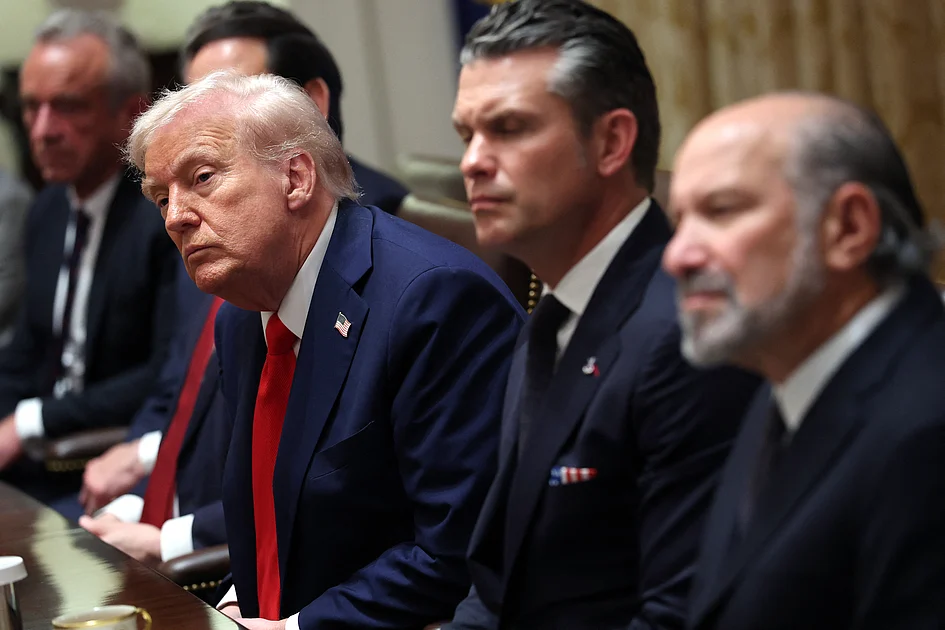
US President Donald Trump issued a stern warning to Hamas on Monday, stating that the group would face eradication if it violates the Gaza ceasefire agreement with Israel. However, Trump emphasized that American forces would not be directly involved in any confrontation with Hamas. Instead, he suggested that international stabilization forces, supported by dozens of countries, would take action if necessary. Trump’s comments came during a meeting with Australian Prime Minister Anthony Albanese at the White House, where he expressed cautious optimism about the truce. Vice President JD Vance traveled to Israel shortly after Trump’s remarks, joining top US envoys to address escalating tensions that threaten the fragile ceasefire. Hamas’s chief negotiator, Khalil al-Hayya, reaffirmed the group’s commitment to the agreement, citing challenges in recovering hostages’ bodies but pledging to uphold the deal. Trump also criticized Hamas for public executions and violent actions, warning that continued aggression would prompt swift and forceful intervention. He noted that Hamas’s regional support, particularly from Iran, has significantly diminished following recent US and Israeli strikes. Trump’s special envoy, Steve Witkoff, and son-in-law Jared Kushner met with Israeli Prime Minister Benjamin Netanyahu to discuss regional developments, while Vance and his wife Usha departed for Israel without addressing the media.
-
Slovak PM Fico’s attacker sentenced to 21 years in prison
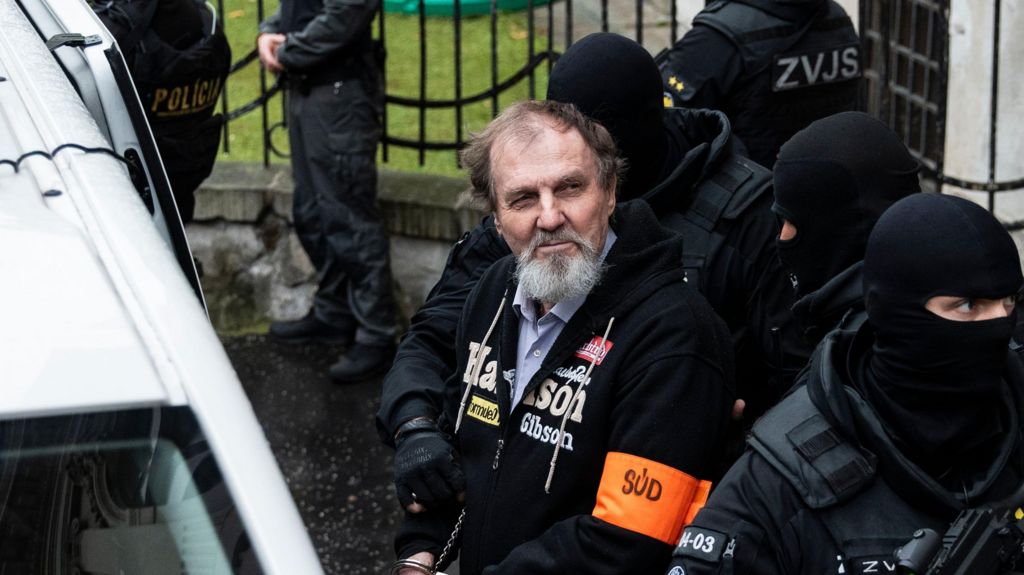
In a landmark ruling, Juraj Cintula, the 72-year-old pensioner who shot and severely injured Slovakian Prime Minister Robert Fico in May 2024, has been sentenced to 21 years in prison on terrorism charges. The attack occurred during Fico’s visit to Handlova, a town approximately 180 kilometers from Bratislava. Cintula fired five shots at close range, targeting the prime minister as he extended his hand in what he believed was a friendly gesture. Footage from the scene captured the chilling moment when Cintula raised his weapon and fired before being swiftly subdued by Fico’s security team. Fico sustained life-threatening abdominal injuries and was airlifted to a nearby hospital for emergency surgery. In court, Cintula denied intent to kill, claiming he aimed away from vital organs to merely injure Fico and halt policies he deemed detrimental to Slovakia. Despite his defense, Judge Igor Kralik emphasized that the attack was a direct assault on the prime minister, not an ordinary citizen. Cintula’s lawyer sought to downgrade the charge to attacking a public official, which carries a lesser penalty, but the request was denied. The defense has indicated plans to appeal the verdict. The incident has further polarized Slovakia’s political landscape, with Fico accusing the opposition of inciting hatred, even as his own rhetoric remains deeply divisive.