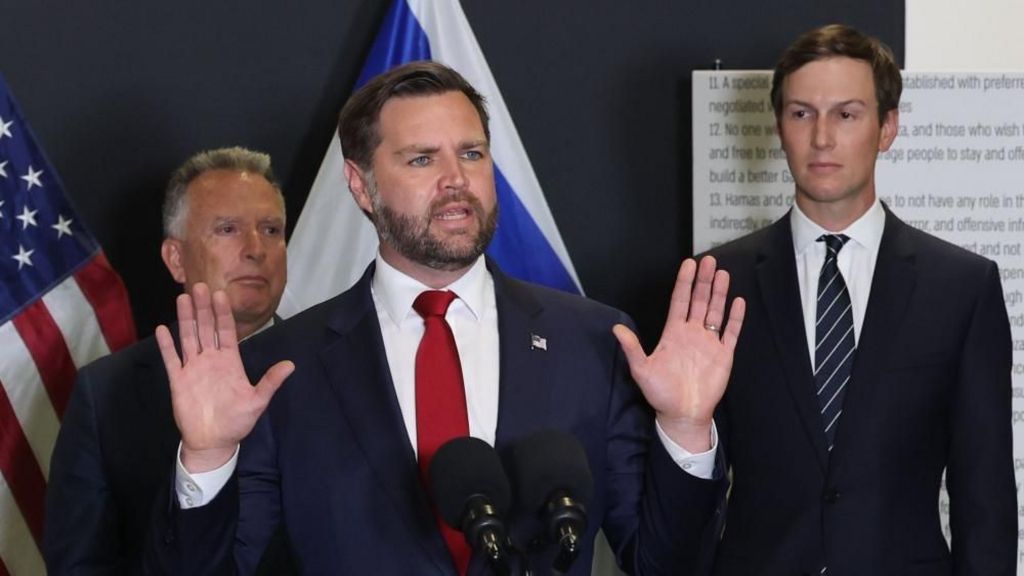
US Vice-President JD Vance, during his visit to Israel, expressed cautious optimism about the Gaza ceasefire agreement, stating that its implementation is progressing better than anticipated. However, he issued a stern warning to Hamas, emphasizing that failure to cooperate would result in its obliteration. Vance refrained from setting a deadline for Hamas to disarm, a contentious element of US proposals yet to be finalized. President Donald Trump, who brokered the ceasefire earlier this month, echoed this sentiment, asserting that US allies in the Middle East are prepared to intervene forcefully if Hamas continues to act disruptively. Vance’s visit follows a recent escalation in violence, including a Hamas attack that killed two Israeli soldiers, prompting retaliatory strikes that claimed dozens of Palestinian lives. Despite these tensions, Vance praised Israel for its constructive role in advancing the ceasefire’s objectives but acknowledged the significant challenges ahead. He is expected to press Israeli Prime Minister Benjamin Netanyahu to initiate long-term negotiations for a permanent resolution to the conflict. The US delegation, including special envoys Steve Witkoff and Jared Kushner, is working to sustain the ceasefire and advance the second phase of Trump’s 20-point peace plan, which includes establishing an interim Palestinian government, deploying an international stabilization force, and ensuring Hamas’s disarmament. Meanwhile, Hamas’s chief negotiator, Khalil al-Hayya, reaffirmed the group’s commitment to the ceasefire, despite logistical challenges in recovering the bodies of deceased hostages. The UN’s World Food Programme highlighted the ceasefire’s critical role in delivering humanitarian aid, though logistical hurdles persist. As the fragile truce holds, the international community remains vigilant, urging all parties to uphold their commitments and avoid further escalation.
博客
-

Drone attack hits Sudan’s Khartoum airport area ahead of reopening, witnesses say
A drone attack targeted the vicinity of Khartoum International Airport early Tuesday, just one day before the facility was scheduled to reopen for domestic flights after a two-year closure. Witnesses reported hearing drones and explosions in central and southern Khartoum between 4am and 6am local time. The airport has been shut since April 2023, when violent clashes erupted between the Sudanese army and the paramilitary Rapid Support Forces (RSF), causing extensive damage to infrastructure across the capital. Despite the army’s recent recapture of Khartoum and efforts to restore normalcy, drone attacks have persisted, with the RSF frequently accused of targeting military and civilian sites. No group has claimed responsibility for the latest strike, and details on casualties or damage remain unclear. This incident marks the third drone attack on Khartoum in a week, following strikes on two army bases last week. While the army has intercepted most drones, the attacks have exacerbated challenges in rebuilding the war-torn city. Over 800,000 people have returned to Khartoum since the army regained control, but large parts of the capital remain in ruins, with millions enduring frequent blackouts linked to RSF drone activity. Meanwhile, the conflict has intensified in western Sudan, where RSF forces are attempting to seize El-Fasher, the last major city in Darfur not under their control. The UN has warned of escalating violence in North and West Darfur, as the wider war in Sudan continues to devastate the nation, claiming tens of thousands of lives and displacing nearly 12 million people.
-
California man agrees to plead guilty to acting as Beijing’s agent
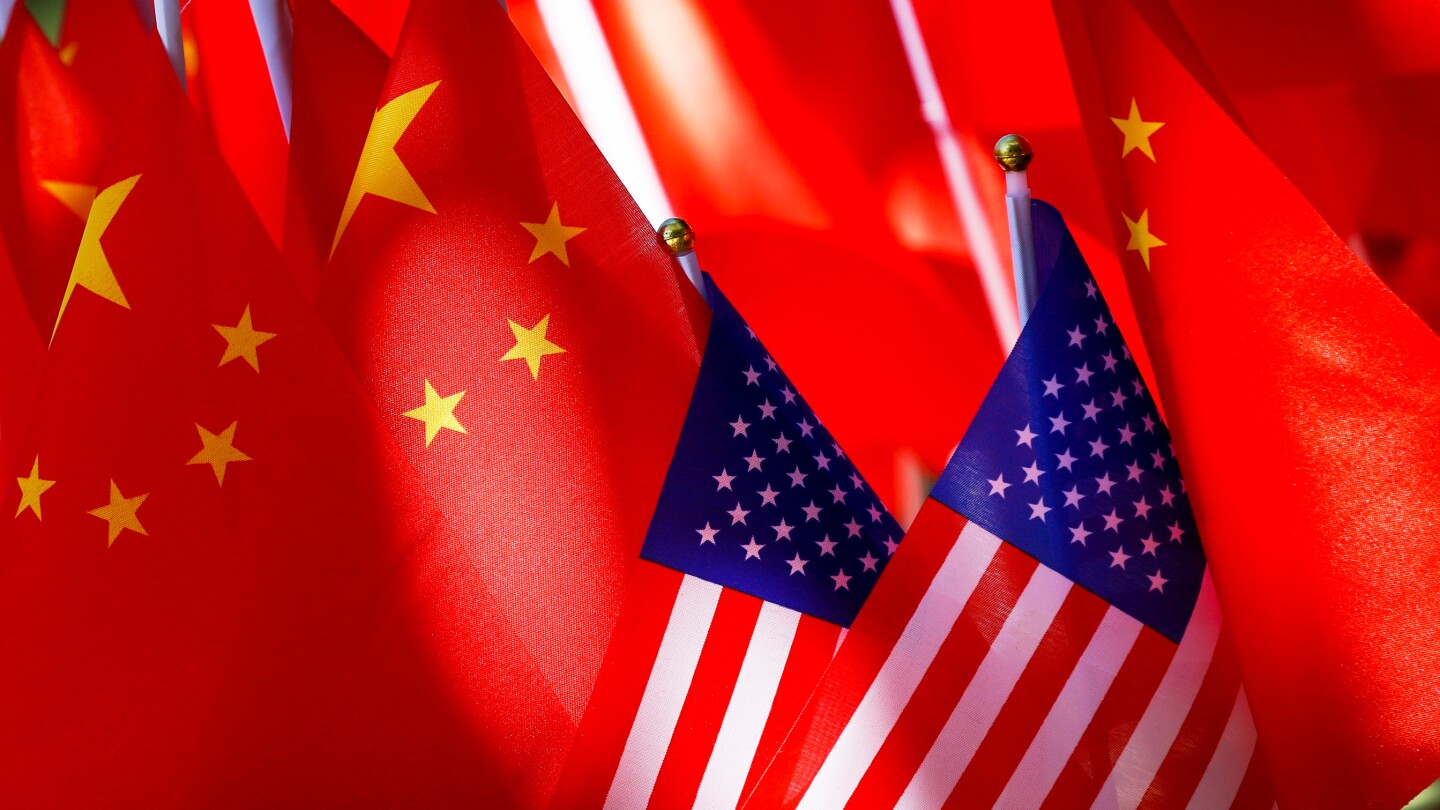
A California man, Yaoning “Mike” Sun, has agreed to plead guilty to charges of acting as an illegal agent for the Chinese government while serving as a campaign advisor for a local politician in Southern California. Sun, a Chinese citizen legally residing in the U.S., is expected to appear in court in Los Angeles on Monday to enter his plea under a deal with federal prosecutors. The agreement, signed earlier this month by Sun, his attorney, and a prosecutor, stipulates that Sun could face a maximum sentence of up to 10 years in prison if the plea is accepted by a judge.
According to the plea deal, Sun admitted to acting as a foreign agent on behalf of the People’s Republic of China from 2022 to 2024 without notifying the U.S. attorney general, as required by law. The case against Sun was filed during President Joe Biden’s administration amid growing concerns that the Chinese government had established a network of operatives to influence local U.S. elections to install politicians favorable to Beijing. Sun was accused of conspiring with Chen Jun, who was previously sentenced to 20 months in prison for similar charges.
Sun allegedly received instructions from Chinese government officials to post pro-Beijing content on a website he co-managed with another individual, who later became a successful local candidate in 2022. Sun served as a campaign advisor for this individual and drafted a report for Chinese officials seeking funding and assignments for further pro-Beijing activities. The individual involved has not been named in court documents.
Sun was listed as a campaign treasurer for Arcadia City Council candidate Eileen Wang in February 2022, according to city records. Arcadia, a city northeast of Los Angeles with a significant Asian population, has stated that Sun had no official affiliation with the city. Arcadia City Manager Dominic Lazzaretto confirmed that Wang has not been charged and plans to cooperate with federal officials. Messages left for Wang at Arcadia City Hall have not yet been returned.
-

Who is paying for Trump’s White House ballroom?
Construction of a lavish $250 million White House ballroom, personally funded in part by former President Donald Trump, commenced on October 20, sparking widespread debate over the ethics of its financing. The 90,000-square-foot project, set to replace portions of the East Wing, has drawn scrutiny due to the involvement of undisclosed wealthy donors and corporations. Trump has claimed that significant portions of the construction costs will be covered by anonymous contributors, with some reportedly pledging over $20 million. Legal experts, including Richard Painter, former chief ethics lawyer for the Bush administration, have raised alarms, labeling the project an “ethics nightmare” and suggesting it could facilitate a “pay-to-play” scheme, where donors gain access to the administration in exchange for financial support. A recent donor dinner at the White House featured executives from major companies like Blackstone, Microsoft, and Google, as well as prominent figures such as Woody Johnson and the Glazer family. While YouTube has been revealed as a $22 million contributor, the identities of other donors remain undisclosed. The funds are reportedly managed by the Trust for the National Mall, a non-profit organization. Critics argue that the project could set a dangerous precedent for political fundraising, though the White House maintains that the ballroom will serve future administrations and is a necessary upgrade for hosting state events. Despite these assurances, concerns persist about the potential for undue influence and the erosion of ethical boundaries in political financing.
-

AWS outage: Are we relying too much on US big tech?
A significant outage at Amazon Web Services (AWS) on Monday disrupted global digital operations, bringing some of the world’s largest websites and services offline for hours. The incident affected a wide range of users, from those unable to access critical banking and government services to individuals concerned about losing streaks on language-learning app Duolingo. This disruption has reignited concerns about the over-dependence of countries, including the UK, on a handful of US tech giants for cloud computing services.
Amazon and Microsoft dominate the cloud services market, collectively holding between 30% and 40% of the UK and European markets, according to the UK’s Competition and Markets Authority (CMA). However, their influence extends even further, as many services not directly hosted by these companies still rely on their infrastructure. Professor James Davenport of the University of Bath explained that cloud deployments are complex, with many interdependent components, some of which are invisible to users.
The outage highlighted the ‘nested dependency’ between digital platforms and the underlying technical services that support them, according to Brent Ellis, principal analyst at Forrester. He warned that the assumption that tech giants are ‘too big to fail’ is a mistake, as even minor outages can have far-reaching consequences. The incident underscored the risks of a highly concentrated market, where a single failure can ripple through the global economy.
Despite these risks, many companies continue to rely on AWS, Microsoft, and Google due to the significant advantages they offer, including cost savings, scalability, and enhanced cybersecurity. Vili Lehdonvirta, a professor of technology policy at Aalto University, noted that the sector is driven by economies of scale, making it difficult for smaller providers to compete. Stephen Kelly of Circata added that the high cost of migrating data from one provider to another poses a significant barrier to diversification.
However, there is growing unease about the dominance of a few companies in the cloud sector. Nicky Stewart of the Open Cloud Coalition argued that the outage demonstrated the need for a more open and competitive market. The CMA has also raised concerns, recommending in July that Amazon and Microsoft be investigated for ‘strategic market status’ to promote fair competition.
Lord Leong, speaking on behalf of the UK government, emphasized efforts to diversify the UK’s cloud ecosystem and encourage greater participation by UK-based and European providers. Experts like Kelly called for political action, urging the government to mandate data resilience standards and promote the use of multiple cloud providers to enhance national resilience.
-
Appeals court overturns conviction of Colombian ex-President Uribe for bribery and witness tampering
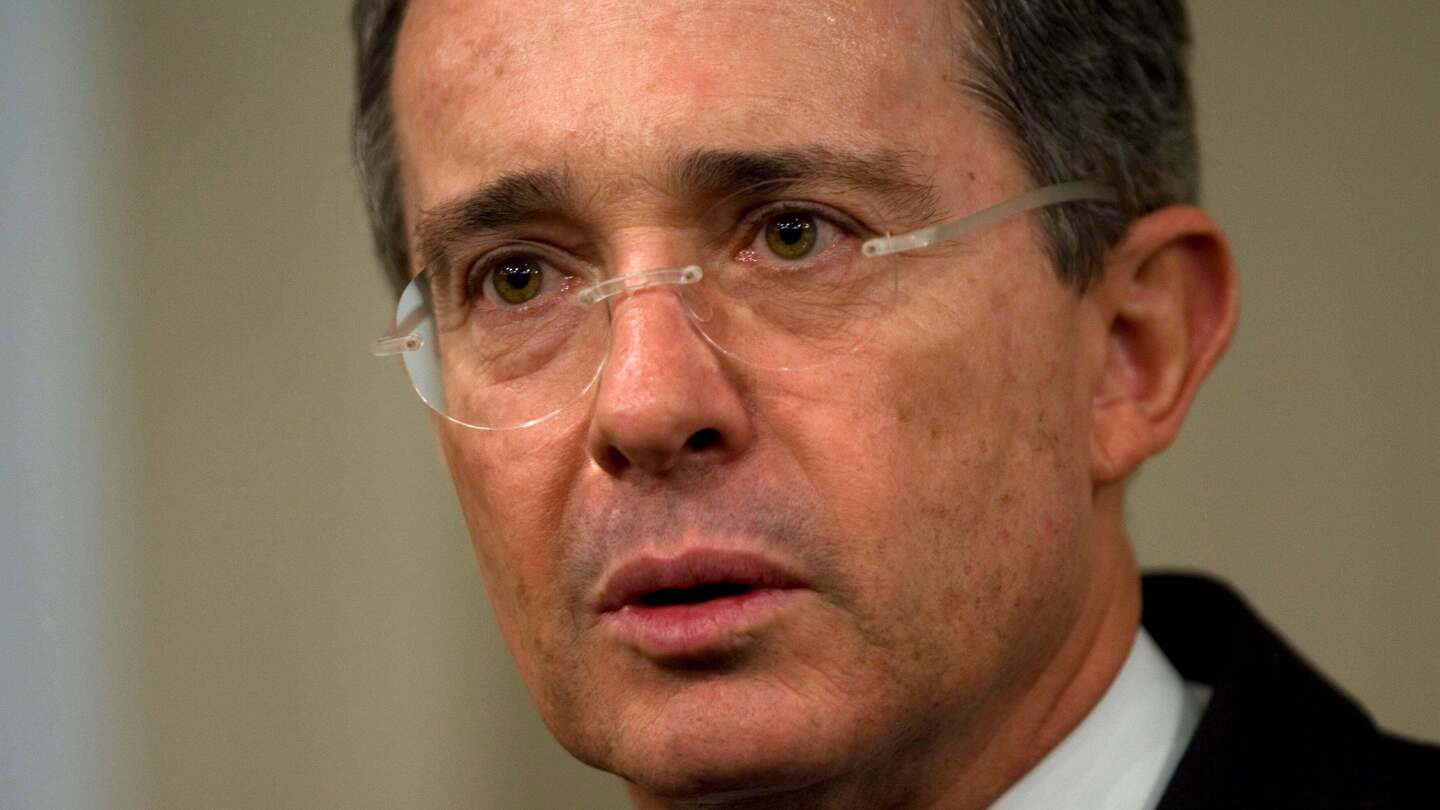
In a significant legal development, a Colombian appeals court has overturned the conviction of former President Álvaro Uribe on charges of bribery and witness tampering. The decision, announced on Tuesday, marks a dramatic turn in a high-profile case that has captivated the nation and cast a shadow over Uribe’s political legacy. The 73-year-old conservative leader, who served as president from 2002 to 2010, was initially sentenced to 12 years of house arrest in August following a six-month trial. Prosecutors had accused Uribe of attempting to influence witnesses who alleged his involvement with paramilitary groups in the 1990s. However, the appeals court ruled that the conviction suffered from ‘structural deficiencies,’ relied on vague premises, and lacked thorough analysis. Uribe has consistently denied wrongdoing, framing the case as political persecution and alleging bias from the presiding judge. His legal team challenged the evidence’s validity, arguing that his culpability was not conclusively proven. The ruling can still be appealed to Colombia’s Supreme Court by prosecutors and victims. Uribe remains a polarizing figure in Colombia, celebrated by some for his role in stabilizing the country and criticized by others for his alleged ties to human rights abuses and paramilitary activities. The case underscores the deep political divisions and legal complexities surrounding his legacy.
-

Japan’s first female PM prepares her Cabinet
In a historic turn of events, Sanae Takaichi has been elected as Japan’s first female prime minister, marking a significant milestone in the nation’s political landscape. The 64-year-old leader of the ruling Liberal Democratic Party (LDP) secured her position after a decisive victory in the Lower House elections, garnering 237 votes against her closest rival, Yoshihiko Noda of the Constitutional Democratic Party of Japan, who managed 149 votes. This was followed by a successful runoff in the Upper House, where she secured 125 votes, meeting the constitutional requirement for leadership. Takaichi’s ascension comes at a critical juncture for the LDP, which has faced consecutive electoral defeats, leading to a minority status in both houses of the Diet. To bolster her government, Takaichi has formed a coalition with the Japan Innovation Party (JIP), whose 35 Lower House votes were pivotal in her election. The new coalition has pledged to focus on national revival and self-sustainability. As Takaichi prepares to assemble her cabinet, expectations are high for her to navigate Japan through both domestic and international challenges. Her predecessor, Shigeru Ishiba, who resigned after 386 days in office, expressed gratitude for public support and urged continued backing for the new administration. Takaichi’s leadership is anticipated to bring a fresh perspective to Japan’s governance, with her cabinet formation expected to reflect her commitment to innovation and resilience.
-

Prime Minister Sanae Takaichi, Japan’s Iron Lady 2.0
Sanae Takaichi, a staunch conservative and admirer of Margaret Thatcher, has made history by becoming Japan’s first female prime minister. Appointed by parliament on Tuesday, Takaichi’s rise to power comes amid significant political and economic challenges for the country. Her leadership, however, is not seen as a feminist milestone but rather as a continuation of her hardline stance on defense, economic security, and immigration. Takaichi, a former economic security minister, has been a vocal critic of China and a supporter of Taiwan, emphasizing the importance of strengthening security ties between Taipei and Tokyo. She has also been a regular visitor to the controversial Yasukuni Shrine, though she recently toned down her rhetoric on China and avoided a festival at the shrine. Takaichi’s political journey is marked by her conservative views on gender, including her opposition to revising a 19th-century law requiring married couples to share the same surname. Despite this, she has vowed to improve the gender balance in her cabinet to ‘Nordic’ levels, addressing Japan’s poor ranking in gender equality. Takaichi’s policies echo those of her mentor, Shinzo Abe, including aggressive monetary easing and big fiscal spending, which could unsettle markets. Her tough stance on immigration and foreign influence is seen as an attempt to regain voters lost to a new nationalist party. On tariffs, Takaichi has indicated she will push for renegotiations with the United States if the current deal is deemed harmful to Japan.
-
Magnitude 5.3 earthquake hits south Iran; no effect in UAE
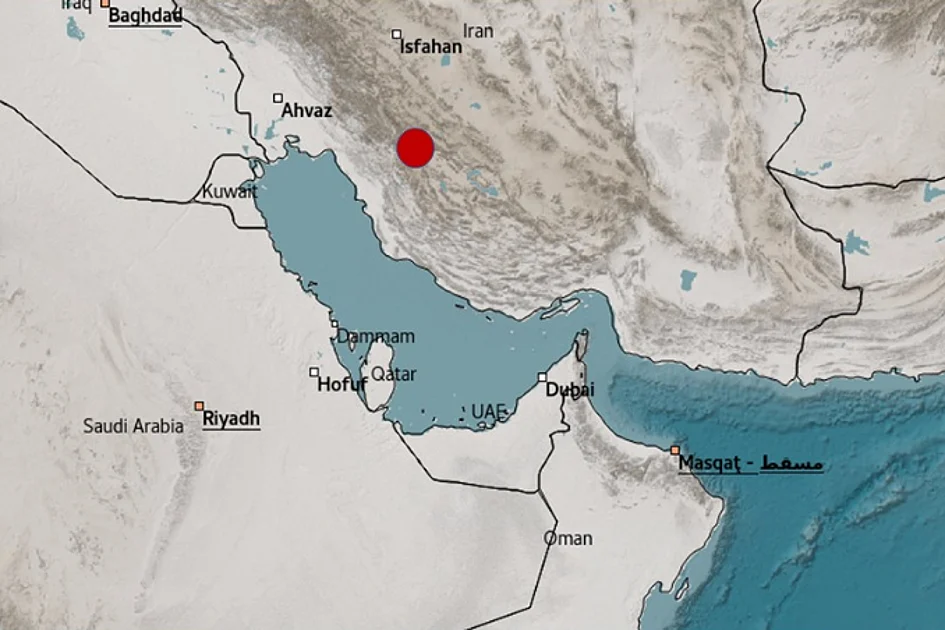
A moderate earthquake with a magnitude of 5.3 struck southern Iran on Tuesday, October 21, 2025, according to the National Seismic Network of the National Centre of Meteorology (NCM). The tremor occurred at 12:02 PM UAE time, with its epicenter located at a depth of 10 kilometers. Despite the significant magnitude, the quake was not felt by residents in the United Arab Emirates (UAE), and no adverse effects were reported in the region. The NCM confirmed that the seismic activity had no impact on the UAE, ensuring public safety and normalcy. This event follows a series of recent earthquakes in Iran, including a 5.5-magnitude quake on September 13 and a 5.2-magnitude tremor on September 14. Additionally, a more substantial 5.9-magnitude earthquake had shaken southern Iran in August, with tremors felt as far north as the country’s northern regions. Authorities continue to monitor seismic activity closely, emphasizing preparedness and public awareness.
-
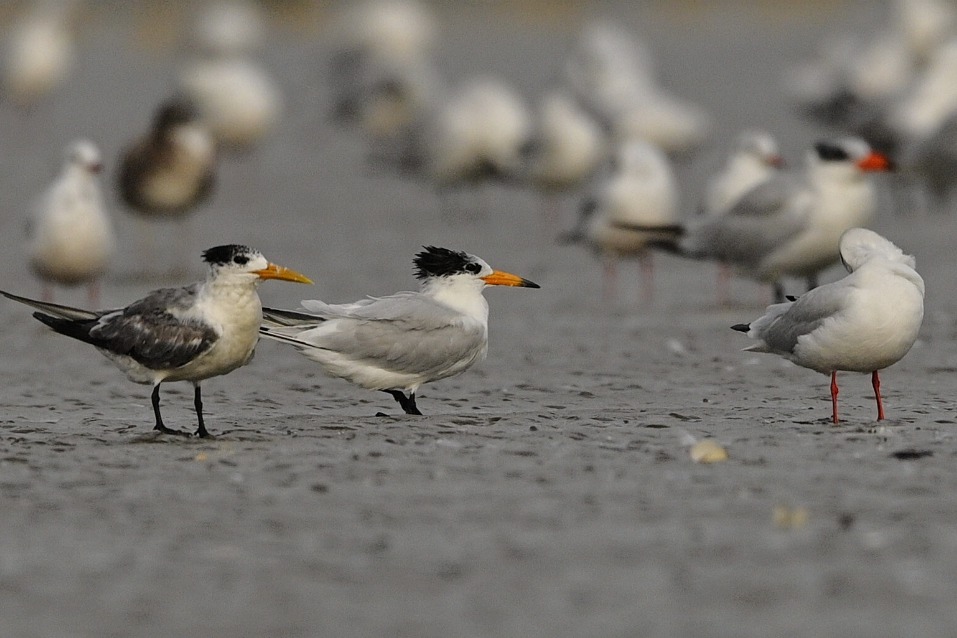
Over 300,000 migratory birds expected to flock to China’s Guangdong
South China’s Guangdong province is set to welcome an extraordinary natural spectacle as more than 300,000 migratory birds are expected to arrive during the autumn and winter migration season. According to the provincial forestry administration, these birds will flock to coastal mudflats, inland wetlands, and nature reserves across the region, underscoring Guangdong’s pivotal role in global bird migration routes. The migration season, which began in August as temperatures in North China dropped, sees Guangdong serving as a crucial stopover on the East Asian-Australasian Flyway. The peak period for bird migration through Guangdong spans from September to November, as highlighted by Zhang Qiang, deputy director of the Institute of Zoology at the Guangdong Academy of Sciences. With its extensive 4,114-kilometer coastline—the longest in China—and vast red mangrove forests, Guangdong offers abundant food resources, making it an ideal habitat for a diverse range of species. Historically, the province has recorded 584 species of wild birds, 412 of which are migratory. This annual event not only showcases the region’s ecological richness but also emphasizes the importance of conservation efforts to protect these vital habitats.