博客

  • Congo says its mpox outbreak is over after 2 years and more than 2,200 suspected deaths

    Congo says its mpox outbreak is over after 2 years and more than 2,200 suspected deaths

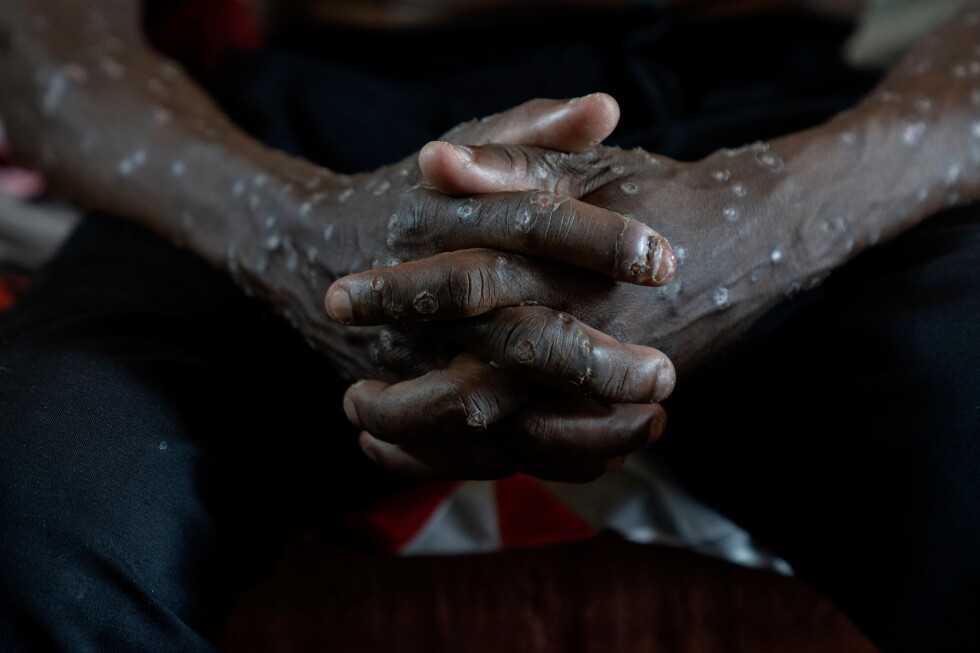
    CAPE TOWN, South Africa – After two years of widespread transmission that claimed thousands of lives, the Democratic Republic of Congo (DRC) formally announced the end of its devastating mpox outbreak on Thursday, lifting the classification of the virus as a national public health emergency.

    Congolese Health Minister Roger Kamba confirmed the declaration to reporters, stating that national health authorities had formally determined the outbreak had been brought under control. The central African nation bore the brunt of a resurgent mpox wave that emerged in 2024, with transmission spilling across DRC’s borders into neighboring countries and prompting the World Health Organization (WHO) to declare the event a global health emergency that same year. The WHO rolled back that global emergency designation in September 2024.

    Data from the Africa Centers for Disease Control and Prevention (Africa CDC) shows that between 2024 and 2025, the DRC recorded more than 161,000 suspected mpox cases, with approximately 37,000 of those cases confirmed via laboratory testing. Across the outbreak, 2,286 deaths were suspected to be linked to mpox, though only 127 of those fatalities were verified through diagnostic testing.

    First documented by researchers in 1958, when pox-like lesions were observed in research monkey colonies, mpox (formerly called monkeypox) long remained a rare zoonotic infection restricted largely to central and West Africa. For decades, nearly all confirmed human cases occurred in people who had close direct contact with infected wild animals.

    That epidemiological pattern shifted dramatically in 2022, when scientists confirmed for the first time that mpox could spread through close sexual contact. That discovery came as the virus sparked unexpected outbreaks across more than 70 countries that had never previously reported sustained local mpox transmission, triggering a global public health response.

    According to WHO guidance, the most prevalent symptoms of mpox infection include the development of a characteristic rash and fever, though the virus can cause severe complications in vulnerable populations in some cases. The vast majority of infected people eventually make a full recovery with appropriate care.

    This reporting is part of AP News’ Africa Pulse coverage, supported by a grant from the Gates Foundation. The Associated Press maintains full editorial independence over all its content, with public transparency standards for philanthropic partnerships available on AP.org.

  • Judges say ICC prosecutor in sexual misconduct inquiry can potentially resume work, documents show

    Judges say ICC prosecutor in sexual misconduct inquiry can potentially resume work, documents show

    ### Key Developments in the ICC Chief Prosecutor Sexual Misconduct Case
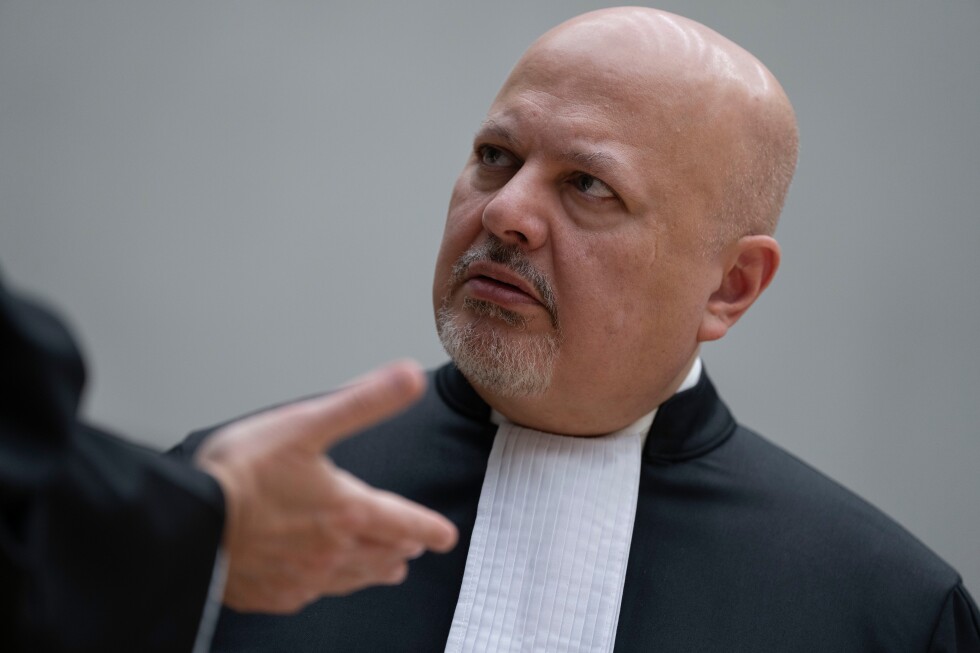
    In a landmark ruling that has sent ripples through global judicial circles, a three-judge independent panel has concluded that a United Nations investigation into alleged sexual misconduct by International Criminal Court (ICC) Chief Prosecutor Karim Khan failed to meet the legal standard to prove wrongdoing, clearing the way for the embattled British barrister to potentially resume his leadership duties.
    The findings, reviewed by The Associated Press, mark a major turning point in a case that has roiled the world’s permanent war crimes court since allegations first emerged in late 2024. The ultimate decision on Khan’s future, however, now rests with the Assembly of States Parties (ASP), the 123-member governing body that oversees ICC operations. On Wednesday, the ASP voted to extend the ongoing review process, as leaders grapple with an unprecedented situation that has sparked internal staff unrest and drawn intense external geopolitical pressure.
    Khan first temporarily stepped aside from his post in May 2025, after the U.N. Office of Internal Oversight Service (OIOS) launched a formal probe into claims of non-consensual sexual contact with a female junior ICC staff member. Khan has repeatedly and categorically denied all allegations, asserting he never engaged in any inappropriate behavior—either sexual or otherwise—toward the complainant, and rejecting even claims of a consensual relationship. Through his legal team, he reaffirmed this denial in a statement shared with AP this week.
    The U.N. investigation’s final report, a copy of which has been obtained by AP, claimed there was evidence of “nonconsensual sexual contact” between Khan and the aide that occurred across multiple locations: his ICC office, his private residence, and during official overseas work missions. But when the three-judge panel, appointed specifically by the ASP to conduct an independent legal review of the U.N. findings, assessed the more than 5,000 pages of evidence collected by OIOS, it identified critical flaws that undermined the probe’s conclusions.
    In its 85-page assessment, the panel noted that U.N. investigators “failed to indicate which witnesses’ testimony they found credible” and left multiple key “narrative inconsistencies” in witness accounts unresolved. The judges ruled that the U.N. probe did not meet the high legal bar of proving misconduct or a breach of professional duty under the ICC’s governing framework, writing that “the resolution of a number of disputes, which remains outstanding, would be necessary before a proper characterisation of the facts can be made.” The panel’s finding is advisory and not legally binding on the ASP, and OIOS was never tasked with making a formal misconduct determination—only with gathering evidence for the ICC’s governing body to evaluate.
    ### The Origin of the Allegations
    The accusations against Khan first came to light in an October 2024 AP investigation, based on internal whistleblower documents reviewed by the news agency. Those documents allege that after Khan encountered the woman, who worked in a separate ICC department, he arranged to transfer her to his own office team. She subsequently became a regular member of his entourage on official international travel.
    Specific claims laid out in the whistleblower materials include an incident on a foreign trip where Khan allegedly asked the woman to rest with him on his hotel bed before sexually assaulting her, and another occasion where he banged on her hotel room door for 10 minutes in the early hours of the morning. Other alleged non-consensual behaviors include locking the door of his ICC office and reaching into the woman’s pocket, as well as repeatedly pressuring her to join him on a personal vacation.
    Two of the woman’s colleagues first reported the alleged misconduct to the ICC’s internal oversight body in May 2024. At that time, the investigation was closed after just five days when the complainant declined to file a formal report, citing intense fear of professional retaliation. The case has inflicted severe harm on the complainant: the U.N. investigation confirmed that the woman was placed on suicide watch at one point during the proceedings. In an interview, she told AP, “I have been left with little dignity and no privacy.” AP has followed its standard policy of not identifying survivors of sexual misconduct.
    ### Internal Tension and Geopolitical Context
    The panel’s ruling has done little to ease deep divisions within the ICC’s own ranks. A group of current prosecutor’s office staff sent an open letter to the ASP on Wednesday, warning that the U.N. investigation’s findings make it incompatible for the ICC community to maintain confidence in Khan’s leadership if he returns to office. Multiple current and senior ICC staff, speaking to AP on condition of anonymity over fear of retaliation, confirmed that many colleagues remain deeply unsettled by the situation, with widespread anxiety about potential retaliation against staff who spoke out in support of the complainant. The U.N. investigation itself noted that before Khan stepped aside, he was accused of retaliatory behavior toward two ICC staff members who backed the complainant.
    This unprecedented disciplinary process, the first of its kind in the ICC’s 23-year history, has forced the ASP to draft new procedural rules from scratch to manage the review. The case also unfolded against a backdrop of intense geopolitical pressure on the court, just weeks before Khan requested historic arrest warrants for Israeli Prime Minister Benjamin Netanyahu over alleged war crimes in the Gaza Strip. A three-judge panel of the ICC approved those warrants in November 2024, prompting immediate retaliation from then-U.S. President Donald Trump, who imposed sweeping sanctions on 11 senior ICC staff including Khan. The sanctions resulted in the closure of judges’ and prosecutors’ U.S. bank accounts and the revocation of their U.S. travel visas, a move that has severely disrupted the court’s daily operations and battered already low staff morale.

  • Edoardo Molinari to return as Luke Donald’s 1st vice captain for Europe at 2027 Ryder Cup

    Edoardo Molinari to return as Luke Donald’s 1st vice captain for Europe at 2027 Ryder Cup

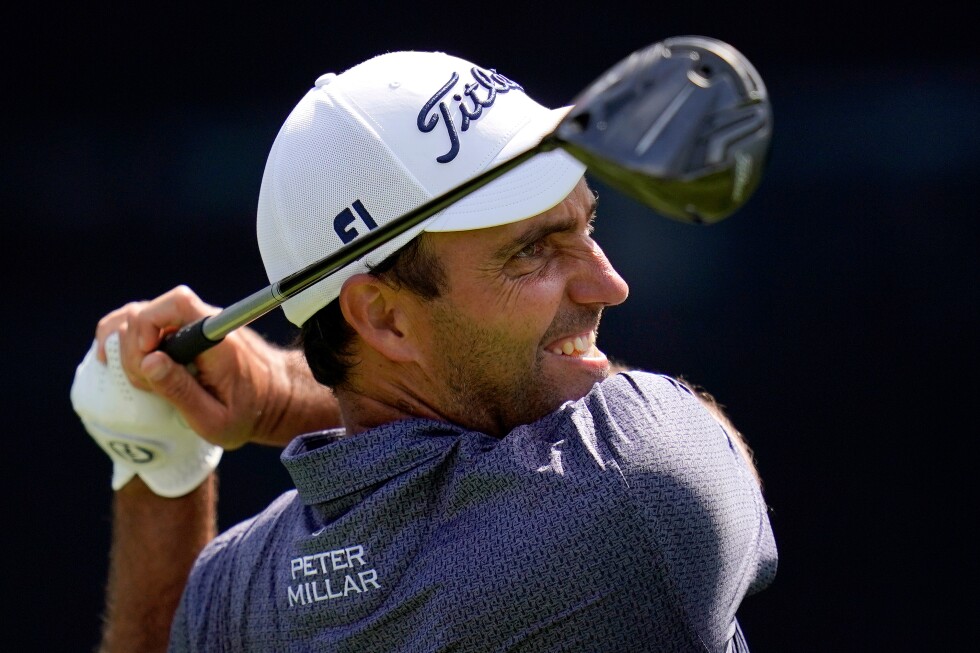
    Fresh off back-to-back Ryder Cup triumphs alongside Team Europe, Edoardo Molinari is set to reprise his role as Luke Donald’s first vice captain for the 2027 installment of golf’s iconic transatlantic showdown, Europe’s captain confirmed this week. The 2027 biennial clash between Europe and the United States will tee off at Ireland’s renowned Adare Manor in September, and Donald has turned to a proven trusted advisor to anchor his backroom team once again.

    Molinari first stepped into the vice captain role for the 2023 Ryder Cup hosted at Rome’s Marco Simone Golf & Country Club, where he helped guide Team Europe to a commanding 16½-11½ victory over the Americans. He returned to the support staff for the 2024 contest at New York’s Bethpage Black, where Europe secured another narrow 15-13 win to keep their recent winning streak intact. No stranger to the prestige of the Ryder Cup, Molinari also competed as a player alongside his brother Francesco in Europe’s 2010 victory in Wales; Francesco himself has also served as a vice captain under Donald in both the 2023 and 2024 tournaments.

    In a statement released Thursday, Molinari expressed his enthusiasm for returning to the role, saying, “It was a very easy decision when Luke called me and asked me if I was willing to help him again. I was obviously very happy. Any time you can get involved in the Ryder Cup, in any role, it’s a great thing and I cannot wait for Adare Manor to come soon enough.”

    As vice captain, Molinari will bring his specialized expertise in statistical analysis to the team, a skill Donald highlighted as irreplaceable to the squad’s success. In remarks confirming the appointment at Virginia Water, England, Donald emphasized just how critical Molinari’s contributions have been to the team’s two recent wins, calling him a “rock of support” that has reshaped the team’s operational approach.

    “Edoardo has been a rock of support to me. He has made such a difference to our team. He is invaluable from a statistical analysis perspective, in terms of helping me with the qualification system, navigating the ever-changing world of golf,” Donald said. “He is a very steady head. I always know where I stand with him and he gives me great advice … He is a major factor in our backroom team.”

    Donald added that Molinari’s attention to detail and focus on marginal gains gives Team Europe a critical advantage, particularly as hosts, where teams have more control over course preparations. “He works closely with a number of players. He is a numbers guy and he is always looking at how to gain those edges, through statistics, through looking at the golf course and how you can set it up to give yourself just a little bit of an edge, which you have a little bit more control over as a home team,” Donald explained.

    Notably, Team Europe has not lost a Ryder Cup on home soil since 1993, a 34-year undefeated streak they will look to extend when they compete at Adare Manor. Donald wrapped up his remarks by celebrating Molinari’s commitment to the event’s core values, saying, “I’m excited to work with him again. He is so committed, so dedicated and he loves what the Ryder Cup represents. It’s an honor to having him by my side once again.”

  • First group of 12 deportees from the US arrives in Uganda, lawyers say

    First group of 12 deportees from the US arrives in Uganda, lawyers say

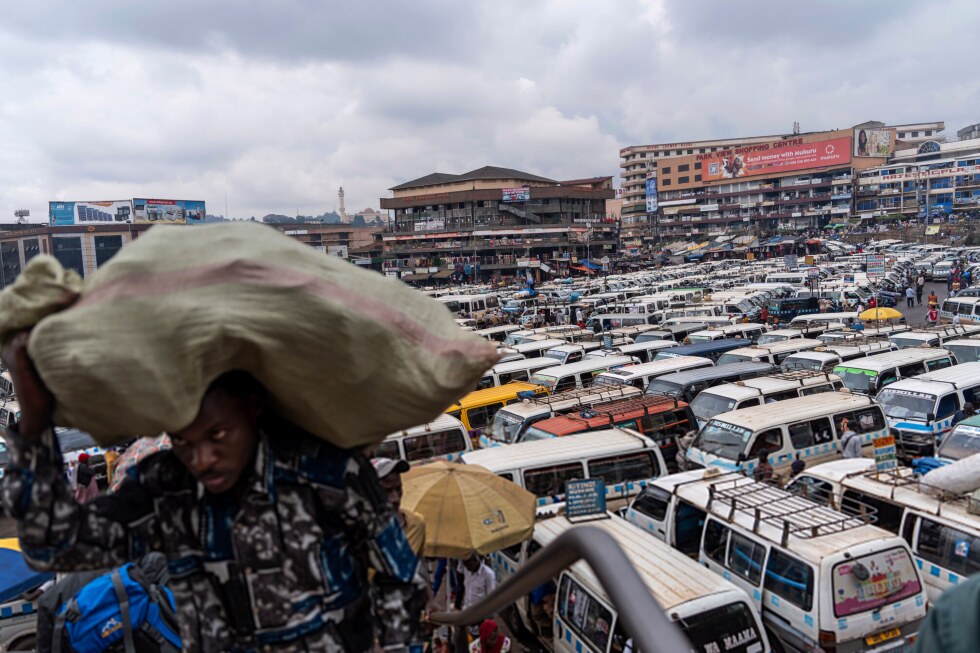
    On Thursday, the first group of 12 people deported from the United States touched down on Ugandan soil, marking the first known arrivals after the two nations finalized a bilateral deportation transfer deal, the Uganda Law Society confirmed this week.

    The group arrived via a chartered private flight, and the Ugandan legal advocacy organization harshly condemned the process that delivered the deportees, calling the transfer an “undignified, harrowing and dehumanizing” act that effectively amounted to dumping unwanted people in the East African nation. It has launched a legal push to block further transfers, labeling the arrangement an “international illegality” and arguing the deportees have been left vulnerable to unaccountable private actors on both sides of the Atlantic Ocean with no oversight or protection.

    This first transfer of deportees is part of former U.S. President Donald Trump’s sweeping immigration crackdown, a policy designed to cut flows of undocumented migration into the U.S. while removing people who have already entered the country illegally, particularly those with criminal convictions. The policy targets people who cannot be readily deported directly to their home countries by resettling them in agreed third-party nations.

    U.S. federal agencies including the State Department and Department of Homeland Security have defended third-country deportation deals as a necessary mechanism to speed up the removal of undocumented people from U.S. territory. But the policy has faced sustained legal challenges in both U.S. courts and courts in the nations that receive deportees, and has sparked widespread global criticism over humanitarian risks.

    The core of the controversy stems from the fact that many deportees transferred under these deals have no cultural, social or family ties to the third-party countries where they are sent, leaving them stateless and isolated. The high-stakes debate gained national attention in the U.S. earlier this year when federal officials briefly considered moving Kilmar Abrego Garcia, a Salvadoran migrant at the center of a heated national migration dispute, to Uganda under the agreement, before reversing the plan.

    To date, the U.S. has signed similar third-country deportation arrangements with at least seven different African nations, spanning from West Africa’s Ghana to the southern African kingdom of Eswatini. Publicly released State Department details show the U.S. agreed to provide Eswatini with $5.1 million in exchange for accepting up to 160 deportees. As of this reporting, there is no public information confirming whether Uganda received similar financial compensation for agreeing to take deportees.

    Details around the 12 new arrivals remain scarce: officials have not released information about their identities, citizenship or countries of origin. Okello Oryem, Uganda’s Minister of State for Foreign Affairs, told reporters he was traveling at the time of the arrival and had not been briefed on the landing. A spokesperson for the U.S. Embassy in Kampala, Uganda’s capital, also declined to answer questions about the deportees’ current welfare or status.

    This development contradicts earlier statements from Oryem, who told the Associated Press last month that Uganda was preparing to receive multiple planeloads of deportees from the U.S. He framed the bilateral deal at the time as an act aligned with pan-African solidarity and humanitarian principle, designed to repatriate African people who were living without documentation in the U.S. Ugandan officials have also previously stated the agreement only covers non-criminal deportees of African origin, but that detail has not been confirmed for the 12 people who arrived this week.

  • Ancient golden helmet recovered more than a year after Dutch heist

    Ancient golden helmet recovered more than a year after Dutch heist

    After more than a year of high-stakes international investigation, a millennia-old Romanian golden treasure stolen in a brazen armed heist from a Dutch museum has been recovered, bringing partial closure to a cultural crime that sparked diplomatic friction and public outrage.

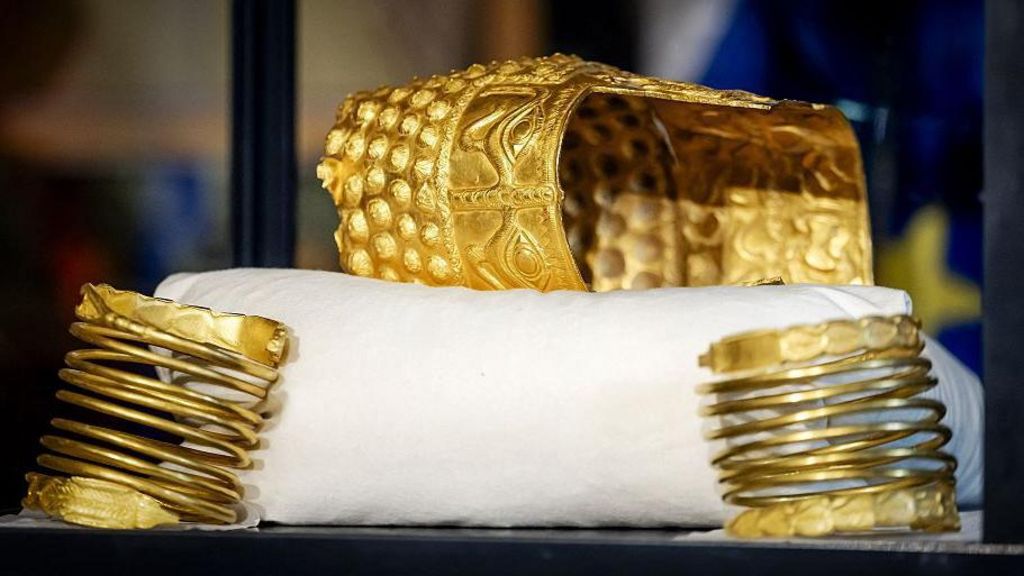
    The Coțofenești helmet, a 2,500-year-old artifact widely regarded as one of Romania’s most precious cultural heritage pieces, and two accompanying golden bracelets dating to around 450 BC were officially unveiled at a press presentation this Thursday. The recovered treasures are now displayed in a secured glass case at the Drents Museum in Assen, guarded by two armed police officers — a visible reminder of the security failures that allowed the theft to occur 14 months ago. A third golden bracelet from the stolen collection remains unaccounted for, as cross-border investigations continue.

    The artifact set was on loan from Bucharest’s National Museum of Romanian History for the museum’s popular exhibition “Dacia — Empire of Gold and Silver”, which explores the history of the Dacian civilization that inhabited modern-day Romania before the Roman conquest of 106 AD. In November 2024, an armed criminal gang used explosives to break into the Drents Museum, making off with the priceless treasures. The heist immediately triggered widespread anger across Romania, where the helmet is recognized as a defining cultural and political symbol of ancient Dacia, and ignited fierce debate over global cultural artifact loaning practices and museum security standards.

    The theft also sparked a diplomatic rift between the Romanian and Dutch governments. After the loss, the Dutch government reportedly paid out 5.7 million euros in insurance compensation to Romania; Romanian officials have declined to comment on whether that payout will be adjusted following the recovery of most of the collection.

    Prosecutors on both sides have confirmed that the helmet and two bracelets were formally handed over to law enforcement authorities earlier this week as part of a pre-trial agreement reached with defense lawyers representing three suspects in the case. Three men — two in their mid-30s and one 21-year-old — were arrested just days after the heist, but investigators found no trace of the artifacts at the time of arrest. The suspects are scheduled to go on trial later this month.

    Robert van Langh, director of the Drents Museum, told reporters that the helmet sustained a minor dent during the theft but is fully restorable, while the two recovered bracelets remain in pristine condition. Romanian lead prosecutor Daniela Buruiană described the recovery as a long-awaited victory for cultural heritage protection. “We are happy that we are now witnessing here the recovery of the Romanian artefacts,” she said, adding that investigations remain active to locate the final missing bracelet.

    Romanian prosecutor Rareș-Petru Stan praised Dutch law enforcement counterparts for their persistent work over the 14-month investigation, noting the massive cultural and public impact the theft had on Romania. “We are continuing the investigation to find the last bracelet, and we are grateful that we will be able to return this treasure to the Romanian people,” he said.

    Art crime experts have theorized that the artifacts were stolen to order for a private collector on the black market, a common trend for high-value ancient cultural pieces. The heist also drew attention to systemic security gaps at small and regional museums across the Netherlands, which have increasingly become targets for art thieves in recent years. Just two years before the Dacian treasure heist, two Andy Warhol works were stolen from a southern Dutch gallery, and six years prior, a famous Frans Hals painting was stolen from a small municipal museum in Leerdam. In all of these cases, low-security display cases provided minimal resistance to raiders.

    The aftermath of the 2024 theft also brought domestic political fallout in Romania: Ernest Oberländer-Târnoveanu, the former head of the National Museum of Romanian History who approved the loan of the treasures to the Drents Museum, faced intense public criticism and stepped down from his position just days after the heist. Speaking to RTL Nieuws after the recovery, he expressed profound relief at the helmet’s return. “This is a unique item in European and even global cultural heritage,” he said. “The helmet is an important social and political symbol of Dacian civilisation.”

  • Russian aerial attacks kill 2 in Ukraine as Easter prisoner exchange planned

    Russian aerial attacks kill 2 in Ukraine as Easter prisoner exchange planned

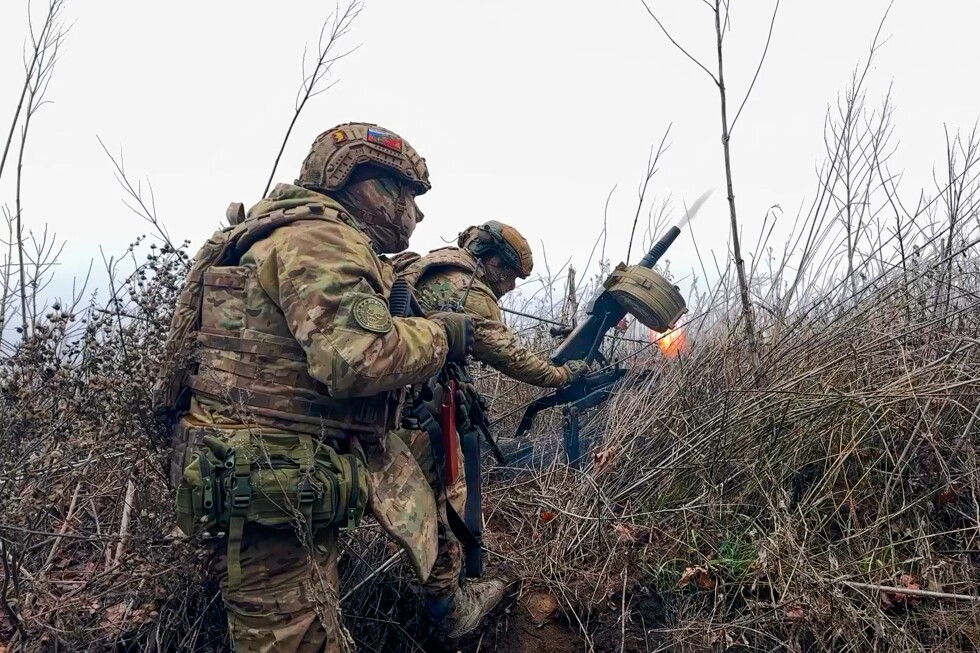
    On Thursday, Ukrainian regional officials confirmed that fresh Russian aerial assaults targeting civilian areas across Ukraine have left two civilians dead and at least three more wounded, as both Moscow and Kyiv confirm they are in active preparations for a long-awaited prisoner swap timed to coincide with the Orthodox Easter holiday on April 12.

    The deadly attacks mark the latest escalation in ongoing hostilities that have stretched into the fifth year of Russia’s full-scale invasion of Ukraine. In Dnipropetrovsk region’s Synelnykove district, one civilian was killed in a strike that also left a woman and a 12-year-old boy injured, regional military administrator Oleksandr Hazha confirmed. In Ukraine’s second-largest city Kharkiv, a strike triggered a blaze at a residential apartment building and left a 61-year-old woman wounded, regional governor Oleh Syniehubov reported. A separate ballistic missile attack on the northern Ukrainian city of Chernihiv claimed one more life and left a 17-year-old girl injured, city military administration head Dmytro Bryzhynskyi added. Authorities also reported that the Odesa region in southern Ukraine was targeted in another wave of attacks, as part of a broader Russian assault that deployed 172 strike drones across the country. Ukraine’s Air Force noted that its air defense teams successfully intercepted 147 of the incoming drones.

    Amid the ongoing violence, prisoner exchanges have emerged as one of the only consistent areas of limited progress in U.S.-brokered negotiations between Moscow and Kyiv, talks that have failed to yield breakthroughs on core issues that could bring an end to the full-scale invasion. This year, both sides are working to finalize a new round of swaps ahead of the Orthodox Easter celebration. Tatyana Moskalkova, Russia’s human rights ombudswoman, confirmed the ongoing preparations to reporters on Thursday, noting that extensive work is underway to complete the exchange in time for the holiday. Last week, Gen. Kyrylo Budanov, head of Ukraine’s military intelligence, stated that Kyiv hopes to secure a large-scale “major exchange” of detainees during the Easter period.

    The lead-up to this year’s Easter has also seen renewed debates over a potential temporary ceasefire. Ukrainian President Volodymyr Zelenskyy recently proposed a truce to cover the Easter holiday, but Kremlin spokesperson Dmitry Peskov pushed back on the idea earlier this week, saying Moscow prioritizes a permanent, long-lasting peace agreement rather than a short-term halt to hostilities. The discussion of temporary ceasefires comes with prior context: last year, Russian President Vladimir Putin unilaterally announced a 30-hour ceasefire for the Easter period, but both Moscow and Kyiv quickly accused one another of violating the truce within hours of it taking effect.

  • ‘Be serious… don’t speak every day’: Macron criticises Trump approach to Iran war

    ‘Be serious… don’t speak every day’: Macron criticises Trump approach to Iran war

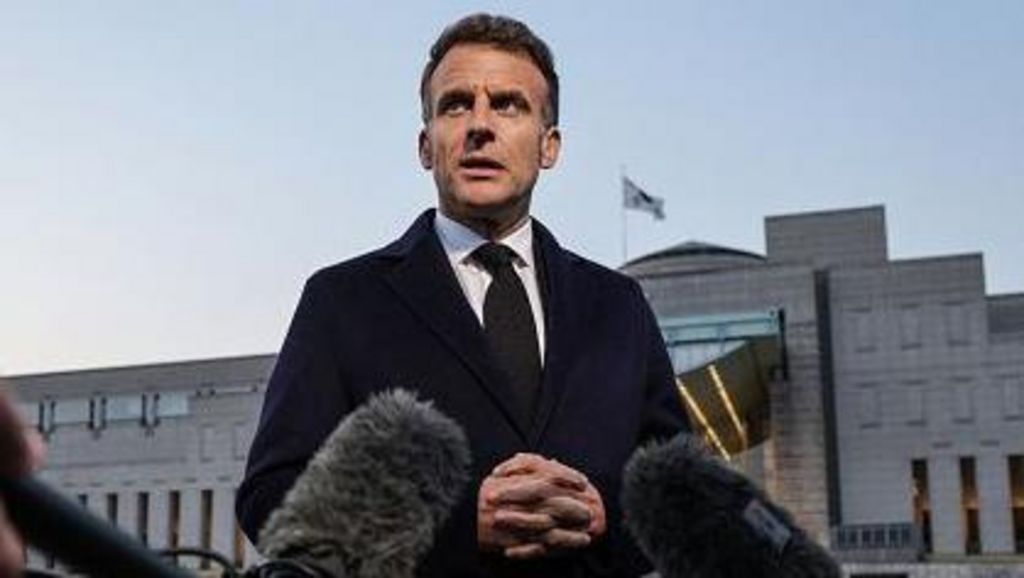
    As French President Emmanuel Macron touched down in Seoul for an official state visit to South Korea, he launched a pointed, comprehensive critique of U.S. President Donald Trump’s approach to the escalating Iran conflict, while also dismissing Trump’s recent personal attacks on his marriage as unbefitting of a head of state.

    The ongoing U.S.-Israeli military campaign in Iran has now entered its second month, with France and other European nations offering limited backing for U.S. regional operations but refusing to be drawn into direct participation in the conflict. Macron opened his press briefing by arguing that matters of war and peace demand a steady, serious policy, in a clear rebuke of Trump’s pattern of shifting, contradictory statements on the conflict.

    “This is not a public entertainment spectacle. We are discussing questions of war and peace, and the lives of ordinary people,” Macron told reporters. “When you approach this issue with the seriousness it deserves, you do not reverse your position every single day. Perhaps there is no need for constant public commentary; sometimes, allowing tensions to de-escalate is the wiser course.”

    The Trump administration has delivered consistently mixed messaging on the Iran war over recent weeks: officials and the president himself have alternately claimed a ceasefire is imminent, declared the conflict already won, and insisted the U.S. will continue military operations indefinitely. Macron also pushed back on Trump’s open questioning of the U.S.’s long-standing commitment to NATO membership, arguing that the alliance’s core strength relies on mutual trust, not constant public wavering.

    “Alliances like NATO hold their value in the unspoken understanding between members – the bedrock of trust that underpins every agreement,” Macron explained. “Constantly casting doubt on your own commitment drains the organization of all meaningful purpose. Partners are supposed to stand by their agreements and show up when crises emerge, rather than speculating publicly every day about whether they will honor their commitments. There is far too much unproductive, scattered chatter right now.”

    Macron made clear that France would not take ownership of a military campaign that the U.S. and Israel planned and launched independently. “They chose to act alone, and now they express regret that they are alone. This is not our war,” he emphasized.

    The French president also called out the inconsistency of Trump’s claims regarding U.S. strikes on Iranian nuclear facilities carried out in June 2025. At the time, Trump announced the strikes had completely “obliterated” Iran’s nuclear infrastructure. But following the outbreak of full-scale war in February 2026, Trump described the new offensive as the “last best chance” to eliminate Iran’s nuclear weapons program.

    “I remind everyone that six months ago, we were told all infrastructure had been destroyed and the issue was fully resolved,” Macron noted. He argued that no limited military strike, even one extended over several weeks, can permanently resolve the global concerns around Iran’s nuclear program. Instead, he called for the deployment of independent international inspectors to verify Iran’s nuclear activities and a binding diplomatic framework to halt further uranium enrichment, pointing out that Iranian technical expertise and hidden facilities cannot be eliminated by military force alone.

    The tension between the two leaders escalated further after Trump made crude personal remarks about Macron’s marriage to Brigitte Macron during a private lunch this week. The U.S. president mocked Macron’s relationship, imitating a French accent to claim Brigitte Macron mistreats the French president, a comment widely interpreted as referencing a 2025 video that showed Brigitte Macron shoving Macron lightly on the face. When asked about the comments, Macron dismissed them out of hand.

    Macron called the remarks “inelegant” and well below the standard expected of a head of state, adding “I will not dignify these comments with a response. They do not deserve one.” The personal attack triggered widespread backlash across the French political spectrum, even from Macron’s most outspoken ideological opponents. Manuel Bompard, a leading figure of the hard-left France Unbowed party, said “For Donald Trump to speak to him like that, and to speak of his wife in such terms, I find that completely unacceptable.”

    In response to U.S.-Israeli strikes on Iranian territory, Tehran has closed the Strait of Hormuz, the critical global chokepoint through which roughly a fifth of the world’s daily oil supplies pass. With no quick resolution to the closure in sight, Trump has said that nations most affected by the energy supply disruption should handle the situation on their own. Macron rejected calls for a new military operation to reopen the strait, calling the idea completely unrealistic.

    “A military operation to reopen the strait would expose any vessels passing through to massive risks from Iranian Revolutionary Guard coastal defenses, ballistic missiles, and a wide range of other threats,” he explained, noting that any such operation would be extremely time-consuming and put countless lives in danger.

  • Burkina Faso forces killed twice as many civilians as jihadists, rights group says

    Burkina Faso forces killed twice as many civilians as jihadists, rights group says

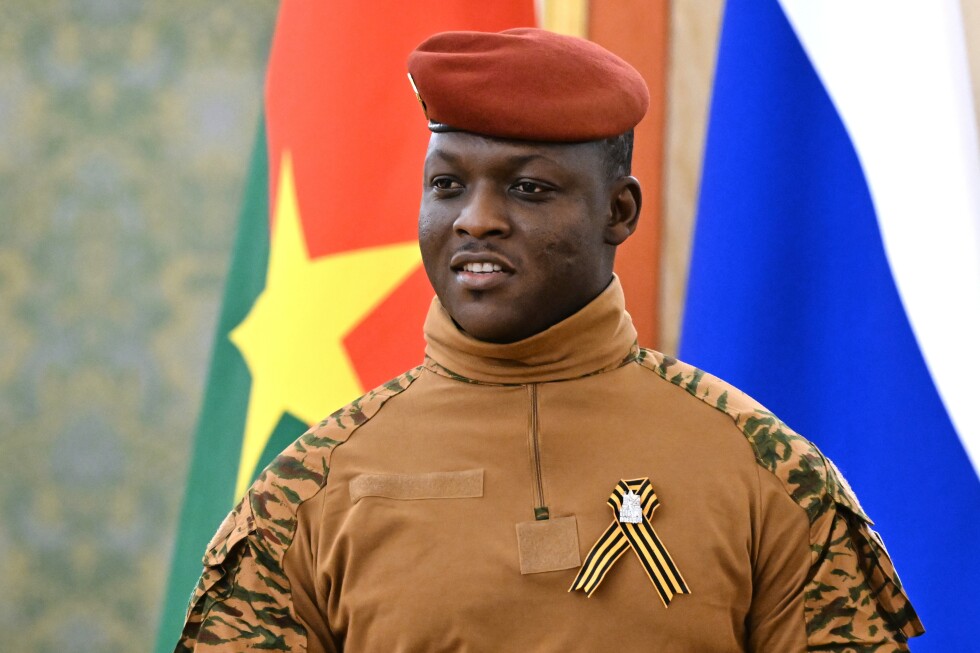
    For years, the landlocked West African nation of Burkina Faso has stood at the epicenter of the Sahel region’s escalating security crisis, a conflict that has shattered communities and pushed millions into displacement. A new, sweeping 316-page investigation from Human Rights Watch (HRW) has uncovered damning new findings: between January 2023 and August 2025, Burkina Faso’s government forces killed more than twice as many civilians as extremist jihadist groups operating in the country, with both sides responsible for systematic war crimes and crimes against humanity.

  • US steps up security for World Cup 2026

    US steps up security for World Cup 2026

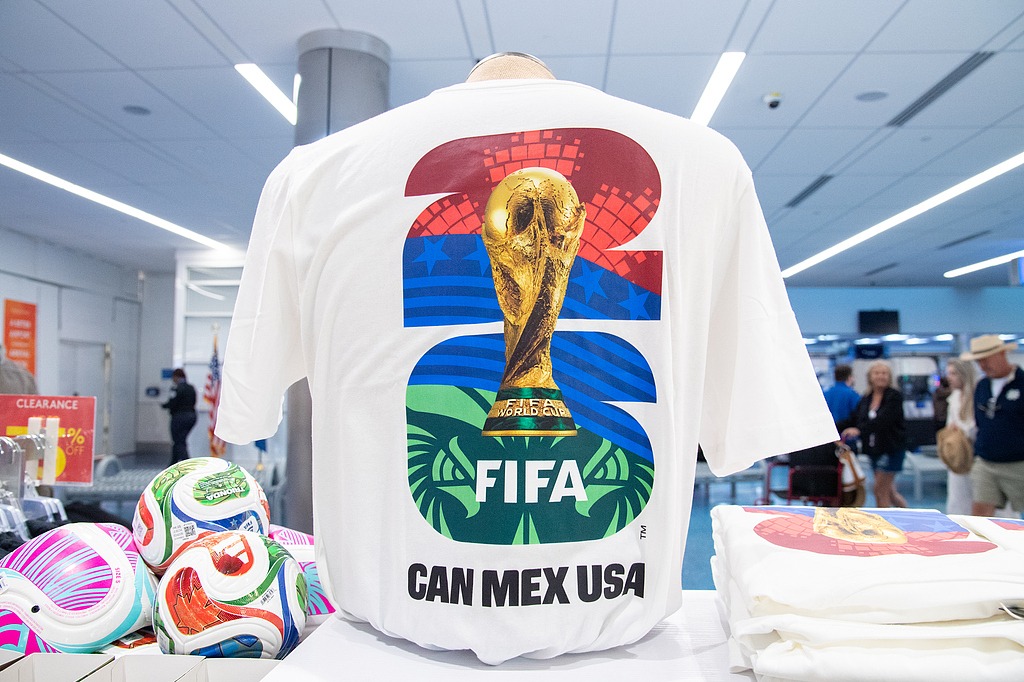
    With just months remaining until the 2026 FIFA World Cup kicks off across three North American nations, United States security officials are accelerating final preparations for the historic tournament — even as they warn that unresolved federal funding gaps threaten to undermine coordinated safety readiness across dozens of federal, state and local agencies.

    The 2026 tournament, the first expanded 48-team World Cup in history and the first jointly hosted by three countries (the United States, Canada and Mexico), will kick off in June, with 11 matches slated to be held across 11 American host cities from coast to coast. Organizers project that millions of international and domestic fans will travel to venues across the region, placing unprecedented strain on the nation’s transportation networks, border control systems and public safety infrastructure. Pulling off a secure event requires constant, synchronized collaboration between federal entities, state law enforcement and local municipal authorities.

    Top organizers have underscored that the U.S. Department of Homeland Security (DHS) serves as the central coordinating body for all national security efforts for the tournament. DHS oversees critical functions ranging from airport passenger screening and cross-border entry management to interagency alignment for large-scale event risk mitigation. Its portfolio includes supporting work from the Transportation Security Administration (TSA), Customs and Border Protection, and the Cybersecurity and Infrastructure Security Agency, all of which play core roles in safeguarding the tournament.

    However, Andrew Giuliani, executive director of the White House Task Force for the 2026 FIFA World Cup, has sounded an urgent alarm about funding delays that have hampered DHS’ preparation work. In comments obtained by ABC News, Giuliani emphasized that full, immediate funding for DHS is non-negotiable to deliver a safe, successful tournament. “We’re here to make the case as loud as we can that, in order for us to do the best work possible, to ensure that this is going to be a safe and successful World Cup, we need to open the department and need it open yesterday,” Giuliani stated.

    Security planning for the 2026 World Cup addresses two distinct, equally critical risk vectors: physical public safety and digital cybersecurity. Officials confirmed that past iterations of the global tournament have faced massive volumes of malicious cyber activity, and 2026 planning accounts for the likelihood of even more frequent and sophisticated attacks this year.

    Beyond digital defense, operational readiness also depends on robust staffing and regular joint training exercises. Giuliani warned that without full, consistent funding, DHS cannot adequately train new personnel or run the large-scale interagency drills required to test emergency response systems ahead of kickoff. “Each day that we go without the whole department being funded, it creates more vulnerabilities,” he added.

    Independent reporting from multiple outlets, including commentary cited by Fox News, has corroborated these concerns, noting that funding constraints have already slowed preparations across several key agencies. TSA, the Federal Emergency Management Agency and the U.S. Coast Guard have all been forced to operate with limited resources during the critical planning phase, creating potential gaps in security coverage and operational readiness that could grow as the tournament approaches.

    At the local level, the 11 U.S. host cities are pushing forward with on-the-ground preparations while navigating their own logistical and budget pressures. Municipal authorities bear direct responsibility for frontline security implementation, including neighborhood policing, crowd management at venues, and on-site emergency response, all coordinated closely with federal partners. Kansas City Mayor Quinton Lucas, whose city will host World Cup matches, echoed widespread concern, noting that public safety is a top priority amid the expected flood of visitors. “I’m worried every day about public safety threats,” Lucas said.

    The unprecedented scale of the 2026 tournament is set to put national infrastructure systems to the test. U.S. airports, in particular, are bracing for a historic surge in passenger traffic, which could make this one of the busiest travel periods in the nation’s history. Federal screening and border control operations will be critical to balancing efficient fan movement with rigorous security protocols at all major transportation hubs.

    In addition to domestic coordination, U.S. security officials are working closely with Canadian and Mexican counterparts to align security protocols across all three host nations. This cross-border collaboration includes real-time intelligence sharing, joint contingency planning, and standardized response procedures to ensure consistent, effective security across every match site in North America.

    Compounding the funding challenge, a prolonged partisan standoff over DHS appropriations in Congress has held up the distribution of approximately $625 million in earmarked federal funding that was intended to help host cities cover unplanned security costs. That delay has put additional financial strain on local governments already working to stretch their budgets to accommodate the tournament.

    Security officials have also noted that broader global geopolitical instability, including ongoing conflict in the Middle East, has added an extra layer of risk assessment to tournament planning, with analysts flagging the potential for heightened public safety threats connected to global tensions.

    Despite the cascade of challenges, U.S. federal officials maintain that preparations remain on track, with ongoing focus on strengthening interagency coordination and closing readiness gaps. The White House task force has prioritized breaking down bureaucratic barriers to improve unified cross-agency response. As agencies gear up to welcome millions of football fans from every corner of the globe, Giuliani reaffirmed that timely federal funding and sustained cross-stakeholder coordination will be the deciding factors in ensuring all security measures are fully in place before the first match kicks off in June.
  • 2026 NY auto show features latest cars and EVs

    2026 NY auto show features latest cars and EVs

    The 2026 New York International Auto Show opened its media preview day Wednesday at Manhattan’s Javits Center, bringing together automakers from every corner of the globe to unveil their latest production models and concept vehicles, with electric mobility taking center stage across the exhibition floor. The show will open to the general public from April 3 through 12, launching at a pivotal moment for the U.S. automotive market: following the expiration of the federal $7,500 EV tax credit, consumer demand for electric vehicles has slowed, creating unprecedented headwinds for domestic and international brands alike.

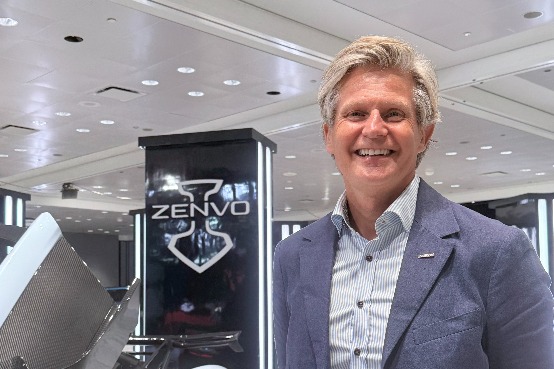
    Despite these near-term market challenges, a growing consensus among attendees acknowledges the expanding global influence of Chinese electric vehicle manufacturers, with many industry leaders arguing that open competition benefits both innovation and end consumers. Jens Sverdrup, chairman and chief commercial officer of Denmark-based luxury hypercar maker Zenvo Automotive, used the show to debut his brand’s $3 million Aurora hybrid sportscar, and offered unfiltered praise for the quality and competitiveness of Chinese-built EVs in comments to China Daily.

    “We see plenty of Chinese brands operating in Europe, and they’re really, really good,” Sverdrup said. “Every time I see a BYD, I’m impressed by the build quality and performance. Chinese manufacturers definitely have a head start when it comes to production efficiency and scalable technology.” Sverdrup, whose company exports at least 60% of its output to the U.S. market — with additional sales across Europe, Japan, Singapore and Hong Kong — pushed back against protectionist policies targeting Chinese automakers, arguing that open competition drives progress across the entire industry.

    “Instead of hiding behind protectionism, we should embrace competition and work to build better products,” Sverdrup added. “Chinese EVs are great cars, there is nothing wrong with them. When it comes to technology, build quality, and affordable pricing, there is a lot that the rest of the world has to catch up on. Open competition benefits consumers above all else — at the end of the day, the best product should win.”

    Current U.S. trade policy for Chinese EVs remains in flux following recent shifts in political leadership. Former President Joe Biden implemented a 100% tariff on Chinese-made electric vehicles in 2024, a move widely interpreted as a barrier to limit Chinese brands’ access to the U.S. market. While Chinese EVs held minimal market share in the U.S. before the tariff hike, the new duties paired with evolving federal restrictions on connected vehicle technology have effectively blocked most potential expansion by Chinese brands. The current administration under President Donald Trump has signaled a potential shift: in a January speech at the Detroit Economic Club, Trump stated he would allow Chinese automakers to enter the U.S. market over the next two years, provided they manufacture vehicles in American factories using domestic labor.

    Established global brands with existing trans-Pacific operations emphasized the importance of open, mutually beneficial market access at the show. Mike Levine, North America product communications director for Ford Motor Co., noted that Ford China, headquartered in Shanghai, has become a core part of the company’s global footprint. “China is a very important overseas market for us,” Levine said, adding that the company used the 2026 show to celebrate a major milestone: 30 years of the Ford Expedition full-size SUV. To mark the occasion, Ford unveiled the 2027 Expedition 30th Anniversary Appearance Package, finished in a one-of-a-kind blue ember paint sourced from the Ford Mustang line. Since the nameplate launched in 1996, Ford has sold nearly 3 million Expeditions globally.

    South Korean automaker Hyundai also marked a major anniversary at the show, celebrating 40 years of operations in the U.S. market while unveiling its new Hyundai Boulder Concept, a rugged off-road-focused SUV built for adventure-oriented consumers. Hyundai North America president and CEO Jose Munoz highlighted the company’s deep U.S. investment commitments as a core driver of its long-term success, pointing to the $26 billion the company has poured into the U.S. market, which supports 570,000 direct domestic jobs with an additional 25,000 new jobs on the way. “For the entire industry right now, the biggest priority is rebuilding consumer confidence,” Munoz said. “We’re backing that confidence with massive investment, 58 new models for the U.S. market — 36 for our Hyundai line, 22 for Genesis — that give consumers unmatched choice and value.”

    Beyond industry showcases, the 2026 show also drew automotive and entertainment figures. Korean-American actor and lifelong car enthusiast Sung Kang, best known for his role as Han Lue in the *Fast & Furious* film franchise, appeared at the show to promote his upcoming independent film *Drifter* — a car-centric project he wrote, directed, and starred in that is set for theatrical release in the coming months. A panel of U.S. automotive industry experts also called on federal policymakers to create more consistent, stable regulatory and trade policy to support long-term growth of the U.S. auto sector, with multiple attendees agreeing that global participation from all major manufacturing nations makes the entire international automotive ecosystem stronger.