博客

  • What do US sanctions on Russian oil mean, and who could be affected?

    What do US sanctions on Russian oil mean, and who could be affected?

    In a significant escalation of economic measures, US President Donald Trump announced stringent new sanctions targeting Russia’s two largest oil producers, Rosneft and Lukoil. The move, unveiled via Trump’s Truth Social platform, aims to pressure Moscow into ending its ongoing conflict in Ukraine. US Treasury Secretary Scott Bessent emphasized that these companies are critical financiers of the Kremlin’s military operations, describing the sanctions as a response to Russian President Vladimir Putin’s refusal to halt what he termed a “senseless war.”

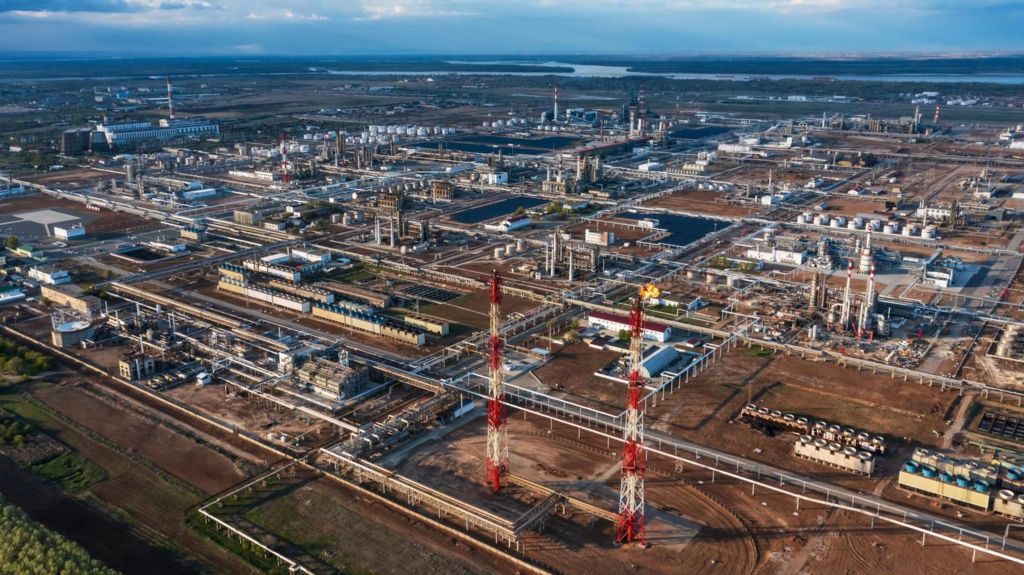
    The sanctions, administered by the US Department of the Treasury’s Office of Foreign Assets Control (OFAC), effectively blacklist Rosneft and Lukoil, which together account for nearly half of Russia’s crude oil exports. Rosneft, a state-controlled entity led by Putin’s close ally Igor Sechin, is responsible for almost half of Russia’s oil production, contributing 6% of global output. Lukoil, a privately held firm, also plays a pivotal role in Russia’s energy sector. Combined, the two companies export approximately 3.1 million barrels of oil daily.

    Trump’s decision follows similar measures by the UK and comes just a day after he indefinitely postponed a planned meeting with Putin in Budapest. The US president expressed frustration over the lack of progress in peace negotiations, stating, “Every time I speak to Vladimir, I have good conversations and then they don’t go anywhere.”

    Experts suggest the sanctions have dual objectives: to cripple Russia’s industrial capacity to wage war and to coerce Moscow into accepting peace terms. Dr. Stuart Rollo of the University of Sydney’s Centre for International Security Studies noted that while the sanctions may not immediately alter the military balance in Ukraine, they could force Russia to reconsider its stance as economic pressures mount. Michael Raska of Nanyang Technological University added that shrinking profit margins may compel Russia to choose between socio-economic stability and financing a protracted conflict.

    The sanctions are expected to have far-reaching implications, not only for Russia but also for its major oil importers, including China and India. Both nations have significantly increased their reliance on Russian energy since the Ukraine war began. Trump has urged these countries to halt purchases of Russian oil, warning of potential secondary sanctions. Indian state refiners are reportedly reviewing their trade documents to ensure compliance, while Reliance, India’s top buyer of Russian oil, is recalibrating its imports.

    The announcement has already caused global oil prices to surge, with Brent crude rising by 5%. While the long-term impact on oil prices remains uncertain, the immediate effect underscores the interconnectedness of global energy markets and the potential for further economic disruptions.
  • EU summit aims for new Russia sanctions and a plan to use Moscow’s assets to help Ukraine

    EU summit aims for new Russia sanctions and a plan to use Moscow’s assets to help Ukraine

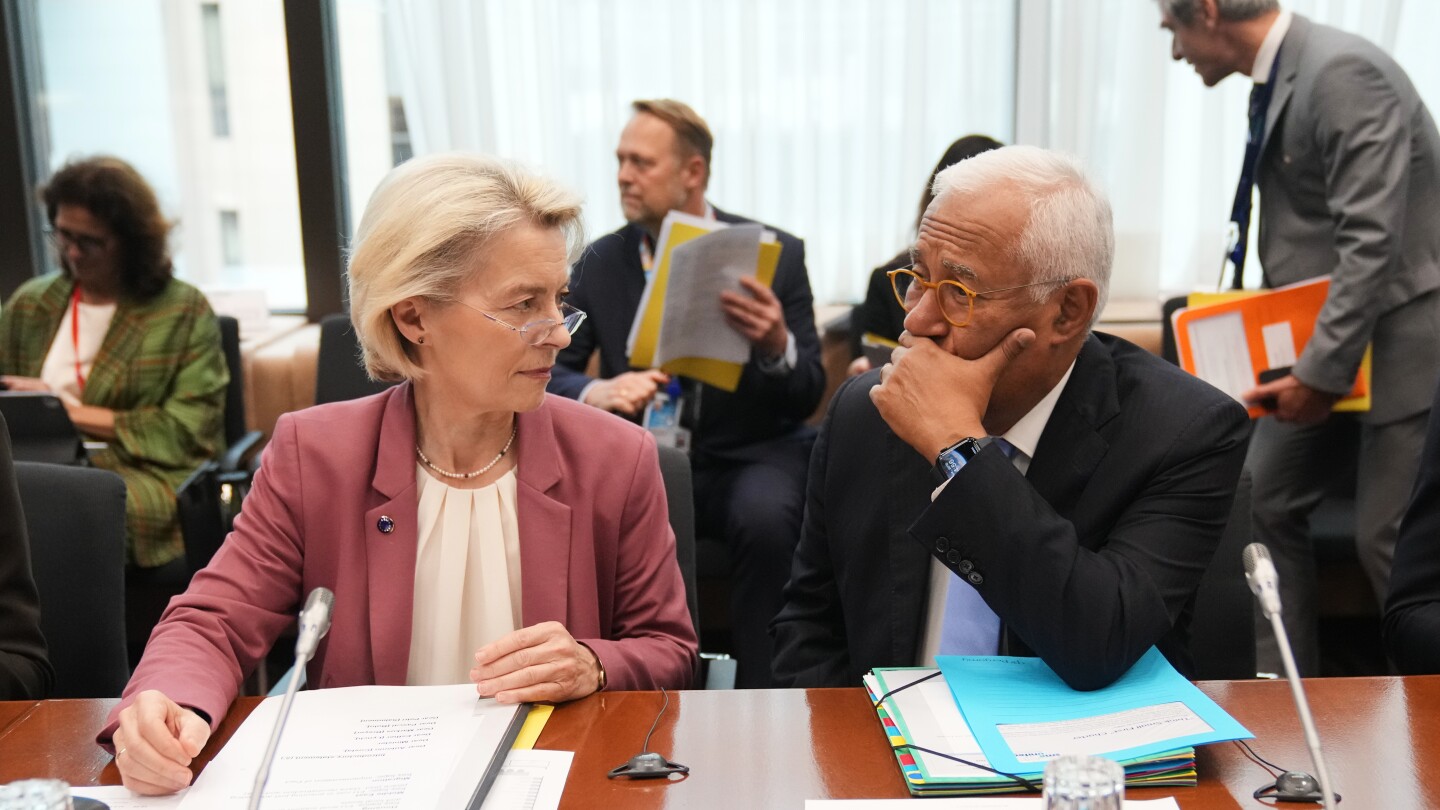
    European Union leaders convened in Brussels on Thursday for a critical summit aimed at approving a new set of sanctions against Russia and advancing plans to utilize Moscow’s frozen assets to bolster Ukraine’s war effort and economy over the next two years. Ukrainian President Volodymyr Zelenskyy participated in the one-day meeting, joining his European allies in advocating for a ceasefire to end nearly four years of conflict. EU Council President António Costa emphasized in his invitation letter that both sustained support for Ukraine and continued pressure on Russia are essential for achieving a just and lasting peace. The summit follows U.S. President Donald Trump’s announcement that his proposed meeting with Russian President Vladimir Putin is on hold, citing concerns over its potential futility. This development adds another layer of complexity to Trump’s fluctuating approach to resolving the Ukraine crisis. Meanwhile, EU leaders are also focused on Trump’s Gaza peace plan, seeking ways to maintain the bloc’s involvement in the process. Despite being the largest provider of aid to Palestinians, the EU faces challenges in influencing Israel due to internal divisions among member states. The summit occurs as Russian forces intensify attacks on Ukraine’s power grid, exacerbating the humanitarian crisis as winter approaches. Earlier this week, Ukraine’s staunchest European allies, part of the ‘coalition of the willing,’ rejected any proposal requiring Ukraine to cede territory in exchange for peace, a suggestion recently floated by Trump. The U.K. is set to host a meeting of this coalition on Friday. On the financial front, EU leaders are determined to proceed with plans to use billions of dollars in frozen Russian assets to support Ukraine’s military and economic needs, despite reservations from some member states. Belgium, which holds the largest portion of these assets—approximately $225 billion—has expressed caution, seeking assurances from its European partners before taking action. Ukraine’s projected budget and military requirements for 2026 and 2027 are estimated at $153 billion. Additionally, EU leaders are expected to endorse a new ‘road map’ to enhance Europe’s defense capabilities against a potential Russian attack by the end of the decade, with top officials warning that Russia could target another European country within 3-5 years.

  • Sutherland, Gardner guide Australia to six-wicket win over England

    Sutherland, Gardner guide Australia to six-wicket win over England

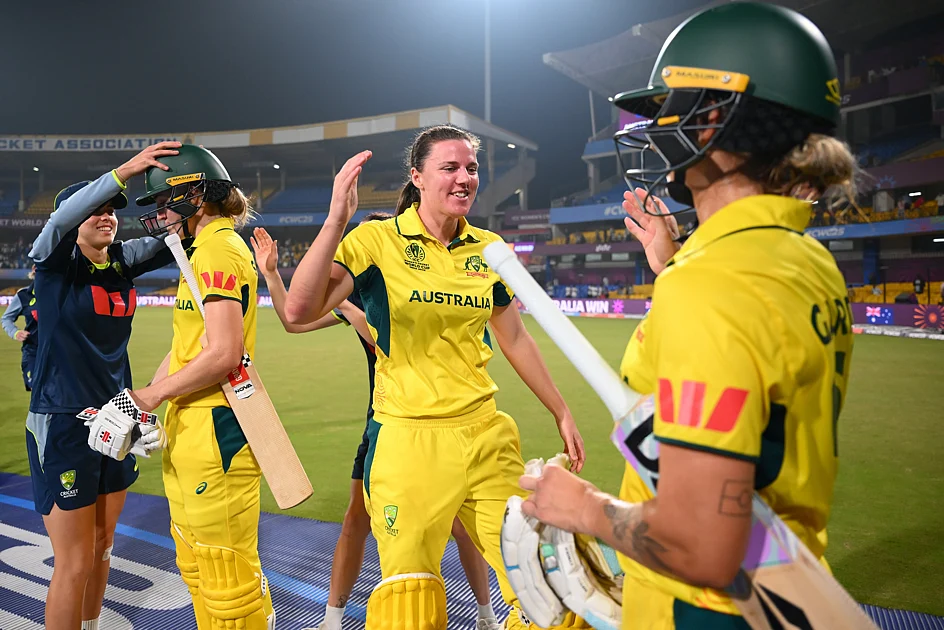
    In a thrilling Women’s World Cup encounter, Australia secured a commanding six-wicket victory over England, propelling them to the top of the tournament’s points table. The match, held on Wednesday, saw standout performances from Annabel Sutherland and Ashleigh Gardner, who played pivotal roles in Australia’s successful chase of England’s target of 245 runs with 57 balls to spare. Gardner’s unbeaten century, scoring 104 off 73 balls with 16 boundaries, was complemented by Sutherland’s steady 98 not out, forming a formidable 180-run partnership. England, positioned third in the tournament, faced their first defeat as Australia’s bowlers, led by Sutherland’s three-wicket haul, restricted their scoring. Despite a valiant effort from England’s Tammy Beaumont (78) and a late surge by Charlie Dean and Alice Capsey, the defending champions fell short. Australia’s shaky start, losing early wickets, was stabilized by Beth Mooney and Sutherland before Gardner’s explosive batting sealed the win. England’s captain, Nat Sciver-Brunt, acknowledged her team’s subpar performance but remained optimistic about future encounters. The victory solidifies Australia’s position as a strong contender for the title, while England looks to regroup for the semifinals.

  • Australia beats India by two wickets to claim ODI series victory

    Australia beats India by two wickets to claim ODI series victory

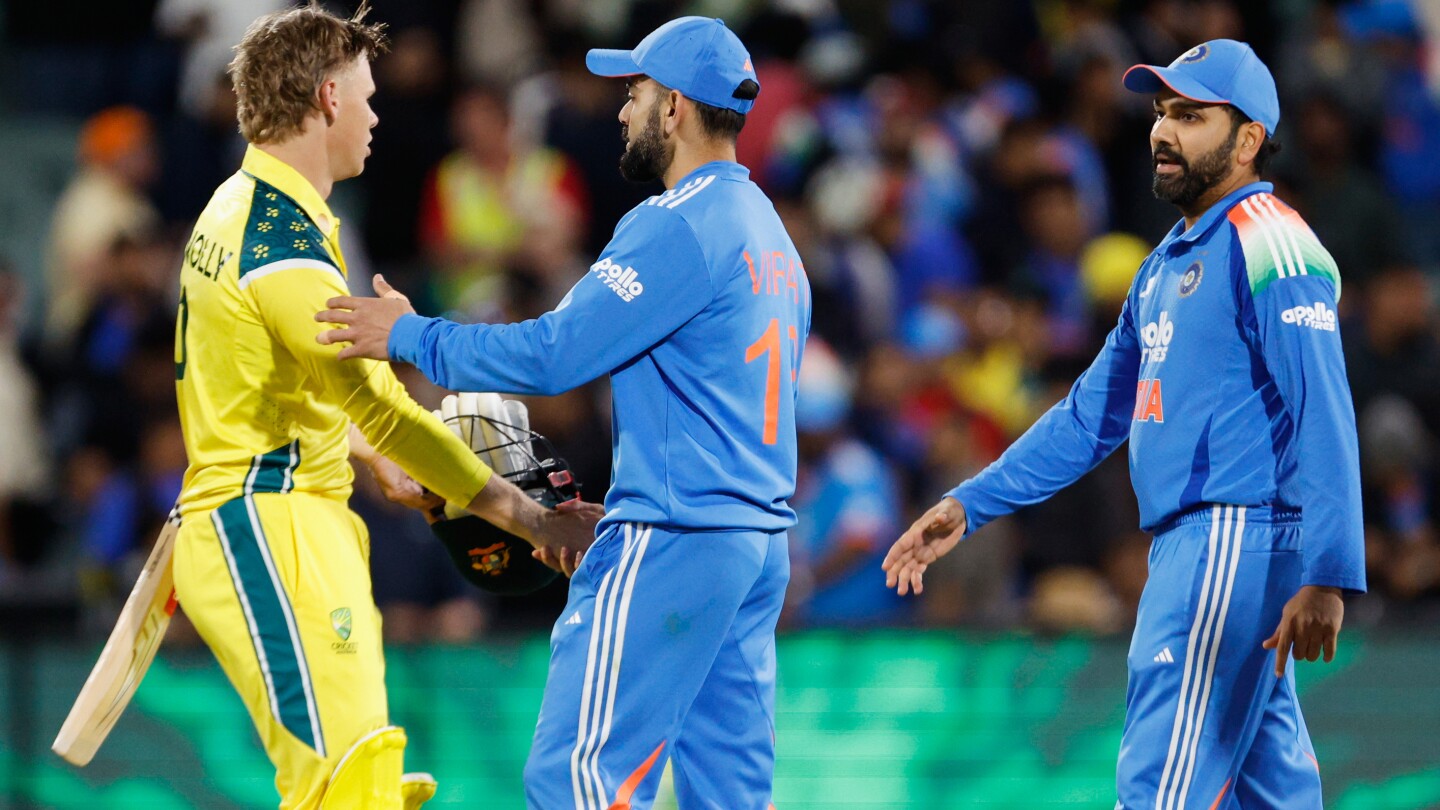
    In a gripping One Day International (ODI) clash at Adelaide Oval on Thursday, Australia edged out India by two wickets, thanks to standout performances from emerging batsmen Cooper Connolly, Matt Short, and Mitch Owen. This victory also sealed the series for Australia, giving them a 2-0 lead in the best-of-three encounter. India set a challenging target of 264-9, with Rohit Sharma leading the charge with a solid 73 off 97 balls. Australia’s bowlers, Adam Zampa (4-60) and Xavier Bartlett (3-39), were instrumental in restricting India’s total. In response, Australia chased down the target with 265-8 in 46.2 overs. Matt Short anchored the innings with a composed 74, while Cooper Connolly, in only his fourth ODI, remained unbeaten with a brisk 61. Mitch Owen, making his ODI debut, contributed a quickfire 36. The trio’s efforts were pivotal in Australia’s tense victory. Connolly, who had previously scored just 10 runs in ODIs, showcased his potential with five boundaries and a six. Owen, too, made an immediate impact with three sixes and two fours. Earlier, India’s Virat Kohli endured a rare failure, recording back-to-back ducks for the first time in his illustrious ODI career. The series concludes on Saturday in Sydney, with India hoping to salvage pride in the final ODI before the T20 series begins on October 29.

  • US kills three in second strike on alleged drug boat in the Pacific

    US kills three in second strike on alleged drug boat in the Pacific

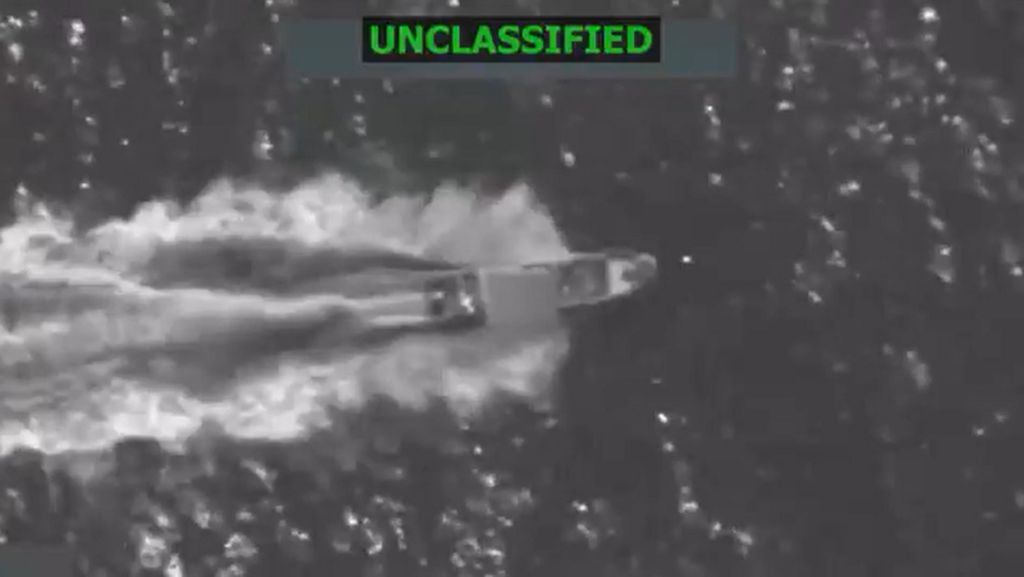
    In a significant escalation of its anti-drug operations, US forces have conducted a second strike in the Pacific Ocean targeting a vessel allegedly involved in drug smuggling. The strike, carried out on Wednesday, resulted in the deaths of three individuals, with no US casualties reported. This follows another strike in the Pacific a day earlier, which killed two people. Both vessels were suspected of transporting drugs along international trafficking routes, according to US Defense Secretary Pete Hegseth. These strikes mark the eighth and ninth such operations since September 2, with most previous actions concentrated in the Caribbean Sea. Hegseth emphasized the US commitment to combating narco-terrorism, stating, ‘These strikes will continue, day after day. These are not simply drug runners—these are narco-terrorists bringing death and destruction to our cities.’ A video accompanying Hegseth’s social media post appears to show a boat engulfed in flames after being struck by a US bomb, followed by a second airstrike targeting debris in the water. President Donald Trump asserted his legal authority to continue such operations in international waters, though he hinted at seeking congressional approval if the campaign expands to land targets. ‘We’re allowed to do that, and if we do (it) by land, we may go back to Congress,’ Trump stated. The administration is reportedly prepared for a broader anti-drug effort on land, which would mark a significant escalation. The strikes have already claimed at least 37 lives, including a recent attack on a semi-submersible vessel in the Caribbean. Two survivors from a strike last week were repatriated to Colombia and Ecuador, with Ecuador releasing one man due to lack of evidence. Meanwhile, tensions between the Trump administration and Colombian President Gustavo Petro have intensified, with Trump accusing Petro of being an ‘illegal drug leader’ and threatening to cut US subsidies to Colombia. Experts note that Colombia and Ecuador’s Pacific coastlines are key routes for drug trafficking to the US. While most US strikes have occurred in the Caribbean, DEA estimates suggest the Pacific is the primary conduit for cocaine bound for the US. The operation has deployed 10,000 US troops, along with numerous military assets, to the Caribbean, though details on the identities of those killed remain scarce.

  • Strong winds in New Zealand leave tens of thousands without power

    Strong winds in New Zealand leave tens of thousands without power

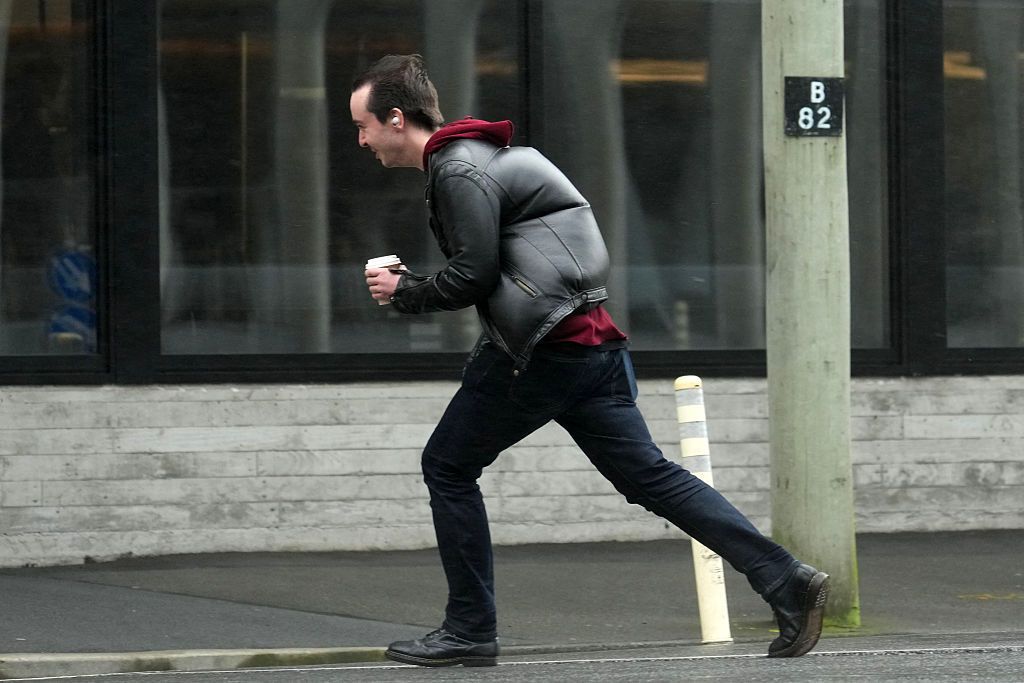
    New Zealand is grappling with a severe weather crisis as powerful winds reaching speeds of up to 155 km/h (96 mph) wreak havoc across the nation. The tempest has left approximately 90,000 homes without electricity and forced the cancellation of over 100 flights, according to local media reports. The meteorological service has confirmed that the entire South Island and southern regions of the North Island are bearing the brunt of the gales. Authorities have escalated the situation by issuing rare red wind warnings—the highest alert level—in central areas, including Canterbury and Wellington. Additionally, heavy rainfall warnings have been issued for the South Island. Residents have been strongly advised to remain indoors, avoid unnecessary travel, and prepare for potential power and communication disruptions. While power restoration efforts are underway, the South Island remains the most affected. Reports from local media highlight the destruction caused by the winds, with roofs torn off houses, trees uprooted, and electricity poles toppled. Tragically, a man in Wellington lost his life after being struck by a falling tree branch at a popular walking trail. In another incident, a woman was blown into oncoming traffic by a sudden gust of wind, though she survived the ordeal. The capital has seen widespread disruptions, with flights canceled, roads closed, and libraries shut down. In Canterbury, officials have declared a state of emergency to bolster disaster response efforts. The severe weather coincides with a ‘mega strike’ involving tens of thousands of teachers, doctors, and public workers demanding better pay and working conditions. However, the extreme conditions have forced some strike activities to be moved indoors or canceled. Meanwhile, Australia is also experiencing similar weather patterns, with strong winds and a heatwave sweeping through the outback, prompting authorities to implement fire bans to prevent bushfires.

  • Carrascal’s late goal lifts Flamengo over Racing Club in Copa Libertadores semifinals

    Carrascal’s late goal lifts Flamengo over Racing Club in Copa Libertadores semifinals

    In a tightly contested match at Maracanã Stadium, Flamengo secured a narrow 1-0 victory over Argentina’s Racing Club in the first leg of the Copa Libertadores semifinal series. Colombian midfielder Jorge Carrascal emerged as the hero, netting the decisive goal in the 88th minute. The three-time Libertadores champions are now one step closer to reclaiming the title they last won in 2022 and continuing Brazil’s dominance in the tournament, with seven of the past eight titles going to Brazilian clubs. The second leg is set to take place next Wednesday in Buenos Aires, with the final scheduled for November 29 at Estadio Monumental in Lima, Peru. Racing Club, making their first semifinal appearance since 1997, are striving to end a 56-year drought and claim their first Copa Libertadores title since 1967. Meanwhile, in the other semifinal, Ecuador’s LDU will face Palmeiras on Thursday. LDU, having already eliminated two Brazilian clubs in the knockout stages, are aiming to reach the final for the first time since 2008. Palmeiras, a three-time champion, advanced after defeating Argentina’s River Plate in the quarterfinals.

  • Saudi Arabia announces new Grand Mufti, appointed by royal decree

    Saudi Arabia announces new Grand Mufti, appointed by royal decree

    In a significant development within Saudi Arabia’s religious leadership, Sheikh Dr. Saleh bin Fawzan bin Abdullah Al-Fawzan has been appointed as the new Grand Mufti of the Kingdom. The announcement was made by the Saudi Press Agency on Thursday, October 23, 2025, following a royal decree issued by the Saudi monarchy. Sheikh Al-Fawzan will also assume the roles of Chairman of the Council of Senior Scholars and General President of the General Presidency for Scholarly Research and Fatwa, holding the rank of Minister. This appointment marks a pivotal moment in the Kingdom’s religious governance, as the Grand Mufti plays a crucial role in issuing religious edicts (fatwas) and guiding Islamic jurisprudence in the country. The decision underscores the Saudi government’s commitment to maintaining a robust and authoritative religious framework. Sheikh Al-Fawzan, a renowned Islamic scholar, brings extensive expertise and influence to the position, which is expected to shape the Kingdom’s religious discourse in the years to come.

  • British man drowns in Australia after surfboard snaps in wild weather

    British man drowns in Australia after surfboard snaps in wild weather

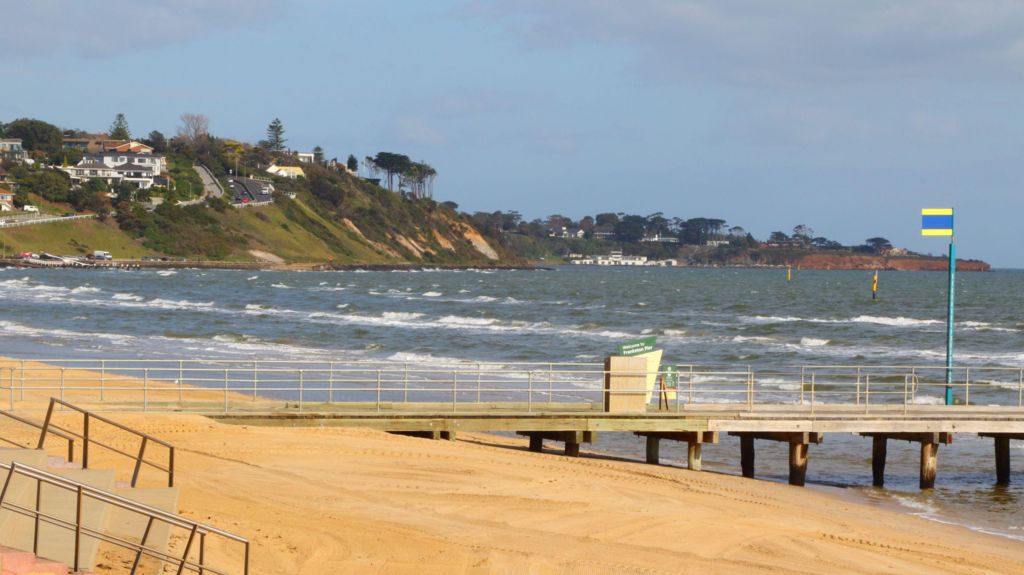
    A tragic incident unfolded at Frankston Beach, located approximately 45 kilometers southeast of Melbourne, Australia, on Wednesday afternoon, resulting in the deaths of two individuals. The victims, a 36-year-old British surfer and his 43-year-old friend, succumbed to the perilous conditions brought on by severe weather. Authorities were alerted to the scene after reports of two men struggling in the water. Despite a swift response from emergency services, including a police helicopter that arrived within 15 minutes, both men were pronounced dead after being winched back to shore. The officer involved in the rescue also required medical attention after ingesting water but was later released from the hospital. The identities of the deceased have not been formally released as their families are yet to be notified. Detective Inspector Melissa Nixon, who addressed the media, emphasized that the surfer had minimal experience and was likely in the early stages of learning the sport. She highlighted that the weather conditions, characterized by wind gusts of up to 130 kilometers per hour, were highly unsuitable for any water activities. The friend, who attempted to rescue the surfer after his board snapped, also fell victim to the treacherous waves. Nixon described the scene as deeply distressing and underscored that the fatalities could have been avoided. She urged the public to refrain from surfing or swimming during hazardous weather conditions to prevent similar tragedies. The incident serves as a stark reminder of the dangers posed by unpredictable natural elements and the importance of adhering to safety warnings.

  • Barbs fly as Mamdani and Cuomo meet in final, furious New York City mayoral debate

    Barbs fly as Mamdani and Cuomo meet in final, furious New York City mayoral debate

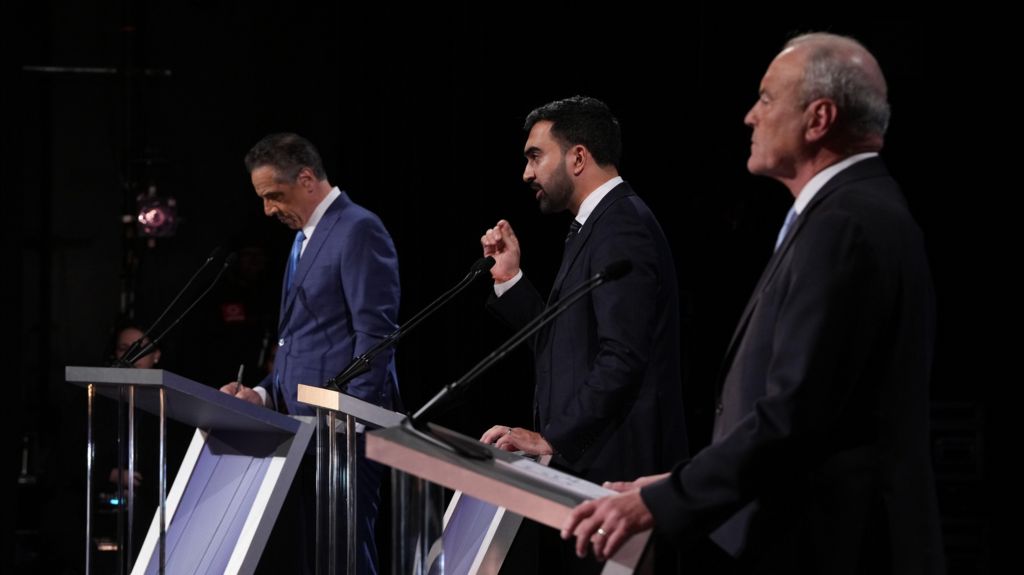
    In a fiery final debate ahead of the New York City mayoral election, the three leading candidates—Democrat Zohran Mamdani, Republican Curtis Sliwa, and independent Andrew Cuomo—engaged in heated exchanges over key issues, including housing, homelessness, and their approaches to dealing with former President Donald Trump. Held at a packed university auditorium in Queens, the 90-minute debate saw candidates trading personal jabs and defending their records, with Mamdani maintaining his lead in recent polls.

    Mamdani, positioned at center stage, faced sharp criticism from both opponents. Cuomo accused him of absenteeism as a state assemblyman, while Sliwa questioned his stance on affordable housing initiatives. Mamdani fired back, blaming Cuomo for the city’s struggles during his tenure as governor. The debate also revisited allegations of sexual harassment against Cuomo, with Mamdani highlighting the presence of one of Cuomo’s accusers in the audience.

    The candidates unanimously criticized a recent federal immigration raid in Chinatown, arguing that local authorities should handle such issues. However, their approaches to engaging with Trump diverged. Sliwa emphasized negotiation, Mamdani accused Cuomo of being Trump’s puppet, and Cuomo touted his experience in dealing with the former president.

    The Middle East conflict also took center stage, with Mamdani defending his pro-Palestine stance against accusations of antisemitism. Cuomo and Sliwa criticized his views, while Cuomo affirmed the right to protest but condemned antisemitic behavior.

    As early voting begins, the debate marked the candidates’ last high-profile opportunity to sway voters before Election Day.