博客

  • Ancient fort scrambler bike damage ‘disrespectful’

    Ancient fort scrambler bike damage ‘disrespectful’

    An Grianán of Aileach, a protected hilltop fort in County Donegal dating back to the 9th century BC, has suffered significant ground damage from unauthorized scrambler bike activity within its ancient walls. The incident, occurring between March 6th and 9th, has prompted an official investigation by Ireland’s Office of Public Works and local gardaí.

    Local historian Dessie McCallion condemned the act as profoundly disrespectful, stating the ancient monument is not a playground. While the stone structure itself remains intact, the ground surface inside the fort sustained noticeable damage from the powerful bikes.

    Residents living near the historically significant site expressed both concern and bewilderment. Photographer Jacqui Devenney, who frequently witnesses visitors including wedding parties at the location, emphasized that the vandals likely failed to comprehend the site’s historical importance. Neighbor Mary McCallion noted that while the damage is repairable, the mindset behind such actions remains incomprehensible.

    Designated a National Monument, An Grianán of Aileach represents one of Ireland’s most ancient sites with evidence of fortification dating back to 1100-800 BC. The current stone structure served as a ceremonial center for the medieval O’Neill clan and underwent significant restoration in the 1870s.

    Sinn Féin councillor Jack Murray confirmed that descriptions of those involved have been provided to authorities, expressing hope that those responsible will be held accountable. The incident has reignited discussions about improved public education regarding Ireland’s protected historical sites, with some historians comparing the fort’s significance to that of the Hill of Tara.


  • ‘Great traditions’: Smooth start at Allianz Stadium as Alex Johnston chases rugby league history

    ‘Great traditions’: Smooth start at Allianz Stadium as Alex Johnston chases rugby league history

    A palpable sense of anticipation electrified Allianz Stadium as South Sydney Rabbitohs winger Alex Johnston stood on the precipice of rugby league history. The veteran player needed just one more try to equal and two to surpass the legendary Ken Irvine’s 53-year-old record of 211 tries in Australian professional rugby league.

    The historic occasion prompted extensive coordination between Venues NSW, both competing clubs, and the NRL regarding potential crowd reactions. This followed concerns raised by legendary coach Wayne Bennett, who referenced previous incidents where fans stormed the field during milestone celebrations in other sports. Authorities implemented reinforced security measures, including additional personnel positioned strategically around the field, particularly in areas where Johnston was most likely to score.

    Despite initial apprehensions about entry delays due to enhanced security protocols, spectators experienced seamless access to the venue. The bag-checking process maintained its standard efficiency, ensuring minimal disruption for attendees. Clear exit points were established in each corner of the stadium to facilitate Johnston’s potential departure from the field if necessary.

    The emotional significance of the evening was further amplified by a pre-game ceremony honoring the victims of the recent Bondi terror attack, observed by a capacity crowd. Roosters chief executive Joe Kelly remarked on the exceptional atmosphere, noting: ‘Our members and supporters consistently create an incredible atmosphere at Allianz Stadium, and we know tonight will be no different.’ The event demonstrated professional sports’ ability to balance historic celebration with appropriate security and respectful commemoration.

  • Australian sharemarket slides as rising oil price fears hit major miners

    Australian sharemarket slides as rising oil price fears hit major miners

    Australia’s financial markets concluded Friday’s session in negative territory as mounting apprehensions over escalating oil prices counteracted robust performances within the banking sector. The benchmark S&P/ASX 200 receded by 11.90 points, representing a 0.14 percent decline to settle at 8617.10. The broader All Ordinaries index mirrored this downward trajectory, closing 12.30 points lower at 8939.10, while the Australian dollar experienced a marginal 0.2 percent depreciation against the US dollar.

    Despite the overall market decline, six out of eleven sectors registered positive movements. The financial sector emerged as the primary outperformer, with investors accumulating banking stocks ahead of the Reserve Bank of Australia’s forthcoming policy meeting. Market analysts widely anticipate an interest rate hike in response to persistent inflationary pressures. Commonwealth Bank advanced 1.26 percent to $173.76, while National Australia Bank surged 1.53 percent to $47.11. Westpac and ANZ completed the positive banking sector performance with gains of 1.11 percent and 0.49 percent respectively.

    Conversely, the resources sector faced substantial selling pressure amid concerns that elevated energy costs would adversely impact mining operations. BHP witnessed a 2.31 percent decline to $49.80, while Northern Star Resources plummeted 18.75 percent following a disappointing operational outlook. Lynas Rare Earths similarly retreated by 2.22 percent to $20.70.

    The ongoing geopolitical tensions in the Middle East continued to propel crude oil prices upward, with Brent crude maintaining levels above $101 per barrel. This represents a significant escalation from pre-conflict prices of approximately $65 per barrel recorded just thirteen days prior. Market analysts have revised their conflict duration expectations, now anticipating a more prolonged disruption to global energy supplies that could potentially trigger broader inflationary consequences and alter consumer behavior patterns.

    In corporate developments, Qantas shares declined 0.69 percent after reaching a $105 million settlement regarding COVID-19 flight credits, while Collins Foods decreased 0.60 percent following a $9 million class action settlement. Electro Optic Systems emerged as a notable outperformer, soaring 18.35 percent after securing a substantial defense contract. Biotechnology firm Immutep experienced catastrophic declines of 88.61 percent after discontinuing a key clinical trial.

  • S Korea police raid transport ministry as questions mount over Jeju Air crash

    S Korea police raid transport ministry as questions mount over Jeju Air crash

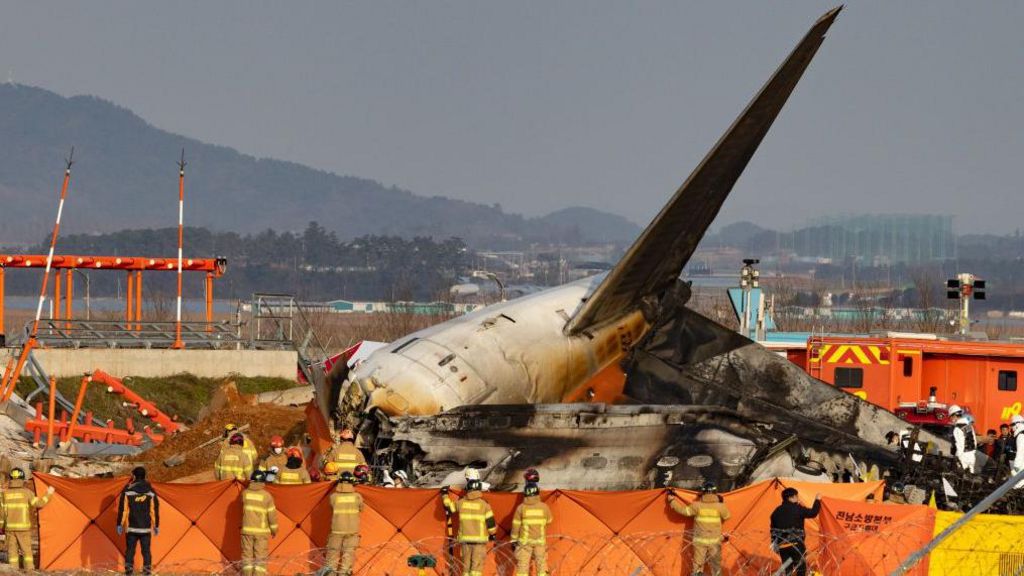
    South Korean law enforcement authorities have executed a search operation at the Transport Ministry’s headquarters in Sejong, intensifying scrutiny over the government’s handling of the nation’s most catastrophic aviation disaster. The December 2024 Jeju Air Flight 2216 tragedy, which resulted in 179 fatalities, continues to generate profound public outrage and institutional investigations.

    The Boeing 737-800 aircraft, carrying 181 individuals, overshot the runway at Muan International Airport on December 29, 2024, after experiencing a critical bird strike that disabled both engines. While pilots successfully executed an emergency belly landing, the aircraft subsequently collided with a concrete navigation structure, triggering a catastrophic explosion that claimed all lives except two flight attendants seated in the rear section.

    Recent developments have revealed disturbing investigative shortcomings. Months after the accident, examination of debris sacks collected from the crash site yielded additional human remains and passenger belongings that initial recovery efforts had overlooked. This discovery provoked substantial public condemnation and prompted direct intervention from President Lee Jae Myung, who ordered comprehensive reviews and disciplinary measures against officials responsible for recovery deficiencies.

    Parallel investigations have uncovered critical safety compromises in airport infrastructure design. The Board of Audit and Inspection confirmed the controversial concrete structure was constructed as a cost-saving alternative to proper terrain leveling. Aviation safety simulations demonstrated all passengers might have survived impact forces absent the concrete obstruction, which violated international standards requiring frangible (breakaway) design for runway-adjacent structures.

    In response to these findings, South Korean aviation authorities have initiated removal of similar navigation structures across seven domestic airports. The Transport Ministry has issued formal apologies, though victim families have rejected these gestures as insufficient and delayed. Multiple investigative branches continue examining institutional accountability, with final conclusions anticipated by mid-year.

  • The US may move its anti-missile system out of South Korea – and it’s sparking unease

    The US may move its anti-missile system out of South Korea – and it’s sparking unease

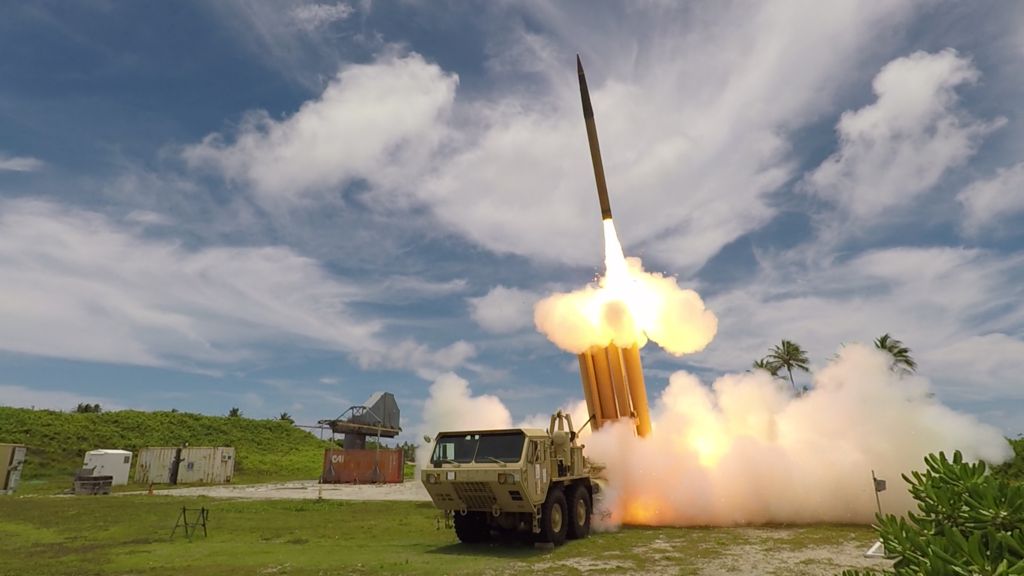
    In a significant strategic repositioning, the United States has initiated the relocation of components from its Terminal High-Altitude Area Defense (THAAD) system in South Korea to reinforce its military capabilities in the Middle East. This decision, confirmed by multiple officials to the Washington Post and South Korean media outlets, comes amid intense hostilities between US-Israeli forces and Iran, now entering its twelfth day.

    The relocation follows reports that Iranian strikes have potentially destroyed a critical THAAD radar installation in Jordan—a $300 million asset crucial for ballistic missile detection. Originally deployed to South Korea in 2017 as a deterrent against North Korean nuclear threats, the THAAD system has long been a point of geopolitical friction. Its presence provoked strong opposition from local South Korean communities and drew sharp criticism from China, which viewed the system’s powerful radar as a threat to its regional security and a tool for espionage.

    Each THAAD battery, manufactured by Lockheed Martin, represents a substantial investment at approximately $1 billion per unit. The system employs hit-to-kill technology to neutralize short and medium-range ballistic missiles at high altitudes, even beyond Earth’s atmosphere. With only eight operational systems globally—two already stationed in the Middle East (Jordan and Israel)—the redistribution underscores mounting pressure on US missile defense resources.

    According to Professor John Nilsson-Wright of Cambridge University, this move indicates the urgent need to compensate for the heavy expenditure of missile defense assets amid Iran’s sustained attacks. Iranian forces have launched over 500 ballistic missiles, straining interception capabilities and raising concerns about inventory depletion.

    South Korean President Lee Jae-myung publicly acknowledged his government’s opposition to the withdrawal, stating that while Seoul objects, it lacks leverage to prevent the move. Despite assurances that the relocation won’t undermine South Korea’s deterrence strategy, analysts note unusual diplomatic tension between the allies.

    China’s Foreign Ministry reaffirmed its longstanding objection to THAAD deployment on the Korean Peninsula. Although Beijing may perceive the relocation as a favorable development, experts like Professor Ian Chong from the National University of Singapore caution that only permanent removal would constitute a strategic victory for China.

    Meanwhile, North Korea remains silent, though observers warn that Kim Jong Un might seize the opportunity to test South Korean defenses with limited provocations. The broader implication, experts note, is whether prolonged engagement with Iran will critically impair the US’s ability to respond to contingencies in other regions, particularly the Indo-Pacific.

  • Women to access $8 pharmacist contraceptives in 12-month trial

    Women to access $8 pharmacist contraceptives in 12-month trial

    A contentious healthcare initiative in Australia has ignited a fierce debate between government authorities and medical professionals regarding women’s access to reproductive health medications. Health Minister Mark Butler announced plans to implement a nationwide trial enabling concession card holders aged 18-55 to obtain pharmacist-prescribed contraceptives and urinary tract infection antibiotics at a subsidized rate of $7.70.

    The program, scheduled to commence in January 2027 for a twelve-month duration, expands upon existing state-level provisions that already permit pharmacists to dispense repeat contraceptive prescriptions. Minister Butler emphasized the government’s commitment to ensuring “affordable and equitable” access to contraception, aligning with most states’ existing frameworks for pharmacy-based prescription services.

    However, the Royal Australian College of General Practitioners (RACGP) has launched vehement opposition to the proposal, characterizing it as a “lobbyist-led” decision that jeopardizes women’s health. Vice President Dr. Ramya Raman condemned the approach, stating that “women’s health is not a pilot project” and accusing the government of prioritizing politics over patient safety.

    Medical concerns center on the potential risks associated with hormonal contraceptives, including increased susceptibility to stroke and blood clots. The RACGP referenced Therapeutic Goods Administration recommendations against down-scheduling contraceptives to non-prescription status. Stroke Foundation CEO Lisa Murphy endorsed these concerns, emphasizing the necessity for personalized medical assessments considering individual health histories.

    The controversy highlights the tension between improving medication accessibility and maintaining rigorous healthcare standards, with the government focusing on cost reduction while medical professionals advocate for comprehensive patient evaluation.

  • Gay Muslim influencer hosts inclusive Ramadan meal and calls for acceptance across faiths

    Gay Muslim influencer hosts inclusive Ramadan meal and calls for acceptance across faiths

    In a powerful display of solidarity, Berlin-based influencer Ali Darwich is redefining religious inclusivity through his groundbreaking social advocacy. The 33-year-old German of Palestinian and Lebanese descent, known on Instagram as @alifragt, recently hosted an interfaith iftar dinner that brought together Muslims, Christians, immigrants, Germans, and LGBTQ+ individuals to break the Ramadan fast collectively.

    Darwich has cultivated a rapidly expanding digital following by highlighting the complex realities facing queer Muslims in contemporary Germany. Through his platform, he addresses the profound isolation many experience when rejected by their families, particularly during traditionally communal holidays like Ramadan. His message resonates deeply amid concerning statistics: 2024 data reveals a disturbing 40% surge in anti-LGBTQ+ violence across twelve German states compared to 2023 figures, as documented by the Association of Counseling Centers for Victims of Right-Wing, Racist and Antisemitic Violence.

    The influencer’s personal journey underscores his activism. His coming out several years ago triggered familial rejection, including a six-month estrangement from his mother and exclusion from family celebrations. This experience motivated his current mission: creating alternative support networks for those facing similar marginalization.

    The inclusive iftar, hosted at the Berlin home of fellow influencer Randa Weiser (@randa_and_the_gang), featured traditional Middle Eastern cuisine including freekeh soup, spiced rice with almonds and raisins, grilled chicken, and assorted desserts. The gathering represented remarkable diversity, with attendees hailing from Jordan, Lebanon, Morocco, Turkey, Chechnya, Syria, Iran, and Peru.

    Despite receiving some online criticism for her inclusive stance, Weiser maintains that being Muslim and LGBTQ+ are not mutually exclusive identities. The event attracted numerous content creators who documented the celebration across social platforms, amplifying its message of acceptance.

    Among attendees, Syrian artist and belly dancer Haidar Darwish (@thedarvishofficial) emphasized the importance of resilience: ‘No matter how much hate others show, we can respond with greater love through self-belief and ally support.’ Both Darwich and his collaborators emphasize that religious devotion and queer identity can coexist harmoniously, advocating for unconditional acceptance within all faith communities.

  • Trump administration under attack from all sides for flip-flopping on Iran war

    Trump administration under attack from all sides for flip-flopping on Iran war

    The Trump administration is confronting intense bipartisan criticism for its contradictory positions on Iran’s national security threat and the economic impact of rising energy prices. This scrutiny emerges amidst ongoing military engagement with Iran, which has triggered significant global oil market disruptions.

    White House Press Secretary Karoline Leavitt ignited controversy by directly contradicting earlier administration warnings about Iranian aggression. Leavitt emphatically denied on social media that Iran ever posed a homeland security threat to the United States, specifically refuting reports that Iran might target California with drone strikes. Her statement directly contradicted previous assertions from President Trump and Secretary of State Marco Rubio, who had characterized the Iranian threat as “imminent” and justification for military action.

    Democratic Senator Chris Murphy highlighted this contradiction, noting the administration’s simultaneous dismissal of Iranian threats while pursuing military conflict that has driven gasoline prices to unprecedented levels. The national average for regular gasoline has surged from $2.94 to $3.57 per gallon within a month, representing a 21% increase directly attributable to the conflict.

    The administration’s economic messaging has undergone a remarkable reversal. After campaigning on promises to lower energy prices and end Middle Eastern conflicts, President Trump now asserts that higher energy prices benefit the United States due to its status as a net oil and gas exporter. This position has drawn sharp criticism from conservative commentators and economists, including Trump supporter Peter Schiff, who questioned why the president previously promised lower oil prices if he now believes higher prices are advantageous.

    The military action has produced significant geopolitical consequences, with Iran closing the Strait of Hormuz and disrupting approximately 20% of global oil and gas shipments. Despite a historic release of 400 million barrels of emergency oil reserves by International Energy Agency members, Brent crude prices have surpassed $100 per barrel, illustrating the conflict’s substantial impact on global energy markets.

  • Afghanistan accuses Pakistan of targeting homes in airstrikes that kill at least 6 civilians

    Afghanistan accuses Pakistan of targeting homes in airstrikes that kill at least 6 civilians

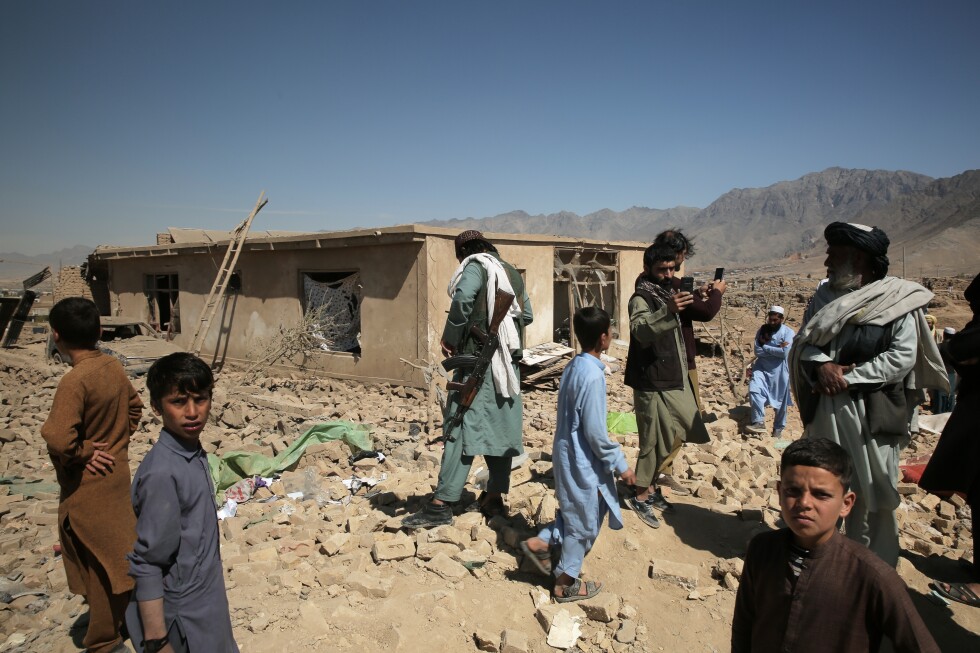
    KABUL, Afghanistan — Diplomatic tensions between Pakistan and Taliban-controlled Afghanistan have dramatically escalated into open military conflict, with both nations conducting airstrikes across their shared border. The Afghan government reported that Pakistani military operations on Friday resulted in at least six civilian fatalities and over a dozen injuries, targeting residential areas in Kabul and southern provinces.

    Afghan government spokesman Zabihullah Mujahid stated via social media platform X that Pakistani aircraft struck civilian infrastructure, including fuel depots belonging to private airline Kam Air near Kandahar airport. These facilities reportedly supply fuel to civilian airlines and United Nations aircraft operations. Meanwhile, Pakistan’s state media confirmed ‘successful airstrikes inside Afghanistan’ targeting what it described as four militant hideouts and support infrastructure.

    The conflict originated in late February when border skirmishes evolved into reciprocal attacks on military installations. Pakistan maintains that its operations specifically target the Pakistani Taliban (Tehrik-e-Taliban Pakistan or TTP) and their support networks, alleging that Afghanistan’s Taliban government provides sanctuary to militant groups conducting attacks against Pakistan. The Taliban government consistently denies these allegations.

    Afghanistan’s Defense Ministry claims its air force retaliated by striking Pakistani military installations in Kohat district, inflicting significant damage. Pakistan’s Ministry of Information dismissed these claims as baseless, instead reporting the interception of three rudimentary drones deployed by militants.

    Civilian casualties continue to mount across conflict zones. Kabul police reported four civilian deaths including children, with fifteen injured in the capital alone. Additional casualties were reported in Nangarhar province where mortar shelling killed a woman and child. The complete casualty count remains uncertain as attacks persist.

    International diplomatic efforts have thus far failed to de-escalate tensions. Chinese Special Envoy Yue Xiaoyong recently engaged in discussions with Pakistani officials regarding collective security measures, following similar consultations in Kabul. Despite global calls for restraint, Pakistan has vowed to continue military operations until verifiable actions are taken against TTP forces operating from Afghan territory.

    The current fighting represents the most severe bilateral conflict in years, raising regional stability concerns amid ongoing Middle Eastern tensions. Previous ceasefire agreements mediated by Qatar in October provided temporary relief, but subsequent peace talks in Turkey failed to establish lasting resolution.

  • Thousands of Chinese boats mass at sea, raising questions

    Thousands of Chinese boats mass at sea, raising questions

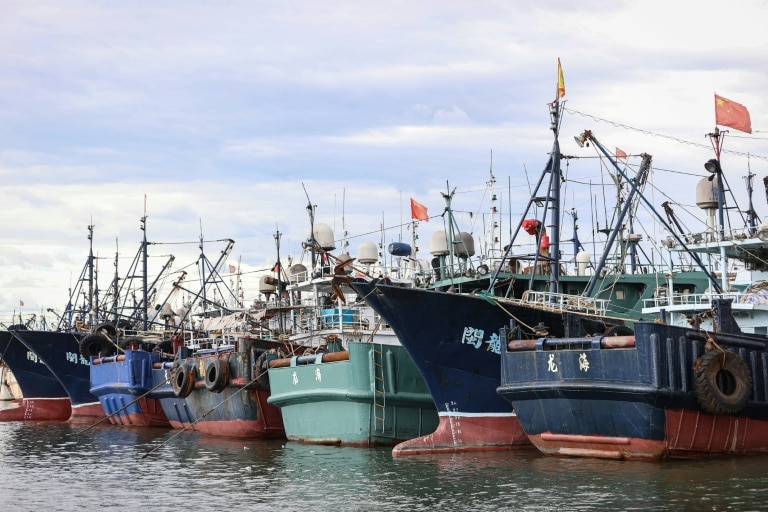
    Satellite imagery and maritime tracking data have revealed extraordinary coordinated movements by China’s fishing fleet in the East China Sea, raising alarms among international security experts. Between December 2023 and January 2024, approximately 2,000 vessels assembled in precise geometric patterns northeast of Taiwan, maintaining formations for extended periods despite adverse weather conditions.

    According to analysis by ingeniSPACE and verification from multiple maritime intelligence organizations, the vessels formed two parallel inverted L-shapes stretching approximately 400 kilometers during the December 25 event. Subsequent formations in early January included an uneven rectangular cluster of about 1,000 boats in the same strategic waters.

    Maritime experts unanimously agree these formations serve no commercial fishing purpose. Instead, they represent what analysts describe as a demonstration of China’s ability to mobilize civilian vessels for potential military operations. Gregory Poling of the Center for Strategic and International Studies noted the unprecedented scale of these gatherings, stating he had “never seen a massing of Chinese fishing boats in these numbers anywhere outside of port ever.”

    The vessels are believed to belong to China’s maritime militia – a civilian fleet trained to support military operations. Their coordinated movements suggest advanced preparation for potential regional contingencies, including scenarios involving Taiwan or Japan. Thomas Shugart, a former U.S. Navy submarine warfare officer, characterized the operation as clearly state-directed, noting that no commercial entity controls such a large number of vessels.

    This development occurs against the backdrop of China’s stated military modernization goals and increasing pressure on Taiwan. The U.S. Department of Defense has previously indicated that China expects to achieve capability to conduct a successful military operation against Taiwan by 2027. The fishing fleet’s unusual formations appear consistent with these preparations, demonstrating China’s ability to potentially use civilian vessels for blockades, harassment operations, or as decoys in conflict scenarios.

    Japan’s coast guard declined to comment on the developments, while China has not publicly addressed the unusual vessel formations. The incidents highlight growing concerns about China’s gray zone tactics – coercive actions that fall short of open warfare but significantly impact regional security dynamics.