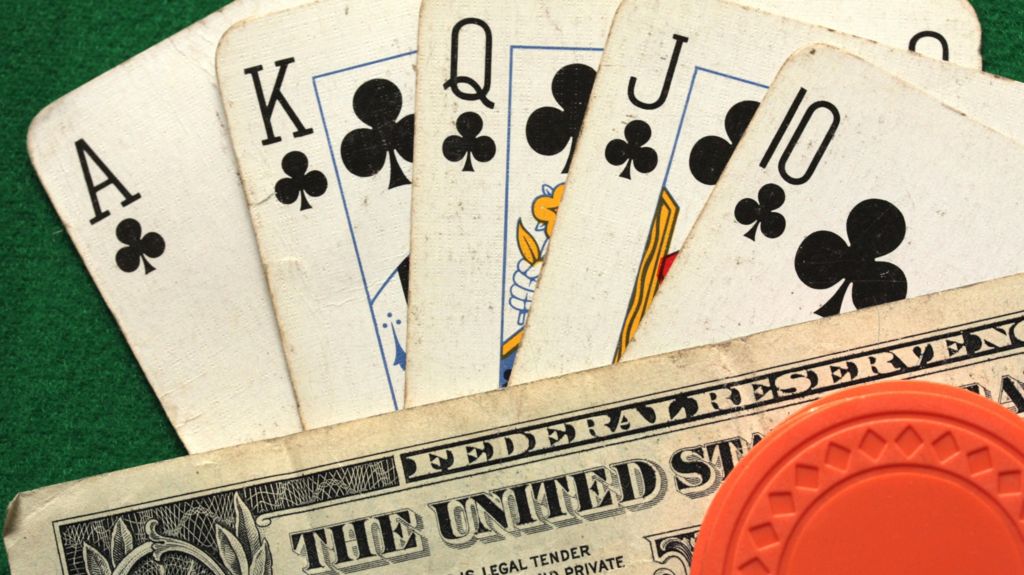
In a scandal reminiscent of a Hollywood thriller, an intricate poker gambling scheme orchestrated by the mafia has been exposed, ensnaring celebrities, professional athletes, and wealthy gamblers. The operation, which began as early as 2019, allegedly employed advanced technology, including X-ray card tables, secret cameras, and rigged shuffling machines, to cheat victims out of millions of dollars. According to federal prosecutors, the scheme was masterminded by members of notorious crime families such as Bonnano, Gambino, Luchesse, and Genovese, who used the profits to fund their criminal enterprises. The victims, referred to as ‘fishes,’ were lured into high-stakes games by former professional athletes, who acted as ‘face cards’ to entice them. Unbeknownst to the players, everyone involved—from dealers to the technology itself—was part of the scam. Sophisticated wireless communication methods were used to relay information to conspirators, ensuring the victims had no chance of winning. The scheme, which spanned New York, Miami, Las Vegas, and other cities, was dismantled in a federal investigation leading to over 30 arrests, including NBA coach Chauncey Billups and former player Damon Jones. Authorities estimate that victims lost tens or hundreds of thousands of dollars per game, with one individual reportedly losing $1.8 million. The funds were allegedly laundered through cryptocurrency, cash exchanges, and shell companies. FBI Assistant Director Christopher Raia described the scheme as ‘mind-boggling,’ emphasizing its exploitation of both notoriety and wealth to finance organized crime.
博客
-
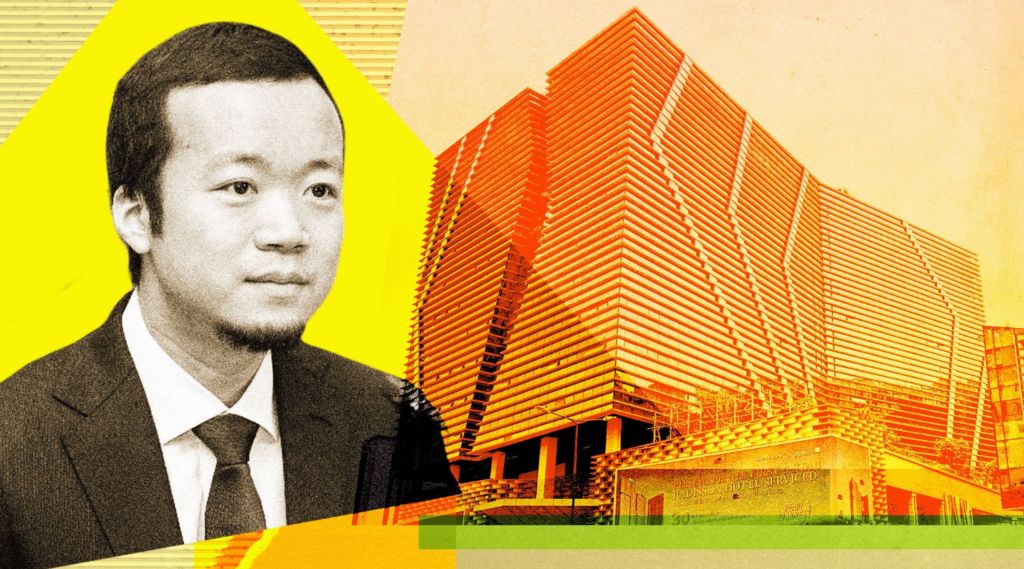
The mysterious owner of a ‘scam empire’ accused of stealing $14bn in crypto
At just 37 years old, Chen Zhi, a Cambodian tycoon with a baby-faced appearance, stands accused of orchestrating one of the largest cyber-fraud operations in history. The U.S. Department of Justice has charged him with running scam compounds in Cambodia that allegedly stole billions in cryptocurrency from victims worldwide. In a landmark move, the U.S. Treasury Department seized over $14 billion in bitcoin linked to him, marking the largest cryptocurrency seizure ever. Despite these allegations, Chen’s company, the Cambodian Prince Group, portrays him as a respected entrepreneur and philanthropist. Born in China’s Fujian province, Chen moved to Cambodia in the early 2010s, capitalizing on the country’s real estate boom fueled by Chinese investment and the Belt and Road Initiative. He quickly amassed wealth, founding the Prince Group in 2015, which expanded into banking, aviation, and luxury property development. Chen’s rise was marked by his acquisition of Cambodian citizenship, Cypriot and Vanuatu passports, and high-profile connections, including advisory roles to Cambodia’s political elite. However, his empire began to unravel in 2019 when Cambodia’s online gambling ban, prompted by pressure from China, led to a mass exodus of Chinese nationals and a collapse in property values. U.S. and UK investigations allege that Chen’s wealth stemmed from online fraud, human trafficking, and money laundering, with sanctions now targeting 128 companies and 17 individuals linked to his operations. Despite his philanthropic image, Chen remains an enigmatic figure, having disappeared from public view since the sanctions were announced. The case has raised questions about Cambodia’s tolerance of scam businesses and the global financial systems that enabled Chen’s alleged crimes.
-
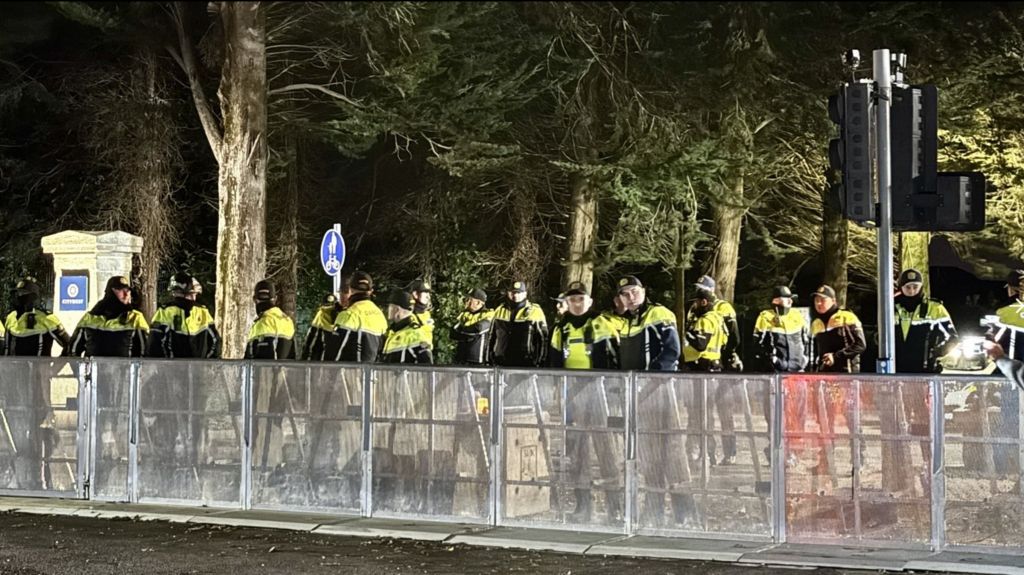
Dublin asylum hotel protest peaceful after two nights of disorder
A tense atmosphere has enveloped the Citywest Hotel in Dublin, which serves as temporary housing for asylum seekers, following two nights of violent protests. The unrest, which began on Tuesday, saw approximately 2,000 protesters gather in response to an alleged sexual assault of a young girl in the area earlier in the week. The protest escalated into hours of sustained rioting, with stones and fireworks hurled at police officers and a Garda vehicle set ablaze. Seven individuals were arrested, and five were charged with public order offenses. Irish Justice Minister Jim O’Callaghan issued a stern warning, emphasizing that any recurrence of violence would be met with a forceful response. On Thursday, the situation appeared calmer, with around 100 people assembling at the hotel entrance for a peaceful demonstration before dispersing by 21:30 local time. Gardaí maintained a heavy presence throughout the day, ensuring order. O’Callaghan reiterated that while people have the right to protest and oppose government policies, violence and lawbreaking are unacceptable. The hotel complex houses families, including schoolchildren, under Ireland’s international protection program. Garda Commissioner Justin Kelly condemned Tuesday’s violence as ‘unacceptable’ and vowed to respond robustly to any future disturbances. On Wednesday, the disorder continued but at a reduced intensity, with three officers injured and 24 people arrested, including 17 adults charged with public order offenses and five juveniles referred to a youth diversion program. Authorities noted that most participants were young adult males and teenagers.
-
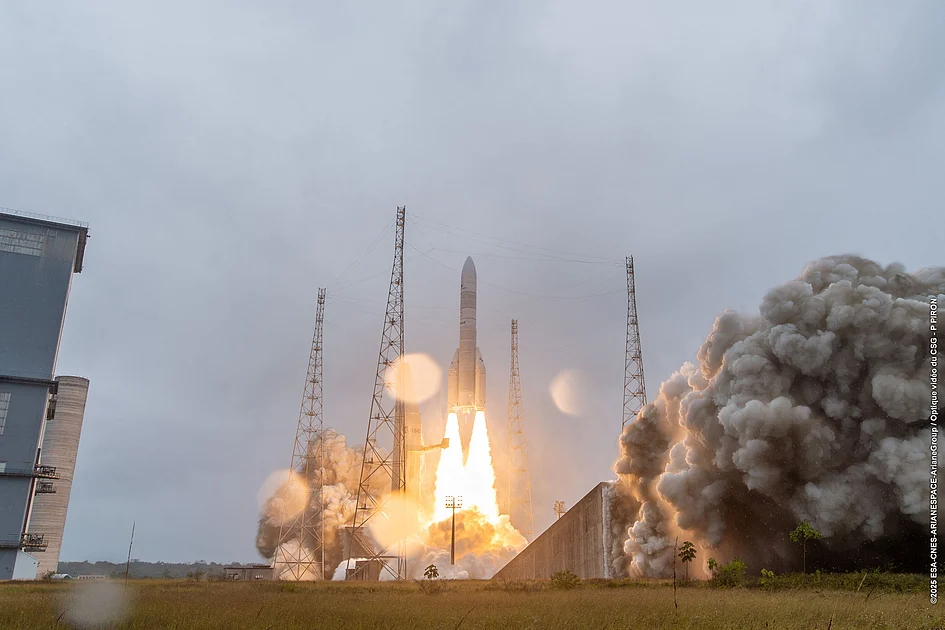
Europe aerospace firms team up in space to counter Musk
In a landmark move to counter the growing influence of Elon Musk’s Starlink, Europe’s leading aerospace companies—Airbus, Thales, and Leonardo—have announced a preliminary agreement to merge their satellite manufacturing and services operations. The new France-based venture, set to launch in 2027, marks the most significant consolidation of European aerospace assets since the formation of MBDA, the missile manufacturer, in 2001. The collaboration, codenamed ‘Project Bromo,’ aims to create a formidable competitor in the global space industry. The combined entity is projected to employ 25,000 people and generate €6.5 billion ($7.58 billion) in revenue, based on 2024 figures. The venture is expected to yield ‘mid-triple digit’ millions of euros in synergies within five years, though specific strategies remain undisclosed. French Finance Minister Roland Lescure emphasized that the deal would ‘strengthen European sovereignty in a context of intense global competition.’ The agreement comes after months of negotiations, overcoming hurdles related to governance and valuation. Airbus will hold a 35% stake, with Thales and Leonardo each retaining 32.5%, ensuring a balanced governance structure. The merger will integrate Thales Alenia Space, Telespazio, and various Airbus space and digital businesses, alongside remaining space activities of Leonardo and Thales SESO. While the companies have already reduced 3,000 jobs in their space divisions, executives have shifted focus to potential growth opportunities. The deal faces up to two years of discussions with governments, unions, and the European Commission, with implications for operations in Britain, Germany, Italy, and France. Thales CFO Pascal Bouchiat acknowledged the challenges ahead, particularly in the telecoms sector, despite securing an initial contract for the new European satellite network, IRIS². The announcement follows Reuters’ earlier report of a framework agreement, which was salvaged after overcoming governance disputes. Executives have pledged to avoid rotating leadership or nationality-based appointments, which have historically caused friction in the European aerospace industry.
-
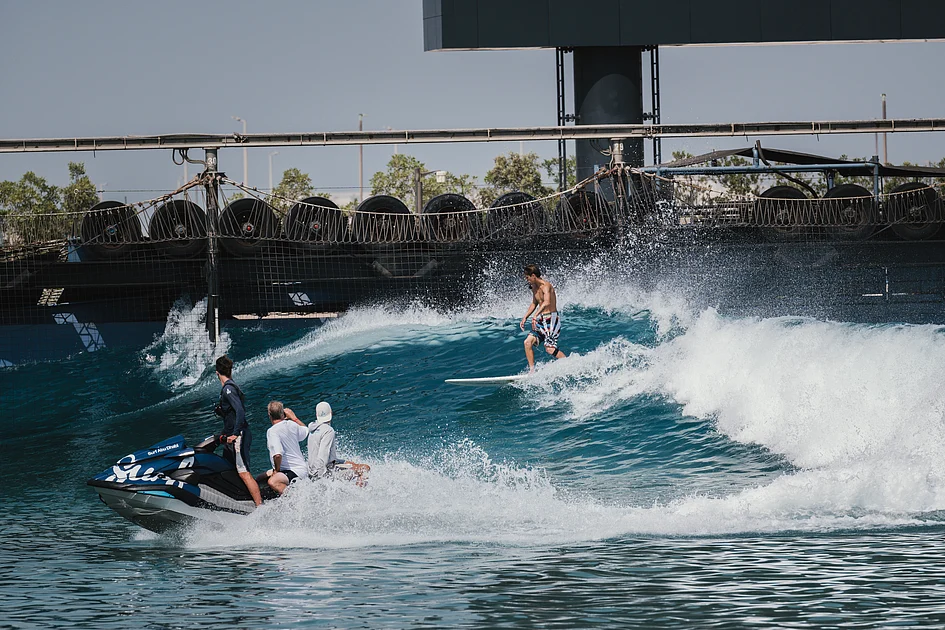
UAE: How surfers take on world’s longest wave in Abu Dhabi
The Surf Abu Dhabi Longboard Classic 2025 has drawn the world’s top surfers to Hudayriyat Island, where they are set to tackle the planet’s longest and most advanced artificial wave. This prestigious event, running from October 24 to 26, marks the final stop of a three-part global longboard tour, hosted at what organizers describe as the most sophisticated surf facility ever built. Among the competitors are two-time world champion Taylor Jensen, defending champions Stevie Sawyer and Alice Lemoigne, and American world champion Rachel Tilly, who praised the UAE venue as a unique experience unmatched anywhere else.
-
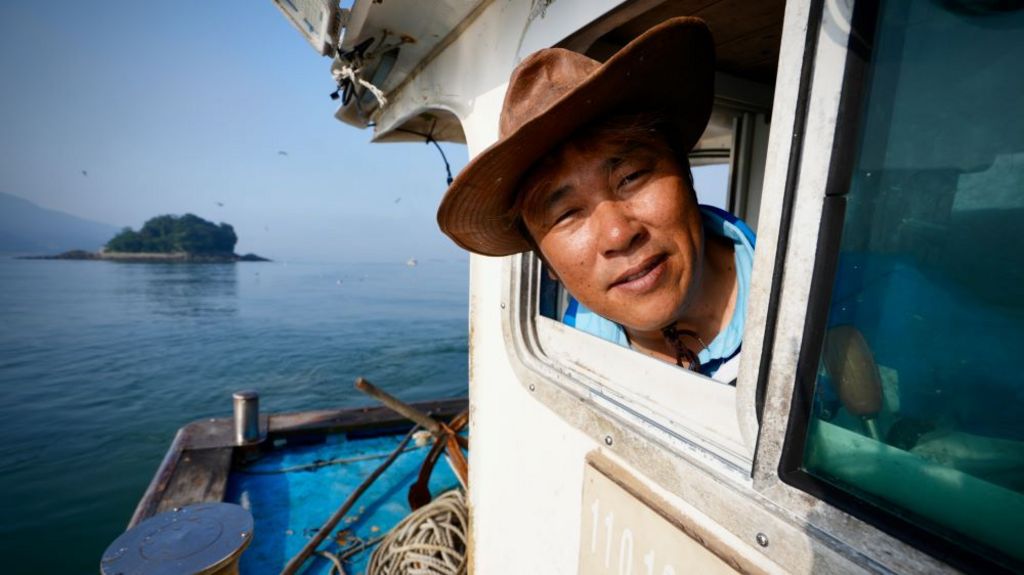
South Korea’s fishermen keep dying. Is climate change to blame?
The fishing industry in South Korea is facing unprecedented challenges as climate change and overfishing disrupt marine ecosystems and endanger lives. Hong Suk-hui, a boat owner on Jeju Island, experienced this firsthand when his fishing boat capsized in February, resulting in the tragic drowning of five crew members. This incident is part of a broader trend: last year, 164 people were killed or went missing in maritime accidents around South Korea, a 75% increase from the previous year. Fishermen attribute these dangers to increasingly unpredictable weather patterns, which they believe are driven by climate change. The seas around Korea are warming at a rate faster than the global average, leading to more intense tropical storms and forcing fish species to migrate. This has compelled fishermen to venture further into perilous waters, often with insufficient safety measures. The aging workforce and reliance on poorly trained migrant labor exacerbate the risks. The South Korean government has launched investigations and proposed safety improvements, but the future remains uncertain. With fish stocks dwindling and young people shunning the industry, the traditional way of life for coastal communities is under threat. Environmental campaigners urge immediate action to address these issues and prevent further tragedies.
-
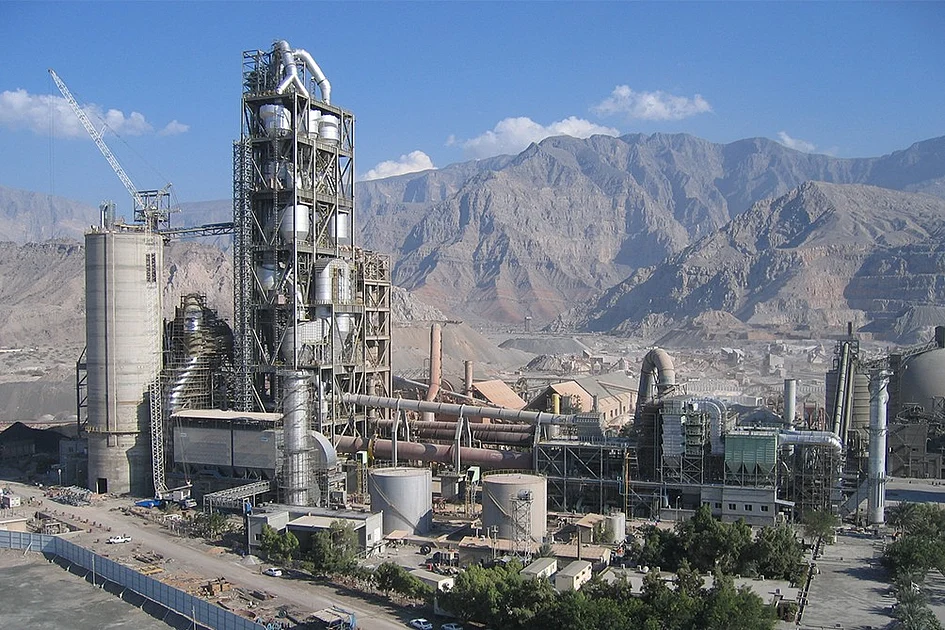
Gulf Cement Company joins Buzzi, marking a new era of industrial excellence in the UAE
In a landmark development for the UAE’s industrial sector, Gulf Cement Company (GCC), a pivotal player in the region’s infrastructure for nearly 50 years, has officially become part of Buzzi, the Italian global leader in cement and heavy construction materials. This strategic integration was commemorated with a ribbon-cutting ceremony at The Waldorf Astoria Ras Al Khaimah, attended by top executives from both organizations, including Pietro Buzzi, CEO of Buzzi SpA, and José B. Sena, CEO and Managing Director of GCC, alongside regional stakeholders and dignitaries. The event symbolizes a transformative phase for GCC, emphasizing its dedication to innovation, sustainability, and global competitiveness. Established in 1977, GCC has been instrumental in the UAE’s infrastructure growth, producing premium cement products and spearheading environmental initiatives like waste heat recovery systems and carbon emission reduction programs. By joining forces with Buzzi, GCC aims to harness global expertise, advanced technologies, and strategic insights to enhance operational efficiency and expand its reach in international markets. Pietro Buzzi remarked, ‘This integration transcends a mere business deal; it reflects a shared vision of innovation and long-term growth.’ José B. Sena added, ‘This partnership marks a pivotal moment for GCC, blending international expertise with regional strength to drive industrial excellence.’ The move also highlights Buzzi’s commitment to bolstering its presence in the Middle East, a rapidly growing hub for construction and infrastructure development.
-
First UAE plant to produce food-grade CO2 opens in Ras Al Khaimah
The United Arab Emirates has inaugurated its first carbon capture and utilization (CCU) plant in Ras Al Khaimah, marking a significant milestone in the nation’s efforts to reduce industrial emissions and enhance domestic CO₂ supply chains. Developed by Gulf Cryo in collaboration with RAK Ceramics, the facility captures CO₂ emissions from natural-gas engines and converts them into 99.99% pure, food-grade CO₂. This high-purity CO₂ is utilized across various industries, including food and beverage, healthcare, agriculture, and energy. The plant, which captures approximately 17,000 metric tons of CO₂ annually, employs an energy-efficient purification system to produce liquefied carbon dioxide, subsequently distributed to industries reliant on CO₂ for their operations. Prior to this facility, the UAE depended on imported CO₂ from Kuwait and Saudi Arabia. The new plant not only reduces this dependency but also supports the development of a circular carbon economy. The project aligns with the UAE Net Zero 2050 strategy, aiming for carbon neutrality through cleaner technologies and industrial efficiency. It also reflects the growing interest of private companies in carbon capture and utilization projects to meet national sustainability goals. The inauguration ceremony was attended by Sheikh Saqr bin Saud Al Qasimi, Chairman of RAK Ceramics, and Sami Huneidi, Chief Administrative Officer of Gulf Cryo, alongside senior executives from both organizations. This initiative is part of RAK Ceramics’ broader decarbonization plan and contributes to the emirate’s sustainability targets under the Ras Al Khaimah Integrated Sustainability Strategy 2050. The facility stands as a local model for emission reduction and resource recovery within the manufacturing sector, showcasing the UAE’s commitment to sustainable industrial practices.
-
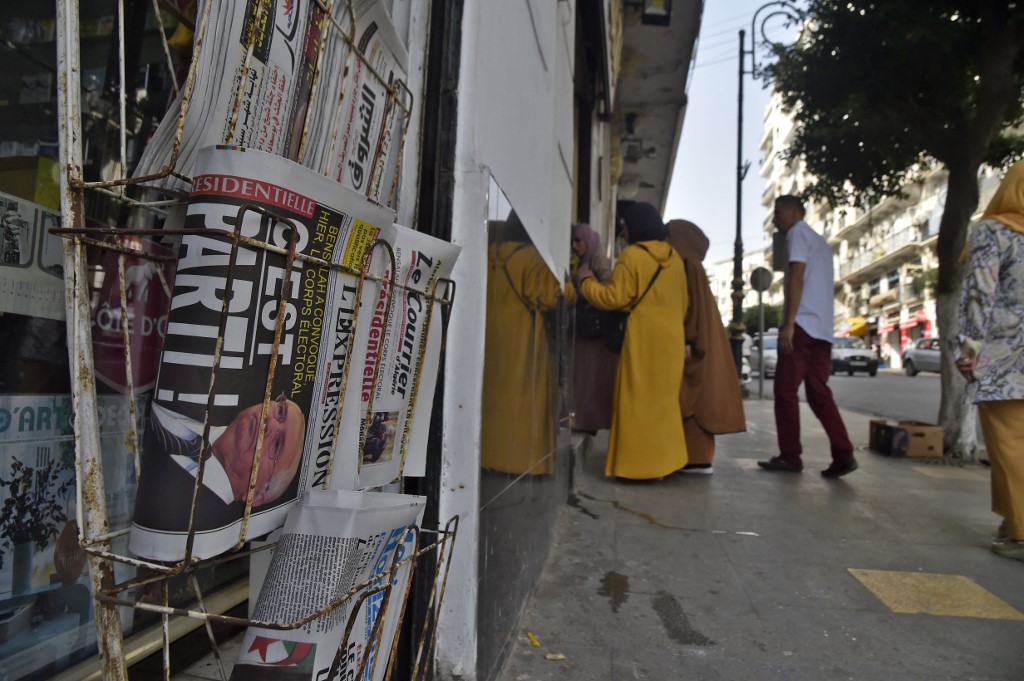
‘Pick up the torch’: The revival of Algerian feminist media
Madjeda Zouine, an Algerian journalist and activist, has redefined her career by merging journalism with activism. After working in mainstream media, she joined Femmes en Communication and its radio station Voix des Femmes in 2017, a platform dedicated to feminist issues. For Zouine, this marked a pivotal moment in her life, as she transitioned from merely having a job to embracing a profound commitment to women’s rights. However, this commitment is often misunderstood in Algeria, where journalists are frequently perceived as activists first and journalists second. In a country where human rights, particularly women’s rights, remain precarious, feminist journalism occupies a crucial niche between activism and information. Zouine criticizes the trivialization of violence against women in some Algerian media, where language often justifies rape or murder by blaming the victim. She cites the tragic cases of Chaima and Ryma, young women who were brutally murdered after refusing to comply with societal expectations. Zouine emphasizes that feminist media avoids such harmful narratives and instead focuses on empowering women. Despite societal pressures and financial constraints, Zouine and her colleagues continue their work through platforms like the podcast Laha, which addresses women’s demands and sexual health issues. Additionally, the bilingual Arabic-French magazine La Place-Lblassa, founded in 2020 by Maya Ouabadi, provides a space for women to express themselves freely. Ouabadi highlights the importance of reclaiming the term ‘feminist’ and using it openly to inspire young women. The magazine serves as both an information tool and a source of inspiration, showcasing role models and challenging societal norms. The history of feminist publications in Algeria dates back to the colonial period, with magazines like El Djazairia and L’Action paving the way. However, many of these publications disappeared during the civil war in the 1990s. Today, researchers like Awel Haouati are working to preserve the history of women’s struggles in Algeria, ensuring that the legacy of feminist activism is not forgotten. Through their efforts, they aim to educate future generations about the social and political battles that have shaped Algerian society.
-
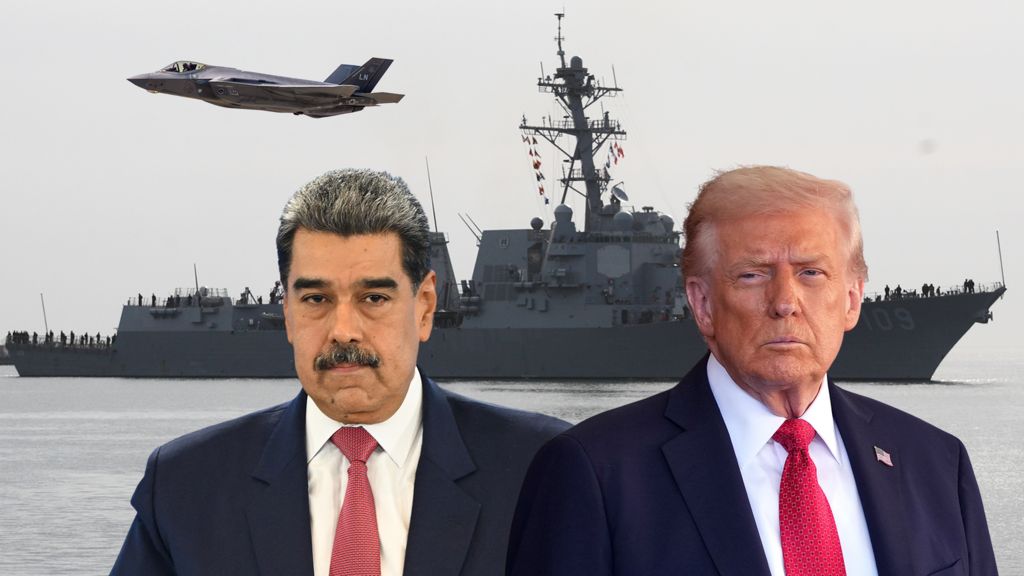
Warships, fighter jets and the CIA – what is Trump’s endgame in Venezuela?
The United States has significantly escalated its military presence in the Caribbean over the past two months, deploying warships, fighter jets, bombers, marines, drones, and spy planes in what is described as the largest military buildup in the region in decades. This deployment, which includes long-range B-52 bombers conducting ‘bomber attack demonstrations’ off Venezuela’s coast, has raised tensions and drawn widespread condemnation. The US claims its actions target ‘narcotics’ and ‘narco-terrorists’ on small Venezuelan vessels, though it has provided no evidence to support these allegations. Critics argue the operation is less about drug trafficking and more about intimidating Venezuelan President Nicolás Maduro and his inner circle, with the ultimate goal of regime change. Dr. Christopher Sabatini of Chatham House suggests the buildup is a strategic show of strength designed to ‘strike fear’ and prompt defections within Maduro’s ranks. The US has also authorized CIA operations in Venezuela, further fueling speculation about covert efforts to destabilize the government. Despite a $50 million bounty for Maduro’s arrest, no significant defections have occurred, with analysts noting that Venezuela’s elites are unlikely to be swayed by financial incentives alone. The US military’s presence, including guided missile destroyers and amphibious assault ships, has been closely monitored using satellite imagery and social media. While the Trump administration frames this as a war on drugs, experts question the legality and true intent of the strikes, pointing out that Venezuela is not a major cocaine producer. The situation remains volatile, with the US military buildup serving as both a deterrent and a potential prelude to more aggressive actions.