
The United States’ aggressive tariff policies and a foreign aid strategy rooted in a ‘grievance narrative’ are fundamentally altering the global economic landscape, with profound implications for both the US and the international community. This was the consensus among experts at recent events hosted by the Peterson Institute for International Economics in Washington. They emphasized the urgent need for multilateral cooperation to counteract the rising tide of isolationism and the disruptions caused by tariffs. Hector Torres, a senior fellow at the Centre for International Governance Innovation and former International Monetary Fund executive director, described the shift as a ‘seismic disruption’ in global trade. He highlighted the transition from a rules-based to a deals-based trading system, driven more by geopolitical motives than economic rationale. The fragility of global trade was a recurring theme during the discussions on October 14 and 15. Experts warned of the risks posed by US isolationism and stressed the importance of preserving a rules-based system. The latest IMF World Economic Outlook, released on October 14, projected subdued global growth for this year and next, with renewed trade disputes posing significant risks. Maurice Obstfeld, a senior fellow at the Peterson Institute and former IMF chief economist, criticized the US reliance on tariffs, calling them inefficient and regressive. He noted that the tariffs, estimated to generate about $200 billion annually, disproportionately affect low-income individuals and distort production and consumption in the US. Obstfeld also challenged the US administration’s ‘grievance narrative,’ which portrays other nations as exploiting the US through trade deficits, financial inflows, or security ‘freeloading.’ He argued that this mindset is driving isolationist policies that harm both the US and global economies. Mari Elka Pangestu, vice-chairwoman of Indonesia’s National Economic Council and former World Bank managing director, described the current era as a ‘watershed moment’ for global trade. She emphasized the importance of diversifying trade partnerships, pointing to Indonesia’s newly concluded trade agreement with the European Union as a counterbalance to US tariffs. Torres also highlighted China’s historic role in global trade and the critical role of the WTO, despite its challenges. He called for reforms to address the lack of rules in digital trade, warning of the potential for conflicting regulations or ‘digital firewalls’ in every country. Looking ahead, geopolitical developments are expected to shape the future of trade, with the Middle East and Ukraine identified as critical areas. Obstfeld expressed hope for EU reforms to enhance stability, while Pangestu pointed to the current Association of Southeast Asian Nations summit as an opportunity to reaffirm multilateralism.
博客
-

Staff members harvest apples in Xinjiang
In the heart of Xinjiang Uygur Autonomous Region, the apple harvest season is in full swing. On October 23, 2025, an aerial drone captured the bustling activity at an orchard in Alaer city, where workers diligently transported freshly picked apples. Known for its unique climate, Xinjiang boasts abundant sunshine and dramatic temperature fluctuations between day and night, creating the perfect environment for cultivating fruits with naturally high sugar content. Among these, the apple stands out as a regional specialty, celebrated for its thin skin, dense texture, and juicy flesh. This year’s harvest not only highlights the agricultural prowess of the region but also underscores the economic and cultural significance of this beloved fruit. As the apples make their way to markets across the country, they carry with them the essence of Xinjiang’s rich agricultural heritage.
-

Argentina eyes expansion of beef exports to China
Argentina is strategically positioning China as the cornerstone of its beef export expansion, driven by evolving Chinese consumption patterns and increasing demand for diverse meat products. According to the Argentine-Chinese Chamber of Commerce, China accounts for 78 to 80 percent of Argentina’s annual beef exports, solidifying its role as the primary market for Argentine meat producers. This trend was highlighted at the recent Expo Ganadera del Centro, a major livestock fair in Buenos Aires, where Alejandra Conconi, the chamber’s executive director, emphasized China’s pivotal role in Argentina’s international meat trade. Trade data from Argentina’s Ministry of Agriculture, Livestock and Fisheries reveals that in 2024, the country exported over 900,000 metric tons of beef, with China purchasing approximately 595,000 tons. Sebastian Schulz, a researcher at the National University of La Plata, attributes this growing demand to China’s socio-economic transformation, including its focus on balanced development and the goal of achieving ‘common prosperity.’ As China’s middle class expands and dietary preferences diversify, Argentine producers are finding new opportunities in previously undervalued products such as cull cows and offal, which now command higher prices in the Chinese market. Additionally, Argentina’s participation in the Belt and Road Initiative is fostering deeper agricultural collaboration and technology transfers, which Schulz describes as ‘strategically important’ for balancing trade deficits and promoting mutual benefits. Looking ahead, Argentina is also exploring exports of bovine genetics and embryos, a high-value segment where the country holds global recognition. The diversification of beef, pork, and by-products is seen as crucial for ensuring the long-term sustainability of Argentina’s meat sector. Amadeo Derito, vice-president of the Argentine Angus Association, noted that exports of certified Angus beef to China have continued to grow, with 1,700 tons certified in the first three quarters of 2024, primarily catering to premium markets.
-
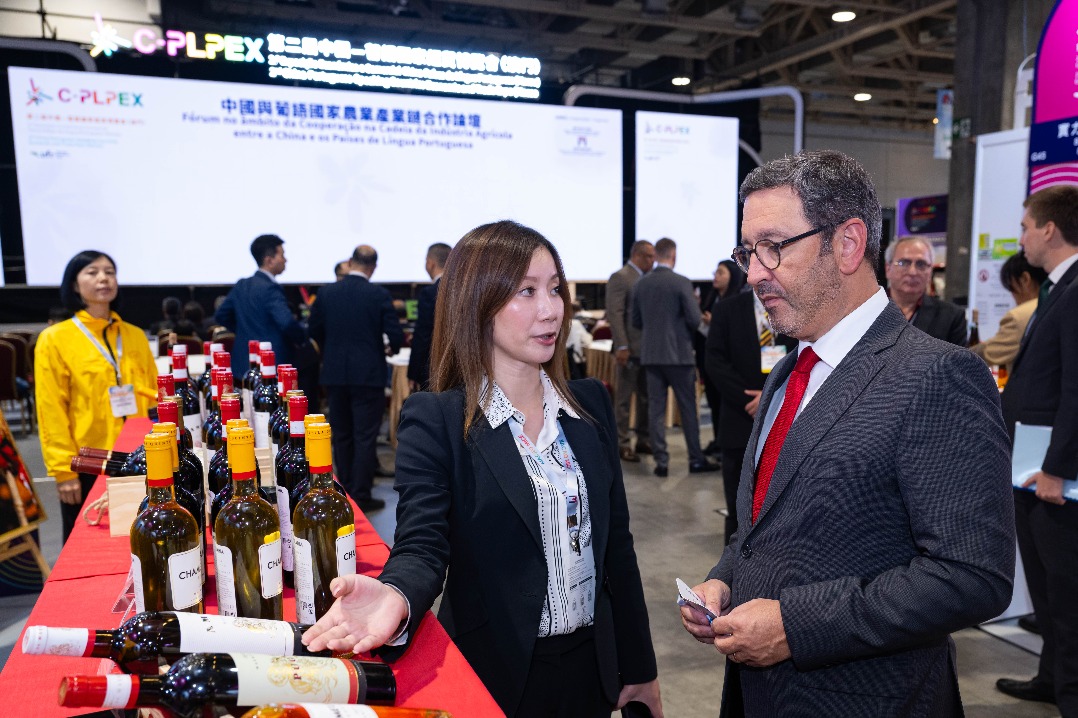
Macao’s 3 exhibitions drive industrial development with over 140 deals
The Macao Special Administrative Region (SAR) recently hosted three major exhibitions that concluded with remarkable success, fostering industrial development and international cooperation. The 2nd China-Portuguese-Speaking Countries Economic and Trade Expo (Macao), the 30th Macao International Trade and Investment Fair, and the Macao Franchise Expo 2025, organized by the SAR’s Commerce and Investment Promotion Institute (IPIM), wrapped up on Saturday, October 25, 2025. These events collectively generated over 140 signed agreements and 68 business expansion projects. Among the participating companies, 24 have already initiated or completed procedures to establish new businesses. The exhibitions attracted more than 85,000 visitors, including 15,000 trade visitors and professional buyers, significantly supporting Macao’s ‘1+4’ economic diversification strategy. Nearly 80% of the agreements were linked to key industries targeted by this strategy. Additionally, approximately 15% of the deals involved Portuguese-speaking Countries (PSCs), underscoring the event’s role as a crucial platform for China-PSC collaboration. The success of these exhibitions highlights Macao’s growing influence as a hub for international trade and investment, further driving economic diversification and regional cooperation.
-
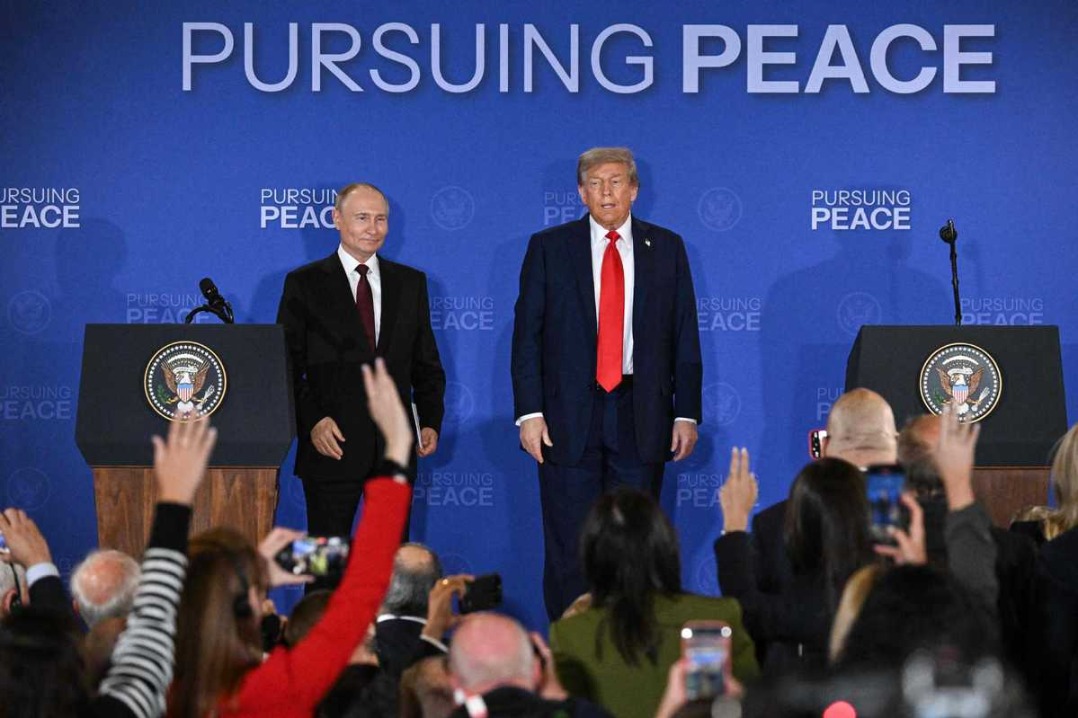
Prospects for talks between Trump, Putin played down
The likelihood of a summit between U.S. President Donald Trump and Russian President Vladimir Putin appears increasingly uncertain, as Trump expressed skepticism about the potential for productive talks. Speaking to reporters aboard Air Force One en route to Asia, Trump emphasized that any meeting with Putin would need to yield tangible results. ‘I’m going to have to know that we’re going to make a deal. I’m not going to be wasting my time,’ he stated, following the collapse of plans for a summit in Budapest. Despite his past rapport with Putin, Trump described the current situation as ‘very disappointing.’
Meanwhile, Kremlin negotiator Kirill Dmitriev engaged in discussions with U.S. officials over the weekend, focusing on resolving the ongoing conflict in Ukraine. Dmitriev, who met with Trump’s special envoy Steve Witkoff in Florida, expressed optimism about a diplomatic breakthrough. ‘I believe Russia, the U.S., and Ukraine are actually quite close to a diplomatic solution,’ he told CNN, highlighting Ukrainian President Volodymyr Zelensky’s willingness to use the current front line as a basis for negotiations.
The Kremlin, however, downplayed the notion of a canceled meeting between the two leaders, stressing the need for thorough preparation. ‘Presidents cannot meet for the sake of meeting,’ Kremlin spokesman Dmitry Peskov remarked, noting the complexity of the process. Russian Foreign Minister Sergey Lavrov and U.S. Secretary of State Marco Rubio have been tasked with laying the groundwork for a potential summit.
Amid these diplomatic efforts, tensions on the ground remain high. Russian missile and drone strikes in Ukraine resulted in multiple casualties, while Russia reported intercepting over 120 Ukrainian drones. Additionally, Putin announced the successful final test of the Burevestnik, a nuclear-powered cruise missile with an ‘invincible’ design and a range of up to 14,000 kilometers. The weapon’s unpredictable flight path and near-unlimited range pose a significant challenge to existing missile defense systems.
-

Global warming reshapes extreme rainfall, snowfall across Northern Hemisphere: study
A groundbreaking study conducted by researchers from the Xinjiang Institute of Ecology and Geography, part of the Chinese Academy of Sciences, has revealed profound changes in extreme rainfall and snowfall patterns across the Northern Hemisphere over the past seven decades. Published in the journal *Advances in Climate Change Research*, the study highlights how global warming has altered the distribution of both liquid and solid precipitation, significantly impacting their intensity and frequency. Using ERA5-Land reanalysis data from 1950 to 2022, the team analyzed long-term trends, temperature sensitivity, and underlying mechanisms driving these extreme weather events. The findings indicate that extreme rainfall has intensified at a rate of 0.269 mm per year, nearly nine times faster than the increase in extreme snowfall, which stands at 0.029 mm per year. The study underscores that rising temperatures are primarily responsible for the surge in extreme rainfall, while their impact on snowfall remains relatively modest. Li Yupeng, the study’s lead author, emphasized the critical role of extreme precipitation in risk management, urging mid-latitude regions to focus on flood mitigation and high-latitude and alpine areas to address snow-related hazards. The research provides valuable insights for understanding global precipitation patterns and supports the development of region-specific climate adaptation and disaster prevention strategies.
-
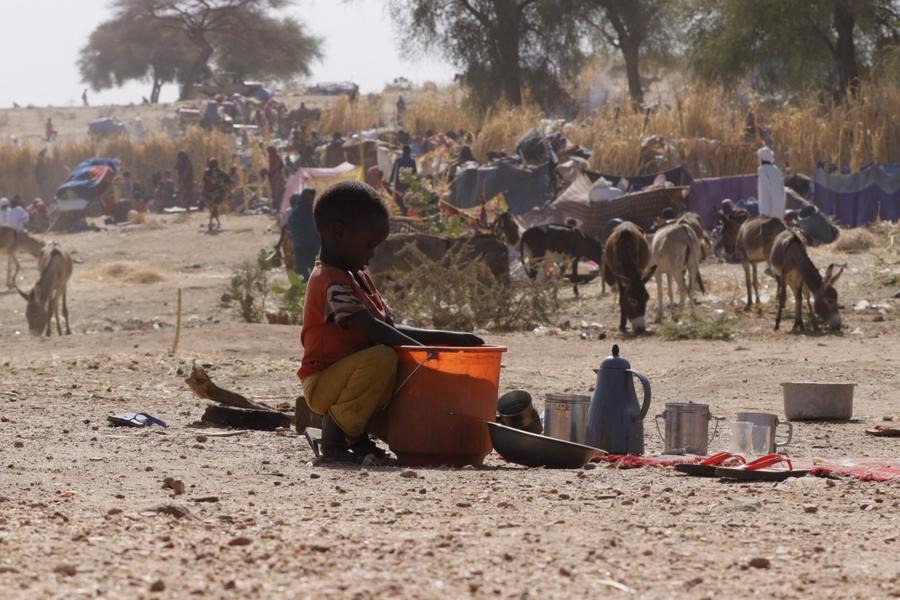
Sudan’s paramilitary forces announces full control of El Fasher city
In a significant development in Sudan’s ongoing civil war, the paramilitary Rapid Support Forces (RSF) declared on Sunday that they have secured full control of El Fasher, the capital of North Darfur State. The RSF described the capture as a ‘pivotal moment,’ emphasizing the city’s symbolic, strategic, and military importance. The announcement was made via a statement on Telegram, accompanied by videos on social media platform X showing RSF fighters celebrating outside the Sudanese army’s Sixth Infantry Division headquarters, their last stronghold in the Darfur region. However, the Sudanese Armed Forces (SAF) have yet to issue an official response, and local reports suggest that battles in El Fasher may still be ongoing. The El Fasher Resistance Committees, a volunteer group, confirmed that fighters remain steadfast despite the RSF’s claims. El Fasher, the last major administrative center in Darfur under SAF control, has been under siege since May 2024, exacerbating a humanitarian crisis marked by heavy casualties and widespread displacement. The conflict between the SAF and RSF, which began in April 2023, has claimed tens of thousands of lives and displaced millions, deepening Sudan’s humanitarian catastrophe.
-

Jiangsu survey reveals strontium deposit
A significant strontium ore deposit has been unearthed in the Lishui district of Nanjing, Jiangsu Province, according to the Geological Survey of Jiangsu. The deposit, located at a depth of less than 1 kilometer, contains an estimated 545,000 metric tons of ore and 265,000 tons of minerals, with an average grade of 48.65 percent. Strontium, classified as a critical rare metal, is essential for manufacturing special ceramic materials and magnetic alloys, which are vital components in high-end electronic devices. The European Commission recognized strontium as a Critical Raw Material in 2020, underscoring its global importance. Professor Tan Hongbing of Hohai University highlighted the deposit’s high grade and substantial reserves, emphasizing its significant mining value. He also noted that China holds over 60 percent of the world’s proven strontium reserves, reinforcing its leading role in the global strontium market. The discovery, located near the Aijing Mountain deposit in the Lishui volcanic basin, marks a continuation of Jiangsu’s rich history in strontium mining, which dates back to the 1960s. The Geological Survey of Jiangsu conducted a four-year study to map the basin, overcoming challenges such as dense human activity. Their research identified five concealed strontium ore bodies in the Mashantou area, along with deposits of copper, lead-zinc, and pyrite. This discovery not only enhances Jiangsu’s mineral wealth but also provides valuable insights for future strontium exploration.
-
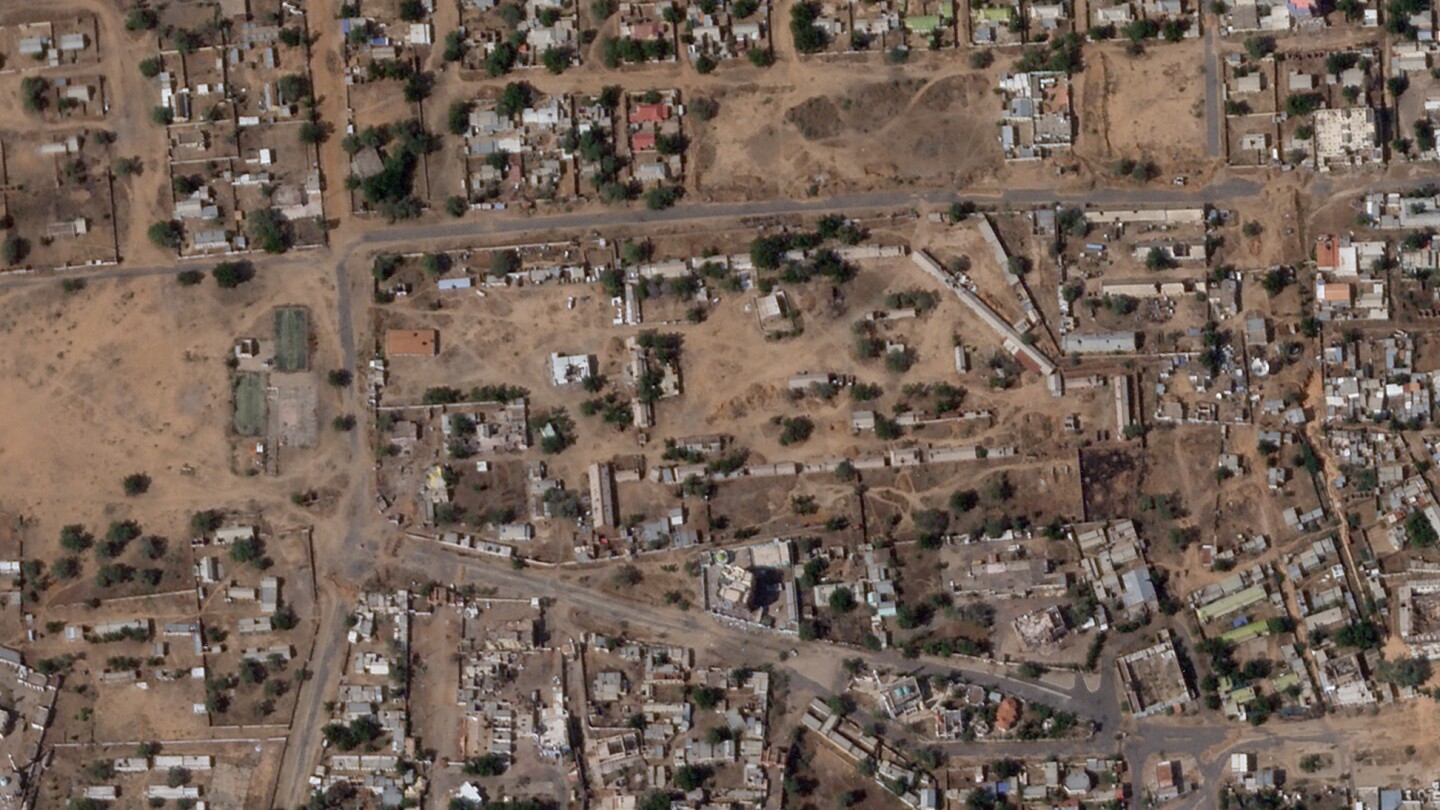
Sudan’s paramilitary forces push into the army’s last Darfur stronghold, killing dozens of civilians
In a significant escalation of Sudan’s ongoing conflict, paramilitary forces known as the Rapid Support Forces (RSF) have captured a crucial military base in el-Fasher, the last stronghold of the Sudanese army in the Darfur region. This development, reported by activists and aid groups on Monday, marks a turning point in the war that has ravaged the country since April 2023. The RSF’s advance has resulted in widespread civilian casualties, destruction of health infrastructure, and the displacement of hundreds of thousands of people. Medical groups reported dozens of deaths, though exact casualty figures remain unclear. El-Fasher, the provincial capital of North Darfur, has been a focal point of the conflict for over a year, with its fall potentially signaling a dangerous new phase in the war. The RSF, which originated from the notorious Janjaweed militias, has been accused of systematic targeting of civilians, arbitrary detentions, and acts amounting to war crimes. Satellite imagery analyzed by The Associated Press and the Humanitarian Research Lab at Yale University confirmed the RSF’s advance and the damage inflicted on the military base. The United Nations has expressed deep alarm over the humanitarian crisis, with hundreds of thousands of civilians trapped in dire conditions. The conflict has already claimed over 40,000 lives and displaced more than 14 million people, creating the world’s worst humanitarian crisis. The International Criminal Court is investigating alleged war crimes and crimes against humanity in the region.
-
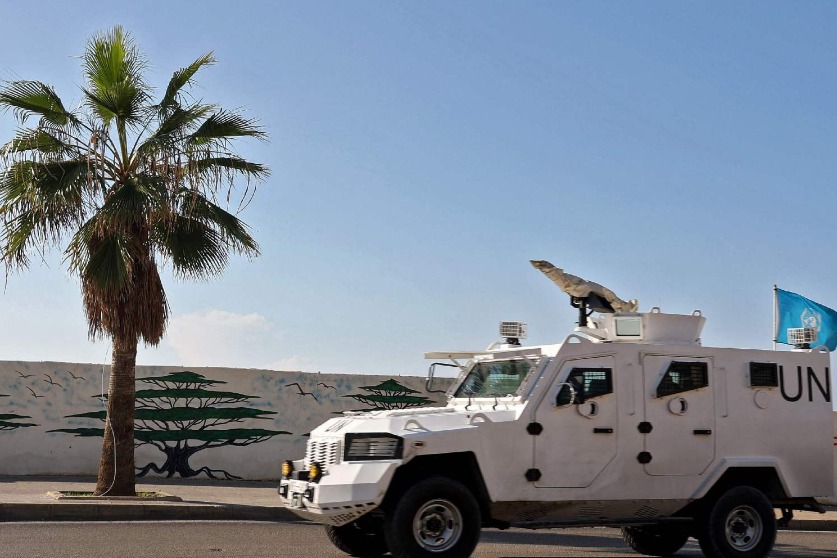
UN peacekeepers in Lebanon come under Israeli fire, no casualties reported
A United Nations peacekeeping patrol in southern Lebanon was targeted by Israeli forces on Sunday, according to a statement from the United Nations Interim Force in Lebanon (UNIFIL). The incident occurred near the village of Kafr Kila, where an Israeli drone dropped a bomb near the patrol at approximately 5:45 pm local time (1545 GMT). Shortly after, an Israeli tank fired in the direction of the peacekeepers. Fortunately, no injuries or damage to UNIFIL personnel or equipment were reported. UNIFIL condemned the actions as violations of UN Security Council Resolution 1701 and Lebanon’s sovereignty, emphasizing that such incidents endanger peacekeepers fulfilling their mandate in the region. This event follows a similar encounter earlier in the day, where an Israeli drone flew aggressively over a patrol, prompting UNIFIL to take defensive measures. Israel has not yet responded to the allegations. Since the outbreak of cross-border clashes following the Gaza war in October 2023, UNIFIL positions have been targeted multiple times. Despite a ceasefire between Israel and Hezbollah, Israel has continued periodic strikes in Lebanon, citing threats from Hezbollah, and has maintained border positions beyond a February 18 withdrawal deadline.