博客

  • Scale of killing in Lebanon ‘horrific’: UN rights chief

    Scale of killing in Lebanon ‘horrific’: UN rights chief

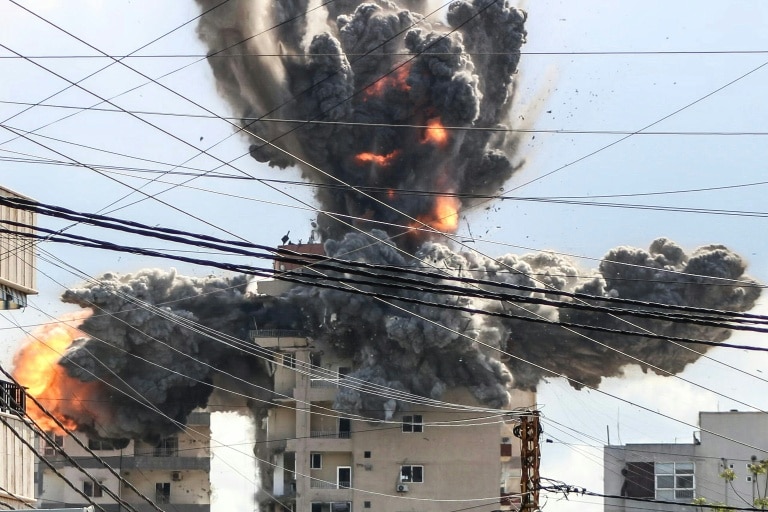
    Just hours after a ceasefire deal was reached between Israel and Iran, a devastating wave of Israeli air strikes across Lebanon left a staggering death toll in its wake, drawing sharp condemnation from the United Nations’ top human rights official who has labeled the scale of killing “horrific” and called for urgent global intervention to end the spiraling crisis.

    Updated figures from Lebanon’s Ministry of Public Health confirm that at least 112 people were killed and more than 830 others sustained injuries in the unprecedented wave of strikes carried out Wednesday, marking the deadliest single day of violence since Lebanon became entangled in the broader regional Middle East conflict.

    In an official statement released following the attacks, UN High Commissioner for Human Rights Volker Türk expressed revulsion at the staggering number of civilian and overall casualties, saying, “The scale of the killing and destruction in Lebanon today is nothing short of horrific. Such carnage, within hours of agreeing to a ceasefire with Iran, defies belief. It places enormous pressure on a fragile peace, which is so desperately needed by civilians.”

    The statement detailed the catastrophic aftermath of the strikes, noting mass casualties have overwhelmed local hospital capacity across the country. A UN human rights field team deployed to a strike site in the Lebanese capital Beirut reported a scene of utter devastation, where multiple dead bodies were recovered from piles of rubble left by destroyed buildings.

    Türk stressed that international humanitarian law (IHL) sets clear, non-negotiable requirements that all parties to armed conflict must uphold: civilians and civilian infrastructure must be protected at all times, and every attack must adhere to the core IHL principles of distinction between combatants and civilians, proportionality, and precautionary measures to minimize harm to non-combatants. “These principles are non-negotiable, and must always be respected, whatever the circumstances of armed conflict,” he said. The UN rights chief also called for prompt, independent investigations into all alleged violations of international law, with any actors found responsible held legally accountable for their actions.

    Lebanon was dragged into the ongoing regional conflict back in March, when Iran-backed militant group Hezbollah began launching rocket attacks into northern Israel. Türk also made clear his condemnation of Hezbollah’s sustained missile and drone strikes targeting northern Israeli communities, echoing his call for an immediate end to all hostilities from both sides.

    Months of sustained conflict have already caused a humanitarian catastrophe in Lebanon: more than one million Lebanese people have been forcibly displaced from their homes, and Israel has launched a full ground invasion into southern Lebanon. Türk drew particular attention to concerning statements from senior Israeli officials that indicate a long-term intention to occupy or formally annex parts of southern Lebanese territory. “The scale of such actions, coupled with statements by Israeli officials indicating an intention to occupy or even annex parts of southern Lebanon, are deeply troubling,” he said.

    Closing his statement, Türk stressed the urgent need for the international community to act swiftly to stop the bloodshed. “The international community must act quickly to help bring an end to this nightmare. Efforts to bring peace to the wider region will remain incomplete as long as the Lebanese people are living under continuing fire, forcibly displaced, and in fear of further attacks.”
  • ‘Ketamine Queen’ jailed for 15 years over Matthew Perry drugs

    ‘Ketamine Queen’ jailed for 15 years over Matthew Perry drugs

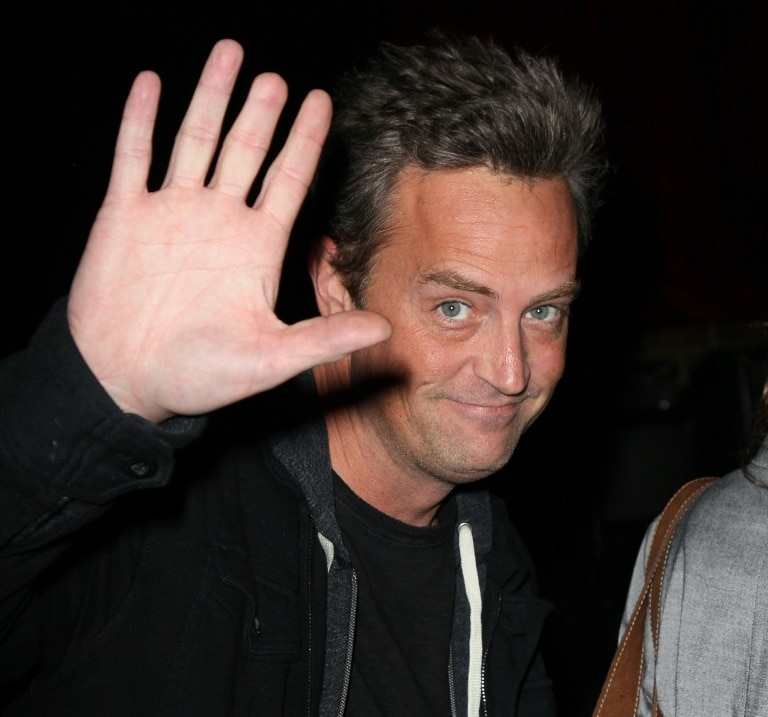
    In a high-profile sentencing that closed one major chapter of the investigation into the 2023 death of beloved *Friends* star Matthew Perry, a British-American drug trafficker known publicly as the “Ketamine Queen” has been sentenced to 15 years in federal prison for her role in supplying the ketamine that caused the actor’s fatal overdose.

    Forty-two-year-old Jasveen Sangha, a dual U.K.-U.S. citizen, was one of five people charged in connection with Perry’s death, the 54-year-old actor who was found unresponsive in the hot tub of his luxury Los Angeles home in October 2023. Court documents detail that Sangha operated a large-scale illicit drug distribution ring out of her upscale Los Angeles apartment, intentionally targeting wealthy, high-profile clients in the heart of Hollywood’s entertainment industry.

    Prosecutors emphasized in sentencing filings that Sangha deliberately built her brand as an exclusive supplier for A-list clientele, boasting to customers of her tight-knit VIP network of celebrity buyers. In a 2020 message to one customer, she wrote, “I’m really select with people, it’s a very VIP circle of celebs.”

    The conspiracy that led to Perry’s death saw Sangha partner with middleman Erik Fleming to sell 50+ vials of ketamine to Kenneth Iwamasa, Perry’s live-in personal assistant. Court records confirm Iwamasa administered repeated injections of Sangha’s ketamine to Perry, including at least three separate doses on October 28, 2023—the same day the actor died of an overdose. Within hours of learning of Perry’s death from breaking news reports, Sangha attempted to cover up her involvement, ordering Fleming to “delete all our messages” to destroy evidence of their arrangement.

    Prosecutors argued that Sangha’s actions reflected a deliberate disregard for human life, prioritizing illegal profits over the well-being of her customers. “She chose profits over people, and her actions have caused immense pain to the victims’ families and loved ones,” prosecutors wrote in their sentencing recommendation. When law enforcement raided Sangha’s home following Perry’s death, they seized a large cache of controlled substances including methamphetamine, ketamine, ecstasy, cocaine, and counterfeit Xanax, alongside drug trafficking equipment: a money counting machine, a digital scale, and electronic devices designed to detect hidden surveillance cameras and wireless bugs.

    The investigation into Perry’s death uncovered a broader network of enablers who profited off the actor’s long-public struggle with addiction, including two medical professionals who violated their oaths to traffic drugs to Perry. Dr. Salvador Plasencia, who pleaded guilty to four counts of ketamine distribution connected to the case, was sentenced to 30 months in prison last year. A second physician, Dr. Mark Chavez, received a sentence of home confinement coupled with hundreds of hours of community service. Court records show Chavez supplied ketamine to Plasencia, who then resold it to Perry at exorbitant markups. In one text message, Plasencia wrote, “I wonder how much this moron will pay,” highlighting the callous exploitation of Perry’s addiction. Prosecutors confirmed Perry paid more than $2,000 per vial of ketamine, while his suppliers paid only a small fraction of that price for the drug.

    Sangha pleaded guilty to a five-charge indictment, including one count of operating a drug-involved premises, three counts of ketamine distribution, and one count of distribution of ketamine resulting in death. Her guilty plea also acknowledged she supplied four vials of ketamine to 33-year-old Cody McLaury in August 2019; McLaury died of an overdose just hours after purchasing the drug from her.

    For decades before his death, Perry spoke openly about his decades-long battle with substance use disorder. The actor, who found global fame and fortune playing sarcastic everyman Chandler Bing on the hit 1990s-2000s sitcom *Friends*, had long struggled with addiction to painkillers and alcohol, even as his role on the show made him a household name worldwide. In 2018, he suffered a life-threatening colon rupture linked to drug use that required multiple emergency surgeries. In his 2022 memoir *Friends, Lovers and the Big Terrible Thing*, Perry documented his experience going through detox more than 60 times, writing, “I have mostly been sober since 2001, save for about sixty or seventy little mishaps.” At the time of his death, colleagues told reporters Perry appeared to be managing his addiction and making progress in his recovery. He had originally been using ketamine as part of a physician-supervised therapy program for depression, but prosecutors confirmed he developed an addiction to the drug, which is used legally as an anesthetic and depression treatment but is also commonly misused as a psychedelic party drug.

    The remaining co-defendants in the case—personal assistant Iwamasa and middleman Fleming—are scheduled to be sentenced later this month. Perry’s death triggered an outpouring of global grief from *Fans* across multiple generations who grew up watching the hit sitcom.

  • Gambia appoints British barrister to prosecute gruesome Jammeh-era crimes

    Gambia appoints British barrister to prosecute gruesome Jammeh-era crimes

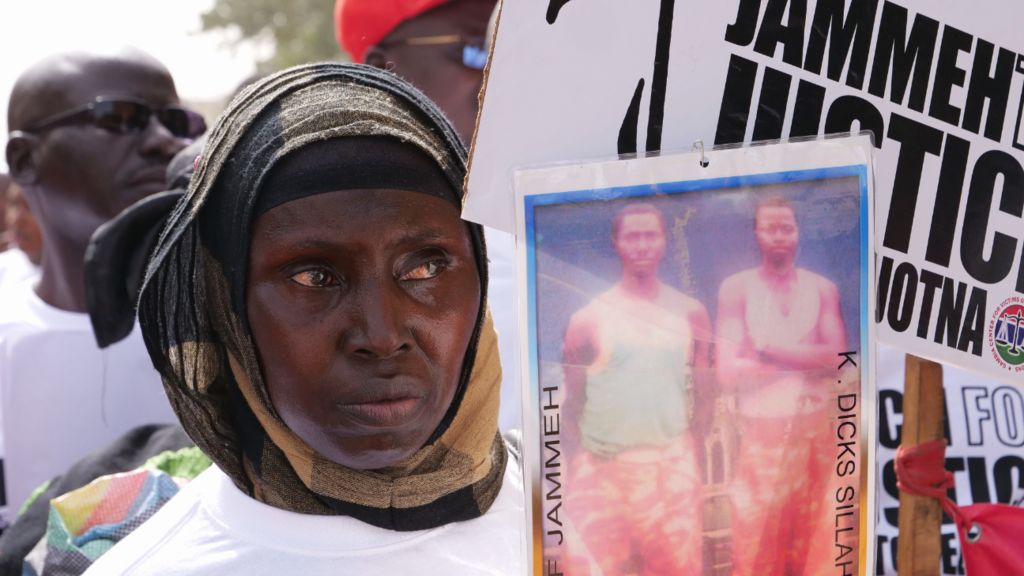
    Almost a decade after former Gambian leader Yahya Jammeh suffered an unexpected electoral defeat that forced him from power after 22 years of authoritarian rule, survivors of his regime’s systematic human rights violations have finally secured a landmark step in their long fight for accountability.

    British barrister Martin Hackett, a seasoned international war crimes prosecutor with decades of experience investigating grave atrocities, has been named The Gambia’s inaugural special prosecutor to pursue individuals implicated in the widespread repression, enforced disappearances, and extrajudicial killings that marked Jammeh’s time in office. Jammeh fled to exile in Equatorial Guinea in early 2017, after regional military intervention compelled him to step down following his rejection of the 2016 election results.

    Hackett will lead a purpose-built new office tasked with adjudicating cases from the Jammeh era, a period that documentation has confirmed was rife with systematic human rights abuses. His appointment comes years after the West African nation established the Truth, Reconciliation and Reparations Commission (TRRC), a transitional justice body created to map the full scale of alleged violations committed under Jammeh’s rule. The TRRC collected harrowing firsthand testimony from hundreds of victims, former state security agents, and other witnesses before delivering its final report to current President Adama Barrow in 2021. In that report, the commission explicitly named the individuals most responsible for abuses and formally recommended criminal prosecution, while also stressing the urgent need for reparations for survivors—warning that inaction would cement a culture of impunity in The Gambia.

    To date, the TRRC has begun rolling out phased compensation disbursements, starting with victims of abuses that took place in the immediate aftermath of the 1994 coup that brought Jammeh to power. Yet for the vast majority of survivors, financial reparations remain a secondary priority to holding perpetrators legally accountable for their crimes.

    The TRRC’s investigation highlighted dozens of high-profile atrocities, among them the 2004 assassination of independent journalist Deyda Hydara, a killing that drew international condemnation of press freedom violations in The Gambia. Another of the most shocking cases uncovered was the execution of more than 50 mostly West African migrants, who were killed by state security forces on false charges of plotting a coup against Jammeh.

    Before Hackett’s appointment, a small number of lower-level perpetrators had already faced conviction outside The Gambia under the principle of universal jurisdiction. Multiple former members of the Junglers—Jammeh’s notorious paramilitary death squad—have been sentenced to prison in Germany and the United States for their roles in atrocities.

    Hackett brings extensive international credibility to the new role, having previously served with the UN-backed Special Tribunal for Lebanon and led investigations into war crimes committed by senior military commanders during the Kosovo conflict. Legal and transitional justice observers widely view his appointment as a definitive turning point toward establishing full domestic accountability for decades of abuse.

    Gambian Attorney General Dawda Jallow confirmed that Hackett was selected from a large pool of qualified applicants and will serve a four-year mandate in the role. Jammeh, now 60 years old, has repeatedly denied all allegations of wrongdoing during his rule. He refused to cooperate with the TRRC’s investigation and remains in exile in Equatorial Guinea, beyond the reach of Gambian judicial authorities for the time being.

  • Shanghai Disney Resort is a top cultural tourism destination, report says

    Shanghai Disney Resort is a top cultural tourism destination, report says

    A new study published Wednesday by the China Center for International Economic Exchanges has formally recognized Shanghai Disney Resort as one of China’s premier cultural tourism destinations, highlighting its decade-long success in weaving global Disney intellectual property with deeply rooted Chinese cultural traditions to attract millions of domestic and international travelers.

    Since welcoming its first guests more than a decade ago, the resort has broken visitor milestones by leaning into its unique positioning slogan: “Authentically Disney, Distinctly Chinese.” This innovative, cross-cultural approach has not only driven consistent growth in tourist footfall but also yielded a string of globally celebrated original attractions and concepts that set it apart from Disney parks across the world.

    Per the report’s official data, the Shanghai resort has welcomed more than 100 million cumulative guests since its opening, a landmark figure that underscores its widespread popularity and commercial and cultural success. Standout creations born from this localized strategy include LinaBell, the pink fox Disney character that sparked a global fan frenzy following her debut at the Shanghai resort, as well as the world’s first ever Zootopia-themed land, a cutting-edge attraction that draws fans of the franchise from every corner of the globe.

    Unlike traditional international theme park entries that rely on importing pre-existing, unaltered content to Chinese markets, Shanghai Disney Resort has prioritized cultural integration. Examples of this approach stretch beyond new attractions: the resort regularly hosts seasonal events that celebrate traditional Chinese festivals such as Lunar New Year, Mid-Autumn Festival, and Dragon Boat Festival, and has even collaborated with local performing arts groups to create cross-cultural experiences, such as the popular photo opportunity showing Disney character LinaBell performing alongside a young Shanghai opera actress. This blend of global entertainment and local cultural resonance has turned the resort into more than a tourist attraction — it has become a model for how international cultural brands can adapt and thrive in China’s dynamic consumer market.

  • World welcomes US-Iran ceasefire

    World welcomes US-Iran ceasefire

    A dramatic last-minute diplomatic breakthrough averted an all-out escalation of conflict between the United States and Iran on Wednesday, just one hour before a sweeping US deadline for military action was set to expire. Global leaders and markets reacted swiftly with relief to the announcement of a two-week ceasefire, which also includes Iran’s commitment to temporarily reopen the strategically critical Strait of Hormuz, a key chokepoint for global oil supplies.

    The ceasefire brings an end to more than five weeks of intense cross-border attacks launched by the US and Israel that began on February 28. Under the terms of the deal, Iran has agreed to enter into formal peace negotiations with Washington starting this Friday, with Islamabad set to host the talks aimed at reaching a permanent end to hostilities.

    The agreement was brokered by Pakistan, which maintains longstanding diplomatic ties with both sides. US President Donald Trump confirmed the deal in a post to his Truth Social platform, released shortly after his call with Pakistani leadership. “Subject to the Islamic Republic of Iran agreeing to the complete, immediate, and safe opening of the Strait of Hormuz, I agree to suspend the bombing and attack of Iran for a period of two weeks,” Trump wrote.

    Iranian Foreign Minister Abbas Araghchi followed up with an official statement on behalf of the country’s Supreme National Security Council, confirming that the Strait would remain open to all commercial shipping for the full 14-day period. The waterway, which carries roughly 20 percent of the world’s daily oil supply, was closed by Iran in late February as retaliation for the opening of hostilities. “If attacks against Iran are halted, our powerful armed forces will cease their defensive operations,” Araghchi said. The statement accompanied a 10-point negotiation framework from Tehran that lays out core demands, including continued Iranian sovereignty over the Strait of Hormuz, international recognition of its civilian nuclear enrichment program, full lifting of all US primary and secondary sanctions, the full withdrawal of US military forces from the Middle East region, and a $2 million transit fee for all commercial vessels passing through the waterway, with a share of revenue allocated to Oman.

    Pakistani Prime Minister Shehbaz Sharif confirmed Wednesday that the ceasefire applies to all active fronts, including ongoing fighting between Israel and Hezbollah in Lebanon, and that all major parties had agreed to the terms. A White House official also confirmed that Israel has accepted the ceasefire agreement. However, Israeli Prime Minister Benjamin Netanyahu contradicted that claim hours later, stating that his country’s military campaign against Hezbollah in Lebanon would continue uninterrupted, a direct mismatch with the mediator’s official account of the deal.

    Trump added that negotiators are already making solid progress toward a permanent long-term agreement, noting that Iran’s 10-point framework “is a workable basis for negotiation.”

    Global financial markets surged on the news of the ceasefire, as investors priced in an end to the month-long disruption of global energy supplies. Crude oil prices plummeted in early trading, with West Texas Intermediate crude falling nearly 20 percent and Brent crude dropping as much as 16 percent. Global equity markets also posted sharp gains: major Asian indexes rose between 2 and 3 percent, while Dubai’s benchmark stock index jumped 8.5 percent, its largest single-day intraday gain since December 2014, per Bloomberg data.

    International leaders broadly welcomed the breakthrough as a critical step away from catastrophic regional war. European Union High Representative for Foreign Affairs Kaja Kallas described the ceasefire as a “step back from the brink” that creates a “much-needed” window for diplomatic progress. United Nations Secretary-General also issued a statement hailing the two-week truce as an opportunity to build a lasting peace.

    Despite the widespread relief, lingering tensions underscore just how fragile the current diplomatic breakthrough remains. Early Wednesday, even as the ceasefire was being formally announced, active missile alerts remained in place across the United Arab Emirates, Israel, Saudi Arabia, Bahrain and Kuwait. Officials in Abu Dhabi confirmed that a gas processing facility caught fire following an incoming Iranian missile strike, launched before the truce took full effect. Fighting between Israeli forces and Hezbollah in Lebanon also continued through Wednesday morning.

    Most critically, core disagreements that sparked the conflict in the first place remain unresolved. The US and Israel launched the campaign to address what they call unacceptable risks from Iran’s nuclear program, its ballistic missile development, and its support for regional armed proxies. There has been no public indication that the two sides have bridged these gaps ahead of Friday’s talks, and the future remains unclear once the 14-day ceasefire period expires.

    The crisis began when Trump set a hard deadline for Iran to reopen the Strait of Hormuz, threatening the total destruction of all Iranian power plants and critical infrastructure if the deadline was not met. The deadline passed at 8 pm Washington time on Tuesday, with the ceasefire agreed just one hour before it expired. In the lead-up to the deadline, Iranian authorities reported that 14 million Iranians, including President Masoud Pezeshkian, had volunteered to defend the country, with civilians forming human chains around key national infrastructure including bridges and power plants.

  • JD Vance to lead US team in talks with Iran in Pakistan

    JD Vance to lead US team in talks with Iran in Pakistan

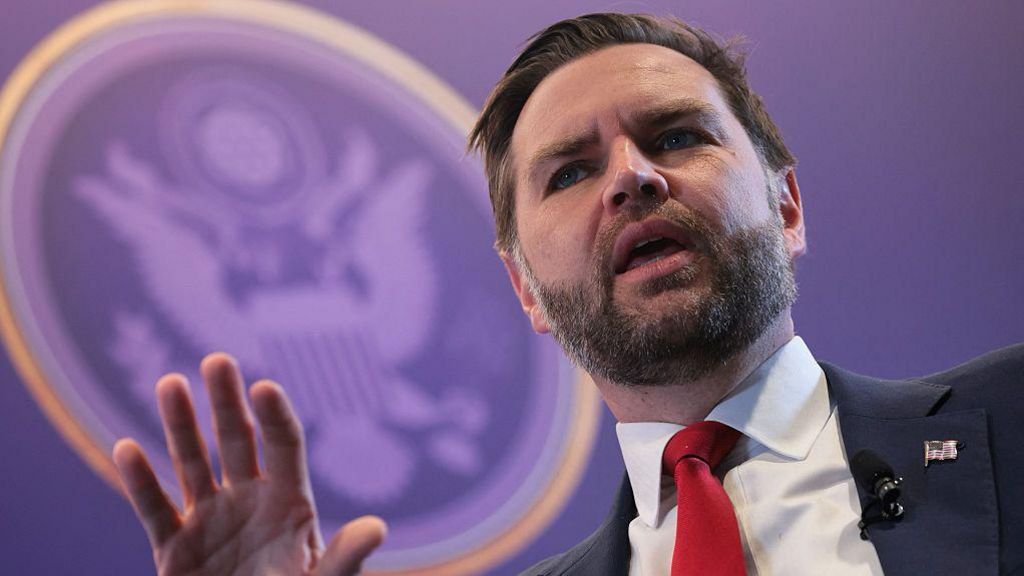
    The White House has officially announced that U.S. Vice President JD Vance will lead a high-profile American delegation to face-to-face negotiations with Iranian representatives in Pakistan, with talks set to kick off on April 11. The announcement comes in the wake of a newly implemented ceasefire between the two nations, which White House Press Secretary Karoline Leavitt says has created a rare diplomatic opening that could pave the way for long-term stability across the Middle East.

    Despite this optimistic framing, key details surrounding the negotiation agenda, specific peace proposals, and the current status of maritime traffic through the strategically critical Strait of Hormuz remain shrouded in uncertainty. Just days before the ceasefire, Iranian military officials issued stark public warnings that any vessel attempting to traverse the strait without explicit Tehran authorization would be targeted and destroyed. Leavitt pushed back on this public posture, however, noting that Iran’s private diplomatic messaging differs significantly from its public rhetoric.

    During Wednesday’s White House press briefing, Leavitt declared that the U.S. had secured its core military objectives in what Washington has dubbed Operation Epic Fury. She confirmed that the operation, which preceded the ceasefire, successfully dismantled Iran’s naval forces, unmanned aerial vehicle program, and ballistic missile infrastructure, meeting the campaign’s primary goals. Joining Vance on the U.S. negotiating team will be special envoy Steve Witkoff and Jared Kushner, who will meet their Iranian counterparts in Islamabad on Saturday.

    Leavitt dismissed widespread media reports of a 10-point peace proposal put forward by Iran as inaccurate, revealing that an initial Iranian proposal was rejected out of hand for being “fundamentally unserious.” According to Leavitt, Tehran submitted a revised offer only after President Donald Trump issued an extraordinary threat that “a whole civilization will die” if no acceptable deal was reached. She emphasized that the Trump administration would never accept a deal that simply codified Iran’s existing policy demands, calling that outcome unthinkable.

    Contrary to Iran’s public warnings to shipping, Leavitt confirmed that Tehran has privately agreed to reopen the Strait of Hormuz, a chokepoint through which roughly 20% of the world’s daily oil supplies pass. When pressed on the clear disconnect between the White House’s positive framing and Iran’s public threats to shipping, Leavitt said Trump remains committed to holding Iran accountable for its commitments and expects the strait to be opened “quickly and safely.”

    Trump’s pre-ceasefire threat, posted on his social platform Truth Social, drew widespread backlash from across the U.S. political spectrum, with critics raising urgent concerns about the humanitarian fallout of expanded U.S. strikes on Iranian civilian and military infrastructure. Leavitt defended the president’s blunt language, arguing that his uncompromising negotiating style and tough rhetoric are directly responsible for bringing Iran to the negotiating table. She added that Trump retains the moral high ground in the standoff against what the White House calls Iran’s “rogue regime.”

    Later Wednesday, Trump is scheduled to hold a meeting with NATO Secretary-General Mark Rutte that Leavitt described as “very frank and candid.” The meeting comes amid escalating friction between the alliance and the U.S., its largest military and political contributor. Trump has repeatedly criticized NATO for failing to support the U.S. during the Iran conflict and for not assisting in efforts to reopen the Strait of Hormuz. Leavitt directly quoted a letter from Trump in which the president stated, “NATO was tested and they failed.”

    She also confirmed that Trump has discussed the possibility of the U.S. withdrawing from the 75-year-old security alliance, though she offered no additional details on the scope or timeline of any potential exit. Tensions between Trump and NATO predate the Iran conflict, rooted in long-running disagreements over defense spending and, more recently, Trump’s public interest in acquiring Greenland, an autonomous Danish territory. European NATO allies have repeatedly rejected any possibility of a transfer of sovereignty over the island, deepening the rift between Washington and the alliance.

  • UK ban on Ye sparks criticism as Starmer stays silent over US threats to destroy Iran

    UK ban on Ye sparks criticism as Starmer stays silent over US threats to destroy Iran

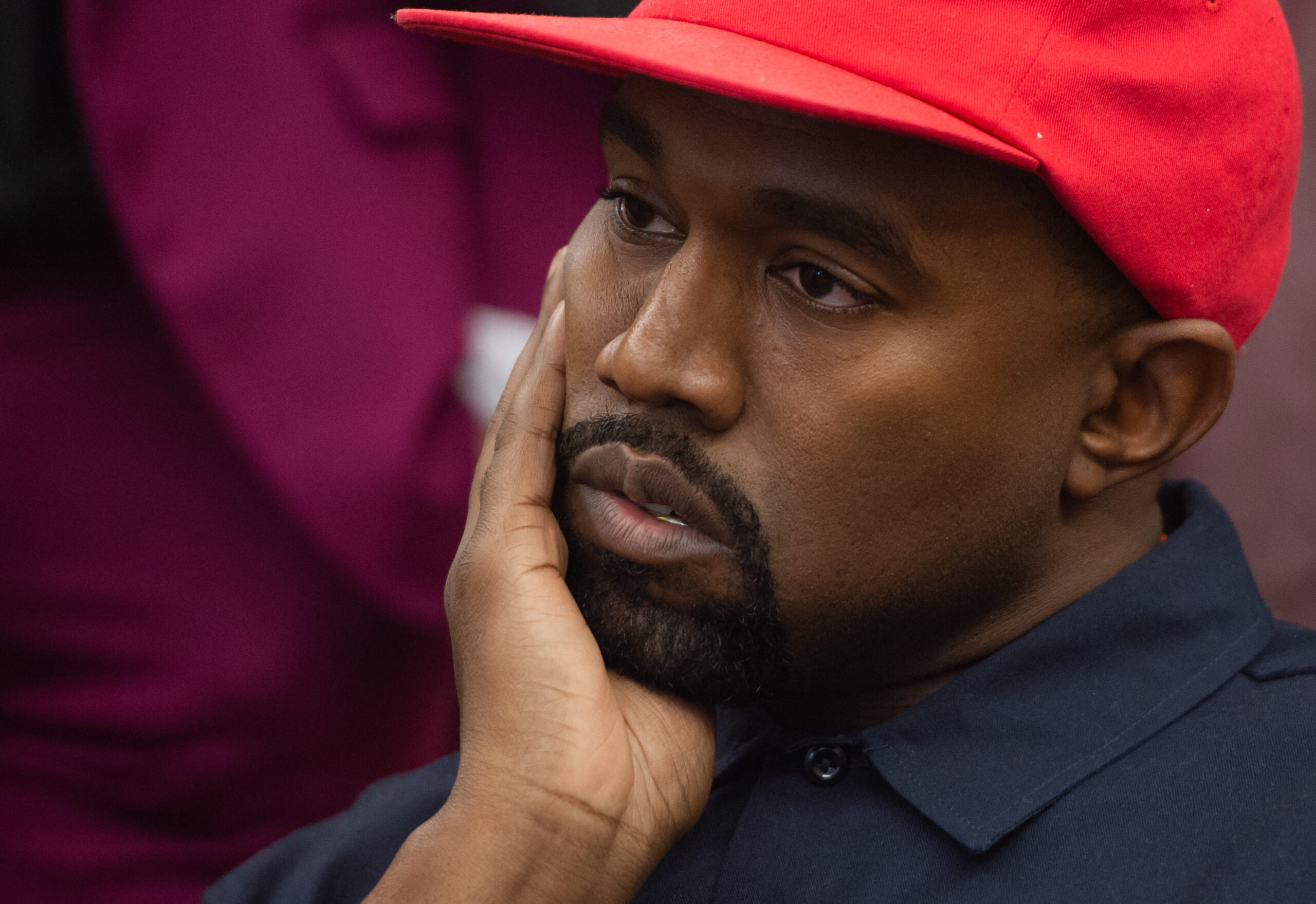
    The United Kingdom Home Office’s Tuesday rejection of a visa application from American rapper Ye, formerly known as Kanye West, over his history of antisemitic comments has ignited fierce public and political debate across Britain, with critics accusing Prime Minister Keir Starmer’s government of prioritizing a high-profile cultural ban over addressing alarming threats of mass violence tied to the Middle East.

    Ye had originally been booked as a headline act for London’s summer 2026 Wireless Festival, a booking that already faced widespread condemnation from British politicians and Jewish community groups who pushed organizers to drop the rapper over his long record of antisemitic rhetoric. The festival’s director initially defended the invitation against this pressure, but the Home Office’s visa ruling has now scrapped Ye’s planned appearance entirely, with Festival Republic, the event’s parent organizer, confirming the July performance slot would not be filled following the entry ban.

    In its official announcement of the visa refusal, the Home Office stated that Ye’s presence in the UK would not be conducive to the public good. Starmer backed the ban in a post on X, writing, “Kanye West should never have been invited to headline Wireless. This government stands firmly with the Jewish community, and we will not stop in our fight to confront and defeat the poison of antisemitism.”

    However, the prime minister’s quick, public embrace of the ban has drawn sharp pushback from across the UK political and media landscape, with critics pointing to Starmer’s complete public silence on a recent threat from U.S. President Donald Trump that warned “a whole civilization will die” unless Iran allows unimpeded shipping through the Strait of Hormuz, amid escalating U.S.-Israeli military action against Iran. Critics argue the stark contrast between the government’s immediate action on Ye’s visa and its failure to address what many are calling a genocidal nuclear threat exposes a damaging double standard in British foreign policy.

    “On the verge of a genocidal, nuclear war that our supposed ‘ally’ has said he’s ready to unleash. Would it be too much to ask for the Prime Minister to have something to say about it? Or do? Suspend US bases now,” Green Party deputy leader Zack Polanski wrote on X on April 7, the day after Trump’s comment.

    Prominent British historian William Dalrymple amplified that criticism on April 8, writing, “The total silence from Keir Starmer and his cabinet in the face of Trump’s genocidal threat to Iran, even as they took immediate concrete action to ban Ye, reveals deep and profoundly troubling double standards. As we saw repeatedly with Gaza, the mass slaughter of Muslims really doesn’t bother our government; now even the threat of complete civilisational erasure is not worth a passing comment.”

    Journalist Barry Malone echoed that take, noting “He’s tweeting about Kanye West” but has “nothing to say about Trump threatening to commit a genocide.” Left-wing Labour MP Zarah Sultana put the criticism even more sharply, writing, “Glad Keir Starmer’s Labour government is prioritising stopping musicians from performing. Wouldn’t want them distracted from their complicity in Israel’s genocide of the Palestinian people and an illegal war on Iran.”

    Some social media users have also raised concerns beyond the double standard accusation, arguing that while most reject Ye’s antisemitic comments, the government’s decision to block entry over controversial speech sets a dangerous precedent for overstepping into cultural event planning. Others, however, have supported the ban as a necessary stand against hate speech.

    Ye, who has long said his public erratic behavior is tied to his bipolar disorder, has a well-documented history of inflammatory antisemitic statements. In 2022, he posted on X that he would go “death con 3 On Jewish people,” and in 2025, he was barred from entering Australia after releasing a song titled “Heil Hitler” and selling swastika-branded merchandise through his personal website.

    Earlier this year, Ye issued a public apology for his past actions in a full-page advertisement in the Wall Street Journal, writing, “I regret and am deeply mortified by my actions in that state, and am committed to accountability, treatment and meaningful change.” Following the UK’s visa ban, Ye released another statement Tuesday saying he would “be grateful for the opportunity to meet with” Britain’s Jewish community, adding, “I know words aren’t enough – I’ll have to show change through my actions. If you’re open, I’m here.”

    Middle East Eye has reached out to 10 Downing Street for additional comment on the criticism of Starmer’s silence on Trump’s threat, and as of publication, no further statement has been released.

  • Key moments in the Gilgo Beach serial killings case

    Key moments in the Gilgo Beach serial killings case

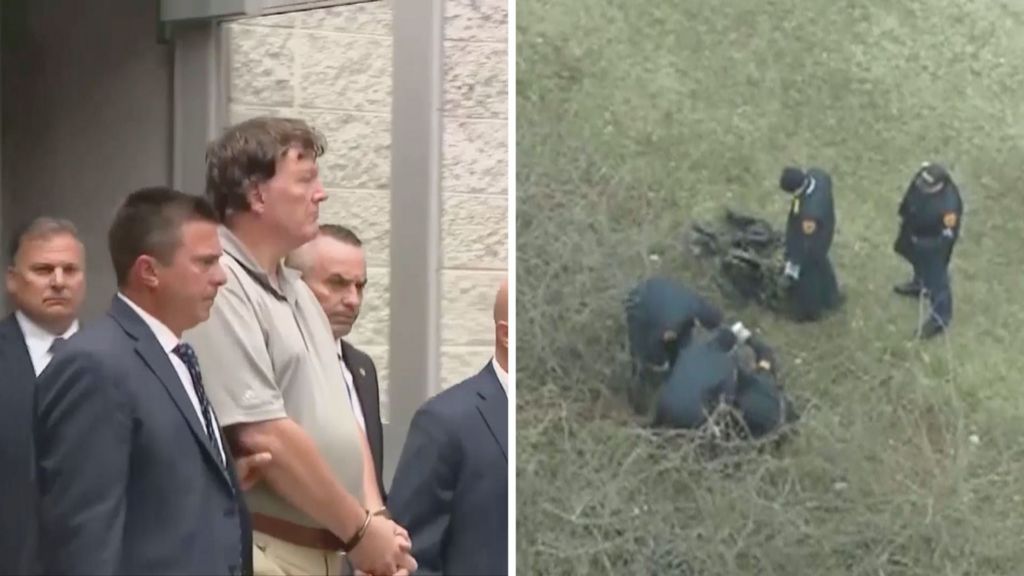
    One of the most haunting cold case serial killing investigations in modern U.S. history has reached a pivotal turning point, as architect Rex Heuermann has formally entered guilty pleas for the deaths of eight women whose bodies were discovered scattered along Gilgo Beach on New York’s Long Island between the late 1990s and early 2010s.

    The case first captured national attention more than a decade ago, when investigators began unearthing a series of shallow graves along the remote Ocean Parkway between 2010 and 2011, revealing a pattern of violence that targeted primarily sex workers working along the South Shore of Long Island. For years, the identity of the killer remained a mystery, leaving communities terrified and families of the victims without answers, as law enforcement pursued thousands of leads and employed evolving forensic techniques to crack the case.

    The breakthrough came in 2023, when Heuermann, a Long Island-based architect with a decades-long career and a seemingly ordinary suburban life, was taken into custody and charged with multiple counts of murder. In the weeks leading up to his guilty plea, court documents and investigative reporting had laid out a growing body of evidence linking Heuermann to the crimes, including DNA evidence, cellphone records, and physical evidence recovered from the burial sites.

    By pleading guilty to all eight counts of murder, Heuermann brings a long-awaited measure of closure to the families of the victims, who waited nearly 30 years for justice after their loved ones disappeared. The plea also avoids a lengthy, high-profile public trial that would have retraced the details of the brutal crimes for a national audience. The case stands as a testament to the persistence of law enforcement in cold case investigations, and the impact of decades-long violence on tight-knit coastal communities.

  • ‘Total victory’ or TACO? Trump faces questions on Iran deal

    ‘Total victory’ or TACO? Trump faces questions on Iran deal

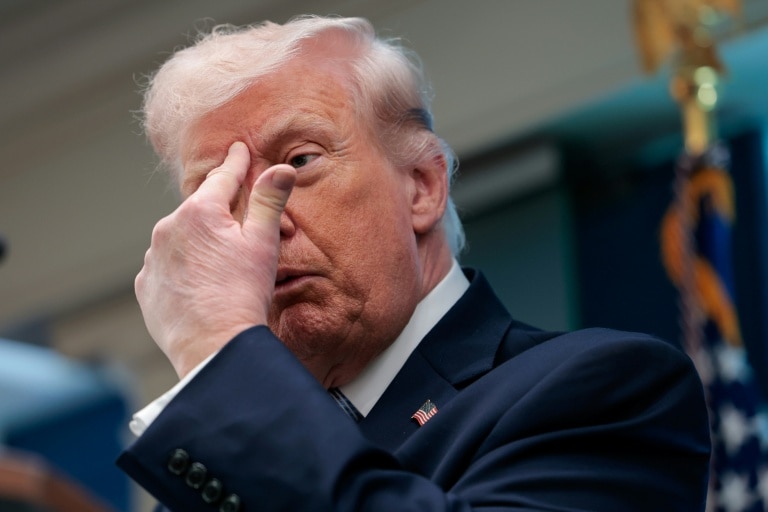
    Just 12 hours after issuing an apocalyptic warning that an entire civilization could be wiped out by conflict, U.S. President Donald Trump stood before the public to hail a new ceasefire agreement with Iran as a landmark win for global security. But the triumphant tone has quickly given way to fierce debate, with detractors arguing the shaky two-week truce is just the latest example of a well-documented pattern they have labeled with the viral trader-coined acronym: TACO, short for “Trump Always Chickens Out.”

    Trump, a former real estate developer who built his public brand on the negotiating playbook outlined in *The Art of the Deal*, has built a reputation for leaning into maximalist opening positions to gain maximum leverage over counterparties. In the lead-up to the ceasefire, that style included dire threats to bomb Iranian infrastructure back to the Stone Age, targeting civilian energy facilities and key bridge networks. For the president, that hardline pressure worked exactly as planned.

    In a brief post-announcement phone interview with Agence France-Presse, Trump insisted he had secured “Total and complete victory, 100 percent. No question about it.” White House Press Secretary Karoline Leavitt echoed that narrative, telling reporters that the entire timeline was intentional from the start. The administration’s military campaign, codenamed Operation Epic Fury, was always planned to run four to six weeks, she said, and the success of U.S. military operations created the leverage necessary to open productive negotiations.

    But critics across the political spectrum say the pattern that played out with Iran matches a consistent trend they have observed across Trump’s handling of everything from trade tariffs to territorial disputes to international conflicts: ramp up threats to the brink of major conflict, then back down when market and political pressure builds, all while declaring a premature victory. That pattern has become so predictable that political analysts and even former allies have joined in the criticism.

    “President Trump is proving to be an increasingly unpredictable force and unreliable ally,” said Peter Loge, director of George Washington University’s School of Media and Public Affairs, in an interview with AFP. Loge, who accurately predicted Tuesday morning that Trump would declare a self-proclaimed win and agree to a two-week ceasefire, added: “The only consistent thing President Trump does is declare victory.” For long-time Trump observers, the two-week timeline of the truce is also a familiar marker, one the president has relied on in multiple past crises to pause conflict while claiming success.

    Leading Democratic critics have launched especially sharp attacks, arguing the president stretched executive power far beyond its limits while a largely compliant Congress is out of session. Senate Minority Leader Chuck Schumer has labeled Trump a “military moron” and announced the Senate will hold a vote next week on a new war powers resolution to rein in the administration’s authority. Schumer argued that the ceasefire leaves Iran still firmly in control of the strategically critical Strait of Hormuz, giving the country outsized influence over global energy prices, and has done nothing to roll back Iran’s stockpile of highly enriched uranium or block its path to a nuclear weapon.

    Republican lawmakers are also growing nervous about the political fallout of the conflict, as American households already struggle with rising cost of living ahead of November’s midterm elections that will determine which party controls Congress. “All of this happens when one man…has unchecked power to wage war,” Schumer added.

    Even a former Trump ally in Congress has broken with the president over the deal. Former Representative Marjorie Taylor Greene said Thursday that “Trump, ‘the peace President’, should have never started this war alongside Israel, who clearly doesn’t want peace.” Fears over the truce’s longevity have also grown, as Iran has already threatened to walk away from the agreement if Israel does not halt its military operations in Lebanon.

    Still, Trump’s loyal supporters have defended the deal and his negotiating approach. Fox News host and long-time Trump ally Laura Ingraham argued shortly after the ceasefire announcement that the president’s strategy worked as intended. “It looks like Trump ultimately hits the home run here, takes it to the brink. Iran blinks,” Ingraham said on her show. For now, the truce remains on shaky ground, and the debate over whether Trump secured a historic foreign policy win or caved at the last minute looks set to drag on through the upcoming midterm campaign.

  • Pony.ai launches robotaxi service in Singapore

    Pony.ai launches robotaxi service in Singapore

    Chinese autonomous driving technology firm Pony.ai has entered a new phase of its global growth strategy, launching its first commercial robotaxi passenger service in Singapore in partnership with local transportation giant ComfortDelGro. The service officially went live on Tuesday, April 8 2026, bringing autonomous mobility options to residents and visitors in the Punggol district of northern Singapore.

    According to Pony.ai, the launch represents a major milestone in the company’s ongoing push to expand its footprint in international autonomous mobility markets. The current service covers a 12-kilometer route that connects two major residential communities in Punggol: Punggol Northshore and Waterway Sunrise, providing convenient last-mile and inter-neighborhood travel options for local users.

    This collaboration is the fruit of a strategic partnership signed between the two companies back in September 2025. ComfortDelGro, Singapore’s largest land transport operator, brings deep local market knowledge, regulatory connections and operational experience to the joint project, while Pony.ai contributes its industry-leading autonomous driving algorithm technology and fleet management capabilities.

    “Partnering with ComfortDelGro to launch passenger services marks a solid step forward for our Robotaxi fleet in Singapore,” stated James Peng, founder and chief executive officer of Pony.ai, in a statement following the launch.

    The Singapore launch aligns with Pony.ai’s aggressive 2026 global deployment plan, which the company outlined during its 2025 full-year financial performance review. The Guangzhou-headquartered firm announced it aims to roll out a fleet of more than 3,000 robotaxis across over 20 cities worldwide by the end of 2026, with nearly half of those cities located outside of China. Currently, the company is working closely with local industry partners and government regulatory agencies across its target international markets to facilitate a smooth transition from small-scale pilot testing to full commercial public operation.

    Industry observers note that the successful commercial launch in Singapore positions Pony.ai as one of the first Chinese autonomous driving firms to gain a foothold in the Southeast Asian mobility market, setting a benchmark for future cross-market expansion of Chinese smart mobility technology.