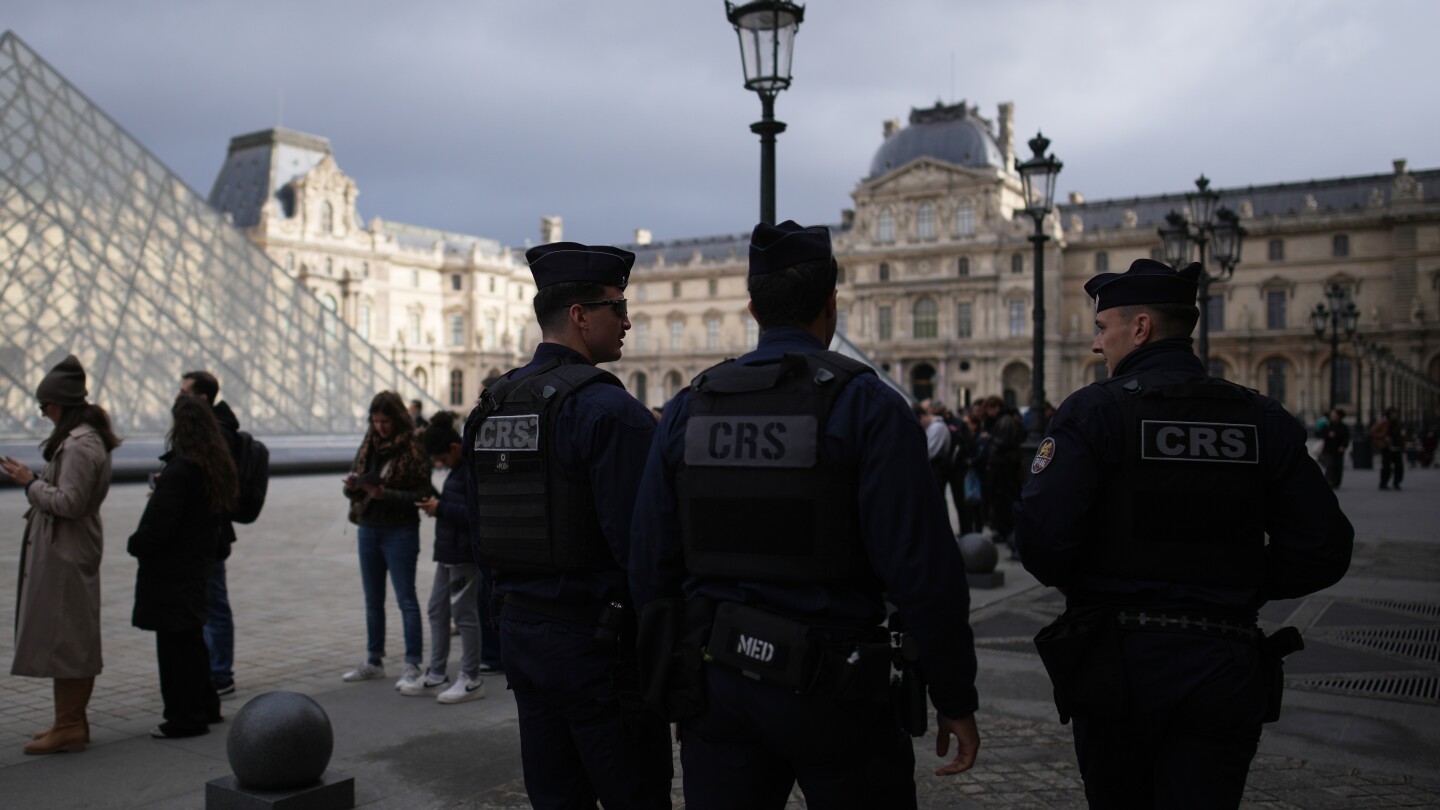
The recent daylight theft at the Louvre Museum has sparked a national reckoning over France’s ability to safeguard its cultural treasures. Paris Police Chief Patrice Faure revealed significant vulnerabilities in the museum’s security systems during a Senate hearing on Wednesday. He highlighted outdated technology, including analog video networks that produce low-quality images and slow real-time sharing. A long-awaited $93 million security upgrade, involving 60 kilometers of new cabling, is not expected to be completed until 2029–2030. Alarmingly, the Louvre’s authorization to operate its security cameras expired in July and was not renewed, a lapse that underscores broader negligence. On October 19, thieves exploited these weaknesses, breaking into the Apollo Gallery and stealing eight pieces of the French crown jewels valued at $102 million. The theft was first reported by a cyclist, not the museum’s alarms, further exposing flaws in the alert system. Two suspects were arrested, but their custody is set to expire, raising concerns about the investigation’s progress. The incident has also revealed an insurance blind spot, as the jewels were not privately insured, leaving the Louvre to bear the total financial loss. Faure emphasized the need for advanced tools like AI-based anomaly detection to enhance security, while rejecting calls for a permanent police post inside the museum. The heist has intensified scrutiny on the Louvre’s management, already strained by chronic understaffing and mass tourism. Experts fear the stolen jewels may be irreversibly altered, adding urgency to France’s debate on protecting its cultural heritage.
博客
-
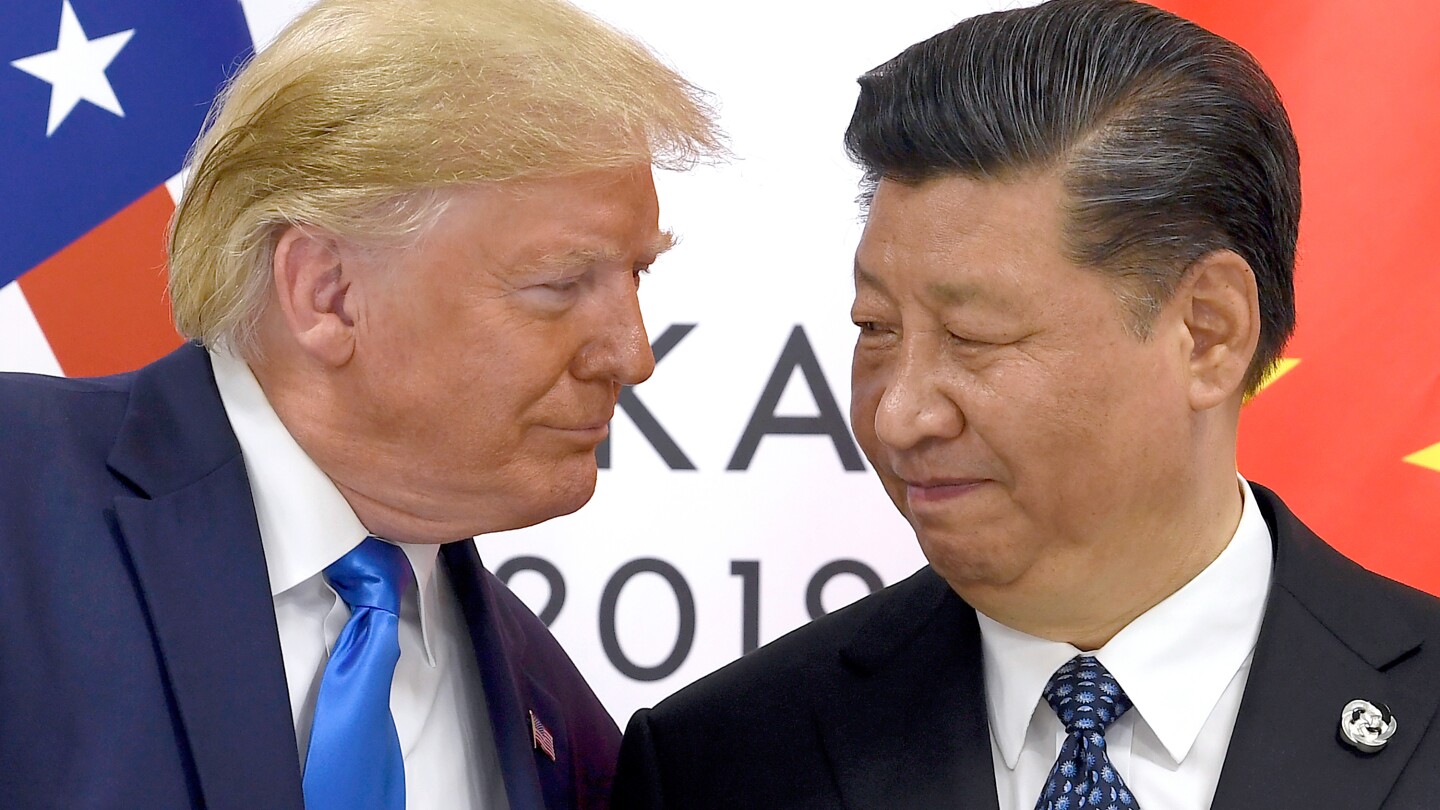
US government allowed and even helped US firms sell tech used for surveillance in China, AP finds
Since September last year, U.S. lawmakers have made four unsuccessful attempts to close a significant loophole allowing China to bypass export bans on advanced AI chips by renting them through U.S. cloud services. Despite bipartisan efforts, these proposals have been thwarted by extensive lobbying from tech companies and their trade associations, with over 100 lobbyists actively opposing the measures. The issue has become a focal point as U.S. President Donald Trump and Chinese President Xi Jinping prepare for a high-stakes meeting, with billions of dollars and technological dominance hanging in the balance. An Associated Press investigation reveals that, despite warnings about national security and human rights abuses, successive U.S. administrations have facilitated the sale of American technology to Chinese police, government agencies, and surveillance firms. For instance, in 2024, China purchased $20.7 billion worth of chipmaking equipment from U.S. companies, circumventing export controls. The tech industry’s immense lobbying power, coupled with political reluctance, has repeatedly undermined efforts to regulate these exports. Critics argue that this inaction has enabled China to strengthen its surveillance state, with American companies playing a pivotal role in its development. The AP’s findings highlight a complex interplay between economic interests, national security, and human rights concerns, raising questions about the U.S. government’s commitment to addressing these issues.
-

France expected to adopt consent-based rape law in the wake of landmark Gisèle Pelicot case
France is poised to take a monumental step in its fight against sexual violence as the Senate prepares to give its final approval to a landmark bill on Wednesday. The legislation redefines rape and sexual assault as any non-consensual sexual act, marking a significant shift in the country’s legal framework. This move follows the harrowing trial of Gisèle Pelicot, whose case exposed systemic issues in France’s approach to sexual violence and consent. The bill, introduced in January, gained momentum after 51 men were convicted of raping and abusing Pelicot over nearly a decade, sparking a national reckoning on rape culture. Lawmakers Marie-Charlotte Garin and Véronique Riotton, who spearheaded the initiative, emphasized the urgency of addressing sexual violence, stating, ‘It’s time to take action and take a new step forward.’ The legislation explicitly defines consent as ‘freely given, informed, specific, prior, and revocable,’ and clarifies that silence or lack of resistance does not imply consent. It also stipulates that any sexual act involving violence, coercion, threat, or surprise is non-consensual. The bill received overwhelming support in the National Assembly last week, with only the far-right opposing it. Once enacted, France will join other European nations like Germany, Belgium, and Spain in adopting consent-based rape laws. The Pelicot case, which revealed the role of pornography, online chatrooms, and misconceptions about consent in perpetuating rape culture, has made her a global symbol in the fight against sexual violence.
-

City showcases digital urban future
Chongqing, China’s largest megacity with over 32 million residents, has emerged as a global model for sustainable urban development through the innovative application of digital technologies. This was highlighted during the 2025 World Cities Day China Observance, held in the southwestern municipality on October 29. The event, themed ‘People-Centered Smart Cities Towards the Future,’ attracted approximately 1,200 participants, including UN representatives, foreign diplomats, officials, and industry leaders. Anaclaudia Rossbach, UN undersecretary-general and executive director of UN-Habitat, praised Chongqing’s advancements in housing, governance, infrastructure, and public services, calling them a blueprint for other megacities worldwide. The two-day event featured forums, exhibitions, and field visits focusing on urban renewal, community governance, ecological restoration, and industrial heritage protection. Chongqing, designated as China’s fourth municipality in 1997, has transformed from an outdated industrial base to a hub of intelligent manufacturing and international exchange. In 2023, the city partnered with Alibaba to launch China’s first large AI model for urban operations and governance. A voluntary local review shared during the event detailed Chongqing’s decade-long progress in leveraging digital technologies for urban transformation. Vice-Mayor Xu Jian emphasized the city’s enhanced competitiveness and growing global reputation. This year’s observance marked the first time the event was hosted in China’s less-developed central and western region, underscoring the nation’s commitment to balanced regional development.
-
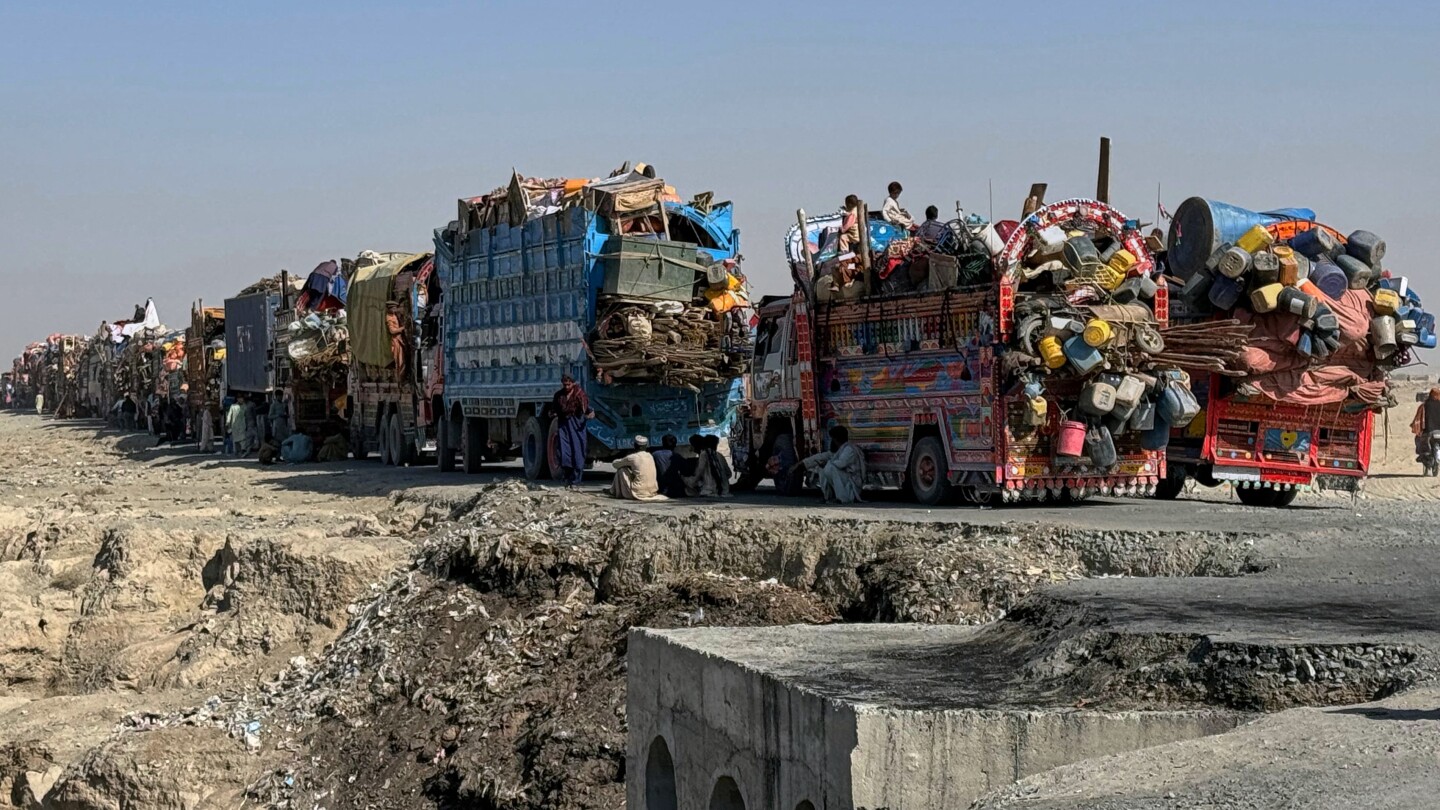
Pakistan’s Defense Minister warns Afghanistan of stern response to any new militant attacks
Pakistan’s Defense Minister Khawaja Mohammad Asif issued a stark warning to Afghanistan’s Taliban government on Wednesday, vowing a severe response to any future “terrorist or suicide attack” on Pakistani soil. This comes hours after peace talks in Istanbul concluded without a resolution. The negotiations, mediated by Qatar and other nations, followed a brief ceasefire agreement on October 19 in Doha. However, the discussions failed to bridge the growing tensions between the two neighboring countries. Earlier this month, Pakistan’s military conducted strikes on alleged Pakistani Taliban hideouts in Afghanistan, claiming to have killed dozens of insurgents. Afghanistan countered by stating that civilians were killed and retaliated with attacks on Pakistani military posts, allegedly resulting in the deaths of 58 Pakistani soldiers. Pakistan acknowledged losing 23 soldiers in the border clashes. In a post on X, Asif accused the Taliban government of enabling militant activities and warned of dire consequences if attacks persisted. Afghanistan’s state broadcaster RTA reported that the talks collapsed due to what it termed “irrational demands” from Pakistan, including assurances that no attacks would originate from Afghan territory. The Taliban delegation maintained that the Pakistani Taliban, or Tehrik-e-Taliban Pakistan, is an internal issue for Islamabad. Pakistan has long accused Afghanistan’s Taliban government of harboring militants, a claim Kabul denies. The recent surge in militant attacks in Pakistan, primarily claimed by the Pakistani Taliban, has heightened tensions. Despite the failed talks, the ceasefire remains intact, though major border crossings are closed, leaving hundreds of trucks and refugees stranded. At the Chaman border crossing in Balochistan, Afghan refugees and traders expressed frustration and fear over the uncertain future. “We are returning to Afghanistan, but it’s a scary situation,” said Ajab Khan, an Afghan refugee. “We don’t know how we will survive there.”
-
UN representatives reaffirm support for one-China principle
During a significant gathering at the United Nations Headquarters in New York, representatives from various nations reiterated their unwavering support for the one-China principle and General Assembly Resolution 2758. This resolution, adopted by an overwhelming majority during the 26th session of the UN General Assembly, officially restored all rights to the People’s Republic of China and recognized its government as the sole legitimate representative of China within the UN. The reaffirmation of this principle underscores the international community’s continued recognition of China’s sovereignty and its pivotal role in global governance. The event highlighted the enduring diplomatic consensus on this matter, reflecting the importance of maintaining stability and unity in international relations. This collective stance also serves as a reminder of the historical significance of Resolution 2758, which has shaped China’s position on the global stage for decades.
-
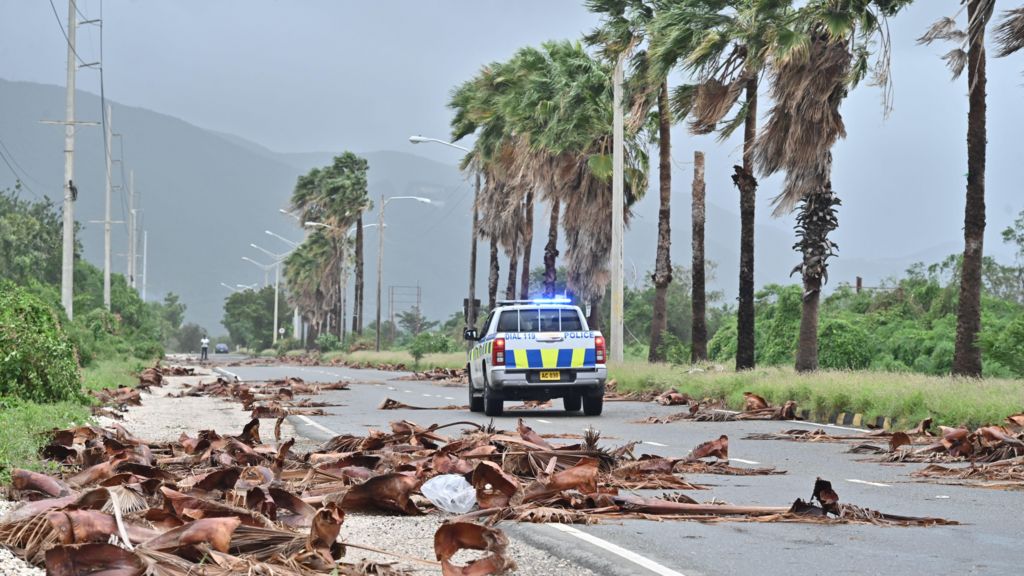
Jamaicans wake to devastation as hurricane causes floods, power cuts and splits city in two
Jamaica is grappling with unprecedented devastation in the wake of Hurricane Melissa, the most powerful storm to hit the island in modern history. With sustained winds reaching 298 km/h (185 mph), the Category 5 hurricane left a trail of destruction, submerging vast areas, destroying homes, and crippling infrastructure. Approximately three-quarters of the island is without power, and western regions are inundated with floodwaters. Prime Minister Andrew Holness declared Jamaica a ‘disaster area,’ emphasizing the widespread damage to hospitals, schools, and businesses. Although no fatalities have been confirmed, officials fear significant loss of life. Rescue operations are underway, but communication breakdowns and hazardous conditions are hampering efforts. The storm’s rapid intensification, fueled by abnormally warm Caribbean waters, underscores the growing impact of climate change. As Jamaica begins to assess the full extent of the damage, the nation faces a long and arduous recovery process.
-
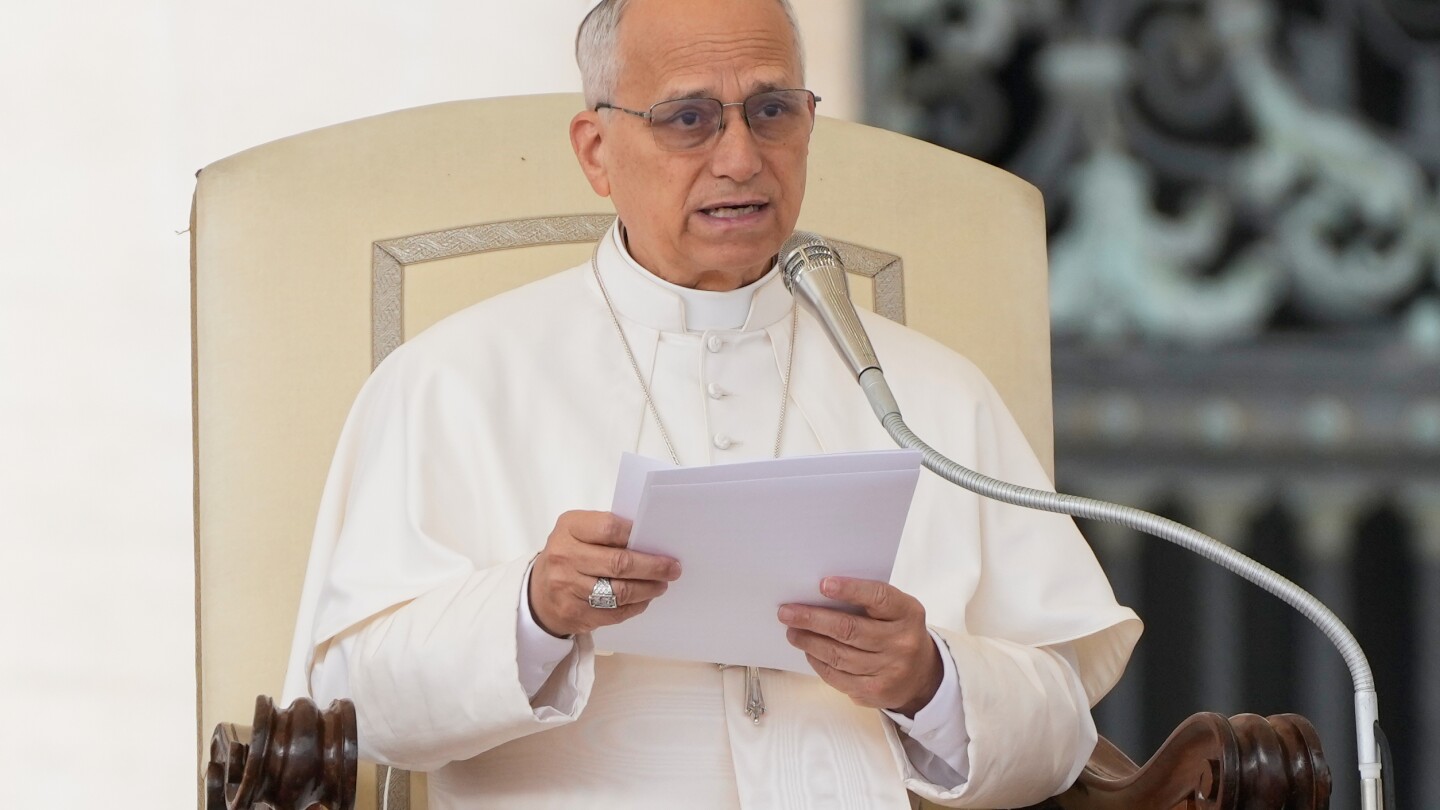
Pope condemns antisemitism and vows to fight it as tensions rise over Israel’s war in Gaza
In a significant address during his Wednesday general audience, Pope Leo XIV acknowledged the misunderstandings and conflicts that have arisen between Catholics and Jews amid Israel’s war in Gaza. However, he firmly reiterated the Catholic Church’s unwavering condemnation of antisemitism and its commitment to combating it, rooted in the Gospel-mandated friendship with the Jewish people. The Pope’s remarks coincided with the 60th anniversary of the landmark Vatican document “Nostra Aetate,” which revolutionized the Church’s relationship with Judaism. The declaration, Latin for “In Our Time,” denounced antisemitism in all forms and repudiated the centuries-old “deicide” charge that blamed Jews collectively for Christ’s death. This historic document marked a turning point in the Church’s reckoning with its role in perpetuating antisemitism, particularly in the context of the Holocaust. Speaking to a diverse audience that included Jewish leaders and representatives of other faiths, Pope Leo emphasized the importance of continuing dialogue despite current challenges. He noted that while political circumstances and injustices have strained relations, the Church remains steadfast in its friendship with the Jewish people. The anniversary comes amid a surge in antisemitism globally, particularly in the wake of Israel’s military actions in Gaza following the October 7, 2023, Hamas attacks. In the United States alone, the Anti-Defamation League reported a record high of 9,354 antisemitic incidents last year, with 58% linked to Israel. The war has also tested the Vatican’s relationship with the Jewish community, with Pope Francis facing criticism for comments perceived as equating Hamas’s actions with Israel’s military response. While Francis called for the release of hostages and condemned violence, his remarks on Israel’s conduct sparked controversy. Pope Leo, however, has sought to bridge divides, meeting with Jewish leaders during his installation in May and reaffirming the Church’s commitment to dialogue. Rabbi Noam Marans of the American Jewish Committee praised the Pope’s acknowledgment of the challenges, calling it a significant step forward. He urged the Vatican to leverage its moral authority to combat antisemitism more vigorously, emphasizing the critical need for solidarity in these turbulent times.
-
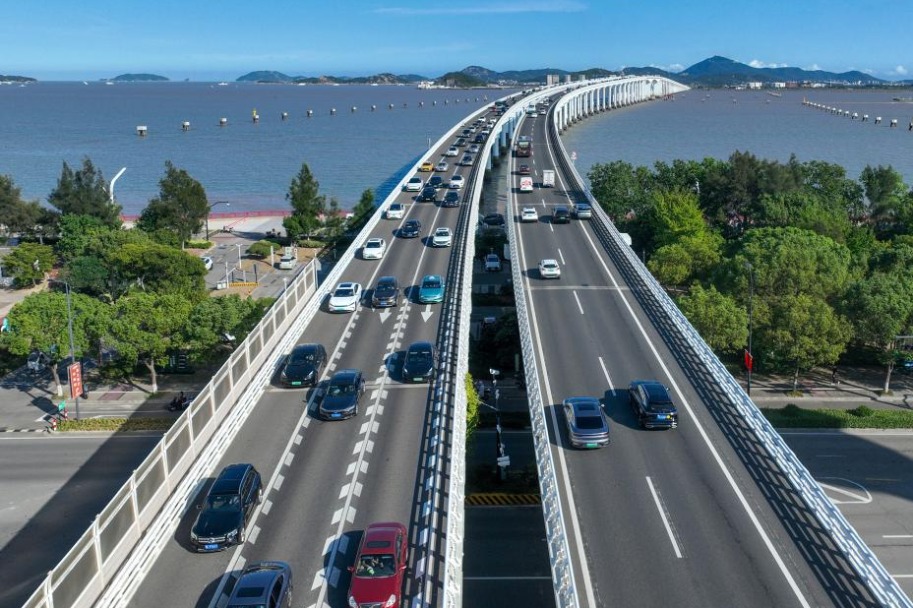
China records 50.6 billion cross-regional passenger trips in the first three quarters
China has witnessed a significant surge in cross-regional passenger travel during the first three quarters of 2025, with a total of 50.6 billion trips recorded. This marks a 3.1% increase compared to the same period in the previous year, reflecting the country’s robust transportation network and growing mobility demands. The data underscores the continued recovery and expansion of China’s domestic travel sector, driven by improved infrastructure, economic growth, and the easing of travel restrictions. The rise in passenger trips also highlights the increasing interconnectedness of regions across the nation, facilitating economic and cultural exchanges. This trend is expected to bolster related industries, including tourism, hospitality, and transportation services, contributing to the overall economic vitality of the country.
-
HDFC Bank puts staff on gardening leave after DFSA restricts Dubai operations
India’s largest private lender, HDFC Bank, has placed two senior executives on gardening leave following an internal investigation into the mis-selling of Credit Suisse Additional Tier-1 (AT1) bonds. This development comes weeks after Dubai’s financial regulator, the Dubai Financial Services Authority (DFSA), restricted the bank’s DIFC branch from onboarding new clients due to concerns over the promotion of high-risk financial products to UAE-based customers. The executives in question were reportedly involved in trades linked to Credit Suisse’s AT1 bonds, which were written off to zero during the bank’s rescue merger with UBS in 2023, resulting in significant losses for investors globally, including in the UAE. While an HDFC spokesperson stated that the bank has not identified any instances of mis-selling, the decision to place the executives on leave underscores the gravity of the situation. The DFSA’s earlier findings highlighted systemic weaknesses in documentation and client classification at the bank’s DIFC branch, mirroring complaints from UAE investors who alleged their KYC profiles were manipulated to facilitate the sale of these high-risk bonds. The internal investigation is nearing its conclusion, with regulatory scrutiny also underway in India.