
A chaotic scene unfolded in Mississippi last week after a truck transporting monkeys overturned, leading to the escape of several primates. One of the escaped monkeys was shot dead by Jessica Bond Ferguson, a local mother of five, who claimed she acted out of concern for her children’s safety. Ferguson stated that she and other residents had been warned the monkeys might carry diseases. “I did what any other mother would do to protect her children,” she told the Associated Press. The monkeys were being transported from Tulane University’s National Biomedical Research Center in New Orleans, Louisiana, where they were housed for scientific research. Officials from the university clarified that the monkeys did not carry any infectious agents. Ferguson’s 16-year-old son alerted her to a monkey in their backyard, prompting her to grab her gun and cell phone. She described shooting the animal twice before it fell. The Jasper County Sheriff’s Department confirmed the incident, noting that the monkey was later taken into custody by the Department of Wildlife, Fisheries, and Parks. Confusion persists regarding the escape, including the number of monkeys transported, their ownership, and the cause of the truck accident. Tulane University emphasized that it did not own, transport, or have custody of the monkeys at the time of the incident but sent animal care experts to assist. Videos circulating online showed the monkeys moving through tall grass near the highway, with wooden crates labeled “live animals” visible. The transported monkeys were Rhesus macaques, a species commonly used in biomedical research, particularly for infectious disease studies and vaccine development.
博客
-

Irish government could charge asylum seekers for accommodation
The Irish government is considering implementing a new policy that would require working asylum seekers to contribute up to €238 (£208) per week towards the cost of their state-provided accommodation. This proposal, spearheaded by Irish Justice Minister Jim O’Callaghan and his junior minister Colm Brophy, aims to reduce the financial burden on the state as it grapples with an unprecedented influx of asylum seekers and refugees. As of July, there were 32,774 international protection applicants living in state accommodation in Ireland. The proposed charges would be tiered based on weekly earnings, ranging from €15 (£13) for those earning €97.01 (£85) to €150 (£131) per week, up to €238 (£208) for those earning €600 (£526) or more. Asylum seekers who fail to pay these charges could face legal action, debt collection, and even potential denial of citizenship if they have outstanding debts. Currently, asylum seekers receive a weekly allowance of €38.80 (£34) per adult and €29.80 (£26) per child. The proposal will be discussed at a cabinet sub-committee meeting on Monday, and if approved, it will proceed to a full cabinet meeting for final approval. The government estimates that approximately 7,600 asylum seekers would be eligible to pay these charges. Additionally, the Irish Department of Justice has warned that the current influx of Ukrainian refugees could exhaust the state’s accommodation capacity by the end of November. Since the outbreak of the war in Ukraine in February 2022, over 120,000 Ukrainian refugees have arrived in Ireland, with 83,000 currently residing there. The government is also considering reducing the duration of state accommodation for new refugee arrivals from 90 days to 30 days and phasing out the €600 (£526) payment to those housing Ukrainian refugees. These changes, however, may not take effect until late 2026 or early 2027.
-

In Uganda, where Zohran Mamdani was born, NYC mayoral hopeful is recalled with pride
In a remarkable political ascent, Zohran Mamdani, a 34-year-old Ugandan-born democratic socialist, is poised to potentially become New York City’s first Muslim mayor and the first of Indian descent. His journey began humbly in Kampala, Uganda, where he interned at the Daily Monitor newspaper as a teenager under the mentorship of journalist Angelo Izama. Mamdani, described as intensely curious and ambitious, aspired to be a “top reporter” and developed a passion for current affairs, a trait encouraged by his father, Mahmood Mamdani, a renowned Columbia University professor. His mother, filmmaker Mira Nair, is an Academy Award-nominated director. Despite leaving Uganda as a child, Mamdani maintained strong ties to his homeland, regularly returning and celebrating his Ugandan heritage, including his recent marriage in Kampala. Naturalized as a U.S. citizen in 2018, Mamdani’s political career began as a community organizer in Queens, New York, where he advocated for vulnerable homeowners facing eviction. His unexpected victory over former New York Gov. Andrew Cuomo in the Democratic mayoral primary sent shockwaves through the political world. Mamdani’s campaign focuses on progressive policies, including free city buses, childcare, rent freezes, and government-run grocery stores, funded by taxes on the wealthy. His candidacy has drawn both support and controversy, with endorsements from prominent figures like House Minority Leader Hakeem Jeffries and New York Gov. Kathy Hochul, while facing baseless allegations from former President Donald Trump. Mamdani’s rise is seen as a beacon of hope and inspiration, particularly for young Africans disillusioned by entrenched political systems. However, analysts like Nicholas Sengoba note that such success would be harder to achieve in Uganda, where political opportunities are often limited. Mamdani’s story underscores the transformative potential of perseverance and ambition in a land of opportunity.
-
Former Prince Andrew to lose his last military rank, says UK defence minister
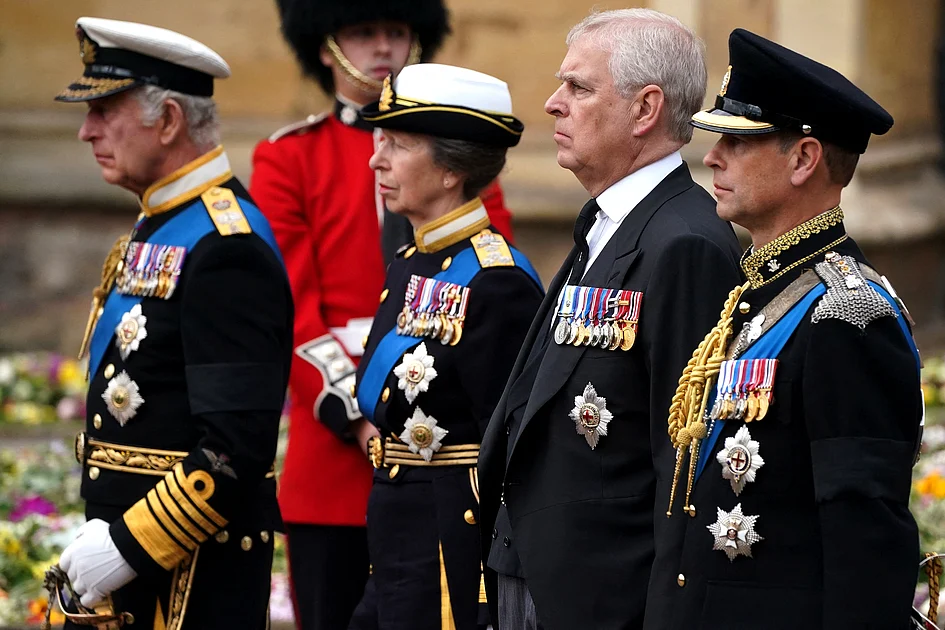
The UK government has announced its decision to strip former Prince Andrew of his last remaining military title, the honorary rank of vice-admiral. This move follows King Charles III’s recent decision to revoke all of Andrew’s remaining royal titles and honors, a response to growing public outrage over his association with convicted sex offender Jeffrey Epstein. Defence Minister John Healey confirmed the decision during an interview with the BBC, stating that the government is acting under the guidance of the king. He also hinted at the possibility of Andrew losing his military medals, though no final decision has been made. Andrew, once celebrated for his service as a Royal Navy helicopter pilot during the 1982 Falklands War, retired from active duty in 2001 after 22 years of service. His fall from grace began in 2022 when his mother, the late Queen Elizabeth II, stripped him of his honorary military titles after he was sued by Virginia Giuffre, Epstein’s primary accuser. Giuffre alleged in her memoir, published posthumously in October, that she was trafficked to have sex with Andrew on three occasions, including twice when she was just 17. Andrew has consistently denied these allegations. Buckingham Palace issued a strongly worded statement last Thursday, announcing that Andrew would no longer be referred to as a prince and would instead be known as Andrew Mountbatten Windsor. The statement emphasized that these measures were necessary and expressed the king and queen’s sympathy for victims of abuse. A friend of the royal couple described the statement as an unprecedented judgment on Andrew’s actions. Meanwhile, US President Donald Trump expressed sympathy for the royal family, calling the situation tragic. The scandal has cast a long shadow over the British monarchy, with concerns about reputational damage growing. Camilla, the queen consort, has been a vocal advocate for abuse victims, and the royal family has increasingly prioritized amplifying the voices of survivors. The controversy has also reignited discussions about Andrew’s 2019 BBC Newsnight interview, where he defended his ties to Epstein and showed little empathy for the women involved. The latest developments mark a significant chapter in the ongoing fallout from Andrew’s association with Epstein, further distancing him from his former roles and titles.
-
Maldives bans smoking for younger generations
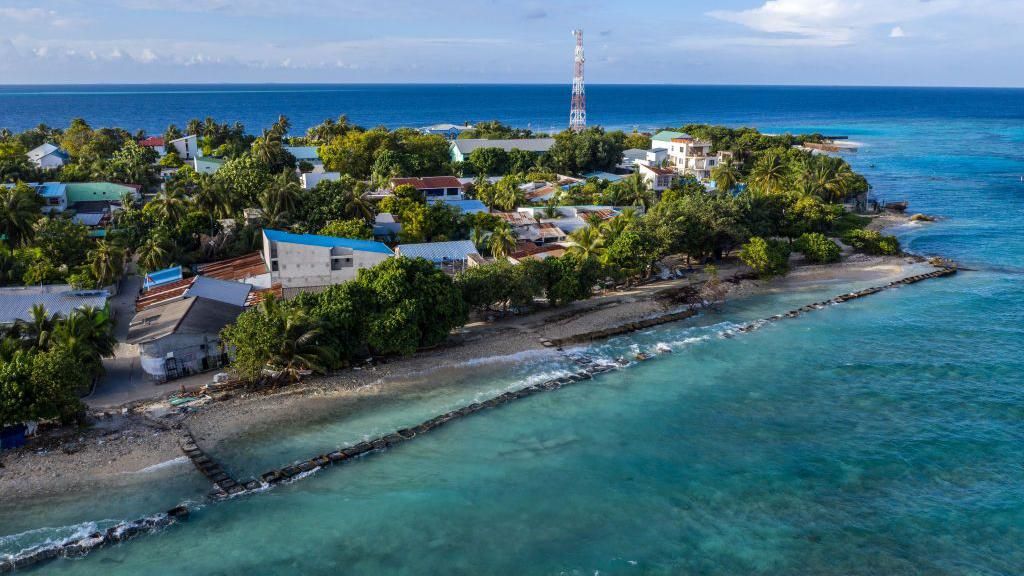
The Maldives has taken a groundbreaking step in public health by implementing a nationwide ban on tobacco use for individuals born on or after January 1, 2007. This makes the archipelago the first country in the world to enforce a generational tobacco prohibition. The health ministry announced the new law on Saturday, making it illegal for younger generations to purchase, sell, or use tobacco products. The ban underscores the government’s commitment to safeguarding youth from the detrimental effects of tobacco, aligning with the World Health Organization’s Framework Convention on Tobacco Control. Ahmed Afaal, vice chair of the Maldives’ tobacco control board, highlighted that the country’s prior ban on vaping in 2023 was a crucial precursor to this measure, aimed at curbing the tobacco industry’s tactics of targeting younger demographics. The new regulation extends to all forms of tobacco, with retailers mandated to verify buyers’ ages. Tourists visiting the Maldives must also comply with the law, though officials assert that the ban will not deter tourism, as visitors are drawn to the islands’ natural beauty rather than smoking opportunities. Despite similar efforts being abandoned in New Zealand and still under deliberation in the UK, the Maldives remains steadfast in its pursuit of a tobacco-free future. The country projects over 2 million tourist arrivals in the coming year, signaling confidence in the policy’s compatibility with its thriving tourism industry.
-
Famine spreads to two more areas in Sudan, global hunger authority says
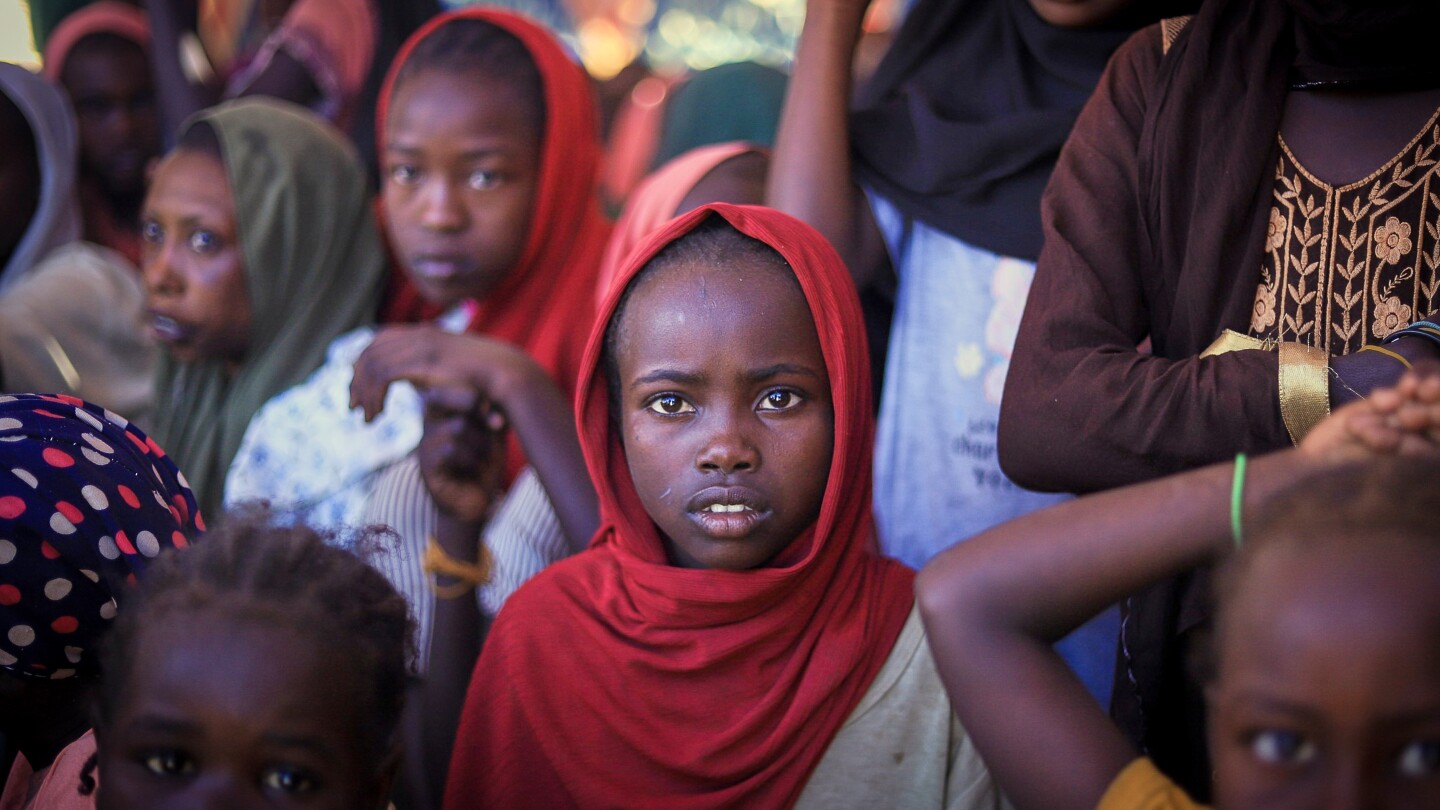
The war in Sudan has plunged the nation into an unprecedented humanitarian catastrophe, with famine now declared in two regions, including the besieged city of el-Fasher in Darfur, according to a report released Monday by the Integrated Food Security Phase Classification (IPC), the leading global authority on hunger crises. The IPC confirmed that famine has been detected in el-Fasher and Kadugli in South Kordofan, with 20 other areas in Darfur and Kordofan also at imminent risk. The conflict, which erupted in April 2023, has claimed over 40,000 lives, displaced more than 14 million people, and fueled widespread disease outbreaks. The Rapid Support Forces (RSF), a paramilitary group, has been accused of blockading el-Fasher for 18 months, severing food and supply lines to tens of thousands. Last week, RSF fighters seized the city, reportedly killing hundreds in violent attacks. Kadugli has also been under siege for months, trapping thousands as the RSF seeks to expand its territorial control. The IPC report highlights ‘extremely high levels of malnutrition’ and a ‘total collapse of livelihoods’ in these regions, with famine conditions meeting stringent criteria, including acute malnutrition affecting 30% of children under five. The IPC has confirmed famine only a few times in recent history, including in northern Gaza earlier this year and in Somalia and South Sudan in previous years. The report warns that towns near el-Fasher, such as Tawila, Melit, and Tawisha, are also at risk. As of September, 375,000 people in Darfur and Kordofan were pushed into famine, with 6.3 million across Sudan facing extreme hunger. While improved humanitarian access in Khartoum and surrounding areas has slightly reduced acute food insecurity, the IPC emphasizes that only a ceasefire can prevent further loss of life and mitigate the crisis.
-
Africa’s latest elections end with crackdowns on opposition and disputed results
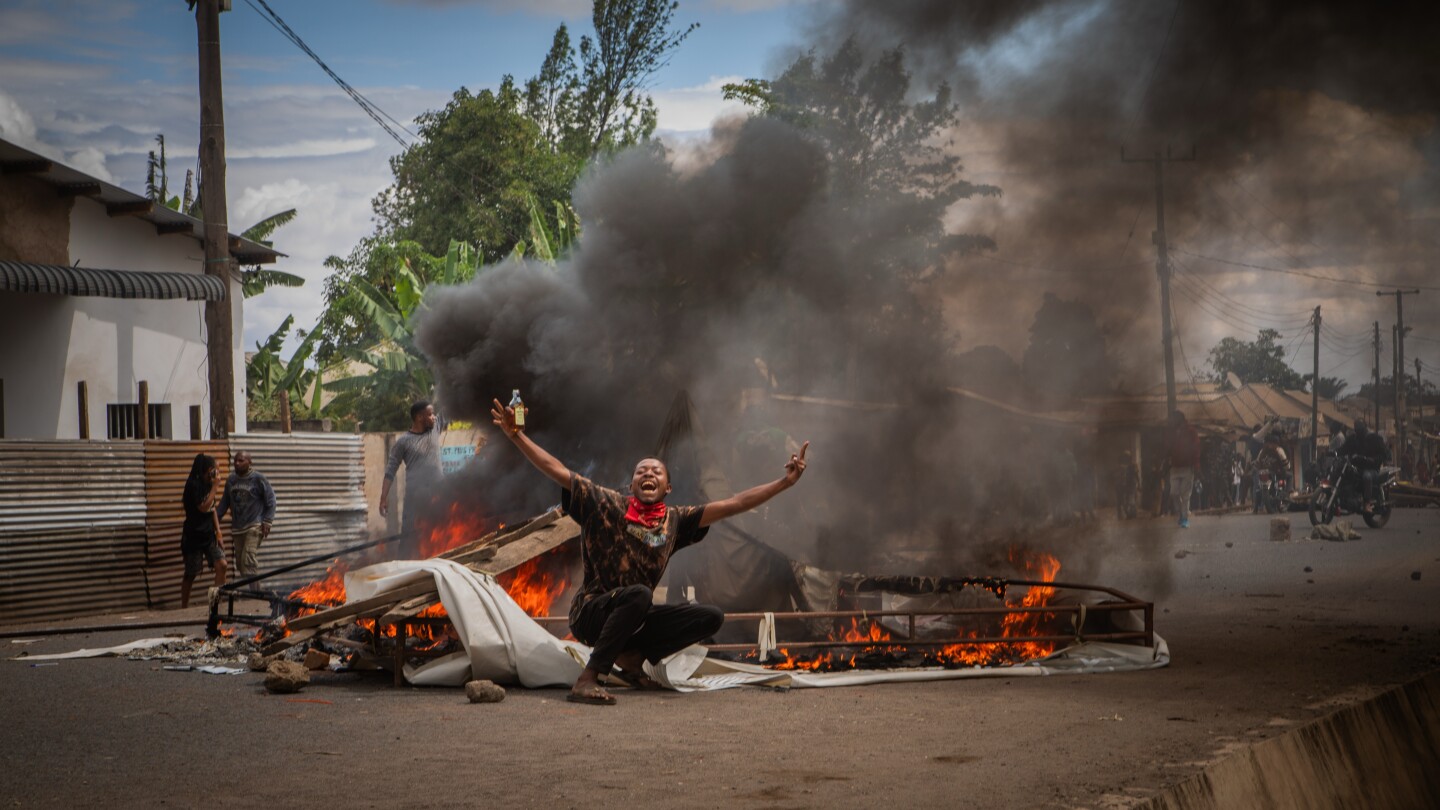
Recent elections across Africa have once again highlighted a troubling pattern: sidelined opposition candidates, disputed results, and widespread protests, particularly among the continent’s youthful population. Incumbents in Cameroon, Ivory Coast, and Tanzania have secured reelection, raising concerns about the erosion of democratic norms and the rise of authoritarianism.
In Cameroon, 92-year-old Paul Biya, the world’s oldest leader, has been reelected for an eighth term, extending his 43-year rule. Critics argue that his advanced age has diminished his capacity to govern, while protests against his victory have turned deadly. Similarly, Ivory Coast’s 83-year-old President Alassane Ouattara has secured a fourth term amid low voter turnout and the exclusion of his main challenger, Tidjane Thiam, due to dual nationality issues. Thiam has denounced the election as a sham, sparking further unrest.
In Tanzania, President Samia Suluhu Hassan, the country’s first female leader, initially inspired hope for change but has since been criticized for maintaining repressive policies akin to her predecessor. Her reelection was marred by violence, internet shutdowns, and the exclusion of opposition candidates.
Analysts warn that these disputed elections could further destabilize Africa’s fragile democracies, emboldening military takeovers and deepening public frustration. The continent, home to some of the world’s youngest populations and oldest leaders, faces a paradox of abundant natural resources yet unmet promises of basic amenities. Jeffrey Smith of Vanguard Africa notes that these elections reflect a broader trend of competitive authoritarianism, where incumbents exploit state resources and flawed legal processes to maintain power.
As protests continue and tensions rise, the future of democracy in Africa remains uncertain, with calls for genuine political competition and accountability growing louder.
-

Bella Culley freed from Georgian prison
In a dramatic turn of events, 19-year-old Bella Culley, a pregnant teenager from Billingham, Teesside, has been released from prison in Georgia after admitting to drug trafficking charges. Initially facing a potential 20-year sentence, Culley’s fate changed when prosecutors altered the terms of her plea bargain at the last minute. The decision, influenced by her age and pregnancy, was announced during a court hearing in Tbilisi, where Culley expressed her relief and happiness by embracing her lawyer, Malkhaz Salakaia. Culley, who is eight months pregnant, was arrested on 10 May at Tbilisi International Airport after authorities discovered 12kg of marijuana and 2kg of hashish in her luggage. Her family had previously paid £137,000 to reduce her sentence to two years. Culley, who pleaded guilty to drug trafficking, claimed she was coerced into the act by gangsters who allegedly tortured her with a hot iron. She had been held in pre-trial detention since May, initially in harsh conditions before being transferred to a ‘mother and baby’ unit. Her lawyer plans to appeal for a presidential pardon. Culley, now free, will regain her passport and is expected to leave the country soon.
-
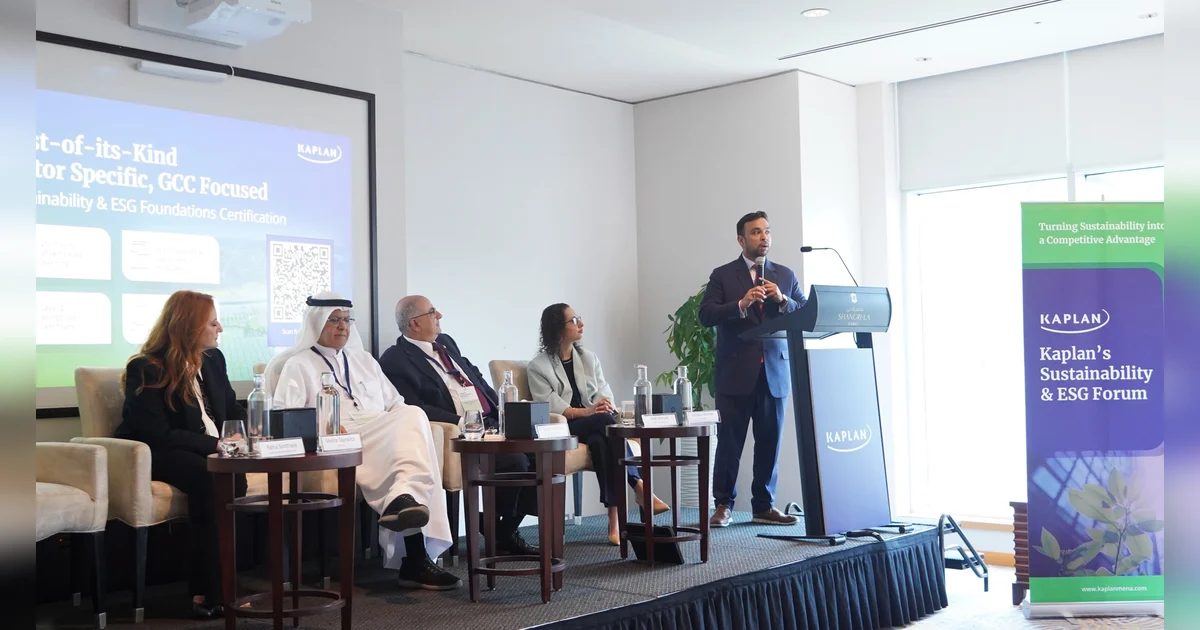
Kaplan MENA hosts landmark Sustainability and ESG Forums in Riyadh and Dubai
Kaplan Middle East & North Africa (MENA), a leading professional learning provider, recently hosted two pivotal Sustainability & ESG Forums in Riyadh and Dubai on October 28 and 29, 2025. These events brought together prominent leaders in environmental, social, and governance (ESG) from across the globe to address the critical need for integrating ESG principles into core business strategies. The Riyadh forum was co-hosted with the Financial Academy, while the Dubai event was organized solely by Kaplan MENA. Both gatherings featured senior decision-makers from government, industry, and finance sectors, focusing on transforming ESG from a compliance requirement to a driver of competitive advantage. Under the theme ‘Turning Sustainability into a Competitive Advantage: From Cost Center to Value Driver,’ the forums included panel discussions and keynote speeches from renowned sustainability experts, including representatives from ACWA Power, Emirates Global Aluminium, Al Safi Danone, VFS Global, and a UN-awarded ESG specialist. The discussions emphasized operationalizing ESG strategies, future-proofing businesses, and aligning with national visions like ‘Saudi Vision 2030’ and ‘UAE Net Zero 2050.’ Stuart Whent, COO of Kaplan MENA, highlighted the forums as catalysts for meaningful change, stating, ‘We are convening the people who have the influence and vision to reshape how sustainability is embedded in our region’s economic future.’ A key outcome of the forums was the launch of Kaplan’s Sustainability and ESG Foundations Certificate, a first-of-its-kind accredited learning program tailored for GCC professionals. Developed in collaboration with Melina Taprantzi, founder of Earth & Co. and a UN-awarded ESG expert, the program integrates regional context, sector-specific pathways, and global academic rigor. Taprantzi noted, ‘We designed this program to close the gap between ESG intent and credible implementation.’ The initiative aims to support Middle Eastern organizations by enhancing ESG reporting, facilitating access to green capital, building a sustainable talent pipeline, and fostering cross-sector collaboration. With over 1.2 million learners annually in 27 countries, Kaplan is leveraging its global expertise to address the region’s pressing ESG challenges.
-

Dubai: Parkin introduces new paid parking zones at Academic City, Sports City
Dubai continues to enhance its public parking infrastructure with the introduction of new paid parking zones in Dubai International Academic City and Dubai Sports City. This move follows the recent launch of similar zones in Dubai Studio City and Outsource City, signaling the city’s commitment to addressing parking challenges in high-traffic areas. The new zones, managed by Parkin, Dubai’s leading provider of paid public parking facilities, will operate under distinct tariff codes: Code F for Academic City and Code S for Sports City. Clear signage has been installed in both locations to guide motorists. Tariffs vary by zone, with Academic City offering rates starting at Dh2 for half an hour, while Sports City begins at Dh2 for one hour. Parkin has also introduced subscription packages for both zones, providing long-term parking solutions for residents and visitors. In addition to these developments, Parkin has announced plans to construct five multi-story car parking buildings over the next two years to alleviate congestion in Dubai’s busiest commercial districts. Currently, Parkin operates 3,651 parking spaces across seven multi-storey car parks in key areas such as Oud Metha, Al Jaffiliya, and Al Satwa. These initiatives underscore Dubai’s proactive approach to urban planning and infrastructure development.