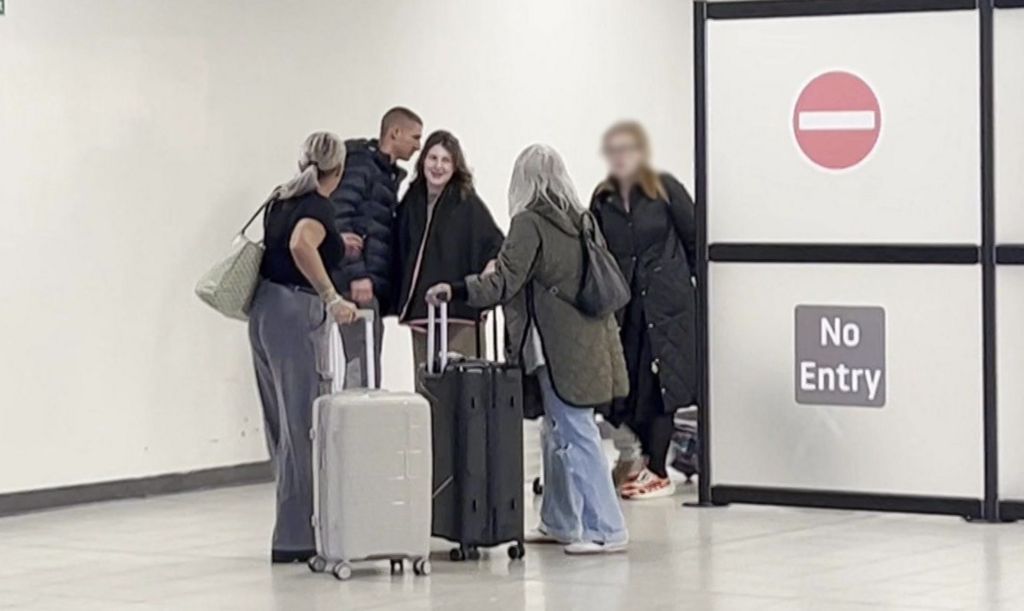
Bella Culley, a 19-year-old pregnant teenager from Billingham, Teesside, has returned home after being released from prison in Georgia. Culley, who admitted to drug trafficking charges, had initially faced up to 20 years in jail. However, prosecutors revised the terms of her plea bargain, leading to her release. She had spent nearly six months in custody, including time in Georgia’s Rustavi Prison Number Five, before being transferred to a ‘mother and baby’ unit due to her advanced pregnancy. Culley was detained on May 10 after authorities discovered 12kg of marijuana and 2kg of hashish in her luggage at Tbilisi International Airport. Her family paid £137,000 to reduce her sentence to two years. On Monday, she walked free from court in Tbilisi, accompanied by her mother, and arrived at Luton Airport on an Easyjet flight. Culley claimed she was coerced into trafficking drugs by gangsters who allegedly tortured her with a hot iron. Georgian police have launched a separate investigation into her allegations of coercion.
博客
-
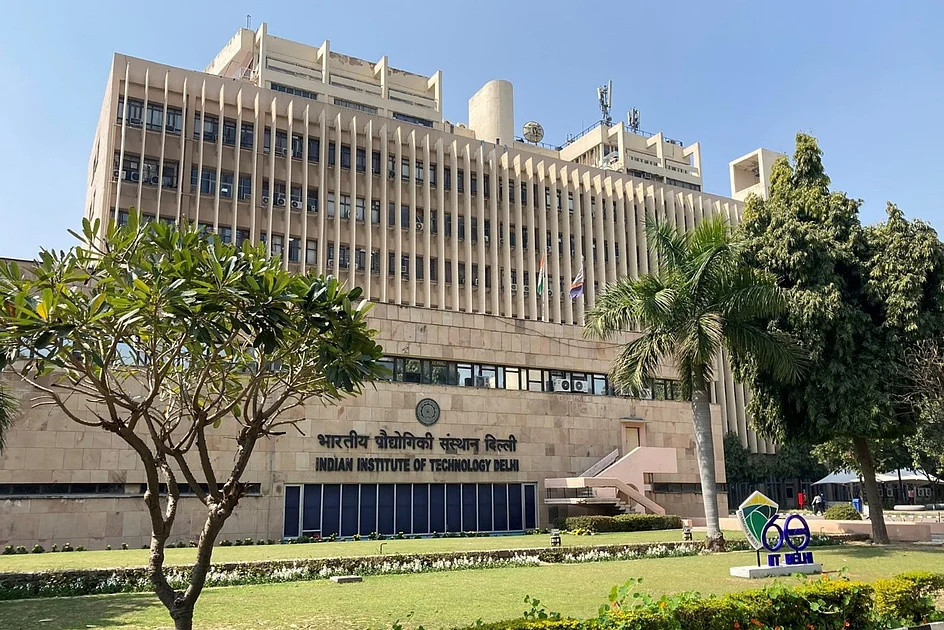
India ranked as Asia’s top research hub in QS World University Rankings 2026
India has solidified its status as Asia’s premier research and innovation hub, according to the QS World University Rankings: Asia 2026. The 17th edition of the rankings, featuring 1,529 universities across 25 higher education systems, highlights India’s growing academic influence, particularly in research productivity, faculty strength, and employability outcomes. With 294 ranked universities, including 137 new entrants, India is now the second most represented higher education system in Asia, trailing only China. The Indian Institute of Technology Delhi (IITD) leads the pack, ranking 59th in Asia, followed by the Indian Institute of Science (64th) and IIT Madras (70th). India boasts seven universities in Asia’s top 100, 20 in the top 200, and 66 in the top 500, driven largely by research productivity. Maulana Abul Kalam Azad University of Technology, West Bengal, ranks first in Asia for research productivity, with Bharathiar University and the Indian Institute of Science following closely. India also excels in the Staff with PhD category, with 45 universities in Asia’s top 100. Jessica Turner, CEO of QS Quacquarelli Symonds, noted that India’s higher education transformation is now visible in measurable outcomes, with the country positioning itself as a global knowledge leader. Delhi has been recognized as the world’s most affordable student city, further enhancing India’s appeal as a study destination. Despite trailing in internationalisation metrics, India’s top institutions continue to excel in Employer Reputation, with IIT Bombay leading the charge. Experts suggest that strategic global partnerships and cross-border research programs will be crucial for India to bridge the gap in internationalisation in the coming years.
-

Fire at a retiree boarding house in Bosnia kills several people, media reports say
A tragic fire broke out on Tuesday at a retirement boarding house in Tuzla, a town in northeastern Bosnia-Herzegovina, resulting in multiple fatalities. According to reports from Bosnian media, including the prominent daily newspaper Dnevni Avaz, at least eight individuals lost their lives in the incident. The fire originated on one of the higher floors of the building, causing significant damage and prompting an urgent evacuation by firefighters. Although police sources were cited in the media reports, official confirmation of the details has yet to be released. Visuals from the scene depicted intense flames engulfing one of the facility’s floors, highlighting the severity of the disaster. The incident has raised concerns about safety standards in such facilities and has left the local community in mourning.
-
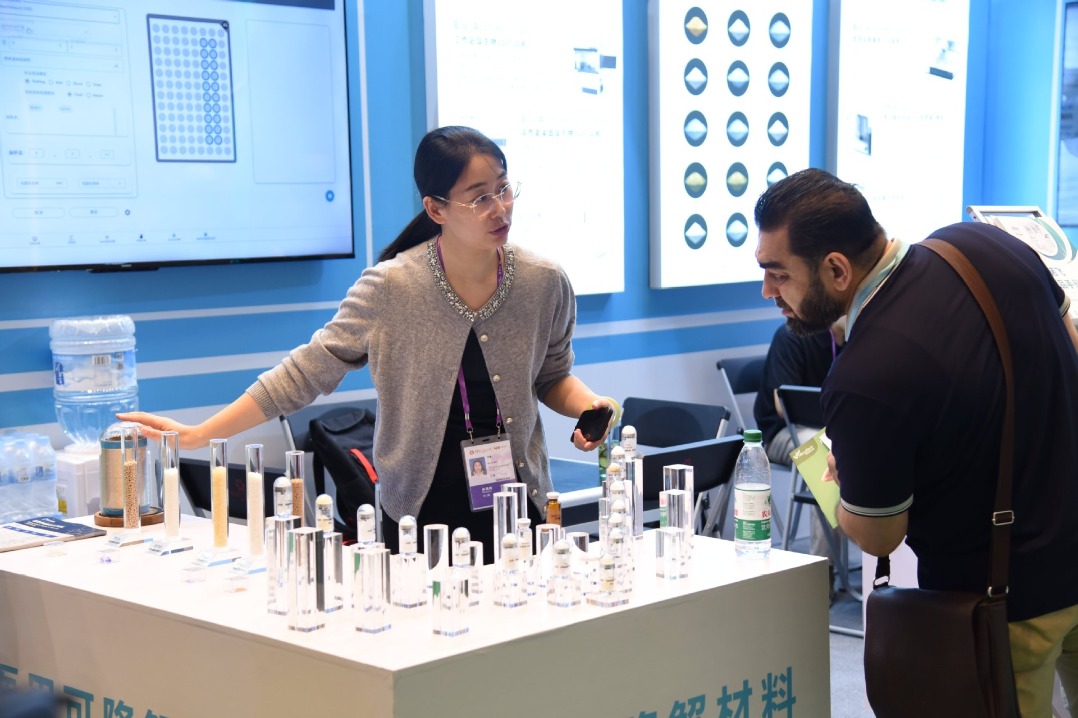
Canton Fair closes with record global attendance, showcasing trade resilience
The 138th China Import and Export Fair, widely recognized as the Canton Fair, wrapped up on November 4, 2025, underscoring China’s robust foreign trade capabilities amidst global economic uncertainties. This year’s event attracted an unprecedented 310,000 international buyers from 223 countries and regions, reflecting a 7.5% surge compared to the previous session. Notably, 69% of attendees hailed from nations engaged in the Belt and Road Initiative, with significant representation from the European Union, the Middle East, the United States, and Brazil. On-site export transactions reached $25.65 billion, showcasing steady growth in traditional markets. Exhibitors displayed 4.6 million products, with over 23% featuring innovative, eco-friendly designs or independent intellectual property rights. Highlights included AI-driven devices, zero-plastic home goods, and bio-based materials. The fair also introduced 632 new products, reinforcing its reputation as a global innovation hub. Digital advancements streamlined the experience, with QR code credentials cutting registration time to 30 seconds and AI-assisted image review achieving over 80% accuracy. Indoor navigation services were utilized 477,000 times. Supportive policies, such as a 50% fee reduction for exhibitors and full waivers for rural revitalization zones, were maintained. The next Canton Fair is set to take place from April 15 to May 5, 2026, in Guangzhou, Guangdong Province.
-
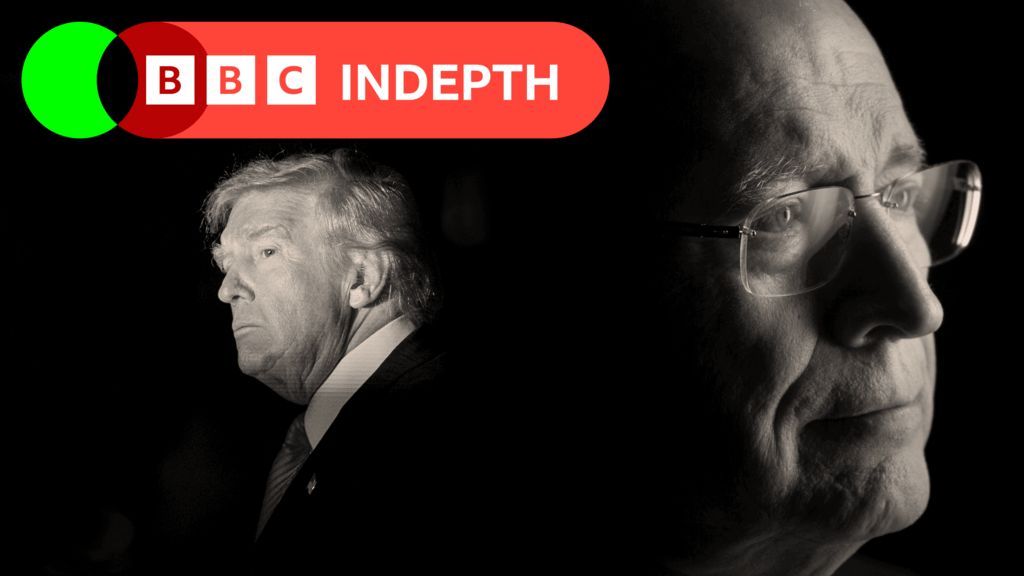
What Trump took from Dick Cheney’s political playbook
Dick Cheney, the former U.S. vice-president who passed away on Tuesday, played a pivotal role in reshaping the scope of presidential authority in the wake of the 9/11 terrorist attacks. His influence extended beyond his tenure, as Donald Trump now leverages the very mechanisms Cheney established to advance his own political objectives. Despite their personal and ideological differences, both leaders have significantly expanded the powers of the executive branch, often bypassing traditional checks and balances.
Cheney’s career in government spanned decades, beginning with his role in Richard Nixon’s administration and culminating in his influential position as vice-president under George W. Bush. The 9/11 attacks provided Cheney with a unique opportunity to redefine executive authority, enabling Bush to pursue the ‘war on terror’ with minimal constraints. This approach, as detailed in Barton Gellman’s 2008 book ‘Angler,’ was driven by a shared belief in the necessity of robust government action.
Today, Trump has inherited and further amplified these expanded powers, using them to justify actions such as military strikes and domestic surveillance. While Cheney’s policies were rooted in a post-9/11 sense of national unity, Trump’s agenda often lacks such consensus, leading to widespread public concern. Despite their differences, both leaders have demonstrated a willingness to deploy military force abroad and circumvent judicial oversight.
Cheney’s later years saw him become a vocal critic of Trump, particularly after the 2020 election. He warned of the dangers Trump posed to the republic, even endorsing Democrat Kamala Harris in 2024. Trump, in turn, dismissed Cheney as a proponent of ‘endless, nonsensical wars.’
The parallels between Cheney and Trump extend to their use of executive authority in areas such as military intervention, detention practices, and surveillance. Both leaders have pushed the boundaries of presidential power, often with controversial consequences. As the U.S. grapples with the legacy of Cheney’s policies and Trump’s ongoing actions, the debate over the limits of executive authority remains a central issue in American politics.
-
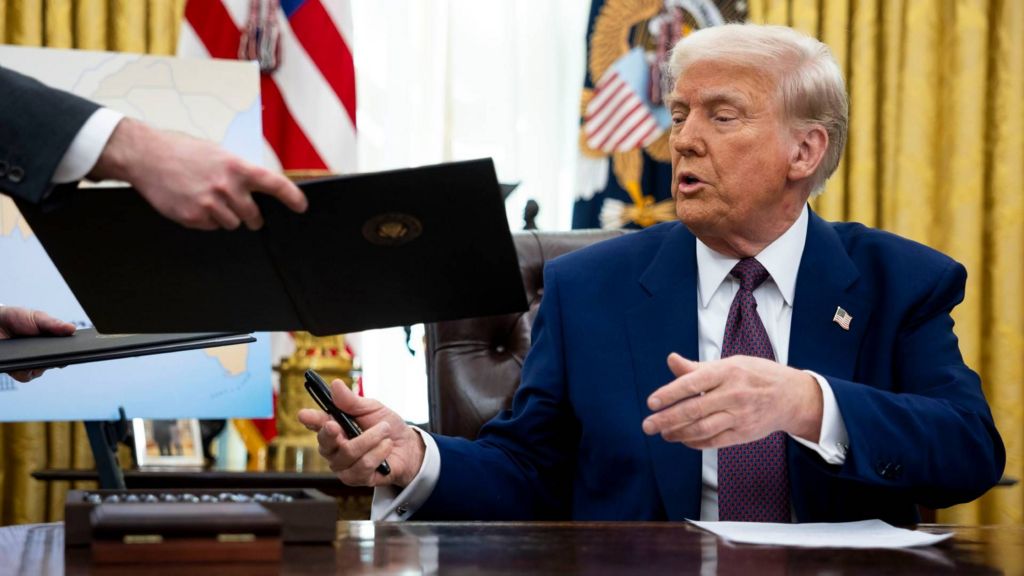
What happens if the Supreme Court rules Trump’s ‘reciprocal’ tariffs illegal?
The legality of former President Donald Trump’s sweeping global tariffs is set to be determined by the US Supreme Court. The highest court in the nation will assess whether Trump’s use of emergency powers to impose these tariffs constitutes an overreach of presidential authority. A hearing is scheduled for November 5, following a federal appeals court ruling that declared the tariffs illegal. These tariffs, announced in April, imposed a flat 10% rate on imports from all countries, a move Trump argued was necessary to address ‘unfair’ trade relations with the US. The case reached the Supreme Court after two lower courts ruled that Trump lacked the authority to implement such broad tariffs. The appellate court’s 7-4 decision rejected Trump’s claim that the International Emergency Economic Powers Act (IEEPA) permitted these tariffs, stating that the law does not grant the president the power to impose tariffs or taxes. Trump criticized the ruling, calling it ‘highly partisan’ and a ‘disaster’ for the country. The case originated from legal challenges by small businesses and a group of 12 US states. The Supreme Court’s decision could have significant implications for Trump’s political legacy, the US economy, and global trade relations. If the court upholds the lower courts’ rulings, it could lead to uncertainty in financial markets and questions about the validity of existing trade deals. Conversely, a ruling in Trump’s favor could embolden future presidents to use the IEEPA more aggressively. The conservative majority on the Supreme Court has frequently sided with Trump, but the court has also been critical of presidential overreach. The ruling will specifically address Trump’s ‘reciprocal tariffs,’ which include various rates on imports from countries like China, Mexico, and Canada. Tariffs imposed under Section 232, aimed at protecting national security, remain unaffected by this case.
-
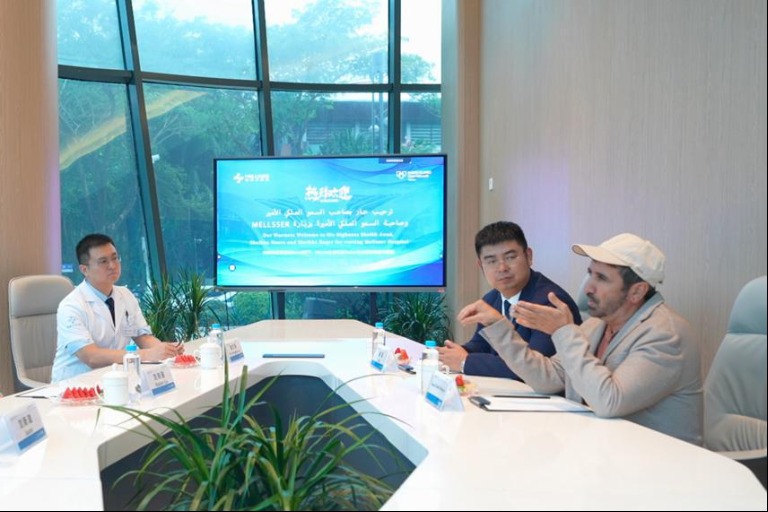
Hainan surpasses Dubai resident’s expectations
Awad Mohamed Bin AI Sheikh Magrin, the head of Dubai’s Travelers Festival Committee, recently embarked on a family trip to Boao, Hainan, which left him thoroughly impressed. ‘Hainan is a very beautiful island. I hadn’t expected it to be this beautiful until I came here,’ he remarked during his visit, which combined medical tourism with exploring the island’s investment potential. His connection to Hainan began in May during a significant meeting with a Hainan delegation in Dubai, where they discussed cooperation between the United Arab Emirates and the Hainan Free Trade Port. Having visited over a hundred countries, including Chinese cities and special administrative regions like Beijing, Guangzhou, Shenzhen, and Hong Kong, Awad noted that Hainan is ‘really very special.’
A central part of his trip was visiting the Hainan Mellsser Hospital in the Boao Lecheng International Medical Tourism Pilot Zone. Drawn by the Hainan Free Trade Port preferential policies, Mellsser Hospital is a key medical enterprise in Hainan province, which has been striving to align with international standards in recent years. ‘The medical expertise and advanced technology… It’s more than what I imagine,’ said Awad, adding that he was impressed to learn the hospital is a member of the Mayo Clinic Care Network. ‘This will give more trust for the medical travelers.’
He highlighted that the appeal of Boao Lecheng International Medical Tourism Pilot Zone, China’s sole ‘medical special zone,’ is perfectly suited for high-end patients. ‘Premium travelers often don’t want crowded places; they want clear air, good food, nice hospitality, a safe environment, and good medical treatment. This is all here in Boao.’ The seamless visa-free procedure and advanced facilities further solidified Awad’s positive impression. ‘My family is very happy to be here… even my wife was talking about inviting more of her family members here.’
Looking ahead, Awad sees a ‘very bright future’ for Hainan and strong potential for collaboration with Dubai. ‘I think Dubai and Hainan Free Trade Port can cooperate in fields like medical tourism, trade, and technology,’ he said, expressing confidence that many more from the Middle East will soon discover this tropical island.
-
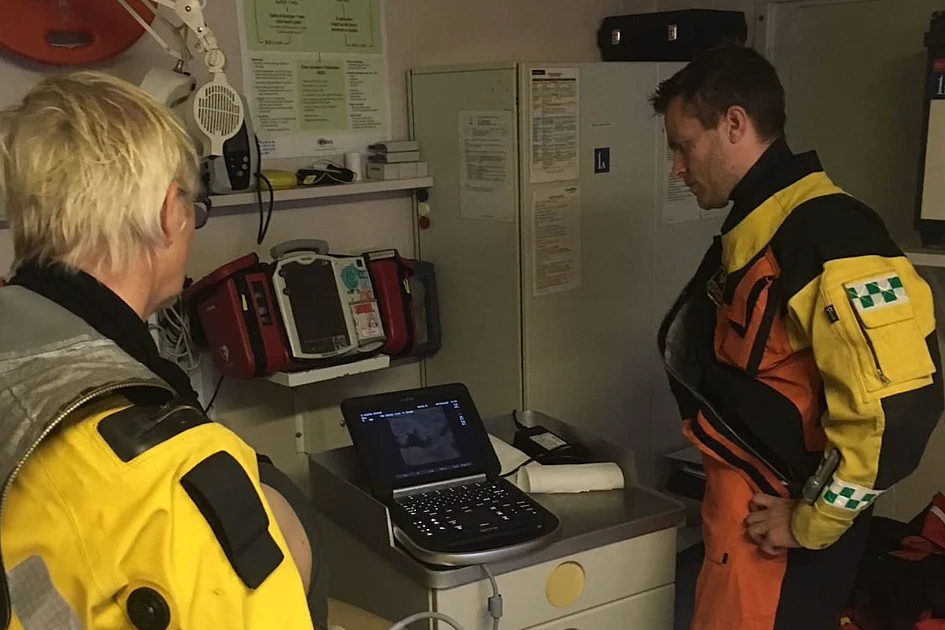
UAE: Tele-ultrasound machine wins $1 million prize for saving lives on oil rigs
A groundbreaking tele-ultrasound system developed by Norway’s University of Stavanger in collaboration with Equinor has been awarded the UAE’s $1 million Human Energy Health and Wellbeing Award at ADIPEC 2025. The portable ultrasound devices, linked via secure telemedicine software, enable nurses on offshore oil rigs to perform live scans under the real-time guidance of onshore radiologists. This innovation is already operational at five North Sea installations, with 40 nurses trained to conduct ultrasound examinations remotely. The technology has proven instrumental in making faster and safer medical decisions during emergencies, reducing unnecessary helicopter evacuations and identifying critical conditions promptly. Project lead Nina Hjertvikrem highlighted its impact, stating, “We can now look inside the body immediately and decide whether to manage the patient on-site or evacuate them.” The system’s success has also transformed the handling of respiratory and cardiac cases, offering precise diagnoses that were previously based on guesswork. Steven Wines, CEO of Prometheus Medical International and co-founder of the award, praised the project for its practical application in extreme environments. The Stavanger team plans to use the prize money to expand the program to other remote healthcare settings, including ambulances, ships, and rural clinics. The project exemplifies the award’s mission to recognize innovations that protect workers in challenging conditions. Additionally, Hindustan Petroleum Corporation Limited and the UAE’s NMDC Group were honored for their contributions to employee health and wellbeing.
-
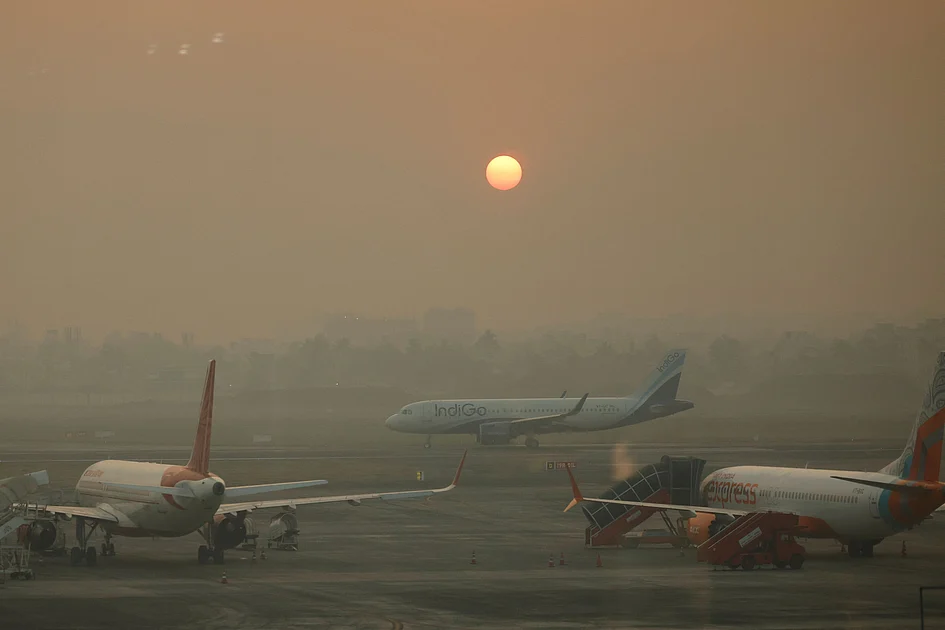
Easier flight refunds, free cancellations: India’s DGCA proposes new ticket rules
In a significant move aimed at enhancing passenger rights and streamlining air travel processes, India’s Directorate General of Civil Aviation (DGCA) has proposed a series of transformative changes to air ticket refund and cancellation policies. The draft Civil Aviation Requirement (CAR), released on November 4, 2025, introduces measures designed to address long-standing grievances related to ticket refunds and cancellations.
One of the most notable proposals is the introduction of a 48-hour ‘look-in period’ post-booking, during which passengers can cancel or amend their tickets without incurring additional charges, except for the standard fare. However, this provision will not apply to flights departing within five days for domestic routes or 15 days for international routes when tickets are booked directly through airline websites.
The DGCA has also emphasized that the responsibility for processing refunds for tickets purchased via travel agents or portals will rest solely with the airlines, as these agents act as their representatives. Additionally, airlines are mandated to complete the refund process within 21 working days.
Other key proposals include waiving charges for name corrections made within 24 hours of booking and offering refunds or credit shells for cancellations due to medical emergencies. These changes come in response to widespread concerns over delays and complexities in air ticket refunds.
The DGCA has invited feedback from stakeholders on the draft CAR until November 30, 2025, marking a step toward more consumer-friendly aviation regulations in India.
-
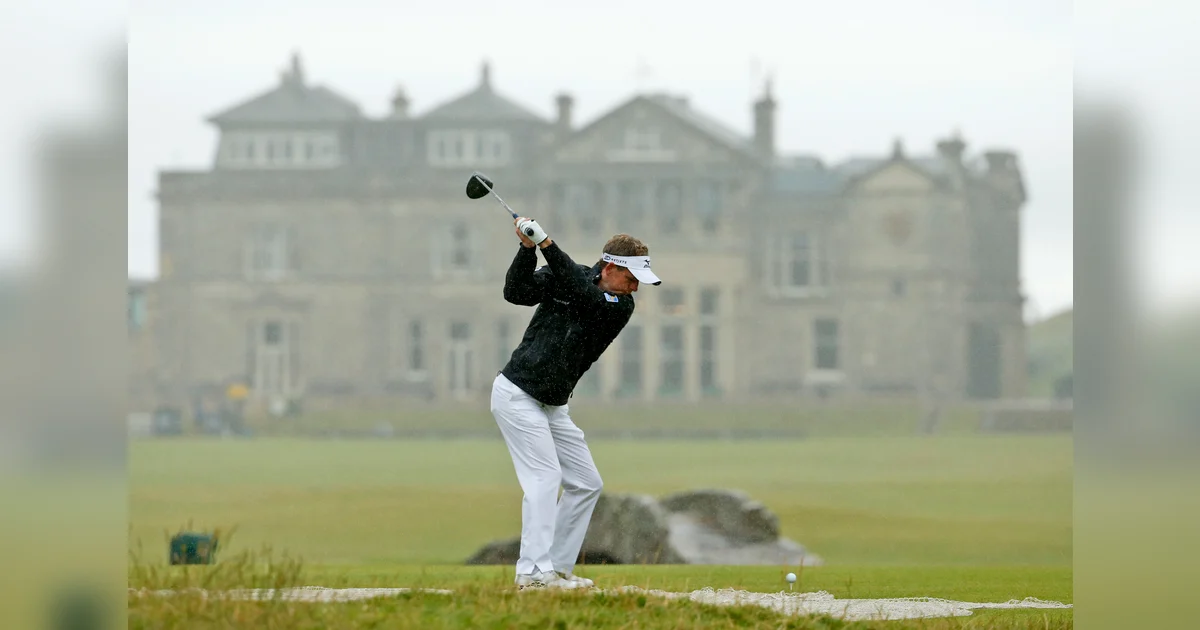
The Old Course at St. Andrews to undergo strategic enhancements for 2027 Open
The historic Old Course at St. Andrews, widely regarded as the birthplace of golf, is set to undergo a series of strategic enhancements in preparation for the 155th Open Championship in 2027. Established in 1552, this iconic links course has continually evolved over centuries, adapting to the demands of modern golf while preserving its rich heritage. The latest project, led by renowned golf course architects Mackenzie & Ebert, aims to refine the course’s challenges for elite players while restoring traditional features that enhance the experience for all golfers. Mark Darbon, Chief Executive of The R&A, emphasized the project’s respect for the course’s unparalleled history, stating that the changes are designed to balance competitive rigor with historical authenticity. Key modifications include increasing the total yardage by 132 yards to 7,445 yards, restoring historic bunkers, and adjusting several holes to improve strategic play. The 16th hole, for instance, will see the restoration of its historic playing route and the addition of two bunkers to heighten risk. Despite these changes, the course’s signature challenges—wind, fast-running fairways, and iconic bunkers—will remain intact, ensuring it continues to test even the world’s best players. The Old Course has hosted The Open 30 times, most recently in 2022, when Cam Smith claimed victory with a score of 20 under par. While purists often debate the necessity of such enhancements, the project underscores the course’s enduring relevance in the modern game. As Rory McIlroy aptly noted, winning an Open at St. Andrews remains one of golf’s greatest achievements. The 2027 Open promises to be a celebration of tradition, innovation, and the timeless allure of this legendary course.