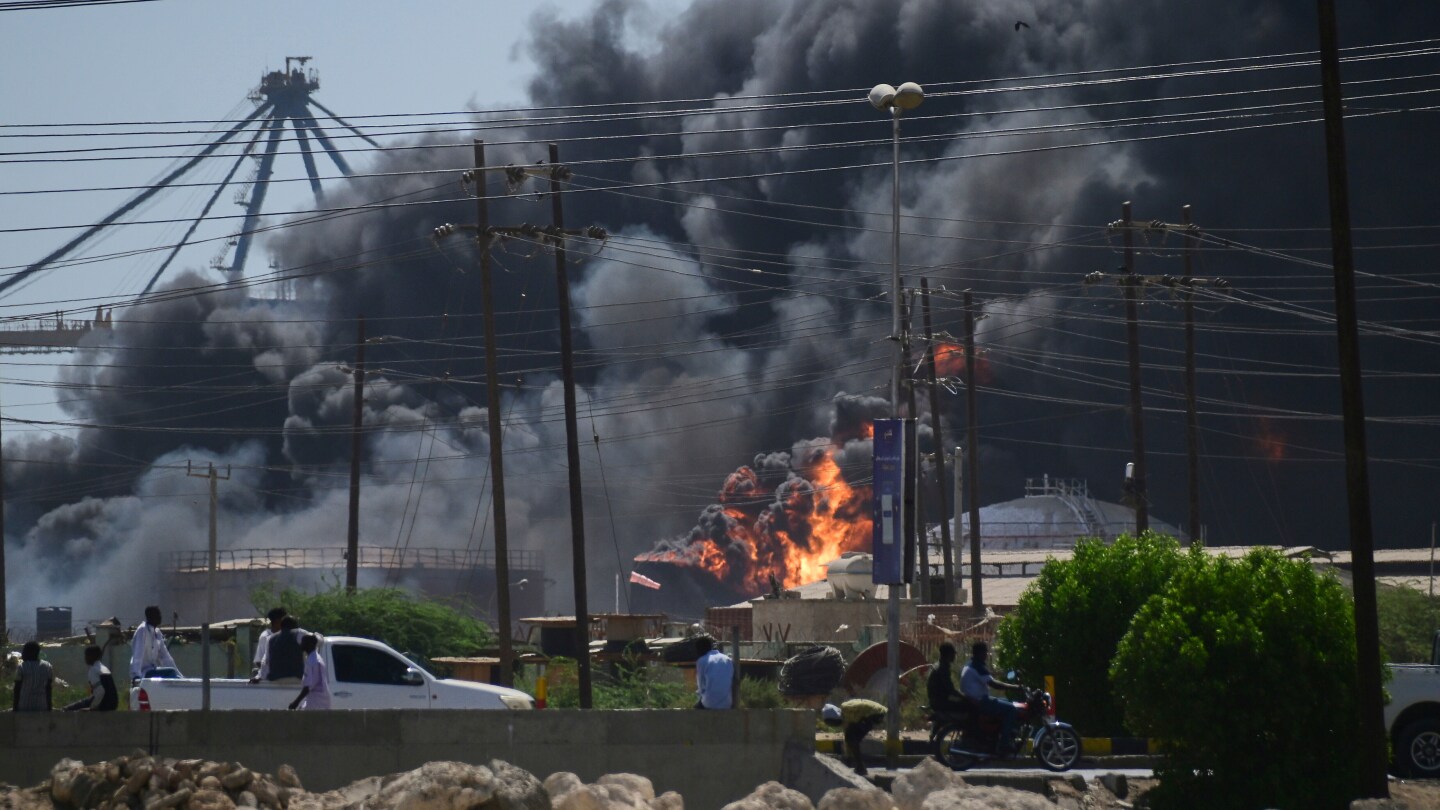
For over two years, Sudan has been engulfed in a devastating civil war between its military and the paramilitary Rapid Support Forces (RSF), with both sides accused of committing atrocities and exacerbating a humanitarian crisis. The conflict, which began in 2023, has claimed at least 40,000 lives, though aid groups estimate the toll to be significantly higher. The war has also triggered the world’s worst humanitarian crisis, with widespread starvation and displacement.
博客
-
‘Stenography’: BBC report inside Gaza rekindles criticism over genocide coverage
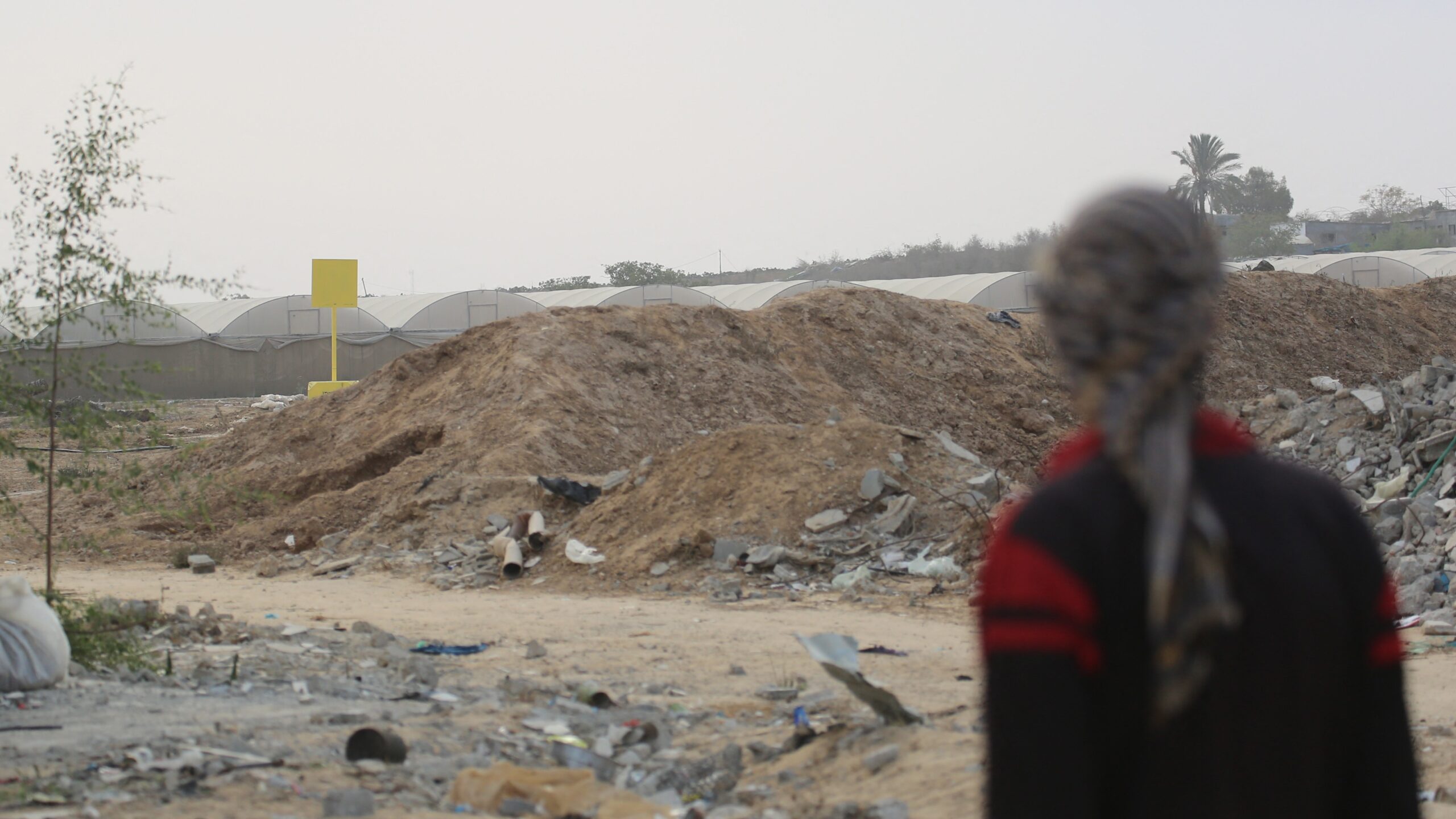
The BBC’s recent report from Gaza has ignited a firestorm of criticism across social media and among journalists, with accusations of biased framing and restricted access dominating the discourse. The article, titled ‘Inside Gaza, BBC sees total devastation after two years of war,’ featured Middle East correspondent Lucy Williamson, who was granted limited access to the enclave under the supervision of the Israeli military. The report acknowledged that the visit was tightly controlled, with no interaction allowed with Palestinians or access to other parts of Gaza. It also revealed that the Israeli military reviewed the material before publication, though the BBC maintained editorial control throughout. Critics argue that the report’s framing of the conflict as the ‘Gaza War’ rather than a genocide, as recognized by the United Nations, reflects a pro-Israel bias. The UN has documented over 70,000 Palestinian deaths in the ongoing assault. Journalist Richard Sanders led the charge with a scathing critique on X, highlighting the report’s reliance on unchallenged ‘Israel says’ statements and its failure to address the systematic destruction of Gaza. Other media analysts echoed these concerns, pointing to a broader issue in Western media’s coverage of the conflict. Social media users further condemned the BBC for its handling of a leaked video showing the rape of a Palestinian boy in an Israeli prison, accusing the outlet of sanitizing the story by focusing on the video leak rather than the crime itself. The Centre for Media Monitoring compared the BBC’s headline to that of Middle East Eye, which explicitly named the ‘Palestinian prisoner rape scandal,’ highlighting the BBC’s erasure of context. UN special rapporteur Francesca Albanese and British actor John Cleese also joined the chorus of criticism, with Cleese stating he no longer trusts BBC News. The backlash underscores growing frustration with the BBC’s perceived complicity in distorting the realities of the Gaza conflict.
-
Kazakhstan, which already has full ties with Israel, to join Abraham Accords: Report
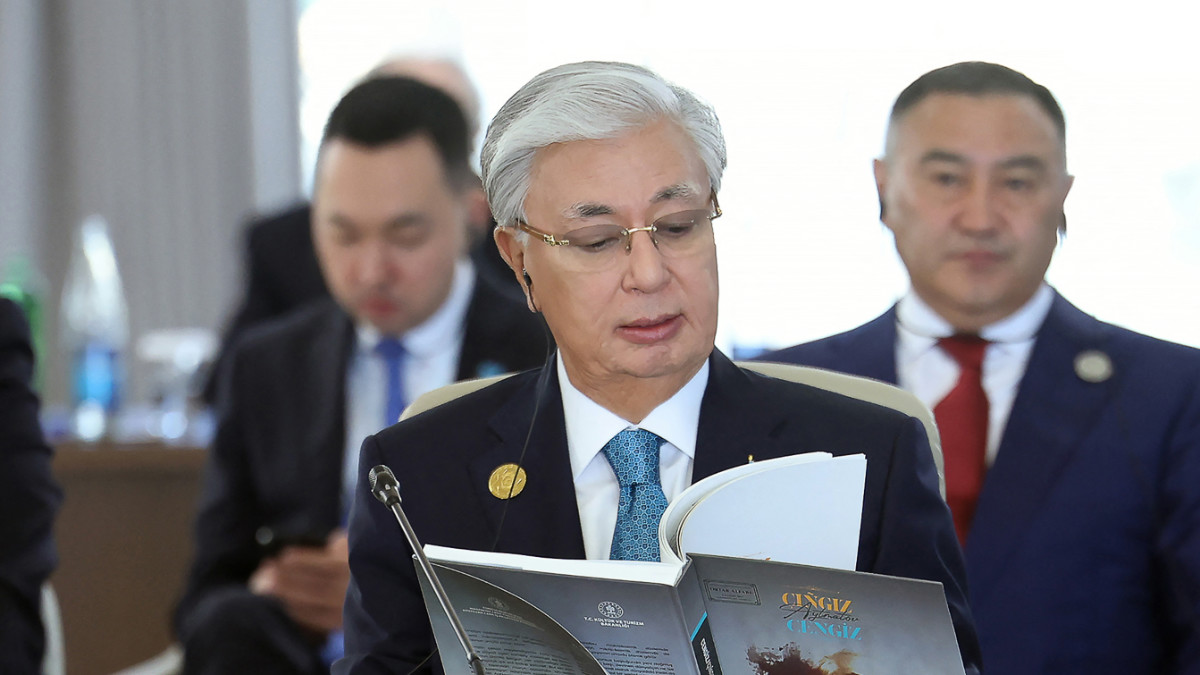
Kazakhstan is set to announce its participation in the Abraham Accords on Thursday, according to multiple U.S. media reports. This move, largely symbolic, comes as the Central Asian nation already maintains diplomatic relations with Israel, established in 1992 shortly after Kazakhstan’s independence from the Soviet Union. The announcement is expected to be made during Kazakh President Kassym-Jomart Tokayev’s visit to the White House, alongside U.S. President Donald Trump. Kazakhstan, a Muslim-majority country with a significant Orthodox Christian population, has historically maintained a muted approach to religion in public life, influenced by its Soviet legacy. The Abraham Accords, brokered during the Trump administration in 2020, initially normalized relations between Israel and four Arab nations—Morocco, Bahrain, the UAE, and Sudan—none of which had formal ties with Israel prior to the agreements. Kazakhstan’s inclusion marks the first instance of a country with pre-existing diplomatic relations with Israel joining the accords. While the U.S. has framed the accords as a historic breakthrough, critics, particularly advocates of the Palestinian cause, view them as a betrayal. The accords have also been seen as a strategic move to counter Iran and strengthen economic ties, particularly in technology. Kazakhstan and Israel already enjoy stable economic relations, making the impact of this decision uncertain.
-
Japan resumes seafood exports to China 2 years after Fukushima wastewater release
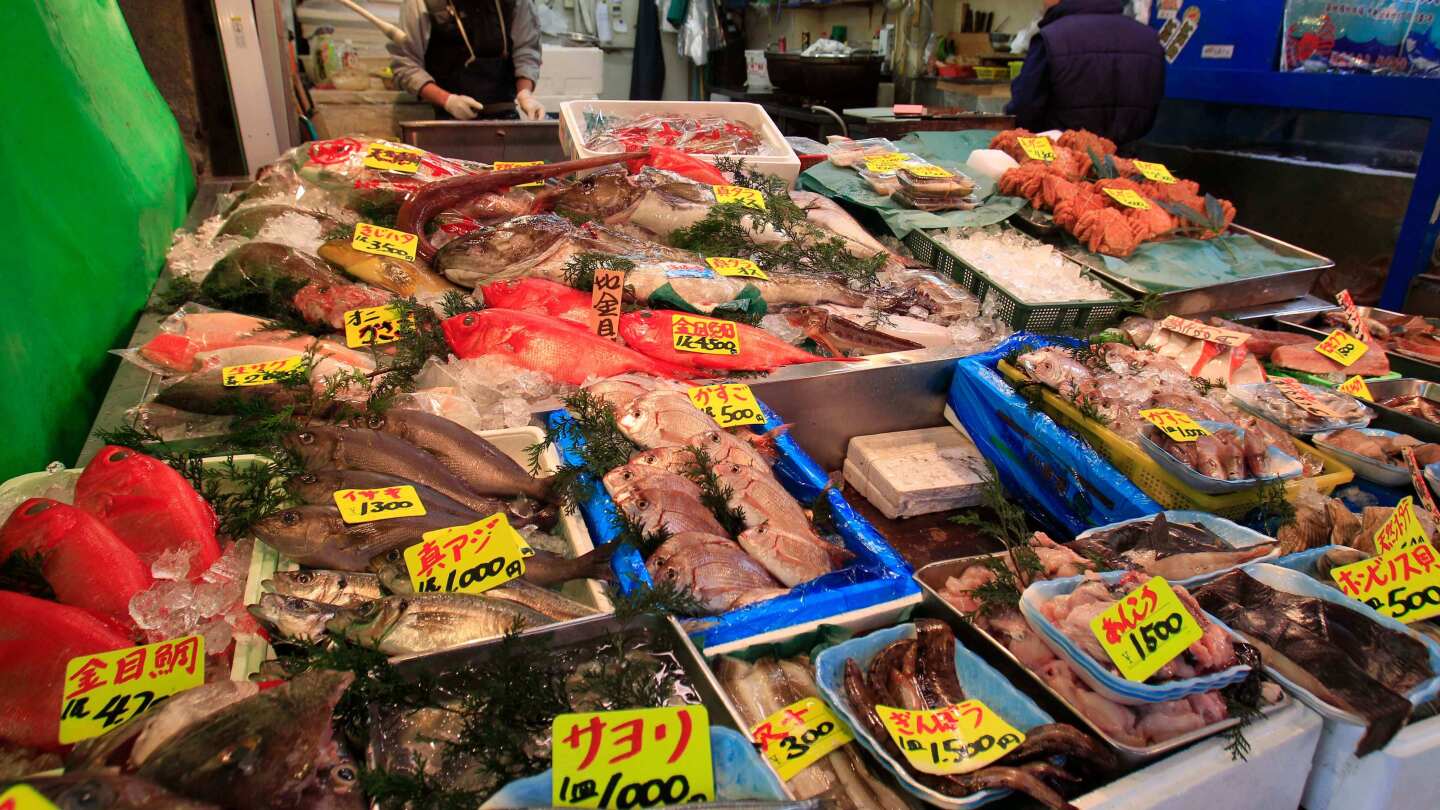
In a significant development for Japan’s seafood industry, the country has resumed exports to China for the first time since Beijing imposed a ban in August 2023. The ban was a response to Japan’s release of treated radioactive wastewater from the Fukushima Daiichi nuclear power plant, which suffered meltdowns following the 2011 earthquake and tsunami. On Friday, Chief Cabinet Secretary Minoru Kihara announced that 6 metric tons of scallops from Hokkaido were shipped to China on Wednesday, marking the first such shipment in over two years. This move follows months of negotiations between the two nations, culminating in China’s decision in June to ease the ban. However, restrictions remain on seafood from Fukushima and nine nearby prefectures, imposed immediately after the 2011 disaster. Kihara emphasized the government’s optimism about this development and urged China to expedite the re-registration of pending applications for Japanese seafood exporters. The Fukushima wastewater issue has been a contentious topic domestically and internationally, with concerns about reputational damage to the region’s produce and its impact on Japan’s relations with neighbors like China and South Korea. The International Atomic Energy Agency (IAEA) has supported Japan’s plan, confirming that the treated wastewater meets international safety standards and poses negligible risk to the environment and human health. Japan continues to advocate for the lifting of remaining bans, including those on beef imports, as it seeks to rebuild its seafood trade with its largest overseas market.
-
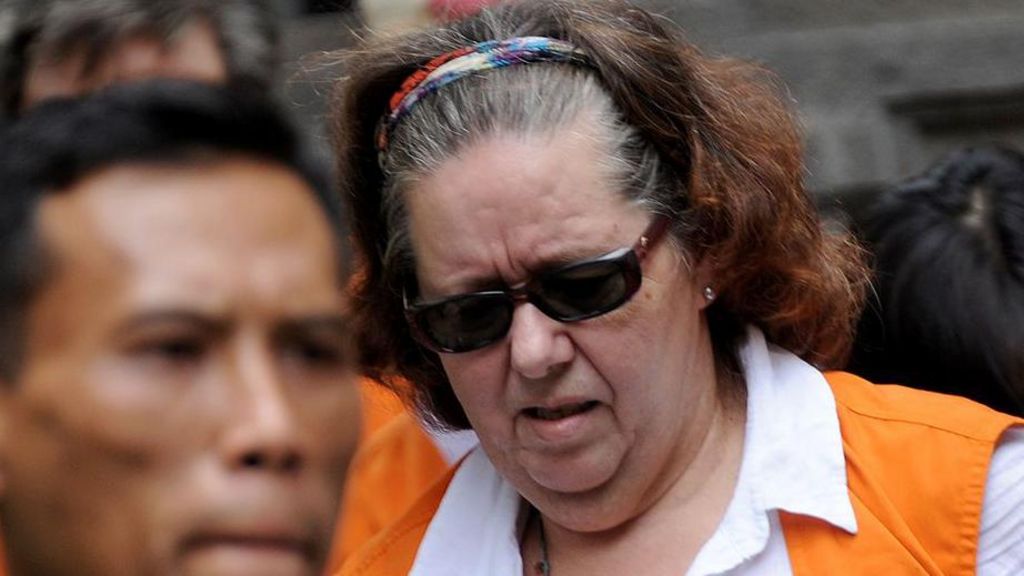
British grandmother flies home after 12 years on Indonesian death row
Lindsay Sandiford, a 69-year-old British grandmother, has finally returned to the UK after spending 12 years on death row in Indonesia for drug trafficking. Sandiford, who was convicted in 2013 for carrying nearly 5kg of cocaine worth £1.6 million ($2.1 million) upon her arrival in Bali from Thailand in 2012, was repatriated on humanitarian grounds. Her release was part of a bilateral agreement between the UK and Indonesian governments. She was accompanied by Shahab Shahabadi, another British national who had been serving a life sentence for drug smuggling. Both individuals reportedly suffered from severe health issues during their imprisonment. Sandiford, who appeared in a wheelchair at a press conference hours before her departure, claimed she was coerced into transporting the drugs under threats to her son’s life. Indonesia, known for its strict drug laws, has recently released several high-profile detainees, including members of the ‘Bali Nine’ drug ring. The UK’s Deputy Ambassador to Indonesia, Matthew Downing, emphasized that the repatriation was based on humanitarian considerations and that both individuals would receive necessary medical treatment upon their return, in accordance with UK laws and procedures.
-
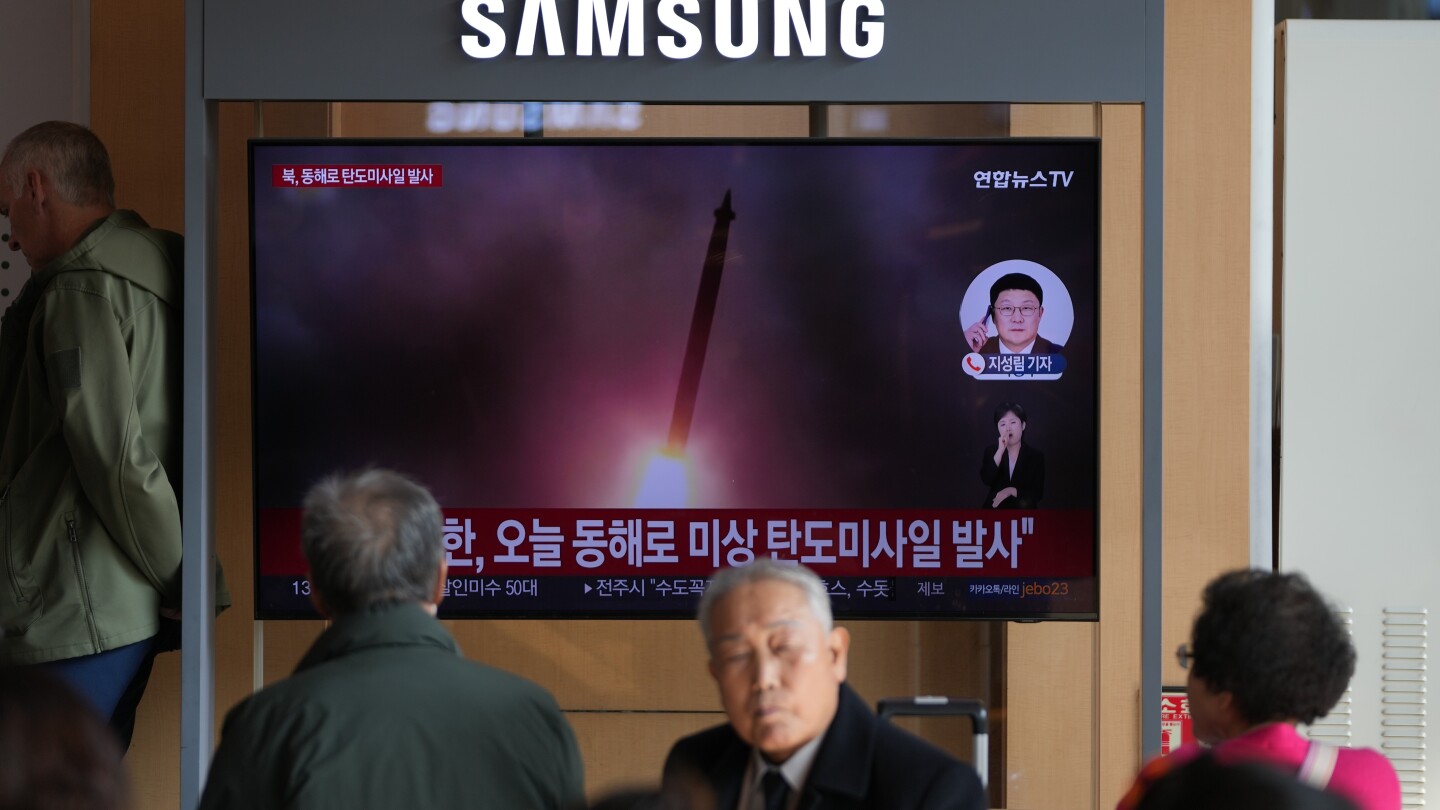
South Korea says North Korea fired at least 1 ballistic missile toward its eastern waters
North Korea launched at least one ballistic missile toward its eastern waters on Friday, according to South Korea’s military. This latest provocation underscores Pyongyang’s intensified weapons testing activities, which have surged in recent weeks. The South Korean Joint Chiefs of Staff did not disclose specific details about the missile’s type or flight range. This incident follows a series of recent tests, including the firing of hypersonic and cruise missiles last month, which North Korea claims have enhanced its nuclear capabilities. Earlier this week, North Korea also conducted artillery drills, firing 10 rounds into its western waters as U.S. Defense Secretary Pete Hegseth began a two-day visit to South Korea. The artillery exercises were repeated on Saturday, coinciding with a summit between South Korean President Lee Jae Myung and Chinese President Xi Jinping in Gyeongju. During the summit, Lee urged Beijing to play a more active role in persuading North Korea to resume dialogue with Washington and Seoul. Hegseth, following annual security talks with South Korean officials, commended South Korea’s plans to increase military spending in response to North Korean threats and regional uncertainties. North Korean leader Kim Jong Un has consistently avoided diplomatic engagements with the U.S. and South Korea since talks with former U.S. President Donald Trump collapsed in 2019. Kim has instead focused on expanding his nuclear and missile programs, including the development of intercontinental ballistic missiles capable of targeting U.S. allies in Asia and the U.S. mainland. At a recent military parade in Pyongyang, attended by officials from Russia, China, and Vietnam, Kim showcased advanced weapons, signaling potential future tests. North Korea has also denounced U.S. sanctions targeting its cybercrime activities, accusing Washington of hostility and vowing countermeasures. Experts interpret these actions as indications that Pyongyang has no immediate plans to return to negotiations.
-
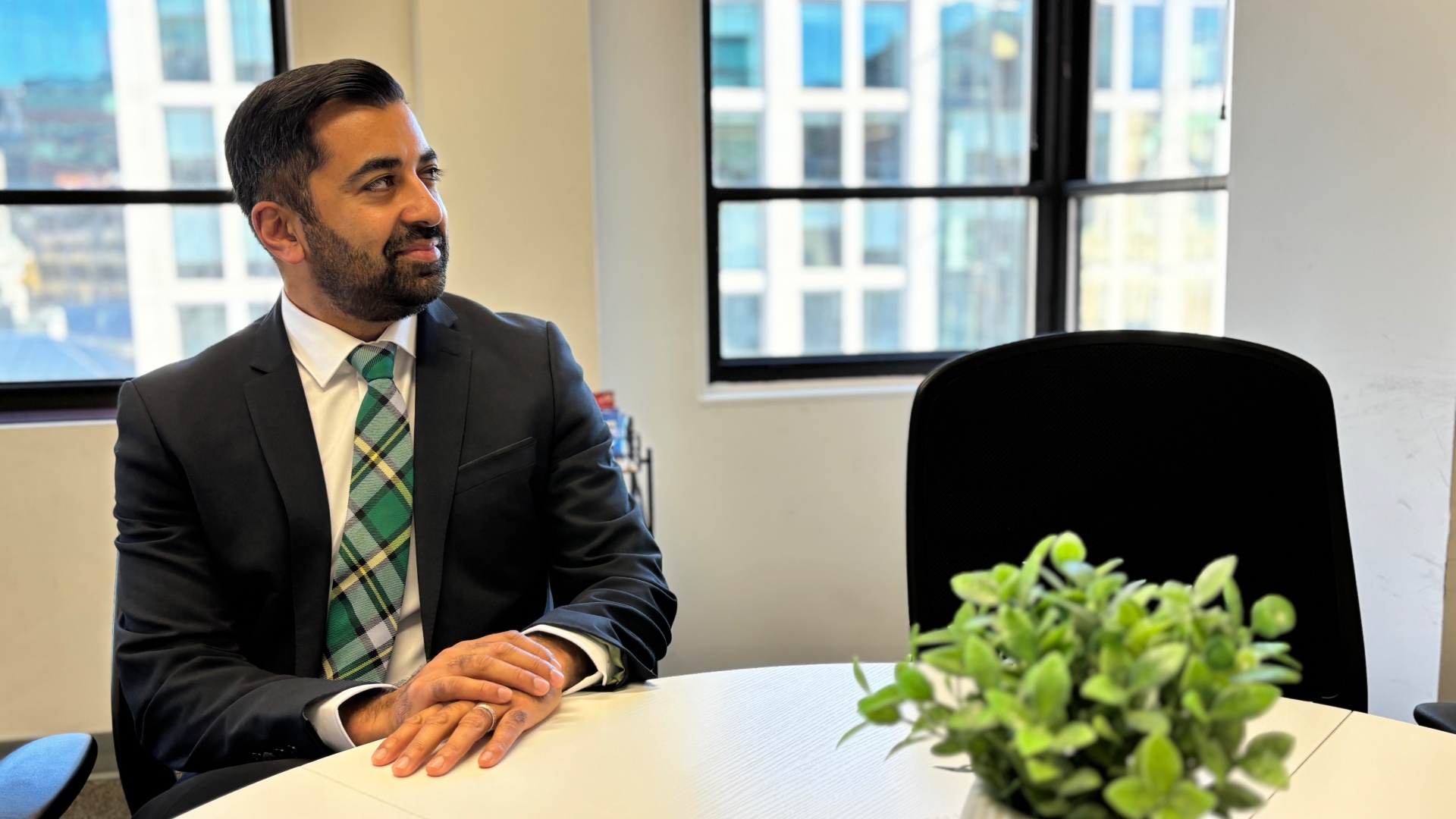
After Mamdani’s win, this is what another history-making Muslim leader wants you to know
Fresh from an eight-hour flight from the UK to Washington, DC, Humza Yousaf, the former First Minister of Scotland, greeted a small gathering of Muslim community members with a clever twist on the Eid greeting, using the name of New York City’s mayor-elect, Zohran Mamdani. The phrase, ‘Zohran Mubarak,’ drew cheers and applause, setting the tone for a visit that was about much more than celebration. Yousaf, the first Muslim to lead a Western nation, was there to listen, offer guidance, and foster connections. ‘You are not guests of the west. You are building the west,’ he declared, emphasizing the integral role of Muslim Americans in shaping the nation. Yousaf, who has faced his share of institutionalized bullying and threats, urged the community to remain resilient against the rising tide of far-right extremism. Drawing from his own experiences, he warned that the challenges for Mamdani, the newly elected mayor, would only intensify. ‘When I was first minister, the death threats we received were so credible, we had to have additional security for our family,’ he shared with Middle East Eye. Yousaf’s US tour, spanning Washington, DC, Chicago, Phoenix, and Los Angeles, aims to build ‘support networks’ and mentor the next generation of Muslim leaders. With two decades of political experience, Yousaf hopes to use his platform to empower Muslims in public service. ‘We have the scars from that, metaphorically speaking. And therefore, I think we’re able to advise others who are thinking of going into politics,’ he said. Yousaf, who served as First Minister of Scotland during the early months of Israel’s conflict in Gaza, has been a vocal advocate for Palestinian rights. His wife, Nadia el-Nakla, is of Palestinian heritage, and her family’s ordeal in Gaza has deeply impacted him. ‘It’s incumbent on us that we build a transatlantic alliance to tackle anti-Muslim hatred,’ Yousaf asserted, highlighting the need for a united front against Islamophobia. He criticized figures like Elon Musk and far-right extremists for perpetuating anti-Muslim rhetoric and called for stronger social media regulation. Despite the challenges, Yousaf remains committed to the fight for democracy and equality. ‘If we all leave, then who’s here to fight?’ he asked, emphasizing the importance of standing firm against forces that seek to marginalize Muslims. Yousaf’s message is clear: the Muslim community must continue to lead and inspire, proving that victory is possible, as demonstrated by Mamdani’s historic election win.
-
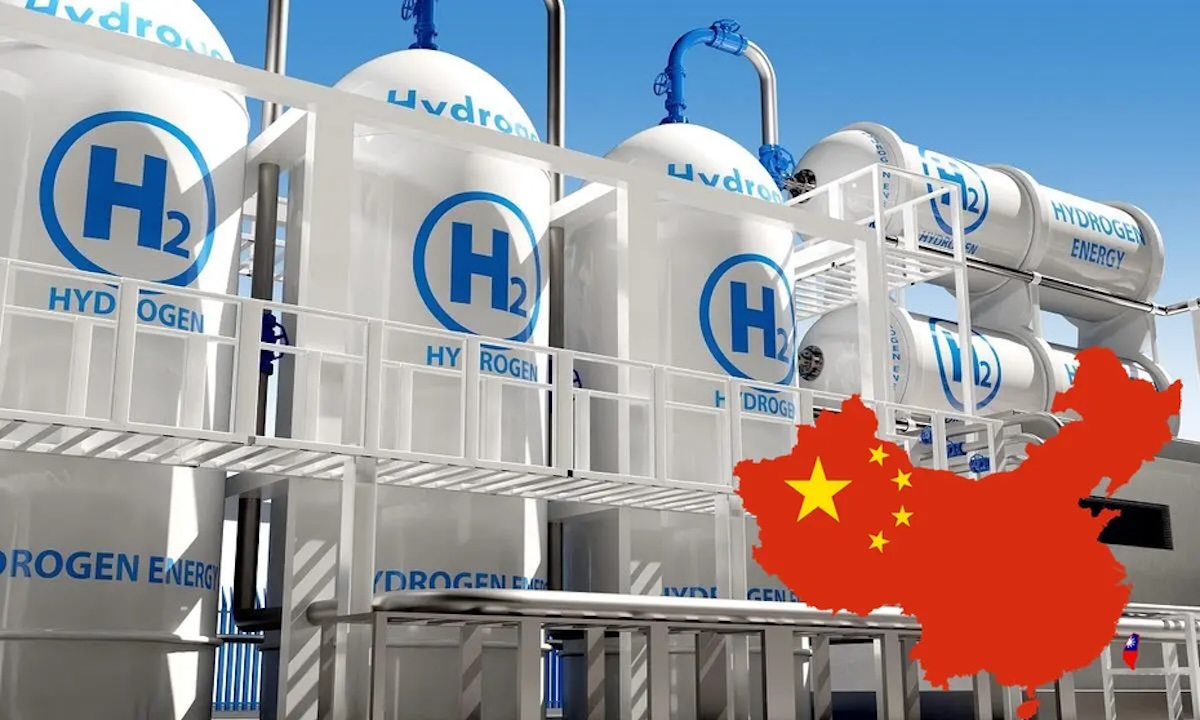
China’s hydrogen electrolyzer dominance – and global risks
The global energy sector is undergoing a significant transformation, with low-carbon hydrogen emerging as a cornerstone of decarbonization efforts. While most hydrogen is currently produced from fossil fuels, the demand for low-carbon hydrogen is projected to skyrocket, with the market expected to grow from $26.39 billion in 2024 to $113.1 billion by 2034. At the forefront of this burgeoning hydrogen economy is China, which has rapidly become a dominant force in the global electrolyzer market, a critical component for hydrogen production. Over the past six years, Chinese firms have increased their share of global electrolyzer manufacturing capacity from 5% to 60%, with six of the top ten manufacturers now based in China. China’s dominance is particularly evident in alkaline (AWE) technology, where it controls 85% of global manufacturing capacity, thanks to over 40 years of experience and a highly integrated supply chain. While European and US companies have traditionally led in proton exchange membrane (PEM) technology, China is closing the gap through substantial state subsidies, reducing PEM electrolyzer prices by 40% between 2022 and 2024. By 2024, China not only became the world’s leading hydrogen producer but also accounted for nearly half of global green hydrogen output. This expansion is part of a deliberate national strategy, mirroring China’s earlier successes in solar PV and wind turbine sectors. However, challenges such as overcapacity, low efficiency, and limited technological adaptability persist, creating opportunities for alternative technologies and international partnerships. China’s hydrogen strategy, codified in the Hydrogen Industry Medium-and Long-Term Plan (2021–2035), aims for 50,000 fuel-cell vehicles, a nationwide refueling network, and significant low-carbon hydrogen output by 2024. State-owned enterprises like Sinopec and CNPC, along with major automakers such as SAIC Motor and BAIC Group, are heavily investing in hydrogen development. Chinese firms are also exporting hydrogen technology globally, with projects in countries like Namibia. Despite its dominance, China’s overcapacity and technological limitations highlight the need for innovation in next-generation solutions like solid oxide electrolyte (SOE) technology, which shows promise in industrial decarbonization and powering data centers. As the hydrogen sector evolves, investing in alternative technologies and diversified partnerships will be crucial for a resilient and sustainable hydrogen future.
-
US Democrats still face big questions, despite election wins
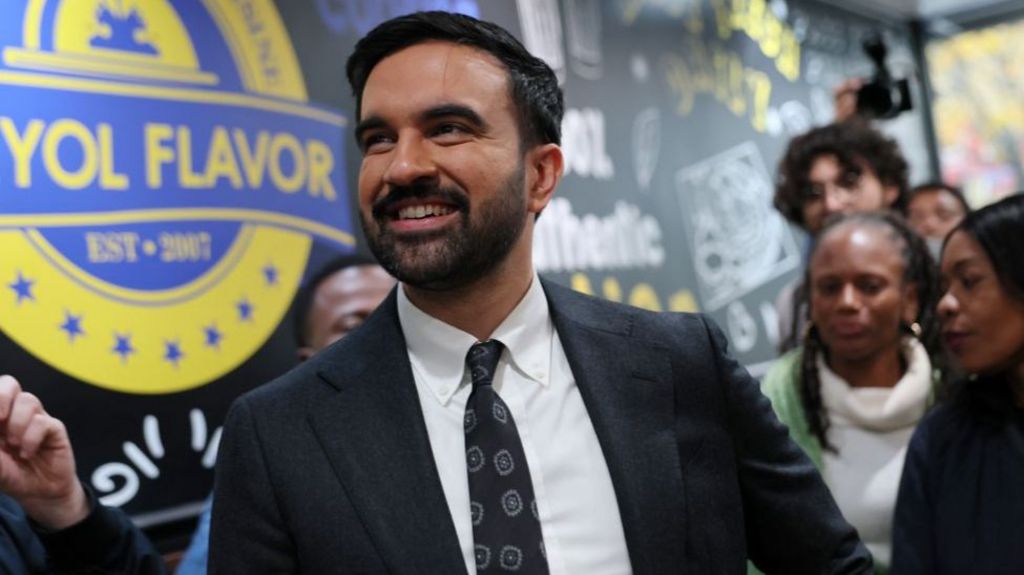
In a significant turn of events, the Democratic Party has secured crucial victories in three pivotal elections, marking a potential resurgence after a year of setbacks. The wins in New York, Virginia, and New Jersey have reignited debates about the party’s future direction as it prepares for the 2026 midterms and beyond.
-
Peru Congress declares Mexican president ‘persona non grata’
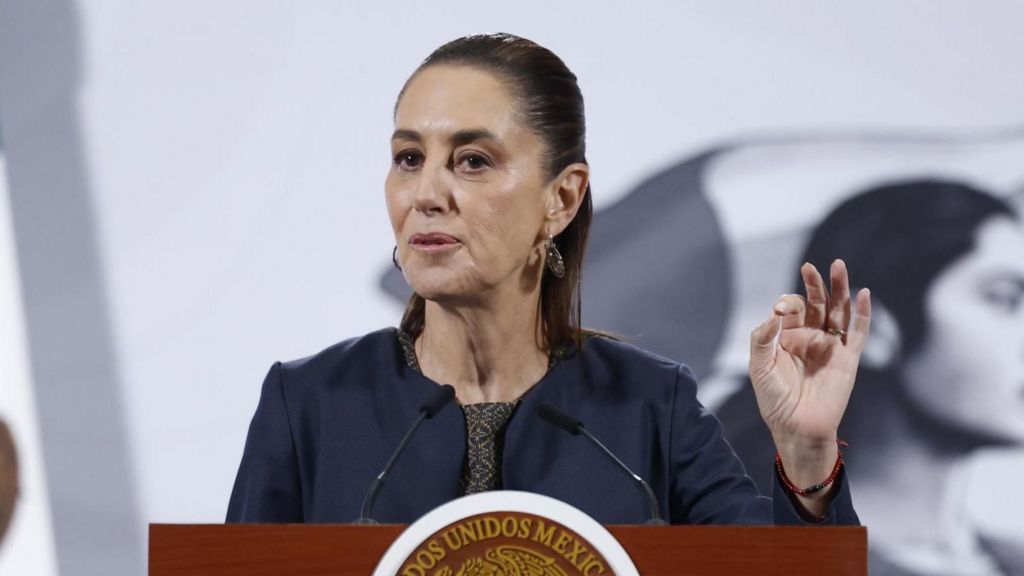
In a significant diplomatic escalation, Peru’s Congress has officially declared Mexican President Claudia Sheinbaum as ‘persona non grata,’ effectively barring her from entering the country. This decision follows Peru’s recent severance of diplomatic ties with Mexico, triggered by Mexico’s decision to grant asylum to former Peruvian Prime Minister Betssy Chávez. Chávez faces charges related to her alleged involvement in a 2022 coup attempt led by ousted President Pedro Castillo, who sought to dissolve Peru’s Congress. She has since taken refuge in the Mexican embassy in Lima. Mexico has defended its actions, asserting that the asylum offer complies with international law and rejecting Peru’s characterization of the move as ‘unfriendly.’ The Peruvian Congress passed the declaration with a 63-33 vote, further straining relations between the two Latin American nations. During the proceedings, Peruvian legislators also accused Sheinbaum of having ties to drug trafficking, though no evidence was provided to substantiate these claims. Chávez, who was imprisoned in June 2023 and later released on bail in September, denies all charges, while prosecutors are seeking a 25-year sentence. Peruvian Foreign Minister Hugo de Zela criticized Mexico for allegedly portraying coup leaders as victims and accused Mexico of repeatedly interfering in Peru’s internal affairs. This incident marks the latest in a series of diplomatic clashes between the two countries, including the 2022 expulsion of Mexico’s ambassador after asylum was granted to Castillo’s family. Last September, Peru’s Foreign Relations Committee had already proposed declaring Sheinbaum ‘persona non grata’ for her perceived support of Castillo.