博客

  • A Venezuelan doctor in ICE custody misses husband’s asylum interview after being detained at airport

    A Venezuelan doctor in ICE custody misses husband’s asylum interview after being detained at airport

    A years-long wait for a critical asylum interview ended in chaos and detention this week, after a Venezuelan-born physician serving a medically underserved South Texas community was taken into immigration custody at McAllen International Airport, keeping her from the appointment she and her husband had prepared for over 10 years.

    On Thursday, Milenko Faria, the asylum seeker husband, appeared alone at the U.S. Citizenship and Immigration Services (USCIS) office outside Los Angeles. Meanwhile, his wife 33-year-old Dr. Rubeliz Bolivar, who had been set to join him, began her sixth day behind bars in a Texas immigration detention center. The couple’s 5-year-old American-born daughter was also detained alongside Bolivar when Border Patrol agents arrested her last Saturday, as she prepared to board a flight to California to reunite with Faria for the joint interview.

    Bolivar is not the only Venezuelan medical provider to be swept up in recent immigration enforcement in South Texas. Just one week prior, another Venezuelan doctor, Dr. Ezequiel Veliz, was detained at a local checkpoint on April 6; an immigration judge ultimately ordered his release just this Wednesday, according to his defense attorney Victor Badell.

    Since starting her emergency room residency at a McAllen hospital in June 2025, Bolivar has worked in a region federally classified as medically undersigned, filling a critical gap in local healthcare access for the border community of roughly 150,000 residents. Faria, who has worked as an information systems technician at a California employer since 2019, described his wife as deeply committed to her patients and the community they serve.

    “We have never broken any U.S. law. We followed every regulatory step required to pursue permanent residency, completely by the book,” Faria told The Associated Press in a phone interview, adding that Bolivar first entered the U.S. on a valid tourist visa in 2016, shortly after graduating from medical school in her native Venezuela.

    Before her initial authorized stay expired, Bolivar was added to the asylum application Faria had already filed. The couple has also pursued employment-based green cards through a skilled worker petition sponsored by Faria’s California employer. For years, they were protected from deportation under Temporary Protected Status (TPS), a federal program that shields eligible migrants from designated crisis-hit countries from removal. But the Trump administration moved to terminate TPS protections for Venezuela, along with Haiti, Syria, Afghanistan, Nicaragua and other nations, a policy that is currently being challenged in federal court.

    The Department of Homeland Security (DHS) has defended the arrest, asserting that Bolivar lacked legal status. DHS spokesperson Lauren Bis stated that Bolivar “overstayed her visa since 2017, nearly a decade, and had no legal status.” But Faria and local immigration advocates push back on that claim, noting that Bolivar carried a valid Real ID-compliant Texas driver’s license and active work authorization valid through 2030 at the time of her arrest, and was in the process of adjusting her immigration status to obtain permanent residency.

    South Texas immigration attorney Jodi Goodwin said a noticeable shift in enforcement policy targeting people with pending USCIS applications emerged around the fall of 2025. “It just became a very apparent trend where anyone that had some kind of application pending with USCIS, whether it was an adjustment of status or asylum, anything like that, they were going to be arrested,” Goodwin explained.

    Before her residency, Bolivar lived with Faria in Santa Maria, California. She relocated to South Texas last summer to take up her residency position, and Faria traveled to visit his wife and daughter every two months. The trip to California for the asylum interview marked Bolivar’s first domestic travel since moving to Texas.

    When Bolivar arrived at McAllen’s airport, she was taken into custody by Customs and Border Protection officers before passing through security screening, even after presenting her valid identification and work authorization. After confirming her Venezuelan nationality, officers demanded proof of legal permanent residency — a status the couple was actively seeking through the asylum interview she was on her way to attend — and detained her on the spot, Faria recounted, adding that he received text messages from his wife in real time as her arrest unfolded.

    Their 5-year-old citizen daughter was held alongside Bolivar for 19 hours before being released to her grandfather, and has since been reunited with Faria in California. Bolivar was transferred to U.S. Immigration and Customs Enforcement custody Sunday and is currently being held at the El Valle Detention Facility in Texas. Faria said his wife has repeatedly asked officials for an explanation of her detention but has not received any formal response to date.
  • School shootings a new trauma for Turkey as nation mourns

    School shootings a new trauma for Turkey as nation mourns

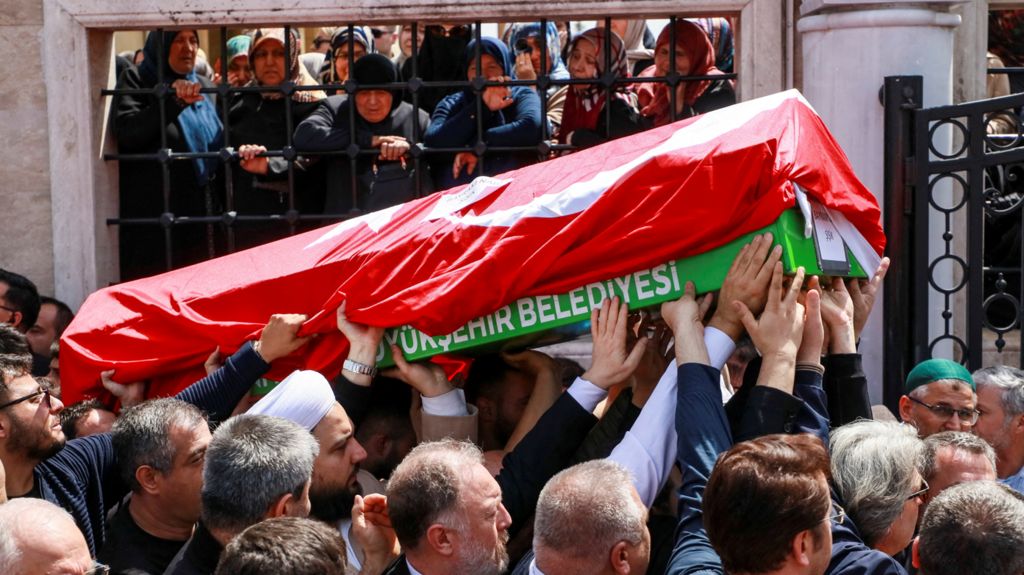
    On a gray, somber day in Kahramanmaras, a southeastern Turkish city long known for its creamy, renowned pistachio ice cream, a grim procession unfolded outside a local morgue. A dozen men stepped forward quickly to lift a simple wooden coffin, and those watching caught their breath when they felt how light it was: it held the body of just a 10-year-old child. Behind the group of bearers walked the boy’s father, held upright by relatives flanking his sides, his entire frame bent under the unbearable weight of unthinkable loss. “Oh, my martyred child,” he wailed into the quiet air, “oh my darling.”

    This 10-year-old boy was one of eight children cut down in a shooting rampage that shook Turkey on Wednesday, carried out by a 14-year-old fellow student who also took the life of a teacher before being killed at the scene. The attack marks the first deadly mass school shooting in Turkish history, a new, horrific milestone for a country that had previously avoided this particular type of public tragedy that has become all too common in other parts of the world.

    As coffins wrapped in the red and white Turkish flag were carried out one by one, hundreds of grieving relatives, neighbors and first responders crowded the surrounding streets, their sorrow mixing with raw anger. One woman shouted angrily at a line of standing police officers, repeating “Too late, too late” through her tears, blaming authorities for failing to stop the attack and save the children. Another demanded the teenage attacker be publicly hanged in the city’s main square, a demand that went unanswered – the gunman had already died at the scene before any arrest could be made.

    Outside the city’s main mosque, a mother leaned over the casket of her 10-year-old daughter Zeynep, her shoulders shaking with sobs as she stroked the flag covering the wood. From the family home, just steps away from Ayser Calik Secondary School, she had heard the gunshots that ended her child’s life, shots that have sent shockwaves across the entire country. Zeynep’s uncle Mahmut described his niece as a clever, respectful girl who had her whole life ahead of her. “She became an angel, and she flew away,” he told reporters, his voice breaking with emotion. “My only wish is to have more security at the schools, so this does not happen again. This pain landed on us. I do not want it to fall on anyone else.”

    The Kahramanmaras shooting was the second school attack in the same region in 48 hours. Just a day earlier, a former student entered another local school, opened fire on those inside, wounded 16 people and ultimately killed himself. Experts warn that these clustered attacks could signal a dangerous new trend for Turkey. Asli Carkoglu, a professor specializing in teen psychology, noted that both attacks took place in lower-income cities within a short window of time, and that high-profile acts of violent violence often have a contagion effect. “These things do have a way of spreading,” she explained. Carkoglu added that she fears this deadly attack could become a template for other young people who are struggling with anger and frustration. While the shooting is an unthinkable tragedy, it is not a surprise to experts who work with Turkish adolescents, she said: “There have been stabbings, beatings and attempted suicides in the school system. The guns weren’t there before, but the violence was.”

    As the last victims were being lowered into their graves, new details emerged about the 14-year-old Kahramanmaras attacker. Turkish authorities say the teen referenced American mass killer Elliot Rodger – who murdered six people near a University of California campus in 2014 – in posts he shared on social media. They also found an entry on his computer dated April 11 that warned a major attack would come “in the near future.” The gunman did not have to travel far to obtain his weapons: he took them from the bedroom of his father, a former police officer who is now in police custody. Local media reports quote the father’s statement to investigators, which describes a boy who was academically bright but deeply troubled, spent hours playing violent war games online, and had previously been attending therapy with a psychologist.

    While mass school shootings have been a recurring nightmare for the United States for decades, this pair of attacks is an unprecedented trauma for Turkey. In an effort to calm public panic and control public discussion of the tragedy, Turkish authorities have taken aggressive action online: around 150 people have been detained over social media posts about the killings, with authorities accusing them of spreading misinformation or glorifying the attacker and his crime. More than 1,000 social media accounts and Telegram discussion groups have been blocked. Police have confirmed there is no evidence linking the two recent attacks, and initial investigations show the Kahramanmaras gunman acted alone with no connections to any terrorist organization.

    Today, the gates of Ayser Calik Secondary School remain locked, guarded by uniformed police. Outside, teachers have laid a small, growing pile of flowers at the entrance, a quiet tribute to the nine victims who lost their lives in a place that was supposed to keep them safe.

  • UK: Soas student leaders win legal settlement after dismissal over pro-Palestine activism

    UK: Soas student leaders win legal settlement after dismissal over pro-Palestine activism

    A high-profile dispute over free speech, student democracy and pro-Palestine activism at one of the United Kingdom’s most politically engaged universities has concluded with an out-of-court settlement, drawing renewed attention to escalating tensions over the Israel-Gaza conflict on British higher education campuses.

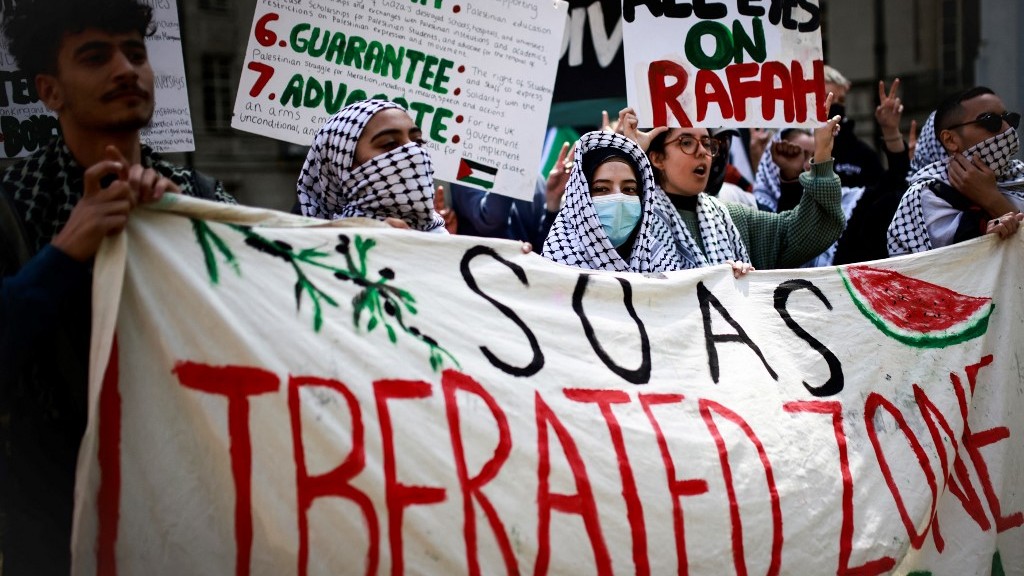
    Two recently elected former student leaders at the University of London’s School of Oriental and African Studies (SOAS), Alexander Cachinero-Gorman and Abel Harvie-Clark, have settled their wrongful dismissal claims against the SOAS Students’ Union (SU) and university administration. The pair were removed from their elected full-time sabbatical positions in June 2024, just months after winning student votes, before they could even take up their posts.

    The election results, held in March 2024, saw Gorman win the race for vice president of welfare and campaigns, while Harvie-Clark secured the role of vice president of democracy and education. Both won clear mandates from the student body, but the SU trustee board voted to dismiss the pair over stated concerns around their conduct and public criticism of SU leadership. The activists have long maintained their removal was driven entirely by their openly anti-Zionist beliefs and longstanding pro-Palestine organizing work on campus.

    Tensions between the student activists and SOAS leadership had been building for months before the election, rooted in widespread pro-Palestine protests that swept the campus following Israel’s October 2023 military bombardment of Gaza. These actions included mass rallies, a months-long pro-Palestine encampment that was one of the longest-running in the UK, and a demonstration opposing the inclusion of the Union of Jewish Students in the university’s freshers’ fair. Prior to this case, SOAS had already drawn controversy for expelling Haya Adam, president of the SOAS Palestine Society, over her pro-Palestine activism in August 2024, in a move critics framed as an attack on free speech.

    After the pair launched legal action and tribunal proceedings got underway, both sides reached a confidential settlement that brought the case to a close without a full public hearing. While the undisclosed financial settlement marks a resolution to the legal dispute, the activists have framed the outcome as a partial win that exposes deeper systemic issues at the institution.

    Gorman described the outcome as a “bittersweet victory” that acknowledged the wrongdoing done to him and Harvie-Clark, but emphasized it does not resolve the entrenched hostility toward anti-Zionist students and staff at SOAS. “By dismissing us before we even took office, they tried to send a warning that they can unilaterally forge relationships with Zionist organisations, invite speakers with genocidal views to our campus, and attack trade unionists without pushback,” Gorman said in an interview with Middle East Eye.

    Harvie-Clark echoed these concerns, noting that the pair had spent years in legal limbo over the dispute. He argued the SU’s actions sent a clear message that student democracy and activism are only permitted if they align with institutional leadership’s views. “They are attempting to bypass liberal norms around free speech in higher education in order to transform the university into an authoritarian space where academic freedom and workers’ rights are gifts they can withdraw at will,” he said.

    The students’ legal representative, Franck Magennis, argued the settlement amounts to a de facto recognition that the SU and SOAS have systematically suppressed anti-Zionist speech and pro-Palestine organizing on campus. “This important legal victory further demonstrates what has been clear for at least two and a half years of genocide: Zionist positions are collapsing everywhere and are now incapable of defence, whether inside or outside court,” Magennis said. He is now supporting his clients in filing a complaint with the UK Charity Commission, which oversees the regulation of students’ unions as charitable bodies, to push for further accountability, and is calling on the SU to issue a public apology and launch a full investigation into institutional anti-Palestinian racism.

    The SOAS case is part of a broader wave of conflict on UK campuses over the Gaza war. While SOAS has publicly cut research ties with arms companies working on Israel’s military campaign in Gaza, it has faced sustained criticism from pro-Palestine activists for its existing research partnerships with the UK Ministry of Defence and Israeli universities, as well as its financial investments in Barclays, a bank accused of financing Israel’s military operations. In October 2024, the University of London, which owns the SOAS campus, secured a High Court injunction banning all unsanctioned protests on university premises, a move that mirrored similar restrictions implemented by other leading UK institutions including the University of Cambridge and the University of Bristol. Even with the settlement of this legal case, the dispute underscores the deepening divides over free speech, institutional accountability and pro-Palestine activism across British higher education.

  • Chris Wood leaves Forest game with knee problem in blow to New Zealand ahead of World Cup

    Chris Wood leaves Forest game with knee problem in blow to New Zealand ahead of World Cup

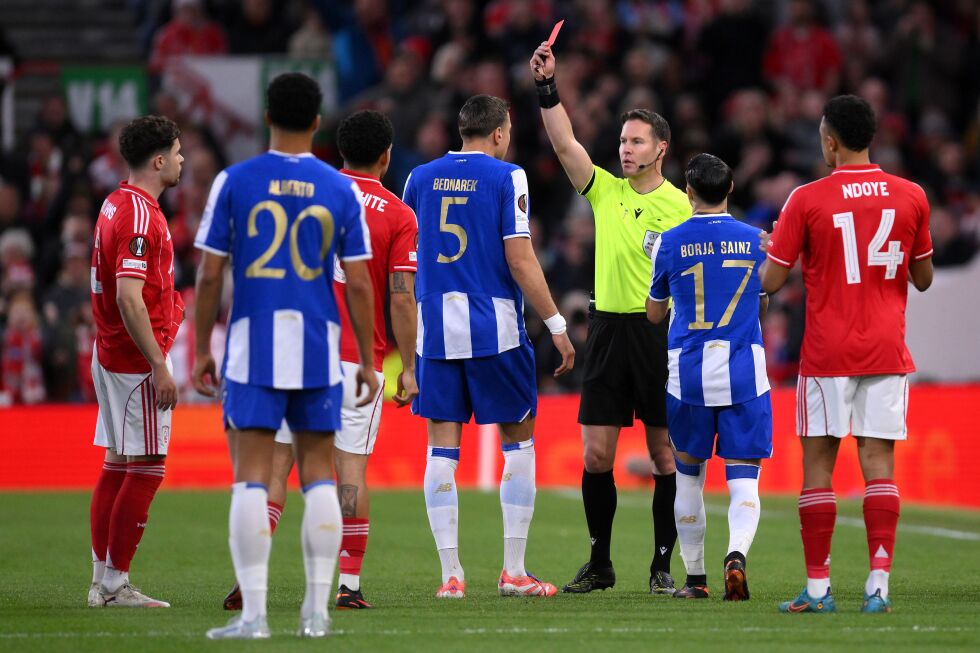
    In a tense early turning point of Thursday’s Europa League quarterfinal clash between Nottingham Forest and Porto at Nottingham, a brutal high challenge left a major shadow hanging over both the Premier League side’s European run and New Zealand’s upcoming FIFA World Cup preparations. New Zealand captain and Forest starting striker Chris Wood was forced to withdraw from the match after suffering a fresh knee injury from the dangerous tackle, leaving fans and coaching staff waiting anxiously for updates on his condition.

    The incident unfolded in just the eighth minute of the game, when Porto defender Jan Bednarek connected with Wood’s right knee on a high kick. The dangerous challenge immediately drew a red card from the referee, leaving Porto down to 10 men for the rest of the contest. Wood, who only just made his return to full competitive play after spending six entire sidelined by a previous knee injury, initially attempted to play through the discomfort. But by the 15th minute, it became clear the pain was too severe to continue, and Forest’s medical team pulled him for evaluation before permanently substituting him off the pitch.

    As of Thursday evening, medical staff have not released any immediate details on the severity of Wood’s new injury, leaving multiple stakeholders in limbo. The 34-year-old forward has been in exceptional form for Forest this past season, netting 20 goals across all competitions for the club, which is currently locked in a tight battle to avoid relegation from the top-flight Premier League. Beyond Forest’s domestic and European ambitions, the biggest source of concern centers on New Zealand’s national team, which is set to kick off its World Cup campaign in just two months.

    New Zealand, nicknamed the All Whites, has been drawn into Group G for the tournament, where they will face off against three tough opponents: Iran, Egypt, and Belgium. Wood has been the undisputed leader and primary attacking threat for the side for years, and any extended absence would deal a major blow to the nation’s hopes of advancing out of the group stage. Fans and national team management are now waiting for further scan results to confirm whether the star striker will be fit to lead his country onto the world’s biggest soccer stage.

  • Judge halts aboveground construction of Trump’s White House ballroom

    Judge halts aboveground construction of Trump’s White House ballroom

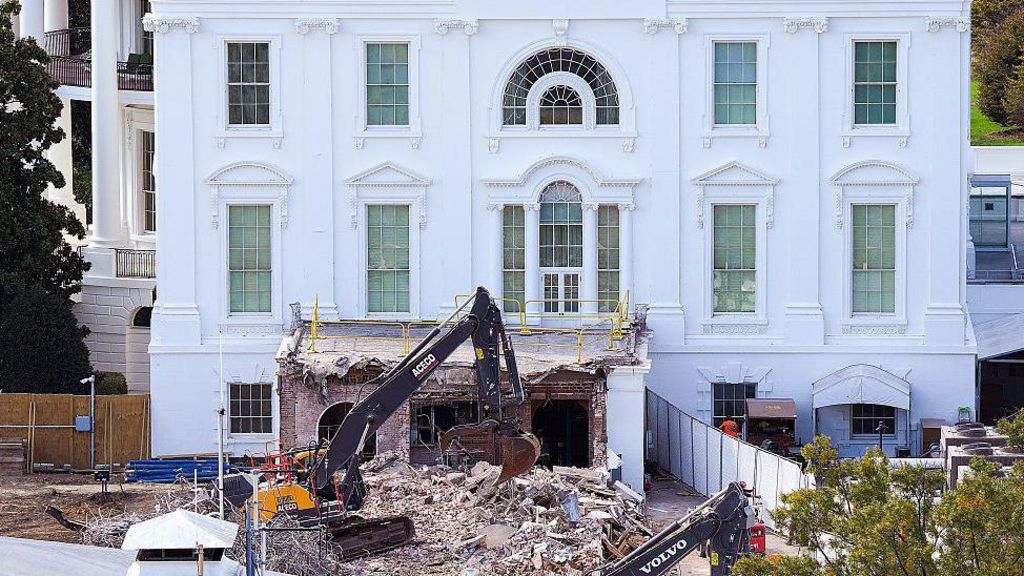
    A decades-long era of White House architectural tradition has hit a new point of legal and political friction, after a federal judge delivered a mixed ruling Thursday halting above-ground construction on former President Donald Trump’s ambitious White House ballroom expansion while permitting work on the project’s underground bunker component to move forward.

    In his 14-page ruling, District Court Judge Richard Leon pushed back firmly against the Trump administration’s framing of the entire ballroom complex as a critical national security asset, arguing that the executive branch had attempted to bypass congressionally mandated approval processes to advance the controversial project. Leon wrote that the classification of the above-ground ballroom as a national security priority appeared to be a deliberate maneuver to skirt an earlier temporary restraining order the court issued in late March, when it first paused construction over procedural violations.

    “National security is not a blank check to proceed with otherwise unlawful activity,” Leon emphasized in his ruling.

    The legal battle stems from a lawsuit filed by the National Trust for Historic Preservation, a non-profit advocacy group that argued the Trump administration violated multiple federal laws when it demolished the 122-year-old East Wing of the White House last October to clear space for the multi-million dollar project. The organization outlined three core violations: the administration failed to submit project plans to the National Capital Planning Commission for required review, declined to complete a mandatory environmental assessment, and never secured formal authorization from Congress to alter federally owned White House property. The lawsuit also notes the project violates the U.S. Constitution’s Property Clause, which grants Congress exclusive authority to regulate and manage all federal property.

    This mixed ruling marks the latest legal setback for the ballroom project, which has grown in scope and cost since it was first proposed. Initial plans called for a 500-person capacity ballroom, but the blueprint has since expanded to accommodate 1,350 guests. The White House has publicly stated the entire $400 million project is funded entirely by private donors, but critics have raised ongoing questions about transparency around donor sources and the need for the large-scale expansion.

    The ruling came hours after the Department of Justice filed formal notice of its intent to appeal the earlier March temporary halt, and it quickly signaled it would challenge the new ruling as well. For his part, Trump took to his Truth Social platform hours after the ruling to blast Judge Leon’s decision, arguing the entire project is critical to U.S. national security and that the court does not have authority to block it.

    Trump emphasized that the above-ground ballroom and underground bunker are inextricably linked, writing that “It’s all tied together as one big, expensive, and very complex unit, which is vital for National Security and Military Operations of the United States of America!” The president added that the underground component, which he has previously described as a storage “shed” for the lower complex, “doesn’t work, isn’t necessary, and would indeed be useless, without the above ground sections.” He also framed the ruling as an attack on presidential authority, arguing the court was “attempting to prevent future Presidents and World Leaders from having a safe and secure large scale Meeting Place.” He reiterated that construction remains on budget and ahead of schedule, despite the legal delays.

    The ballroom project is just the centerpiece of a broader push by the Trump administration to reshape the capital’s historic landscape. On the same day as the ballroom ruling, a federal advisory panel stacked with Trump allies gave preliminary approval to another controversial proposal: a 250-foot-tall gold-accented victory arch, dubbed by critics the “Arc de Trump,” to be built on federal land in Washington D.C.

    The Commission of Fine Arts voted to advance the plan, despite receiving overwhelming negative feedback from the public and historic preservation groups, who argue the giant monument would overwhelm the capital’s restrained neoclassical skyline. If given final approval, the arch would stand taller than both the U.S. Capitol Building and the Lincoln Memorial, and will feature a golden statue modeled after the Statue of Liberty holding a torch and crown.

    Unlike the privately funded ballroom, the victory arch will draw direct taxpayer support. A public spending plan for the National Endowment for the Humanities (NEH) released by the White House allocates $2 million in direct NEH special funds plus an additional $13 million in matching public funds for the project. Trump has previously stated that unspent funds from the ballroom project would also be diverted to cover arch construction costs.

    Legal analysts note that the appeal of the ballroom ruling could take months to resolve, creating significant delays for a project the president has pushed to complete before the next general election. Preservation groups have pledged to continue challenging both the ballroom and victory arch projects in court, arguing they violate federal law and erode protections for Washington’s historic federal landscape.

  • Apple TV accused of whitewashing genocide after announcing new Israeli series

    Apple TV accused of whitewashing genocide after announcing new Israeli series

    Technology giant Apple has ignited widespread public condemnation after its streaming platform Apple TV+ began promoting a new Israeli drama series, with critics accusing the company of whitewashing Israel’s ongoing military campaigns and alleged genocide in the Gaza Strip. The controversy erupted this week following the release of the official trailer for *Unconditional*, an eight-part thriller series. The opening shot of the trailer introduces lead character Gali, a 23-year-old played by Talia Lynne Ronn, in full Israeli military uniform, who is detained in Moscow on charges of drug smuggling. The plot follows Gali’s mother Orna, portrayed by Liraz Chamami, as she investigates her daughter’s alleged entanglement in a operation described on screen as “something critical for Israeli National Security.”

    Critics have zeroed in on the series’ framing of an Israeli soldier as a sympathetic victim, a narrative that has drawn particular fury amid more than two and a half years of deadly Israeli military operations in Gaza that United Nations officials and leading international genocide experts have formally classified as an act of genocide. As of recent counts, more than 72,000 people in Gaza have been killed since October 2023, according to local health authorities.

    “So, two and a half years into an ongoing genocide carried out by Israel, Apple TV is releasing a show depicting an Israeli soldier (who, for some reason, is wearing a uniform in a Russian airport) as a victim,” one social media user posted on platform X, summing up widespread anger. “The fucking audacity.”

    Many critics have characterized the series as a deliberate propaganda push to sanitize Israel’s global image at a time when its actions in Gaza have drawn global condemnation. “Rome deaf [sic] and reprehensible genocide washing. SHAME ON YOU!!” one commenter wrote in response to Apple’s *Unconditional* announcement, while another rejected the project outright: “Save your Zionist propaganda. We say no thanks.”

    Prominent Palestinian-American author Susan Abulhawa joined the criticism, framing the series as a calculated effort to shift public perception in the wake of widespread global outrage over Israel’s violence in Gaza. “This series is nothing more than a manipulation of public imagination and collective conscience in the wake of nearly three years of all of us seeing Israelis commit unspeakable carnage,” Abulhawa wrote. “They are working to literally engineer your thoughts in direct opposition to what you’ve seen in real life with your own eyes.”

    Media analyst Sana Saeed questioned the strategic logic of Apple’s investment, noting that Israel has become an increasingly divisive cultural and political taboo among younger generations of Americans, a key demographic for long-term streaming growth. “To be investing in anything Israeli – in any industry where you need to condition the young consumer as a long term, loyal and committed consumer – is an explicit and political choice not rooted in market research and brand growth, but in something transparently insidious,” Saeed wrote.

    The conflict extends far beyond Gaza, too: since February 2025, the U.S.-Israeli military campaign against Iran has killed at least 3,600 Iranians, according to U.S.-based human rights organization HRANA, while an additional 2,100 people have been killed in Lebanon over the same period.

    Within hours of the trailer’s launch, critics uncovered a 2015 Instagram post from lead actor Talia Lynne Ronn captioned: “Whoever messes with us gets tear-gassed.” The post shows Ronn posing with a group of armed women, and additional photos from the same year appear to confirm Ronn served in the Israeli military during that period. One social media user labeled Ronn “the Israeli actress playing an IDF terrorist in the new Apple TV series” who “was of course an IDF terrorist in real life as well.”

    Middle East Eye has reached out to both Ronn and Apple TV+ to request a response to the criticism. The backlash has already translated into consumer action, with multiple users announcing they are canceling their Apple TV+ subscriptions and boycotting Apple products entirely. “I just canceled Apple TV. I will never purchase another Apple product. Thoroughly disgusted by this genocide propaganda,” one user posted.

    Additional scrutiny has been drawn by the series’ creative origins: *Unconditional* is produced by the same team behind *Homeland*, the long-running Showtime drama that was adapted from an original Israeli series and ran from 2011 to 2020. Throughout its run, *Homeland* faced persistent accusations of Islamophobia and harmful, inaccurate depictions of Middle Eastern cities and Muslim communities.

    Critics have pointed to multiple past examples of *Homeland*’s misleading framing: “I remember in the Homeland series they showed Islamabad as some slum city when in reality it is one of the most beautiful capitals on earth,” one commenter wrote. Another added, “Homeland once depicted Hamra Street in Beirut as some back alley shithole and funny enough they did the filming for that in Tel Aviv. Unsurprising that the writers are making Israeli slop now.” Back in 2012, then-Lebanese Tourism Minister Faddy Abboud even threatened legal action against the *Homeland* production team over the show’s negative and inaccurate depiction of Beirut.

  • Hormuz under my thumb

    Hormuz under my thumb

    After weeks of high-stakes diplomatic negotiations between the United States and Iran concluded in deadlock with no final agreement reached, the United States has moved to impose a full blockade on the Strait of Hormuz, one of the world’s most critical maritime chokepoints for global energy trade.

    Decades of simmering regional hostilities and unresolved conflicts have long created fragile conditions for commercial shipping through the strait, and this latest aggressive unilateral action has only amplified existing volatility. The waterway, which carries roughly a fifth of the world’s daily oil consumption and a large share of global liquefied natural gas trade, is central to the stability of international energy markets and the broader global economy.

    Analysts warn that reckless, unilateral moves to disrupt navigation through the strait will not only escalate regional tensions but also send shockwaves through global supply chains, drive up energy costs for consumers worldwide, and deepen existing economic uncertainty across both advanced and developing economies.

    Stakeholders across the global community have emphasized that the only sustainable path to restoring calm, reopening the strait for unimpeded commercial navigation, and preventing further escalation is a comprehensive de-escalation of hostilities between all involved parties in the region. Only through ending ongoing armed conflicts and returning to diplomatic dialogue can the Strait of Hormuz return to the peaceful, normal navigation that global trade depends on.

  • Guangdong power company trains robots for key tasks

    Guangdong power company trains robots for key tasks

    As energy infrastructure operators around the world increasingly turn to automation to boost safety and efficiency, a leading Chinese power utility based in southern China’s Guangdong province is scaling up research and deployment of intelligent robots designed to handle high-stakes grid operations. Guangdong Power Grid Co., a regional subsidiary of China Southern Power Grid Co., has been actively developing and training a fleet of specialized robotic systems to take on core tasks across its vast power network, with some solutions already active in daily operations.

    The company’s in-house power robotics laboratory centers its research on cutting-edge capabilities that allow robots to operate reliably in the challenging, variable conditions common to power grid work. Key areas of innovation include multi-modal environmental perception, fully autonomous navigation and dynamic obstacle avoidance, adaptive operation in complex terrain and weather, and AI-powered accurate identification of hidden equipment defects that could threaten grid stability.

    Automated systems are already delivering measurable performance gains across the company’s operations. To date, Guangdong Power Grid has deployed more than 10,000 power inspection drones across its service area. These unmanned systems complete roughly 500,000 independent inspection flight missions every year, and the company records that their inspection efficiency is 2.5 times higher than traditional manual inspection methods.

    Recent upgrades to drone operations have unlocked even greater time savings, driven by the integration of new digital tools. Earlier this year, the company’s Jiangmen Power Supply Bureau rolled out a new AI-powered digital employee system that acts as a centralized “super brain” for the bureau’s drone fleet. According to Sun Tiancheng, a technician with the Jiangmen branch, the digital tool automatically generates customized flight plans and optimizes inspection routes in real time. This technological upgrade has cut pre-flight preparation time dramatically, from an average of 30 minutes per mission down to just one minute, streamlining workflows and allowing inspectors to respond faster to potential grid issues.

  • Artemis II crew describes Moon mission and splashdown moment

    Artemis II crew describes Moon mission and splashdown moment

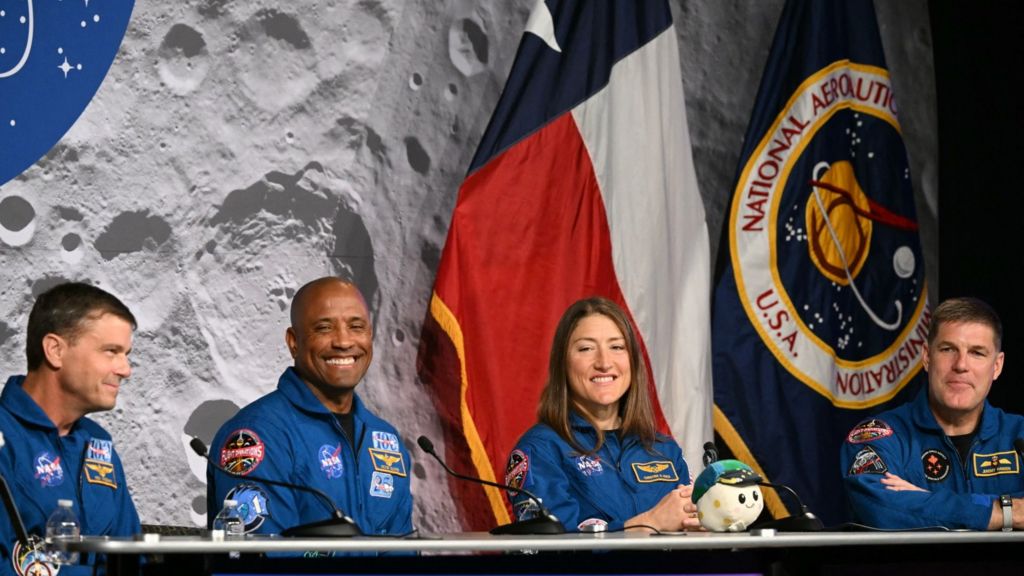
    In a highly anticipated public appearance marking their first address to media after completing a groundbreaking 10-day lunar journey, the four members of NASA’s Artemis II mission opened up about their experiences, offering vivid firsthand accounts of their voyage around the Moon and the final dramatic splashdown that brought them safely back to Earth. This mission represents a critical milestone in humanity’s effort to return humans to the lunar surface after more than half a century, making the crew’s insights invaluable for scientists, engineers, and space enthusiasts around the globe. During the press conference, the astronauts shared personal anecdotes about observing the Moon’s craters and desolate landscapes from their spacecraft, described the unique sensation of floating in deep space while looking out at both the Moon and our home planet, and walked reporters through the final minutes of their return to Earth, as their capsule slowed through the atmosphere and parachuted into the Pacific Ocean. They also addressed questions about the technical challenges the team overcame during the mission, praised the work of thousands of ground control personnel who supported the flight every step of the way, and spoke to the broader significance of the Artemis program, which aims to establish a long-term sustainable presence on the Moon and prepare for future human missions to Mars. This mission served as a final full test of NASA’s deep space exploration systems, including the Space Launch System rocket and Orion capsule, before the Artemis III landing mission currently targeted for 2026. The crew’s remarks shed new light on how the systems performed in real deep space conditions, providing critical data that will help engineers refine preparations for the upcoming landing attempt.

  • Trump picks Erica Schwartz as next head of CDC

    Trump picks Erica Schwartz as next head of CDC

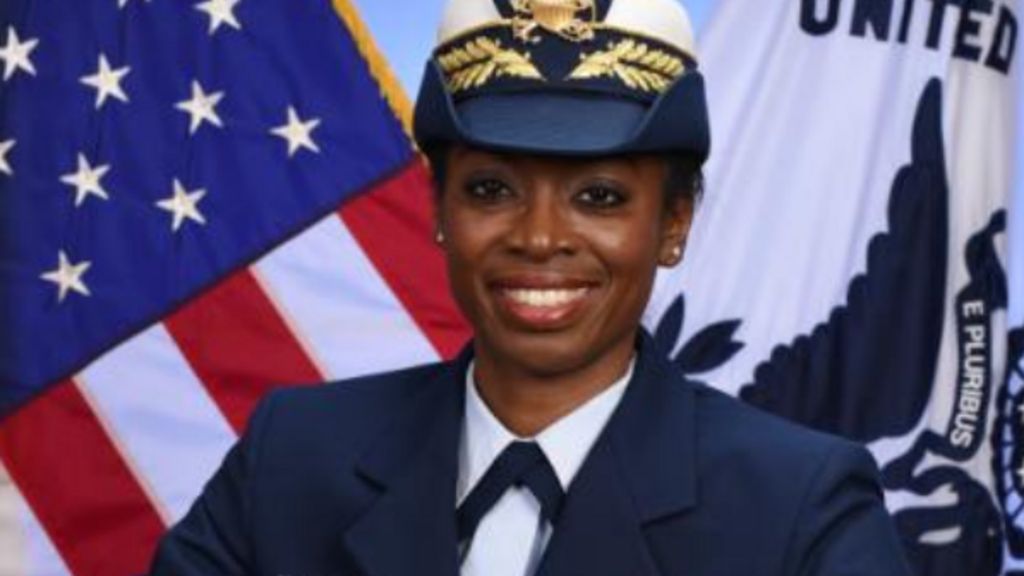
    President Donald Trump has announced his nomination of Dr. Erica Schwartz, a retired Coast Guard rear admiral with deep ties to his first presidential administration, to serve as the permanent director of the U.S. Centers for Disease Control and Prevention (CDC), filling a leadership vacancy that has stretched on for months.

    Schwartz, who brings a multi-disciplinary background to the role, holds a medical degree from Brown University, a law degree from the University of Maryland and a master’s in public health, and spent 24 years in the U.S. Public Health Service Commissioned Corps. During Trump’s first term in office, she served as deputy surgeon general, but departed government service after the 2020 election when the incoming Biden administration passed her over for the acting surgeon general post.

    In a post shared on his Truth Social platform, Trump praised the nominee, writing, “It is my honour to nominate the incredibly talented Dr Erica Schwartz, MD, JD, MPH, as my Director of the CDC. She is a star!”

    The CDC has operated without a Senate-confirmed director since the September ousting of previous leader Susan Monarez, who was removed just under one month into her tenure following high-profile clashes with U.S. Health and Human Services Secretary Robert F. Kennedy Jr. over his approach to vaccine policy. Monarez later detailed her ousting in a Wall Street Journal op-ed, saying she was fired for refusing to automatically approve vaccine recommendations from a new advisory panel Kennedy stacked with prominent vaccine skeptics. Since Monarez’s departure, National Institutes of Health Director Jay Bhattacharya has filled the role on an interim basis.

    Schwartz’s nomination marks the second attempt by the Trump administration to fill the top CDC post. Trump’s first pick, former Florida Congressman Dave Weldon, a longstanding vaccine critic, saw his nomination withdrawn earlier after it became clear he lacked the Senate support needed for confirmation.

    The CDC has undergone sweeping upheaval since Kennedy took the helm of the Department of Health and Human Services, including large-scale staff firings and a major restructuring that Kennedy has framed as a necessary effort to cut back on what he calls “bureaucratic sprawl”. Kennedy’s controversial overhauls to national vaccine policy have sparked widespread alarm among the scientific community, including many current and former CDC staffers. A number of senior officials resigned in protest following Monarez’s ousting, and in March a federal judge issued an order blocking the majority of Kennedy’s vaccine policy changes from taking effect.