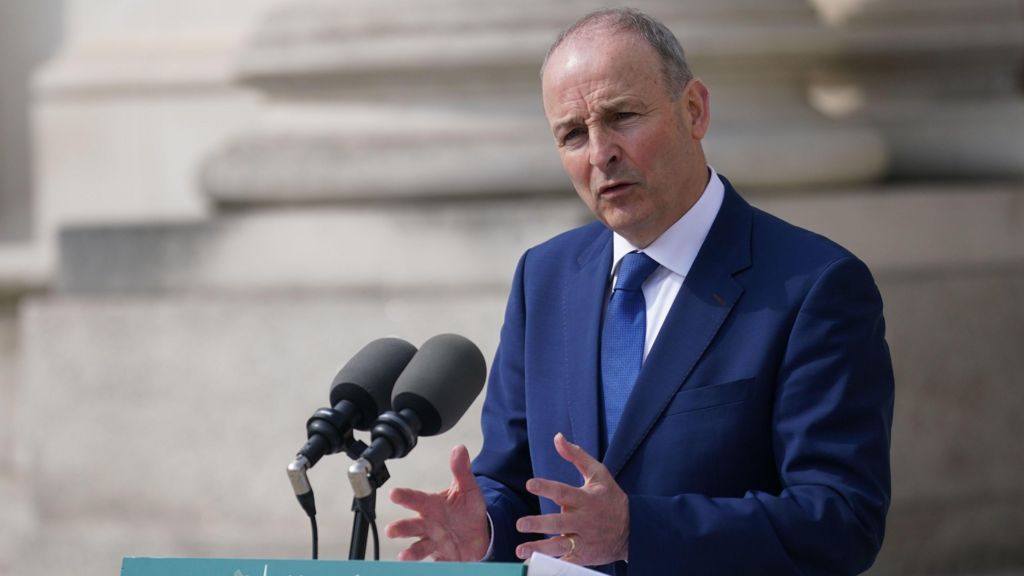
The Irish government has announced a significant €50 million investment as part of its Shared Island initiative, aimed at enhancing cross-border connectivity and economic development. Spearheaded by Taoiseach Micheál Martin, the initiative includes a €2 million allocation to relaunch flights between Dublin and Londonderry in 2026, marking a strategic move to strengthen regional ties. The flight service, funded under a Public Service Obligation (PSO), will initially operate for two years before being reviewed. This follows the discontinuation of a similar service in 2011. Additionally, the government has committed €5.9 million to improve cross-border emergency services, focusing on flood response and technical rescue operations. Other notable projects include €14 million for a Shared Island Media initiative, €6 million for the Shared Home Place programme, and €14.5 million for arts projects, including the development of Newry Theatre. The initiative also allocates €6.4 million for a cross-border pilot programme to combat Bovine TB, in collaboration with Northern Ireland. Martin emphasized the initiative’s goal of fostering greater connectivity and cooperation across the island, while Irish Foreign Affairs Minister Simon Harris highlighted the unique perspectives immigrant communities bring to shaping a shared future.
博客
-
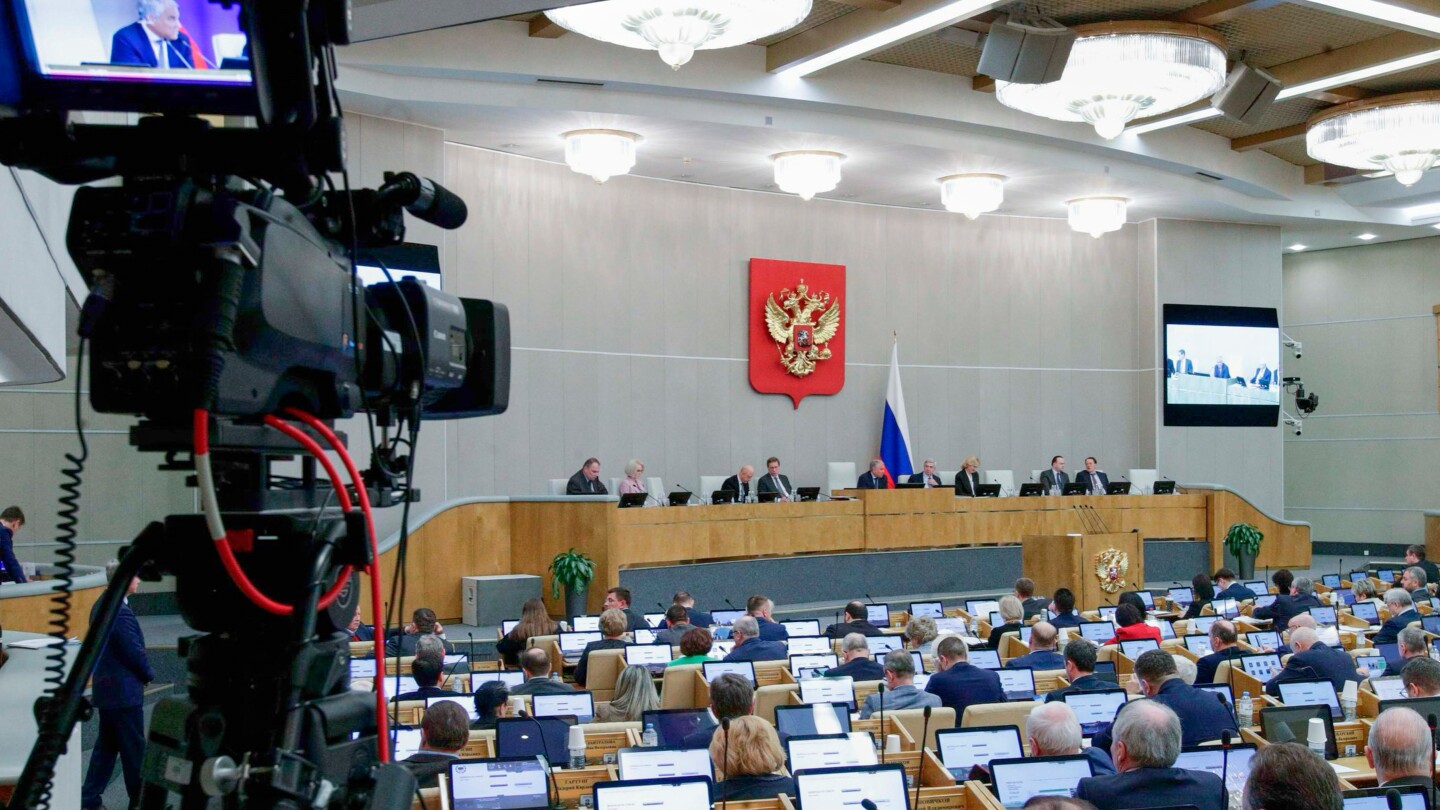
Russian lawmakers approve tax hike bill to boost economy as the war with Ukraine nears 4 years
In a significant move to address economic challenges exacerbated by its ongoing conflict with Ukraine, Russian lawmakers have approved a series of tax increases aimed at boosting state revenue. On Tuesday, the State Duma, the lower house of parliament, passed the second reading of a bill that will raise the value-added tax (VAT) from 20% to 22%. This adjustment is projected to generate an additional 1 trillion rubles (approximately $12.3 billion) for the national budget. Additionally, the legislation lowers the annual sales revenue threshold for businesses required to collect VAT from 60 million rubles (about $739,000) to 10 million rubles (around $123,000). This measure, to be phased in by 2028, aims to curb tax evasion by preventing firms from splitting operations but is expected to burden many small businesses previously exempt from VAT. The tax hikes are part of a broader fiscal strategy by the Kremlin to revive Russia’s sluggish economy, which has been strained by high inflation and interest rates. Other proposed measures include eliminating preferential rates on car recycling fees, targeting high-end imported vehicles, and increasing taxes on alcohol, tobacco, and technology products like smartphones and laptops. These changes come as Russia’s economy, after two years of military-driven growth, contracted in early 2025 and is forecast to grow by only 1% this year. The government’s 2026 draft budget, also approved on Tuesday, allocates 12.93 trillion rubles ($159 billion) for military spending, reflecting the ongoing prioritization of defense amid the protracted war. The bills now await final approval by the State Duma, the upper house, and President Vladimir Putin’s signature to become law.
-

UAE vs Iraq: Basra announces public holiday for Fifa World Cup qualifier
In a significant move to rally support for the national football team, the Iraqi Governorate of Basra has declared a public holiday on Tuesday, November 18, 2025. This decision coincides with the highly anticipated FIFA World Cup qualifier between Iraq and the United Arab Emirates (UAE) at the Basra International Stadium, which boasts a capacity of 65,000 spectators. Basra Governor Asaad al-Eidani emphasized the importance of creating a vibrant atmosphere to bolster the Iraqi team, as reported by Iraq’s official news agency.
The match, scheduled for 8pm UAE time, marks the second leg of the fifth-round playoff. The first leg, held in Abu Dhabi on November 13, ended in a 1-1 draw, setting the stage for a thrilling encounter. The stakes are high, as the victor will advance to the six-team intercontinental playoff in March 2026, hosted in Mexico. The top two teams from this playoff will secure the final spots for the 2026 FIFA World Cup, jointly hosted by the US, Canada, and Mexico.
To facilitate UAE fans’ attendance, the UAE Football Association (UAEFA) has arranged eight private planes to transport supporters to Basra. UAE national team coach Cosmin Olaroiu faces the challenge of leveraging his squad’s depth to keep the nation’s World Cup aspirations alive. This match not only highlights the intense rivalry between the two teams but also underscores the unifying power of football in the region.
-
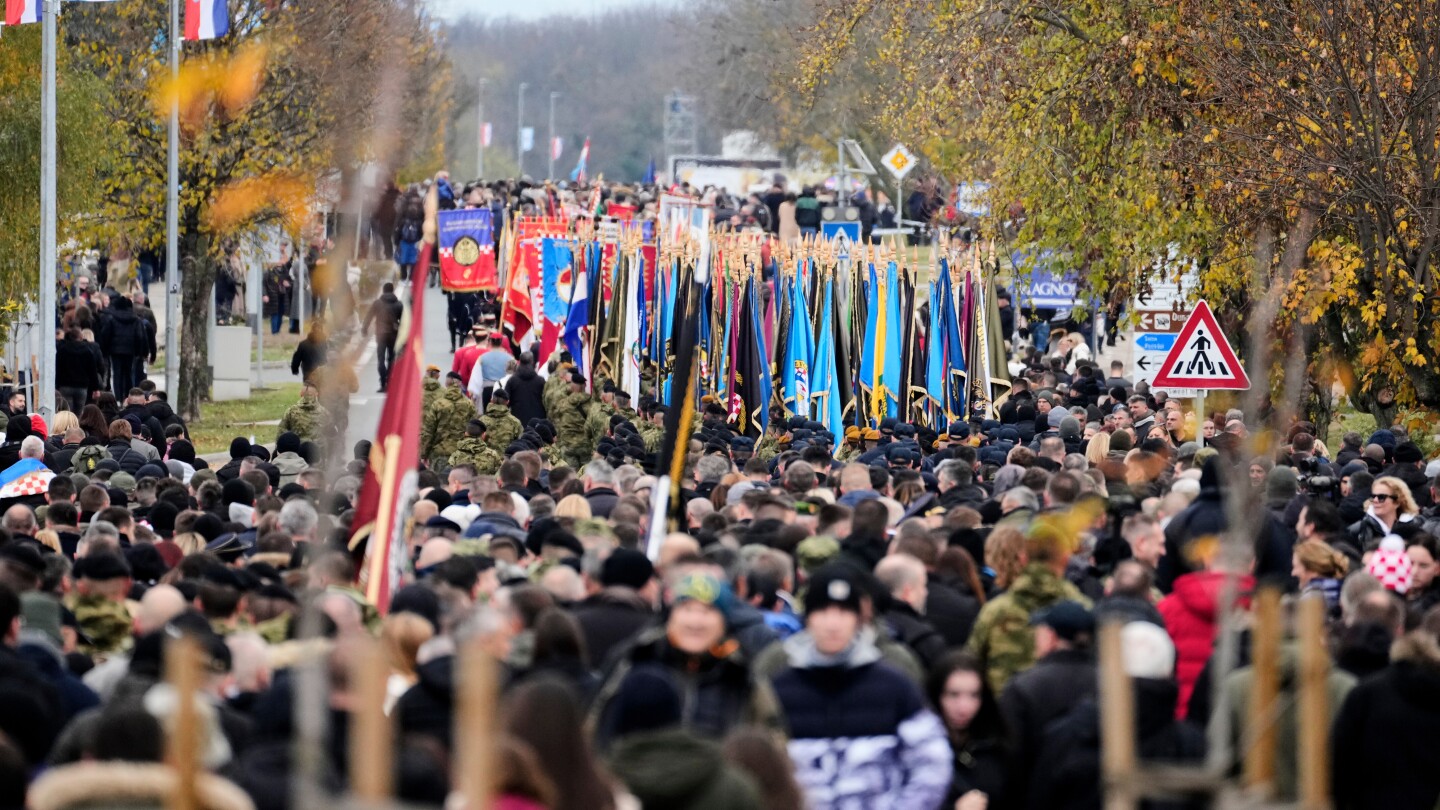
Croatians commemorate the siege of Vukovar, a national symbol of the war of independence
VUKOVAR, Croatia — On Tuesday, Croatia solemnly observed the anniversary of the fall of Vukovar, a pivotal event during the 1991-95 war when the Serb-led Yugoslav army devastated the town, turning it into a symbol of resilience and national solidarity. Senior officials joined thousands of citizens, many waving national flags and banners, in a silent march through the eastern town. Participants lit candles and laid flowers, continuing an annual tradition since the war’s end that underscores the event’s profound significance for the nation. The conflict erupted after Croatia declared independence from the Serb-dominated Yugoslav federation, sparking a rebellion by minority Serbs who seized large portions of Croatian territory. Vukovar endured an 87-day siege, during which relentless shelling reduced it to ruins. Hundreds perished after the town’s fall in November 1991, with their bodies buried in a mass grave at a nearby pig farm. The war concluded in 1995 after Croatia reclaimed most of the territories held by Serb rebels, prompting tens of thousands of Serbs to flee. Croatia, now a NATO member and EU state since 2013, continues to view Vukovar as a martyr in its struggle against what it terms ‘Serb aggression.’ Ethnic tensions persist both within Croatia and with neighboring Serbia, exacerbated by recent disruptions of Serb cultural events in Zagreb and Split. An ethnic Serb organization canceled an exhibition in Vukovar ahead of the commemoration, citing safety concerns.
-

Man who cryogenically froze late wife sparks debate by dating new partner
A Chinese man’s decision to cryogenically freeze his deceased wife has ignited a heated moral debate online, especially after it was revealed that he has been dating a new partner while his wife remains preserved in liquid nitrogen. Gui Junmin, 57, chose to freeze his wife Zhan Wenlian’s body after she succumbed to lung cancer in 2017 at the age of 49, making her the first person in China to undergo cryopreservation. The procedure, which remains scientifically unproven, was intended as a testament to his devotion. However, a recent interview disclosed that Gui has been in a relationship with another woman since 2020, sparking mixed reactions on Chinese social media. While some sympathized with his decision to move on after years of solitude, others criticized him for prioritizing his emotional needs over respect for his late wife. Zhan’s body is stored in a 2,000-liter container at -190°C at the Shandong Yinfeng Life Science Research Institute, under a 30-year preservation agreement. Gui explained that a severe gout attack in 2020, which left him immobile for days, prompted him to reconsider the benefits of living alone. He described his current relationship as “utilitarian,” stating that his new partner, Wang Chunxia, has not yet “entered” his heart. The debate has raised questions about the ethics of cryonics, with some urging Gui to let his wife “rest in peace,” while others questioned the fairness to both Zhan and Wang. Cryonics involves cooling the body to sub-zero temperatures, infusing it with cryoprotectants to prevent ice crystal formation, and preserving it in liquid nitrogen. While over 500 people worldwide have been cryogenically preserved, primarily in the U.S., no one has ever been successfully revived. Scientists remain skeptical about the feasibility of reawakening a complete human body. The controversy highlights the complex intersection of love, loss, and the ethical dilemmas posed by emerging technologies.
-
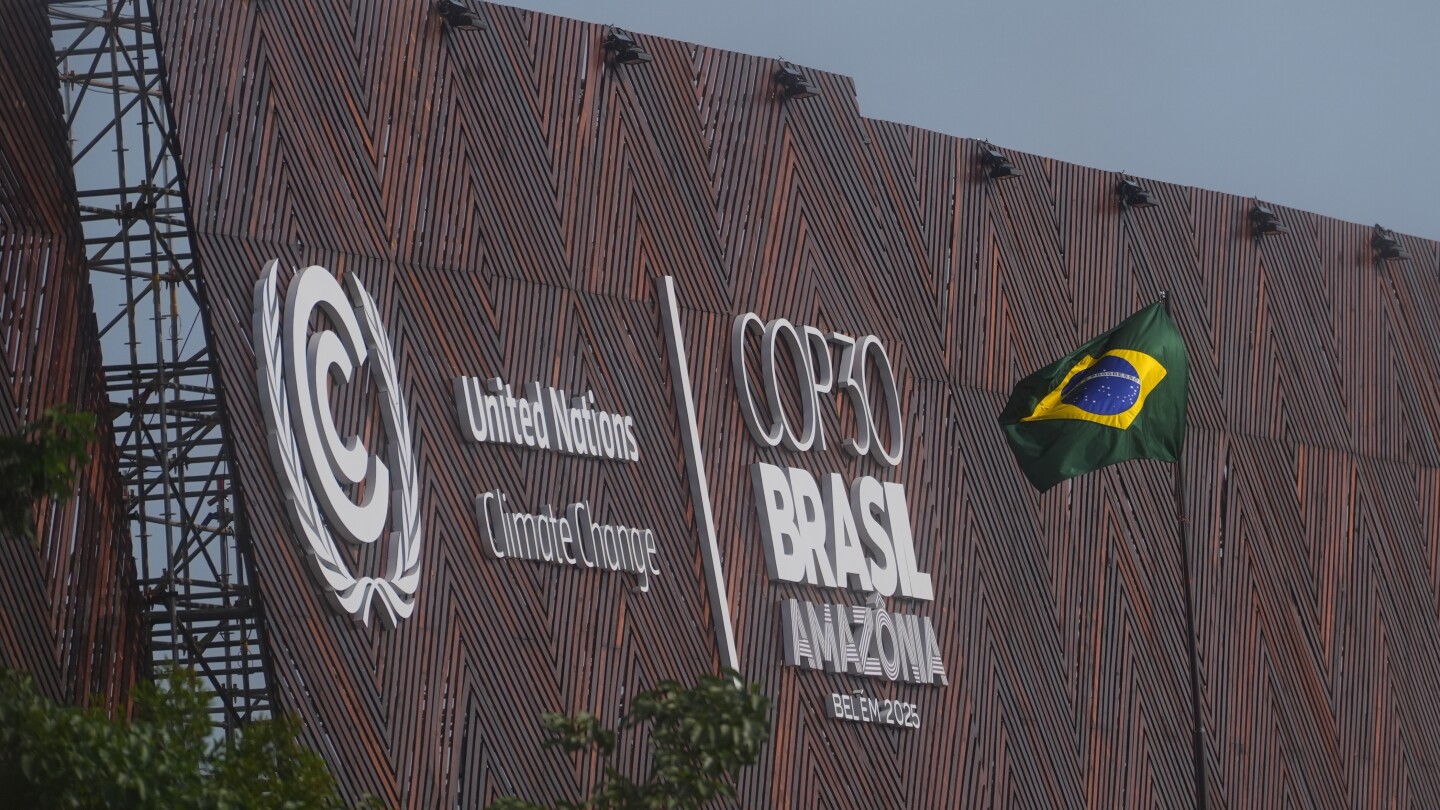
Artificial intelligence sparks debate at COP30 climate talks in Brazil
At the U.N. climate talks in Belem, Brazil, artificial intelligence (AI) has emerged as a double-edged sword in the fight against global warming. Known as COP30, the conference has become a battleground for debates on AI’s potential to both combat and exacerbate climate change. Tech companies and several nations are championing AI as a transformative tool, capable of enhancing electrical grid efficiency, aiding farmers in weather prediction, tracking marine species, and designing resilient infrastructure. However, climate activists are raising alarms over AI’s environmental toll, particularly its escalating demand for electricity and water to power data centers and search operations. They argue that unchecked AI growth could derail global efforts to meet the 2015 Paris Agreement targets. Jean Su, energy justice director at the Center for Biological Diversity, labeled AI as ‘a completely unregulated beast,’ while Adam Elman, Google’s sustainability director, hailed it as ‘a real enabler.’ The conference featured at least 24 AI-related sessions, including discussions on AI-driven energy sharing between cities, forest crime prediction, and an award for an AI project addressing water scarcity in Laos. Despite its promise, AI’s environmental impact remains a pressing concern. Data centers, essential for AI operations, consume vast amounts of electricity and water, contributing significantly to emissions. The International Energy Agency reported that data centers accounted for 1.5% of global electricity consumption in 2024, with their energy use growing at 12% annually since 2017. Environmental groups at COP30 are advocating for stricter regulations, such as mandatory renewable energy use in data centers and public interest assessments for new facilities. As AI continues to evolve, its role in climate change remains a contentious issue, balancing immense potential with significant risks.
-

How AI turns horror scenes into viral ‘nightmare fragrance’
Artificial Intelligence (AI) is now making waves in the fragrance industry, transforming the way scents are created and experienced. From crafting spine-chilling ‘nightmare fragrances’ inspired by horror scenes to enabling consumers to design personalized perfumes, AI is redefining the boundaries of olfactory innovation. This groundbreaking shift is particularly significant in Dubai, a global hub for fragrances, where the next iconic Arabian oud might be co-created by AI. Alex Wiltschko, Founder and CEO of Osmo, recently highlighted these advancements at the Dubai Business Forum – USA Edition in New York City. Osmo’s Olfactory Intelligence (OI) platform, which originated from Google Brain, allows brands and consumers to design fragrances digitally. Wiltschko explained how AI can interpret sensory inputs, such as movie scripts, to create unique scents. For instance, Osmo developed a viral ‘nightmare fragrance’ for a horror film, combining notes of mildew, metallic edges, and blood. Wiltschko’s journey into the world of scent began in his Texas childhood, where he became fascinated by the transformative power of fragrances. His dual passions for coding and neuroscience eventually led him to pioneer AI-driven scent technology. Today, AI-designed fragrances are already available in stores, including a vibrant electric-guitar-inspired scent created for Seattle’s Museum of Pop Culture. Wiltschko’s vision is to democratize perfume design, empowering individuals and brands to craft bespoke scents. This innovation marks a new era in the fragrance industry, blending art, science, and technology.
-
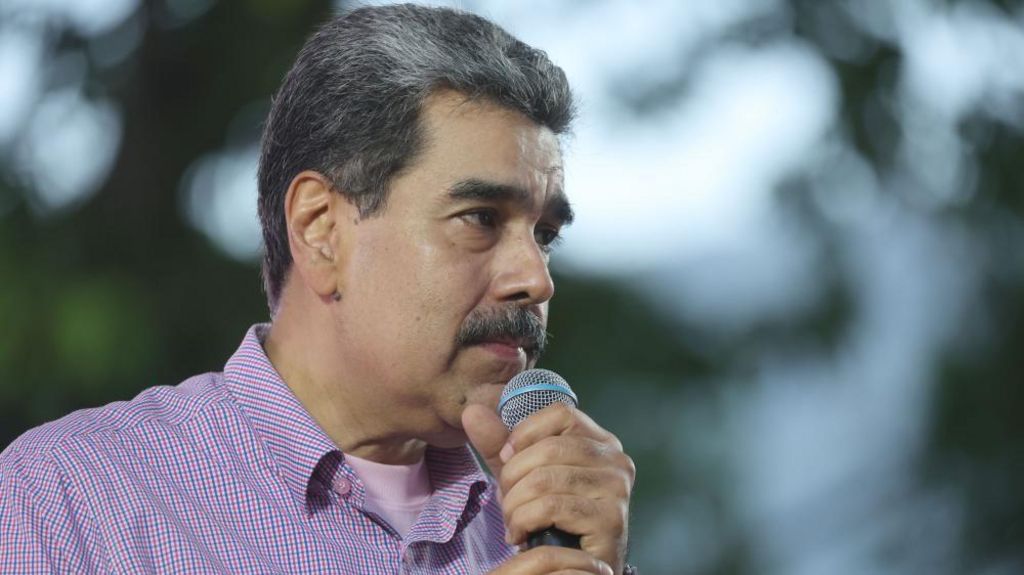
Venezuela’s Maduro ‘ready to talk’ as US ramps up pressure
Venezuelan President Nicolás Maduro has expressed willingness to engage in direct talks with the Trump administration as US pressure intensifies. This comes in response to US President Donald Trump’s refusal to rule out deploying ground forces to Venezuela. The Trump administration has accused Maduro, whose 2024 re-election was widely criticized as fraudulent, of leading a drug cartel. Maduro denies these allegations, countering that the US aims to provoke a war to seize Venezuela’s oil reserves. Since Trump’s second inauguration in January, the US has ramped up its efforts against Maduro, doubling the reward for his capture to $50 million and launching ‘Operation Southern Spear,’ a counternarcotics mission targeting suspected drug-trafficking vessels. Over 80 people have died in US strikes on these vessels, primarily in the Caribbean. US Secretary of War Pete Hegseth claims the operation aims to eliminate ‘narcoterrorists’ from the Western Hemisphere, though legal experts question its legality due to a lack of evidence. The deployment of the USS Gerald Ford, the US Navy’s largest aircraft carrier, has fueled speculation that the US seeks to oust Maduro. Trump’s ambiguous statements have added to the uncertainty. While he initially downplayed the possibility of war, he later refused to rule out ground troops in Venezuela. The US State Department has also announced plans to designate the alleged Maduro-led Cartel de los Soles as a Foreign Terrorist Organization (FTO), effective November 24. Analysts interpret this delay, coupled with Trump’s openness to talks, as an ultimatum for Maduro to negotiate or face harsher measures. Meanwhile, Venezuelan opposition leader María Corina Machado has called for the military to defect, labeling Maduro’s government as a ‘criminal structure’ and advocating for accountability for human rights abuses. Maduro, addressing the US public directly in English, has reiterated his commitment to dialogue and peace.
-
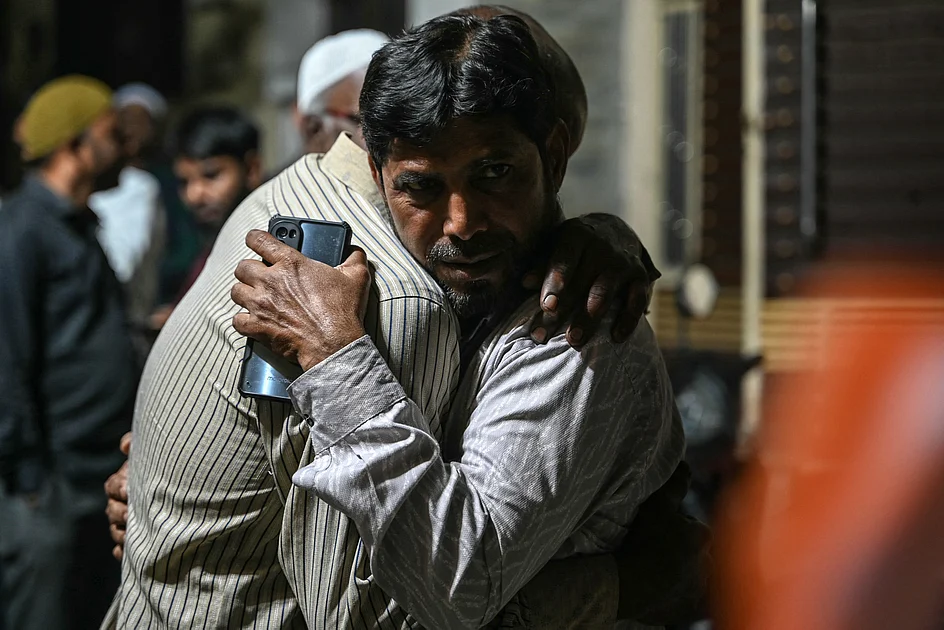
Saudi says legal procedures underway after deadly bus crash leaves 45 pilgrims dead
A devastating bus accident in Saudi Arabia has resulted in the deaths of 45 Umrah pilgrims, with only one survivor out of the 46 passengers on board. The collision occurred on Monday when the bus, primarily carrying Indian nationals, crashed into a diesel tanker in the Medinah region. According to Hyderabad police, the victims included 28 women and 17 men, with 18 members of a single family, including nine children, among the deceased. The sole survivor, 24-year-old Mohd Abdul Shoiab, is currently receiving treatment at the Saudi German Hospital. Saudi traffic authorities have confirmed that legal procedures are underway to investigate the incident, though no official statement on the casualty count has been released. The tragic event has cast a shadow over the pilgrimage season, with the Umrah tour originally scheduled from November 9 to 23.
-
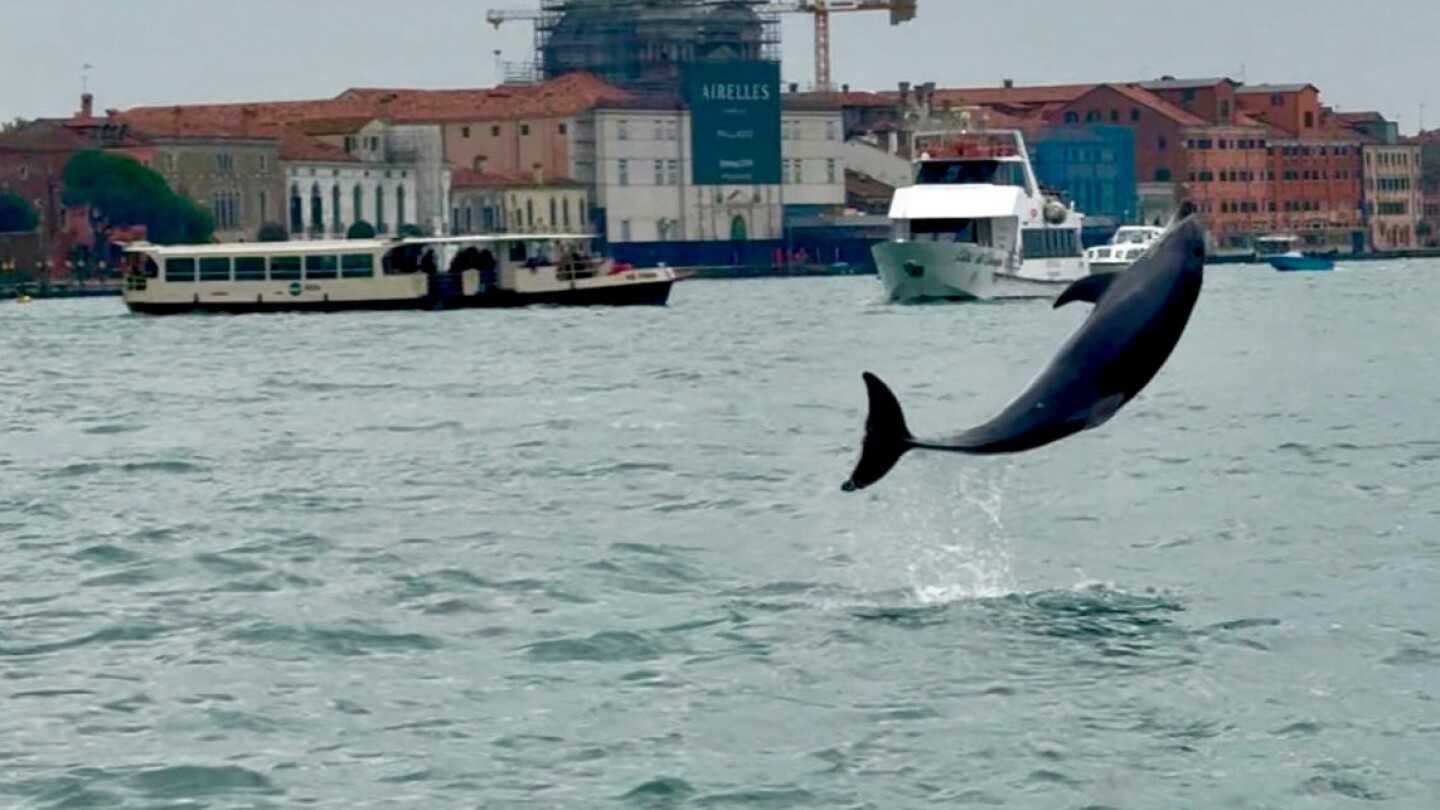
Venice’s newest marvel is a wild, acrobatic dolphin. His refusal to leave puts him in danger
Venice has become the temporary home of an acrobatic wild dolphin named Mimmo, who has captivated both locals and tourists with his playful antics. However, his prolonged stay in the bustling St. Mark’s Basin has raised concerns among marine experts. Mimmo’s refusal to leave the area, despite efforts to guide him to open waters, has exposed him to significant dangers, including injuries from boat propellers. On Saturday, multiple agencies attempted to relocate Mimmo using low-intensity acoustic devices, but the dolphin returned within an hour, highlighting the challenges of his situation. Veterinarian Guido Pietroluongo from the University of Padua’s emergency response team for stranded marine mammals emphasized the risks posed by the heavy boat traffic in the area. Mimmo’s arrival in the Venetian lagoon on July 23 is believed to have been driven by his pursuit of fish. While his superficial wounds are expected to heal, experts worry about his continued safety. Authorities are urging the public to avoid feeding or interacting with Mimmo, as such actions are illegal and could further stress the animal. Despite the risks, Mimmo’s presence has brought a rare and enchanting spectacle to Venice, though his long-term well-being remains a pressing concern.