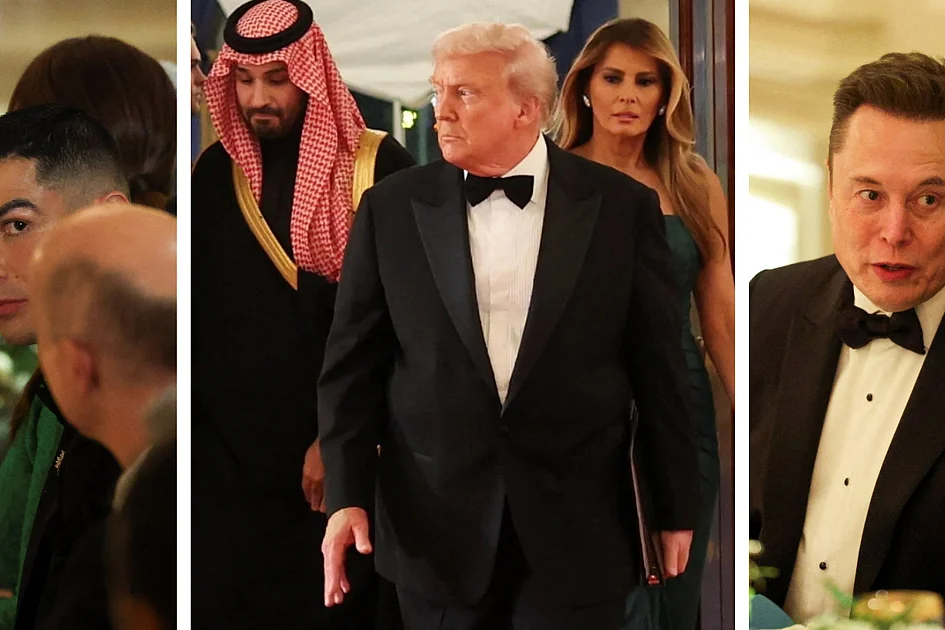
In a high-profile gathering at the White House, US President Donald Trump hosted a lavish dinner for Saudi Crown Prince Mohammed bin Salman on Tuesday, attended by notable figures including Portuguese soccer legend Cristiano Ronaldo and billionaire entrepreneur Elon Musk. The event, held in a formal black-tie setting, underscored the convergence of sports, business, and international diplomacy. Ronaldo, who currently plays for Saudi club Al Nassr, was seated near the head of the table, while Musk, CEO of SpaceX and Tesla, marked a notable reconciliation with Trump after their previous public disputes. FIFA President Gianni Infantino also attended, highlighting the upcoming 2026 World Cup, co-hosted by the United States. During the dinner, Trump praised the Saudi Crown Prince as a ‘man of leadership’ and shared a personal anecdote about his son Barron’s admiration for Ronaldo. The event also featured other prominent guests, including Nvidia CEO Jensen Huang, further emphasizing its significance as a platform for global networking and diplomacy.
博客
-
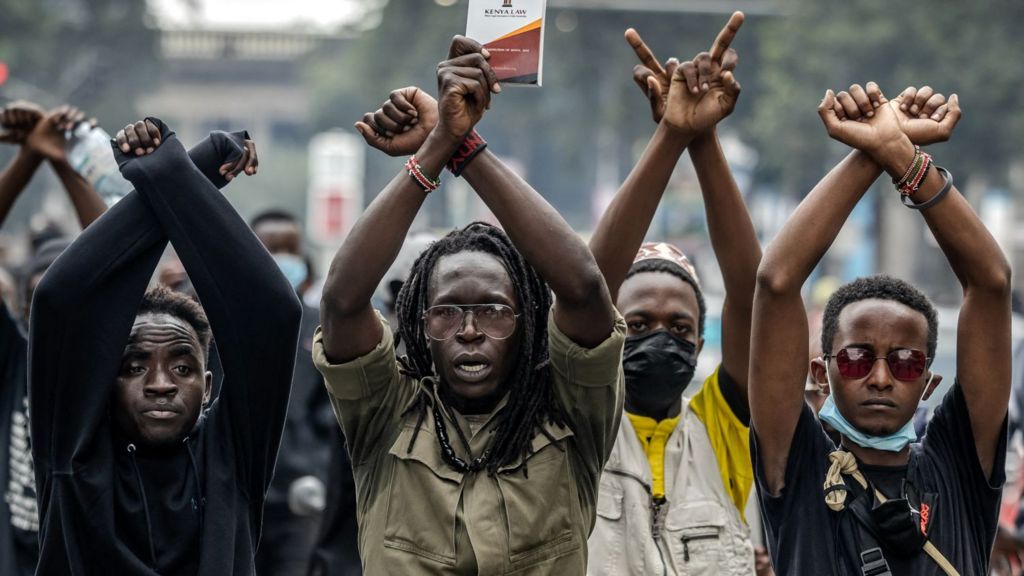
Kenyan authorities paid trolls to threaten Gen Z protesters, Amnesty says
Amnesty International has revealed that Kenyan authorities allegedly funded a network of trolls to threaten and intimidate young protesters during recent anti-government demonstrations. The human rights organization’s report highlights the use of surveillance, disinformation, and digital abuse to target organizers of mass protests that swept Kenya in 2024 and 2025. These demonstrations, largely driven by Gen Z activists, utilized social media platforms for mobilization. The report also disclosed that young women and LGBT+ activists faced disproportionate targeting, including misogynistic and homophobic comments, as well as AI-generated pornographic images. One activist shared harrowing experiences of receiving death threats and being forced to relocate their child due to targeted intimidation. Additionally, a man claimed he was part of a team paid between 25,000 and 50,000 Kenyan shillings daily to amplify government messaging and suppress protest hashtags on social media platform X. Beyond digital abuse, authorities were accused of a brutal crackdown on protests, resulting in over 100 deaths, arbitrary arrests, enforced disappearances, and the use of lethal force. While the government acknowledged some cases of excessive police force, it defended its security forces in other instances. Amnesty International’s Secretary General Agnès Callamard emphasized the report’s findings as evidence of state-sponsored efforts to silence dissent. Kenya’s Interior Minister Kipchumba Murkomen denied government involvement in harassment or violence, stating that any implicated officers would face investigation. Amnesty also raised concerns about unlawful state surveillance, including allegations of mobile data misuse, which Kenya’s largest telecom provider, Safaricom, has denied.
-

Inside the California lab that shows the contradiction at the heart of the trillion-dollar AI race
In a rare glimpse into Google’s California headquarters, CEO Sundar Pichai led a tour of the sprawling Googleplex, showcasing the company’s cutting-edge innovations. Amidst the campus’s iconic landmarks—a dinosaur skeleton, a beach volleyball court, and sunlit lunch spots—Pichai’s excitement was palpable as he revealed a hidden laboratory. This facility is the birthplace of Google’s secret weapon: the Tensor Processing Unit (TPU), a chip poised to revolutionize artificial intelligence (AI).
Pichai emphasized the transformative potential of AI, calling it ‘the most profound technology humanity has ever worked on.’ However, he acknowledged the looming question of whether the AI boom is a bubble at risk of bursting, akin to the dotcom crash of the early 2000s. Despite this, Google is investing heavily, with annual AI expenditures exceeding $90 billion—a threefold increase in just four years.
The AI surge has propelled tech giants like Google, Nvidia, Apple, Meta, and OpenAI to unprecedented valuations, collectively amassing $15 trillion in market value. Yet, this growth comes with risks. The IMF has warned that market concentration in these firms exceeds levels seen during the dotcom bubble. Pichai remains cautiously optimistic, noting that while the industry may overshoot in its enthusiasm, the progress in AI services is undeniably exciting.
At the heart of Google’s strategy is the TPU, a custom-designed chip optimized for AI workloads. The lab, resembling a high-tech fortress, is a hive of activity, with cooling systems humming to manage the intense heat generated by these powerful chips. Google’s TPUs, part of its broader ambition to control the AI supply chain, are central to its vision of dominating the AI landscape.
The race for AI supremacy is not without challenges. The demand for high-performance chips has led to frenzied deal-making, with tech leaders like Elon Musk and Larry Ellison vying for Nvidia’s GPUs. Meanwhile, OpenAI’s Sam Altman has called for governments to build their own AI infrastructure, reflecting the scale of investment required.
As the AI boom continues, questions about sustainability and energy consumption loom large. By 2030, data centers are projected to consume as much electricity as India did in 2023. Pichai believes that balancing AI ambitions with climate goals is possible but requires significant infrastructure scaling.
Ultimately, the AI race is a global battle, with the US and China at the forefront. While the US leverages its free-market innovation, China’s centralized approach poses a formidable challenge. Regardless of the outcome, the AI revolution is reshaping economies, industries, and the future of work, with Google and its TPUs leading the charge.
-

China-Europe youths look toward a shared future
The China-Europe Youth Dialogue 2025 convened in Beijing on Monday, uniting over 100 young representatives from 30 European countries and China. This landmark event highlighted the pivotal role the younger generation will play in fostering bilateral relations over the next half-century. Participants engaged in dynamic discussions, sharing their visions for the future and strategies to actively contribute to this evolving partnership. The dialogue underscored the importance of youth-driven initiatives in addressing global challenges and strengthening cross-cultural understanding. As the world faces unprecedented changes, the event emphasized the need for collaborative efforts to build a sustainable and inclusive future. The insights and aspirations shared during the dialogue are expected to influence policy-making and international cooperation in the years to come.
-
With an eye on Russia, EU wants to make it easier to deploy tanks and troops at short notice
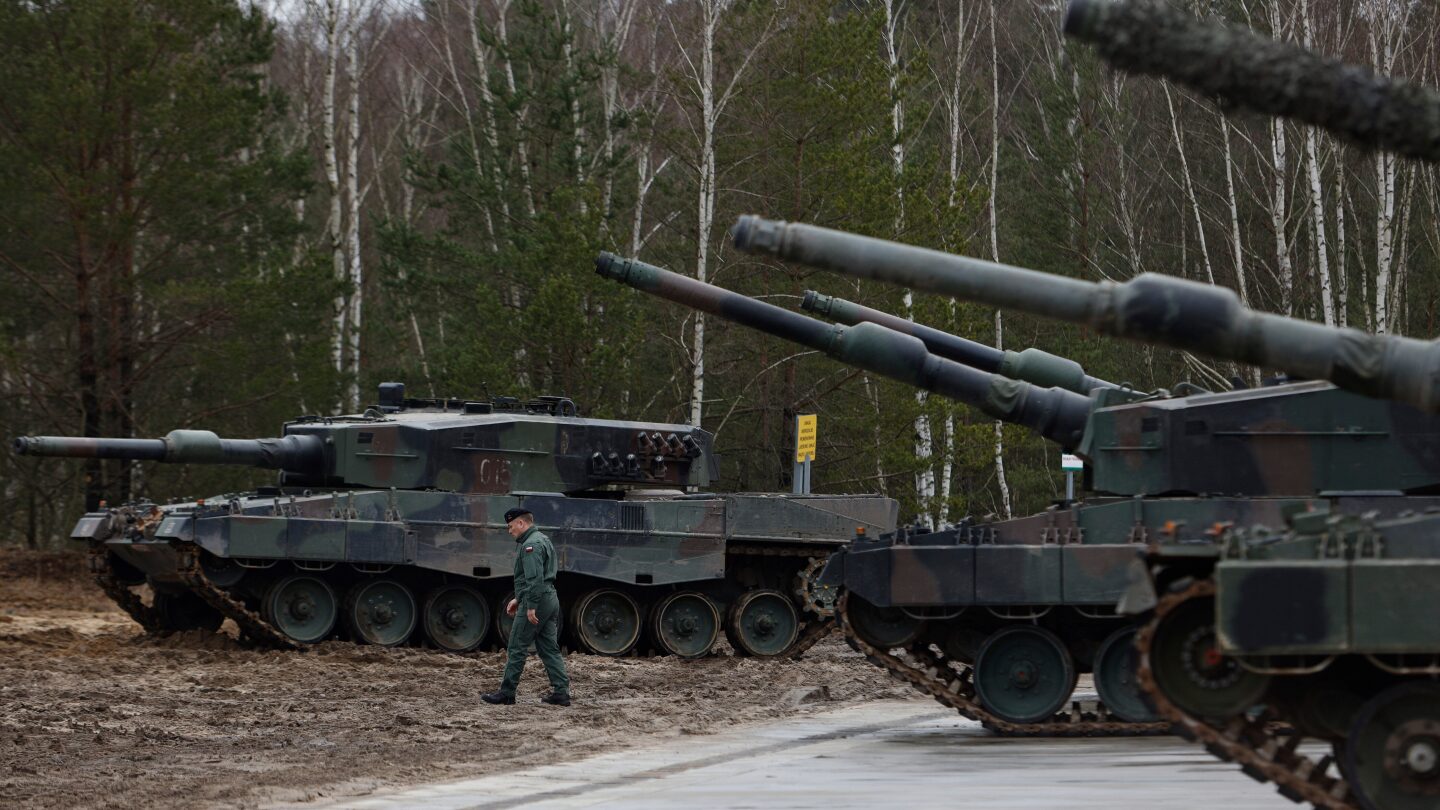
In a significant move to bolster its defense capabilities, the European Union (EU) announced a comprehensive military mobility package on Wednesday. The initiative, spearheaded by the European Commission, aims to enhance the rapid deployment of troops and equipment across the 27-nation bloc. With mounting concerns over Russia’s potential aggression, the package allocates €17.65 billion ($20.4 billion) to upgrade 500 critical infrastructure points, including bridges, ports, and tunnels, which currently hinder the movement of heavy military vehicles. Additionally, armed forces will be granted priority access to airports, roads, and railways during emergencies, while regulations on transporting hazardous materials will be relaxed for military and defense contractors. EU Foreign Policy Chief Kaja Kallas emphasized the importance of increased defense spending, stating, ‘Weakness invites them to make their move. If we are strong, Russia will not attack.’ The announcement comes amid reports of Russian drone incursions and intelligence warnings of a potential attack on the EU within the next three to four years. The EU’s Defense Industry Transformation Roadmap, also unveiled, seeks to streamline regulations and boost domestic production of military equipment, with a projected defense spending of €3.4 trillion ($4 trillion) over the next decade. The initiative underscores the bloc’s shift towards greater self-reliance in defense, particularly as the U.S. signals a focus on its own security priorities.
-
Merz spokesperson defends German leader over remarks criticized in Brazil
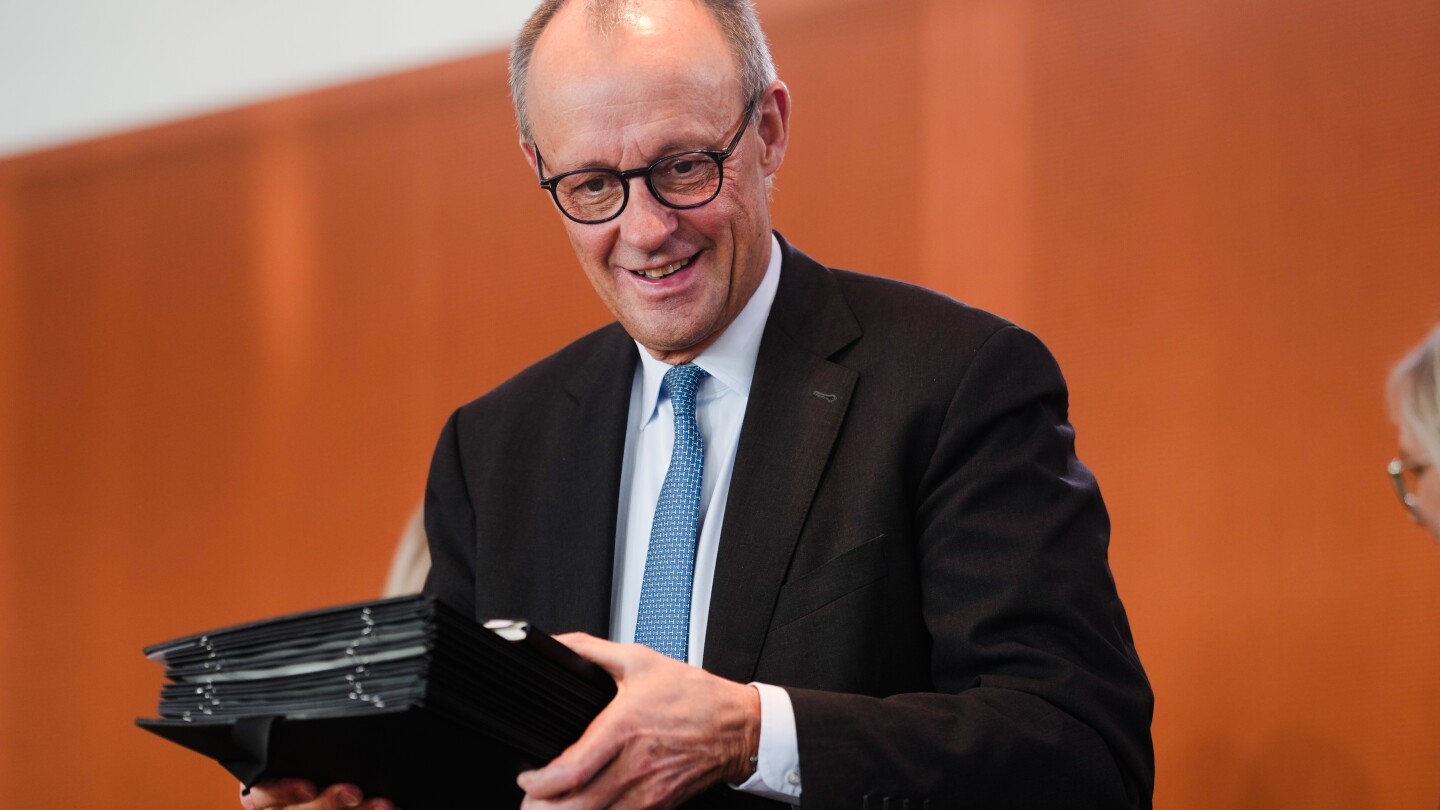
BERLIN (AP) — The spokesperson for German Chancellor Friedrich Merz has firmly denied allegations that the leader intended to belittle Brazil during his recent visit to the city hosting the U.N. climate summit. The controversy arose following remarks made by Merz that sparked significant backlash from Brazilian officials, including President Luiz Inácio Lula da Silva, the mayor of Belem, the governor of Para state, and several lawmakers. Merz’s comments, delivered during a trade conference in Berlin, were interpreted as an attempt to contrast Germany’s economic struggles with the perceived conditions in Brazil. In his speech, Merz remarked, ‘We live in one of the most beautiful countries in the world. Last week I asked some journalists who were with me in Brazil: Which of you would like to stay here? No one raised their hand. They were all happy that, above all, we returned from this place to Germany in the night from Friday to Saturday.’ On Wednesday, Merz’s spokesperson, Stefan Kornelius, addressed the issue at a government news conference, stating, ‘It is far from the chancellor to comment in a derogatory way about Brazil.’ Kornelius emphasized that Merz had utilized his brief visit to Brazil to ‘deepen the excellent relations Germany has with Brazil.’ He further clarified that Merz’s impression of the trip had been ‘very positive’ and reiterated Brazil’s importance as Germany’s ‘most important partner geostrategically and economically in South America.’ Kornelius explained that the disputed remark ‘essentially concerned the wish of the delegation to return home after a very tiring night flight and a long day in Belem.’ He added, ‘When the chancellor says that we live in one of the most beautiful countries in the world, that doesn’t mean other countries aren’t also very beautiful.’ When questioned about the possibility of an apology or any damage to bilateral relations, Kornelius responded with a definitive ‘No, twice.’
-
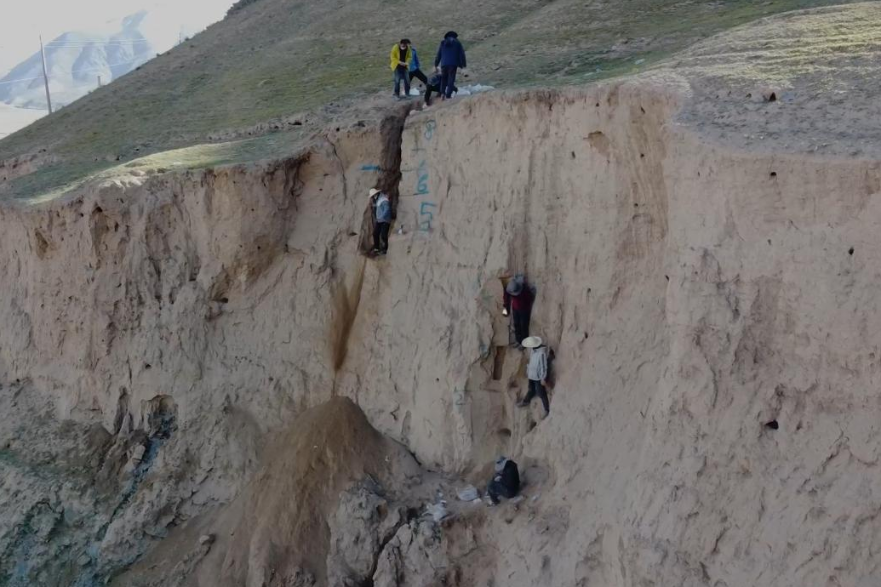
China releases latest findings from second Qinghai-Tibet Plateau scientific expedition
China has officially released the top 10 application achievements from its second Qinghai-Tibet Plateau scientific expedition, marking a significant milestone in ecological, disaster prevention, and resource exploration research. The findings were announced on Wednesday in Lhasa, the capital of the Xizang Autonomous Region, under the leadership of Yao Tandong, a distinguished academician of the Chinese Academy of Sciences. The expedition, which began in August 2017, has involved over 3,000 research teams and 30,000 personnel, conducting extensive surveys across the plateau. Key achievements include scientific support for ecological protection legislation, the creation of an Earth observation and early warning platform, and innovative technologies for disaster prevention in permafrost regions, which are crucial for major infrastructure projects like the Sichuan-Xizang Railway and expressways. The plateau is experiencing a warming, wetting, and ‘greening’ trend, amplifying both regional and global climate impacts. Additionally, the ‘Asian Water Tower’ has shown a significant increase in water supply capacity, with runoff projections indicating a potential 49 percent rise by the end of the century, ensuring water security for billions.
-
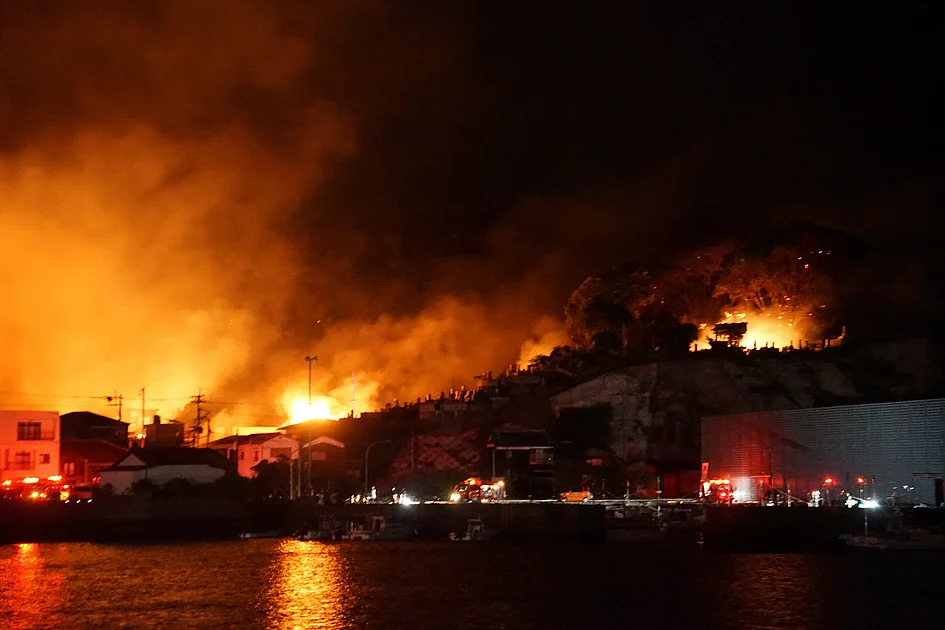
Japan: Major fire engulfs residential area; 300 houses under power blackout
A devastating fire erupted in the southern Japanese city of Oita late Tuesday, engulfing a residential area and spreading to a nearby forested mountain. The blaze, which remains uncontained, has forced the evacuation of 175 residents from 115 households, with one individual still unaccounted for. Firefighters have been battling the ferocious flames throughout the night, as footage captured the inferno turning the sky red and consuming homes. Witnesses described the fire as unprecedented, with strong winds exacerbating its spread. ‘The mountain was burning, the one behind,’ one resident recounted, adding that he only managed to grab his driver’s license and smartphone before fleeing. The fire has affected at least 170 buildings and caused a power blackout in 300 houses. Oita’s governor has sought military assistance to aid in the crisis. Authorities continue to monitor the situation closely as efforts to extinguish the fire persist.
-
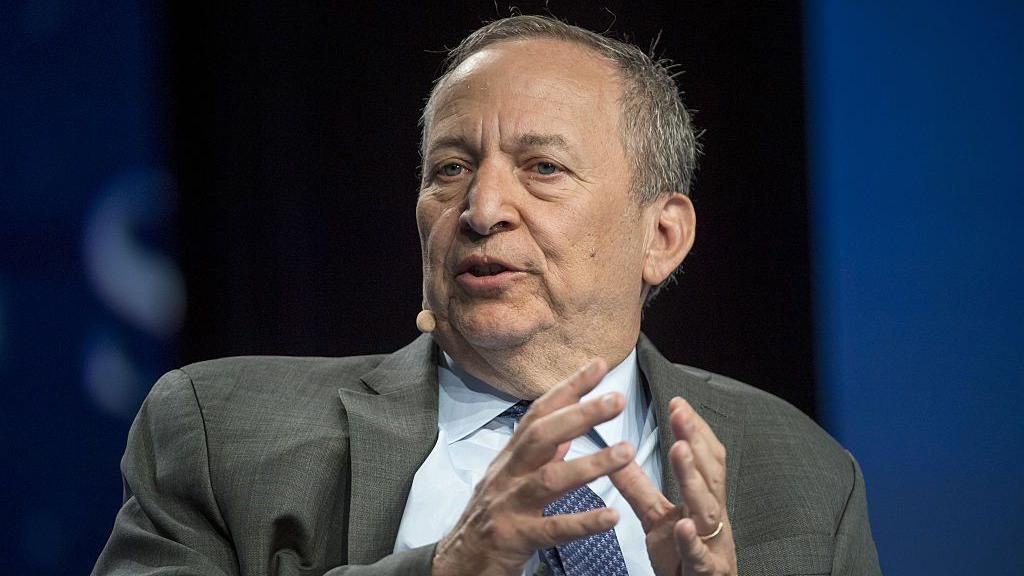
Larry Summers resigns from OpenAI board after Epstein emails made public
Former US Treasury Secretary Larry Summers has announced his resignation from the board of OpenAI, following the release of a series of emails between him and the late convicted sex offender Jeffrey Epstein. Summers, who also served as president of Harvard University, stated that he would be stepping back from public commitments due to his association with Epstein. The emails, disclosed by the House Oversight Committee, revealed that Summers maintained communication with Epstein until just before Epstein’s 2019 arrest for alleged sex trafficking of minors. In a statement to the BBC, Summers expressed gratitude for his tenure at OpenAI and optimism about the company’s future, while acknowledging his ‘misguided decision’ to continue communicating with Epstein. OpenAI respected Summers’ decision to resign, appreciating his contributions to the board. The controversy has also led to broader political implications, with Congress agreeing to pass a measure requiring the US Justice Department to release its files on Epstein, which will now head to President Donald Trump for approval. Summers, who held senior roles under Presidents Bill Clinton and Barack Obama, will continue his teaching commitments at Harvard despite stepping back from public life. The Center for American Progress, a liberal think tank, confirmed that Summers is no longer affiliated with the organization. Summers joined OpenAI’s board in 2023 after a failed attempt to oust CEO Sam Altman.
-

Ferry carrying 267 people runs aground in South Korea
A South Korean passenger ferry, the Queen Jenuvia 2, carrying 246 passengers and 21 crew members, ran aground on rocks near Jogdo Island off the country’s south-east coast on Wednesday evening. The incident occurred near Jangsan Island in Sinan County, according to the Coast Guard. Despite the grounding, the vessel remains stable with no immediate risk of sinking or capsizing. Emergency response teams swiftly mobilized to evacuate all passengers and crew to patrol boats, ensuring their safety. Five individuals sustained minor injuries during the incident, but no serious casualties were reported. South Korean Prime Minister Kim Min-seok has directed all available resources to assist in the rescue operation. ‘We have confirmed that there is no flooding, and we are transferring passengers to patrol boats to move them to a safe location,’ a Coast Guard official stated. The Coast Guard plans to refloat the ferry during high tide. The Queen Jenuvia 2 was en route to Mokpo from Jeju Island when the accident occurred. The area is notably close to the site of the 2014 Sewol ferry tragedy, which claimed over 300 lives, predominantly schoolchildren on a field trip. This incident has reignited concerns about maritime safety in South Korea, prompting calls for stricter regulations and enhanced emergency preparedness.