博客

  • One wrong move and it could all go wrong – the men clearing deadly undersea Russian mines

    One wrong move and it could all go wrong – the men clearing deadly undersea Russian mines

    Beneath the surface of the Black Sea lies a hidden battlefield where Ukrainian Navy divers wage a dangerous war against thousands of submerged explosives. Vitalii, a 31-year-old demining specialist, describes the meticulous process of approaching live mines in pitch-dark waters: “We move carefully and extremely slowly so that the mine does not detonate. One second you move, then you stay still for some time, and you repeat until you reach the object.

    The scale of contamination is staggering. Russian-laid sea mines from the initial invasion join World War II-era ordnance and weapons washed downstream after the 2022 Kakhovka dam explosion. Commander Fox, leader of the navy’s mine countermeasures group, estimates thousands of active mines with countless additional unexploded missiles, artillery shells, and bombs creating an underwater minefield.

    Each demining operation represents an extraordinary undertaking—requiring two days, multiple boats, and 20 personnel to neutralize a single device. Divers use closed-circuit rebreathers that produce no bubbles as they work in total silence to avoid triggering acoustic sensors. The process involves disabling multiple sensors through controlled explosions before safely destroying or moving each mine.

    This hazardous work occurs amidst ongoing combat operations. Russian missiles, drones, and electronic warfare that scramble GPS signals add layers of danger to an already perilous mission. Despite these challenges, Ukraine has maintained surprising maritime parity with Russia, creating conditions that allow commercial shipping to continue through the only export corridor.

    The economic stakes are enormous. Maritime exports account for over two-thirds of Ukrainian agricultural exports, generating approximately $9 billion in essential revenue. Navy spokesman Dmytro Pletenchuk notes that commercial companies continue accepting the risks, with vessel traffic remaining steady despite the threats.

    While the British Navy donated two mine-hunting vessels in 2023, these remain stationed in the UK due to the vulnerability of large ships in the Black Sea. Without advanced equipment, Commander Fox estimates the current demining pace would require dozens of years to clear the seabed—a timeline that ensures Ukraine’s divers will continue their painstaking, second-by-second advances through mine-infested waters for the foreseeable future.
  • Venezuela announces bill that could lead to mass release of prisoners detained for political reasons

    Venezuela announces bill that could lead to mass release of prisoners detained for political reasons

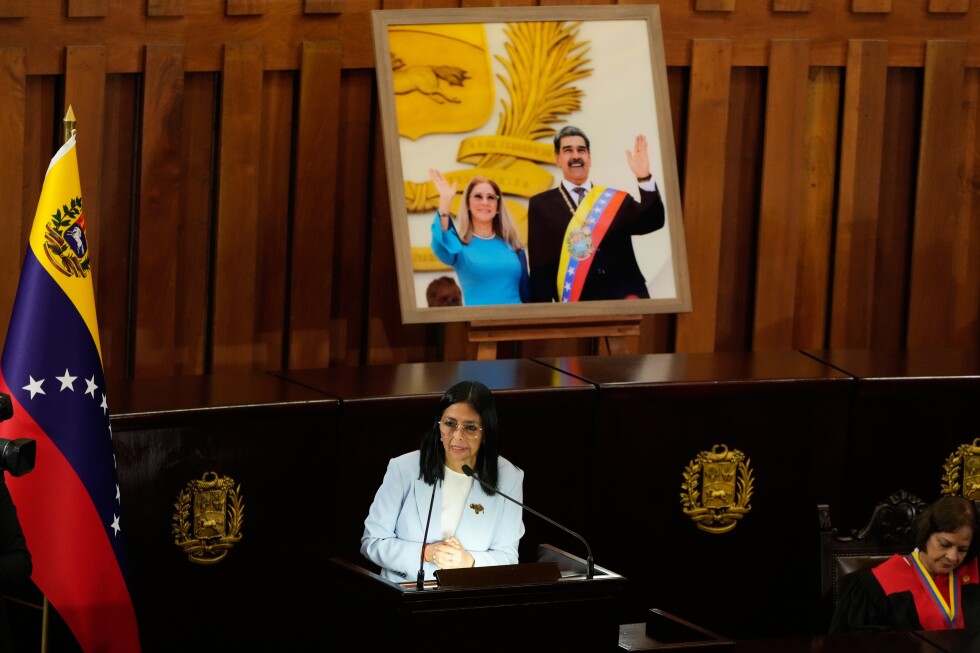
    CARACAS, Venezuela — In a significant political development, Venezuela’s acting President Delcy Rodríguez unveiled legislation on Friday that could potentially secure the liberation of hundreds of detainees incarcerated for political motivations. The proposed bill specifically targets the release of opposition figures, journalists, and human rights activists who have faced government persecution.

    This legislative initiative represents the latest conciliatory measure undertaken by Rodríguez since assuming executive authority on January 3, following the dramatic capture of former President Nicolás Maduro during a U.S. military operation in Caracas. The announcement came during a televised address before an assembly of justices, magistrates, and judicial officials.

    Rodríguez emphasized the healing potential of the legislation, stating, “May this law serve to heal the wounds left by the political confrontation.” She confirmed that the ruling party-dominated National Assembly would expedite consideration of the bill under urgent procedures.

    According to estimates by Foro Penal, a Venezuela-based prisoners’ rights organization, approximately 711 individuals remain detained across the country due to their political activities. While the government previously announced plans for prisoner releases as a goodwill gesture in early January, implementation has progressed slowly, drawing criticism from detainees’ families.

    Notably, the government withheld the specific text of the proposed legislation, leaving ambiguity regarding the precise criteria for amnesty eligibility. Human rights organizations have responded cautiously to the announcement, welcoming the initiative while emphasizing the need for comprehensive implementation.

    Alfredo Romero, president of Foro Penal, commented via social media: “A general amnesty is welcome as long as its elements and conditions include all of civil society, without discrimination, that it does not become a cloak of impunity, and that it contributes to dismantling the repressive apparatus of political persecution.”

    Since January 8, when National Assembly president Jorge Rodríguez first announced the prisoner release initiative, the organization has documented 302 releases. Human rights group Provea issued a statement criticizing the lack of transparency and gradual pace of releases, while emphasizing that amnesty should not be construed as state clemency for those arbitrarily detained for exercising internationally protected rights.

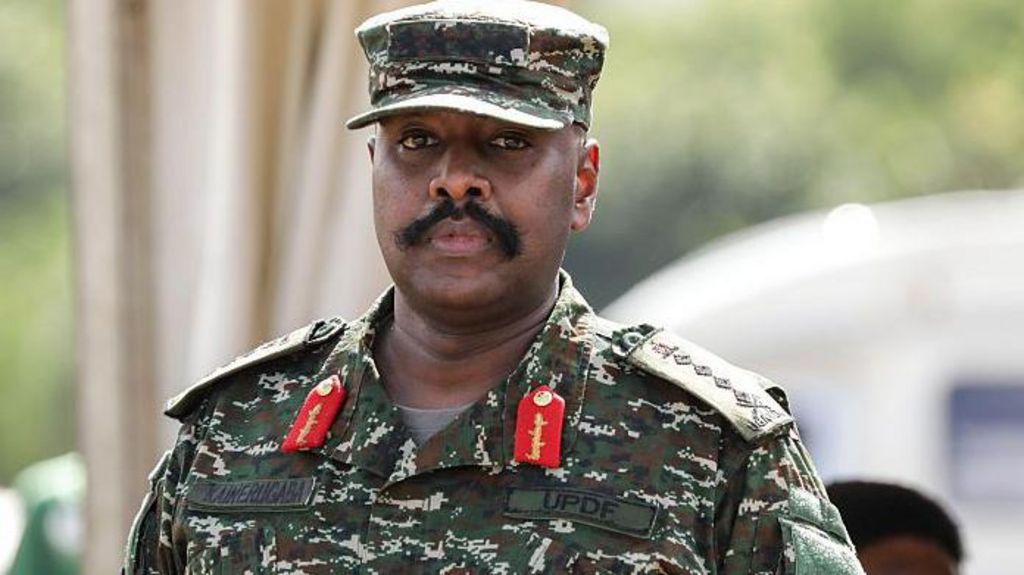
  • This army chief threatened to castrate opposition leader and claimed descent from Jesus

    This army chief threatened to castrate opposition leader and claimed descent from Jesus

    Uganda’s military leadership finds itself at the center of both political and digital controversy as General Muhoozi Kainerugaba, son of long-serving President Yoweri Museveni, continues to generate international attention through his provocative social media presence. The general’s recent posts on platform X, including threats against opposition figures and claims of divine right to rule, have sparked concerns about Uganda’s democratic processes and the apparent consolidation of power within a single family dynasty.

    Following the January presidential election that granted President Museveni a seventh term with over 70% of votes, General Kainerugaba engaged in a series of inflammatory online statements. These included threats to physically harm defeated opposition candidate Bobi Wine and declarations about his supposed bloodline connection to Jesus Christ. While many posts were subsequently deleted, they revealed the increasingly blurred lines between state authority and personal political ambition in the East African nation.

    Analysts identify what they term an ‘unholy trinity’ of power comprising President Museveni, his son General Kainerugaba, and the president’s influential brother Salim Saleh. This power structure appears designed to ensure dynastic continuity, with the general being groomed as successor to his 81-year-old father. Security expert Nicodemus Minde of the Institute for Security Studies notes that while Kainerugaba’s statements often appear ‘wild,’ they must be understood within the context of Uganda’s succession politics.

    The general’s online behavior has occasionally strained international relations, most notably in 2022 when he threatened to invade neighboring Kenya, requiring presidential intervention to repair diplomatic damage. His supporters describe him as ‘incredibly loyal’ and compare his communication style to that of former US President Donald Trump, while critics point to human rights abuses and the suppression of opposition voices.

    Uganda’s security apparatus, particularly the Special Forces Command (SFC) which Kainerugaba helped establish, has been accused of systematic repression including abductions, torture, and election interference. The recent election occurred amid internet blackouts and reports of widespread intimidation, with the UN noting an ‘environment marked by widespread repression.’

    As the Museveni dynasty potentially extends to a third generation with the general’s son joining the military, Uganda faces continuing questions about democratic governance, military influence in politics, and the consequences of concentrated family power.

  • An ingredient for this curry is missing – and in eight minutes, it’s at the door

    An ingredient for this curry is missing – and in eight minutes, it’s at the door

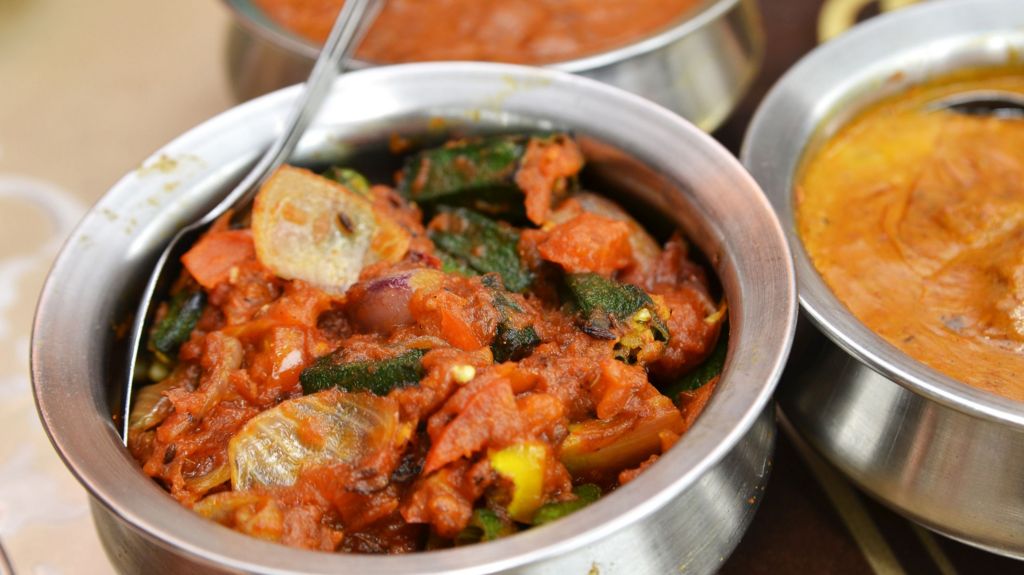
    In the early morning hours of Delhi, Tanisha Singh discovers she’s out of tomatoes while preparing her lunch curry. With local markets still closed, she turns to her smartphone. Within eight minutes, a delivery rider arrives at her doorstep with fresh produce—a phenomenon now commonplace in India’s metropolitan centers.

    This convenience is powered by an intricate network of ‘dark stores’—compact fulfillment centers strategically embedded within residential neighborhoods. Unlike traditional retailers, platforms like Blinkit, Swiggy, Instamart and Zepto operate from these hyper-local facilities stocked with essentials arranged for maximum efficiency rather than customer browsing.

    BBC’s visit to one such facility in northwest Delhi revealed a meticulously organized operation. Workers navigate narrow aisles stacked with vegetables, frozen goods, and packaged items, fulfilling orders with near-robotic precision. Store manager Sagar boasts of completing orders ‘in under a minute’ as delivery riders synchronize with packers in a seamless ballet of efficiency.

    The delivery process, however, conceals significant human challenges. Delivery driver Muhammad Faiyaz Alam, 26, demonstrates the reality behind the promises—navigating complex urban landscapes where digital maps often fail. His recent 2.2km delivery took 16 minutes total, earning him 31 rupees (£0.25). Alam typically attempts 40 daily deliveries, with earnings fluctuating between 900-1,000 rupees after deducting expenses.

    This system operates on an incentive structure that rewards continuous work. Alam logged 406 hours in December, completing over 1,000 orders and earning 16,000 rupees in incentives alone. However, the system proves fragile—when Alam’s phone was stolen mid-shift, he lost consecutive days of work and missed a 5,000-rupee incentive.

    Researchers note that while such incentive models aren’t unique to India, they’re intensified by labor availability and weak worker protections. ‘These workers are classified as independent contractors with no social security, yet algorithms control their work through ratings, penalties and pay,’ explains researcher Vandana Vasudevan.

    The pressure manifests on roads where riders admit to speeding and traffic violations to meet targets. Recent strikes across Indian cities have protested falling incomes, unpredictable incentives, and unsafe conditions, prompting government intervention. The labor ministry has ordered platforms to abandon aggressive ’10-minute delivery’ marketing language.

    India’s quick commerce sector defied global trends by sustaining growth post-pandemic. While Western services like Getir scaled back, Indian platforms flourished by catering to time-poor urban residents willing to pay premiums for convenience. Retail analyst Ankur Bisen notes that despite the buzz, profitability remains elusive with companies still operating at losses amid intense competition.

    Consumer awareness is gradually shifting. A LocalCircles survey found 74% support for dropping the ’10-minute delivery’ promise, with 40% willing to wait longer for orders. Yet for now, India’s urban convenience economy continues to run on the relentless pace of workers like Alam, who have little choice but to keep moving.

  • Pakistan’s arms deals position it squarely within growing Saudi-UAE rift

    Pakistan’s arms deals position it squarely within growing Saudi-UAE rift

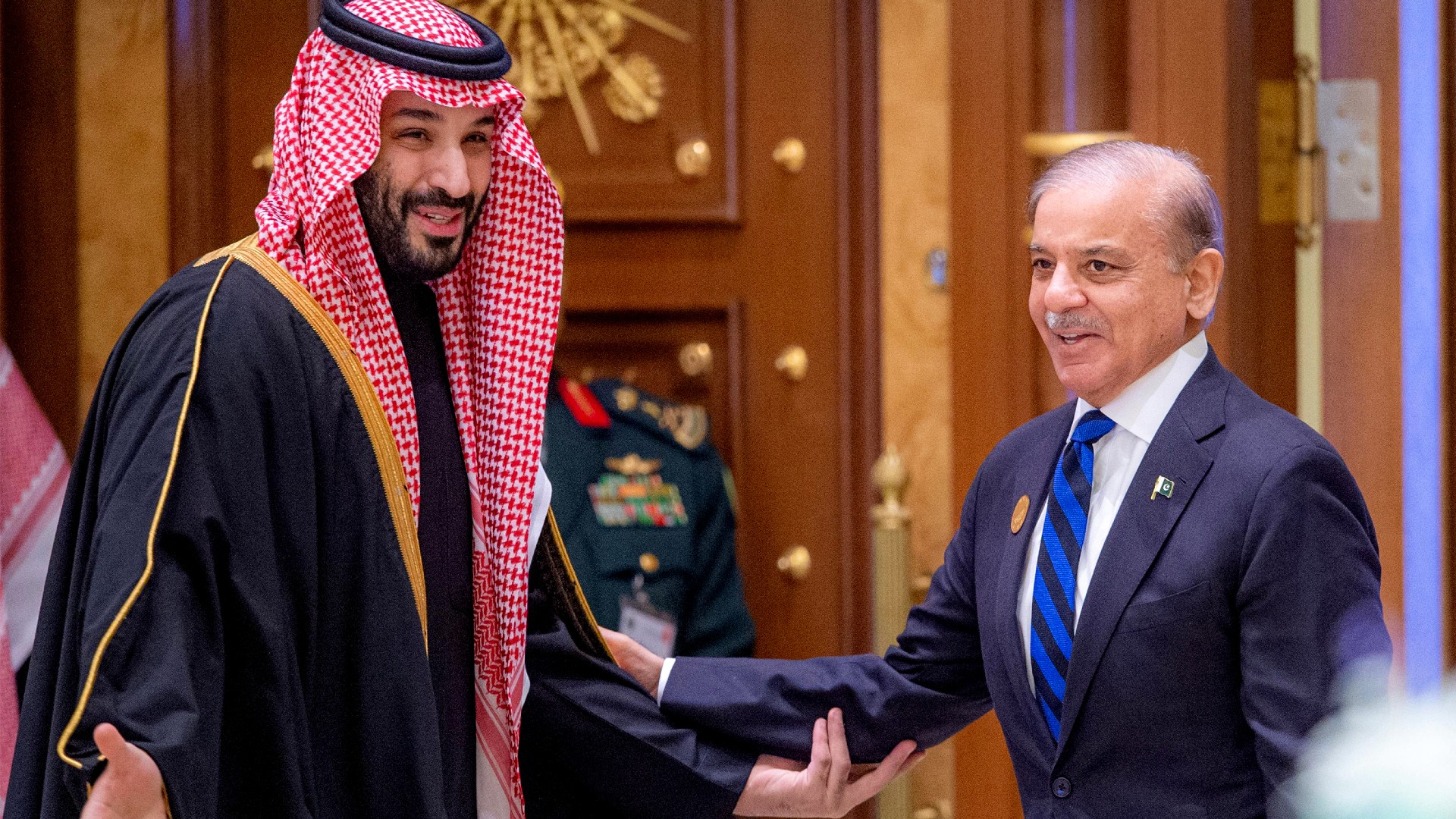
    Pakistan’s burgeoning defense exports, particularly its JF-17 Thunder multirole fighter jets, are becoming increasingly entangled in the geopolitical rivalry between Saudi Arabia and the United Arab Emirates across conflict zones in Libya and Sudan. This complex situation presents Islamabad with significant diplomatic and strategic challenges as it seeks to balance its military partnerships.

    Recent reports indicate Pakistan has negotiated multi-billion dollar defense packages with both the Libyan National Army (LNA) and Sudan, though these agreements remain shrouded in complexity. A $4 billion agreement with the Benghazi-based LNA, reportedly backed by Emirati financing, would supply JF-17 fighters and Super Mushshak trainers. Simultaneously, a potential deal with Sudan appears connected to Saudi Arabia’s offer to convert $2 billion in Pakistani loans in exchange for military equipment.

    The JF-17 Thunder, a joint venture between Pakistan’s Aeronautical Complex and China’s Chengdu Aircraft Corporation, has gained market traction as an affordable alternative to Western fighters. With unit costs ranging from $25-42 million compared to $70-130 million for competitors like the F-16 Block 70 or Dassault Rafale, the platform appeals to budget-conscious militaries in Southeast Asia and Africa. The aircraft’s performance during the limited India-Pakistan conflict of May 2025 reportedly enhanced its combat credibility.

    However, Pakistan faces substantial constraints in fulfilling these orders. Production capacity appears limited to approximately 25 aircraft annually, with the supply chain dependent on Chinese strategic systems and Russian engines. Furthermore, deliveries to conflict zones under UN embargo raise legal and diplomatic complications. The Saudi-backed Sudanese government and Emirati-supported Rapid Support Forces represent opposing sides in Sudan’s civil war, while in Libya, the LNA opposes the UN-recognized Tripoli government.

    Pakistan’s historical relationships with Gulf Cooperation Council countries add layers of complexity. While maintaining military ties across the Arab world, including pilot training programs dating to 1967, Islamabad’s recent “strategic mutual defense agreement” with Saudi Arabia and its “Three Brothers Alliance” with Turkey and Azerbaijan suggest Riyadh would receive priority if Pakistan were forced to choose. Additionally, Turkey’s role as a key defense partner and major client for joint programs further influences Pakistan’s strategic calculations.

    Industry analysts suggest Pakistan will likely avoid direct arms sales to embargoed regions, prioritizing instead more stable clients like Azerbaijan, with which deliveries are already underway. Prospective deals with Indonesia and Bangladesh offer more reliable financial frameworks than the precarious agreements linked to Gulf rivalries. As defense industrial partnerships grow increasingly interconnected with great power competition, Pakistan’s careful navigation of these murky waters will test its diplomatic acumen and industrial capabilities.

  • Sharjah Ruler becomes first Arab to receive Portugal’s highest cultural award

    Sharjah Ruler becomes first Arab to receive Portugal’s highest cultural award

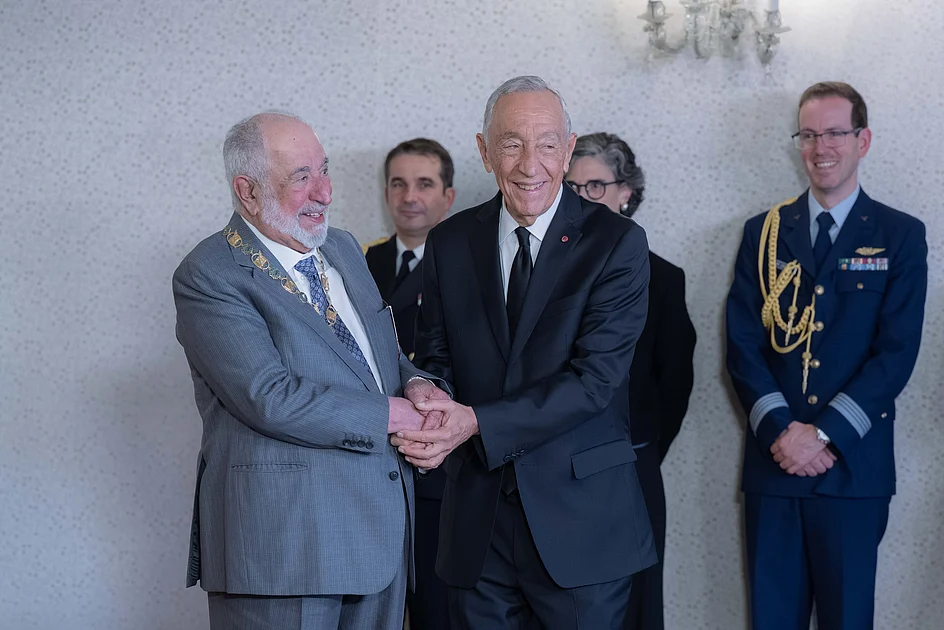
    In a landmark ceremony at Lisbon’s Presidential Palace, His Highness Sheikh Dr. Sultan bin Mohammed Al Qasimi, Supreme Council Member and Ruler of Sharjah, was decorated with Portugal’s highest cultural honor—the Grand Collar of the Order of Camões. The historic event, presided over by Portuguese President Marcelo Rebelo de Sousa on Thursday, marks the first time an Arab personality has received this sovereign accolade.

    The prestigious award recognizes Sheikh Dr. Sultan’s globally acknowledged contributions to culture, intellectual thought, and intercultural dialogue. The timing of the ceremony carries special significance, coinciding with the 50th anniversary of diplomatic relations between the United Arab Emirates and Portugal.

    President de Sousa emphasized the symbolic importance of honoring Sheikh Sultan’s “enlightened, distinguished and open personality” during this milestone year. He highlighted the shared commitment between the two leaders to foster cultural exchange and mutual understanding, citing the enduring academic partnership between Sharjah and the University of Coimbra, which awarded Sheikh Sultan an honorary doctorate in 2018.

    In his acceptance address, Sheikh Dr. Sultan expressed profound appreciation for the honor, describing it as recognition from “a nation distinguished by its rich scientific and cultural history.” He reflected on Portugal’s historical connections with the Arab Gulf nations, noting that each visit feels like “standing before a living history.”

    The Sharjah Ruler articulated his vision of culture as an essential bridge between civilizations, stating: “Culture is not a legacy we merely preserve, but a bridge we build with others.” He characterized the award as celebrating not only Arab culture but also the cultural vision of the UAE and Sharjah’s dedicated path toward making cultural exchange a fundamental necessity.

    Established in the name of renowned Portuguese poet Luís de Camões, the Order of Camões honors individuals who have made exceptional contributions to culture and the advancement of dialogue between peoples through language, literature, and thought. Sheikh Dr. Sultan—a prolific writer, historian, and thinker with nearly 200 published works translated into over 20 languages—exemplifies these ideals through his scholarly research and corrections of historical narratives.

    The ceremony was attended by Sheikha Bodour bint Sultan Al Qasimi, Chairperson of the Sharjah Book Authority, alongside senior officials, cultural ambassadors, and media representatives, signaling the importance both nations place on this strengthened cultural partnership.

  • Phone (3a) Community Edition: A new model for co-creating products with fans

    Phone (3a) Community Edition: A new model for co-creating products with fans

    In an innovative departure from conventional product development, technology company Nothing has launched the Phone (3a) Community Edition—a smartphone entirely co-created with its community of dedicated fans. This groundbreaking initiative represents a fundamental reimagining of how consumer technology products are conceived and developed.

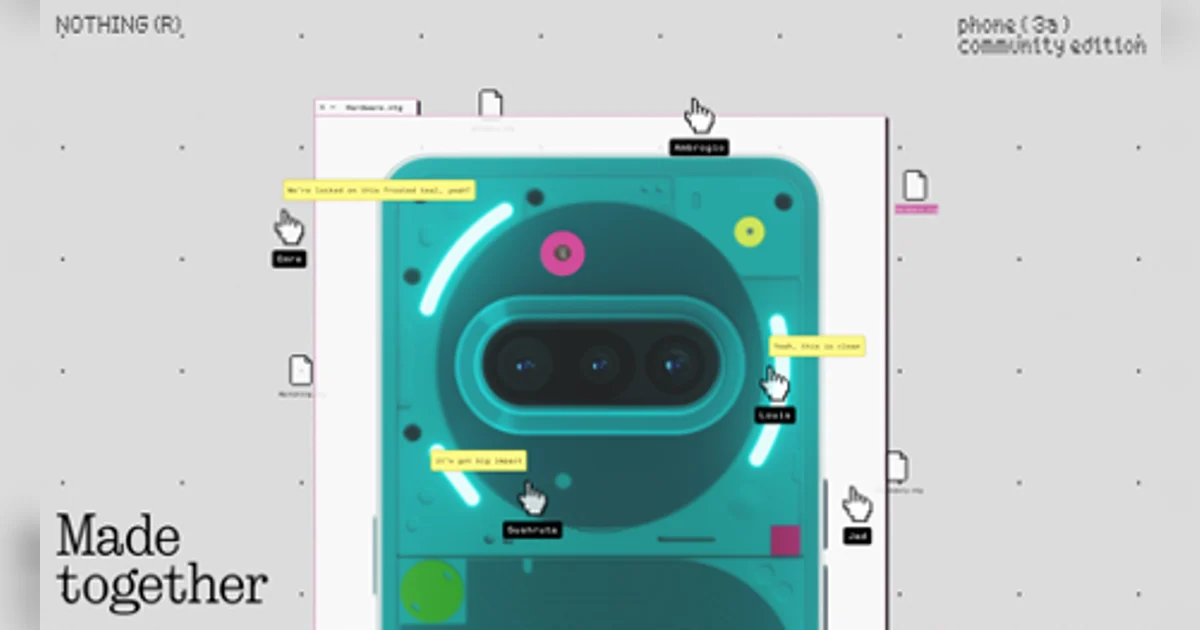
    The nine-month collaborative endeavor generated over 700 submissions across multiple creative categories, culminating in the selection of four emerging creators who worked directly with Nothing’s London-based teams. These winners—Emre Kayganacl (Hardware Design), Ambrogio Tacconi & Louis Aymond (Accessory Design), Jad Zock (Lock Screen Interface), and Sushruta Sarkar (Marketing Campaign)—were chosen based on their exceptional originality, technical craftsmanship, and ability to advance Nothing’s distinctive design philosophy.

    This year’s program expanded significantly from previous iterations, incorporating hardware design, custom software elements, accessory creation, and comprehensive marketing campaigns. Nothing enhanced the collaborative process by releasing all creative briefs simultaneously and providing participants extended development timelines alongside dedicated resources. Each category winner received a £1,000 cash prize to support their creative development.

    The resulting device showcases remarkable innovation: Kayganacl’s hardware design draws inspiration from late-1990s and early-2000s technology aesthetics, creating a nostalgic yet futuristic visual language. The accessory component features ‘Dice’—a culturally universal gaming element incorporating Nothing’s proprietary Ndot 55 font. Zock’s software contribution includes a minimalist clock face designed to reduce visual clutter while improving information retention, complemented by exclusive wallpapers that bridge the device’s physical and digital aesthetics. Sarkar’s ‘Made Together’ marketing campaign celebrates the collaborative process itself rather than focusing exclusively on the final product.

    Beyond product development, Nothing is pioneering a comprehensive community integration model. The company recently opened a $5 million community investment opportunity at its Series C valuation of $1.3 billion, allowing supporters to invest alongside institutional partners. This initiative coincides with Nothing’s strategic pivot toward developing AI-native operating systems, reflecting the company’s conviction that future personal technology should be shaped directly by its users.

    The Phone (3a) Community Edition will have extremely limited availability with only 1,000 units produced worldwide. Priced at Dh1,399, the device will be exclusively available through noon retailers, maintaining the 12+256 GB specifications of the standard Phone (3a) model.

  • MSF refuses to share list of Palestinian staff with Israel

    MSF refuses to share list of Palestinian staff with Israel

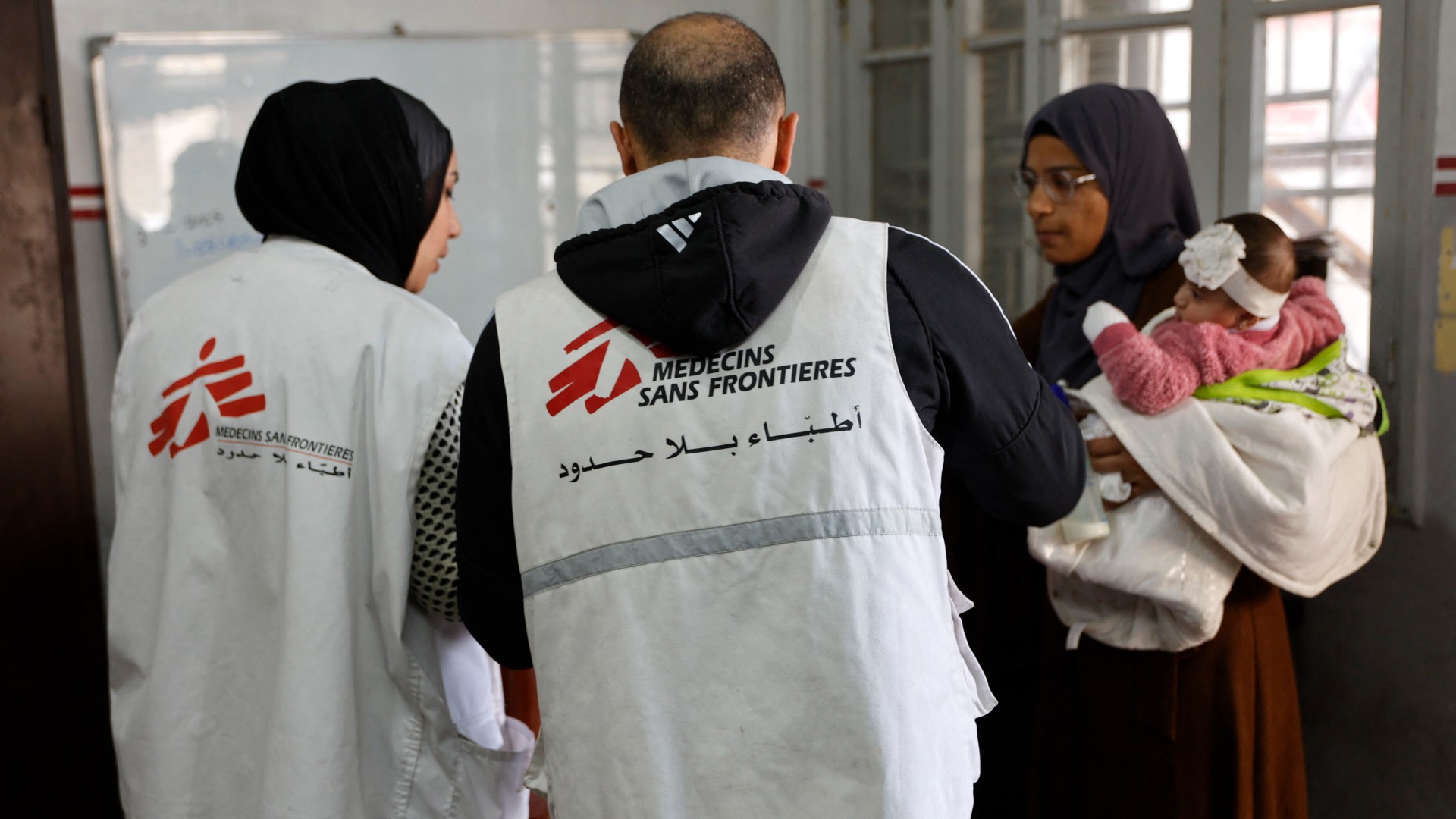
    In a significant stand against Israeli regulatory demands, Médecins Sans Frontières (MSF) has declared it will not provide lists containing personal information of its Palestinian and international staff to Israeli authorities. This decision follows failed negotiations to obtain essential guarantees regarding staff safety and the organization’s operational independence.

    The confrontation stems from a 2023 Israeli government mandate requiring non-governmental organizations operating in occupied Palestinian territories to submit detailed staff information as part of their registration process. On December 30, MSF was among 37 NGOs notified that their registrations would expire the following day, initiating a two-month countdown to potential operational cessation in Gaza, the West Bank, and East Jerusalem.

    Israel’s Ministry of Diaspora Affairs justified the suspension by citing organizations’ failure to meet ‘security and transparency requirements,’ specifically targeting those refusing to provide Palestinian staff lists to ‘rule out any links to terrorism.’

    MSF revealed that on January 23, it had conditionally offered to share a limited staff list as an exceptional measure, contingent upon receiving concrete safety guarantees developed through consultation with Palestinian colleagues. The organization emphasized that no information would be shared without individual consent.

    However, negotiations collapsed when Israeli authorities failed to provide assurances that: staff information would be used solely for administrative purposes; MSF would maintain control over human resources and medical supply management; and Israeli officials would cease defamatory communications undermining the organization’s work.

    The humanitarian crisis amplifies the stakes of this standoff. Since October 2023, over 71,000 Palestinians have been killed according to figures recently acknowledged by the Israeli military, including more than 1,700 healthcare workers—fifteen of whom were MSF staff members.

    MSF warned that expulsion would have ‘devastating impact’ on Palestinians facing winter conditions without adequate shelter, food, water, or functional healthcare systems. The organization provided 800,000 medical consultations last year, supporting one-third of all births and one-fifth of hospital beds in the region.

    The dispute has drawn international concern, with eight Muslim-majority nations and dozens of NGOs urging Israel to ensure unimpeded humanitarian operations. Critics argue the registration measures establish dangerous precedents for Israeli control over humanitarian work in occupied territories, contravening international legal frameworks.

  • Abu Dhabi consolidates L’IMAD Holding, ADQ to create sovereign investment powerhouse

    Abu Dhabi consolidates L’IMAD Holding, ADQ to create sovereign investment powerhouse

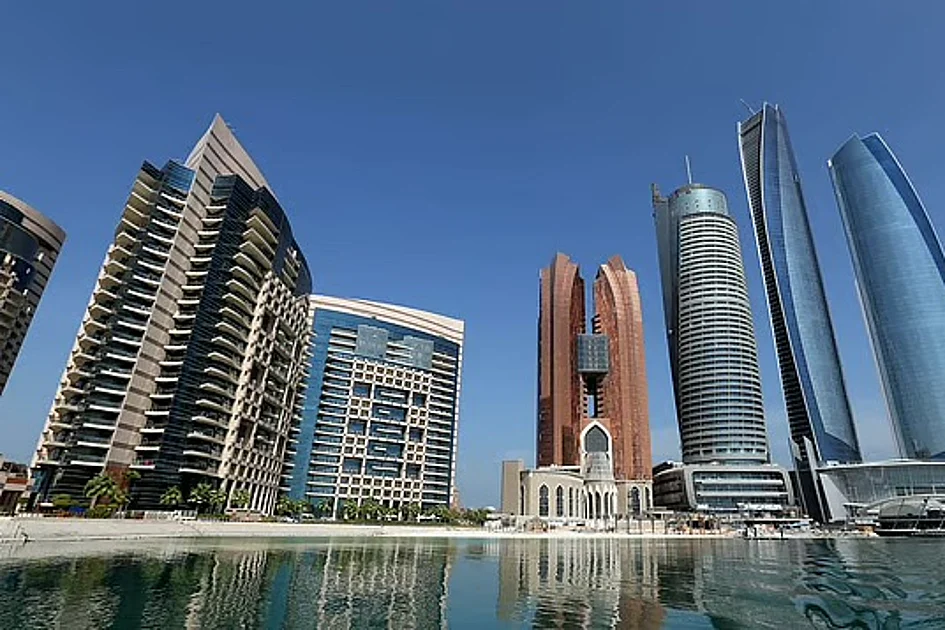
    In a landmark strategic maneuver, the Supreme Council for Financial and Economic Affairs (SCFEA) has mandated the consolidation of L’IMAD Holding Company and the Abu Dhabi Developmental Holding Group (ADQ) under the unified banner of L’IMAD. This decisive action, announced on January 30, 2026, is engineered to establish a formidable sovereign investment entity with a vastly diversified asset portfolio, directly aligning with the Abu Dhabi government’s mandate for sustainable investment and accelerated economic advancement for both the emirate and the wider UAE.

    The consolidation is a direct implementation of UAE President Sheikh Mohamed bin Zayed Al Nahyan’s vision to amplify the scope and influence of the nation’s sovereign wealth funds on domestic and international stages. This initiative is designed to safeguard the enduring stability and continuity of an investment policy framework that has been meticulously developed over five decades.

    Under the leadership of Sheikh Khaled bin Mohamed bin Zayed Al Nahyan, Crown Prince of Abu Dhabi and Chairman of the Abu Dhabi Executive Council, the newly fortified L’IMAD will cultivate globally competitive investment platforms. Its strategic mandate is to build national champions across a spectrum of high-priority sectors, including energy, real estate development, infrastructure, healthcare and pharmaceuticals, food security, aviation, ports, and the financial and banking sectors, alongside a broad array of industrial and technological fields.

    The entity will leverage a multifaceted investment approach, engaging in both direct and indirect investments through specialized funds and participation in public and private financial markets. L’IMAD’s expansive portfolio will integrate operational, developmental, industrial, and financial capabilities, encompassing an impressive network of 25 investment companies and platforms and more than 250 group subsidiaries. Prominent holdings include the energy giant TAQA, real estate developer Modon Properties, Etihad Airways, healthcare leader PureHealth, Etihad Rail, Wio Bank, Abu Dhabi Ports, McLaren, and Louis Dreyfus.

    Guided by Managing Director and CEO Jassem Mohamed Bu Ataba Al Zaabi, L’IMAD is poised to significantly expand its global investment footprint. This expansion will be pursued through private investment funds, both independently and via strategic partnerships in key sectors. The SCFEA maintains oversight of Abu Dhabi’s principal sovereign investment vehicles, which now comprise the Abu Dhabi Investment Authority (ADIA), Mubadala Investment Company, and the consolidated L’IMAD, in addition to the Abu Dhabi National Oil Company (ADNOC).

  • OMODA&JAECOO UAE launches flagship JAECOO J8 SHS at ‘Super Hybrid Night’ in Dubai

    OMODA&JAECOO UAE launches flagship JAECOO J8 SHS at ‘Super Hybrid Night’ in Dubai

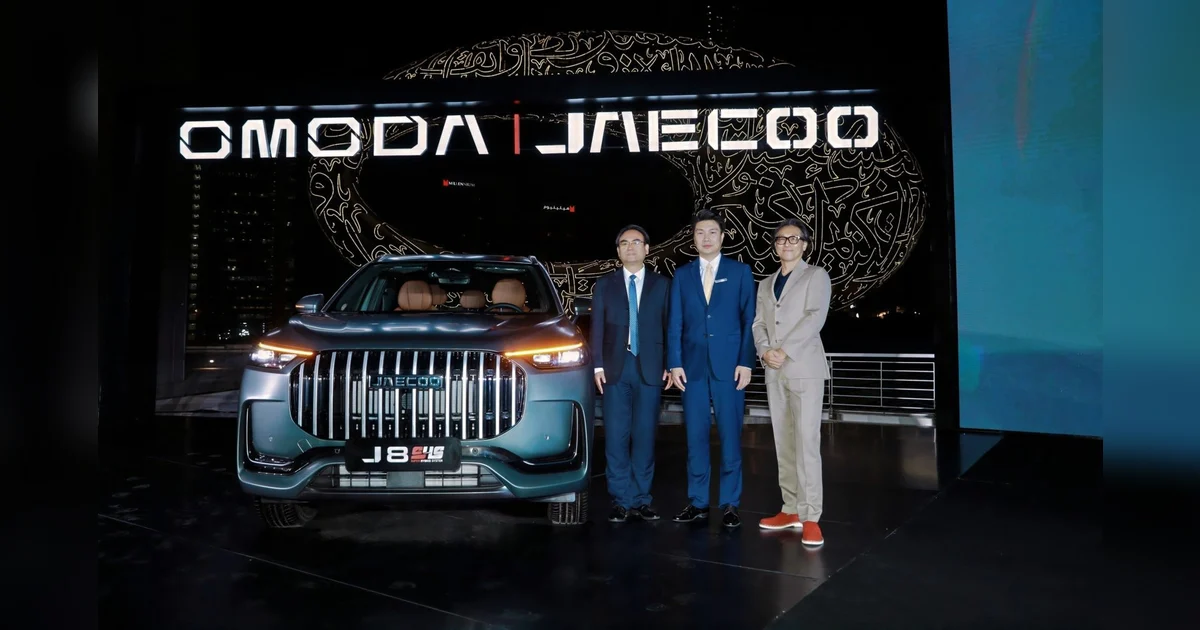
    Dubai’s skyline provided a futuristic backdrop for a significant automotive unveiling as OMODA&JAECOO UAE introduced its premier performance hybrid vehicle, the JAECOO J8 SHS, during an exclusive ‘Super Hybrid Night’ gathering. The January 30th event at a prestigious venue assembled government dignitaries, industry executives, media representatives, and VIP guests to witness the brand’s technological advancement in intelligent mobility solutions.

    The evening’s centerpiece featured the formal debut of the JAECOO J8 SHS (Super Hybrid System), representing the manufacturer’s most sophisticated performance-oriented hybrid SUV to date. The vehicle incorporates class-leading hybrid technology that harmonizes power delivery with operational efficiency, achieving an exceptional driving range of 1,300 kilometers on a single charge. This capability positions the J8 SHS as equally suited for metropolitan commuting and extended regional travel.

    Performance specifications establish new benchmarks for the segment, with the variant generating 600 horsepower combined output and 915 Nm of peak torque. The all-wheel-drive configuration enables acceleration from stationary to 100 km/h in merely 5.8 seconds, demonstrating remarkable engineering achievement.

    Attendees experienced the comprehensive Super Hybrid portfolio, including the JAECOO J7 SHS, OMODA C7 SHS, and OMODA C5 HEV models. A dedicated technology zone displayed the innovative chassis architecture and engineering principles underlying the Super Hybrid System, providing transparent insight into the brand’s technical development.

    The program elaborated OMODA&JAECOO’s global strategic vision and long-term renewable energy roadmap, emphasizing Super Hybrid technology as fundamental to future product development. The celebration incorporated customer testimonials, partner recognition, and commemorated the brand’s first anniversary in the UAE market.

    Shawn Xu, CEO of OMODA&JAECOO Automobile International, stated: ‘This launch represents a pivotal achievement for our presence in the UAE. Our Super Hybrid technology embodies our commitment to delivering powerful yet sustainable mobility solutions specifically designed for regional requirements. The J8 SHS exemplifies performance integration with intelligent design, mirroring both our innovative spirit and the UAE’s progressive mobility objectives.’

    Since establishing operations in the UAE, OMODA&JAECOO has maintained market momentum through technological innovation, distinctive design philosophy, and customer-focused development. The successful J8 SHS introduction further solidifies the brand’s emerging prominence within the region’s expanding new-energy vehicle sector.

    The event concluded with ceremonial photography and networking sessions, enabling direct engagement between attendees, corporate leadership, and technical specialists.