
China has unveiled a comprehensive set of draft regulations aimed at bolstering personal information protection and ensuring the secure handling of data by large online platforms. Released jointly by the Cyberspace Administration of China (CAC) and the Ministry of Public Security, the draft seeks to enhance individual rights and foster the sustainable growth of the platform economy. Key provisions mandate that personal data collected and generated within China must be stored domestically. Any cross-border data transfers must adhere to stringent national security protocols. Platforms are required to implement robust technical and managerial safeguards to mitigate risks associated with unauthorized overseas data transfers. Additionally, the draft emphasizes the need for data centers to meet national security standards and be located within China. Service providers must offer users accessible methods to manage their personal information, including options to access, correct, supplement, delete, or transfer their data. In cases of severe lapses in data protection—such as repeated violations or large-scale breaches affecting over a million individuals—platforms may face compliance audits and risk assessments conducted by third-party experts. The draft also encourages the adoption of advanced technologies like national network identity authentication and data labeling to elevate data security. Public feedback on the draft is being accepted until December 22, with authorities committed to responding to complaints within 15 working days. The CAC and Ministry of Public Security have underscored the importance of maintaining confidentiality for all parties involved in handling sensitive information.
博客
-

Driver arrested in Tokyo after car hits about 10 people, seriously injuring 2, local media say
A disturbing incident unfolded in Tokyo on Monday when a vehicle collided with approximately 10 pedestrians, leaving two individuals with serious injuries. The driver, who reportedly fled the scene, was later apprehended by authorities. Japanese media outlets, including The Mainichi, confirmed the arrest and noted that the suspect is currently under investigation for a suspected hit-and-run. Police officials have yet to release a formal statement but assured the public that updates would be provided promptly. The incident occurred on a national holiday in Japan, adding to the shock and concern among residents. Further details regarding the driver’s motives or the circumstances leading to the collision remain undisclosed as investigations continue.
-
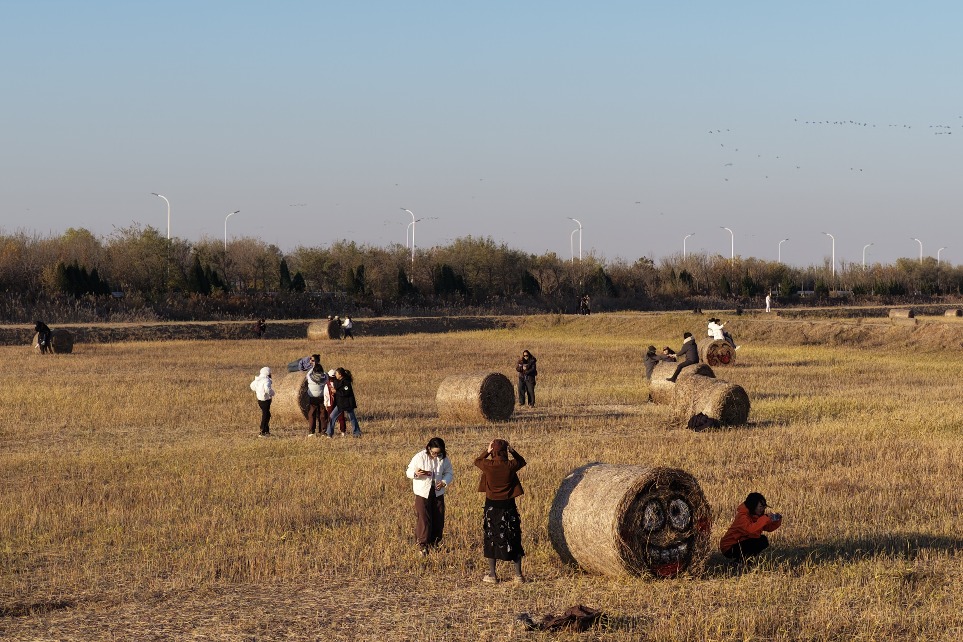
Innovation raises golden fields from former barren salt flats
In a remarkable transformation, the once barren saline-alkaline lands of Dongying, Shandong province, have been revitalized into productive agricultural fields, thanks to innovative farming techniques and advanced seed varieties. This dramatic change is a testament to China’s commitment to agricultural modernization and food security.
-
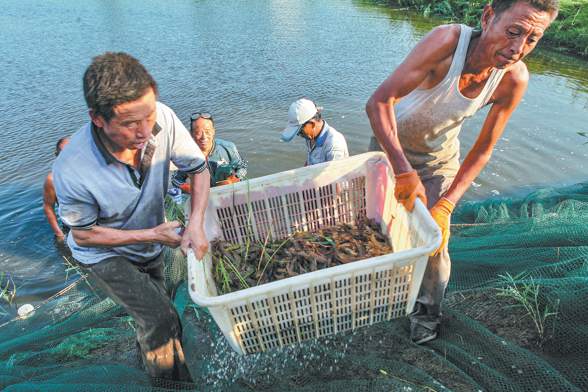
Aquaculture reels in economic opportunities
In Boxing County, Shandong Province, vast stretches of once-barren saline-alkaline land have been ingeniously transformed into a flourishing modern aquaculture base. This remarkable transformation is a result of coordinated development efforts in low-lying areas along the Yellow River, turning ecological challenges into lucrative economic opportunities. Over the past two decades, Boxing County has accelerated the large-scale conversion of these unproductive lands, constructing standardized ponds, industrial aquaculture facilities, and essential infrastructure such as water conservancy systems, roads, and power supply networks. This has led to the establishment of integrated modern fisheries zones. Qiaozhuang Town, a pioneer in this initiative, began experimenting with shrimp farming as early as 2001. By mixing Yellow River water with local saline groundwater, farmers successfully adapted shrimp to the local conditions. ‘Our village sits on reclaimed coastal land which is highly saline, where only weeds grew and crops barely survived. We were once known for poverty,’ said Song Chun, Party secretary of Wangping Village in Qiaozhuang. ‘Now, nearly every household raises shrimp, and lives have improved dramatically,’ he added. Qiaozhuang has established a complete industrial chain, from seedling acclimation and feed supply to disease control, cold storage, processing, and sales. On average, each household manages two or three shrimp ponds, with annual earnings exceeding 100,000 yuan ($14,055). The town continues to innovate, introducing an intelligent recirculating aquaculture system that automates feeding, waste removal, and harvesting. An online water-quality monitoring system tracks key indicators in real time, ensuring a healthy aquatic environment. Today, Qiaozhuang boasts 38,000 mu (about 2,533 hectares) of shrimp ponds, generating an average annual income of 17,000 yuan per mu. Wang Jingdong, deputy director of the Shandong Provincial Department of Agriculture and Rural Affairs, emphasized the provincial strategy: ‘We adhere to a coordinated approach that balances grain, economic crops, and forage production, while promoting agriculture, animal husbandry, and fisheries in parallel. By developing distinctive saline-alkaline agriculture, we are turning a ‘barren crust’ into ‘golden nuggets.’
-
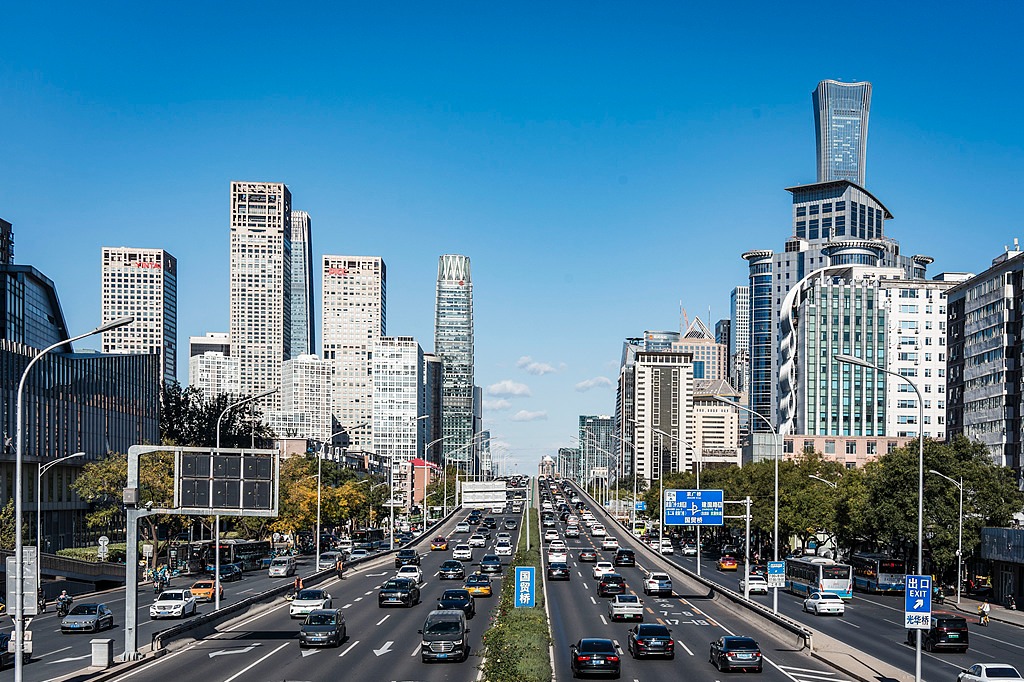
China’s model of governance widely praised
China’s governance model has garnered widespread acclaim from international leaders and experts, who attribute the nation’s remarkable transformation to its strategic planning, ambitious goals, and pragmatic execution. Eberhard Sandschneider, a professor emeritus at the Free University of Berlin, recently revisited Beijing after decades and was astounded by the city’s metamorphosis. From a sea of bicycles to a hub of modern skyscrapers and advanced technology, Sandschneider described the change as ‘unbelievable,’ highlighting China’s rise as a global technological leader. He emphasized that the nation’s success is rooted in its long-term planning and flexible governance model, which allows swift responses to emerging challenges. Sandschneider suggested that Europe could learn from China’s pragmatic approach. Pablo Iglesias Turrion, former Spanish deputy prime minister, echoed this sentiment, linking China’s steady progress to the governing philosophy outlined in ‘Xi Jinping: The Governance of China.’ He praised the five-year plans as a testament to China’s political will and ability to mobilize economic forces for the benefit of its people. Former Czech deputy foreign minister Petr Drulak and Polish economist Grzegorz W. Kolodko also lauded China’s achievements, noting its profound economic transformation and growing influence in the Global South. Kolodko emphasized that China’s development model is increasingly studied by policymakers worldwide, as it offers valuable lessons for sustainable growth. Despite recent economic slowdowns, China continues to outpace many developed nations, solidifying its role as a key player in shaping a multipolar global order.
-
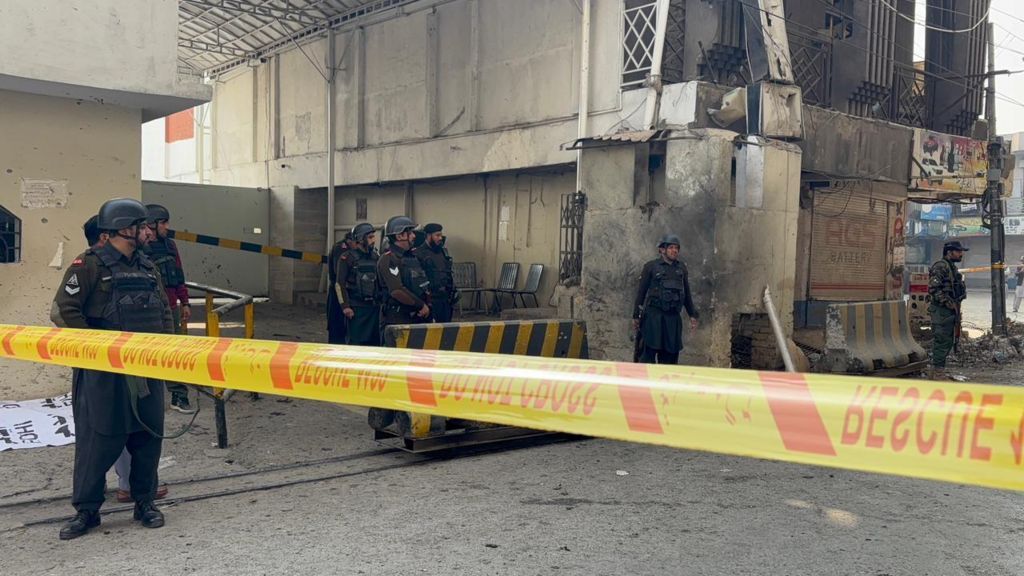
Five dead in suicide bombing in Pakistan
In a brazen assault on Monday, two suicide bombers targeted the headquarters of Pakistan’s Federal Constabulary in Peshawar, resulting in the deaths of three security personnel and injuries to at least 12 others. According to police reports shared with BBC Urdu, the attackers were heavily armed as they stormed the highly fortified complex in the northwestern city. The incident occurred at approximately 08:10 local time (03:10 GMT), with witnesses recounting hearing two deafening explosions. Despite the attackers’ efforts, they were neutralized at the gate before gaining access to the main building. Pakistani authorities have labeled the attack as a ‘foiled terrorist plot,’ emphasizing that the assailants were intercepted in time. Prime Minister Shehbaz Sharif condemned the attack, urging swift identification and prosecution of those responsible. The Federal Constabulary, tasked with addressing high-threat scenarios such as tribal conflicts and organized crime, operates in a region historically plagued by militant violence. Peshawar, located in the Khyber Pakhtunkhwa province bordering Afghanistan, has frequently been a hotspot for such attacks. While no group has yet claimed responsibility, the Pakistani Taliban, or Tehreek-i-Taliban Pakistan, has a history of orchestrating similar assaults in the area. Rescue teams and law enforcement remain on-site as investigations continue.
-
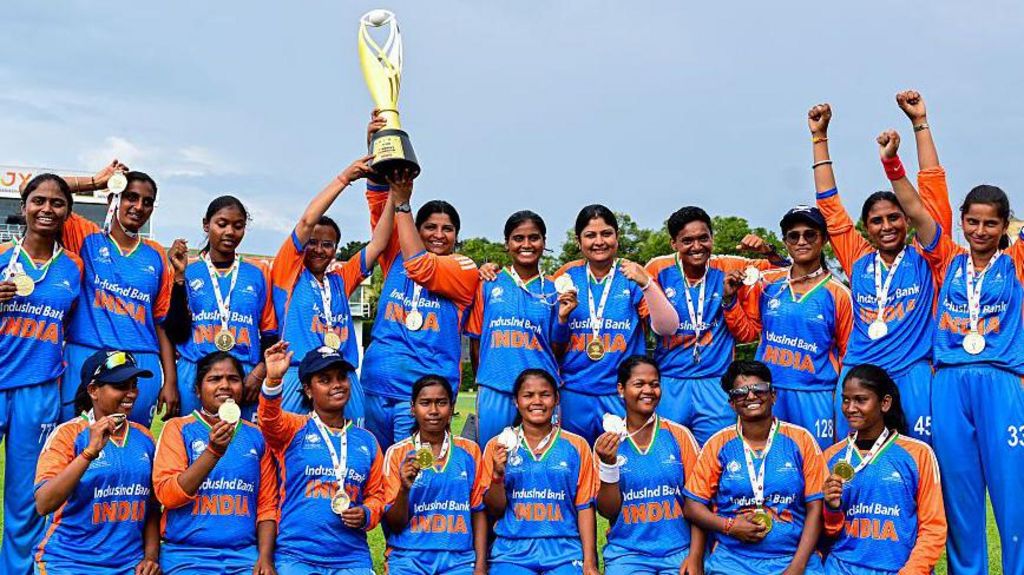
India celebrates as women lift T20 World Cup for the blind
India has emerged victorious in the first-ever Blind Women’s T20 World Cup, securing a seven-wicket win against Nepal in the final held in Colombo, Sri Lanka. This landmark achievement comes just weeks after India’s triumph in the Women’s One-Day International World Cup, further cementing the nation’s growing prowess in cricket. The tournament, which featured six teams—India, Nepal, Pakistan, Sri Lanka, Australia, and the US—was played in a round-robin format. India’s captain, Deepika Gaonkar, was visibly emotional as her team clinched the title. Blind cricket employs a unique set of rules, including the use of a plastic ball with metal bearings that produce a jingling sound, and players are categorized by their level of vision: B1 (fully blind), B2, and B3. Teams must include a mix of all three categories, and the ball is bowled underarm along the ground. B1 batters use runners for safety, and each run they score counts as two. In the final, India restricted Nepal to 114 runs for five wickets and successfully chased the target in just 12 overs, losing only three wickets. Mahantesh G Kivadasannavar, chairman of the Cricket Association for the Blind in India, emphasized that this victory would inspire many women and individuals with disabilities across the country to pursue cricket and other sports. The Indian team, comprising players who have overcome significant challenges, received a grand welcome in Chennai, with another reception planned in Bengaluru. The victory has been widely celebrated by politicians and cricket legends alike, with federal minister Amit Shah calling it a ‘historic day for Indian sports’ and former captain Mithali Raj praising the team’s resolve and dedication. The World Cup, which began on November 11 in Delhi, moved to Karnataka before concluding in Sri Lanka.
-

South Africa takes 4 wickets in 1st session on Day 3 as India struggles in 2nd cricket test
In a gripping display of cricketing prowess, South Africa tightened its grip on the first Test against India, reducing the hosts to 102-4 by the end of the morning session on Day 3. India, trailing by a daunting 387 runs, faced a series of setbacks as South Africa’s bowlers delivered a masterclass in precision and strategy. The Proteas, who had earlier amassed a formidable 489 in their first innings, are eyeing their first Test series victory on Indian soil since 2000-01. The day began with India resuming at six without loss, but the opening partnership of Yashasvi Jaiswal and Lokesh Rahul was soon dismantled. Rahul fell to Keshav Maharaj after scoring 22 runs, while Jaiswal, who had crafted a resilient 58, was dismissed by Simon Harmer. Harmer, who finished with figures of 2-39, also accounted for Sai Sudharsan, who struggled against spin. Dhruv Jurel’s brief stay at the crease ended in a duck, leaving India reeling at 102-4. Stand-in skipper Rishabh Pant and Ravindra Jadeja remained unbeaten at the interval, but the task ahead remains monumental. South Africa’s dominance was further underscored by Senuran Muthusamy’s maiden century on Day 2, which laid the foundation for their commanding total. As the match progresses, India faces an uphill battle to salvage the Test, while South Africa inches closer to a historic series win.
-
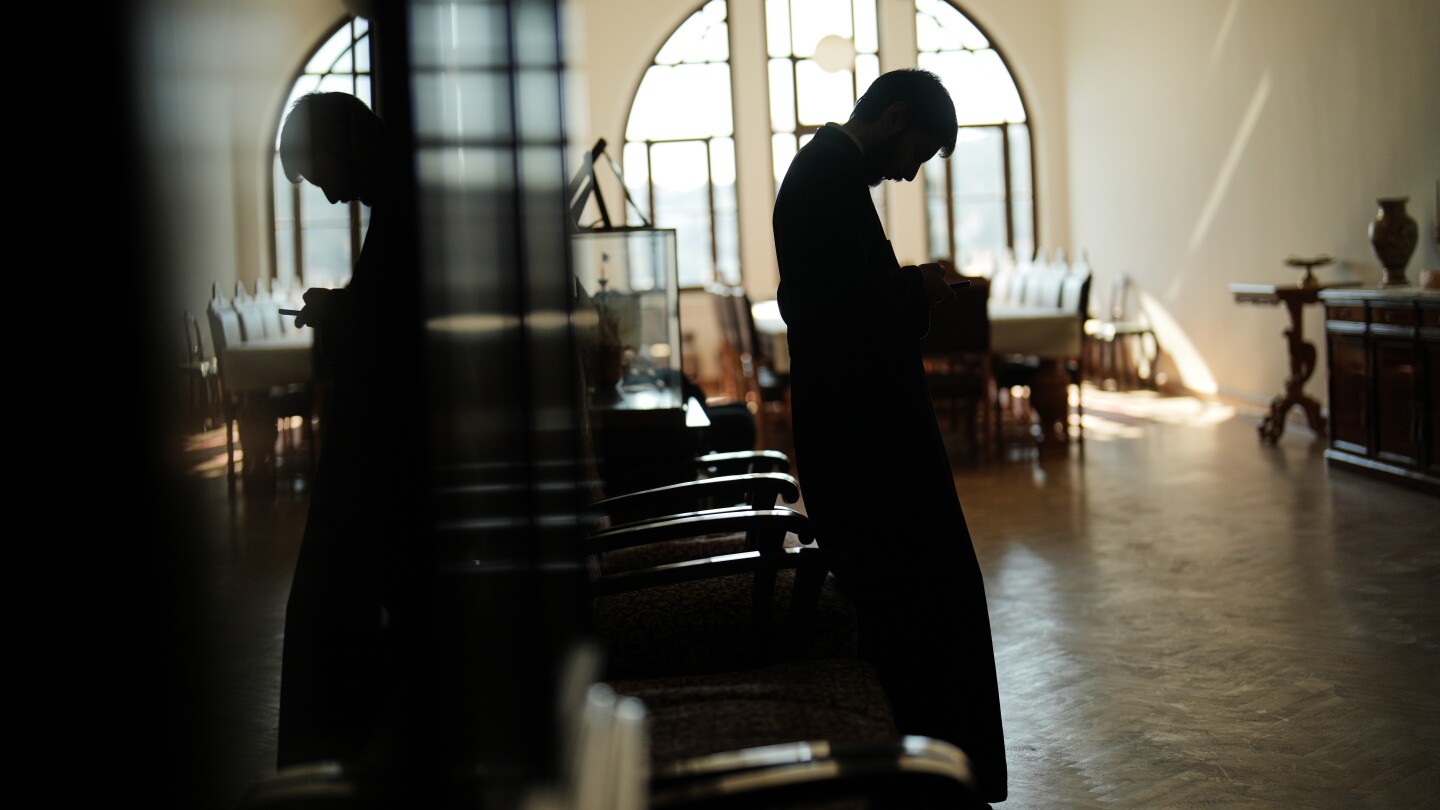
Optimism ahead of pope’s visit to Turkey for reopening of Istanbul’s Greek Orthodox seminary
As Pope Leo XIV prepares for his inaugural international visit to Turkey, there is growing optimism about the potential reopening of the Halki Theological School, a Greek Orthodox seminary that has been closed since 1971. Located on Heybeliada Island near Istanbul, the seminary has long been a symbol of Orthodox heritage and a focal point in the struggle for religious freedoms in Turkey. The school, which trained generations of Greek Orthodox patriarchs and clergy, including Ecumenical Patriarch Bartholomew I, was shuttered under laws restricting private higher education. Despite legal reforms allowing private universities to flourish, the seminary has remained closed, despite repeated appeals from international religious leaders and human rights advocates. The momentum for reopening the seminary gained traction after Turkish President Recep Tayyip Erdogan discussed the issue with U.S. President Donald Trump in September, expressing willingness to ‘do our part’ regarding its reopening. Erdogan had previously linked the move to reciprocal measures from Greece to improve the rights of Muslims there. Renovation work is already underway at the seminary, with completed clergy quarters and classrooms standing ready to welcome students. During his visit to Turkey, starting on November 27, Pope Leo XIV is scheduled to meet Erdogan and join Ecumenical Patriarch Bartholomew in commemorating the 1,700th anniversary of the Council of Nicaea, a key event in Christian history. Archbishop Elpidophoros, head of the Greek Orthodox Archdiocese of America, expressed optimism about the seminary’s reopening, stating that a committee of representatives from the Greek Orthodox Patriarchate and the Turkish government has begun discussions. He emphasized that keeping the school closed is a ‘political and diplomatic anachronism’ that hinders Turkey’s progress. The fate of the seminary is seen as a test of Turkey’s treatment of religious minorities, including its Christian population, which is estimated at 200,000 to 370,000 out of nearly 86 million. While Turkey’s Constitution guarantees freedom of religion, only Armenians, Greeks, and Jews are allowed to operate places of worship and schools, leaving other Christian groups without formal recognition. The reopening of the seminary could serve as a significant step toward improving religious freedoms and fostering cultural development and affinity between Greece and Turkey.
-
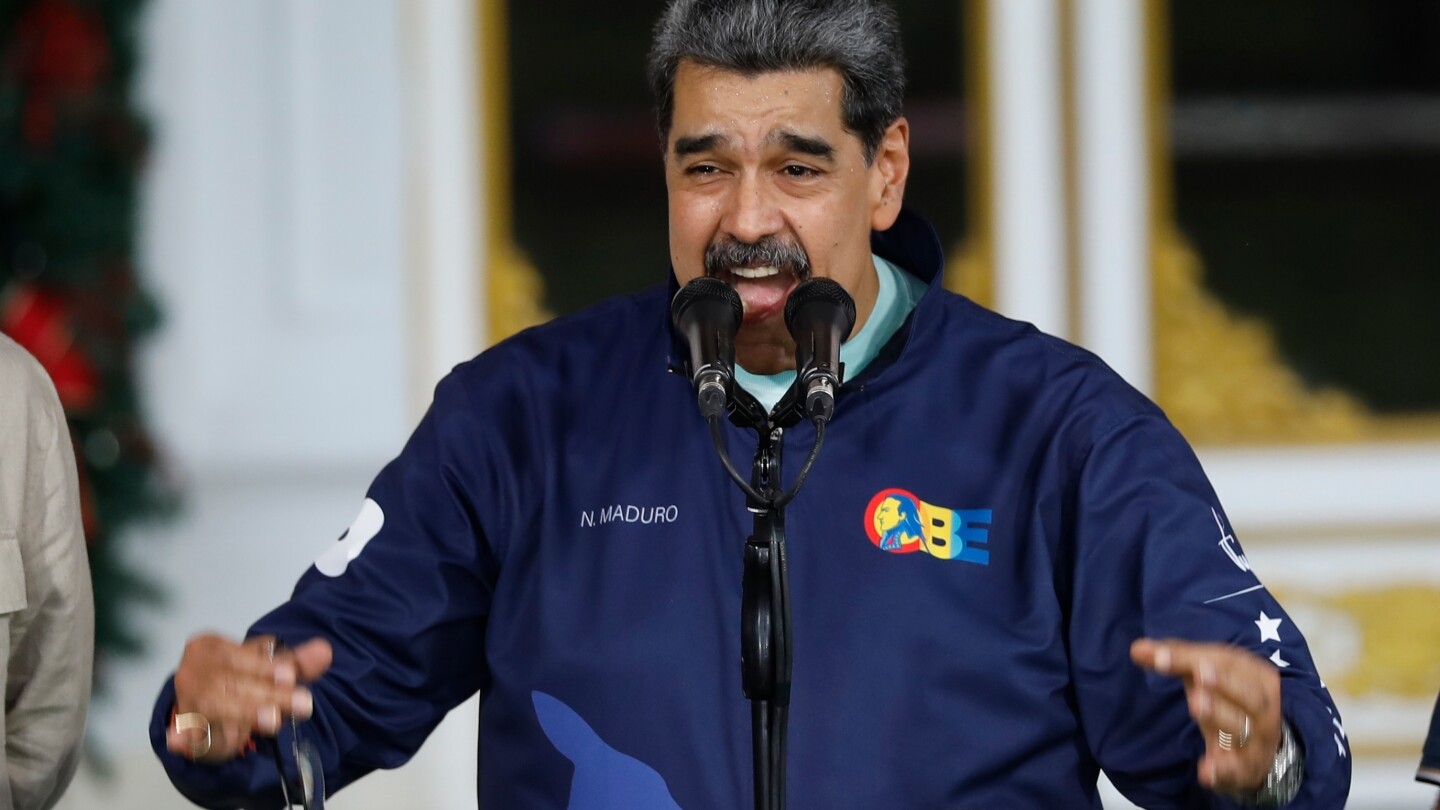
US set to label Maduro-tied Cartel de los Soles as a terror organization. It’s not a cartel per se
The Trump administration is intensifying its campaign against Venezuelan President Nicolás Maduro by designating the Cartel de los Soles as a foreign terrorist organization. This move, set to be announced on Monday, marks a significant escalation in the U.S. government’s efforts to combat drug trafficking into the United States. U.S. Secretary of State Marco Rubio recently accused the Cartel de los Soles, also known as the Cartel of the Suns, of being responsible for terrorist violence in the Western Hemisphere.
The designation comes as President Trump weighs potential military action against Venezuela, a possibility he has not ruled out despite suggesting the potential for talks with Maduro. The U.S. has already deployed a substantial military presence in the Caribbean Sea, targeting boats suspected of drug trafficking and resulting in over 80 deaths.
The term Cartel de los Soles originated in the 1990s to describe high-ranking Venezuelan military officers involved in drug trafficking. Over time, its use expanded to include police and government officials engaged in illegal activities such as mining and fuel trafficking. The name refers to the sun-shaped epaulettes worn by senior military officers.
In 2020, the U.S. Justice Department indicted Maduro and his inner circle on narcoterrorism charges, elevating the term to describe a Maduro-led drug-trafficking organization. However, experts like Adam Isaacson of the Washington Office on Latin America argue that the Cartel de los Soles is not a formal group with a hierarchy or regular meetings.
The Trump administration’s decision to label the cartel as a foreign terrorist organization is unprecedented, as the designation has traditionally been reserved for groups like ISIS or al-Qaeda. Earlier this year, the administration applied the label to eight Latin American criminal organizations involved in drug trafficking and migrant smuggling.
Critics, including Maduro, view the U.S. military buildup as an attempt to end the ruling party’s 26-year hold on power. Meanwhile, Venezuela’s U.S.-backed political opposition has renewed its efforts to remove Maduro from office.
U.S. Defense Secretary Pete Hegseth stated that the designation would provide new options for dealing with Maduro but did not specify what those options entail. Trump administration officials have indicated that Maduro’s continued rule is unsustainable, and Trump has reportedly been pleased with the impact of recent military strikes.
Maduro has denied the allegations, claiming the U.S. is fabricating a drug-trafficking narrative to force him out of power. The U.S. Treasury Department imposed sanctions on the Cartel de los Soles in July, accusing Maduro and his allies of using government resources to facilitate drug trafficking. The U.S. Justice Department has also doubled the reward for information leading to Maduro’s arrest to $50 million.