博客

  • Nigeria’s president nominates ex-military chief for defense minister weeks after he was forced out

    Nigeria’s president nominates ex-military chief for defense minister weeks after he was forced out

    LAGOS, Nigeria — In a significant political reversal, President Bola Tinubu has nominated General Christopher Musa, the recently retired military chief, as Nigeria’s new defense minister. This appointment comes merely weeks after General Musa’s forced retirement during a comprehensive military reshuffle.

    The nomination, pending parliamentary confirmation, follows the abrupt resignation of former Defense Minister Badaru Abubakar on Monday, who cited health reasons for his departure. No official explanation has been provided regarding the sudden reinstatement of General Musa, who commanded Nigeria’s armed forces from 2023 until October.

    This leadership shakeup occurs against the backdrop of escalating security challenges in Nigeria’s northern regions, where bandit groups and militants continue to perpetrate mass abductions and deadly violence. The United States has intensified pressure on Nigerian authorities to enhance their counterinsurgency efforts, though President Tinubu has publicly disputed American assertions that Christian communities are disproportionately targeted by the violence.

    In response to the deteriorating security situation, Tinubu’s administration recently dispatched a diplomatic delegation to Washington, resulting in newly established security cooperation agreements. Additionally, the president declared a state of emergency last week and authorized large-scale police recruitment to strengthen domestic security forces.

  • Hand in hand towards tomorrow with the spirit of the community

    Hand in hand towards tomorrow with the spirit of the community

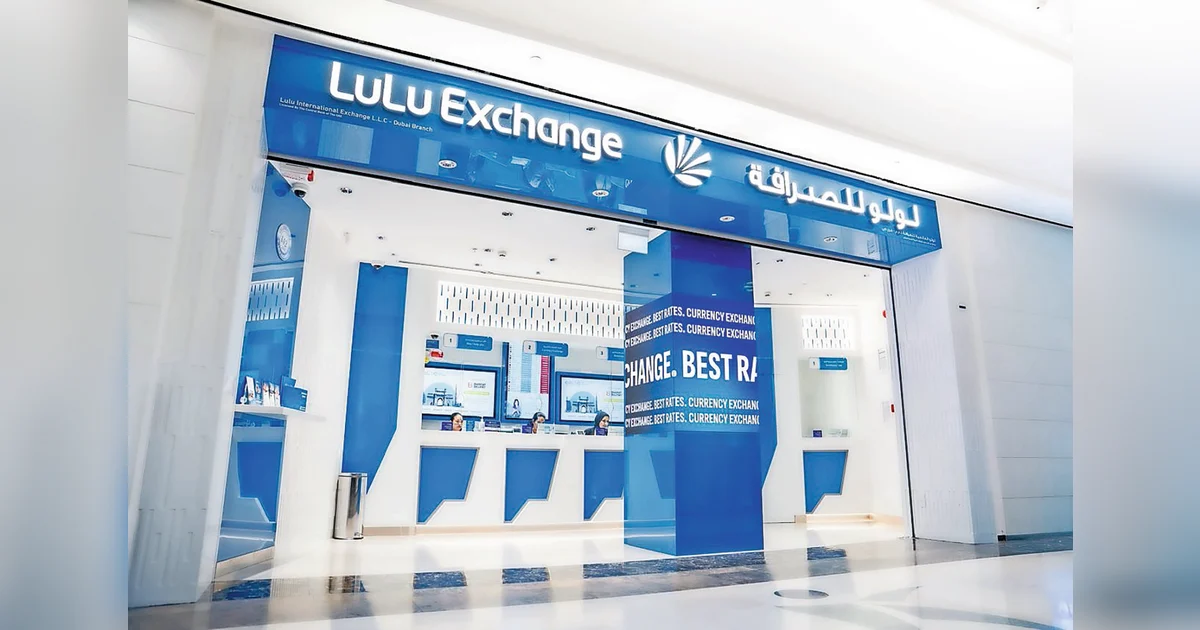
    Dubai-based financial services provider LuLu Exchange has emerged as a testament to the United Arab Emirates’ inclusive national ethos, transforming from a single branch operation into one of the nation’s most trusted financial networks. The company’s growth trajectory mirrors the UAE’s development as a global hub that offers dignity, security, and belonging to millions of expatriates from Asia, Africa, the Middle East and beyond.

    The UAE’s unique environment has enabled diverse communities to thrive simultaneously, creating a rich social fabric that LuLu Exchange serves through its financial operations. The exchange recognizes that each transaction represents human stories—parents supporting families abroad, workers building homes in their villages, or young professionals investing in their futures.

    Aligning with the UAE’s designation of the ‘Year of Community’ under the theme ‘Hand in Hand,’ LuLu Exchange has reinforced its commitment to community empowerment. The company has implemented outreach programs, financial education initiatives, and inclusive activities across its branches, positioning itself as a genuine partner in people’s lives rather than merely a service provider.

    During the Eid Al Etihad celebrations marking the UAE’s unity, LuLu Exchange joins both Emirati citizens and expatriate residents in honoring the nation’s progress and shared purpose. The company’s leadership emphasizes that their mission extends beyond business to encompass a responsibility built on trust, care, and mutual aspirations for continued prosperity.

  • Zambian-American influencer sentenced to 18 months for hate speech

    Zambian-American influencer sentenced to 18 months for hate speech

    A Zambian-American social media influencer has been handed an 18-month prison sentence after pleading guilty to hate speech charges against Zambian President Hakainde Hichilema. Ethel Chisono Edwards, a 42-year-old real estate agent from New York who maintains dual citizenship, was convicted under Zambia’s recently enacted Cyber Security and Cyber Crimes Acts for her persistent online criticisms of the head of state.

    Known to her substantial following as ‘One Boss Lady,’ Edwards built her digital reputation through two years of vehement commentary targeting President Hichilema’s administration. Her case reached its climax when authorities detained her at Zambia’s primary airport three months ago during a visit to attend her grandmother’s funeral proceedings.

    During proceedings at Lusaka’s magistrate court, Edwards admitted to unlawfully publishing content motivated by hatred toward the presidency. Magistrate Webster Milumbe emphasized the court’s obligation to issue a strong deterrent against the growing trend of hate speech, despite the defendant’s expression of remorse and direct apology to the president, his family, and the Zambian nation.

    Defense attorney Joseph Katati portrayed his client as a contrite first-time offender with significant philanthropic contributions, including sponsorship of a girls’ football team that would suffer from her incarceration. The magistrate acknowledged these mitigating factors by backdating the sentence to her arrest date.

    The sentencing has sparked vigorous debate within Zambia regarding free speech boundaries. While some citizens support the judicial outcome as necessary for maintaining respect for leadership, others perceive the punishment as disproportionately limiting expressive freedoms. This case emerges despite President Hichilema’s 2021 elimination of criminal defamation laws specifically targeting the presidency, indicating that other legislation remains applicable to criticism of government figures.

    This prosecution follows another unusual case from September, where two individuals received two-year prison terms for allegedly attempting to use witchcraft against the president, demonstrating the ongoing legal complexities surrounding presidential protection in Zambia.

  • Southeast Asia floods kill 1,200, leaving hundreds of thousands stranded

    Southeast Asia floods kill 1,200, leaving hundreds of thousands stranded

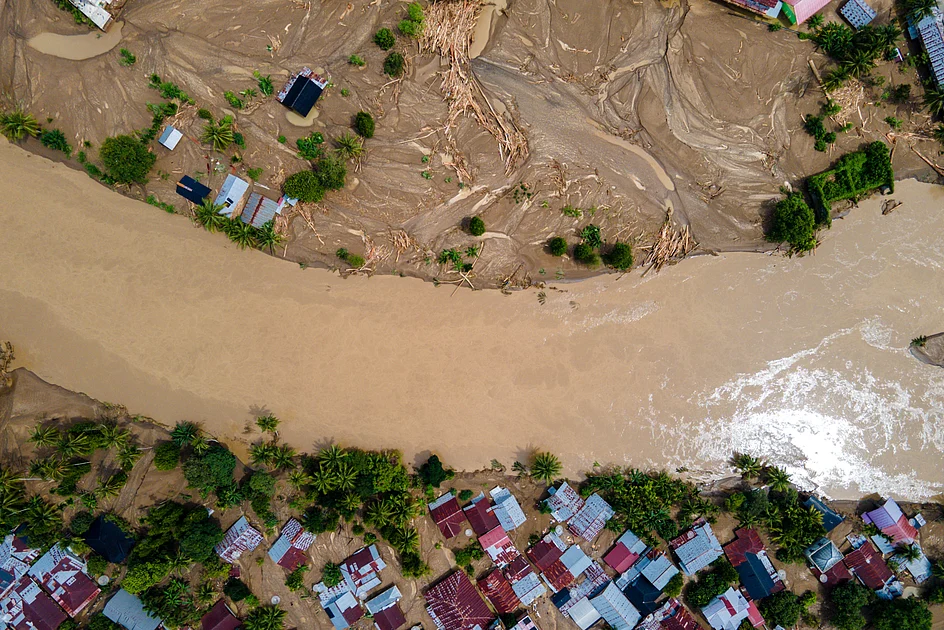
    Southeast Asia confronts one of its most devastating natural disasters in recent history as catastrophic flooding claims over 1,200 lives across four nations. The region faces immense humanitarian challenges with hundreds of thousands displaced and critical supply chains disrupted.

    Unprecedented monsoon deluges, intensified by dual tropical cyclones, unleashed destruction across Sri Lanka, Indonesia’s Sumatra island, southern Thailand, and northern Malaysia last week. Although floodwaters have begun receding, the aftermath reveals widespread devastation that has overwhelmed local response capabilities.

    Indonesia’s Aceh province emerges as among the hardest-hit areas, where survivors describe tsunami-like waves that swept through communities without warning. “The water was unstoppable, resembling a tsunami wave,” recounted Zamzami, a 33-year-old East Aceh resident. Critical infrastructure damage has severed road access, creating severe supply shortages and dramatic price inflation for essential goods, with chili peppers reaching approximately $18 per kilogram.

    The Indonesian government has initiated large-scale relief operations, distributing 34,000 tonnes of rice and 6.8 million liters of cooking oil to Aceh, North Sumatra, and West Sumatra provinces. Agriculture Minister Andi Amran Sulaiman emphasized the urgency: “There can be no delays” in assistance delivery.

    Humanitarian organizations warn of impending food crises if supply routes remain compromised. Islamic Relief cautioned that “communities across Aceh face severe risk of food shortages and hunger” without restored access within seven days. The organization deployed 12 tonnes of supplies via Indonesian naval vessels arriving Tuesday.

    Meanwhile, Sri Lanka confronts parallel devastation with at least 390 confirmed fatalities and 352 individuals missing. President Anura Kumara Dissanayake has declared a national state of emergency, characterizing the event as “the most challenging natural disaster in our history” and appealing for international support. Military forces from India and Pakistan have joined evacuation and supply delivery operations.

    Meteorological experts note that climate change contributes to more intense precipitation events, as warmer atmospheric conditions retain increased moisture while elevated ocean temperatures amplify storm intensity. This scientific context underscores the growing frequency and severity of such extreme weather phenomena across vulnerable regions.

  • Paleontologists uncover ancient elephant relative in Ningxia

    Paleontologists uncover ancient elephant relative in Ningxia

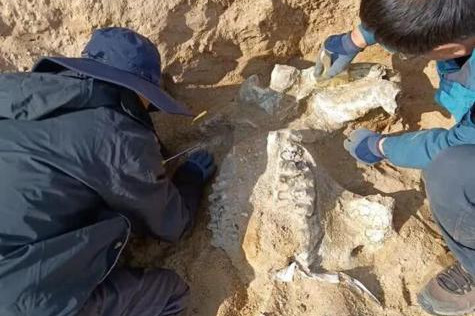
    In a significant paleontological discovery, researchers have unearthed a remarkably well-preserved fossil of a tetralophodon—an ancient progenitor of modern elephants—from a retired mining site in Wuzhong, Ningxia Hui Autonomous Region. The specimen, estimated to be approximately 9 to 11 million years old, represents the first completely intact large-mammal fossil recovered in the region over the past decade.

    The excavation team, comprising leading paleontologists, conducted meticulous fieldwork at the location, revealing the exceptional preservation of the skeletal remains. Tetralophodons, characterized by their four-ridged molar teeth, inhabited various ecosystems during the Miocene epoch and are considered crucial evolutionary links in understanding proboscidean development.

    This discovery provides unprecedented insight into the migration patterns and anatomical evolution of prehistoric elephant species across Asia. The finding’s significance extends beyond mere anatomical preservation, offering researchers valuable data about regional climate conditions and ecological systems that existed millions of years ago in what is now northwest China.

    The Ningxia discovery marks a substantial contribution to vertebrate paleontology, potentially reshaping understanding of proboscidean dispersal routes across the Asian continent. Local authorities have implemented enhanced protective measures at the excavation site while scientists continue detailed analysis of the specimen, which may reveal new information about the species’ adaptation mechanisms and eventual extinction.

  • Apple to not comply with India order to preload govt ‘cyber safety’ app on phones

    Apple to not comply with India order to preload govt ‘cyber safety’ app on phones

    In a significant stand against digital surveillance concerns, Apple Inc. has declared its intention to reject an Indian government directive requiring smartphone manufacturers to preinstall the state-developed ‘Sanchar Saathi’ application on all devices. The controversial mandate, issued confidentially to industry giants including Samsung and Xiaomi, provides a 90-day compliance window for embedding the cyber safety tool designed to track stolen phones and prevent misuse.

    The Indian telecommunications ministry has characterized the measure as an essential security protocol to combat rising cyber threats, particularly addressing the proliferation of duplicated IMEI numbers that facilitate scams and network exploitation. However, privacy advocates and political opponents of Prime Minister Narendra Modi’s administration have condemned the move as governmental overreach that could potentially grant authorities unprecedented access to India’s 730 million smartphone users.

    According to three industry sources familiar with Apple’s position, the technology giant plans to formally communicate its objections to New Delhi, emphasizing that such mandates contradict its global privacy standards and threaten the security integrity of its iOS ecosystem. Two sources confirmed that Apple will neither comply with the order nor pursue legal action, but will instead present its security concerns through diplomatic channels.

    The development occurs amid Apple’s ongoing legal confrontation with Indian antitrust regulators regarding penalty provisions that could potentially expose the company to $38 billion in fines. While Samsung and other Android-based manufacturers reportedly continue evaluating the mandate, Apple maintains its distinctive position due to its tightly controlled App Store and proprietary software architecture—key components of its $100-billion annual services business.

    India’s primary opposition party, the Congress Party, has demanded immediate revocation of the mandate, with senior leader KC Venugopal declaring on social media platform X that ‘Big Brother cannot watch us.’ The government maintains that the initiative addresses legitimate security concerns in a market with substantial second-hand device circulation, where stolen or blacklisted phones frequently reappear in commerce.

  • YRD charts high-quality development

    YRD charts high-quality development

    The Yangtze River Delta region is spearheading ambitious initiatives to bolster high-quality development through enhanced regional collaboration and technological innovation, according to expert analyses presented at a recent think tank summit.

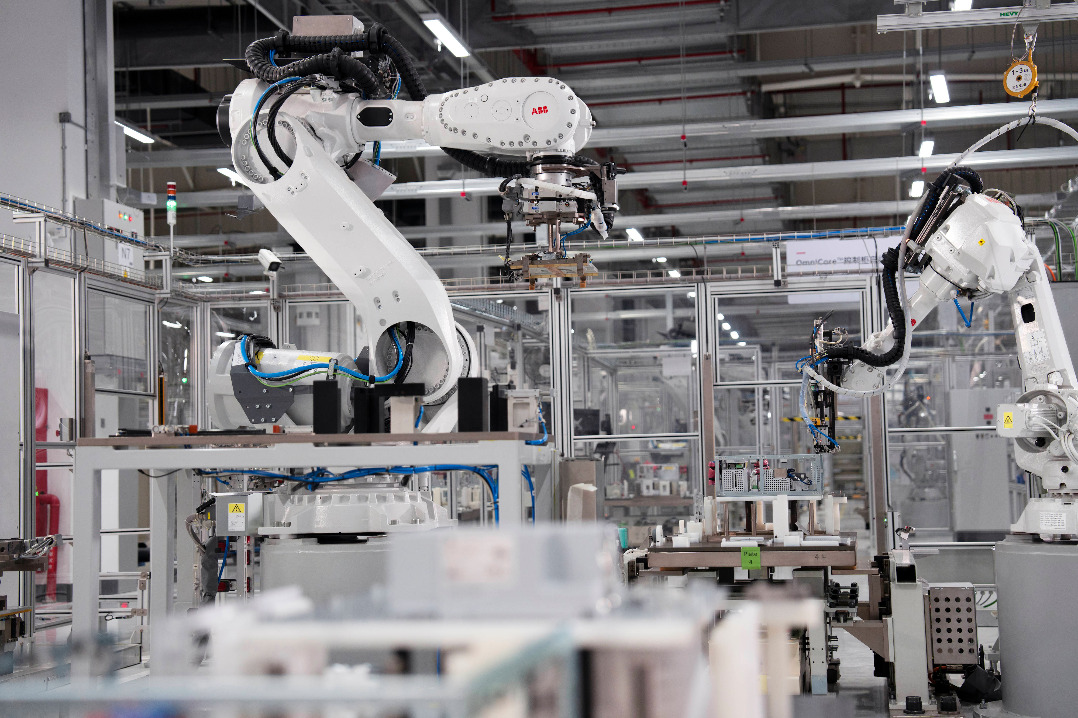
    Academic institutions across the region have identified critical pathways for advancement during the 15th Five-Year Plan period (2026-2030). The Changjiang Institute of Industrial Economics at Nanjing University emphasized the necessity of deepening integration between advanced manufacturing and producer services while accelerating artificial intelligence implementation.

    Research from Anhui University’s Free Trade Zone Institute recommends strengthening regional digital infrastructure connectivity, promoting cross-city innovation resource sharing, and expanding green technology applications. Despite the YRD’s technology-driven entrepreneurship capabilities exceeding national averages, Shanghai Tech University experts noted that regional coordination, government-guided fund effectiveness, and comprehensive financial systems require further reinforcement.

    A significant transformation is underway as AI evolves from tool-based technology to systemic production factor, particularly evident in the YRD’s industrial upgrading process. However, East China Normal University researchers identified emerging challenges regarding skill and talent supply mismatches resulting from this technological shift.

    Professor Xu Wenwei from Fudan Development Institute highlighted the region’s substantial shortage of digital and AI talents, with educational institutions facing constraints in curriculum systems, faculty resources, and computing capacity. Proposed solutions include establishing joint laboratories and industrial technology research institutes, implementing a regional ‘one-card’ system to facilitate talent mobility, and creating special funds to enhance industry-academia integration.

    Zhang Zhongwei, Deputy Director of Shanghai Municipal Development and Reform Commission, advocated for cross-regional legislation to improve governance system stability and create institutional advantages. Meanwhile, Shen Yufeng, Lead Partner of Strategy& China with PwC, urged the region to capitalize on three major trends: accelerated domestic substitution, proactive corporate overseas expansion, and rapid localization of foreign investment through industrial collaboration, innovation scenarios, and international resource linkage capabilities.

  • ROK president proposes restoring communication channels with DPRK

    ROK president proposes restoring communication channels with DPRK

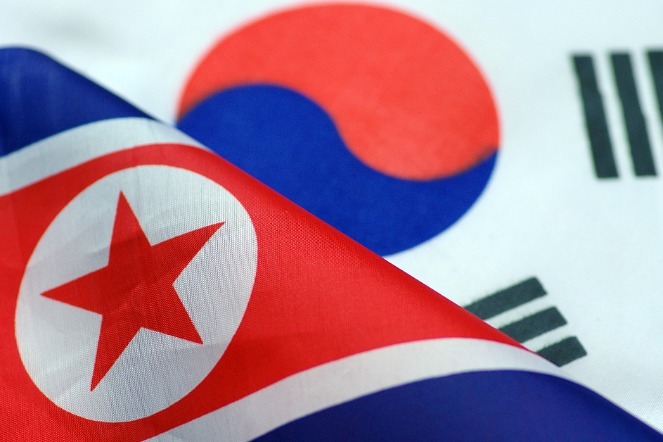
    In a significant diplomatic overture, South Korean President Lee Jae-myung has formally proposed the restoration of direct communication channels with North Korea. The announcement, reported by multiple South Korean media outlets on Tuesday, December 2nd, 2025, represents a potential breakthrough in inter-Korean relations that have remained largely frozen in recent years.

    The proposal comes amid ongoing regional tensions and follows a period of minimal diplomatic engagement between the two neighboring nations. President Lee’s initiative suggests a willingness to reestablish basic communication infrastructure that had previously been maintained between Seoul and Pyongyang. These channels, which include military hotlines and diplomatic liaison offices, had been largely suspended during periods of heightened military and political tensions on the Korean Peninsula.

    Analysts suggest this move could serve as a foundational step toward more substantial diplomatic engagements, potentially paving the way for future talks on denuclearization, economic cooperation, and confidence-building measures. The restoration of communication channels would enable direct dialogue between government officials, potentially reducing miscalculations and providing a mechanism for crisis management.

    The international community, particularly neighboring powers including China and the United States, has consistently encouraged renewed dialogue between the two Koreas. President Lee’s proposal aligns with these broader regional stability interests while demonstrating South Korea’s proactive approach to reducing tensions on the peninsula.

  • Celebrating the spirit of the UAE on its 54th National Day

    Celebrating the spirit of the UAE on its 54th National Day

    As the United Arab Emirates commemorates its 54th National Day, Bank of Baroda reflects on its substantial five-decade partnership with the nation, highlighting a journey of mutual economic advancement and community development. Since establishing its first branch in June 1974—merely three years after the UAE’s formation—the bank has grown alongside the Emirates’ rapid transformation into a global economic hub.

    The Indian financial institution commenced operations during the UAE’s foundational growth period, expanding with an Abu Dhabi branch in July 1974. Today, Bank of Baroda maintains the distinctive position as the sole Indian bank providing comprehensive financial services across the Emirates through five full-service branches in key locations including Dubai, Deira, Sharjah, Abu Dhabi, and Ras Al Khaimah. This network is supplemented by 9 Electronic Banking Service Units and 44 ATMs.

    Bank of Baroda’s service portfolio has evolved to address contemporary market demands, offering specialized solutions in SME and corporate finance, syndicated loans, retail lending, trade finance, and treasury products. The institution acknowledges the UAE’s role in creating an enabling environment for the Indian diaspora to thrive economically while providing businesses with opportunities for innovation and expansion.

    The bank’s operational philosophy emphasizes deep community engagement, particularly through dedicated services for the NRI community. A centralized NRI Cell and specialized NRI Desks across all branches facilitate personalized banking experiences, reflecting the institution’s commitment to this demographic.

    In his National Day message, Jagdish Tungaria, Chief Executive for GCC Operations, expressed gratitude for customer trust and reaffirmed the bank’s commitment to supporting the UAE’s future vision centered on technological advancement, sustainability, and global leadership. The statement extended heartfelt greetings to the nation’s leadership and citizens, recognizing National Day as a celebration of unity, progress, and inspirational national achievement.

  • Cubers show their true colors

    Cubers show their true colors

    The Chongqing Stadium witnessed an extraordinary display of mental athleticism on Monday as the 2025 National Rubik’s Cube Open regional competition concluded with unprecedented participation. A remarkable assembly of 1,520 puzzle enthusiasts from across China converged for the Chongqing leg of the national tournament, showcasing exceptional speedcubing prowess across multiple age categories.

    Among the standout participants was six-year-old prodigy Yu Niannian from Xiamen, Fujian province, who demonstrated remarkable composure alongside seasoned competitors. The young cuber’s dedication was captured by his mother, who documented his competitive journey through her mobile device from the spectator area.

    The event highlighted China’s growing fascination with precision sports that combine mathematical reasoning, pattern recognition, and manual dexterity. Participants engaged in various cube-solving disciplines, with some competitors achieving solve times under ten seconds amid intense concentration and rapid finger movements.

    Organizers noted that this year’s regional competition saw a 23% participation increase compared to previous editions, reflecting the sport’s expanding popularity as both competitive endeavor and educational tool. The tournament followed World Cube Association regulations, with official judges monitoring solves for compliance with international standards.

    The Chongqing qualifiers served as preliminary rounds for the national championship finals scheduled for early 2026, where top performers will compete for national titles and potential representation in international speedcubing competitions.