博客

  • Sixth round of Sino-US trade talks expected

    Sixth round of Sino-US trade talks expected

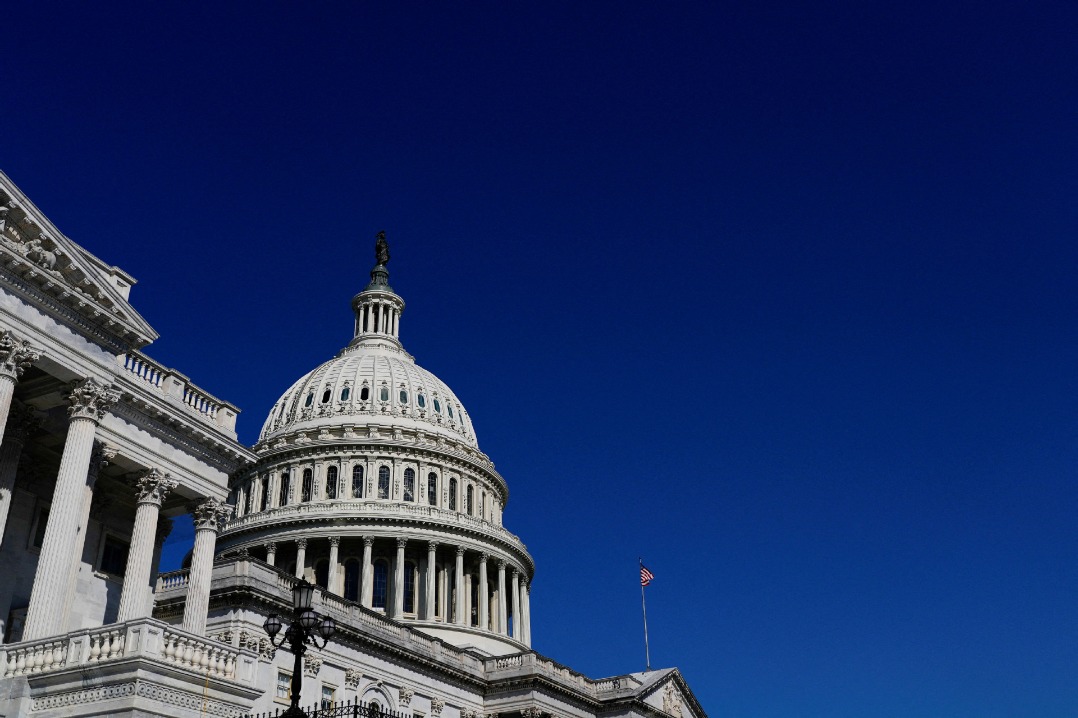
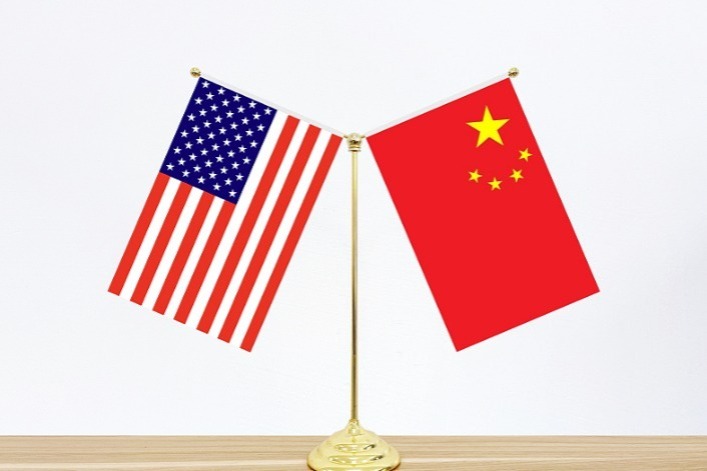
    Diplomatic channels between Beijing and Washington are reactivating as the world’s two largest economies prepare for their sixth round of high-stakes trade negotiations. This forthcoming dialogue occurs against a backdrop of significant legal and policy shifts that have fundamentally altered the bilateral trade environment.

    The catalyst for renewed discussions emerged from a landmark US Supreme Court decision that invalidated sweeping tariffs previously imposed under the International Emergency Economic Powers Act. This judicial ruling effectively nullified both the 10% ‘fentanyl tariff’ and the 34% ‘reciprocal tariff’ targeting Chinese imports.

    In response to this legal setback, the US administration swiftly pivoted to Section 122 of the Trade Act of 1974, implementing a blanket 10% import surcharge affecting all trading partners. This temporary measure, effective immediately, carries a predetermined 150-day expiration timeline. White House officials have concurrently signaled their intention to pursue more permanent tariff mechanisms through Section 301 and Section 232 investigations.

    China’s Ministry of Commerce has articulated a firm position, urging the United States to dismantle existing unilateral tariffs and abstain from implementing new protectionist measures. Beijing remains prepared to engage in candid consultations while maintaining vigilant oversight of US policy developments. A ministry spokesperson emphasized that China will conduct comprehensive assessments and implement countermeasures at strategically appropriate junctures.

    Analysts highlight that these negotiations will address critical expiring agreements established during previous rounds, including temporary tariff arrangements and rare earth export policies. Researcher Bai Ming of the Chinese Academy of International Trade and Economic Cooperation identifies technology restrictions and resource export controls as particularly contentious negotiation points.

    Economic experts including Luo Zhiheng of Yuekai Securities anticipate protracted, complex negotiations characterized by cyclical patterns. The ultimate bargaining power, analysts suggest, will derive from each nation’s economic resilience and technological capabilities rather than short-term tactical maneuvers.

    Despite the turbulent policy environment, China’s export sector demonstrates strengthened resilience through diversified markets and optimized trade structures. Chief economist Ming Ming of CITIC Securities projects relatively contained impact on China’s 2026 export performance, reflecting the nation’s enhanced capacity to absorb external trade shocks.
  • S.Korea’s Park Chan-wook to head Cannes festival jury

    S.Korea’s Park Chan-wook to head Cannes festival jury

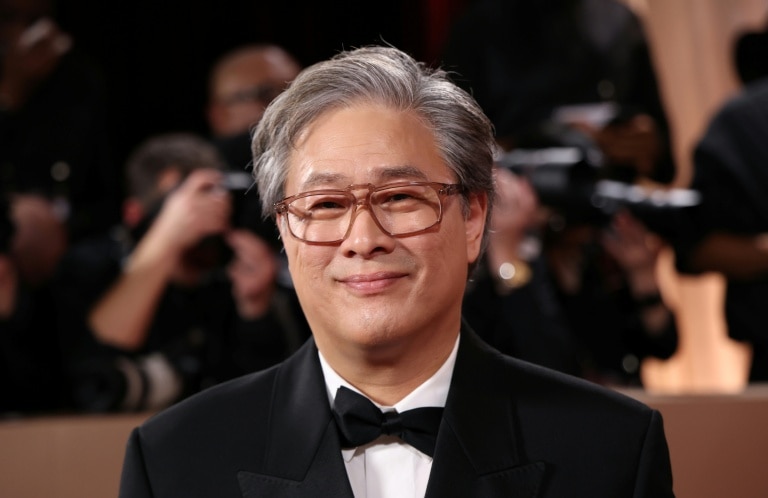
    In a landmark decision for global cinema, the Cannes Film Festival has appointed acclaimed South Korean director Park Chan-wook as president of its main competition jury for the 79th edition this May. This historic appointment marks the first time a Korean filmmaker will preside over the prestigious jury that determines the Palme d’Or winner.

    The festival organization released an official statement celebrating Park’s ‘narrative, stylistic, and moral’ cinema, particularly praising his ability to blend genres while addressing profound human themes. The 62-year-old director, known for his visually striking and thematically complex films, expressed honor at the selection, noting that in ‘this age of hatred and division,’ the collective experience of cinema creates ‘a moving, universal sense of solidarity.’

    Park’s appointment coincides with unprecedented global recognition for South Korean cultural exports, from Bong Joon-ho’s Oscar-winning ‘Parasite’ to the international phenomenon of ‘Squid Game’ and the worldwide dominance of K-pop groups like BTS and Blackpink. The director stands as a pioneering figure in this cultural wave, having achieved international acclaim with his 2003 masterpiece ‘Oldboy,’ which won the Grand Prix at Cannes in 2004.

    Renowned for his exploration of vengeance and redemption through what critics term ‘Korean noir,’ Park’s filmography includes the celebrated ‘Vengeance Trilogy’ and his recent romantic thriller ‘Decision to Leave,’ which earned him the Best Director award at Cannes in 2022. His upcoming project, ‘No Other Choice’ (2025), adapts Donald Westlake’s novel ‘The Ax’ and addresses contemporary anxieties about artificial intelligence and the competitive job market.

    Beyond his cinematic achievements, Park is recognized as a profound literary adapter, having transformed works by Émile Zola into his vampire film ‘Thirst’ and Sarah Waters’ ‘Fingersmith’ into the critically acclaimed ‘The Handmaiden.’ His television work includes the English-language mini-series ‘The Little Drummer Girl’ and HBO’s ‘The Sympathizer,’ demonstrating his versatility across mediums and languages.

    A philosophy graduate from Seoul’s Sogang University, Park brings both intellectual depth and artistic vision to his role as jury president, positioning him to lead one of the film world’s most prestigious judging panels during this year’s festival.

  • ‘Public lynching’: Senegal cracks down on LGBTQ+ community

    ‘Public lynching’: Senegal cracks down on LGBTQ+ community

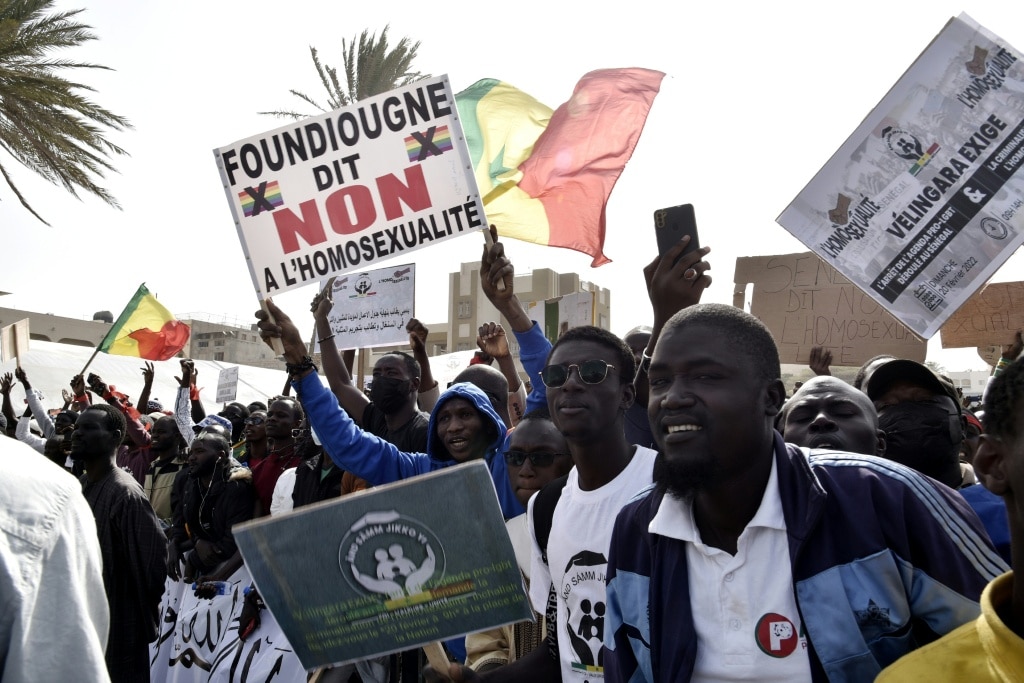
    Senegal has dramatically escalated its suppression of LGBTQ+ individuals through coordinated government action and public persecution, creating what human rights defenders describe as an atmosphere of ‘public lynching.’ The recent wave of repression includes increased arrests, online harassment, and newly proposed legislation that would impose stricter penalties on same-sex relations.

    Prime Minister Ousmane Sonko unveiled a draft bill this week seeking to double prison sentences for consensual same-sex relations to a maximum of ten years. The legislation would also criminalize advocacy for LGBTQ+ rights with prison terms ranging from three to seven years. This political maneuver aligns with longstanding demands from influential religious groups in the predominantly Muslim nation.

    The crackdown intensified in early February with the arrest of approximately thirty individuals, including local celebrities, on charges of ‘acts against nature’—a legal euphemism for homosexuality. Their identities were publicly disclosed, triggering widespread media coverage with sensational headlines such as ‘Big homo clean-up’ and ‘Bisexuals, walking dangers.’

    Social media platforms have become arenas for vitriolic discourse and unverified videos showing physical assaults against individuals suspected of being LGBTQ+. Senegal’s media ethics regulator CORED has issued calls for respecting human dignity and privacy amid the escalating public exposure of detainees.

    Human rights organizations report that community members are experiencing severe trauma, with many going into hiding or seeking exile. The Paris-based association STOP Homophobia documented eighteen requests for assistance to leave Senegal in recent days, noting increased reports of familial violence, threats, and housing insecurity among LGBTQ+ individuals.

    Public discourse has further been inflamed by accusations that detainees deliberately transmitted HIV, a characterization that health experts warn could undermine public health efforts by discouraging testing and treatment. The situation has become so dire that France’s refugee protection office no longer considers Senegal safe for individuals based on sexual orientation since 2021.

    Despite international concern, few local institutions have opposed the crackdown. Denis Ndour, the new president of Senegal’s human rights league, recently endorsed harsher penalties while describing homosexuality as an illness incompatible with local norms. This stance highlights the challenging environment for LGBTQ+ advocacy in a country where such rights are frequently characterized as foreign imports.

    For those without means to escape, the situation appears increasingly desperate. As one exiled individual told AFP under pseudonym: ‘The only thing they can do is see death coming and wait.’

  • IMF report projects US real GDP growth of 2.6% in 2026

    IMF report projects US real GDP growth of 2.6% in 2026

    The International Monetary Fund has issued an updated economic outlook projecting the United States will achieve a 2.6% real GDP growth rate in 2026, marking a modest upward revision from its January forecast of 2.4%. This assessment emerged from the preliminary findings of the IMF’s 2026 Article IV Consultation mission to the United States, which concluded on Wednesday.

    Despite the improved growth projection, the IMF report highlights significant fiscal challenges ahead. The analysis indicates that after a modest decline in 2025, the US federal deficit is expected to surpass 6% of GDP in subsequent years, with the federal debt-to-GDP ratio projected to climb steadily throughout the medium term.

    The report specifically addresses trade policy impacts, noting that higher tariffs constitute a negative supply shock to the American economy. According to IMF calculations, these measures are expected to elevate the personal consumption expenditures price index by approximately 0.5% by early 2026 while simultaneously reducing overall economic output by a similar margin.

    While acknowledging that consumer price transmission from tariffs might be less severe than anticipated, the IMF emphasized that ongoing trade policy uncertainties could exert a more substantial drag on economic activity than currently projected.

    The mounting public debt burden, coupled with an increasing short-term debt ratio, presents growing stability risks not only for the United States but for the global economy as a whole, the report cautioned. The IMF recommended that US authorities engage constructively with trading partners to address concerns regarding unfair trade practices while working toward coordinated reductions in trade restrictions and industrial policy distortions that generate negative cross-border effects.

  • Footage captures moment shirtless man arrested as NSW Police make first arrests in  ‘Coconut Cartel’ crackdown

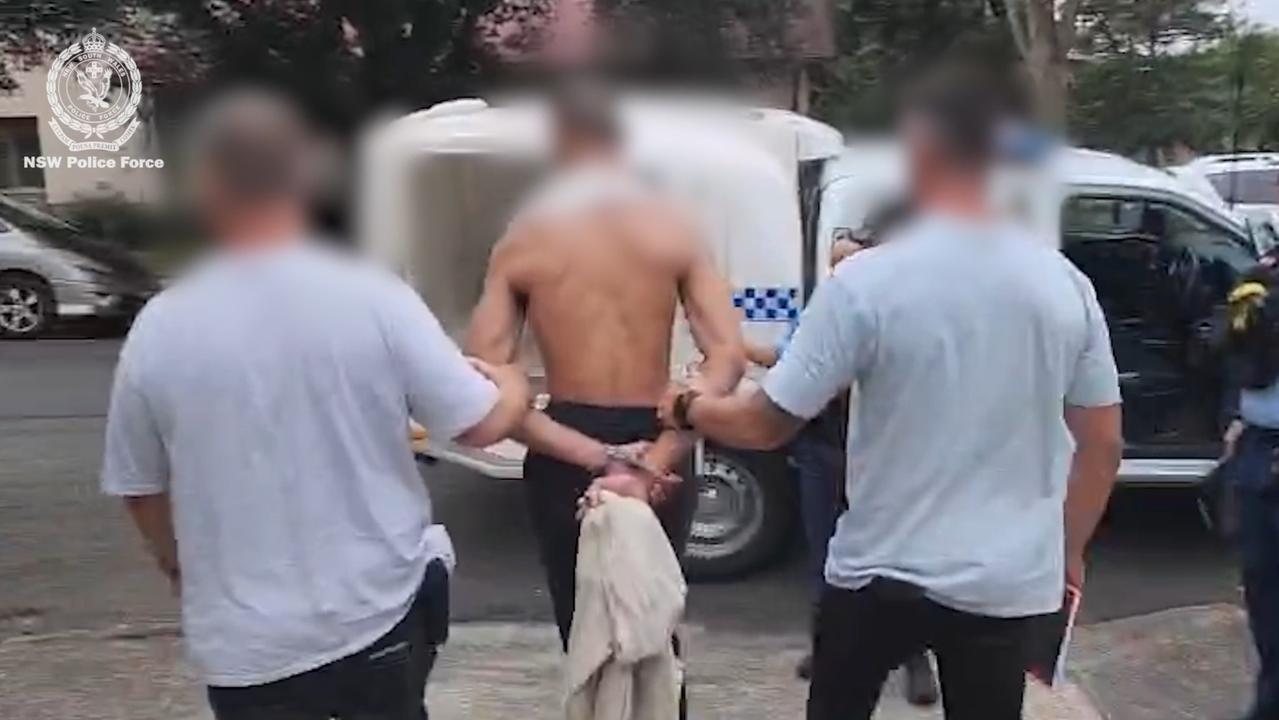
    Footage captures moment shirtless man arrested as NSW Police make first arrests in ‘Coconut Cartel’ crackdown

    In a significant development against organized crime, New South Wales Police have apprehended two individuals linked to the notorious ‘Coconut Cartel’ criminal network. The arrests mark the first major operational success for the newly formed Strike Force Helston, established specifically to dismantle this violent syndicate.

    The breakthrough follows a January 21 incident in Guildford where a Toyota SUV was discovered engulfed in flames on Randolph Street. Crime scene investigators found cardboard signs referencing the ‘Coconut Cartel’ adjacent to the burned vehicle, prompting intensive forensic examination.

    Subsequent police investigations led authorities to a Daceyville property where law enforcement officers executed a search warrant. The operation yielded substantial evidence including a vehicle registration plate, a jerry can, a replica pistol, and thirteen mobile phones.

    A 24-year-old man was taken into custody at Maroubra Police Station and faces multiple charges, most notably possession of an unauthorized firearm. In a separate operation on Wednesday morning, officers arrested a 19-year-old alleged syndicate member in Silverwater. The younger suspect has been charged with property destruction by fire and active participation in a criminal organization. He was denied bail and appeared before Bail Division Local Court on Thursday.

    Police authorities indicate these arrests represent just the initial phase of an ongoing investigation into the group’s activities, which have recently escalated in violence and public threats across the region.

  • Father of Hong Kong activist sentenced to eight months in prison

    Father of Hong Kong activist sentenced to eight months in prison

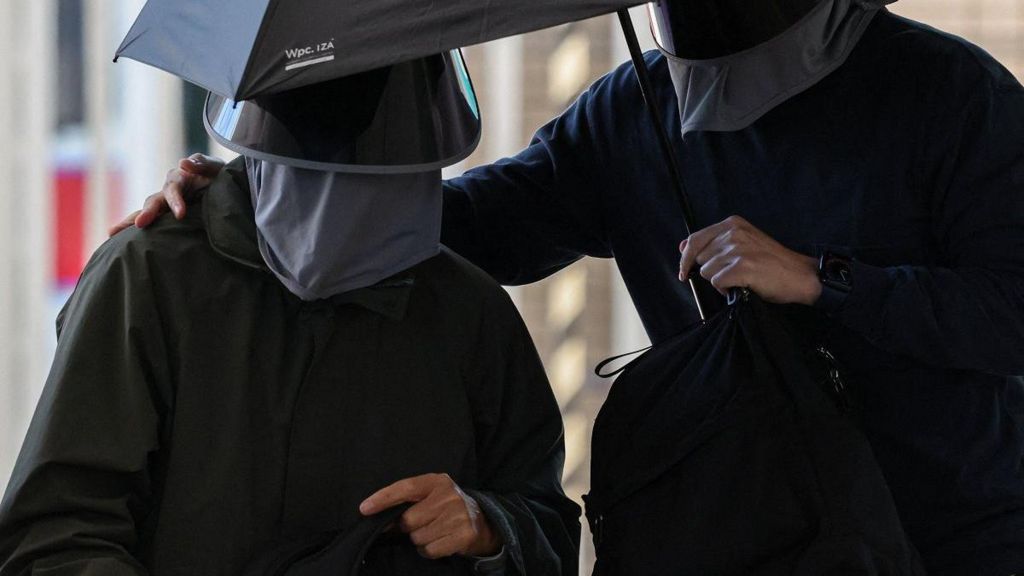
    In a precedent-setting judicial ruling, Hong Kong’s West Kowloon Magistrates’ Court has sentenced 69-year-old Kwok Yin-sang to eight months imprisonment for violating national security provisions. This case represents the first criminal conviction of a family member of an overseas-based activist wanted under Hong Kong’s national security legislation.

    The conviction stems from financial transactions involving Kwok’s daughter, Anna Kwok, a prominent pro-democracy activist currently residing in the United States. The court found that in 2023, Kwok Yin-sang attempted to withdraw approximately $11,000 from an insurance policy originally purchased for his daughter during her childhood.

    Legal proceedings revealed a complex ownership dispute regarding the insurance funds. Defense attorneys maintained that the policy remained legally under the father’s ownership, while prosecutors successfully argued that automatic ownership transfer occurred when Anna Kwok reached adulthood, making the transaction a violation of national security provisions.

    The judgment was delivered under Article 23 legislation, a locally enacted statute that expands upon the national security law implemented by China’s central government. This legal framework criminalizes various activities including treason, secession, and collusion with foreign forces.

    Anna Kwok, who serves as executive director of the Hong Kong Democracy Council, faces allegations of inciting secession and foreign collusion. Hong Kong authorities have issued a HK$1 million bounty for her capture among 34 wanted activists.

    In responses to media inquiries, Hong Kong officials emphasized that enforcement actions are strictly based on legal violations rather than political affiliations. Government statements affirmed their obligation to pursue national security cases regardless of whether suspects have fled overseas.

    The defendant had pleaded not guilty during proceedings that concluded earlier this month, with sentencing announced this week. This case emerges amid ongoing debates about the balance between national security concerns and civil liberties in Hong Kong’s legal landscape.

  • New Zealand’s two-time Olympic rugby gold medalist Woodman-Wickliffe retires, again

    New Zealand’s two-time Olympic rugby gold medalist Woodman-Wickliffe retires, again

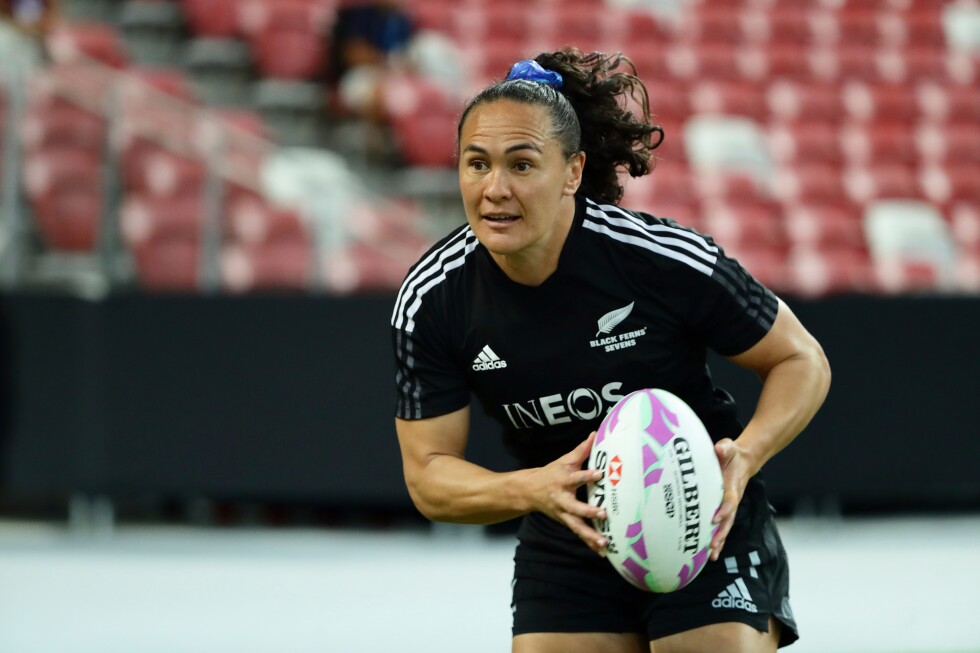
    WELLINGTON, New Zealand — New Zealand’s rugby icon Portia Woodman-Wickliffe has declared her definitive retirement from professional rugby at age 34, concluding one of the most decorated careers in women’s rugby history. The two-time World Women’s Player of the Year, who previously came out of a brief retirement, made her final departure official on Thursday.

    Woodman-Wickliffe’s extraordinary journey includes Olympic gold medals in rugby sevens from both Tokyo and Paris, along with World Cup victories in 2017 and 2022. Her decision follows a celebrated return to competition during last year’s Women’s World Cup in Britain, where she represented New Zealand’s Black Ferns for one final campaign.

    In an emotional statement, the athlete expressed profound gratitude: “I am deeply thankful for the privilege of representing my country, my iwi (tribe), my hapū and my whānau (family) one last time on the World Cup stage—a moment I will treasure indefinitely. While I approach this new life chapter with both excitement and nervousness, I feel prepared for what lies ahead.”

    Before transitioning to rugby in 2012, Woodman-Wickliffe demonstrated exceptional athletic prowess in track and netball. She competed in the inaugural Olympic rugby sevens tournament at Rio de Janeiro 2016, where New Zealand secured silver. Throughout her career, she accumulated 241 appearances for New Zealand in the World Sevens Series, scoring a remarkable 256 tries. In 2020, she received recognition as the women’s sevens player of the decade.

    Carrying a rich rugby legacy, Woodman-Wickliffe follows in the footsteps of her father and uncle, who both represented New Zealand as All Blacks. Her retirement marks the conclusion of an era for one of the sport’s most influential figures.

  • North Korea could ‘get along’ with US, says Kim Jong Un

    North Korea could ‘get along’ with US, says Kim Jong Un

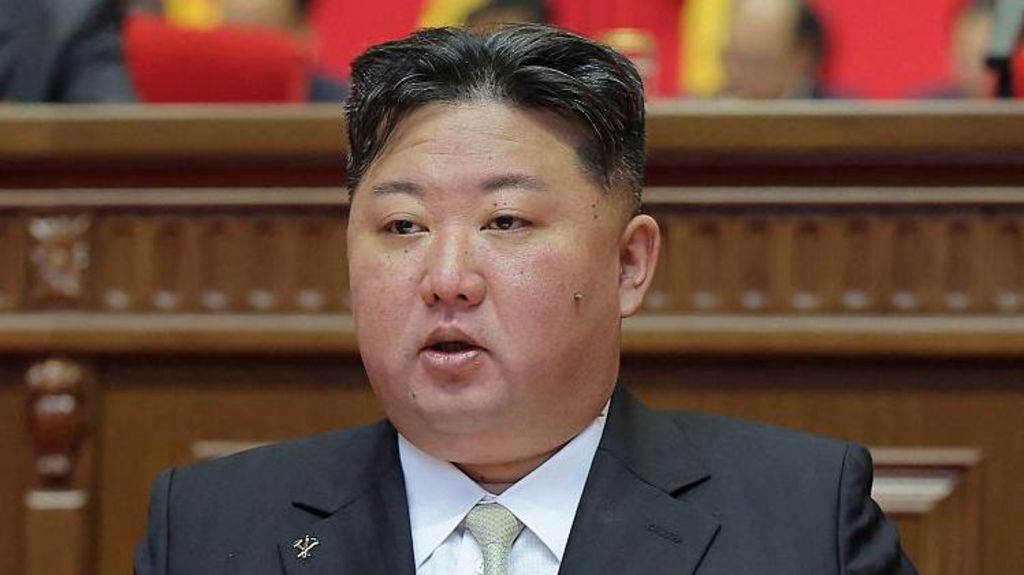
    In a significant address at the Ninth Congress of the Workers’ Party of Korea in Pyongyang, North Korean leader Kim Jong Un presented a dual-track approach to international relations, coupling overt nuclear expansion with conditional diplomatic overtures toward the United States. Kim declared that Washington must formally acknowledge North Korea’s constitutional status as a nuclear power and abandon its ‘hostile policy’ for bilateral relations to normalize.

    The reclusive leader framed the future of US-North Korea relations as entirely dependent on American posture, stating Pyongyang stands prepared for either ‘peaceful coexistence or permanent confrontation.’ This carefully calibrated messaging represents the most explicit roadmap for engagement offered to the incoming US administration since diplomatic talks stalled in 2019.

    Simultaneously, Kim adopted an uncompromising stance toward South Korea, designating Seoul as Pyongyang’s ‘most hostile entity’ and permanently excluding it from the ‘category of compatriots.’ He advised South Korea that its only path to security lay in complete disengagement from inter-Korean affairs.

    Military analysts note Kim’s explicit directive to ‘increase the number of nuclear weapons and expand nuclear operational means’ signals continued defiance of international sanctions. The Stockholm International Peace Research Institute estimates North Korea currently possesses approximately 50 assembled warheads with fissile material for 40 additional devices.

    The geopolitical context surrounding Kim’s address gains significance ahead of former President Trump’s anticipated visit to China in April. Trump’s 2025 global security strategy notably omitted denuclearization of the Korean Peninsula as an objective—a departure from two decades of consistent US policy—fueling speculation about potential renewed diplomacy.

    Notably, Kim’s teenage daughter Ju Ae appeared alongside her father during closing ceremonies, wearing matching military attire. Her prominent visibility follows assessments from South Korea’s National Intelligence Service suggesting she’s being groomed as political successor, though her exact role remains unclear.

  • US and Iran to hold a third round of nuclear talks as more American forces deploy to the Mideast

    US and Iran to hold a third round of nuclear talks as more American forces deploy to the Mideast

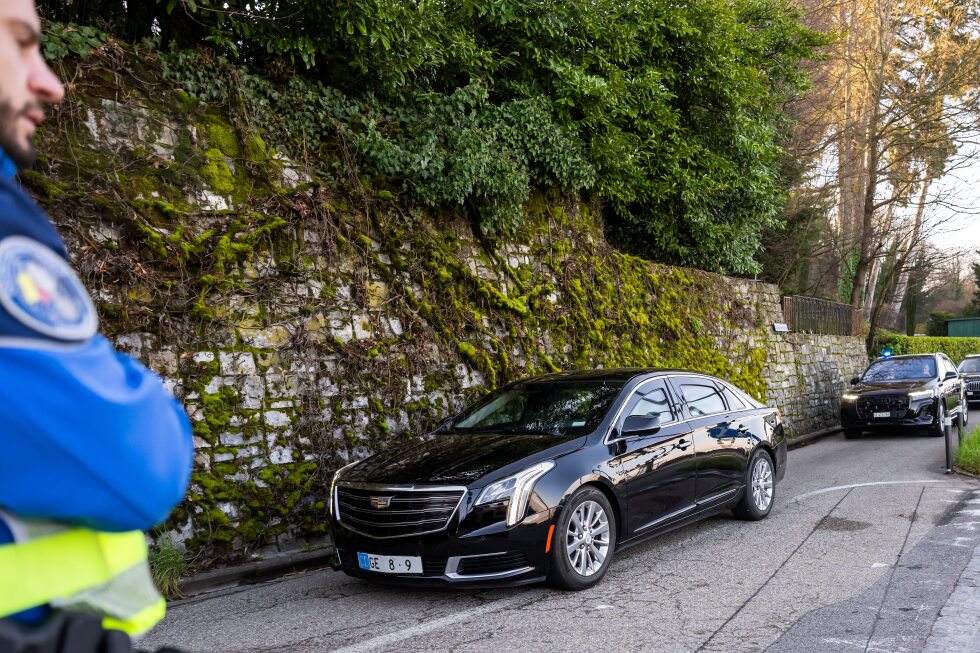
    GENEVA — Diplomatic efforts to address Iran’s nuclear program resumed Thursday as Iranian and American officials convened in Geneva for high-stakes negotiations, occurring against a backdrop of intensified military posturing and regional instability. The talks represent what many observers consider a final opportunity for peaceful resolution before potential military confrontation.

    The United States has significantly bolstered its naval and aerial presence throughout the Middle East, a strategic maneuver intended to pressure Tehran into accepting constraints on its nuclear activities. President Donald Trump seeks to capitalize on Iran’s domestic vulnerabilities, including widespread civil unrest that erupted during nationwide protests last month.

    Iran maintains its right to uranium enrichment despite substantial damage to its nuclear infrastructure from American airstrikes in June during last year’s twelve-day conflict. Iranian officials have issued stark warnings that any U.S. military action would trigger retaliatory strikes against American bases across the region, potentially endangering tens of thousands of U.S. personnel and escalating into a broader regional war involving Israel.

    Iranian Foreign Minister Abbas Araghchi characterized the potential conflict as “devastating” with “no victory for anybody” in remarks to India Today prior to his departure for Geneva. He emphasized that American military installations throughout the region would make widespread engagement inevitable.

    This third round of discussions since June’s hostilities again features Omani mediation, with Sultanate officials facilitating communication between the parties. Araghchi consulted with Omani Foreign Minister Badr al-Busaidi upon arriving in Geneva Wednesday evening to review proposals based on principles established during previous negotiations.

    The current American negotiating position, conveyed through special envoy Steve Witkoff—a billionaire real estate developer and Trump confidant—includes demands for complete cessation of uranium enrichment, restrictions on ballistic missile development, and curtailment of Iran’s support for regional militant groups. Tehran insists discussions must remain exclusively focused on nuclear matters.

    U.S. intelligence assessments acknowledge Iran has not resumed weapons-grade enrichment since June’s attacks but indicates the country has undertaken preparatory activities that could facilitate nuclear weapon development. Satellite imagery analysis suggests Iranian technicians are conducting assessment and potential recovery operations at previously bombed facilities, though International Atomic Energy Agency inspectors remain barred from these sites.

    The potential consequences of failed diplomacy extend beyond direct military confrontation. Recent fluctuations in global oil prices reflect market concerns about possible Iranian retaliation against Persian Gulf shipping lanes, particularly the strategically vital Strait of Hormuz through which twenty percent of globally traded oil passes.

  • Major hospital investigates deadly fungus cluster after two transplant patients die, four left seriously ill

    Major hospital investigates deadly fungus cluster after two transplant patients die, four left seriously ill

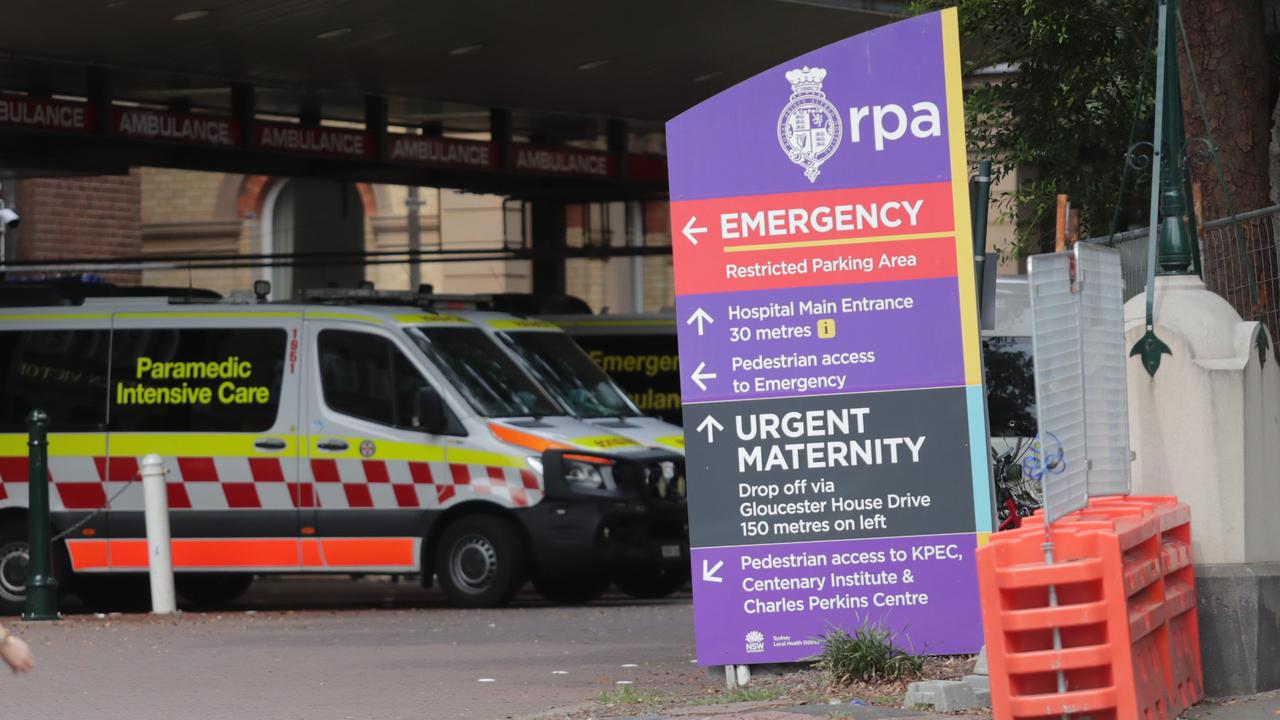
    A major public health investigation is underway in Sydney after a cluster of rare fungal infections, linked to hospital construction activity, resulted in two patient fatalities and four serious illnesses. The outbreak occurred within the transplant unit of the Royal Prince Alfred (RPA) Hospital in Camperdown between October and December of last year.

    The causative agent has been identified as Aspergillus, a common mold typically found in soil, plants, and damp environments. Health experts indicate that construction work and excavation on the hospital’s grounds likely disturbed deposits of the mold, releasing its spores into the air. While generally harmless to the general public, Aspergillus poses a severe threat to immunocompromised individuals, particularly transplant recipients whose immune systems are deliberately suppressed.

    Upon detecting an unexpected surge in infections, hospital infectious disease clinicians initiated an immediate response. As a precautionary measure, all patients were evacuated from the transplant ward and relocated while a specialized remediation team executed an intensive deep cleaning protocol. Concurrently, significant upgrades were implemented for the ward’s air filtration systems, with subsequent air quality tests confirming the successful reduction of Aspergillus to safe levels.

    The Sydney Local Health District has extended its deepest condolences to the families of the deceased patients. Hospital authorities proactively notified other vulnerable patients who had been on the ward; however, no additional cases have been reported. Some high-risk individuals were administered antifungal medication as a preventive measure.

    NSW Chief Health Officer Dr. Kerry Chant, leading an advisory panel, has since certified the ward as safe for reopening. The investigation continues to focus on the precise transmission pathway, with NSW Health pledging to collaborate with construction contractors to implement any recommended safety measures. The incident has cast a spotlight on the RPA Hospital’s ongoing $940 million redevelopment project, which is situated near the transplant unit and is scheduled to continue until 2029.