博客

  • Dubai gold prices drop ahead of Fed’s rate cut decision

    Dubai gold prices drop ahead of Fed’s rate cut decision

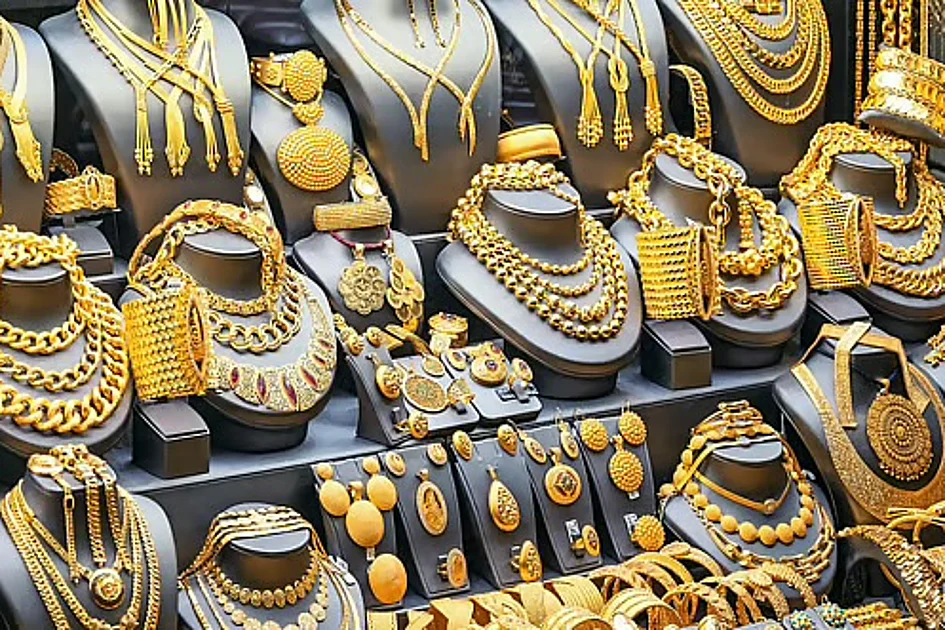
    Gold markets in Dubai opened with notable declines on Thursday morning as investor caution intensified ahead of the US Federal Reserve’s critical policy meeting. According to the Dubai Jewellery Group’s market data, 24-karat gold dropped by Dh1.25 per gram to reach Dh505.75. Corresponding decreases affected other variants: 22K fell to Dh468.25, 21K to Dh449.0, 18K to Dh384.75, and 14K to Dh300.25 per gram. The international spot gold market mirrored this trend, trading at $4,193.1 per ounce with a 0.2 percent decline.

    Market analysts attribute this cautious trading pattern to heightened anticipation surrounding the Federal Reserve’s impending interest rate decision. Linh Tran, market analyst at xs.com, emphasized that the US interest rate cycle remains the dominant factor influencing gold’s medium-term trajectory. ‘Recent indicators showing cooling US growth and consumption patterns have strengthened market expectations that the Federal Reserve will initiate rate reductions in the foreseeable future,’ Tran noted.

    The analyst further explained that declining bond yields, which retreated to approximately 4.02 percent in late November before modestly recovering to 4.088 percent, have created favorable conditions for gold appreciation. This dynamic reduces the opportunity cost associated with holding non-yielding assets like gold. Historical patterns suggest that periods of declining real interest rates typically generate supportive environments for precious metals, with current market conditions following this established pattern.

    Looking toward 2026, Tran projected significant upside potential for gold if the Fed enters a sustained rate-cutting cycle. ‘Gold maintains substantial room to establish new record highs, potentially reaching $4,500 per ounce within a monetary easing environment that appears increasingly probable for the coming year,’ Tran added.

    Alex Kuptsikevich, Chief Market Analyst at FxPro, highlighted growing market focus on global monetary policy divergence. While the Federal Reserve is expected to reduce rates to three percent throughout 2026, the Bank of Japan simultaneously forecasts rate increases to 1.25 percent. This policy contrast creates complex dynamics for currency markets and precious metal valuations.

    Kuptsikevich referenced additional uncertainty stemming from political developments, noting that President Donald Trump’s announcement regarding the new Fed chair appointment timeline—now expected in early 2026 rather than by Christmas—has introduced further dollar volatility. Market expectations surrounding Kevin Hassett’s potential leadership appointment at the Federal Reserve have amplified concerns about expanded monetary easing measures, creating additional downward pressure on the US dollar that could ultimately benefit gold prices.
  • Hong Kong races to remove scaffolding nets on all buildings after deadly fire kills 159

    Hong Kong races to remove scaffolding nets on all buildings after deadly fire kills 159

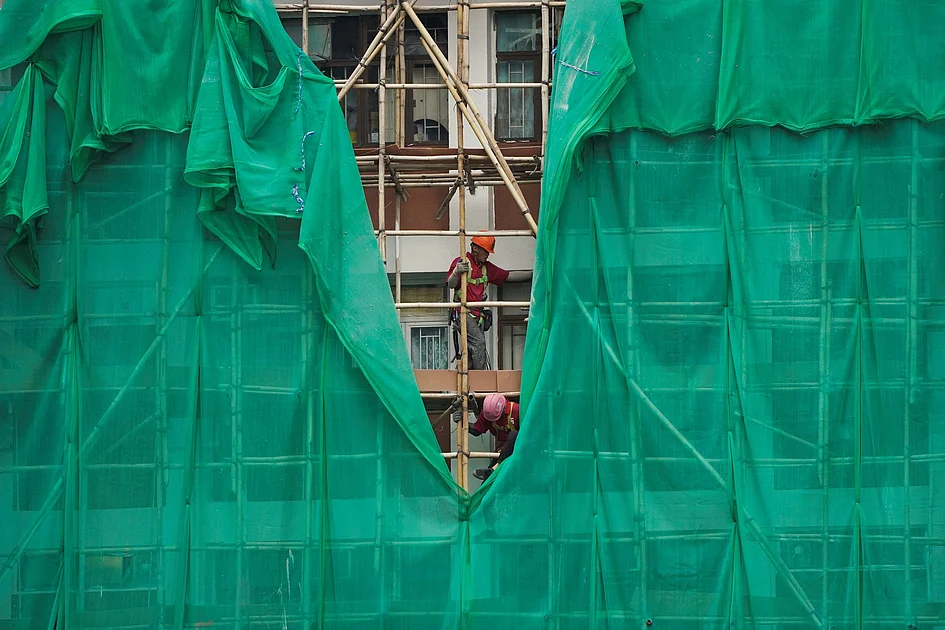
    Hong Kong authorities have launched an urgent city-wide operation to remove all scaffolding safety nets from buildings undergoing renovation after investigators identified the material as a key factor in the catastrophic Wang Fuk Court fire that claimed 159 lives. The government mandate requires complete removal from both public and private residential buildings by Saturday, effectively halting renovation projects across the financial hub indefinitely.

    The unprecedented safety directive follows what has become Hong Kong’s deadliest fire in decades, which engulfed seven high-rise apartment blocks on November 26. Forensic analysis indicates that substandard plastic mesh netting and insulation foam significantly accelerated the blaze, which burned for 40 hours. Additionally, malfunctioning fire alarm systems failed to provide adequate warning to residents.

    Law enforcement agencies have taken 21 individuals into custody during their investigation, including 15 construction company employees suspected of manslaughter. Among those arrested are two directors and an engineering consultant from Prestige Construction, the primary contractor at the affected housing complex. Six additional arrests involved fire service installation contractors on suspicion of fraud.

    The tragedy has exposed critical gaps in building safety oversight, despite residents having raised concerns about fire hazards during renovations the previous year. In response to mounting demands for accountability, City Leader John Lee has established a judge-led commission to investigate the disaster and review renovation oversight protocols.

    Development Secretary Bernadette Linn confirmed that over 200 private buildings and more than 10 public housing structures must comply with the netting removal order, with contractors bearing all associated costs. The Building Department plans to implement a new safety code next week requiring on-site sampling of all scaffold net materials and laboratory certification before reinstallation.

    Authorities are additionally investigating allegedly falsified safety documentation for netting supplied by a manufacturer based in Shandong, China, which was utilized at multiple renovation sites including one involving Prestige Construction.

    The human toll continues to emerge, with 140 victims identified from the recovered bodies—91 females and 49 males ranging from one to 97 years old. Thirty-one individuals remain unaccounted for, including foreign domestic helpers from Indonesia and the Philippines. Approximately 2,900 displaced residents have been relocated to temporary accommodations, with 1,152 in hostels, camps, or hotels, and another 1,765 moved into transitional housing units.

  • Putin arrives in New Delhi on a state visit aimed at bolstering Russia-India ties

    Putin arrives in New Delhi on a state visit aimed at bolstering Russia-India ties

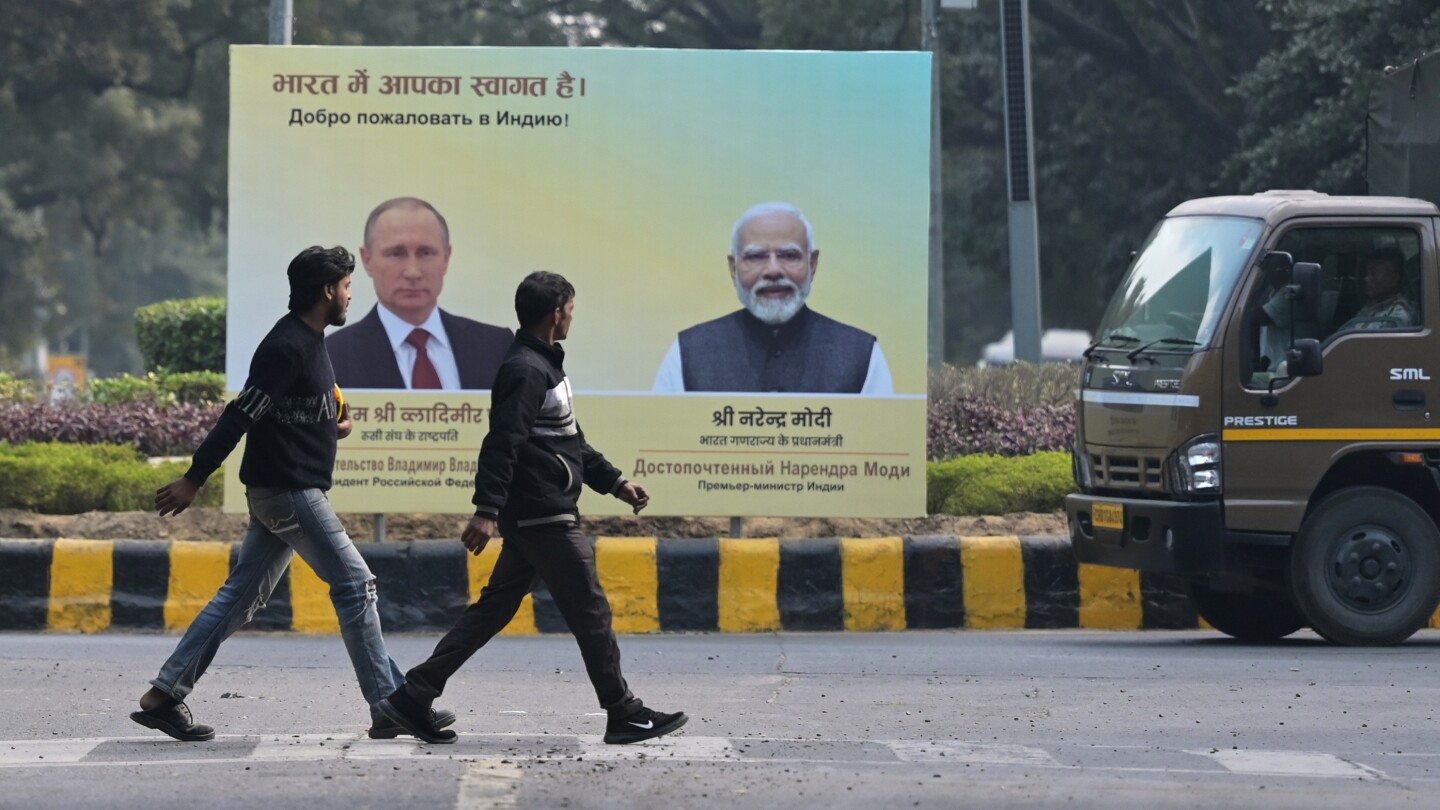
    Russian President Vladimir Putin arrived in New Delhi on Thursday for a highly anticipated state visit, signaling a reinforcement of the longstanding bilateral partnership between Russia and India. The diplomatic engagement, marked by visible warmth between the two leaders, underscores the complex geopolitical balancing act India maintains amid ongoing global tensions.

    Indian Prime Minister Narendra Modi personally welcomed Putin at the airport with an enthusiastic embrace and firm handshake, demonstrating the depth of their personal rapport. The Russian leader’s itinerary includes an intimate dinner at Modi’s officially decorated residence, followed by formal discussions on Friday during the 23rd India-Russia Summit.

    The summit agenda focuses on expanding economic collaboration across critical sectors, particularly defense systems, energy security, and facilitating the movement of skilled professionals between the nations. This meeting occurs against a backdrop of intensified U.S. diplomatic efforts to broker a peace agreement ending the Russia-Ukraine conflict, now approaching its fourth year.

    Putin’s first visit to India since 2021 and Modi’s recent trip to Moscow in 2023 highlight the continuity of diplomatic exchanges. The leaders previously convened briefly in September during the Shanghai Cooperation Organization summit in China, maintaining consistent high-level dialogue despite international pressures.

    The current visit represents a significant test of India’s foreign policy strategy, which seeks to maintain strong ties with both Moscow and Washington simultaneously. As global powers realign amid ongoing conflicts, India’s ability to navigate these complex relationships while advancing its national interests remains a subject of international scrutiny.

  • Honghe Hani Rice Terraces in Yunnan enters best viewing period

    Honghe Hani Rice Terraces in Yunnan enters best viewing period

    The Honghe Hani Rice Terraces in Yuanyang county, Yunnan province, have transformed into a breathtaking winter spectacle, entering their optimal viewing season according to recent reports. This UNESCO World Heritage site now attracts travelers nationwide with its extraordinary visual transformation during the December period.

    These magnificent terraces, carved meticulously into mountain slopes across generations, currently present an awe-inspiring panorama. When filled with water, the stepped paddies resemble countless scattered silver mirrors reflecting the sky. The visual drama intensifies during sunrise and sunset when golden sunlight pierces through the clouds, creating a shimmering effect across the entire landscape. This natural phenomenon transforms the terraces into what appears to be a vast, living palette of the Earth, with light and water interacting to produce constantly shifting patterns and colors.

    The timing coincides with ideal weather conditions that enhance both water retention and light reflection qualities. Local tourism authorities note that this period represents the terraces’ most photogenic phase, offering visitors unparalleled opportunities to witness one of China’s most remarkable agricultural and cultural landscapes at its visual peak. The site demonstrates the harmonious integration of human engineering and natural beauty, showcasing sustainable farming practices that have endured for centuries while creating this seasonal visual marvel.

  • US Institute of Peace renamed after Trump

    US Institute of Peace renamed after Trump

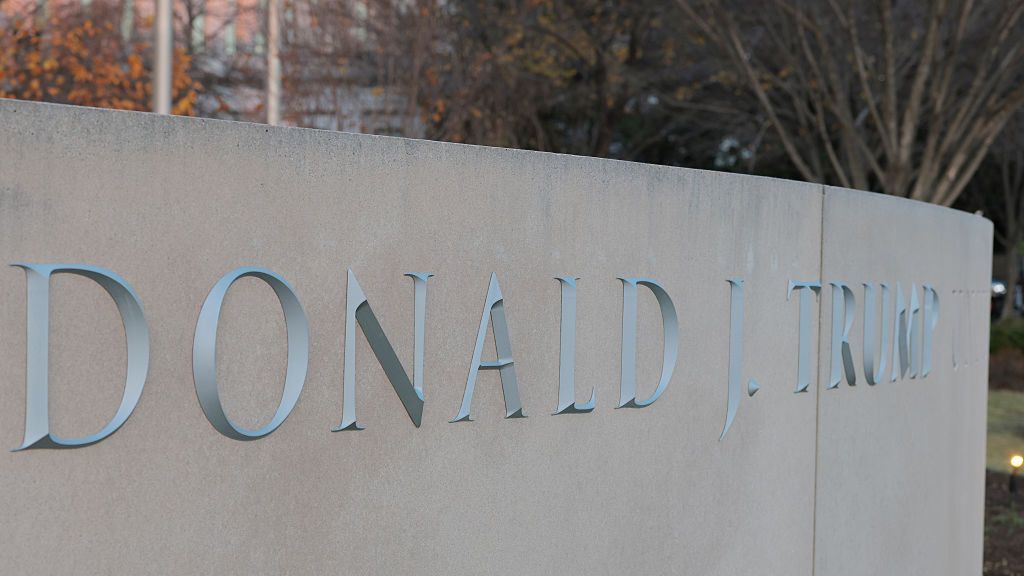
    The U.S. Institute of Peace building in Washington has been formally rebranded as the “Donald J. Trump Institute of Peace” following a directive from the Department of State. The renaming occurred on Wednesday, just ahead of a scheduled peace agreement signing ceremony between Rwanda and the Democratic Republic of Congo at the venue.

    Founded as an independent, Congressionally-funded nonprofit think tank, USIP has recently become embroiled in legal battles with the Trump administration over attempts to cut staff and budgets. The State Department announced the change on social media, stating the move was made “to reflect the greatest dealmaker in our nation’s history” and adding that “the best is yet to come.”

    White House deputy press secretary Anna Kelly shared the announcement with the comment “Congratulations, world,” while Secretary of State Marco Rubio endorsed the decision by calling Trump the “President of Peace” and noting it was time for the department to “display that.”

    The rebranding represents a significant shift in the administration’s approach to the institute, which earlier this year was at the center of controversy when the Trump administration removed staff and replaced leadership until judicial intervention halted the changes. The future of the organization remains uncertain as legal proceedings continue.

    This renaming is part of a broader pattern of high-profile rebrandings since Trump began his second term in January. Previous changes include redesignating the Department of Defense as the Department of War, renaming the Gulf of Mexico as the Gulf of America, and reverting Denali to Mount McKinley. Additionally, Republican lawmakers have proposed various tributes including a $500 bill featuring Trump’s portrait and renaming Dulles International Airport in his honor.

    The modern-day USIP website currently describes the institute as “the nation’s independent, nonpartisan institute that supports the Executive Branch in resolving violent conflict abroad,” though its future direction under the new name remains unclear.

  • Trump orders increased vetting of resumes, LinkedIn profiles of H-1B visa applicants

    Trump orders increased vetting of resumes, LinkedIn profiles of H-1B visa applicants

    In a significant policy shift impacting international tech recruitment, the Trump administration has instituted rigorous new screening protocols for H-1B visa applicants. A recently disclosed State Department directive mandates comprehensive review of professional backgrounds, including detailed examination of resumes and LinkedIn profiles, to identify individuals involved in content moderation activities.

    The diplomatic cable, circulated to all U.S. missions on December 2, 2025, instructs consular officers to scrutinize applicants’ employment histories for evidence of involvement in misinformation management, disinformation mitigation, fact-checking operations, or online safety enforcement. The policy specifically targets those who have participated in what the administration characterizes as ‘censorship of protected expression’ within the United States.

    Under the new guidelines, consular officials are directed to pursue visa ineligibility findings under the Immigration and Nationality Act for applicants deemed complicit in speech suppression practices. The enhanced vetting applies to both initial applicants and renewal cases, with particular emphasis on technology sector professionals employed by social media and financial services companies.

    A State Department spokesperson confirmed the administration’s position, stating: ‘We do not support aliens coming to the United States to work as censors muzzling Americans.’ The spokesperson referenced President Trump’s personal experiences with social media platform restrictions as motivation for the policy, adding that ‘allowing foreigners to lead this type of censorship would both insult and injure the American people.’

    This development represents the latest escalation in the administration’s broader campaign against perceived suppression of conservative voices online. The policy aligns with previous actions including heightened student visa screenings and new fee structures for H-1B visas, continuing Trump’s extensive immigration reform agenda. The administration has previously engaged with European governments regarding right-wing speech limitations, with officials like Marco Rubio having threatened visa bans for foreign nationals involved in regulating American tech companies.

  • UAE residents send up to 3 times money to India as rupee plunges

    UAE residents send up to 3 times money to India as rupee plunges

    Indian expatriates across the United Arab Emirates are strategically amplifying their financial remittances amidst the Indian rupee’s historic decline against the UAE dirham. With exchange rates reaching unprecedented levels of approximately ₹24.5 per Dh1, residents are seizing the opportunity to transfer up to three times their usual amounts to families in India.

    The currency depreciation has created an advantageous window for expats to address critical financial obligations back home. Exchange houses throughout the UAE report substantial increases in transaction volumes as workers leverage the favorable rates to cover educational expenses, household bills, and outstanding payments.

    Sharjah resident Arif Khan, typically sending Dh1,200-1,500 monthly, dispatched Dh4,500 in a single transaction. “The additional rupees effectively cover three months of household expenses,” Khan noted. “My wife described it as an unexpected financial blessing.”

    Dubai marketing executive Anthony Varghese characterized the rate shift as an “early Christmas gift,” explaining how his Dh3,000 transfer yielded an extra ₹8,000 compared to previous months—sufficient to cover his daughter’s educational costs.

    For mechanic Farooq Ahmed, the strengthened remittance power provided immediate utility relief. “The ₹4,500 surplus paid our electricity bill and gas cylinder costs,” Ahmed stated. “This represents significant support for middle-class families.”

    Despite these temporary advantages, expatriates acknowledge India’s persistent inflation challenges. Many recipients quickly absorb the increased funds due to rising living costs, indicating that the currency benefits provide temporary relief rather than lasting financial transformation.

    The phenomenon demonstrates how global currency fluctuations directly impact migrant workers’ financial strategies and cross-border economic relationships between major labor destinations and home countries.

  • Former EU foreign policy chief facing fraud probe resigns as head of the College of Europe

    Former EU foreign policy chief facing fraud probe resigns as head of the College of Europe

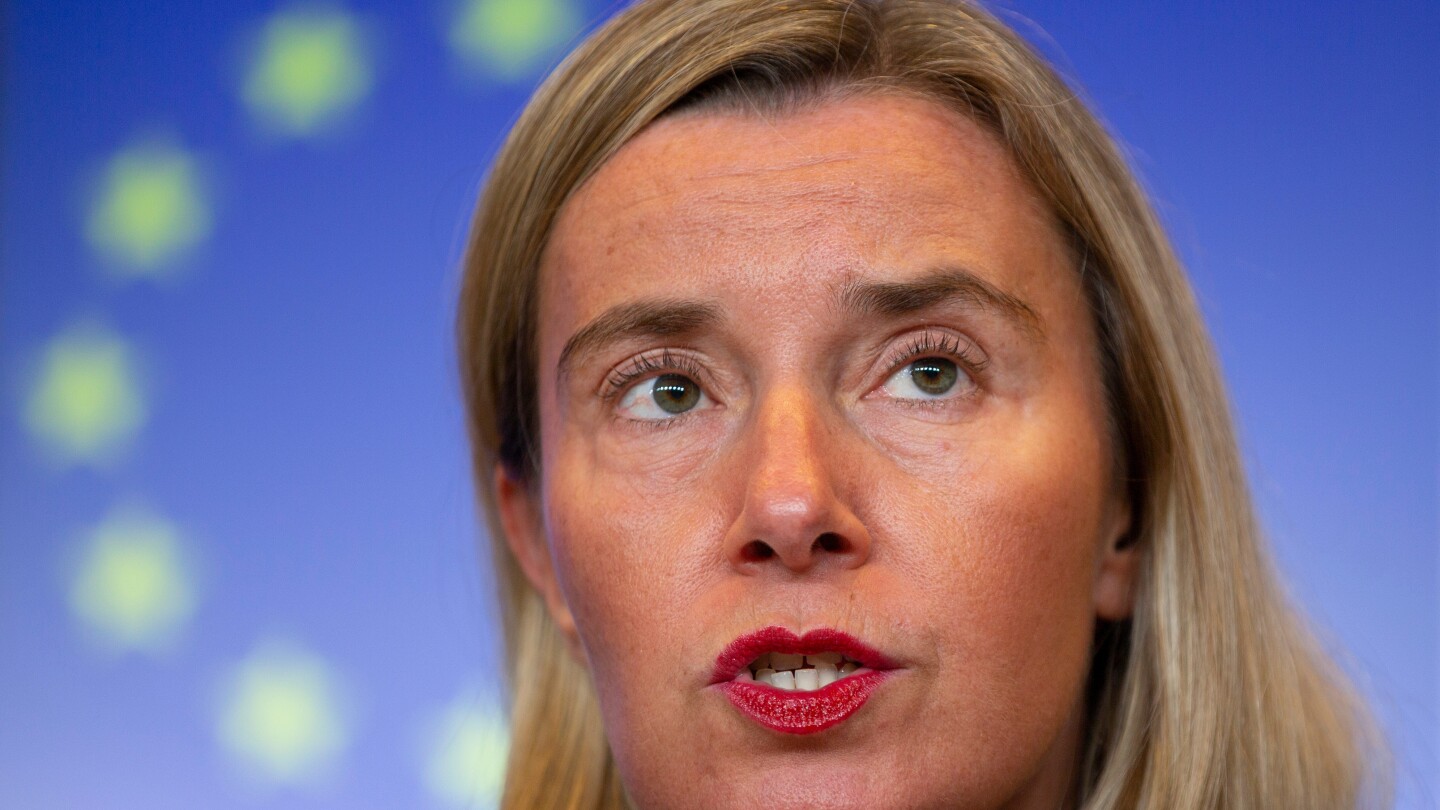
    BRUSSELS — Federica Mogherini, the European Union’s former foreign policy chief, has resigned from her leadership role at the prestigious College of Europe following her involvement in a burgeoning fraud investigation. The announcement came Thursday as Belgian authorities continue their probe into alleged procurement irregularities at the institution.

    Mogherini stepped down from her dual positions as Rector of the Bruges-based College of Europe and Director of the European Union Diplomatic Academy. In her resignation statement, she emphasized her commitment to “utmost rigor and fairness” in fulfilling her duties but provided no specific explanation for her departure.

    The investigation escalated Tuesday when Belgian federal police conducted simultaneous raids at both the EU diplomatic service headquarters in Brussels and the College of Europe campus in Bruges. Mogherini was detained for questioning along with a senior college administrator and a European Commission official. All three were subsequently released after investigators determined they presented no flight risk.

    According to the European Public Prosecutor’s Office, the investigation centers on multiple allegations including procurement fraud, corruption, conflict of interest, and breaches of professional secrecy. The probe examines potential misconduct in the awarding of contracts and management of funds at the esteemed institution known for training Europe’s future diplomats.

    Despite the serious allegations, Mogherini expressed pride in her accomplishments during her tenure and gratitude for the support received from students, faculty, and alumni. The College of Europe, established in 1949, has long served as a premier educational institution for European affairs and international relations.

  • 4.1 magnitude earthquake hits Afghanistan, Bangladesh

    4.1 magnitude earthquake hits Afghanistan, Bangladesh

    Two separate seismic events measuring 4.1 magnitude struck Afghanistan and Bangladesh simultaneously in the early hours of Thursday, according to reports from the National Center for Seismology (NCS).

    The Bangladesh tremor occurred at 5:44 AM Indian Standard Time (IST) at a depth of 30 kilometers, with its epicenter located at coordinates 23.95°N latitude and 90.72°E longitude. The seismic activity was recorded through the BhooKamp monitoring application and officially confirmed via the NCS social media channels.

    Nearly simultaneously, Afghanistan experienced an earthquake of identical magnitude but significantly greater depth. The Afghan seismic event registered at 3:05 AM IST with its epicenter at 36.54°N latitude and 71.66°E longitude, occurring at a substantial depth of 140 kilometers beneath the Earth’s surface.

    Seismological experts note the critical difference in depth between the two events. The Bangladesh earthquake, classified as a shallow-focus event, typically produces more noticeable surface shaking due to reduced energy dissipation before reaching populated areas. Conversely, the Afghan quake’s deeper origin likely resulted in less intense ground-level impact despite its identical magnitude.

    This seismic activity occurs against a backdrop of recent earthquake-related tragedies in the region. On November 21, a 5.5-magnitude earthquake in Bangladesh caused structural failures in Dhaka’s Armanitola area, resulting in three fatalities and ten injuries when a building’s rooftop railing collapsed.

    Afghanistan continues to demonstrate particular seismic vulnerability due to its position within the geologically active Hindu Kush Mountain range. The region experienced a devastating earthquake on November 3 that claimed 27 lives, injured 956 people, and damaged significant cultural heritage sites including historically important mosques.

    The Red Cross recognizes this mountainous region as perpetually seismically active, with annual earthquake occurrences being geologically inevitable. Monitoring organizations continue to emphasize the importance of earthquake preparedness throughout South Asia, particularly in areas with high population density and infrastructure vulnerability.

  • China hopes AI can fix its consumer demand problem

    China hopes AI can fix its consumer demand problem

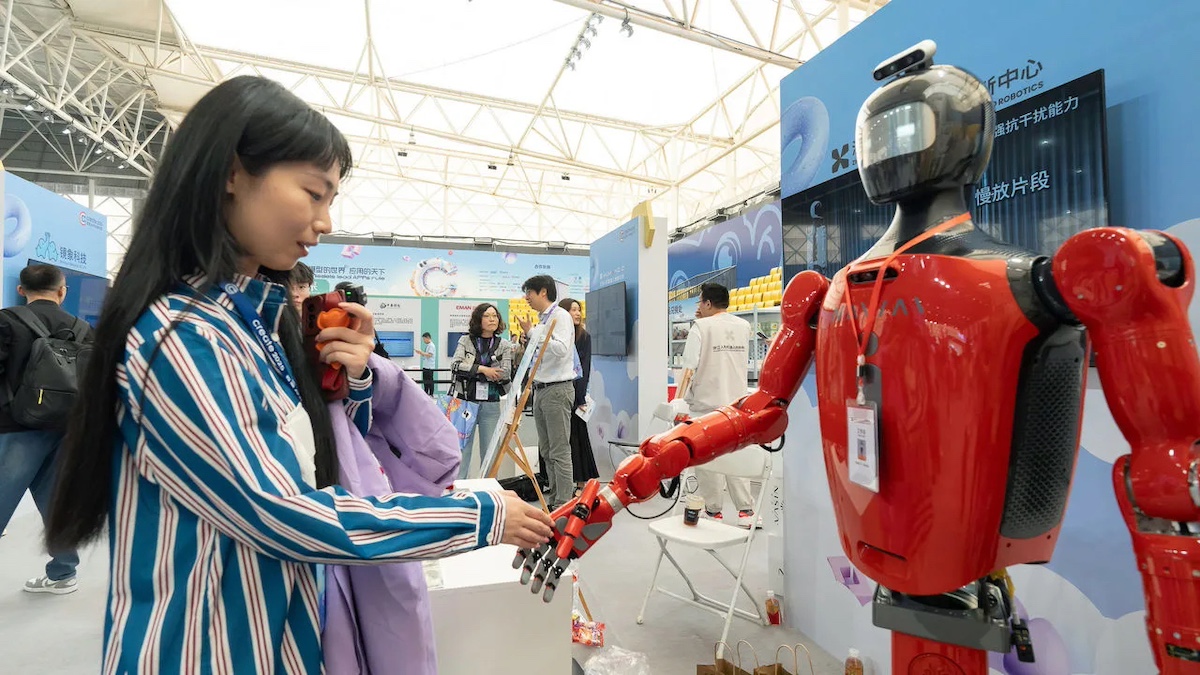
    China has launched an ambitious technological strategy to revitalize domestic consumption, positioning artificial intelligence as the cornerstone of its economic revitalization plan. The comprehensive action plan, unveiled recently by Beijing, aims to generate multitrillion-yuan consumption growth within three years across targeted sectors including elderly care products, smart vehicles, and consumer electronics.

    The initiative represents a supply-side approach to stimulating demand, with AI serving both as practical tool and symbolic centerpiece. The blueprint promotes smart appliances that automate shopping decisions and AI wearables that guide daily activities, presenting technological sophistication as the primary catalyst for consumption revival.

    However, this technologically-driven strategy exposes a fundamental tension in China’s economic planning: the assumption that supply can effectively generate demand. Current economic fragility underscores the challenge—retail sales have shown volatility throughout 2024-2025, youth unemployment remains elevated despite statistical adjustments, and household savings rates persist at historically high levels.

    The critical obstacle lies not in product inadequacy but in consumer psychology. Chinese households have restrained spending due to weakened income visibility and persistent economic anxiety rather than technological deficiencies in available products. While China leads globally in smart home adoption, EV penetration, and digital payment usage, these advancements struggle to overcome fundamental financial concerns.

    The elderly care sector exemplifies this dichotomy. With over 300 million citizens aged 60+, AI-enabled monitoring and assistive devices offer transformative potential. Yet adoption will be determined more by affordability through pension strength and healthcare support than by technological sophistication.

    Implementation challenges further complicate matters. Local governments face execution burdens amid existing debt pressures, while private enterprises confront margin compression and cautious lending. Tech roadmaps appear more developed than financial mechanisms to support the ambitious transformation.

    Ultimately, sustainable consumption revival may require addressing foundational elements: robust job creation, wage growth, and strengthened social safety nets. Until policy moves beyond supply-side engineering to strengthen household financial security, innovation may flourish while broad-based consumption recovery remains elusive.