博客

  • Hong Kong’s cultural retail model to land in UAE

    Hong Kong’s cultural retail model to land in UAE

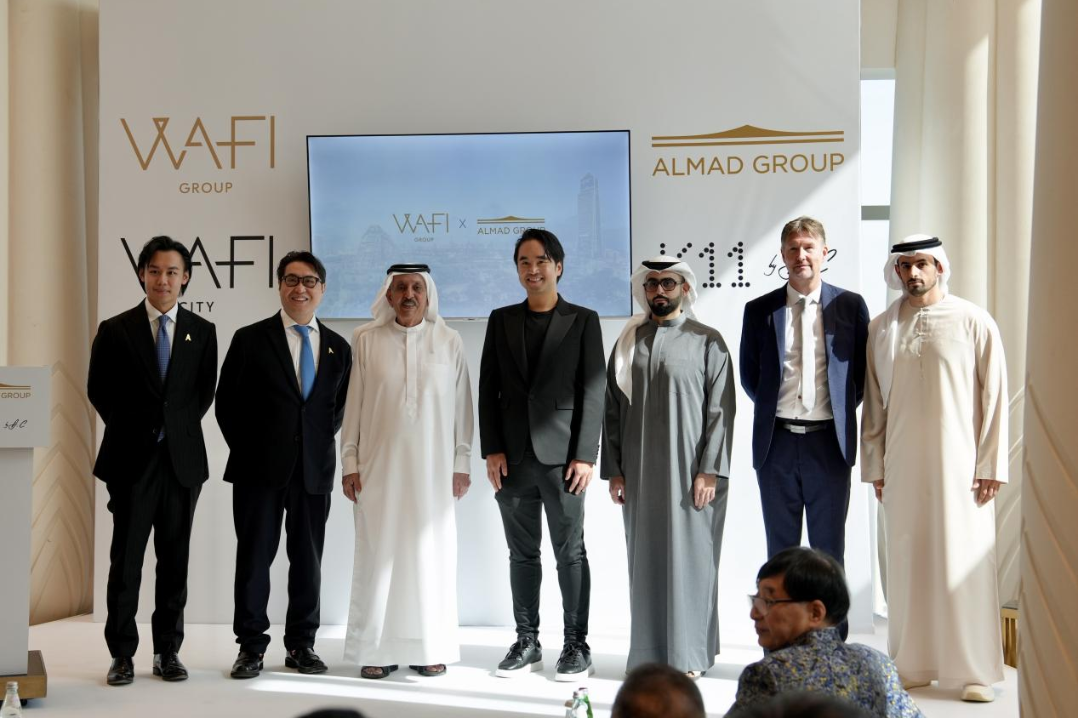
    In a significant cross-continental business development, Hong Kong’s Almad Group and its subsidiary K11 by AC have forged a strategic alliance with Dubai’s prominent Wafi Group. The partnership, formalized on December 11, 2025, establishes a new joint venture named Wafi Anime 11 that will introduce Hong Kong’s innovative cultural retail model to the United Arab Emirates.

    The collaboration represents a strategic market expansion that will provide Chinese consumer brands with direct access to the Middle Eastern market while catering specifically to the region’s Generation Z and Alpha demographics. The venture will focus on anime retail, entertainment experiences, and curated cultural exhibitions that blend Eastern and Western influences.

    This expansion is strategically timed alongside growing tourism connections between China and Dubai. Official data from Dubai’s Department of Economy and Tourism indicates a substantial 31 percent year-on-year increase in Chinese visitors, reaching 824,000 tourists in 2024.

    Sheikh Mana bin Khalifa Al Maktoum, Founder and Chairman of Wafi Group, emphasized the partnership’s broader significance: “Our collaboration will not only enhance Wafi City’s offerings but also fortify the cultural and commercial bridge between the Middle East and China.”

    Adrian Cheng, Founder and Executive Chairman of K11 by AC, highlighted Hong Kong’s unique positioning: “Our expertise lies in connecting Eastern and Western markets. We’re confident that the Chinese consumer brands, premium IP innovations, and immersive experiences we introduce will resonate strongly with the region’s rapidly evolving retail landscape and youthful population.”

    The partnership will launch a series of themed exhibitions starting in 2026, featuring anime, e-sports, and K-Pop elements, addressing the Middle East’s growing demand for youth-oriented cultural experiences.

  • Interpreter in tears as Ukrainian boy recalls losing mother in Russian strike

    Interpreter in tears as Ukrainian boy recalls losing mother in Russian strike

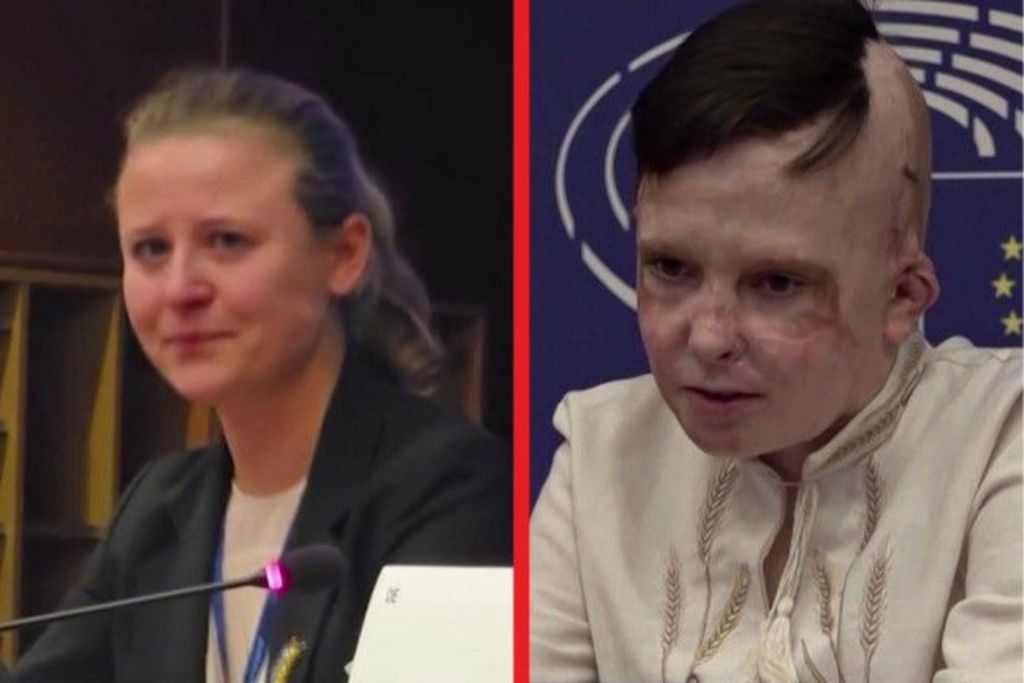
    A profoundly moving scene unfolded during a war crimes documentation session as an 11-year-old Ukrainian boy, Roman Oleksiv, delivered a harrowing testimony. The young survivor, visibly injured himself, recounted the traumatic events of a Russian missile strike that targeted a medical facility, an attack that tragically claimed the life of his mother. The emotional weight of his account became overwhelmingly palpable, reducing the professional interpreter assisting him to tears and offering a stark, humanizing glimpse into the devastating human cost of the ongoing conflict. This incident underscores the severe impact of military assaults on civilian infrastructure, particularly hospitals, which are protected under international humanitarian law. The boy’s personal tragedy represents one of countless individual stories of loss emerging from the war, highlighting the profound and long-lasting psychological scars borne by the youngest victims of the violence. International observers and human rights organizations are increasingly documenting such events to build cases for potential war crimes investigations, emphasizing the need for accountability and justice for the victims and their families.

  • Zootopia 2 fans fuel hazardous trend in online snake purchases

    Zootopia 2 fans fuel hazardous trend in online snake purchases

    A dangerous trend has emerged across Chinese e-commerce platforms as enthusiasts of the blockbuster animation Zootopia 2 fuel a hazardous market for highly venomous snakes resembling the film’s new character. The Island Bamboo Pit Viper, explicitly marketed as “Gary’s same-style little blue snake,” is being sold through covert online channels despite posing significant public safety risks.

    Investigation reveals that sellers on platforms including Xianyu, Douyin, and Xiaohongshu are employing coded hashtags such as “Guard a piece of blue” and “Poisonous snake” to evade content moderation systems. Prices range from 300 to 3,000 yuan ($42.5-$425), with vendors reporting surging demand since the film’s premiere. Alarmingly, sellers are advising novice buyers to purchase specialized handling equipment including snake hooks and bite-proof gloves, acknowledging the viper’s aggressive nature and toxicity.

    The trade exists within a regulatory gray area. While the non-native species isn’t listed on China’s protected wildlife lists, the National Forestry and Grassland Administration classifies it among wildlife prohibited from consumption and requires strict official approval for research purposes—requirements being systematically bypassed in these transactions.

    Legal experts warn that all parties involved—platforms, sellers, and logistics providers—face substantial legal exposure. Liu Ruini, senior partner at Shaanxi Bingrui Law Firm, emphasized that e-commerce platforms bear responsibility for verifying seller qualifications and ensuring transaction legality. Sellers of dangerous animals maintain a high duty of care regarding explicit warnings, while logistics companies violate postal regulations prohibiting live animal transportation.

    Gan Yuanchun of Hunan King Zone Lawyer Office outlined severe potential consequences: snake owners could face criminal charges including involuntary manslaughter for escapes causing injury or death, while deliberate public release could result in endangering public safety prosecution. Even mere keeping may constitute public disturbance violations with fines up to 500 yuan.

    Platform responses have been inconsistent. Xianyu’s customer service initially claimed the viper wasn’t “forcibly prohibited” since it’s not protected, but later stated the platform prohibits all live animal sales following media inquiries. This regulatory ambiguity highlights the challenges in controlling hazardous wildlife trade driven by pop culture phenomena.

  • Weekly quiz: Which countries said they would boycott Eurovision?

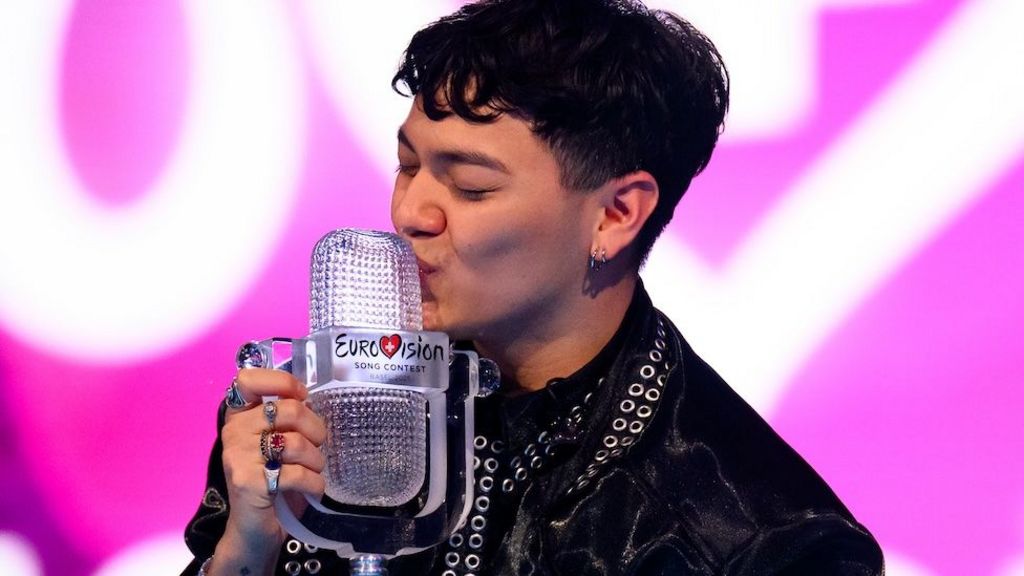
    Weekly quiz: Which countries said they would boycott Eurovision?

    Australia has implemented a groundbreaking nationwide prohibition on social media access for minors under 16 years old, marking one of the world’s most stringent youth digital protection measures. The controversial legislation, which took effect this week, requires platforms to implement rigorous age verification systems and imposes significant penalties for non-compliance.

    In concurrent developments, the literary world mourned the passing of acclaimed author Sophie Kinsella, best known for her internationally successful ‘Shopaholic’ novel series. The British writer’s death at age 55 following a private cancer battle has prompted an outpouring of tributes from readers and fellow authors worldwide.

    The week’s social media spotlight unexpectedly featured Canadian Prime Minister Justin Trudeau and pop superstar Katy Perry, who generated significant online engagement through their first official Instagram collaboration. The unusual cross-sector interaction between politics and entertainment sparked widespread discussion across digital platforms.

    Meanwhile, the European cultural landscape focused on final preparations for the upcoming Eurovision Song Contest, with participating nations completing their selections amid growing anticipation for the annual music spectacle. Television networks across the continent are preparing extensive coverage plans for the event, which continues to draw massive international viewership despite recent geopolitical challenges affecting participant countries.

  • Noem links the seizure of an oil tanker off Venezuela to US antidrug efforts

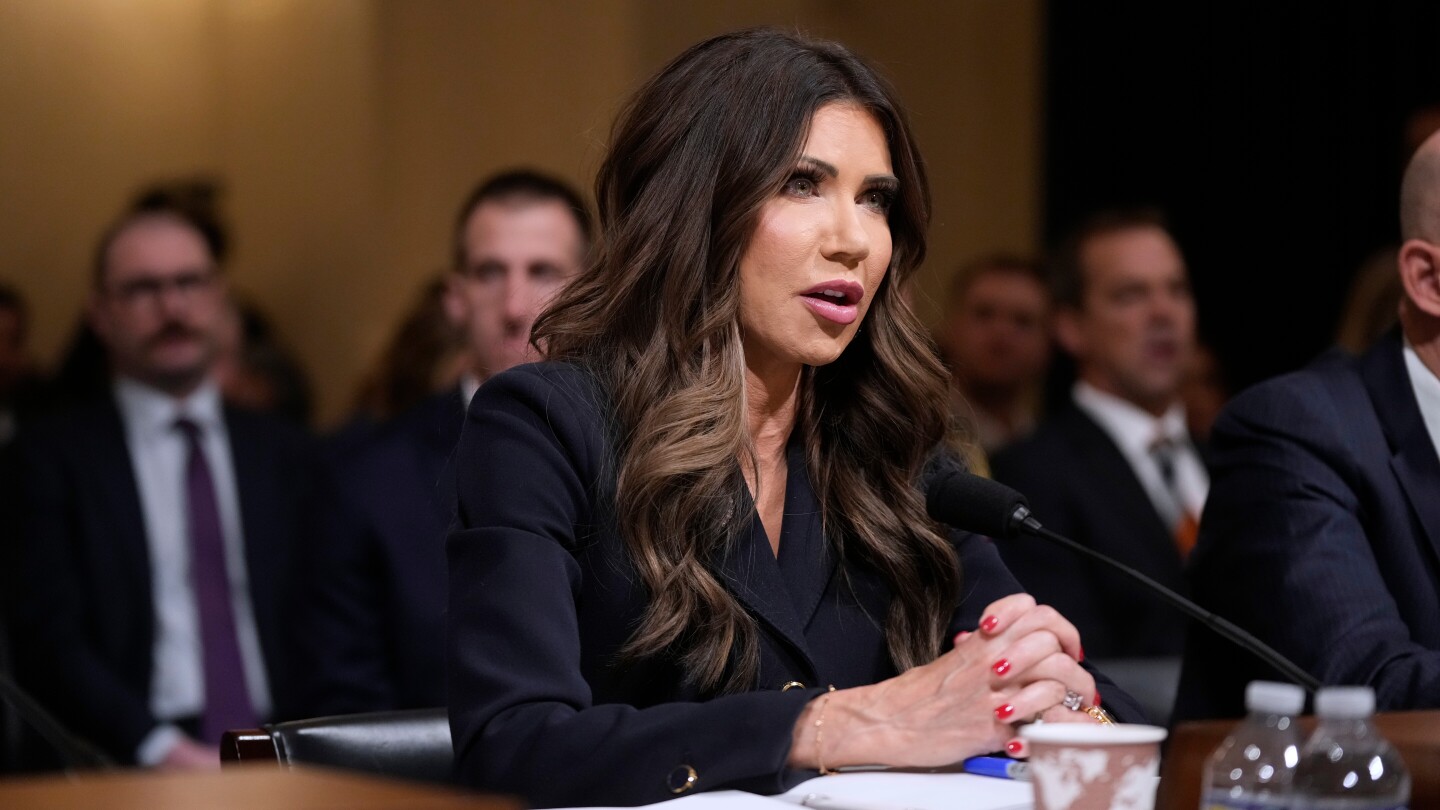
    Noem links the seizure of an oil tanker off Venezuela to US antidrug efforts

    In a significant escalation of pressure against the Venezuelan government, U.S. authorities have seized a merchant oil tanker off the coast of Venezuela, marking an extraordinary application of military force in the Trump administration’s counter-narcotics campaign. Homeland Security Secretary Kristi Noem characterized the operation as a direct presidential directive targeting the Maduro regime’s alleged systemic flooding of deadly drugs into the United States.\n\nThe seizure, described by officials as \”incredibly unusual,\” represents the most aggressive action to date in the administration’s pressure campaign against President Nicolás Maduro, who faces narcoterrorism charges in U.S. courts. The operation coincided with additional sanctions imposed on three of Maduro’s nephews, further intensifying diplomatic tensions.\n\nWhite House Press Secretary Karoline Leavitt provided a bifurcated justification for the action, stating that the administration was simultaneously combating both drug trafficking and the black market oil trade that funds it. \”We’re not going to stand by and watch sanctioned vessels sail the seas with black market oil, the proceeds of which will fuel narcoterrorism of rogue and illegitimate regimes,\” Leavitt asserted.\n\nThe Justice Department obtained a warrant for the vessel based on its known transport of sanctioned oil. When questioned about the disposition of the confiscated oil, President Trump remarked, \”Well, we keep it, I guess.\”\n\nThis development occurs alongside a substantial U.S. military buildup in the region—the largest in decades—which has included lethal strikes on alleged drug-smuggling vessels. The campaign faces growing congressional scrutiny despite administration claims that such measures are necessary to stem the flow of fentanyl and other illegal drugs.\n\nVenezuela has condemned the tanker seizure as \”a blatant theft and an act of international piracy,\\” while Maduro maintains that the true objective of U.S. operations is regime change. In response to mounting pressure, the Venezuelan leader consulted with Russian President Vladimir Putin, who reaffirmed support for Maduro’s sovereignty protection policies against external pressure.

  • Rising maternal malnutrition in Gaza drives up newborn mortality

    Rising maternal malnutrition in Gaza drives up newborn mortality

    A devastating humanitarian crisis is unfolding in Gaza’s maternity wards, where newborn mortality rates have skyrocketed by 75% according to alarming new data from the United Nations Children’s Fund (UNICEF). The agency’s comprehensive assessment reveals that between July and September, neonatal facilities recorded approximately 47 infant deaths monthly—a dramatic increase from the pre-conflict monthly average of 27 documented throughout 2022.

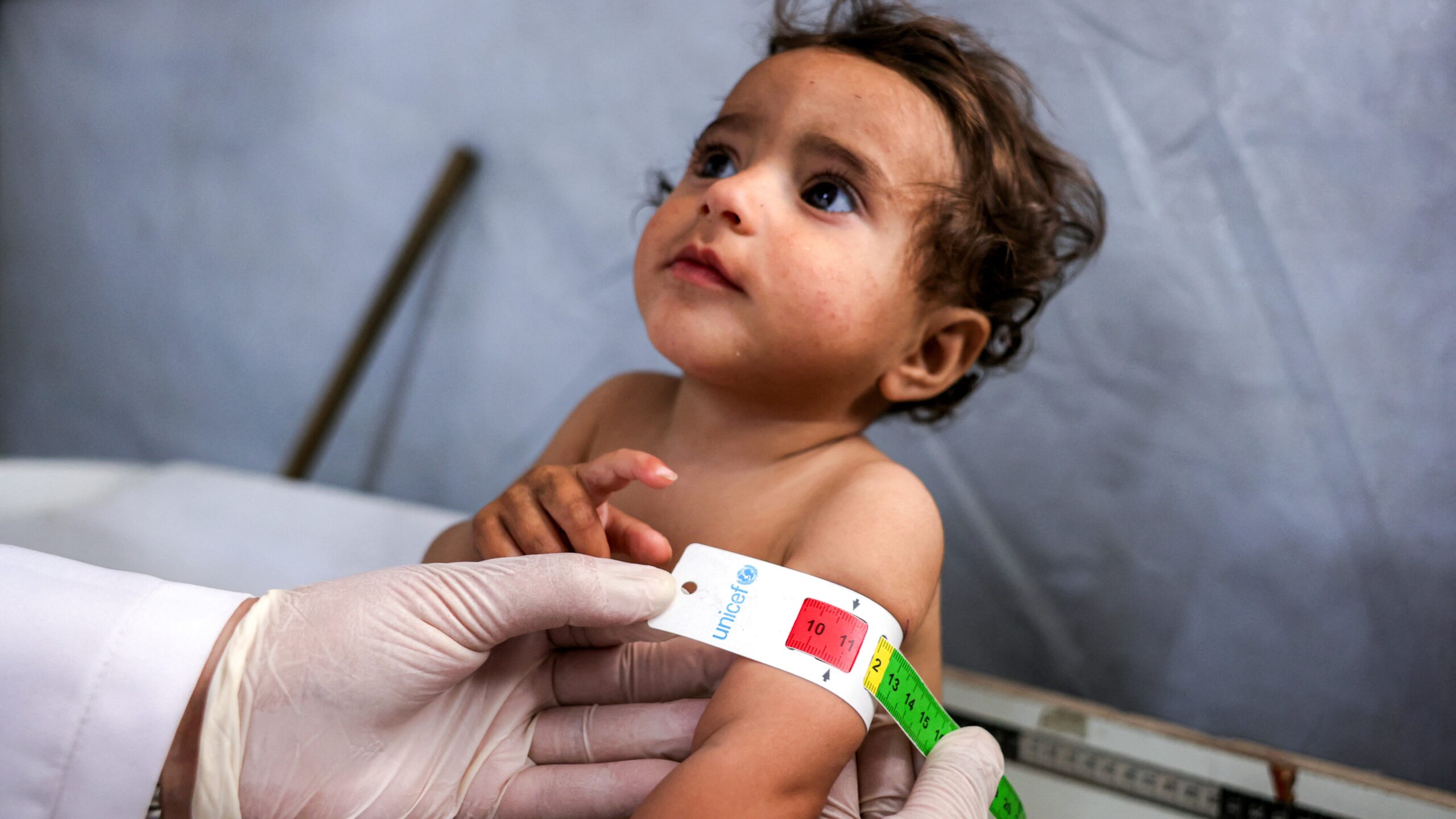
    The nutritional crisis affecting pregnant women has created a cascading health emergency. UNICEF’s Tuesday briefing disclosed that 38% of screened pregnant women received diagnoses of acute malnutrition, with at least 8,300 expectant and breastfeeding women requiring emergency nutritional treatment in October alone. This maternal health catastrophe has directly impacted newborn outcomes, with the number of underweight infants (below 2.5 kilograms) nearly doubling from 250 monthly cases in 2022 to approximately 460 currently.

    Medical professionals emphasize the grave implications of low birth weight, as these vulnerable infants face mortality risks 20 times higher than those born at healthy weights. UNICEF communications manager Tess Ingram provided firsthand testimony from Gaza’s hospitals, describing newborns weighing less than one kilogram struggling for survival. ‘The unmistakable pattern of malnourished mothers giving birth to premature or underweight infants represents a preventable tragedy,’ Ingram stated, noting that this suffering ‘could have been prevented if international humanitarian law had been respected.’

    The healthcare collapse exacerbates the crisis, with Israeli authorities repeatedly blocking medical delegations and restricting aid shipments. Despite ceasefire agreements, only 14,534 aid trucks have entered Gaza since October—less than half of the 37,200 trucks required for basic humanitarian relief. This systematic obstruction has contributed to over 450 documented deaths from starvation and dehydration, including more than 154 children.

    UNICEF officials report that 9,300 children across Gaza were identified as acutely malnourished in October, creating a generational health crisis that will likely result in lifelong complications for survivors. The agency continues urgent appeals for unimpeded humanitarian access, particularly for nutritional support targeting pregnant women and essential medical equipment for neonatal intensive care units.

  • US seized ‘very large’ tanker near Venezuela, Trump says

    US seized ‘very large’ tanker near Venezuela, Trump says

    In a dramatic escalation of tensions, United States military forces have intercepted and seized a massive oil tanker off the Venezuelan coast, an operation personally confirmed by President Donald Trump. The seizure occurred amidst a substantial US naval deployment in the Caribbean region that Caracas has characterized as preparation for regime change.

    US Attorney General Pam Bondi released operational footage showing special forces troops rappelling from helicopters onto the vessel’s deck before securing the ship’s bridge with raised rifles. President Trump described the captured tanker as ‘very large—the largest one ever seized’ during remarks to reporters at a White House business roundtable.

    The Justice Department identified the vessel as part of an ‘illicit oil shipping network’ allegedly transporting sanctioned petroleum from both Venezuela and Iran. US media reports indicate the tanker was destined for Cuba before being intercepted by Coast Guard personnel.

    Venezuela’s foreign ministry issued a fierce condemnation, denouncing the operation as ‘blatant theft and an act of international piracy’ that was publicly celebrated by the US president. The incident occurs alongside heightened political tensions involving Venezuelan opposition leader Maria Corina Machado, who recently accepted the Nobel Peace Prize in Oslo while in hiding from Maduro’s government.

    The Trump administration has intensified pressure on Caracas in recent months, deploying warships and conducting lethal strikes against more than twenty alleged drug trafficking vessels in the region. Washington has formally designated Maduro’s government as a ‘narco-terrorist’ organization and accused him of stealing the 2024 presidential election.

    Venezuela has responded by swearing in thousands of new soldiers and accusing the United States of attempting to seize control of its substantial oil reserves through military aggression disguised as counter-narcotics operations.

  • University of Michigan head football coach fired ‘with cause’, school says

    University of Michigan head football coach fired ‘with cause’, school says

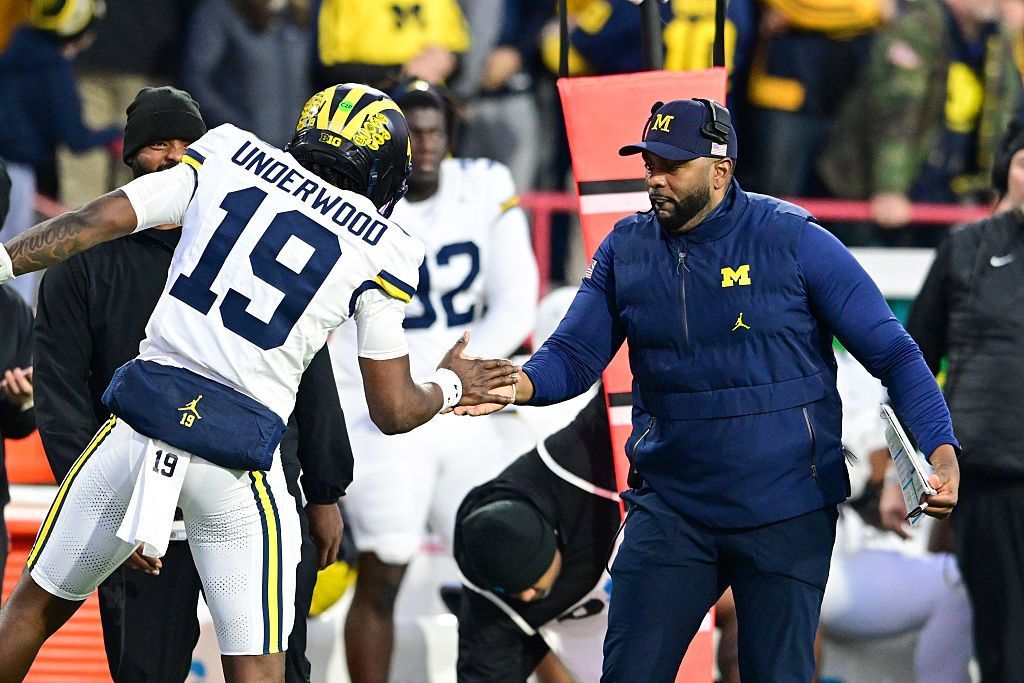
    The University of Michigan has terminated head football coach Sherrone Moore effective immediately after an internal investigation uncovered credible evidence of an inappropriate relationship with a staff member, the institution announced Wednesday. The dismissal represents a severe breach of university policy and underscores the ongoing turbulence within college sports’ high-stakes environment.

    In a stunning parallel development, Moore was detained by police in Pittsfield Township on the same day following allegations of assault. According to law enforcement statements obtained by ESPN, officers responded to reports of an incident at approximately 16:10 EST. The neighboring Saline Police Department assisted in locating and detaining the 39-year-old coach, who was subsequently transferred to Pittsfield authorities for potential charges.

    Moore’s termination arrives during a critical period for college football, coinciding with both the College Football Playoff preparations and the recent seismic coaching shift that saw Lane Kiffin depart the University of Mississippi for a $91 million contract at Louisiana State University. Moore was slated to lead the Michigan Wolverines in their anticipated December 31 rivalry game against the University of Texas in the Cheez-It Citrus Bowl.

    Athletic Director Warde Manuel emphasized the university’s zero-tolerance stance toward policy violations in an official statement provided to the BBC. The university has appointed associate head coach Biff Poggi as Moore’s immediate replacement.

    Currently detained at a Washtenaw County jail pending prosecutor review, Moore remains unavailable for comment. Specific details regarding both the inappropriate relationship and assault allegations have not been disclosed publicly. Family members have not responded to media inquiries regarding the situation.

    Moore’s coaching trajectory at Michigan began in 2018 as tight-end coach. He temporarily assumed head coaching responsibilities during three games in the 2023 season while then-coach Jim Harbaugh served a suspension, achieving victories in all three contests before securing the permanent head coach position following Harbaugh’s departure to the NFL.

  • South Africa’s batters restore some pride in 51-run win against India in 2nd T20

    South Africa’s batters restore some pride in 51-run win against India in 2nd T20

    In a remarkable reversal of fortune, South Africa’s cricket team delivered a commanding performance to defeat India by 51 runs in the second T20 international at New Chandigarh on Thursday. The victory levels the five-match series at 1-1, erasing memories of their disastrous opening match collapse.

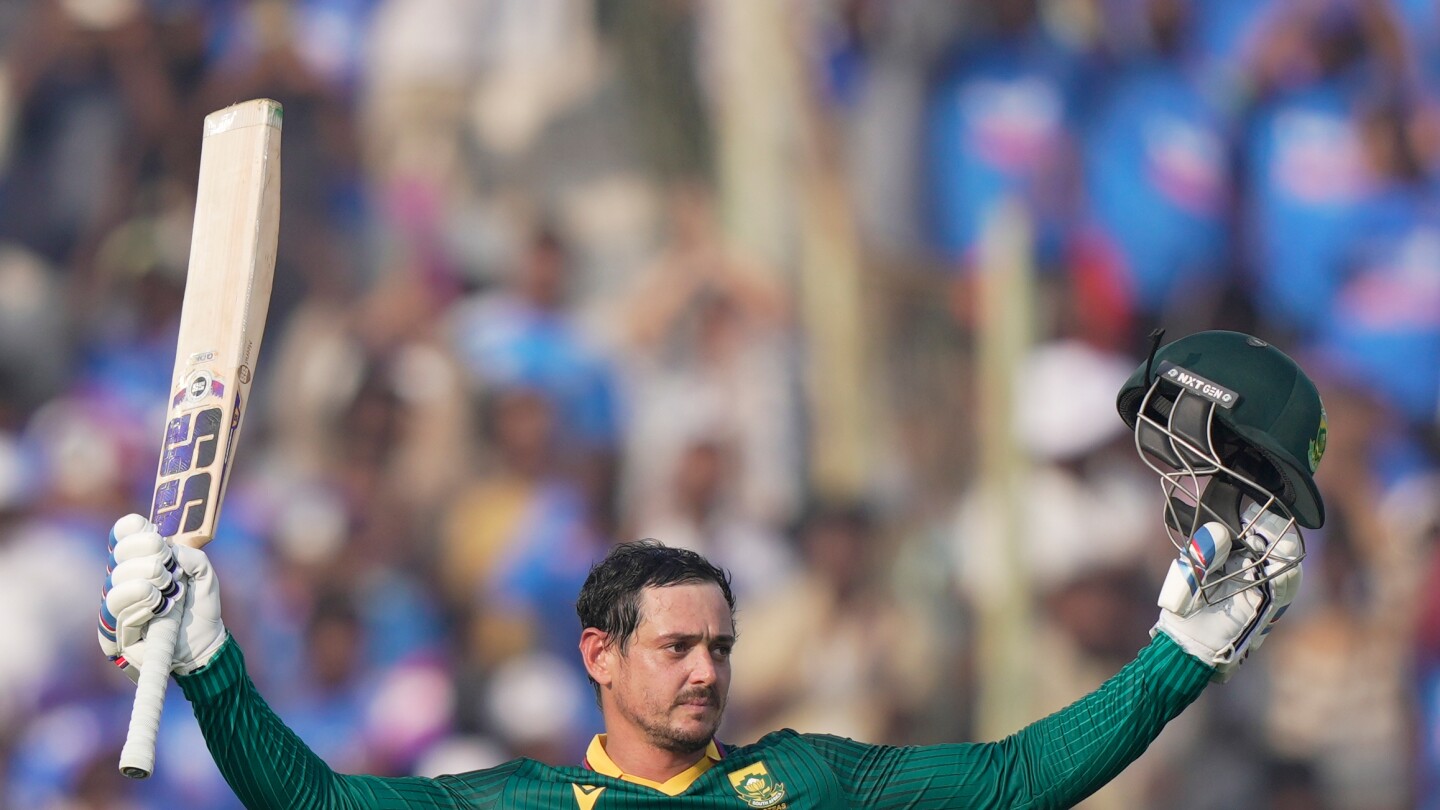
    After being asked to bat first, the Proteas posted an imposing 213-4, spearheaded by Quinton de Kock’s explosive 90 runs from just 46 deliveries. The opener’s blistering innings featured seven sixes and five boundaries before his dismissal via a precision run-out executed by Indian wicketkeeper Jitesh Sharma.

    The South African innings gained tremendous momentum in the final stages, accumulating 49 runs across the last three overs. Donovan Ferreira’s unbeaten 30 from 16 balls proved particularly damaging, including two massive sixes against Indian pace spearhead Jasprit Bumrah in the final over. David Miller contributed a quickfire 20 not out from 12 deliveries to bolster the total.

    India’s response faltered early, finding themselves at 81-4 after ten overs despite Tilak Varma’s valiant 62 from 34 balls. The bowling attack, led by medium-fast bowler Ottneil Baartman’s career-best 4-24, systematically dismantled the Indian batting lineup, restricting the hosts to 162 all out in 19.1 overs.

    The match represented a stunning turnaround for South Africa, who made three strategic changes following their record-low 74 all out in the series opener. India maintained an unchanged lineup from their 101-run victory in the first match.

    The teams now prepare for Sunday’s crucial third T20 in Dharamsala, with both sides using the series as vital preparation for February’s T20 World Cup in India, where the hosts enter as defending champions after their dramatic final victory over South Africa earlier this year.

  • Ethiopia arrests ‘indecently’ dressed TikTok stars after awards ceremony

    Ethiopia arrests ‘indecently’ dressed TikTok stars after awards ceremony

    Ethiopian authorities have detained a sixth prominent TikTok creator amid a widening crackdown on social media influencers accused of violating the country’s cultural norms through their attire at a public event. The latest arrest targets Adonay Berhane, a 25-year-old motivational content creator with nearly four million followers who recently received “TikToker of the Year” honors at the very ceremony now embroiled in controversy.

    The arrests have sparked intense debate across Ethiopian social media platforms, creating a clear division between proponents of creative expression and defenders of traditional values. Those detained include Wongelawit Gebre Endrias (known online as Evan), a fashion influencer who attended the event braless beneath an oversized blazer, and Yohannes Mekonnen (Jahnny), a dancer who carried a man-bag while accepting his video production award.

    Federal police confirm all six influencers remain under investigation for allegedly promoting behavior that undermines public morality. Authorities have expressed particular concern about the growing influence of international digital trends on Ethiopian youth, warning of further action against anyone perceived to be violating the nation’s cultural values or promoting what they term “shallow culture.

    The government has maintained official silence on the matter, while family members have expressed shock at the detentions. Adonay’s mother, Abeba Gebru, described her son as an “example to Ethiopian youth” and her personal “backbone” in comments to BBC Tigrinya.

    This incident highlights the escalating tension between Ethiopia’s rapidly expanding digital landscape—with over eight million social media users—and its deep-rooted cultural conservatism. The case represents a significant test case for how traditional societies navigate the globalizing influence of social media platforms and their content creators.