博客

  • Iran would react ‘ferociously’ to any US attack, warns of regional conflict

    Iran would react ‘ferociously’ to any US attack, warns of regional conflict

    Tehran has issued a stark warning of severe retaliation against any potential military action by the United States, emphasizing that even limited strikes would trigger what it characterized as a ‘ferocious’ response. The escalating rhetoric emerges as both nations prepare for crucial indirect negotiations regarding Iran’s nuclear program, scheduled to resume in Geneva this Thursday under Omani mediation.

    Foreign Ministry spokesman Esmaeil Baqaei declared Monday that any form of aggression would be met with decisive action, stating that Iran maintains its historical stance of never capitulating to external pressure. This position directly responds to recent remarks from former President Donald Trump, who indicated he was considering limited strikes if diplomatic efforts failed.

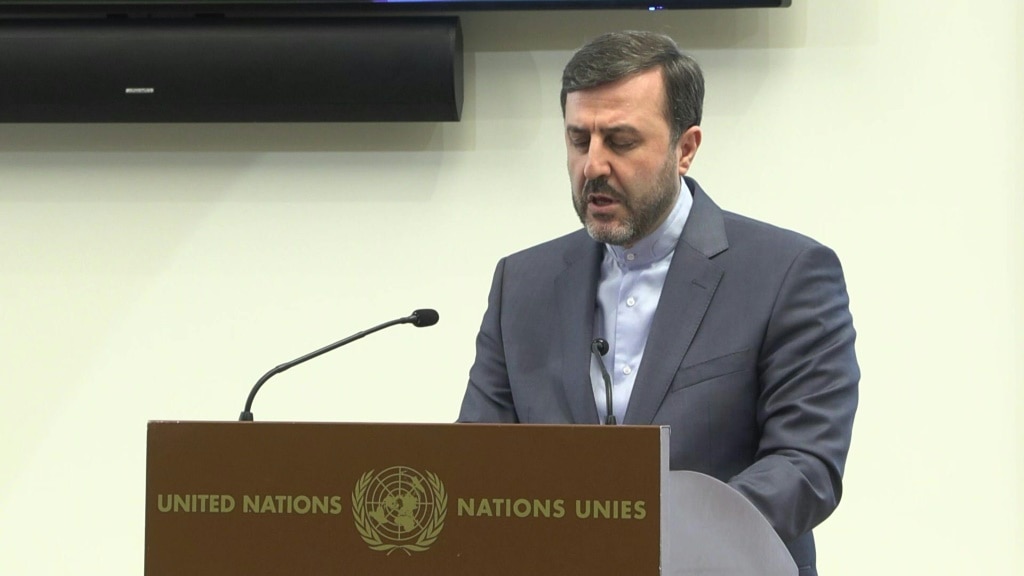
    Simultaneously, Iranian Deputy Foreign Minister Kazem Gharibabadi described the renewed talks as presenting ‘a new window of opportunity’ while cautioning that military confrontation would not remain contained within regional boundaries. He emphasized that responsibility for such escalation would rest squarely with the initiating party.

    The heightened tensions have prompted several nations, including India, Sweden, Serbia, Poland, and Australia, to advise their citizens to depart Iran. The United States has similarly ordered non-emergency personnel to evacuate its embassy in Lebanon, where Iranian-backed Hezbollah maintains significant influence.

    Amid these diplomatic and military developments, Iran faces renewed domestic unrest as university students have reignited anti-government protests at the start of the academic semester. Videos verified by AFP show demonstrators in Tehran burning the post-revolution Iranian flag while chanting anti-government slogans, echoing earlier widespread protests that were violently suppressed in January with casualties numbering in the thousands according to human rights organizations.

    Iran maintains that its nuclear program serves exclusively peaceful purposes, while Western nations suspect weapons development intentions. The upcoming negotiations will primarily focus on nuclear limitations, though Washington continues to seek discussions regarding Iran’s ballistic missile program and regional proxy networks.

    International concern continues to mount, with China joining criticism of potential military action. Chinese Ambassador Shen Jian stated at a Geneva disarmament conference that Beijing ‘opposes unilateral bullying and the use of force in international relations,’ reflecting broader global apprehension about potential conflict escalation.
  • Australia backs removal of Andrew Mountbatten-Windsor from British royal succession: media

    Australia backs removal of Andrew Mountbatten-Windsor from British royal succession: media

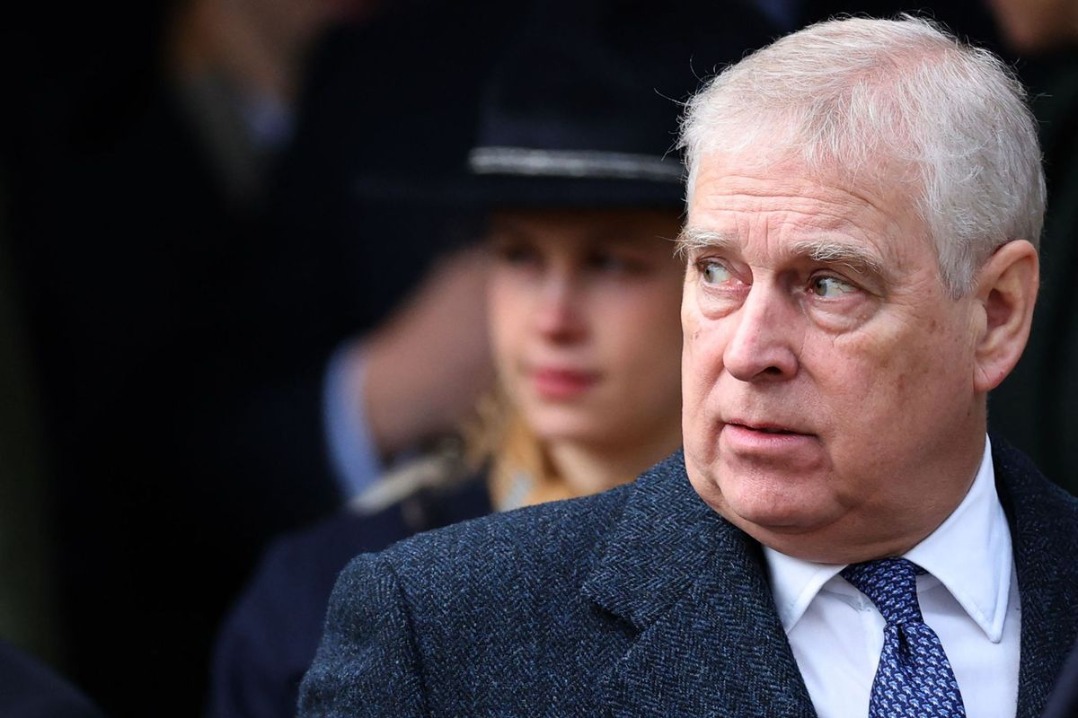
    In a significant constitutional development within the Commonwealth, Australian Prime Minister Anthony Albanese has formally communicated to British Prime Minister Keir Starmer that his government would endorse legislative measures to remove Andrew Mountbatten-Windsor from the British royal line of succession, according to reports from British media outlets.

    The Australian position, articulated through official correspondence between the two leaders, represents the first public endorsement from a Commonwealth nation supporting Andrew’s permanent exclusion from succession protocols. This unprecedented move follows the former prince’s arrest last week on allegations of misconduct in public office, though he was subsequently released after hours in police custody.

    Prime Minister Albanese’s letter emphasized the seriousness with which Australia views the allegations, stating: ‘I agree with His Majesty that the law must now take its full course and there must be a full, fair and proper investigation. These are grave allegations and Australians take them seriously.’

    The development marks the latest chapter in Andrew Mountbatten-Windsor’s fall from royal prominence. Last October, he was stripped of his royal and military titles and compelled to vacate Royal Lodge, his official residence. He has since been residing in alternative private accommodation under his current legal name.

    The British government is reportedly considering introducing specific legislation to formally remove Andrew from the succession order, a constitutional process that would require coordination across Commonwealth realms. This potential legislative action represents one of the most significant adjustments to royal succession protocols in modern history.

  • Reform to create agency like ICE and new detention centres for migrants

    Reform to create agency like ICE and new detention centres for migrants

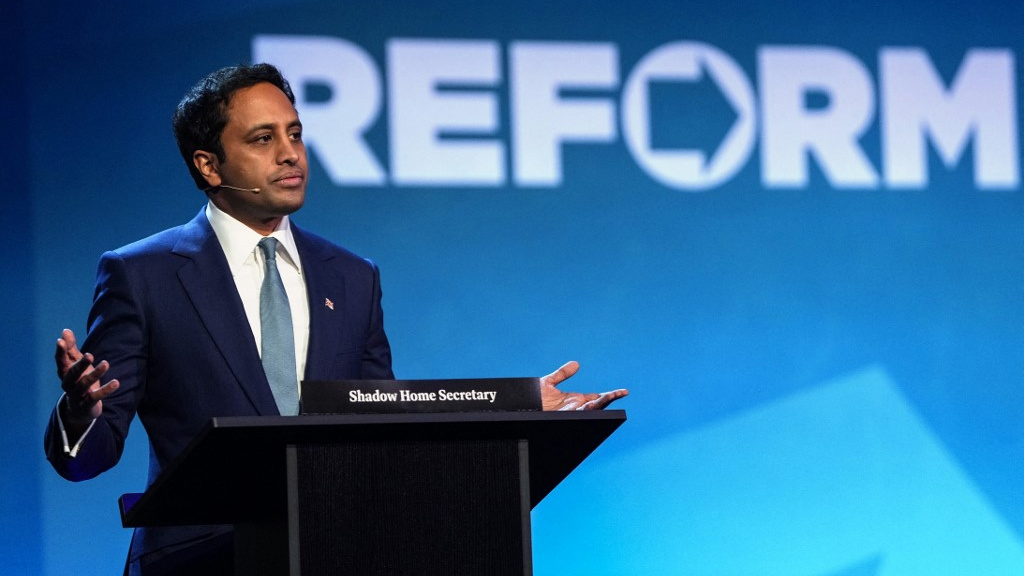
    Reform UK has unveiled a radical immigration policy platform, announcing plans to establish a UK Deportation Command agency should the party come to power. The proposed agency, modeled after the US Immigration and Customs Enforcement (ICE), would implement “Operation Restoring Justice” – an ambitious initiative targeting the deportation of approximately 600,000 undocumented migrants currently residing in Britain.

    Zia Yusuf, the party’s newly appointed home affairs spokesperson, detailed the proposals during a Monday press conference in Dover. Identifying himself as the son of immigrants, Yusuf framed the measures as a necessary response to what he characterized as a “national security emergency” and an “invasion” of Britain. The plan includes rapid construction of detention facilities with capacity for 24,000 individuals and the implementation of visa sanctions against nations including Pakistan, Afghanistan, Syria, and Eritrea for refusing to accept returning citizens.

    Beyond immigration enforcement, Yusuf announced a comprehensive overhaul of Britain’s counter-extremism strategy. The revised Prevent program would redirect approximately 75% of its resources toward identifying and neutralizing Islamist extremism, aligning with MI5’s current caseload distribution. The party further pledged to ban organizations deemed extremist, specifically naming the Muslim Brotherhood, and to prohibit the conversion of churches into mosques, which Yusuf described as an “incendiary” practice.

    These proposals emerge amid international controversy surrounding counter-extremism efforts. A recent United Nations report criticized the existing Prevent program for disproportionately targeting Muslim communities, particularly children. Independent studies have corroborated these concerns, indicating that individuals recorded as Asian and cases categorized as ‘Islamist-related’ receive comparatively greater scrutiny.

    The announcement follows reports of potential collaboration between Reform UK and the United Arab Emirates, which shares the party’s opposition to political Islam. Earlier this year, UAE authorities designated eight British organizations as terrorist groups due to alleged Muslim Brotherhood connections, despite none violating British laws. Previous reporting has also revealed UAE-funded efforts to discredit Britain’s largest Muslim charity through alleged smear campaigns.

  • India’s fastest metro system to boost real estate market

    India’s fastest metro system to boost real estate market

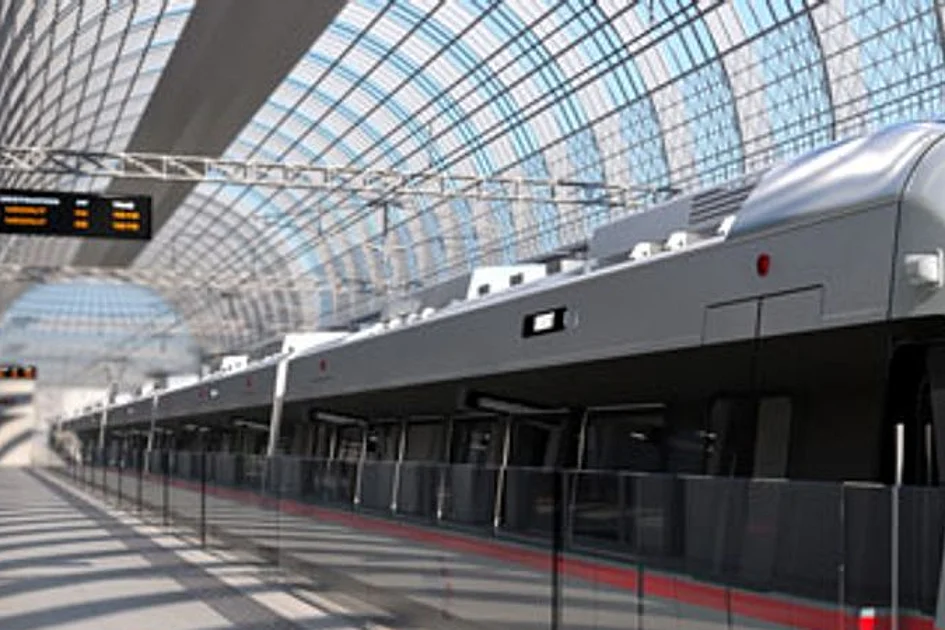
    India has entered a new era of regional connectivity with the inauguration of its first Regional Rapid Transit System (RRTS), named Namo Bharat. Prime Minister Narendra Modi officially launched the high-speed service, linking Meerut South to Modipuram and establishing a direct rail connection between Meerut and the national capital, Delhi.

    The 82-kilometer Delhi-Meerut Namo Bharat Corridor represents a groundbreaking infrastructure achievement, engineered for high-speed, high-frequency operations. With an impressive design speed of 180 km per hour and an operational speed of 120 km/h, it stands as India’s fastest metro system, capable of covering the 23km stretch to Meerut in approximately 30 minutes. This system connects major urban centers including Sahibabad, Ghaziabad, and Modinagar to Delhi with unprecedented efficiency.

    Industry experts anticipate significant economic impacts, particularly in real estate development along the transit corridor. Ankita Sood, National Director of Research at Knight Frank India, observed that reduced travel times to Delhi and other National Capital Region centers are already reshaping buyer preferences. The convenience of shorter commutes is increasingly outweighing concerns about higher property prices, making developments along the corridor substantially more attractive to prospective homeowners.

    Delhi Chief Minister Rekha Gupta characterized the project as transformative for the capital’s development landscape. Beyond mere transportation, the system promises substantial secondary benefits including time savings for passengers, reduced traffic congestion, and lower carbon emissions through decreased reliance on private vehicles.

    The comprehensive Namo Bharat network encompasses three strategic corridors—Delhi-Meerut, Delhi-Panipat, and Delhi-Alwar—all converging at Sarai Kale Khan station in Delhi. The current trains feature six coaches with a capacity for 450 passengers, while the entire system is designed to accommodate up to 800,000 daily passengers at full operational capacity.

  • US sheds light on its allegation of Chinese nuclear test and urges nations to push for disarmament

    US sheds light on its allegation of Chinese nuclear test and urges nations to push for disarmament

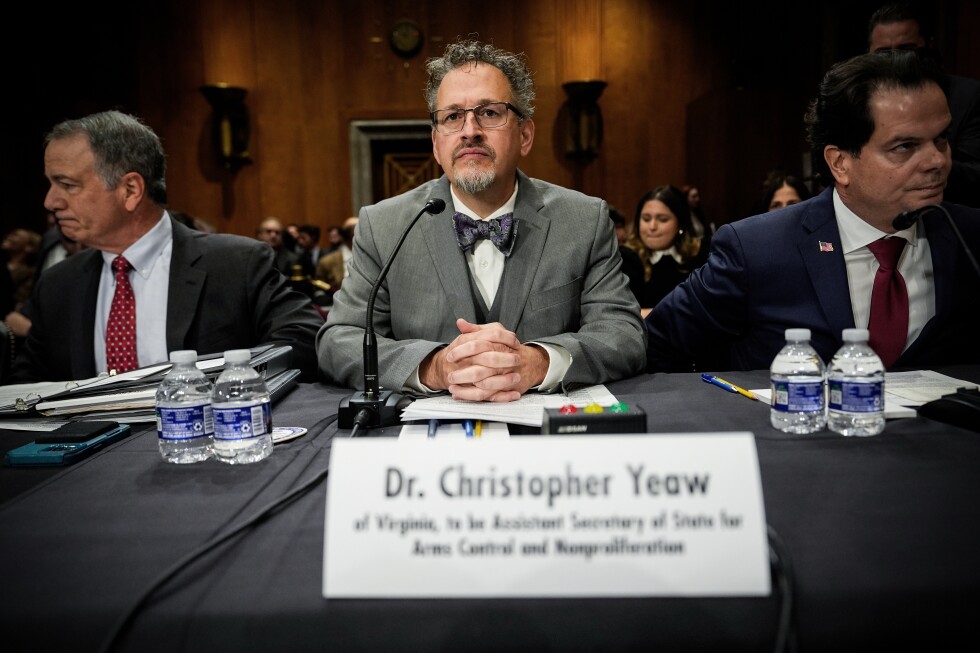
    In a significant address to the UN Conference on Disarmament in Geneva, U.S. arms control official Christopher Yeaw revealed newly declassified intelligence alleging Chinese nuclear testing activities. The disclosure comes amid heightened global tensions following the expiration of the last nuclear arms pact between the United States and Russia earlier this month.

    Yeaw, serving as assistant secretary of state for arms control and nonproliferation, presented detailed seismic data indicating a probable nuclear explosion at China’s Lop Nur underground testing facility on June 22, 2020. The event registered as a magnitude 2.75 seismic disturbance, detected by international monitoring stations in neighboring Kazakhstan. According to Yeaw’s analysis, the seismic signature matched historical patterns of explosive testing rather than natural earthquakes or conventional mining operations.

    The timing of these allegations coincides with growing international concern about nuclear proliferation. With the New START treaty now expired, the world’s two largest nuclear powers face no constraints on their arsenals, while China continues its rapid nuclear expansion. Yeaw criticized both China and Russia for their lack of transparency, particularly highlighting that China may achieve nuclear parity with the United States within the next four to five years.

    Chinese Ambassador Jian Shen vehemently denied the allegations, characterizing them as “completely unfounded” and accusing the United States of using false claims as pretext to resume its own nuclear testing program. Shen emphasized China’s continued adherence to the Comprehensive Nuclear Test Ban Treaty commitments and dismissed calls for three-way arms control talks as “unfair, unreasonable and unfeasible” given the disparity in nuclear arsenal sizes.

    The diplomatic confrontation occurs against the backdrop of failed U.S. efforts to establish a trilateral nuclear agreement involving China during the Trump administration. Current Secretary of State Marco Rubio has indicated continued pursuit of diplomatic solutions through bilateral, small-group, or broader multilateral approaches to address what U.S. officials describe as China’s “unprecedented, deliberate, rapid and opaque nuclear weapons buildup.”

  • Queen tells Gisèle Pelicot her new memoir left her ‘speechless’

    Queen tells Gisèle Pelicot her new memoir left her ‘speechless’

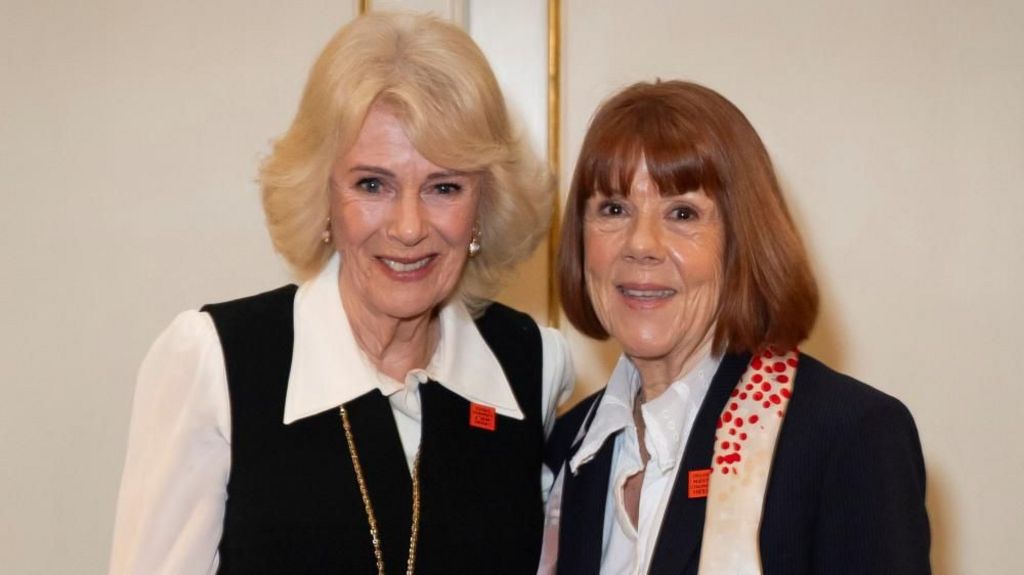
    In a powerful display of solidarity with survivors of sexual violence, Queen Camilla hosted French author and activist Gisèle Pelicot at Clarence House on Monday for a private meeting that underscored the global impact of Pelicot’s advocacy. The Queen revealed she had read Pelicot’s memoir, “Hymn to Life: Shame Has to Change Sides,” in just two days, confessing she was left “speechless” and “shocked” by the harrowing account despite her extensive work with survivors.

    The meeting, conducted primarily through an interpreter, saw the Queen initially addressing her guests in French, humorously noting her skills were rusty after 60 years. Pelicot, accompanied by her partner Jean-Loup Agopian and her legal and literary team, discussed the incredible public support she has received since waiving her anonymity.

    Pelicot’s case gained worldwide attention in 2024 when a French court heard how her then-husband, Dominique, had drugged her unconscious for years and recruited dozens of men online to rape her. The subsequent 16-week trial resulted in 46 convictions for rape, with Dominique receiving the maximum 20-year sentence. Pelicot’s presence at the trial, and her message that shame should transfer from victim to perpetrator, resonated globally, inspiring daily gatherings of supporters outside the courtroom.

    The Clarence House meeting followed Pelicot’s sold-out book launch at London’s Royal Festival Hall, which featured readings by Hollywood actresses Kate Winslet, Kristin Scott Thomas, and Juliet Stevenson. Last year, Queen Camilla had sent Pelicot a personal letter praising her “extraordinary dignity and courage,” which Pelicot described as overwhelming and has since framed in her office. The Queen told Pelicot during their meeting that she has “inspired women across the globe” and created “a powerful legacy that will change the narrative around shame, forever.”

  • France moves to bar US Ambassador Charles Kushner from direct government access

    France moves to bar US Ambassador Charles Kushner from direct government access

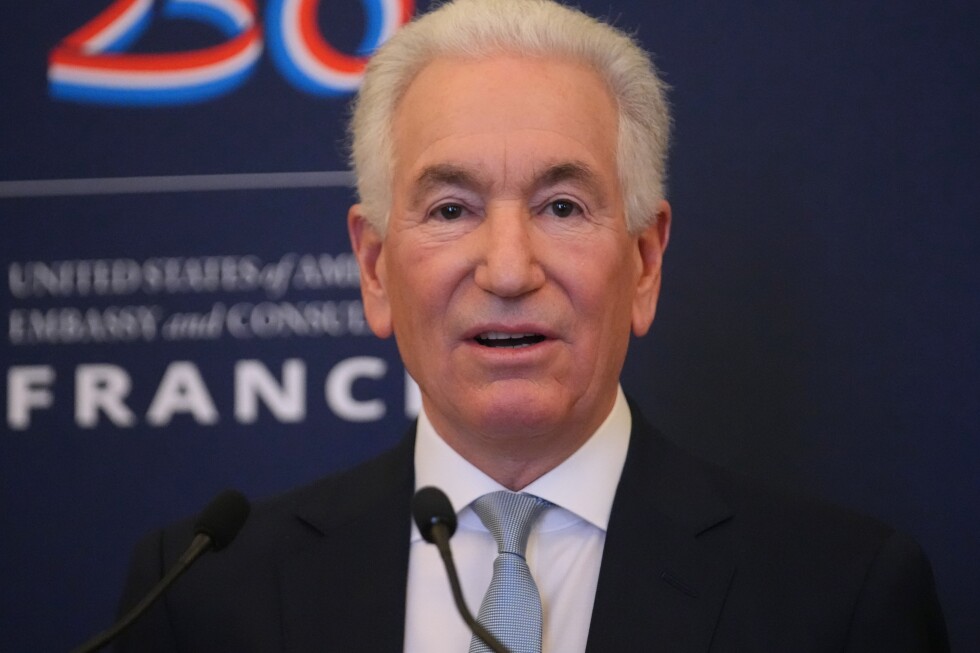
    PARIS — France’s foreign ministry has imposed access restrictions on U.S. Ambassador Charles Kushner following his failure to attend a scheduled diplomatic meeting concerning controversial Trump administration statements about the killing of a far-right activist. The diplomatic summons came after the U.S. State Department’s Counterterrorism Bureau posted social media commentary that French officials considered inflammatory and politically motivated.

    Foreign Affairs Minister Jean-Noel Barrot characterized the ambassador’s absence as demonstrating “a misunderstanding of the basic expectations of the mission of an ambassador.” Despite the disciplinary measures, the ministry indicated willingness to reconcile, noting that Kushner remains welcome to present himself at the Quai d’Orsay for necessary diplomatic discussions to address “irritants that can inevitably arise in a friendship spanning 250 years.”

    The diplomatic tension stems from U.S. comments regarding the death of Quentin Deranque, a far-right activist who sustained fatal brain injuries during a violent confrontation in Lyon. The incident occurred on the periphery of a student gathering featuring a far-left lawmaker as keynote speaker, occurring amid heightened political tensions preceding France’s upcoming presidential election.

    The State Department’s social media post asserted that “violent radical leftism is on the rise” and Deranque’s death demonstrated “the threat it poses to public safety.” French officials vehemently rejected what they characterized as political instrumentalization of the tragedy. Minister Barrot stated over the weekend that France requires “no lessons, particularly on the issue of violence, from the international reactionary movement.”

    This incident marks the second time in recent months that Ambassador Kushner has been summoned by French authorities, following an August confrontation over allegations that France inadequately combats antisemitism.

  • ‘Too early to tell’: Trump’s tariffs impact on Indian economy, says minister

    ‘Too early to tell’: Trump’s tariffs impact on Indian economy, says minister

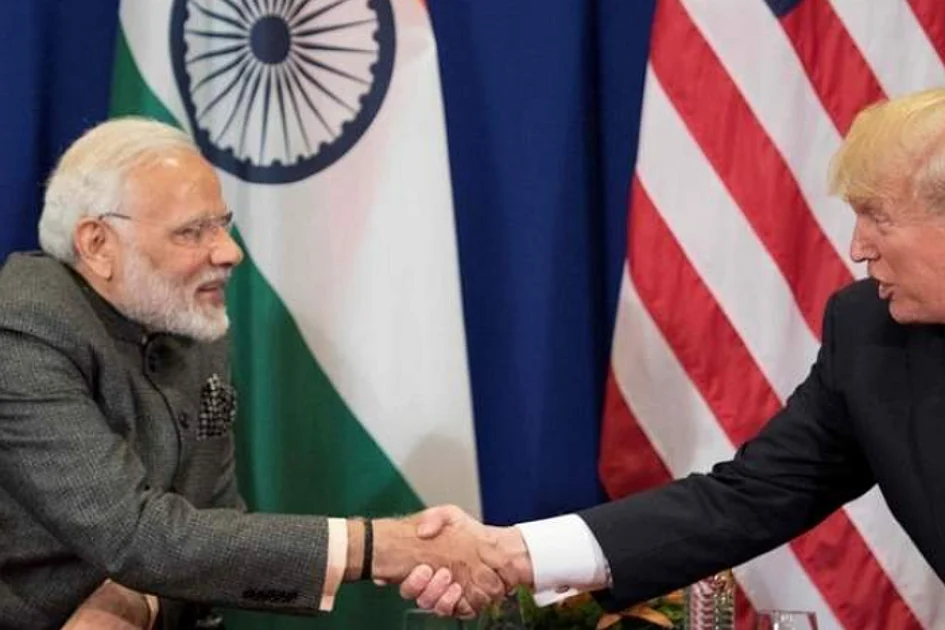
    Indian Finance Minister Nirmala Sitharaman has declared it premature to assess the potential economic repercussions of recent tariff modifications announced by US President Donald Trump. The cautious statement came alongside the postponement of bilateral trade negotiations originally scheduled for Monday between the two nations.

    Minister Sitharaman emphasized that India’s Commerce Ministry is currently conducting a comprehensive review of the evolving trade situation before determining the timeline for further diplomatic engagement. “On trade, particularly, aside from the Indian economy in general, the Commerce Ministry is reviewing the situation. The delegation will have to take a call on when they are going to go for further negotiations,” Sitharaman stated during her media briefing.

    The trade discussions delay follows two significant developments: a recent US Supreme Court ruling on presidential tariff authority and subsequent policy announcements from the Trump administration. These developments have created uncertainty around previously established trade terms, including a recent agreement that had reduced US tariffs on Indian goods from 50% to 18%.

    India’s Commerce Ministry has acknowledged these developments formally, noting: “We have noted the US Supreme Court judgement on tariffs. President Trump has also addressed a press conference in that regard. Some steps have been announced by the US Administration. We are studying all these developments for their implications.”

    The latest US policy shifts include the imposition of a 10% tariff on Indian imports initially, subsequently increased to 15%, with these measures scheduled to remain in effect for 150 days. This represents a reversal from the tariff reduction achieved earlier this month, which itself had moderated the aggressive 50% tariffs imposed in August last year—measures originally implemented as penalties for India’s purchase of Russian oil.

    Despite these bilateral challenges, Minister Sitharaman highlighted India’s continued progress in expanding its global trade network, having recently finalized agreements with the UAE, Qatar, Oman, the European Union, the United Kingdom, Australia and New Zealand. “Our attempt to have a trade agreement will go on with countries,” she affirmed, reinforcing India’s commitment to global market engagement.

    President Trump has meanwhile asserted that the fundamental trade understanding between the United States and India remains unchanged despite these tariff adjustments and legal developments.

  • Slovakia halts emergency electricity supplies to Ukraine amid oil delivery dispute

    Slovakia halts emergency electricity supplies to Ukraine amid oil delivery dispute

    BRATISLAVA, Slovakia — In a significant escalation of regional tensions, Slovakia has suspended emergency electricity supplies to Ukraine amidst a deepening dispute over interrupted Russian oil shipments via the Druzhba pipeline. The move comes as Ukraine continues to grapple with severe power shortages resulting from systematic Russian bombardment of its energy infrastructure.

    The conflict centers on the suspension of Russian oil deliveries to Slovakia and Hungary since January 27. Ukrainian authorities attribute the interruption to damage caused by Russian drone attacks on the critical pipeline infrastructure. However, the governments of both Slovakia and Hungary—recognized as the European Union’s most Russia-friendly members—have accused Ukraine of deliberately withholding oil shipments despite having received special exemptions from EU sanctions prohibiting Russian oil imports.

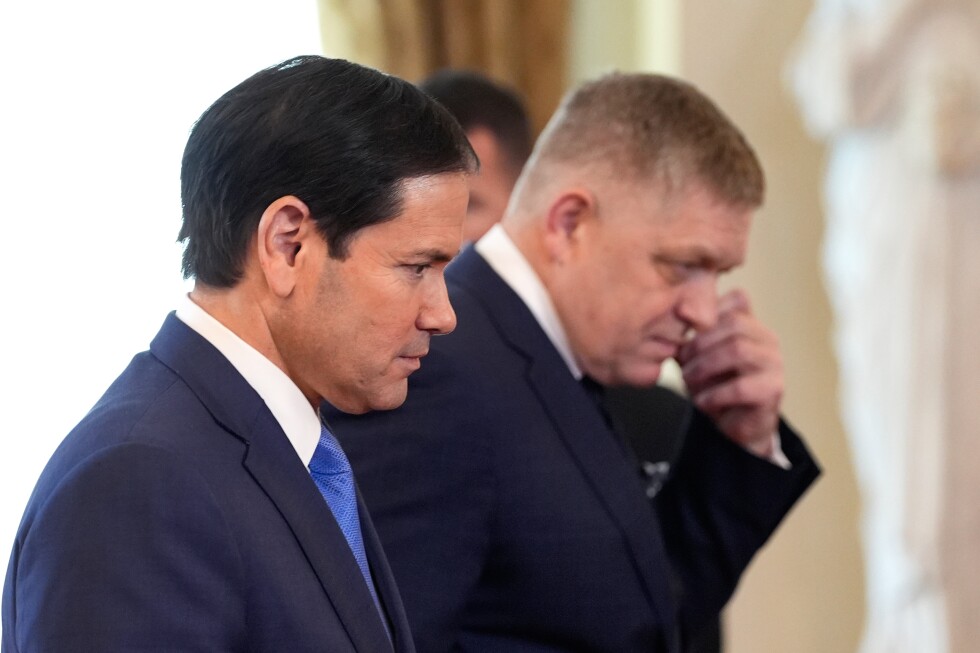
    Slovak Prime Minister Robert Fico, a populist leader, announced the retaliatory measure after claiming Ukrainian President Volodymyr Zelenskyy declined to engage in discussions until after Wednesday. “Given the seriousness of the situation and the declared state of oil emergency in Slovakia, we are forced to take the first reciprocal measure immediately,” Fico stated, adding that the electricity suspension would be lifted once oil transit resumes.

    The Slovak opposition has condemned the government’s decision, while Ukrainian Foreign Minister Andrii Sybiha appealed for “constructive cooperation and responsible behavior” from both nations. Fico has threatened additional measures if oil shipments don’t resume, including potentially withdrawing support for Ukraine’s European Union membership aspirations.

    Both Slovakia and Hungary have challenged Ukraine’s damage claims, asserting without providing evidence that the Druzhba pipeline remains operational. Fico revealed that Slovakia’s ambassador to Kyiv has been denied access to inspect the allegedly damaged sections. The Slovak leader characterized the oil suspension as “a purely political decision with the aim of blackmailing Slovakia” due to its divergent views on Russia’s war against Ukraine compared to mainstream European perspectives.

  • US ambassador Huckabee says Israel at war with Muslim Brotherhood in Egypt and Jordan

    US ambassador Huckabee says Israel at war with Muslim Brotherhood in Egypt and Jordan

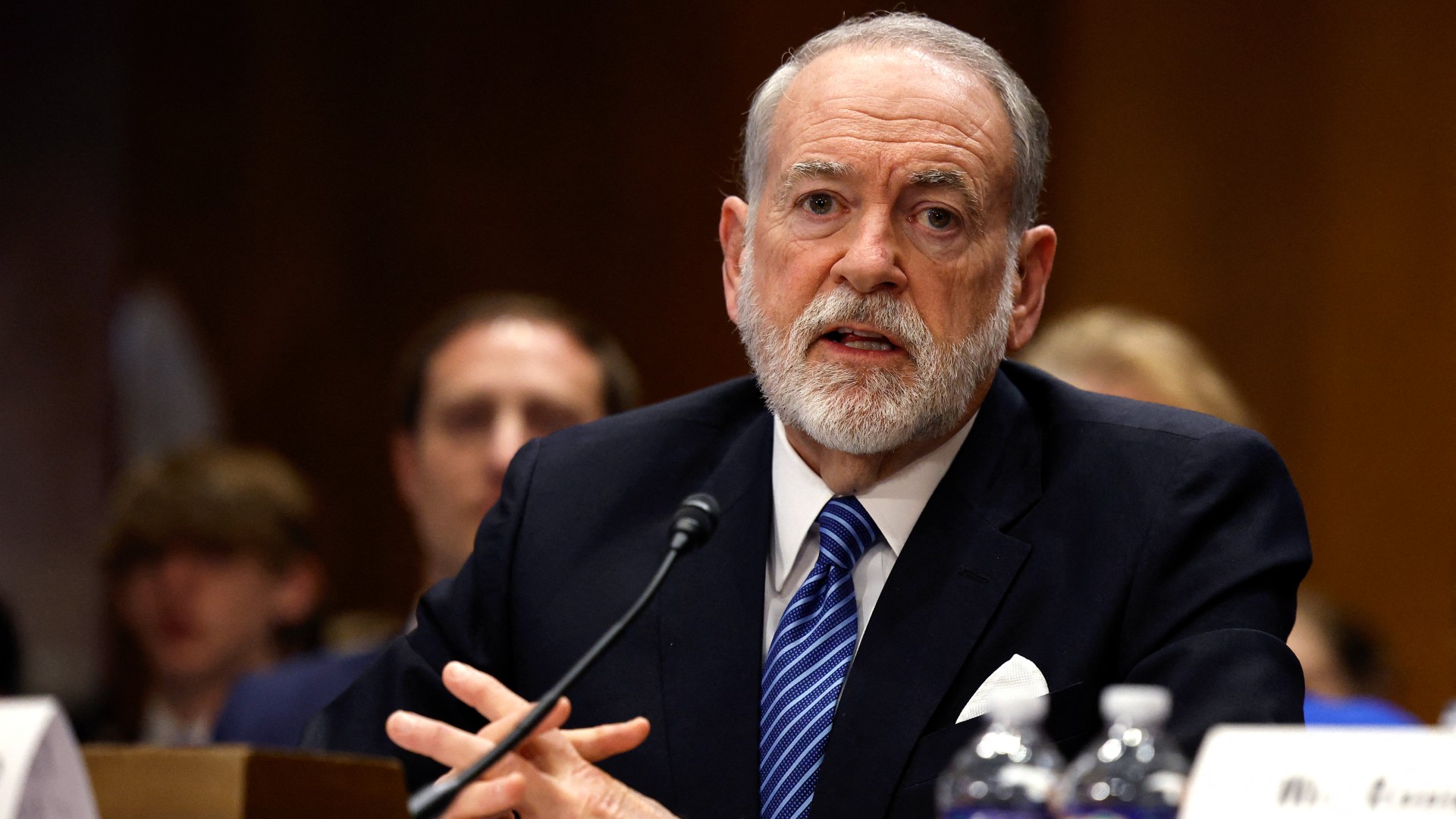
    U.S. Ambassador to Israel Mike Huckabee has ignited diplomatic fury across the Middle East following controversial statements made during an appearance on The Tucker Carlson Show. The former Arkansas governor asserted that Israel is engaged in a “seven-front war,” explicitly naming the Muslim Brotherhood in Egypt and Jordan as active combatants alongside Lebanon, Syria, Yemen’s Houthis, Hamas in Gaza, and Iran.

    During the interview, Huckabee clarified that Israel’s conflict is not with the governments of Egypt or Jordan but specifically with the Muslim Brotherhood elements within those nations. He notably added an “eighth front” to the conflict: the media.

    The ambassador further provoked regional outrage by invoking biblical scripture to justify Israeli territorial expansion. When Carlson referenced Genesis 15’s description of land spanning from the Nile to Euphrates rivers, Huckabee responded that “it would be fine if they took it all”—a statement implying Israeli claims to territories across five sovereign nations beyond occupied Palestine.

    These remarks have drawn swift condemnation from multiple governments and international organizations. Palestine, Egypt, Jordan, Saudi Arabia, Kuwait, and Oman have issued formal statements of protest, joined by the Organization of Islamic Cooperation and the Arab League. Jordan’s Foreign Ministry characterized Huckabee’s statements as “irresponsible, escalatory and absurd,” while Saudi Arabia denounced them as “reckless” and Kuwait condemned them as “a flagrant violation of international law.”

    The controversy emerges against the complex backdrop of the Muslim Brotherhood’s history. Founded in 1928 as an anti-colonial movement, the organization has consistently denied advocating violence while positioning itself as a political and social movement. Despite persecution under secular Arab rulers in the mid-20th century, the Brotherhood gained significant popularity following the 2011 Arab Spring uprisings, culminating in Mohamed Morsi’s democratic election in Egypt in 2012—before his ouster by military coup and subsequent death in custody.

    The organization remains banned in Saudi Arabia, the UAE, Bahrain, and most recently Jordan, where its April prohibition followed alleged pressure from Saudi Arabia, the UAE, and Israel. Many regional monarchies and autocratic governments view the Brotherhood as an existential threat to their rule.