博客

  • Don’t cross flooded wadis, UAE villagers warn as they remain on alert for heavy rains

    Don’t cross flooded wadis, UAE villagers warn as they remain on alert for heavy rains

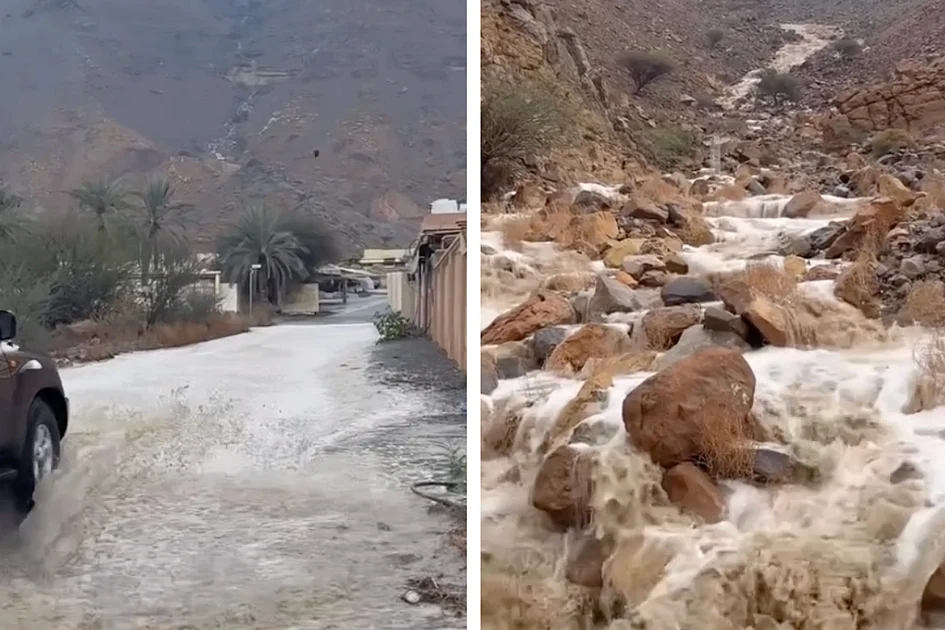
    Mountainous regions across the United Arab Emirates remain on high alert as unstable weather patterns continue to bring substantial rainfall to the Emirates this week, with villagers issuing stern warnings against crossing flooded wadis that transform into dangerous torrents within minutes.

    Residents of wadi communities in Ras Al Khaimah and Shawka areas, who have generations of experience dealing with flash floods, emphasize that while rainfall provides essential water for their agricultural operations, it simultaneously presents grave dangers to both life and property. These communities have developed sophisticated systems of vigilance and mutual support to navigate the recurring threat.

    Omar Ahmed Al Shehhi from Wadi Ghalila explained the immediate response protocol: ‘We begin cleaning ancient irrigation channels that direct wadi water into our farms immediately when rain is forecast.’ This traditional water sharing system allows farms to fill sequentially, ensuring equitable distribution of the precious resource.

    The community spirit serves as a critical defense mechanism against potential tragedies. Local residents actively communicate with visitors, warning them when they position themselves in dangerous locations or consider crossing flowing wadis. This intervention is particularly crucial as outsiders frequently underestimate the sudden and immense power of flash floods that can materialize without warning.

    During active flow conditions, a temporary lockdown effect takes hold in these communities. Residents avoid unnecessary travel to other areas until water levels subside, and those outside the region are advised to wait patiently rather than attempt dangerous crossings.

    Despite their extensive experience, the unpredictable nature of weather patterns still results in occasional losses. Al Shehhi noted that some residents have lost livestock when unexpected heavy rainfall caught them unprepared, forcing frantic efforts to move animals to higher ground.

    Musabbeh Saif from Shawka, an area where numerous wadis intersect with roads and residential zones, highlighted that while modern housing has been constructed further from main wadi channels, agricultural land remains vulnerable. ‘The wadis can affect farms in their path,’ he explained. ‘High water levels with strong flow can demolish farm walls and destroy crops.’

    The National Centre of Meteorology has forecast continued unstable weather across the UAE this week, with temperatures potentially dropping to 10°C in internal and mountain regions. Authorities have repeatedly urged the public to exercise extreme caution, avoid wadis and mountainous areas during rainfall, and refrain from attempting to cross flooded valleys.
  • Chinese research named among Physics World’s top 10 breakthroughs of 2025

    Chinese research named among Physics World’s top 10 breakthroughs of 2025

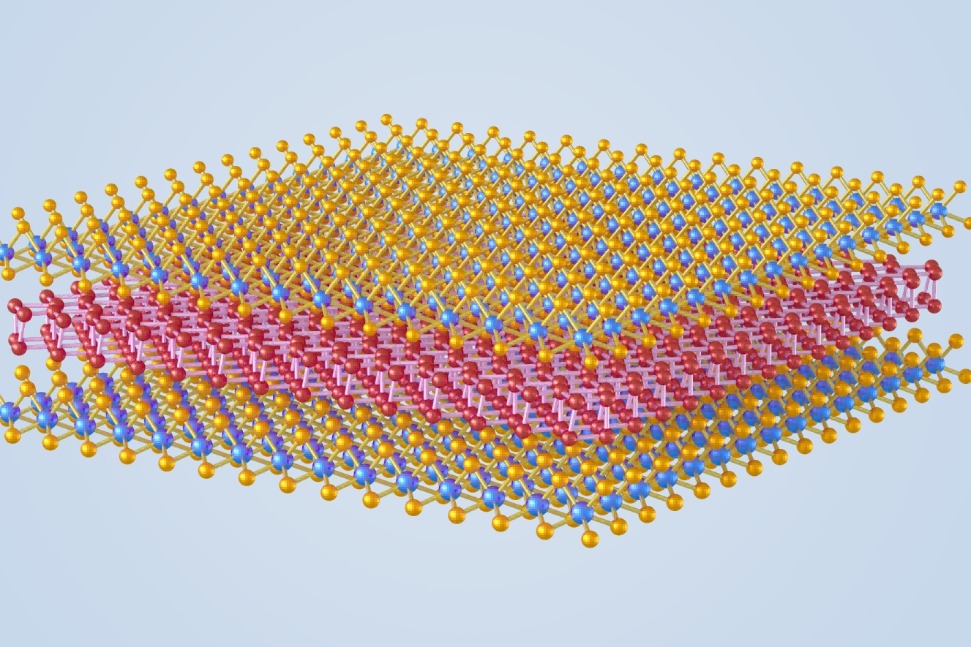
    In a landmark achievement for materials science, Chinese researchers have earned global recognition for creating the world’s first two-dimensional metals, an accomplishment long considered nearly unattainable. This groundbreaking work, led by a team at the Institute of Physics under the Chinese Academy of Sciences, has been selected among Physics World’s prestigious “Top 10 Breakthroughs for 2025.”

    The research, published in the renowned journal Nature in March 2025, represents a quantum leap in materials science that could potentially propel the next stage of human technological advancement. Since the discovery of monolayer graphene in 2004, 2D materials have fundamentally transformed scientific understanding of material properties and driven unprecedented innovations in condensed-matter physics.

    According to Professor Zhang Guangyu, the project’s lead scientist, creating 2D metals presented extraordinary challenges due to the strong metallic bonds between atoms that occur in all directions. “The metallic bonding nature made conventional approaches to 2D material synthesis ineffective,” Zhang explained. “We had to fundamentally rethink material fabrication at the atomic level.”

    The research team pioneered an innovative atomic-scale manufacturing technique called the van der Waals squeezing method, which enabled the creation of diverse 2D metals including bismuth, tin, lead, indium, and gallium. These ultra-thin materials measure just one millionth the thickness of a standard A4 paper sheet and approximately one 200,000th the diameter of a human hair.

    The implications of this breakthrough extend across multiple technological domains. These novel 2D metals could revolutionize numerous industries through ultra-micro low-power transistors, high-frequency communication devices, transparent display technology, ultra-sensitive detection systems, and highly efficient catalytic processes.

    Physics World, the flagship publication of the Institute of Physics (the professional body for physics in the UK and Ireland), annually recognizes achievements that demonstrate significant scientific importance, advance the frontiers of knowledge, and attract broad attention from the global physics community. The selection criteria emphasize rigorous scientific validation, seamless integration of theory and experiment, and profound implications for future research and applications.

  • 2 powers, 1 playbook: US-Chinese bureaucrats actually quite alike

    2 powers, 1 playbook: US-Chinese bureaucrats actually quite alike

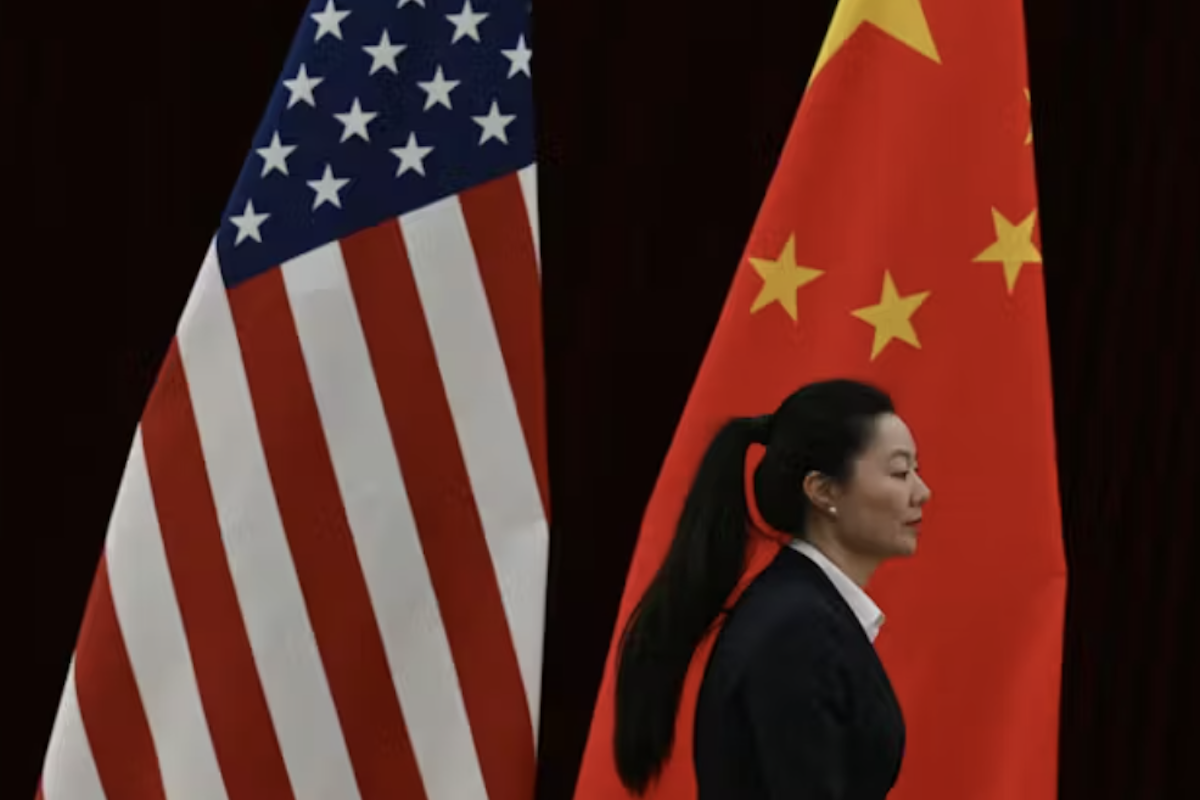
    Amid escalating tensions between the world’s two superpowers in 2025, a groundbreaking research study reveals that American and Chinese bureaucrats operate with remarkably similar motivations and behaviors despite their nations’ opposing political systems. The international research team, comprising scholars from China, the United States, and other countries, conducted a comprehensive comparative analysis of bureaucratic agencies’ responses to global challenges.

    The research demonstrates that while US-China relations have deteriorated due to tit-for-tat tariffs, rare earth element competition, and Indo-Pacific territorial disputes, the professional bureaucrats implementing policies in both countries share comparable career incentives and operational dynamics. This finding challenges the conventional narrative of an ideological clash between democracy and autocracy, suggesting instead that practical governance realities transcend political systems.

    China’s centralized bureaucracy employs approximately 8 million civil servants as of 2024, while the more decentralized US system maintains around 3 million federal employees. Despite these structural differences, comparative research indicates that civil servants worldwide respond to complex problems with similar approaches, constrained by organizational politics while pursuing individual career advancement.

    The study identifies three key areas demonstrating bureaucratic convergence: foreign aid practices, environmental management, and pandemic response. In foreign aid, both nations are moving toward middle ground—the US adopting more strategic financial diplomacy emphasizing national interests, while China shifts from large-scale infrastructure projects to ‘small but beautiful’ initiatives focused on beneficiary well-being.

    Environmental management cases reveal bureaucrats in both systems primarily motivated by blame avoidance. The research cites Hebei province’s anti-pollution measures and Flint, Michigan’s water crisis as examples where officials deflected responsibility rather than addressing policy failures directly.

    During the COVID-19 pandemic, both Chinese and American bureaucrats exhibited risk-averse behavior and career preservation instincts, despite China’s purported ‘authoritarian advantage.’ Bureaucratic delays in both systems had detrimental public health consequences, and both experienced declining public trust.

    The researchers note that the convergence extends to leadership styles, with both President Trump and President Xi employing campaign-style politics and cultivating personality cults. This bureaucratic similarity provides unexpected stability during geopolitical tensions, as administrative routines dissipate erratic political announcements and maintain operational predictability.

    The study concludes that while politics set the strategic direction, bureaucrats shape implementation reality—and their modus operandi remains driven more by practical incentives than ideological commitments, creating an anchor of stability in volatile US-China relations.

  • Putin warns that Russia will seek to extend its gains in Ukraine if peace talks fail

    Putin warns that Russia will seek to extend its gains in Ukraine if peace talks fail

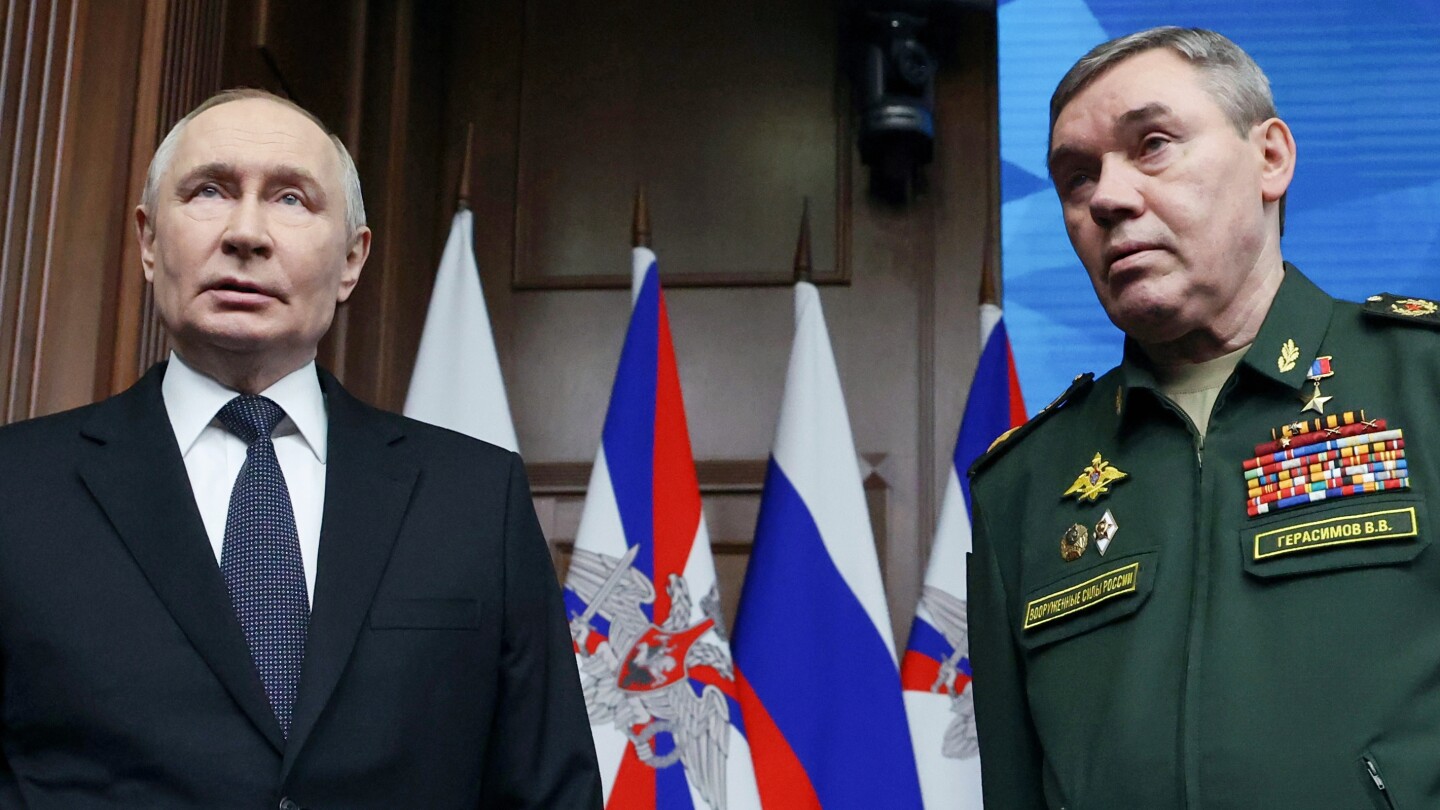
    Russian President Vladimir Putin delivered a stark warning during his annual address to military commanders on Wednesday, threatening to expand territorial gains in Ukraine unless Kyiv and Western allies acquiesce to Moscow’s conditions in ongoing peace negotiations.

    The Kremlin leader asserted that while Russia prefers diplomatic resolution to ‘eliminate the root causes of the conflict,’ military escalation remains imminent if opposing parties refuse substantive dialogue. ‘Russia will achieve the liberation of its historical lands by military means,’ Putin declared, emphasizing his forces’ strategic advantage across frontline positions.

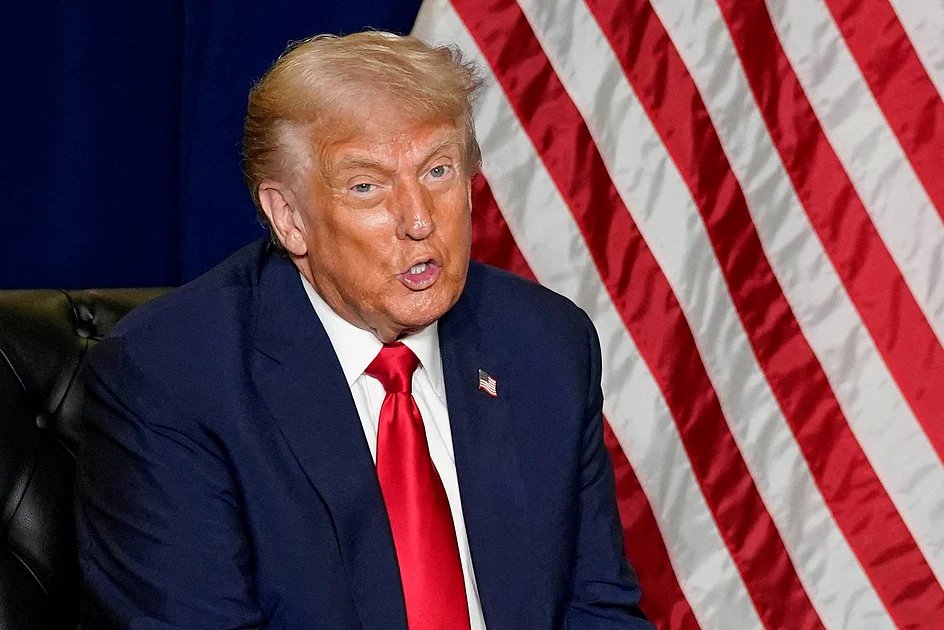
    This belligerent rhetoric coincides with intensive diplomatic efforts led by U.S. President Donald Trump to resolve the nearly four-year conflict stemming from Russia’s full-scale February 2022 invasion. Washington’s mediation attempts confront fundamentally incompatible positions between the warring nations.

    Putin bolstered his threats with displays of military capability, highlighting Russia’s modernization of nuclear arsenals including the new nuclear-capable Oreshnik intermediate range ballistic missile scheduled for combat duty this month. The president boasted the missile’s alleged impregnability, referencing its November 2024 conventional strike on a Ukrainian facility.

    Moscow’s non-negotiable demands include: recognition of Russian sovereignty over four occupied regions plus Crimea (illegally annexed in 2014); Ukrainian withdrawal from additional eastern territories; permanent abandonment of NATO membership aspirations; and prohibition of NATO troop deployments—which Russia would consider ‘legitimate targets.’

    Ukrainian President Volodymyr Zelenskyy, following meetings with U.S. envoys in Berlin, characterized a draft peace proposal as ‘not perfect’ but ‘very workable.’ While expressing willingness to relinquish NATO membership in exchange for equivalent security guarantees, Zelenskyy firmly rejected ceding territories beyond current Russian control. The Ukrainian leader indicated potential presentation of finalized proposals to Moscow within days, though territorial sovereignty remains the critical unresolved issue.

    Western nations and Ukraine continue to regard Russia’s actions as violations of international sovereignty and unprovoked aggression, setting the stage for continued diplomatic stalemate amid heightened threats of military escalation.

  • Taiwan’s ban of mainland social media app a case of political manipulation: spokesperson

    Taiwan’s ban of mainland social media app a case of political manipulation: spokesperson

    BEIJING – Chinese mainland authorities have strongly criticized Taiwan’s recent prohibition of the popular social media application Rednote, characterizing the move as a politically motivated act of “double-standard” manipulation. The statement came from Zhu Fenglian, spokesperson for the State Council Taiwan Affairs Office, during a Wednesday press conference.

    Zhu explicitly dismissed Taiwan’s official justification of fraud prevention as merely a pretext concealing ulterior motives. She asserted that the genuine objective behind the ban aligns with separatist “Taiwan independence” agendas rather than legitimate regulatory concerns.

    The spokesperson emphasized that these restrictive measures effectively sever crucial communication channels across the Taiwan Strait, particularly impacting younger Taiwanese demographics. Zhu highlighted how the prohibition infringes upon fundamental rights to information access and digital platform freedom for Taiwan’s residents.

    According to Zhu, the controversial ban has already provoked substantial public discontent and opposition within Taiwan, especially among youth populations who value digital connectivity and cross-strait communication platforms. The spokesperson framed the incident as part of broader patterns of political manipulation that ultimately disadvantage ordinary Taiwanese citizens while advancing divisive political objectives.

  • Video: Couple in their 60s shot dead while trying to stop Bondi Beach attackers

    Video: Couple in their 60s shot dead while trying to stop Bondi Beach attackers

    In a devastating terrorist attack at Sydney’s Bondi Beach that claimed 15 lives, three civilians are being recognized for their extraordinary bravery in confronting armed assailants during Australia’s deadliest mass shooting in nearly three decades. Boris and Sofia Gurman, a Russian-Jewish couple in their sixties, were captured on dashcam footage physically engaging one gunman as he exited his vehicle, ultimately sacrificing their lives while attempting to disarm the attacker.

    The verified footage shows Mr. Gurman, wearing a lavender shirt and shorts, wrestling for control of a long-barrelled weapon with one assailant before both collapse behind a silver hatchback. Subsequent drone imagery reveals the couple lying motionless near the pedestrian bridge where police later neutralized the attackers. The couple’s family expressed overwhelming pride in their ‘bravery and selflessness’ despite the profound grief of their loss.

    Prime Minister Anthony Albanese identified the Gurmans among the victims of what authorities describe as an Islamic State-inspired terrorism act targeting the Jewish community. Officials allege a father-son duo perpetrated the attack during a Jewish holiday event.

    In a parallel act of courage, 62-year-old Reuven Morrison also lost his life after confronting the attackers. His daughter reported that Morrison immediately began throwing bricks and shouting at the assailant to protect his community. Social media footage corroborates his attempts to disrupt the violence before being fatally shot.

    The attack also produced another hero: Ahmed al Ahmed, a 43-year-old Muslim father of two, who successfully disarmed one gunman from behind despite sustaining gunshot wounds. His actions sparked an outpouring of public support, with donations for his medical recovery exceeding A$2.4 million. Ahmed remains hospitalized while the nation processes this tragedy that has united Australians across religious and ethnic divides.

  • Five people face charges over deadly school fire in Henan

    Five people face charges over deadly school fire in Henan

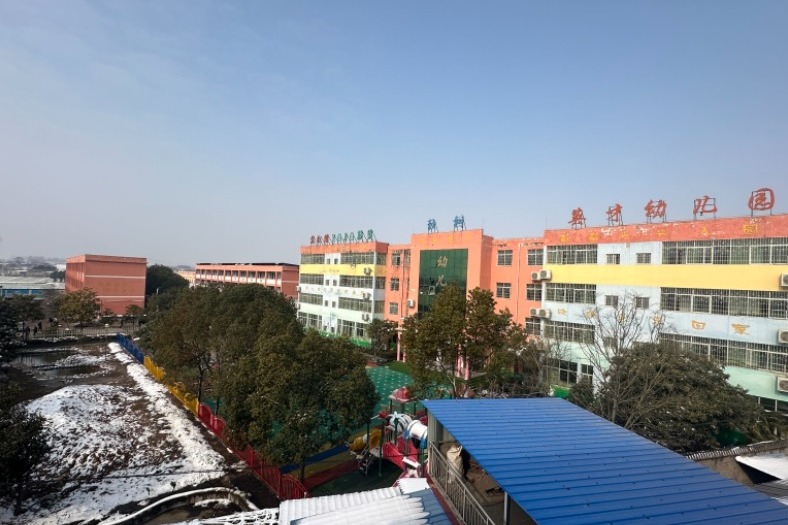
    Chinese authorities have formally brought criminal charges against five individuals following a devastating dormitory fire that claimed 13 young lives at a primary school in Henan province. The tragic incident, which occurred on January 19, 2024, in Fangcheng county, also left four students injured, with official reports confirming all fatalities resulted from smoke inhalation.

    According to investigative findings released by Henan Fire and Rescue, the blaze originated when an eight-year-old student attempted to burn off a loose thread from his quilt using a lighter. The flame subsequently ignited clothing on a neighboring wooden bed, triggering a rapid fire spread accelerated by the dense concentration of bedding, textiles, and wooden materials within the dormitory space.

    Those facing criminal measures include Li Yu, the school’s founder and actual controller; Principal Xu Xiangyang; dormitory supervisor and third-grade headteacher Jia Xia; registered school organizer Li Jizhong; and teaching research director Han Qingpo. All have been charged with “causing a major safety incident involving educational facilities” by the Fangcheng County Public Security Bureau.

    The investigation further revealed systemic safety failures, resulting in the school’s operating license being revoked due to multiple violations including illegal educational activities, unregistered operation, unauthorized land use, and occupancy of unsafe structures. Beyond individual accountability, disciplinary actions extend to 25 additional personnel across local education, fire rescue, natural resources, housing development, and civil affairs departments who face Communist Party discipline punishments.

    In a notable administrative response, both Fangcheng county and Nanyang municipal authorities have been instructed to submit comprehensive self-criticism reports to higher government bodies, acknowledging institutional failures in oversight and safety protocol implementation that contributed to the preventable tragedy.

  • SmartOne.ai human judgment: Scaling expert annotation for safety-critical physical AI

    SmartOne.ai human judgment: Scaling expert annotation for safety-critical physical AI

    In an industry increasingly dominated by computational power and algorithmic complexity, SmartOne.ai is pioneering a radically different approach to artificial intelligence development. The company has identified a crucial bottleneck in the advancement of safety-critical physical AI systems: the indispensable role of expert human judgment in training data annotation.

    While most AI enterprises focus primarily on model architecture and computing resources, SmartOne.ai has established an extensive network of over 1,000 specialized annotation experts across Madagascar and Mauritius. These professionals perform sophisticated work that transcends conventional image labeling, instead providing essential contextual understanding of physics, causality, and real-world consequences that machines must comprehend to operate safely in physical environments.

    Chief Executive Officer Eric Raza emphasizes the fundamental distinction in their approach: ‘Training autonomous systems isn’t about object recognition—it’s about teaching machines physics, causality, and contextual awareness. Understanding how objects move through space, how actions produce consequences, and how environmental conditions alter outcomes requires human judgment that comprehends what the machine actually needs to learn.’

    The strategic selection of Madagascar and Mauritius as operational hubs proves integral to SmartOne.ai’s business model, offering multilingual talent pools, favorable time zone alignment with European and Asian markets, and exceptional scalability. The company demonstrates remarkable operational agility, capable of expanding teams by 50% within two weeks while maintaining 98% accuracy across safety-critical projects.

    This capability addresses a pressing need for Gulf region initiatives investing heavily in sovereign AI and smart-city developments. Physical AI systems demand enormous volumes of context-rich training data, creating competitive advantages for organizations that can deliver expert human judgment rapidly while meeting the precision requirements of safety-critical applications.

    Raza notes the ironic twist in contemporary automation: ‘Human judgment has emerged as the defensible competitive advantage. The contextual reasoning necessary for safety-critical physical AI cannot be automated—this is precisely where we’ve established our strategic depth.’

    SmartOne.ai currently pursues partnerships with technology providers, investors, and government entities developing next-generation AI ecosystems. The company positions human expertise not as a temporary gap awaiting automation, but as a permanent strategic requirement for physical AI development. Their capabilities include world foundation model training data, vision-language-action training data, 3D point cloud and LiDAR annotation, sensor fusion integration, temporal and trajectory annotation, causal reasoning, and semantic segmentation, all supported by SOC 2 Type II, ISO, and GDPR certifications.

  • Trump imposes full travel bans on seven more countries, Palestinians

    Trump imposes full travel bans on seven more countries, Palestinians

    In a significant expansion of immigration restrictions, the Trump administration has imposed comprehensive travel prohibitions on seven additional countries while extending the policy to include Palestinian Authority passport holders. The latest proclamation, issued on Tuesday, brings the total number of nations facing entry restrictions to nearly forty based solely on nationality criteria.

    The newly affected countries comprise Syria, Burkina Faso, Mali, Niger, Sierra Leone, South Sudan, and Laos. This development occurs alongside the implementation of modified travel regulations for visitors from Western nations. The White House justification cites national security concerns, specifically targeting foreigners who might “intend to threaten Americans” or potentially “undermine or destabilize its culture, government, institutions or founding principles.”

    The Syrian travel prohibition follows closely after a recent incident that resulted in the deaths of two U.S. military personnel and one civilian in the conflict-ridden nation. Syrian officials identified the perpetrator as a security forces member scheduled for dismissal due to extremist Islamist affiliations.

    Concurrently, the administration has enacted partial travel limitations affecting numerous African and Caribbean nations, including Nigeria, Ivory Coast, Senegal, Angola, Antigua and Barbuda, Benin, Dominica, Gabon, The Gambia, Malawi, Mauritania, Tanzania, Zambia, Zimbabwe, and the Polynesian nation of Tonga. This presents particular complications for World Cup qualifying nations whose athletes may receive special entry permissions while their supporters face exclusion.

    Immigration advocacy organizations have strongly criticized these measures. Global Refuge, a Christian-based refugee support organization, characterized the policy as employing “the language of security to justify blanket exclusions that punish entire populations” rather than implementing individualized, evidence-based screening protocols.

    The expanded restrictions align with President Trump’s increasingly assertive anti-immigration rhetoric, which has recently included derogatory characterizations of certain developing nations and Somali refugees. The administration has simultaneously virtually terminated refugee admissions, currently permitting only white Afrikaner South Africans to enter through refugee programs.

    Notably, Turkmenistan has achieved “significant progress” according to administration officials, resulting in the partial lifting of restrictions that now allow non-immigrant visa processing for its citizens.

  • Magnitude 4.3 earthquake hits Saudi Arabia; was it felt in UAE?

    Magnitude 4.3 earthquake hits Saudi Arabia; was it felt in UAE?

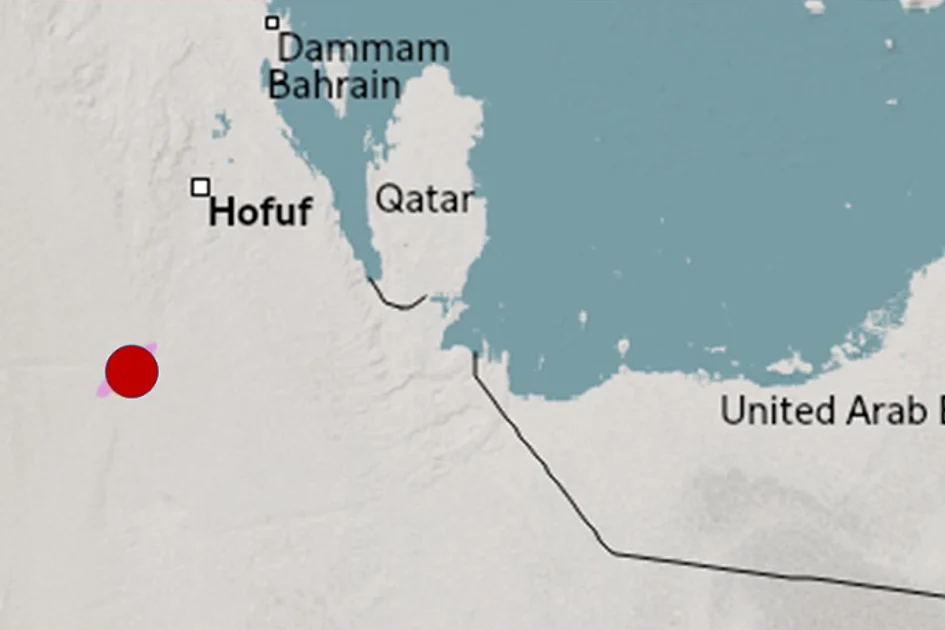
    A seismic event measuring 4.3 magnitude occurred in Saudi Arabia’s Eastern Province at 2:11 AM local time on Wednesday, December 17, 2025. According to meteorological authorities, the earthquake originated at a depth of 50 kilometers beneath the Earth’s surface.

    The National Centre of Meteorology (NCM) confirmed that the tremors were confined to Saudi territory and did not extend to the United Arab Emirates. Seismic monitoring stations across the Emirates reported no detectable ground movement, and residents experienced no disruption from the geological event.

    This incident follows a pattern of similar seismic activity in the region. Earlier in April 2025, both nations recorded a comparable magnitude earthquake in the Arabian Sea near Saudi borders. Seismologists attribute these periodic events to tectonic stresses along ancient fault lines caused by the constant movement of the Arabian Plate against the Eurasian Plate.

    Despite the UAE’s location outside major seismic zones, the country occasionally experiences minor tremors due to its proximity to the seismically active Zagros mountain range. This geological formation, spanning Iran and Iraq, ranks among the world’s most dynamically unstable regions. Recent months have witnessed several regional seismic events, including a 4.6 magnitude quake south of Musandam in November and a 3.3 magnitude event in Bahrain during December, none of which impacted the Emirates.

    Seismic experts note that while the Northern Emirates might occasionally perceive distant tremors, the country’s infrastructure remains well-protected against significant seismic risks. The NCM maintains continuous monitoring through its advanced National Seismic Network, providing real-time data on geological activity throughout the region.