博客

  • British Steel crisis derails China’s tariff-bypass strategy

    British Steel crisis derails China’s tariff-bypass strategy

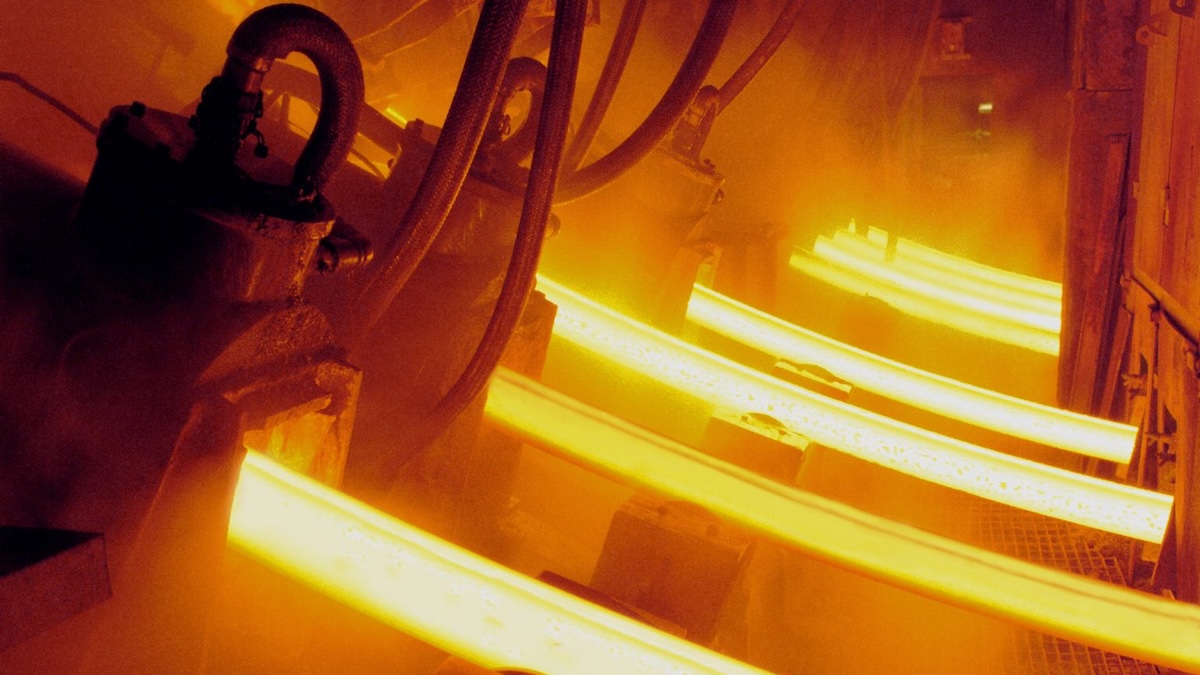
    A cross-border industrial acquisition that began as a strategic expansion move has erupted into a full-blown political dispute between China and the United Kingdom, after the British government tabled a formal nationalization bill to take permanent public control of the formerly Chinese-owned British Steel, based in eastern England.

    The story traces back to 2020, when Hebei-based private Chinese steel manufacturer Jingye Group stepped in to acquire the insolvent British steelmaker for £70 million (approximately $91 million). At the time, the deal was framed as a win-win: it rescued a failing historic British industrial asset, saved thousands of local jobs, and gave Jingye a much-needed production foothold in Europe. A core strategic motivation for the acquisition was to bypass steep 25% U.S. tariffs on Chinese steel that the Trump administration first imposed in 2018 under Section 232 of the Trade Expansion Act, citing national security grounds.

    Despite injecting a total of £1.2 billion into British Steel over the following years, Jingye failed to reverse the company’s persistent annual losses, which were estimated to hit roughly £250 million per year. Industry analysts cite two key structural headwinds: the UK’s sky-high industrial energy costs, and persistent market pressure from the flood of low-cost Chinese steel already flowing into European markets. The final blow came in March 2025, when the Trump administration expanded its tariff regime to impose 25% levies on all global steel and aluminum imports — including those from the UK — after detecting that Chinese steel producers were using foreign acquisitions to evade U.S. trade barriers.

    Shortly after the new tariffs took effect, Jingye announced that its flagship Scunthorpe steelworks was losing £700,000 per day and was no longer financially viable. The firm rejected a proposed £500 million UK government rescue package, prompting Parliament to rush through emergency legislation on April 12 that allowed the government to seize temporary control of the plant’s blast furnaces to prevent an immediate shutdown and protect 2,700 local jobs. On May 14, the government took the next step by introducing the formal Steel Industry (Nationalization) Bill, which grants ministers the authority to nationalize steel assets like British Steel if they meet a public interest test. The bill held its first parliamentary reading the same day, establishing a legal pathway for permanent public ownership when deemed necessary.

    “Revitalizing our steel sector is a top priority for this country, and this is an important first step to safeguard our steelmaking capability,” said UK Industry Minister Chris McDonald. “It will allow us to secure the future of British Steel and explore possible options to modernize the industry.” McDonald added that the fast tracking of the bill through Parliament demonstrates the current government’s unwavering commitment to protecting Britain’s domestic steel production capacity.

    The nationalization plan has drawn sharp pushback from China. “The British government should uphold fairness, impartiality and non-discrimination, act cautiously in its decisions, and safeguard the legitimate rights and interests of Chinese enterprises,” a spokesperson for China’s Ministry of Commerce said in an official statement. The spokesperson noted that the UK government has already controlled British Steel for more than a year since taking over from Jingye, and any permanent action must fully account for the substantial investment the Chinese firm has made in the UK’s steel industry, as well as its broader contributions to the British economy and local communities. Beijing has called on London to respect both Jingye’s position and fundamental market principles to negotiate “a fair, just solution acceptable to both sides,” and warned that China will take all necessary firm measures to protect the legal rights of Chinese firms.

    The dispute has also sparked debate among industry analysts in China about the risks of Chinese corporate expansion in strategic Western sectors. A Jiangxi-based industrial columnist, writing under the pen name Ganjiang Top List, noted that the British acquisition fit into a broader strategy Chinese steel firms adopted after 2018 to build “non-dollar channels” for global exports, positioning European steel assets as natural springboards for Chinese industrial chains going global, given the region’s advanced manufacturing expertise and lack of domestic capital for industrial upgrades. “British Steel was not acquired by Jingye for production alone, but for connection,” he explained, noting the acquisition created a local export hub for Chinese parts and engineering services serving Europe’s automotive, rail, and energy equipment sectors. While Jingye attempted to cut costs by transferring its digital production management platform to British Steel, those efforts ultimately could not overcome the sector’s headwinds. The columnist argued that Chinese firms must adjust their overseas expansion strategies: instead of pursuing controlling stakes in strategically sensitive key sectors, they should rely on technical service partnerships, short-term leasing, and non-controlling cooperation models to maintain market access while reducing political exposure. He added that beyond the direct capital loss, the failed acquisition has damaged the broader reputation of Chinese firms investing in Western markets.

    To understand the significance of British Steel to British national identity, one must look back at its long and turbulent history. As the birthplace of the Industrial Revolution, Britain built its 19th-century global empire on the back of its iron and steel industry, which powered the construction of railways, ships, bridges, machinery and military hardware, making the sector a core symbol of British industrial power. By the 1980s and 1990s, China’s rapid industrial expansion began to challenge Britain’s position, and after China joined the World Trade Organization in 2001, it pulled far ahead to become the world’s largest steel producer. Decades of rapid domestic infrastructure and manufacturing growth left China with massive chronic overcapacity, flooding global markets with low-cost steel that added intense pressure to already struggling British producers, which already grappled with high labor costs, expensive energy, aging production facilities, and repeated cycles of nationalization and privatization.

    British Steel itself was originally founded as a nationalized entity in 1967, when the UK government consolidated the country’s major steel producers into public ownership. It grew to become one of Europe’s largest steelmakers, but by the late 20th century it was struggling with falling demand, labor unrest, aging infrastructure and rising foreign competition. It was privatized in 1988, changed hands multiple times, and collapsed into insolvency in 2019 before Jingye’s rescue a year later. Even under Chinese ownership, losses continued: the firm posted a £227 million post-tax loss in 2023, down from £367 million in 2022, and losses deepened through 2024.

    The nationalization move has been supported by hardline British political figures, who have raised suspicions about Chinese influence in the strategically critical sector. Gary Smith, general secretary of the UK’s GMB trade union, raised concerns last April about what he called “industrial vandalism” at the site, while senior Conservative Party figure Iain Duncan Smith has openly accused Beijing of inappropriate interference. Business Secretary Jonathan Reynolds has gone as far as to argue that Chinese firms should be entirely excluded from “very sensitive” UK industries.

    In response, the Chinese Embassy in the UK has pushed back against what it calls the politicization of a purely commercial transaction. “At a time when the United States is using tariffs against countries including Britain and pursuing unilateralist and protectionist trade bullying, some British politicians are attacking China’s government and Chinese companies instead of criticizing Washington,” the embassy’s spokesperson said. “What exactly are they trying to achieve?” The spokesperson emphasized that British Steel was already insolvent and facing years of losses before Jingye’s 2020 acquisition, and that the Chinese firm’s investment kept the plant operational and protected thousands of British jobs. “Any words or actions that politicize commercial issues and engage in malicious hype will damage Chinese enterprises’ confidence in investing in the UK and harm China-UK economic and trade cooperation,” the spokesperson warned.

    A major sticking point in ongoing tensions is the question of compensation. Earlier this year, reports indicate Jingye is seeking roughly £1 billion in compensation from the UK government, matching its claimed £1.2 billion total investment since 2020. British local media, however, reports that the UK government has proposed a settlement valued at less than £100 million. The scale of Jingye’s investment itself is also disputed: public filings show that as of 2023, Jingye and its affiliates had provided £735.7 million in loans to British Steel, and charged tens of millions of pounds in interest on those loans. A Jingye spokesperson has defended the £1.2 billion figure, explaining that it includes both equity investment and low- or zero-interest loans issued to support ongoing operations.

    One Chinese industrial columnist based in Henan has argued that the UK’s move risks long-term damage to bilateral trade for short-term domestic political gain, noting that seizing foreign assets via legislation will erode Britain’s reputation as a safe destination for foreign direct investment. She warned that “Today’s China is not the China of 1840,” referencing the First Opium War when Britain defeated Qing China and forced it to pay heavy reparations, adding that modern Chinese firms hold strong legal, financial and moral leverage in the dispute.
  • Hungary’s Magyar kicks off his first foreign trip as prime minister to ally Poland

    Hungary’s Magyar kicks off his first foreign trip as prime minister to ally Poland

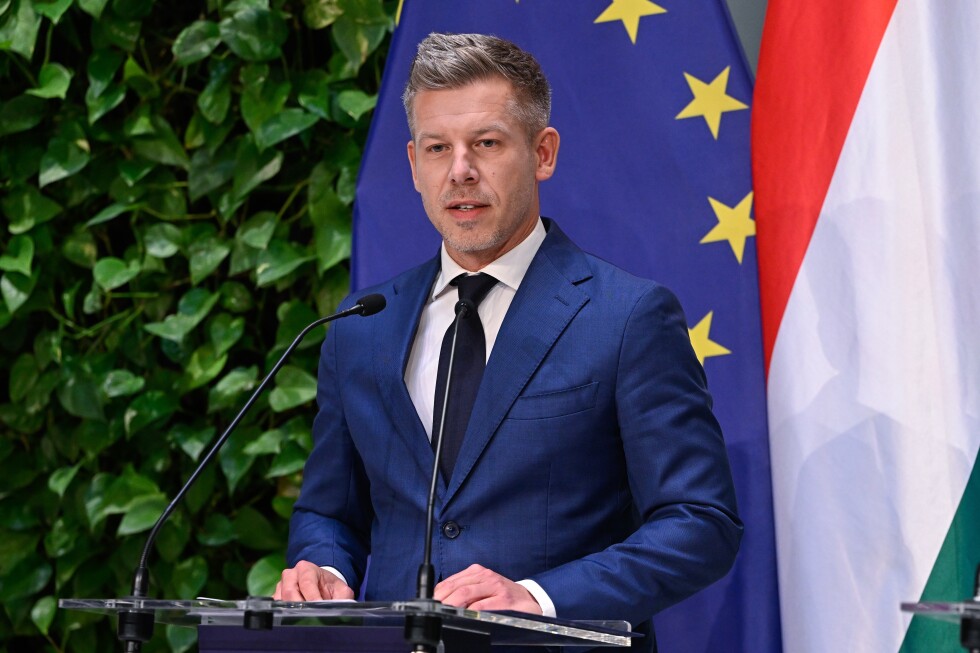
    Fresh off a historic political upset that ended 16 years of Viktor Orbán’s nationalist-populist rule, Hungary’s new center-right Prime Minister Péter Magyar is traveling to Poland this week to draw lessons from Warsaw’s own recent experience undoing authoritarian-leaning governance. The trip comes as Magyar’s Tisza party sets out to dismantle the political and economic infrastructure Orbán built during his more than a decade and a half in power, a mission that has sparked widespread optimism across Europe.

    Magyar’s landslide election victory last month — which delivered Tisza a two-thirds parliamentary supermajority, an unprecedented result in Hungary’s post-Communist era — has drawn consistent comparisons to Poland’s 2023 general election, where Donald Tusk’s center-right coalition ousted the national-conservative Law and Justice (PiS) party after eight years in power. Like Tusk, Magyar has made restoring eroded democratic institutions, holding corrupt former officials accountable, and rolling back executive overreach his top policy priorities.

    Magyar’s diplomatic itinerary kicked off with a flight to the southern Polish city of Kraków on Tuesday, followed by an overland journey by train to Warsaw, and a final leg to the Baltic coastal city of Gdańsk. Since being sworn in on May 9, the new prime minister has moved quickly to consolidate his mandate, demanding that dozens of senior officials appointed by Orbán’s administration step aside, and threatening to remove remaining holdouts via constitutional amendment — a power Tisza’s supermajority makes fully achievable.

    Topping Magyar’s target list are key institutional leaders he has labeled “Orbán’s puppets”: ceremonial but constitutionally powerful President Tamás Sulyok, Hungary’s attorney general, and the heads of both the Constitutional Court and Supreme Court. All are appointees of the previous government, and many retain their seats through long terms that extend years into the future; Sulyok’s term runs until 2029, while Constitutional Court head Péter Polt, a widely acknowledged Fidesz loyalist, will remain in office until 2037.

    Warsaw-based Center for Eastern Studies analyst Andrzej Sadecki notes that while retaining control of key state institutions by former regime allies is the same core challenge Tusk faced after taking power in Poland, Magyar holds a critical advantage his Polish counterpart did not. “The situation is much easier for Magyar because he has a constitutional majority. This makes it much easier for him to introduce deep changes,” Sadecki told the Associated Press. Unlike Tusk, who had to negotiate as head of a fragile coalition government, Magyar’s Tisza party won an absolute 53% of the national vote, securing enough seats to pass constitutional amendments without cross-party support. Sadecki framed the election outcome as far more than a routine change of government, calling it “a watershed moment” for Hungarian democracy.

    One of Magyar’s first policy pushes mirrors Tusk’s early actions in Poland: overhauling a state-controlled media ecosystem that operated as a partisan mouthpiece for the previous ruling government. For 16 years, Orbán built an expansive, state-aligned media network that consistently amplified Fidesz’s messaging while defaming, discrediting, and intimidating political opposition. In the wake of his election victory, Magyar slammed Orbán-era public broadcasters as “a factory of lies,” announcing he would suspend all news programming until the outlet can be restructured to meet objective journalism standards.

    Tusk’s government took an almost identical approach less than a month after taking office, overhauling the primetime newscast on Poland’s state television network and replacing senior leadership at all public media outlets. That move drew legal criticism even from some liberal groups, with the Warsaw-based Helsinki Foundation for Human Rights noting that the rapid restructuring “raises serious legal doubts.” But József Péter Martin, executive director of Transparency International Hungary, argues the systemic failure of Hungarian public media under Orbán justifies a full restructuring — and that the process can be completed within the bounds of the rule of law.

    Restoring full judicial independence, by contrast, is shaping up to be one of Magyar’s most difficult long-term challenges, mirroring ongoing struggles faced by Tusk’s administration in Poland. During PiS’s eight years in power, the party overhauled Poland’s court system by appointing loyalist judges to higher courts, punishing dissident judges with disciplinary action, and stacking the Constitutional Court with ideological allies who could block unfavorable legislation through prolonged constitutional review. Tusk’s efforts to reverse these changes have been repeatedly blocked by two successive PiS-aligned Polish presidents, and full judicial independence has yet to be restored.

    In Hungary, similar structural barriers stand in Magyar’s way. Despite repeated calls for his resignation, Orbán ally President Sulyok has publicly stated he has no intention of stepping down early. Martin argues that while rank-and-file Hungarian judges and prosecutors largely uphold their professional duties, replacing the senior leadership of the constitutional and supreme courts is critical to restoring public trust in judicial impartiality. Critically, Martin added that these posts should not be filled with Tisza loyalists, which would simply replace one partisan capture with another, but rather with independent figures fully committed to upholding the Hungarian constitution and public interest.

    The new Hungarian government also faces pressure from voters to hold former Orbán administration officials accountable for alleged corruption and abuse of power — nearly 3.4 million Hungarians cast ballots for Tisza, with many naming accountability as a top priority. In Poland, prosecutors have already opened multiple corruption investigations against former PiS officials, including former Justice Minister Zbigniew Ziobro, who stands accused of diverting public funds intended for violence victims for personal and political gain. Prosecution of Ziobro stalled after he was granted asylum in Orbán’s Hungary earlier this year, though he has since claimed to have relocated to the United States, where Polish authorities are seeking his extradition.

    To meet voter expectations for accountability, Magyar has pledged to launch a new specialized body, the National Asset Recovery and Protection Office, tasked with investigating and recouping public funds allegedly misappropriated during Orbán’s tenure. Martin emphasized that restoring the rule of law and independent judiciary is the “initial and most essential step” to enabling successful prosecution of past abuses, adding that Magyar’s campaign pledge to join the European Public Prosecutor’s Office would be a major step forward. “If all this is done, then I think there is a good chance that the corrupt perpetrators of the former regime, under an independent judiciary, can be held accountable,” Martin said. The report was contributed to by AP correspondent Ciobanu, reporting from Warsaw, Poland.

  • ‘We’re here solely to play football,’ insists North Korean coach

    ‘We’re here solely to play football,’ insists North Korean coach

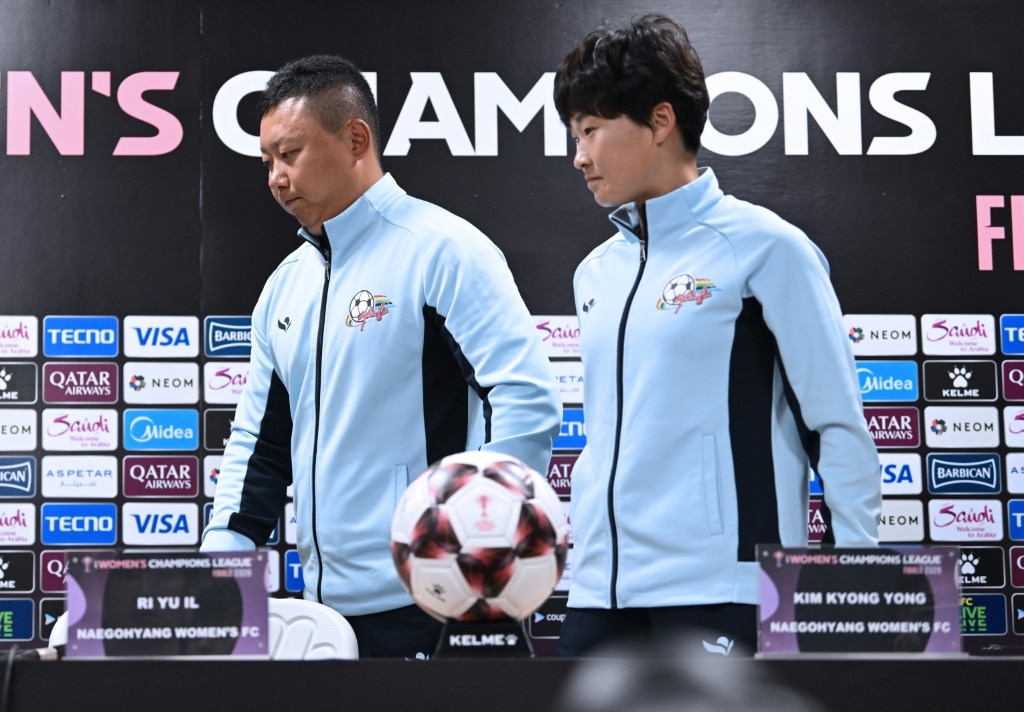
    Eight years after the last North Korean sports delegation crossed the border into South Korea, a historic inter-Korean football matchup is set to capture global attention on Wednesday, when North Korea’s Naegohyang Women’s FC takes on South Korea’s Suwon FC Women in the semi-finals of the Women’s Asian Champions League. The long-awaited visit has already sparked extraordinary public interest: all 7,087 general admission tickets sold out within hours of being released last week, and when the North Korean squad arrived at Incheon International Airport on Sunday, players and officials were immediately surrounded by crowds of journalists and local supporters holding handwritten welcome signs.

    At a pre-match press conference held Tuesday at Suwon Sports Complex, head coach Ri Yu Il pushed back repeatedly on questions about whether his team expected cheers from South Korean fans, emphasizing that the squad’s sole priority is the game itself. “We are here solely to play football,” Ri told reporters. “Simply put, we will focus only on each match. Therefore, the issue of the supporters is not something I, as a coach, or our players need to concern ourselves with. We will concentrate exclusively on the game.”

    Unlike typical international club matches, this clash has unique logistical and political constraints. North Korean citizens are generally barred from entering South Korea, meaning there will be no official away fan section for Naegohyang. Around 3,000 spectators from South Korean civic groups, backed by $200,000 in funding from Seoul’s unification ministry, are expected to attend and cheer for both squads. Organizers have had to navigate strict South Korean national security laws that prohibit public display of the North Korean national flag, a hurdle that mirrors approaches taken in past inter-Korean events: groups will instead wave unification flags depicting the entire Korean Peninsula.

    Throughout the press conference, both Ri and team captain Kim Kyong Yong remained composed and showed no visible emotion, with all responses translated by a North Korean interpreter. Kim framed the match as an opportunity to honor support from home, saying “We will give our all to repay the trust and expectations of our people and our parents and families.”

    Looking ahead to the semi-final, Ri downplayed the significance of Naegohyang’s 3-0 win over Suwon in the competition’s group stage earlier this year, noting that past results rarely predict future outcomes in knockout football. “Just because they played in the group stage, it would be absolutely wrong to say that one team is stronger or weaker than another based solely on those results,” Ri said. “For us, our focus is simply on doing our best to achieve a good result in tomorrow’s match.”

    Women’s football is a standout sport for North Korea on the international stage: the country’s senior women’s national team currently ranks 11th in the FIFA global rankings, far outperforming the men’s side which sits at 118th. North Korean women’s sides have consistently competed at the highest levels of Asian and international competition.

    The visit takes place against a tense diplomatic backdrop: North Korea has so far not responded to repeated calls for unconditional dialogue from South Korean President Lee Jae Myung, who has adopted a far more conciliatory stance toward Pyongyang than his conservative predecessor. The two Koreas remain technically at war, as the 1950-1953 Korean conflict ended in an armistice rather than a formal peace treaty.

    The winner of Wednesday’s semi-final will advance to Saturday’s tournament final, also hosted in Suwon, where they will face the winner of the other semi-final between Australia’s Melbourne City and Japan’s Tokyo Verdy Beleza.

  • Kylie Minogue says cancer experience ‘still with me’

    Kylie Minogue says cancer experience ‘still with me’

    Global pop icon Kylie Minogue has bared her soul in a revealing new three-part Netflix documentary, confronting two decades of lingering trauma from her breast cancer diagnosis and opening up about the harsh media mistreatment that marked the early days of her career.

    Twenty years after receiving the life-altering news that she had breast cancer, the Australian superstar said the emotional weight of that experience continues to shape her life to this day. When recalling the moment she got her diagnosis, Minogue described an overwhelming state of disbelief that left her scrambling to process uncharted territory. “Where do I even start? Shock,” she told BBC London in an interview about the project. “You’re trying to understand something you’ve never thought about before. It’s a crash course. It’s very deep and extended and it’s still with me today in many ways.”

    Having called London her home for more than 30 years, Minogue also pulled back the curtain on the unflattering side of her early rise to fame, when she made the transition from starring on the hit Australian soap opera *Neighbours* to building her global music career. Revisiting old interview footage from that era for the documentary remains a distressing experience, she said, recalling the relentless, unkind scrutiny that left her feeling deeply humiliated as a teenage newcomer to the spotlight. “When I see some of that footage back, I’m still as confounded as I was even as a 19-year-old,” she shared. “Sometimes it felt like just humiliation and having to sit within that frame and handle it.”

    Minogue noted that the aggressive, demeaning treatment she endured as a young star would be unlikely to unfold the same way in the modern entertainment industry, but she acknowledged that contemporary public figures face a new set of intense pressures stemming from social media platforms.

    For years, Minogue repeatedly turned down offers to make an in-depth documentary about her life and career, saying she was never ready to confront her most painful memories on screen. This time, however, she realized the moment had come to lay her full story bare. “I’ve been asked many times and I always said no,” she explained. “If not now, when?”

    Completing the project required her to push past lingering anxiety and embrace vulnerability to revisit chapters of her life she had long avoided. “In the end, I just had to take the plunge and really open myself up a little more,” she said.

    Beyond looking back at past struggles, the pop star also shared her plans for the future: she hopes to return to acting down the line while continuing to create new music, a craft she described as both “a best friend” and “a saviour” that has carried her through her hardest days. Minogue also left fans with an exciting tease, hinting that she could return to perform at London’s iconic Hyde Park following her standout 2024 set at the venue. “I’ll see you again at Hyde Park,” she said, before adding with a playful smile, “I said that like I’m assuming I’m going to play Hyde Park again. Maybe I will. It was amazing.”

    The documentary marks the most comprehensive look at Minogue’s decades-long career and personal journey ever created, giving fans an unprecedented glimpse into the resilience that has defined one of pop music’s most enduring stars.

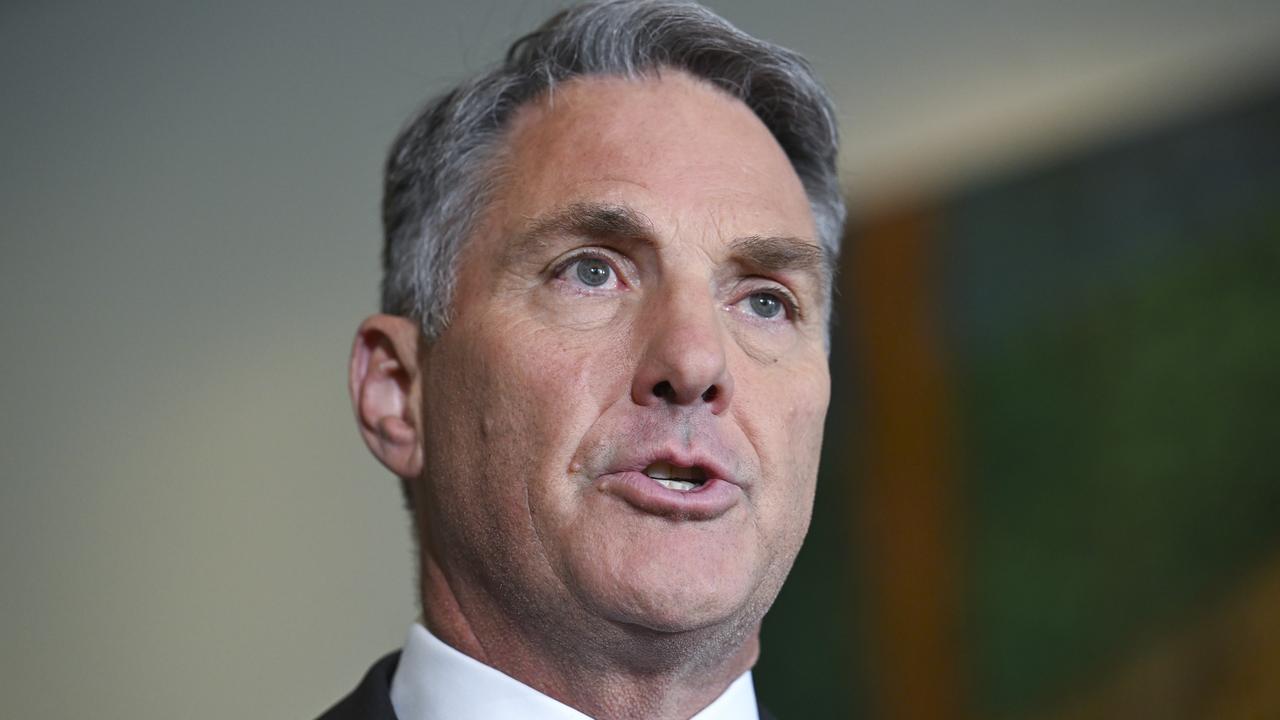
  • Richard Marles accuses Coalition of creating submarine ‘capability gap’

    Richard Marles accuses Coalition of creating submarine ‘capability gap’

    A sharp political clash over Australia’s national defence policy has erupted after Defence Minister Richard Marles launched a scathing attack on the former Liberal-National Coalition government, accusing it of neglecting critical planning for the nation’s ageing Collins-class submarine fleet and leaving a dangerous capability gap that the current Albanese Labor government is now forced to address. The confrontation came during a major policy address delivered by Marles at the Lowy Institute on Tuesday, where he positioned the Albanese government as the true steward of Australian national defence while dismantling the long-held public perception that conservative parties are the more competent actors on security issues.

    At the center of the dispute is the government’s scaled-back, reworked approach to the A$11 billion life-of-type extension (LOTE) program for Australia’s six Collins-class conventionally powered submarines, which are set to remain in service until the delivery of nuclear-powered submarines secured under the trilateral AUKUS security pact with the United States and the United Kingdom. Following an independent defense review, the Albanese administration has abandoned the original full fleet overhaul plan inherited from the Coalition, instead adopting a flexible, conditions-based strategy that cuts back unnecessary engineering overhauls, reduces scheduling risks, and focuses upgrades exclusively on high-priority capabilities including core weapons systems and combat infrastructure.

    The oldest of the fleet, HMAS Farncomb – launched almost 30 years ago – will be the first vessel to enter the LOTE program later this month, with work split between shipyards at Osborne in South Australia and Henderson in Western Australia, carried out by the Australian Submarine Corporation (ASC). The work will retain and restore the submarine’s core base components while modernizing critical combat and weapons systems. Upgrades to the fleet’s optronics systems were previously shelved by the current government to align with the tailored, risk-mitigated approach. Marles also confirmed the revised program will accelerate modernization work on HMAS Rankin, the newest submarine in the Collins-class fleet.

    “This approach will reduce engineering risk by sustaining existing systems where appropriate, while continuing to upgrade critical capabilities that keep our fleet operationally effective,” Marles said in his address. “It will ensure our Collins-class submarines remain a potent, highly capable undersea deterrent for Australia today and for years to come.”

    Beyond the submarine program, Marles used the speech to outline the government’s broader defence agenda, highlighting progress on accelerating the delivery of new Mogami-class frigates and major investments in Ghost Bat and Ghost Shark, two domestically developed autonomous defense vehicles. He pushed back aggressively against decades of Conservative branding on defence, arguing that Labor has always been Australia’s natural party of national defence, pointing to the legacy of former Labor prime ministers including Chris Watson, Andrew Fisher, John Curtin, and Gough Whitlam in building Australia’s independent defence capacity and national sovereignty.

    “Labor’s historical focus on defence comes from the fact that our armed forces, national security, and defence capability sit at the very heart of Australian national sovereignty,” Marles said. “The character of any nation is defined in large part by what it is able to do militarily. Sovereignty is the foundation of nationhood, of the idea of Australia itself – and Labor has always been the party of the Australian project.”

    He went on to criticize the conservative vision of Australian federation, noting that original conservative leaders sought only to unite six British colonies into a single British entity focused on free trade, with little interest in advancing an independent Australian national identity. Turning to the Coalition’s nine years in office under prime ministers Tony Abbott, Malcolm Turnbull, and Scott Morrison, Marles called the previous government “the worst defence government in Australia’s history”, pointing to its failure to address the rapid expansion of Chinese naval capabilities in the Indo-Pacific. He added that the current government maintains “serious concerns” over recent Chinese actions against Philippine civilian and government vessels in the South China Sea.

    “For decades, the Liberals have enjoyed a huge brand advantage when it comes to defence policy,” Marles said. “But the gap between perception and reality is sometimes a chasm. All leaders face the danger of believing their own publicity – and in defence, that has made the Liberals fundamentally lazy.”

    On the future submarine program, Marles reiterated that the previous government’s mismanagement had left a critical capability gap for Australia’s most important maritime military platform. “By this point, careful, long-range planning for extending the life of the Collins-class fleet should have been well underway,” he said. “Unfortunately for Australia, the Liberals failed to prepare and implement a thoughtful, coherent LOTE plan for the submarines.”

    The debate comes as global security uncertainty intensifies following the outbreak of conflict in the Middle East, which Marles said has placed new, urgent focus on Australia’s defence capabilities, national resilience, and sovereign independence. In 2024, the Collins-class fleet was officially listed as a “Product of Concern” by the federal government, triggering increased direct ministerial oversight of the upgrade program to address delays and capability risks.

  • Pakistan deployed 8,000 troops, a Chinese air defence system and warplanes to Saudi Arabia: Report

    Pakistan deployed 8,000 troops, a Chinese air defence system and warplanes to Saudi Arabia: Report

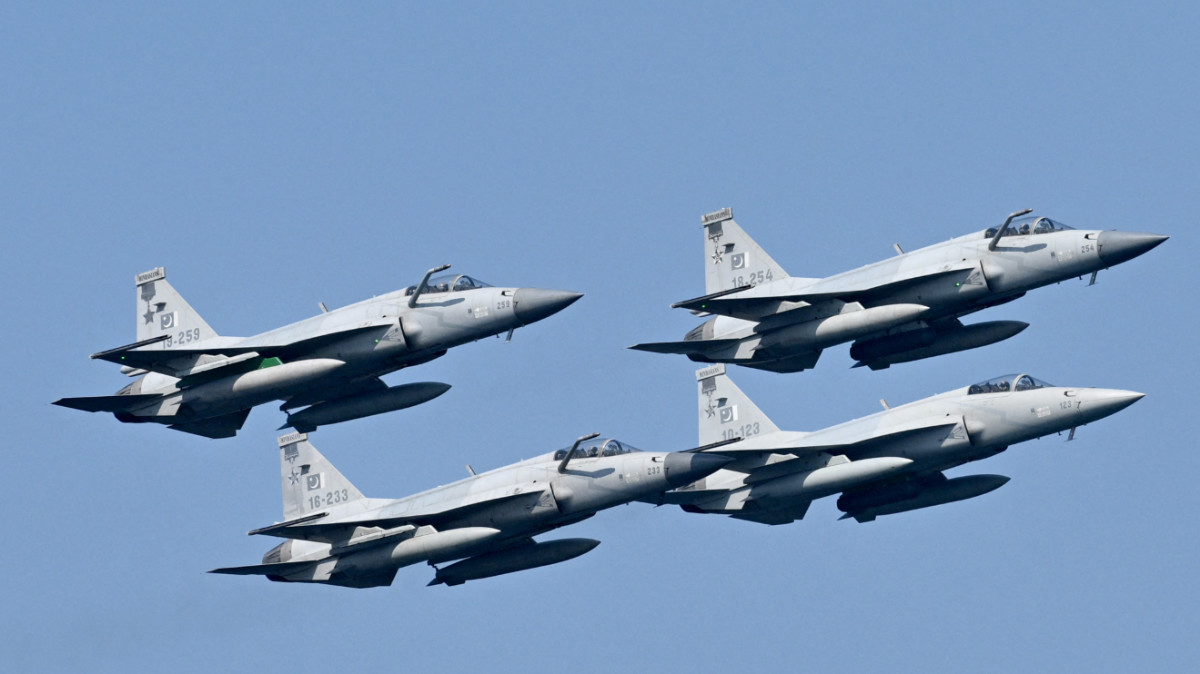
    In a significant reinforcement of its long-standing security alliance with the Kingdom of Saudi Arabia, Pakistan has deployed 8,000 troops, a full fighter jet squadron, and a advanced Chinese-built air defense system to the Gulf nation, according to a exclusive Reuters report published on Monday. This incremental buildup of Pakistani military personnel and hardware in the kingdom began in early April, marking one of the most tangible commitments to the bilateral mutual defense accord signed just months prior.

  • Starbucks Korea sacks CEO over controversial ‘Tank Day’ promotion

    Starbucks Korea sacks CEO over controversial ‘Tank Day’ promotion

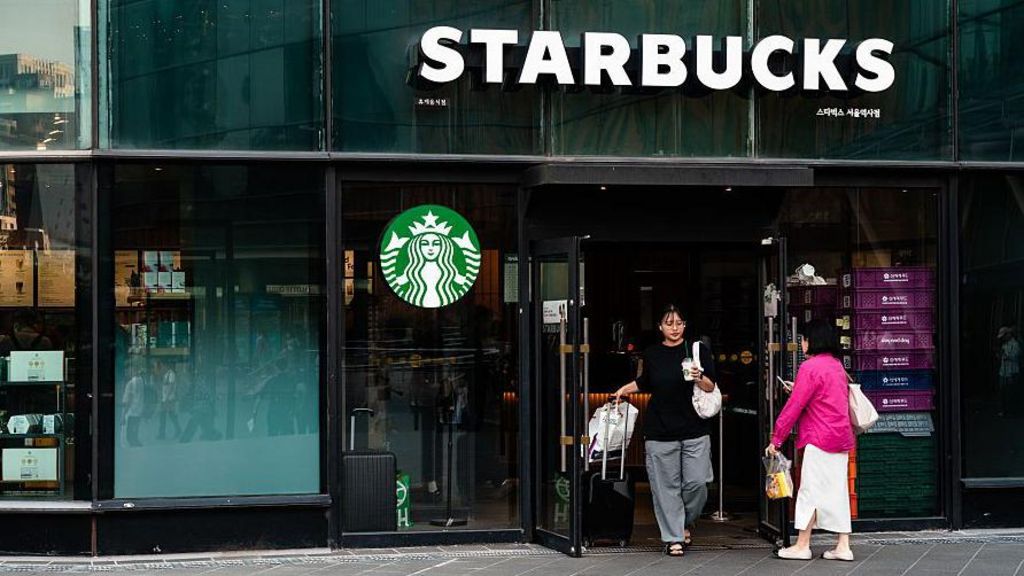
    A major marketing misstep has roiled South Korea this week, ending with the abrupt dismissal of Starbucks Korea’s top executive after a coffee tumbler promotion was widely linked to the country’s deadly 1980 Gwangju Uprising crackdown, triggering mass boycott calls and harsh condemnation from South Korean President Lee Jae Myung.

    Launched on Monday, the annual national commemoration of the 1980 pro-democracy uprising, the limited-time “Tank Day” promotion for the chain’s new Tank Series insulated tumblers quickly ignited public anger. For many South Koreans, the “tank” branding was an unforgivable nod to the military tanks deployed by former dictator Chun Doo-hwan’s authoritarian regime to crush the 18 May 1980 pro-democracy protests in Gwangju. The incident, a foundational moment in South Korea’s transition to democracy, left hundreds of protestors dead, and subsequent probes confirmed widespread atrocities including extrajudicial killing and sexual violence committed by regime troops.

    Within hours of the promotion going live, Starbucks Korea pulled the campaign. Shinsegae Group, the South Korean conglomerate that holds a 67.5% controlling stake in the local Starbucks franchise (US-based Starbucks Corporation divested its remaining operational stake in 2021), moved quickly to address the public fury: it issued a formal apology for the “inappropriate marketing” and announced the immediate termination of CEO Sohn Jeong-hyun.

    Company officials initially attempted to clarify that the Tank Series was just one of several new tumbler lines rolled out as part of a broader promotion running from 15 to 26 May, with the “tank” label meant to reference the containers’ advertised “spacious volume” for large coffee servings. The explanation did little to calm public anger. Critics also pointed to a second, equally incendiary detail in the promotional material: a Korean phrase “tak on the table!” The word “tak” matches the onomatopoeia used in a notorious 1987 police statement about the death of student activist Park Jong-chul, who died in police custody after being tortured. Police infamously claimed Park collapsed after an interrogator slapped the table — a lie that fueled the 1987 pro-democracy movement that ultimately ousted Chun’s regime.

    Public reaction was swift and fierce across South Korean social media. “I can’t believe they thought they could pull off something like this and people would just let it slide… it’s utterly absurd and infuriating,” one X (formerly Twitter) user posted early Tuesday. Thousands of users shared calls to boycott both Starbucks Korea and all Shinsegae Group affiliates.

    President Lee joined the widespread condemnation, writing in his own X post that the campaign “insults the victims and the bloody struggle” of Gwangju residents. “What on earth were they thinking, knowing how many lives were taken that day and how seriously that set back our country’s justice and history?” Lee wrote. “I am outraged by such a low-class merchant’s inhumane behaviour, which denies our country’s values of basic human rights and democracy.”

    For South Korea, 18 May is far more than a historical date: it is recognized annually as a sacred day of national remembrance for the pro-democracy movement, etched into public consciousness as a core national trauma that paved the way for the country’s democratic transition. The 1980 uprising became a unifying rallying cry for pro-democracy activists over seven years, leading to the 1986 June Democracy Movement that forced Chun Doo-hwan to step down and cemented democratic rule in South Korea.

    Shinsegae Group chairman Chung Yong-jin echoed the public anger in his own official statement Tuesday, calling the marketing campaign “an inexcusable mistake that trivialised the suffering and sacrifices of all those who have dedicated themselves to the democracy of this country”. Chung pledged to launch a full investigation into the event’s internal approval process and implement a top-down re-examination of all marketing review protocols across every Shinsegae affiliate. The remaining 32.5% stake in Starbucks Korea is held by Singapore’s sovereign wealth fund GIC, and US-based Starbucks has no operational involvement in the South Korean chain following Shinsegae’s 2021 buyout.

  • US: At least three dead in attack at San Diego mosque

    US: At least three dead in attack at San Diego mosque

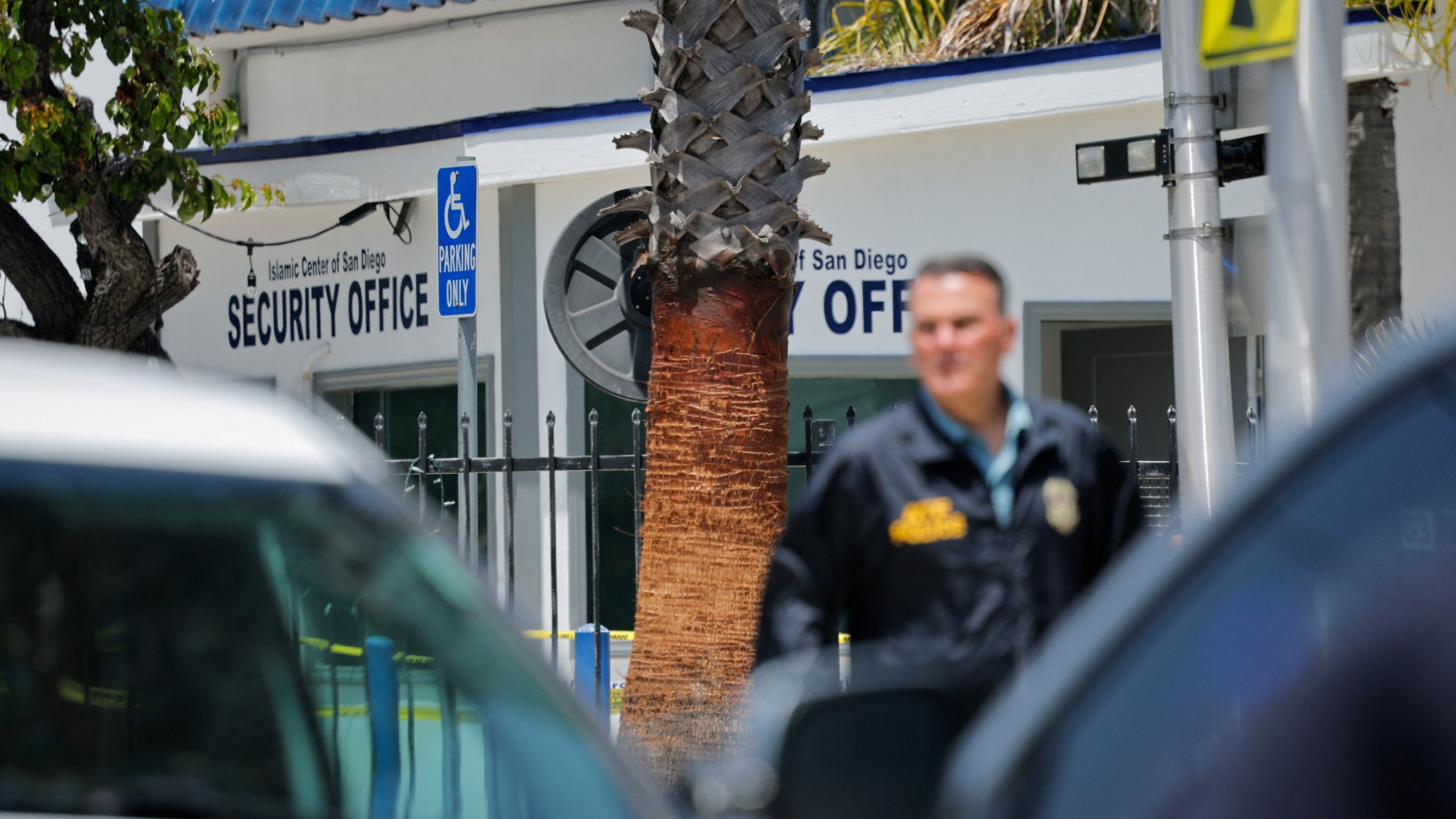
    On a Monday afternoon in Southern California, emergency dispatchers flooded with calls of an active shooter at the Islamic Centre of San Diego triggered a massive law enforcement response, leaving three people dead – including an on-site security guard – and sending shockwaves through the local Muslim community. Dozens of patrol cars and emergency vehicles descended on the mosque complex, which is formally recognized as the largest Muslim place of worship across San Diego County, according to the institution’s official website.

    Local officials quickly confirmed the unfolding situation via social media. “I am aware of the active shooter situation at the Islamic Center of San Diego,” Todd Gloria, mayor of San Diego, posted on X, the platform formerly known as Twitter, adding that first responders had already deployed to the site to secure the area and safeguard local residents.

    Within hours of the initial response, San Diego Police Chief confirmed during a formal press briefing that two teen suspects were located dead inside a vehicle parked just a few blocks from the mosque. The chief noted that preliminary evidence indicates both suspects died from self-inflicted gunshot wounds, and that law enforcement is officially treating the attack as a bias-driven hate crime. Shortly after clearing the scene, the San Diego Police Department announced the active threat had been fully neutralized, with no further danger to community members remaining in the area.

    California Governor Gavin Newsom received full briefings on the developing incident from state and local law enforcement, according to his press office. “We are grateful to the first responders on the scene working to protect the community and urge everyone to follow guidance from local authorities,” the governor’s office shared in a post on X.

    Federal law enforcement resources have also been mobilized to support the investigation: CNN confirmed Monday that the FBI is assisting local authorities with the probe into the deadly attack.

    This shooting comes amid a documented sharp upward trend in anti-Muslim violence across the United States. A report released last month by the Muslim Public Affairs Committee (MPAC) revealed that Islamophobic attacks across the country surged to a 15-month high in April of this year. The organization linked this surge in targeted violence to shifting U.S. foreign policy in the Middle East, specifically pointing to the Trump administration’s military strike on Iran that began in late February. Khuram Zaman, founding director of the Center for Security, Technology and Policy at MPAC, previously told Middle East Eye that the strike marked a clear turning point in hate crime statistics: “The one factor we can identify in March is that at the end of February, the war in Iran started, and that is what we think is the delineation between what we saw before in 2025 versus what we’re seeing here.”

  • Tasmanian government apologises over stolen body parts scandal

    Tasmanian government apologises over stolen body parts scandal

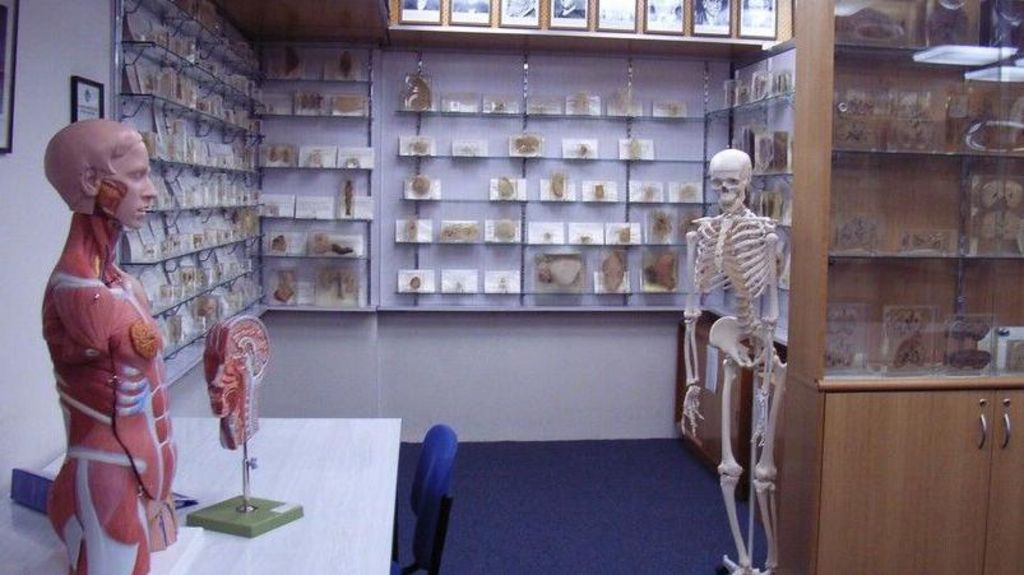
    A decades-long breach of trust involving unauthorized retention and display of human body specimens at a University of Tasmania museum has come to a head, with the Tasmanian state government issuing a formal apology to affected families for the profound harm caused by the unethical practices.

    The scandal traces its roots back to 1966, when the RA Rodda Pathology Museum was founded at the university’s Hobart campus to support medical education and research. For 25 years, ending in 1991, forensic pathologists secretly sourced 177 human tissue and organ specimens from coroner-ordered autopsies, transferring the samples to the museum without ever obtaining consent from the deceased’s next of kin or the coroners overseeing the cases. Coroner Simon Cooper’s 2024 investigation confirmed that the vast majority of these specimens were provided by the late Dr Royal Cummings, a prominent forensic pathologist, with the practice also carried out by his predecessors and successors. In many instances, pathologists actively sought out specimens for the museum collection, a deliberate violation of ethical and legal protocols.

    Concerns about the museum’s collection first emerged in 2016, when three bone specimens were flagged as potentially obtained without family consent. The allegations prompted the state coroner to launch a full formal investigation in April 2023, with the final damaging findings released in September 2024. All 177 problematic specimens had already been removed from public display back in 2018, years before the investigation concluded.

    On Tuesday, a number of affected family members gathered in Tasmania’s parliament to hear the health minister’s formal apology. Minister Bridget Archer addressed the lasting harm of the unethical practices, which ended 35 years ago but have continued to inflict trauma on surviving relatives. “Although these historical practices ended 35 years ago, the deep impact this has had on the families and loved ones of the deceased continues to this day,” Archer told parliament. “It’s important to remember that these were not just body parts or specimens or human remains. They were people.”

    Many family members have carried decades of grief after learning their loved ones’ remains were held without permission. Cheryl Springfield’s 14-year-old brother David Maher died in a 1976 car crash; she described learning of the retained specimens as a lifelong nightmare. While she welcomed the apology, she stressed that it could not undo the harm. “It’s in the right direction, but it’s not going to fix it all,” she told local media. Similarly, John Santi, whose 19-year-old brother Tony died in a 1976 motorcycle accident, said his family buried his brother 50 years ago, only to discover decades later that his brain had been stolen for the museum collection. “We buried him 50 years ago, only to find out 50 years later that these people had stolen his brain,” Santi told Australian Associated Press.

    Shortly after the government’s apology, University of Tasmania Deputy Vice-Chancellor for Health Professor Graeme Zosky also issued an acknowledgment of the wrongs committed, noting that university staff had already met with dozens of affected families. “While we recognise an apology cannot fix the hurt and distress families have felt, we are sorry,” Zosky said.

  • Timeline of recent US-Cuba relations amid heightened tensions in Trump’s second term

    Timeline of recent US-Cuba relations amid heightened tensions in Trump’s second term

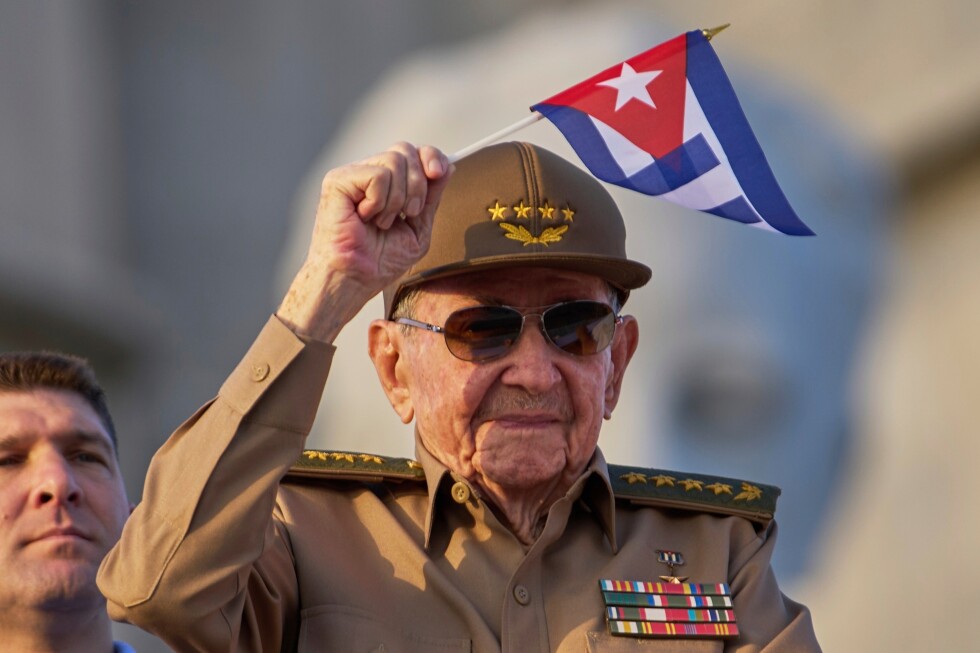
    In the wake of a early-year Venezuelan military operation that resulted in the capture of embattled Venezuelan President Nicolás Maduro, the United States has steadily escalated diplomatic and economic pressure on Cuba, the Latin American nation long led by a communist government, according to reporting from multiple senior U.S. and international sources. The escalating standoff has put bilateral relations, already fraught after more than 60 years of enmity, at a critical turning point, with the U.S. Justice Department now moving toward a criminal indictment of former Cuban leader Raúl Castro, a step that could send regional tensions soaring.

    A potential indictment against Castro would require approval from a federal grand jury before it can be formally filed, three anonymous sources familiar with the ongoing investigation confirmed to the Associated Press. Three insiders noted that the preliminary charge is tied to Castro’s alleged role in the 1996 downing of two aircraft operated by Brothers to the Rescue, a Miami-based Cuban exile group, an incident that left four people dead. At the time of the shootdown, Castro served as Cuba’s defense minister, and he retains behind-the-scenes influence over Cuban governance despite stepping down from official office years ago. The Cuban government has not issued any public response to multiple requests for comment on the pending investigation, which was first reported by CBS.

    This push for legal action comes amid a year of rapidly shifting friction between the Donald Trump administration and Havana, unfolding concurrently with a fragile, uneasy ceasefire in the U.S. military conflict with Iran. To contextualize the fast-moving developments, here is a chronological breakdown of key milestones in U.S.-Cuba relations over the first five months of the year:

    On January 4, just 24 hours after the Venezuelan operation that removed Maduro from power, Secretary of State Marco Rubio publicly warned that Cuba’s ruling government “is in a lot of trouble.” That same day, Trump renewed his long-stated public call for the United States to take control of Greenland, an autonomous territory owned by Denmark.

    A week later on January 11, Trump issued a direct public ultimatum to Cuba, Maduro’s closest regional ally, as the island braced for potential domestic unrest following Maduro’s ousting. “Cuba needs to make a deal BEFORE IT IS TOO LATE,” Trump wrote in a social media post. Cuban President Miguel Díaz-Canel pushed back sharply on the threat, arguing that the U.S. government, which he criticized for turning even human lives into a commercial transaction, has no moral standing to judge Cuba’s actions.

    On January 30, Trump signed a new executive order imposing punitive tariffs on any goods imported from nations that export or supply petroleum to Cuba. Policy analysts widely agree the move will further damage Cuba’s already fragile economy, which has been strained by decades of U.S. sanctions.

    On February 26, one day before the U.S. launched its full-scale military campaign against Iran, Trump unexpectedly announced that Washington was holding high-level talks with Cuban officials and floated the possibility of a “friendly takeover of Cuba,” though he offered no further details on what such a framework would entail. He confirmed Rubio was leading discussions with senior Cuban leadership, noting that the decades-long adversarial relationship between the two nations was approaching a pivotal moment. That same month, Raúl Guillermo “Raúlito” Rodríguez Castro, Raúl Castro’s grandson and a rising figure in Cuban politics, held a secret closed-door meeting with Rubio on the sidelines of the Caribbean Community summit in St. Kitts.

    It was not until March 13 that Díaz-Canel publicly confirmed the backchannel talks, marking the first official acknowledgement of negotiations between the two governments amid a crippling national energy crisis. He said in a public statement that the discussions “were aimed at finding solutions through dialogue to the bilateral differences between our two nations. International factors facilitated these exchanges.” Two weeks later on March 31, a Russian oil tanker that had been sanctioned by the U.S. docked in Cuba, delivering the first shipment of fuel to the island in three months.

    Through early April, Díaz-Canel repeatedly rejected U.S. pressure to step down, stating in an April 12 interview with NBC’s *Meet the Press* that Washington has no legitimate justification for either a military invasion of Cuba or an attempt to remove his government from power. He warned that any U.S. military incursion would carry heavy costs and destabilize the entire Caribbean region. On April 16, during a mass rally in Havana marking the 65th anniversary of the Cuban Revolution’s formal declaration of socialism, Díaz-Canel called on the Cuban people to prepare for potential external aggression. “The moment is extremely challenging and calls upon us once again, as on April 16, 1961, to be ready to confront serious threats, including military aggression,” he told the crowd of hundreds of supporters. “We do not want it, but it is our duty to prepare to avoid it, and if it becomes inevitable, to defeat it.”

    The following day, news broke of a new round of in-person talks between a U.S. delegation and senior Cuban government officials, marking a renewed push for diplomatic progress. This meeting was the third confirmed discussion between U.S. representatives and Rodríguez Castro, and a senior State Department official had met with the Cuban envoy earlier that month, a department official confirmed on condition of anonymity due to the sensitivity of the negotiations. The official declined to name the members of the U.S. delegation, while a second U.S. official clarified that Rubio was not part of the delegation that traveled to Havana.

    On April 23, Cuban Ambassador to the United Nations Ernesto Soberón Guzmán told the AP that Havana would reject any U.S. ultimatums requiring the release of political prisoners as a condition of continuing talks, stating that all internal Cuban matters related to detentions “are not on the negotiating table.” The release of political prisoners has been a core demand from U.S. negotiators in the first formal bilateral talks held on Cuban soil in a decade. A week later on April 28, Senate Republicans blocked a Democratic-sponsored bill that would have forced Trump to lift the U.S. energy blockade against Cuba without prior congressional approval. The vote underscored unified Republican support for Trump’s unilateral exercise of U.S. military and diplomatic pressure across multiple global hotspots, including Venezuela, Iran, and Cuba.

    By May 7, senior U.S. officials moved to quell widespread speculation about an imminent U.S. military strike on Cuba, despite repeated public threats from Trump that “Cuba is next” and hints that U.S. warships deployed to the Middle East for the Iran conflict could sail to Cuba after concluding their operations. The sources, who are involved in the ongoing preliminary talks with Cuban authorities, also told the AP that U.S. negotiators are not optimistic that Havana will accept a sweeping U.S. offer that includes tens of millions of dollars in humanitarian aid, two years of free Starlink internet access for all Cubans, agricultural support, and infrastructure investment. The proposal comes with strict policy conditions that the Cuban government has rejected for decades, though officials noted that Havana has not yet formally turned down the offer even after new Trump administration sanctions took effect.

    One week later on May 14, both U.S. and Cuban officials confirmed that CIA Director John Ratcliffe had traveled to Havana for high-level meetings with Cuban officials, including Rodríguez Castro. Ratcliffe held discussions with Rodríguez Castro, Cuban Interior Minister Lázaro Álvarez Casas, and the head of Cuba’s national intelligence service, covering intelligence cooperation, economic stability, and regional security issues. A CIA spokesperson later confirmed the meeting to the AP. A day after that visit, the AP first reported that the Justice Department was moving forward with plans to seek a grand jury indictment against Raúl Castro, the latest development in a rapidly shifting standoff between the two nations.