博客

  • IAME UAE Series Rounds 4 & 5 deliver high-intensity double-header at Sharjah Kart Track

    IAME UAE Series Rounds 4 & 5 deliver high-intensity double-header at Sharjah Kart Track

    The 2025/2026 IAME UAE Series reached a critical juncture during Rounds 4 and 5, held as a high-stakes double-header event at Sharjah Kart Track on November 23-24. Under ideal 25-degree conditions, the technical circuit witnessed intense competition that reshaped championship standings across multiple categories.

    The challenging layout of the Sharjah track, renowned for its limited overtaking opportunities and rhythmic demands, tested drivers’ racecraft and strategic execution. This event series, integral to developing grassroots motorsport in the region, continues the global legacy of IAME—the Italian kart engine manufacturer established in 1968 that first introduced championship karting to the UAE through Ras Al Khaimah’s RAK Track.

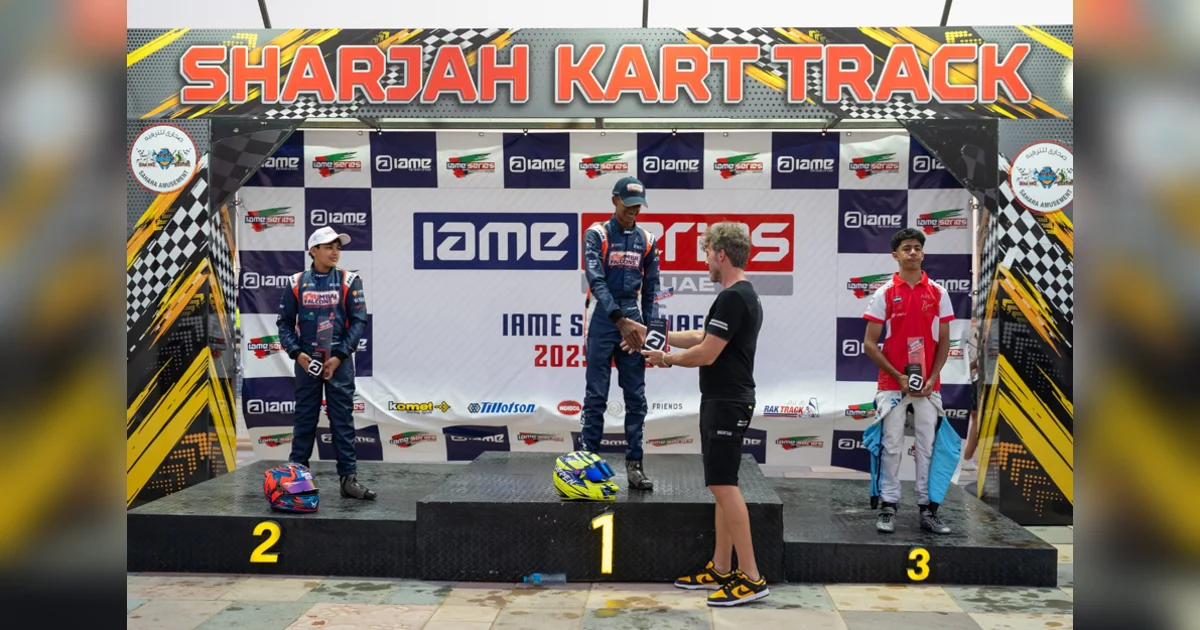
    Saturday’s Round 4 produced dramatic results across all classes. Mark Ristic claimed victory in Bambino category ahead of Samuel Karajkovic and Yousef Alkhayyat. Francesco Lisignoli delivered a commanding performance in Mini category, holding off Benjamin Karajkovic with Charlie Page completing the podium. Junior category saw Henry King secure victory ahead of Mitansh Jain and Veer Chopra, while Senior category featured Rayan Koreishi taking top honors over Jagrat Detroja and Jeremy Montgomery-Swan. Yousif Busenad dominated Senior/170 class with Alexandros Annivas and novice Arsene Djolovic rounding out the podium.

    Sunday’s Round 5 brought equally compelling action as Samuel Karajkovic reversed Saturday’s result with a Bambino victory over Ristic, while Sam Testa claimed third. Ilyas Sami demonstrated impressive defensive driving in Mini Final to secure victory by a mere 0.213 seconds over Benjamin Karajkovic, with Baptiste Augustin charging to third. Nathan Kappen delivered a standout performance in Junior category, carving through the field to claim victory ahead of teammate Mitansh Jain, with Aaryan Singh securing third. Jeremy Montgomery-Swan earned a well-managed Senior category win over Adam Elbassiony and Jules Domont, while Oscar Bray claimed victory in Senior/170 ahead of Annivas and Djolovic.

    Media Friends, the official media partner, provided comprehensive coverage throughout the weekend. CEO Giovanni Dezzani remarked: ‘Sharjah consistently elevates driver performance. The exceptional competition level demonstrates the remarkable talent development across all categories. The vibrant atmosphere, competitive racing, and team dedication underscore karting’s growing prominence in the UAE.’

    The series now progresses to its next highlight event at Yas Marina Circuit on January 3-4, 2026, where drivers will compete for crucial championship points on one of motorsport’s most iconic venues.
  • How Japan built a rare-earth supply chain without China

    How Japan built a rare-earth supply chain without China

    In the global race to secure critical mineral supplies beyond China’s dominance, Japan emerges as a pioneering case study in strategic supply chain resilience. The nation’s comprehensive approach to reducing dependency on Chinese rare-earth elements—vital components in automotive manufacturing, advanced electronics, and defense technologies—offers valuable lessons for Western nations currently facing similar challenges.

    Japan’s awakening to supply chain vulnerabilities occurred dramatically in 2010 when China implemented an unannounced two-month embargo during a territorial dispute. This economic retaliation, triggered by a maritime incident near disputed islands, exposed Japan’s critical dependence as Chinese rare earths constituted over 90% of its imports at the time. Tatsuya Terazawa, then economic policy chief at Japan’s trade ministry, recounted the moment industry officials warned that automotive supply chains faced imminent suspension due to the sudden cutoff.

    The government responded with a decisive $1 billion strategic package designed to diversify sources and build structural resilience. This initiative supported Japanese conglomerates in developing alternative supply channels, with particular focus on Australia’s Lynas Corporation—the only company attempting to establish a fully integrated rare-earth supply chain outside China.

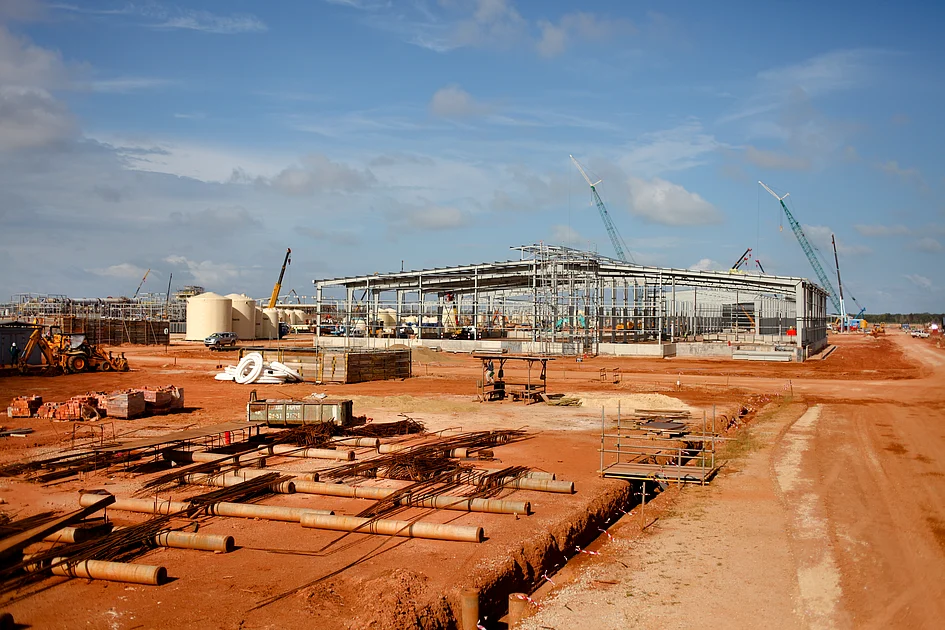
    Through strategic partnerships between government entity Jogmec and trading giant Sojitz, Japan provided $250 million in financing to Lynas, securing long-term access to Australian-mined rare earths processed in Malaysia. This complex operation involves mining at Mount Weld in Western Australia, chemical separation at Lynas’s Malaysian facility (until recently the only large-scale processing plant outside China), and final distribution to Japanese magnet manufacturers serving automotive giants like Toyota.

    The transition proved challenging, confronting technical obstacles, environmental concerns regarding radioactive waste management, and significant local opposition in Malaysia. Despite these hurdles, Japan successfully reduced its Chinese rare-earth dependency from over 90% to approximately 60-70% today while expanding its portfolio of specialized magnet ingredients.

    As China recently implemented new waves of export controls targeting both materials and processing technology, the United States and European nations are accelerating their own supply chain initiatives. While the Trump administration has committed to developing domestic capabilities within a year—supporting operations at California’s Mountain Pass mine and processing facilities in Texas and North Carolina—Japan’s experience demonstrates that genuine supply chain independence requires sustained government commitment, international cooperation, and long-term strategic vision.

    According to Naoki Kobayashi of Japan’s trade ministry, current efforts should focus on multinational coordination to achieve economies of scale and cost competitiveness. Terazawa, now leading an energy think tank, emphasizes that recent international agreements represent merely preliminary steps, with the true test lying in sustained allied commitment to confronting China’s mineral dominance collectively rather than individually.

  • almatar Group signs smart connectivity agreement with Elm

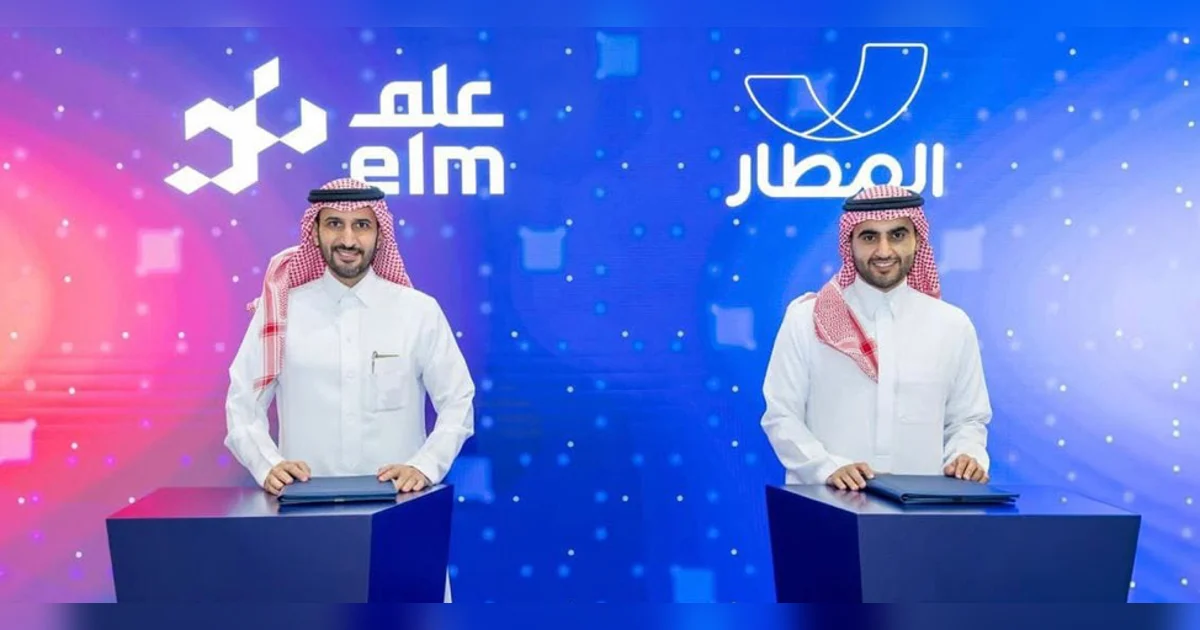
    almatar Group signs smart connectivity agreement with Elm

    In a significant technological advancement for religious tourism, almatar Group has entered into a strategic smart connectivity partnership with digital solutions provider Elm during the recent Hajj & Umrah Conference and Exhibition. This collaboration represents a major step toward digital transformation in pilgrimage services, focusing on enhanced technical integration between almatar’s operational systems and Saudi Arabia’s Nusuk and Masar platforms.

    The agreement establishes advanced connectivity solutions designed to streamline the entire pilgrim journey—from initial travel planning through arrival in the Kingdom. The integrated systems will provide secure, scalable access to comprehensive travel and accommodation services, significantly improving operational efficiency and service reliability for the millions of Muslims who undertake Hajj and Umrah annually.

    Faisal AlRajhi, CEO of almatar Group, emphasized the partnership’s importance in advancing digital solutions within the pilgrimage ecosystem. “This initiative marks a pivotal advancement in system readiness, enabling pilgrims to access travel, accommodation, and mobility services with unprecedented ease and confidence,” AlRajhi stated during the announcement.

    The technological collaboration directly supports Saudi Vision 2030’s objectives of modernizing pilgrimage services through digital innovation. By implementing cutting-edge connectivity solutions, the partnership aims to accelerate administrative processes, enhance service quality across the sector, and deliver a more seamless and spiritually fulfilling experience for pilgrims worldwide.

    This partnership between two leading Saudi technology firms demonstrates the Kingdom’s commitment to leveraging digital innovation to improve religious tourism infrastructure, setting new standards for pilgrimage services in the digital age.

  • Former senior political advisor of Sichuan sentenced to 14 years

    Former senior political advisor of Sichuan sentenced to 14 years

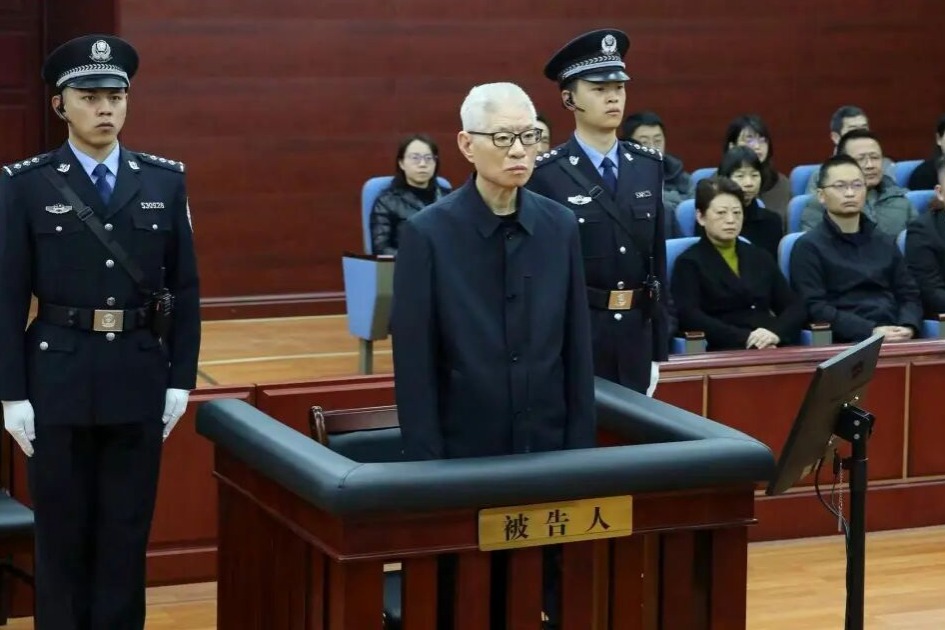
    In a significant judicial ruling, Cui Baohua, formerly a high-ranking political advisor in Sichuan Province, has been sentenced to 14 years imprisonment for corruption offenses. The Intermediate People’s Court of Kunming in Yunnan province delivered the first-instance verdict on Wednesday, additionally imposing a substantial fine of 5 million yuan (approximately $710,000).

    The court investigation revealed that between 2005 and 2024, Cui systematically exploited his official positions to illicitly acquire money and property valued at over 65.39 million yuan. His influential roles during this period included serving as Party secretary of Suining, head of the United Front Work Department of the Communist Party of China Sichuan Provincial Committee, and vice-chairman of the Sichuan Provincial Committee of the Chinese People’s Political Consultative Conference.

    Judicial authorities have ordered the complete confiscation of all illicit assets obtained by Cui, including accrued interest, which will be transferred to the State treasury. This sentencing follows Cui’s expulsion from the Communist Party in March 2025, when he was found guilty of severe violations of Party discipline and national laws.

    The case represents continued efforts by Chinese authorities to combat corruption within government ranks, demonstrating the judicial system’s commitment to holding high-ranking officials accountable for abuse of power and financial misconduct.

  • Beijing has undergone dramatic improvements since 2017’s revamped development plans

    Beijing has undergone dramatic improvements since 2017’s revamped development plans

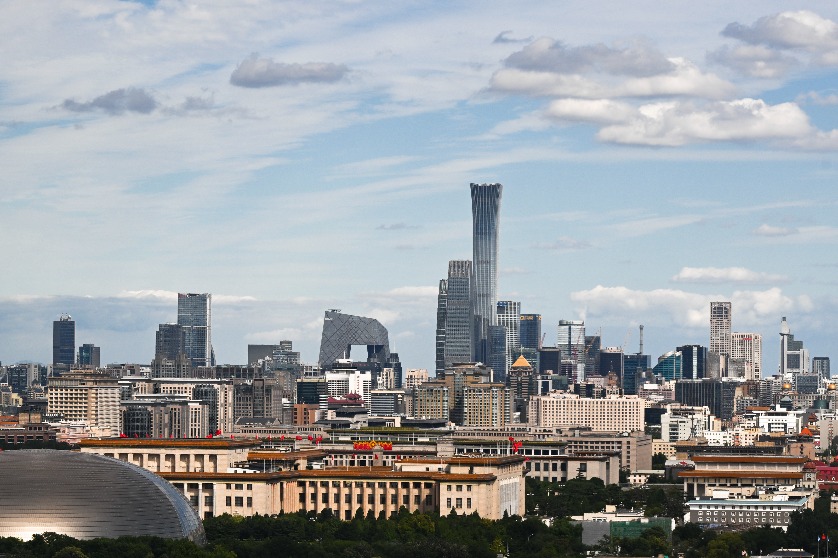
    Since the comprehensive overhaul of Beijing’s development blueprint in 2017, the Chinese capital has undergone a remarkable metamorphosis in urban planning and ecological restoration. Official data reveals the demolition of over 238 million square meters of unauthorized constructions and the reclamation of approximately 275 square kilometers of land, marking one of the world’s most ambitious urban renewal initiatives.

    The strategic redistribution of urban functions has been central to this transformation. Numerous industrial projects have been systematically relocated to suburban zones or neighboring provinces, while governmental administrative operations have been transferred to the newly established municipal center in Tongzhou District. Concurrently, multiple state-owned enterprises, academic institutions, and medical facilities have established satellite operations in Xiong’an New Area, fostering balanced regional development alongside the capital’s decentralization efforts.

    Ecological enhancement has emerged as a cornerstone achievement. Current statistics indicate that more than 92% of Beijing’s residents now reside within 500 meters of accessible green spaces. The municipal landscape boasts an impressive network of 1,136 parks and hosts upwards of 1,100 annual eco-cultural events, fundamentally altering the urban experience. This greening initiative represents a paradigm shift from purely economic development toward sustainable urban living, creating what planners describe as ‘a city within nature’ rather than nature within the city.

    The coordinated development approach has simultaneously addressed urban overcrowding while promoting economic integration across the Beijing-Tianjin-Hebei region. This seven-year transformation demonstrates how strategic planning can reshape megacities to prioritize livability, environmental sustainability, and balanced economic growth, offering potential lessons for urban centers worldwide grappling with similar challenges of density and development.

  • OQ commissions the Ladayn polymer programme at Suhar Industrial City, Oman

    OQ commissions the Ladayn polymer programme at Suhar Industrial City, Oman

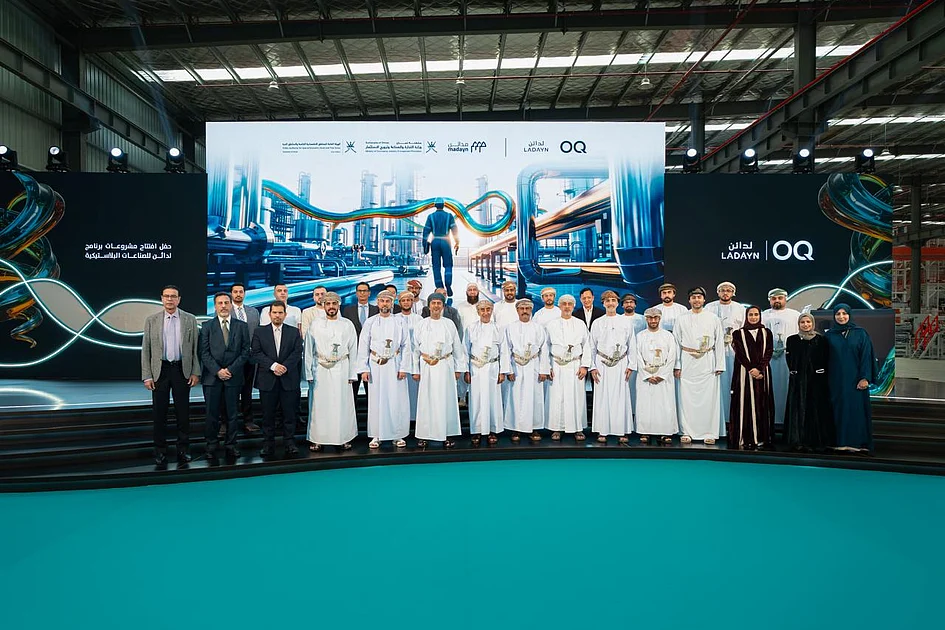
    Oman’s integrated energy group OQ has officially inaugurated the groundbreaking Ladayn Polymer Programme at Suhar Industrial City, marking a significant advancement in the nation’s industrial diversification strategy. The ceremony, held under the patronage of Sheikh Dr. Ali bin Masoud Al Sunaidy, Chairman of the Public Authority for Special Economic Zones and Free Zones, celebrated the transition of nine manufacturing plants into commercial operation.

    This pioneering initiative represents Oman’s first national industrial framework specifically designed to connect polymer production from OQ’s industrial complexes with downstream manufacturing across various economic zones. With a total investment of approximately 40 million Omani riyals in its current operational phase (21 million local investment and 19 million in foreign direct investment), the programme aims to transform locally produced polymers into high-value finished products.

    The programme’s strategic importance lies in its alignment with Oman Vision 2040 objectives, particularly in developing a competitive industrial base with regional and international reach. Once fully operational, Ladayn is projected to generate approximately 435 direct employment opportunities alongside hundreds of indirect jobs across supporting supply chains and industrial services.

    Ashraf Hamed Al Mamari, Group CEO of OQ, emphasized that “Ladayn represents a practical embodiment of Oman’s Vision 2040 ambitions for economic diversification and the development of a value-driven industrial sector. Through this programme, we connect Oman’s polymer resources with a downstream manufacturing ecosystem capable of generating sustainable employment, empowering SMEs, and attracting long-term capital and investment.”

    The manufacturing portfolio showcases international collaboration with investments from China, India, Germany, Saudi Arabia, Palestine, and Turkey, alongside Omani companies expanding their production capacity. Notable projects include Multibond Metal (Chinese-Indian investment specializing in heat-resistant polymer solutions), Madayn Plastic Company (first industrial-scale producer of Form-Fill-Seal packaging bags in Oman), and M.A.K Sohar for Chemical Industries (German firm producing high-performance engineering polymers).

    Ladayn benefits from Suhar’s integrated industrial ecosystem, leveraging the strategic advantages of Sohar Port, Sohar Freezone, and advanced infrastructure. OQ plays a central role by supplying high-quality polymer feedstock at competitive terms while establishing long-term purchasing arrangements for finished products, creating commercial stability for investors.

    The programme’s diverse manufacturing output spans high-performance polymer solutions, engineering compounds, industrial packaging, medical products, food packaging, and woven polypropylene applications, serving key sectors including healthcare, food production, logistics, and automotive manufacturing.

    This initiative positions Oman as an advanced downstream manufacturing platform while supporting national self-sufficiency and creating new export opportunities through the localization of downstream industries and value maximization from locally produced polymers.

  • Vedanta Resources reports second-highest ever revenue and EBITDA in H1FY26

    Vedanta Resources reports second-highest ever revenue and EBITDA in H1FY26

    Vedanta Resources Limited (VRL), a global powerhouse in transition metals, critical minerals, energy, and technology, has announced exceptional financial results for the first half of fiscal year 2026. The company posted its second-highest revenue in history at $9.367 billion, representing an 8% year-over-year growth, driven by favorable commodity market conditions and sustained operational excellence.

    Financial metrics demonstrated remarkable strength with EBITDA reaching $2.752 billion, also ranking as the company’s second-highest performance, showing a 6% annual increase. The company maintained an industry-leading EBITDA margin of 36%, improving by 7 basis points year-over-year. Profit After Tax before special items grew 7% to $738 million, reflecting efficient operational management.

    The company significantly strengthened its financial position, reducing its Net Debt-to-EBITDA ratio to 2.0x while maintaining cash reserves of $2.628 billion. Return on capital employed remained robust at approximately 23%, highlighting disciplined capital allocation strategies. Vedanta successfully refinanced $550 million of high-cost debt, lowering overall interest costs to around 10% and extending average debt maturity to 4.5 years.

    Credit rating agencies recognized these improvements with S&P Global and Moody’s upgrading Vedanta’s outlook to Positive, while Fitch maintained its B+/Stable rating, acknowledging the company’s stable operational performance and prudent financial management.

    Operational achievements included substantial capital investments of approximately $900 million, resulting in record production across multiple segments. Aluminum production reached 1,222 kilotons (+1%), alumina output increased to 1,240 kilotons (+19%), while Zinc India’s mined metal production grew to 523 kilotons (+1%). Zinc International reported exceptional growth with production surging 44% to 117 kilotons.

    The company expanded its strategic mineral portfolio, securing three additional high-value critical mineral blocks, bringing its total allocated blocks to 11. Significant operational milestones included Konkola Copper Mines ramping up production to deliver 41 kilotons of metal in concentrate and 51 kilotons of finished goods. BALCO commissioned India’s most powerful 525 kA smelter, while the Lanjigarh refinery produced its first alumina from expanded facilities. Merchant power capacity increased to 4.2 GW with new asset commissions, and Hindustan Zinc enhanced production efficiency through the Debari Roaster commissioning.

  • Canada’s population drops for first time since the pandemic

    Canada’s population drops for first time since the pandemic

    Canada has experienced its most significant quarterly population contraction since the 1940s, with federal statistics revealing a decline of 76,068 residents between July and October 2025. This demographic reversal marks a dramatic shift from the record growth witnessed in 2022, when Canada’s population expanded by over one million people.

    The unprecedented decrease stems primarily from reduced numbers of non-permanent residents, including international students and temporary foreign workers. Statistics Canada’s preliminary data indicates this represents the largest quarterly drop since comparable record-keeping began in 1971. The contraction follows the federal government’s strategic decision to impose stricter limits on temporary residency permits.

    Finance Minister François-Philippe Champagne, speaking from Berlin during a European visit, characterized the adjustment as necessary to achieve “a more sustainable level” of immigration. “Our goal is to take back control over our immigration system and find a better balance between our capacity to welcome people and the number of people who want to come to the country,” Champagne told reporters.

    This policy reversal addresses mounting concerns that rapid population growth had exacerbated housing affordability crises, strained social services, and contributed to youth unemployment. The current administration under Prime Minister Mark Carney has continued the course set by predecessor Justin Trudeau, who acknowledged his government “didn’t get the balance quite right” when boosting immigration post-pandemic to address labor shortages.

    Ottawa now aims to reduce temporary residents from the current 6.8% of the population (approximately 2.8 million people) to just 5% by 2027. Targets for new temporary residents will be slashed from 673,650 to 385,000 next year, with further reductions to 370,000 planned for 2027 and 2028.

    The demographic shift has affected regions unevenly, with Ontario and British Columbia experiencing the most substantial population decreases. Only Alberta and the territory of Nunavut recorded growth during this period. Bank of Montreal senior economist Robert Kavcic noted that “a major population adjustment is well underway, and it remains one of the biggest economic stories in Canada.”

  • ‘You don’t need to be wealthy to give’: Indian expat honoured by UAE President

    ‘You don’t need to be wealthy to give’: Indian expat honoured by UAE President

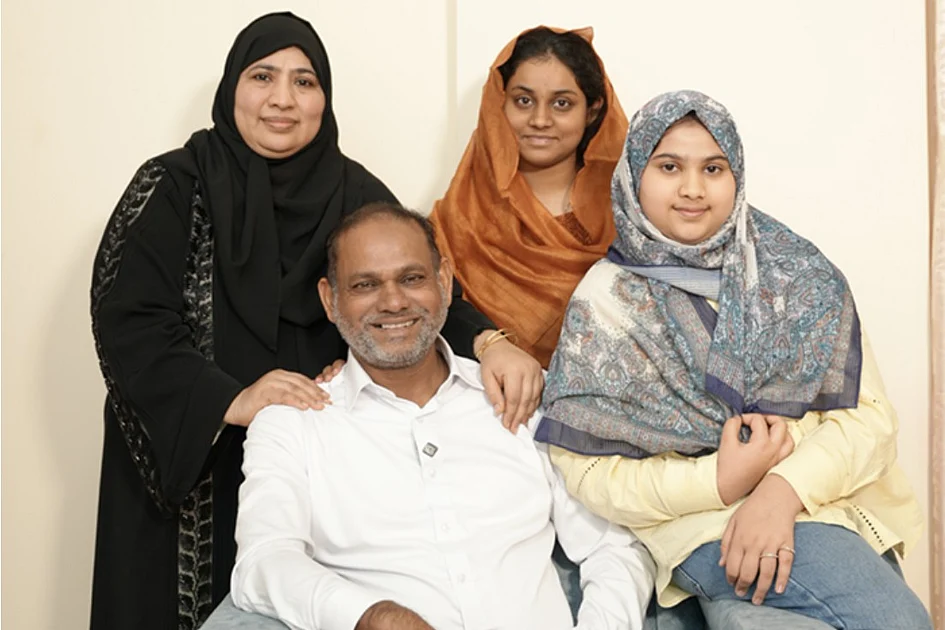
    In a remarkable demonstration that generosity transcends financial status, Indian expatriate Sheikh Shakil has received presidential recognition for his exceptional charitable contributions to the UAE’s healthcare initiatives. The cable engineer from Mumbai, residing in Al Ain for over two decades, was personally honored by UAE President Sheikh Mohamed bin Zayed Al Nahyan for his sustained support of the Life Endowment campaign.

    Despite his modest income as a Taqa Transmission employee, Shakil made an impressive 42 separate donations to the healthcare initiative without establishing predetermined financial targets. His philanthropic philosophy centers on consistent, heartfelt giving within one’s means rather than substantial monetary contributions. ‘Financial wealth isn’t prerequisite for generosity,’ Shakil emphasized. ‘What truly matters is possessing a compassionate heart and genuine intention to assist others.’

    The Life Endowment campaign, launched in May 2025 as part of the broader Dh1 billion Healthcare Endowment established in 2024, works to create sustainable healthcare solutions and cover treatment costs for vulnerable patients with chronic illnesses. Shakil’s involvement began after learning about the program’s mission, leading to regular contributions made both personally and on behalf of his family.

    The expatriate attributes his charitable mindset to childhood lessons instilled by his parents regarding kindness, empathy, and community support. He now consciously models these values for his own children, demonstrating through action that even modest contributions can create meaningful impact. His meeting with the UAE President represented an profoundly moving experience that reinforced his belief in leadership characterized by service, empathy, and genuine care for citizens and residents alike.

    Shakil described the recognition ceremony as particularly powerful for showcasing how individuals from diverse backgrounds united in support of communal welfare, perfectly reflecting the UAE’s core values of compassion and social solidarity. He hopes his story will inspire others to contribute according to their capabilities, reaffirming that consistent small-scale generosity collectively generates substantial social benefit.

  • AI open alliance launched to pool resources for innovation and application

    AI open alliance launched to pool resources for innovation and application

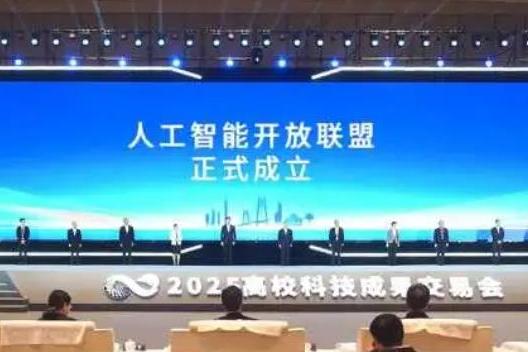
    In a landmark development for artificial intelligence advancement, a coalition of China’s premier academic institutions and technology enterprises has established the Artificial Intelligence Open Alliance in Guangzhou. This collaborative initiative brings together 17 leading universities—including Tsinghua University, Peking University, Shanghai Jiao Tong University, Zhejiang University, and Beijing University of Posts and Telecommunications—alongside eight prominent technology corporations and research organizations.

    Operating under the guidance of the Ministry of Education’s Department of Science, Technology, and Informatization, this international, open, and nonprofit platform represents a strategic effort to consolidate resources for AI innovation and practical implementation. The alliance will serve as a coordinating body for major national AI research initiatives while developing an independent, controllable AI infrastructure system.

    Tsininghua University President Li Luming, who chairs the alliance, emphasized that this collaboration constitutes a significant measure to address national strategic requirements and establish leadership in global AI development. The alliance will concentrate on several core objectives: transforming educational methodologies, constructing innovative talent cultivation systems, organizing cutting-edge technological research, developing autonomous infrastructure, and facilitating international exchanges.

    Five specialized committees have been constituted to advance these goals, with leadership distributed among Tsinghua University, Peking University, Shanghai Jiao Tong University, The Chinese University of Hong Kong, and The Hong Kong University of Science and Technology. These committees will address critical domains including AI in education, research applications, fundamental engineering, ethical governance, and international cooperation.

    The alliance secretariat will be headquartered at Tsinghua University, providing administrative coordination for this comprehensive effort to build integrated application innovation, coordinated technology infrastructure, and interconnected governance systems.