博客

  • HKSAR govt releases first-ever Chinese medicine development blueprint

    HKSAR govt releases first-ever Chinese medicine development blueprint

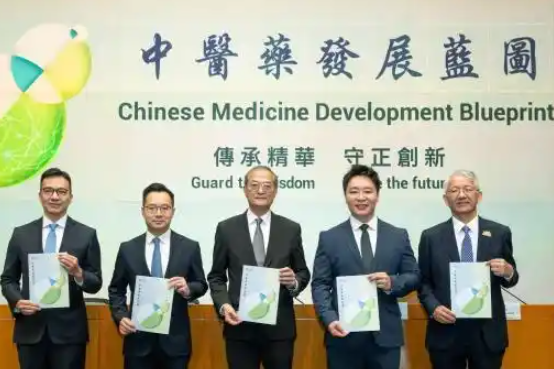
    HONG KONG – In a landmark move for healthcare development, the Hong Kong Special Administrative Region (HKSAR) government has formally launched its inaugural Chinese Medicine Development Blueprint on December 19, 2024. This comprehensive strategic document represents the region’s first systematic framework for advancing traditional Chinese medicine (TCM) within its healthcare ecosystem.

    The blueprint establishes a multi-phase implementation strategy with clearly defined short-term, medium-term, and long-term objectives across five critical domains: TCM clinical services, professional development, pharmaceutical advancement, cultural preservation, and international expansion. The strategic plan specifically emphasizes enhancing clinical service excellence through clearly defining TCM’s role within Hong Kong’s broader healthcare infrastructure.

    A key component of the initiative involves establishing sophisticated interprofessional collaboration mechanisms that will integrate TCM services more effectively with conventional medical practices. The development plan also addresses pharmaceutical quality control, outlining rigorous standards and management protocols to elevate the overall quality and safety of Chinese medicinal products.

    Health Secretary Lo Chung-mau emphasized the blueprint’s dual purpose during the announcement: “This strategic framework aims to provide Hong Kong residents with higher quality, more comprehensive healthcare services through traditional Chinese medicine, while simultaneously positioning Hong Kong as the premier bridgehead for TCM’s global expansion.”

    The development blueprint emerges as part of Hong Kong’s broader commitment to healthcare innovation and cultural preservation, potentially establishing new international standards for traditional medicine integration within modern healthcare systems.
  • Parents in India devastated as children with thalassemia test HIV positive

    Parents in India devastated as children with thalassemia test HIV positive

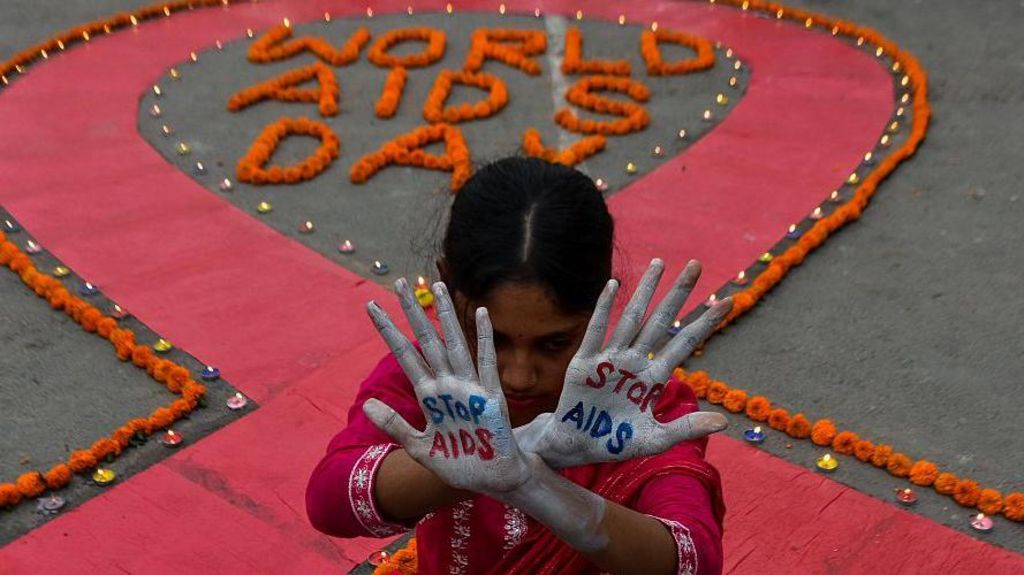
    A disturbing pattern of HIV transmission through blood transfusions has emerged across India, exposing critical gaps in the nation’s healthcare safety protocols. In Madhya Pradesh’s Satna district, five thalassemia patients aged 3-15 have tested positive for HIV following life-saving transfusion procedures, according to state health authorities. This incident mirrors a similar tragedy weeks earlier in Jharkhand, where five children under eight contracted the virus through contaminated blood at a government hospital.

    Thalassemia, a genetic blood disorder requiring regular transfusions to manage severe anemia, has placed thousands of Indian children in vulnerable positions. Despite routine HIV screening protocols, the window period of infection—when donors carry the virus but test negative—remains a persistent challenge. Health officials confirm the affected children received transfusions at multiple facilities, including both government hospitals and private clinics.

    Dr. Manoj Shukla, Satna’s chief medical officer, emphasized that all blood units from district hospital banks undergo mandatory government testing before release. “In rare cases,” he noted, “donors in early HIV stages may escape detection during initial screenings but test positive later.” The investigation has revealed that in only one case did both parents test HIV-positive; other cases ruled out mother-to-child transmission.

    This crisis has reignited demands for the National Blood Transfusion Bill 2025, which advocates say would establish stricter regulations for blood collection, testing, and transfusion practices. Campaigners—including previously infected patients—describe the legislation as a crucial step toward ensuring quality-assured blood for transfusion-dependent individuals.

    The human impact extends beyond medical concerns. Families face severe social stigma and discrimination alongside their children’s health battles. One Jharkhand family was forcibly evicted from their rented home after their landlord discovered their 7-year-old son’s HIV status, compelling them to relocate to a remote village with limited access to healthcare and education.

    With over 2.5 million Indians living with HIV and approximately 66,400 new infections annually, these incidents highlight systemic vulnerabilities in healthcare infrastructure, particularly in rural areas. While antiretroviral therapy has transformed HIV into a manageable condition, the psychological and social consequences continue to devastate affected families.

  • Ten photos from across China: Dec 12 – 18

    Ten photos from across China: Dec 12 – 18

    China Daily Information Co (CDIC) maintains exclusive copyright protection for all content published on its digital platform, according to the website’s terms of use. All materials, including textual content, photographic images, and multimedia information published since 1994 remain the intellectual property of CDIC.

    The publication explicitly prohibits any republication or utilization of its content without obtaining prior written authorization. The restriction applies to all forms of content usage beyond personal viewing. The website additionally recommends that visitors utilize displays with 1024*768 resolution or higher for optimal viewing experience.

    As part of its operational framework, the platform holds Registration Number 130349 and multimedia publishing license 0108263. The website provides comprehensive information regarding corporate background, advertising opportunities, and contact channels for various purposes including employment inquiries, particularly highlighting expatriate employment positions.

    The platform also encourages visitors to connect through their social media channels, providing pathways for ongoing engagement with China Daily’s content and community initiatives.

  • Keith Lee wins top prize at first TikTok Awards in US

    Keith Lee wins top prize at first TikTok Awards in US

    The Hollywood Palladium in Los Angeles served as the glittering backdrop for TikTok’s inaugural US Awards ceremony, where content creator Keith Lee claimed the prestigious Creator of the Year honor. The event, hosted by television personality La La Anthony, recognized platform talent across fourteen distinct categories through a fan-voted process.

    Amid the celebratory atmosphere, the ceremony unfolded concurrently with significant corporate developments as TikTok’s Chinese parent company ByteDance finalized agreements to transfer majority control of its US operations to a consortium of American and international investors. This strategic move, set for completion on January 22nd, resolves prolonged national security concerns raised by Washington policymakers.

    The awards presentation featured an array of celebrity participants including Paris Hilton, Olympic gymnast Jordan Chiles, and business personality Bethenny Frankel as presenters. Performance segments showcased R&B artist Ciara and the enigmatic online persona Mr. Fantasy, widely speculated to be actor KJ Apa’s alternate identity.

    Other notable recipients included Jeremiah Brown (@findjeremiah) as Rising Star of the Year, Tini Younger (@tinekeyounger) for Storyteller of the Year, and the Valentine brothers (@valentinebrothers) who received the TikTok for Good award. Bretman Sacayanan (@bretmanrock) secured Video of the Year honors for his creatively choreographed piece featuring poultry and the musical track “Anxiety” by Doechii.

    The ownership transition arrangement specifies that ByteDance will maintain 19.9% stake in the US operations, while Oracle, Silver Lake, and Abu Dhabi’s MGX will each control 15%. The remaining 30.1% will be distributed among existing ByteDance investor affiliates, establishing a new governance framework for the popular social media platform.

  • Turkey asked Russia to take back S-400 system: Report

    Turkey asked Russia to take back S-400 system: Report

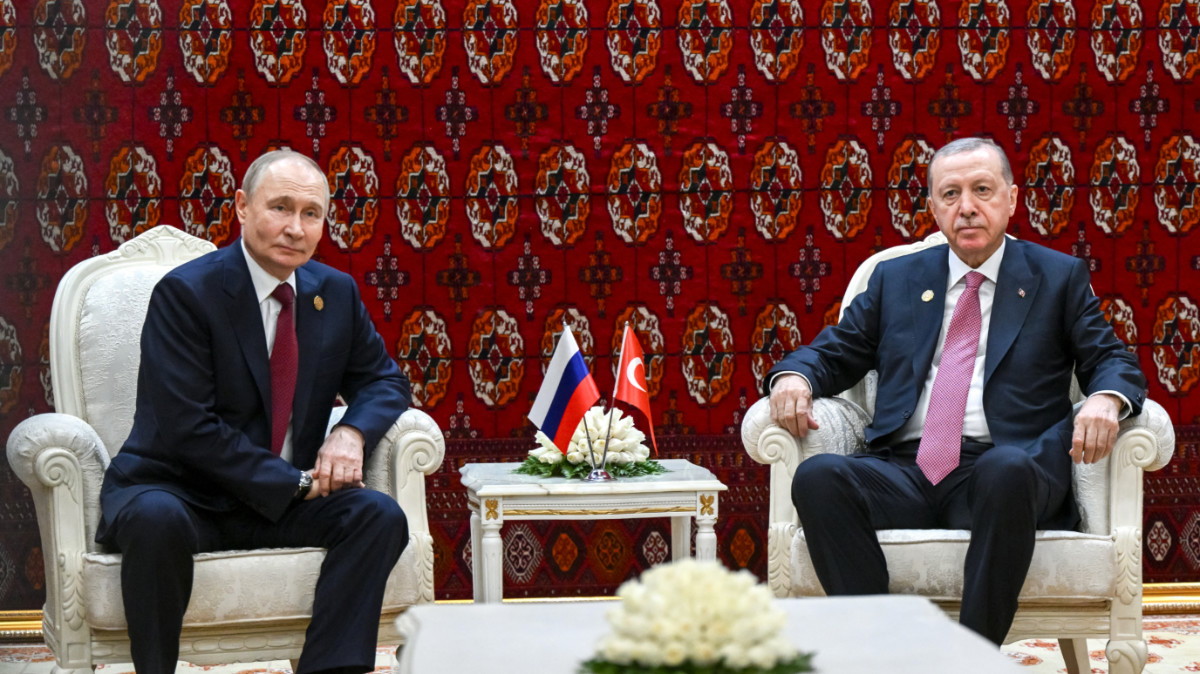
    In a significant diplomatic reversal, Turkey has formally requested that Russia repatriate its S-400 air defense systems, signaling Ankara’s renewed efforts to reintegrate into the U.S. F-35 fighter jet program. This strategic pivot occurred during recent high-level discussions between Turkish President Recep Tayyip Erdogan and Russian President Vladimir Putin in Turkmenistan, according to Bloomberg reports.

    The development follows confirmed negotiations between Ankara and Washington regarding Turkey’s potential return to the F-35 co-production initiative, as disclosed by U.S. Ambassador to Turkey Tom Barrack through official communications. Barrack emphasized that ongoing dialogues specifically address both Turkey’s aspiration to rejoin the advanced fighter program and its continued possession of Russian-made defense systems.

    Turkey’s exclusion from the F-35 program originated in 2019 following its controversial acquisition of the S-400 system, which triggered bipartisan condemnation in the U.S. Congress. Legislators imposed substantial sanctions and embedded restrictive measures within the 2020 National Defense Authorization Act, explicitly prohibiting F-35 transfers unless Turkey verifiably divests from the Russian technology.

    This request represents a notable departure from Turkey’s previous stance, which advocated maintaining the S-400 systems in dormant storage while simultaneously pursuing F-35 acquisition. Earlier proposed compromises involved storing the Russian systems under NATO inspection protocols to ensure non-activation, though Turkey had consistently rejected transferring the technology to third nations.

    The geopolitical landscape has shifted considerably under the Trump administration, which has increasingly valued Turkey’s regional influence regarding Syrian operations and Hamas mediation in Gaza. According to Aaron Stein of the Foreign Policy Research Institute, the potential sale of approximately 40 F-35s to Turkey represents a substantial economic and strategic incentive for renewed cooperation, despite objections from traditional U.S. allies in the region.

  • ILT20: ADKR beat Gulf Giants for second straight win

    ILT20: ADKR beat Gulf Giants for second straight win

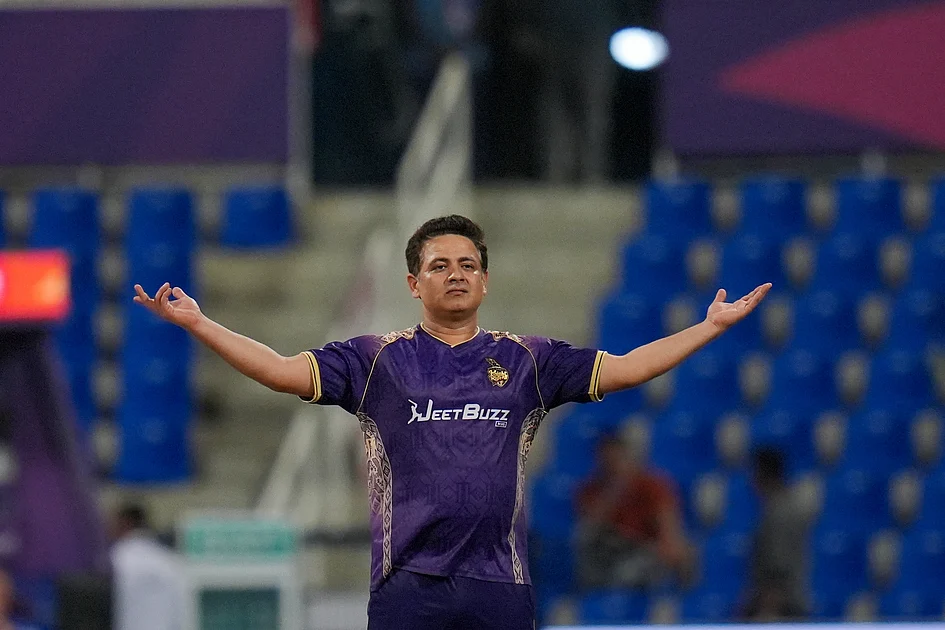
    In a thrilling International League T20 encounter at Abu Dhabi’s Zayed Cricket Stadium, the Abu Dhabi Knight Riders clinched their second consecutive victory with a four-wicket triumph over the Gulf Giants on Thursday. The match showcased exceptional cricketing prowess, particularly from veteran leg-spinner Piyush Chawla, whose devastating bowling performance earned him Player of the Match honors.

    The Knight Riders successfully chased down a target of 166 runs with four deliveries remaining, thanks to a formidable opening partnership between Alex Hales (46 off 39 balls) and Phil Salt (35 off 24 balls). Their aggressive 61-run stand in just 44 deliveries established a solid foundation for the chase. Despite a middle-order stumble caused by Tabraiz Shamsi’s impressive three-wicket haul (3/23), late fireworks from Sherfane Rutherford (30 off 22) and Andre Russell’s unbeaten 21 from 13 balls sealed the victory.

    Earlier, the Gulf Giants posted 165/7 in their allotted 20 overs, largely propelled by Rahmanullah Gurbaz’s explosive 72-run innings from 45 deliveries, featuring four boundaries and five maximums. However, Chawla’s masterful spin bowling, claiming four crucial wickets for just 27 runs, restricted the Giants from reaching a more competitive total. The 36-year-old spinner revealed post-match that he continues to refine his craft, focusing on leg-break variations to complement his natural googly delivery.

    Gulf Giants captain James Vince acknowledged his team’s batting shortcomings, noting they fell “20-30 runs short” of a defensible total. Despite Shamsi’s bowling brilliance bringing temporary hope, the Knight Riders maintained control of the required run rate throughout their chase. This victory elevates the Knight Riders from sixth to fourth position in the ILT20 standings, demonstrating their growing momentum in the tournament.

  • Asian shares advance after weaker US price data push Wall Street higher, and a rate hike in Japan

    Asian shares advance after weaker US price data push Wall Street higher, and a rate hike in Japan

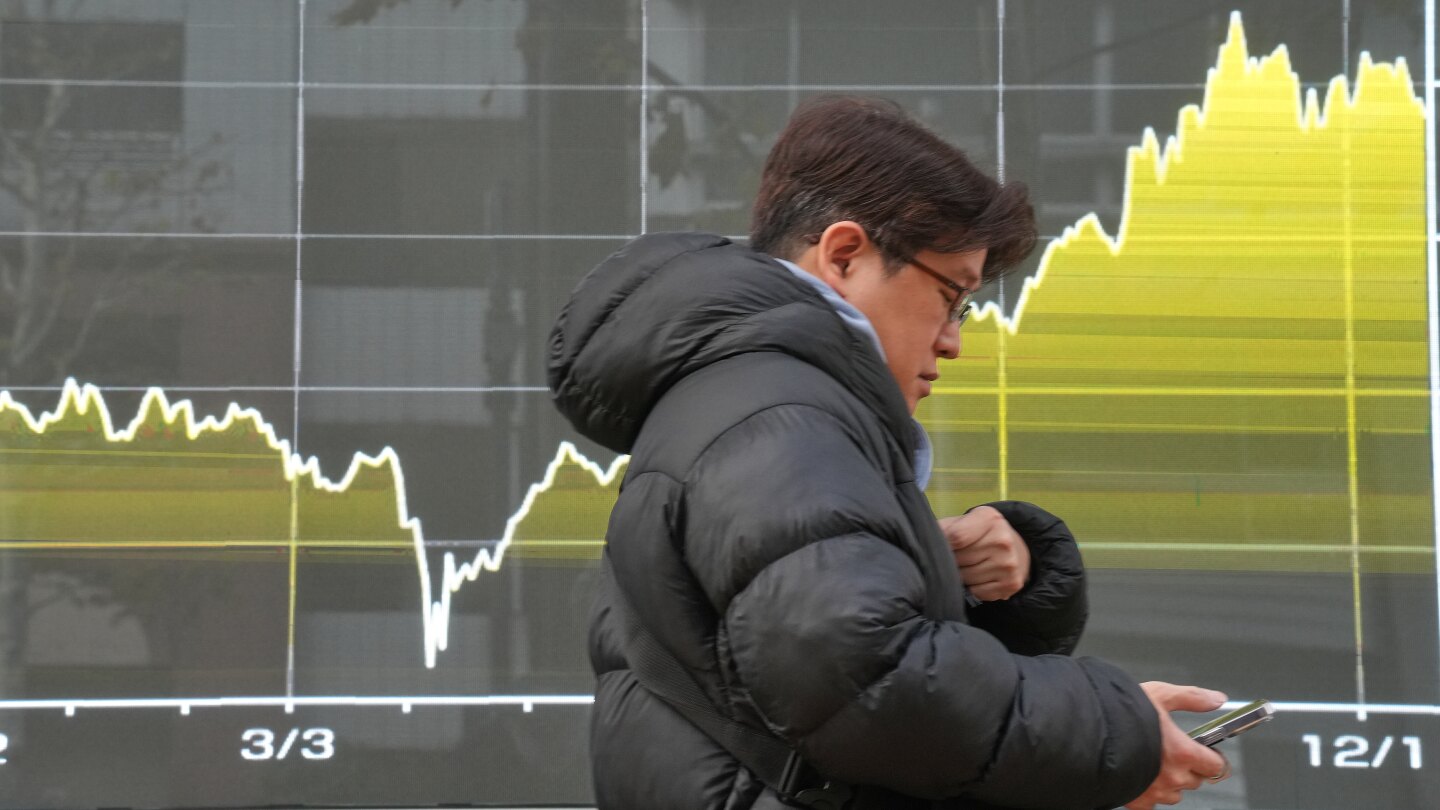
    Financial markets across Asia exhibited measured gains on Friday following the Bank of Japan’s landmark decision to raise its benchmark interest rate for the first time in three decades. The BOJ’s quarter-point hike brings its policy rate to 0.75%, marking a significant departure from its long-standing negative interest rate policy while remaining substantially lower than rates in other major economies.

    The Nikkei 225 index advanced 1.2% to 49,568.66, propelled primarily by financial sector stocks anticipating improved profitability in a higher-rate environment. Regional indices followed suit with Hong Kong’s Hang Seng rising 0.4% and Shanghai Composite adding 0.5%. South Korea’s Kospi climbed 0.5% while Taiwan’s index gained 0.9%, though India’s Sensex dipped marginally by 0.2%.

    This Asian market momentum extended the positive sentiment from Wall Street’s Thursday performance, where the S&P 500 broke a four-day losing streak with a 0.8% gain. The tech-heavy Nasdaq composite led gains with a 1.4% surge, bolstered by an encouraging inflation report that showed consumer prices rising at 2.7% annually—still above the Federal Reserve’s 2% target but below economist projections.

    The inflation data provided reassurance to markets that the Fed might maintain its projected rate-cutting path next year. Meanwhile, European markets had advanced on Thursday following the Bank of England’s rate cut and the European Central Bank’s decision to maintain steady rates.

    Corporate performances contributed to the positive sentiment, with Micron Technology surging 10.2% after exceeding quarterly profit and revenue expectations. AI-related stocks including Nvidia (1.8%), Oracle (0.9%), and Broadcom (1.1%) posted gains despite growing market scrutiny about AI investment returns and valuation concerns.

    In currency markets, the dollar strengthened to 156.08 yen while the euro edged slightly lower. Bitcoin maintained its position around $86,900 as cryptocurrency markets watched for potential ripple effects from the BOJ’s policy shift.

  • EU agree €90bn loan for Ukraine but without using Russian assets

    EU agree €90bn loan for Ukraine but without using Russian assets

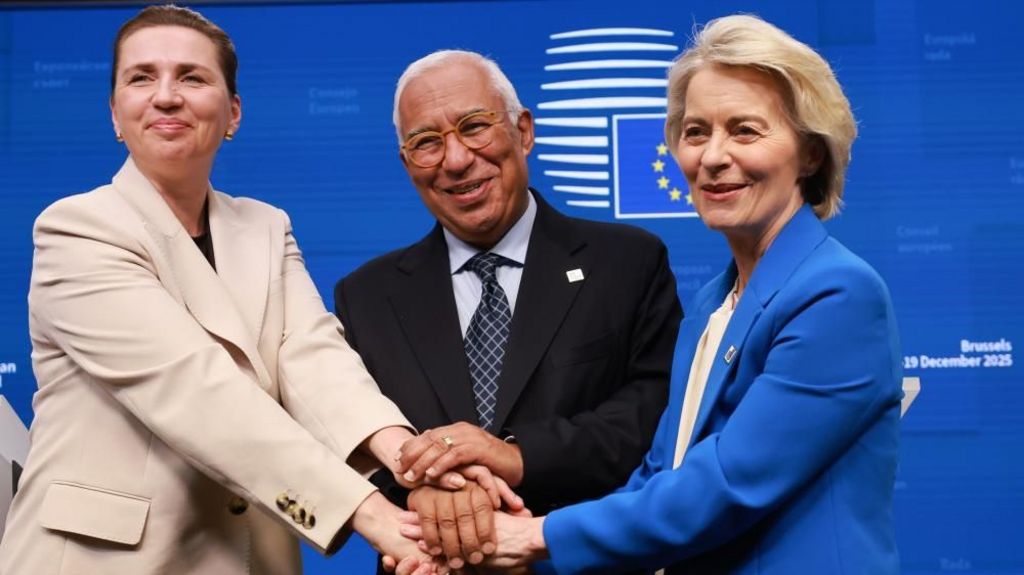
    After protracted negotiations spanning over 24 hours at the Brussels summit, European Union leaders have unanimously approved a substantial €90 billion financial assistance package for Ukraine. This critical agreement emerged as a compromise solution following the bloc’s inability to reach consensus on utilizing frozen Russian assets worth approximately €200 billion.

    European Council President Antonio Costa heralded the achievement, declaring on social media platform X, “We committed, we delivered.” The financing mechanism involves a loan backed collectively by the EU’s common budget, effectively circumventing the legal and political complications surrounding directly confiscated Russian funds held predominantly in Belgian financial institutions.

    The breakthrough followed intense diplomatic efforts to address concerns from multiple member states regarding liability sharing for the frozen assets. Belgian Prime Minister Bart De Wever emphasized that the loan agreement prevented potential “chaos and division” within the union while demonstrating European unity in supporting Ukraine’s defense capabilities.

    Ukrainian President Volodymyr Zelensky had previously warned that without immediate financial infusion by spring, Ukraine would face severe constraints in military production, particularly regarding drone manufacturing capabilities. EU assessments indicate Ukraine requires approximately €135 billion over the next two years to maintain economic stability, with critical shortfalls anticipated beginning April.

    Concurrently, French President Emmanuel Macron introduced a contrasting diplomatic perspective, suggesting the necessity for European re-engagement with Russian leadership. “I believe that it’s in our interest as Europeans and Ukrainians to find the right framework to re-engage this discussion,” Macron stated, proposing such dialogue should occur within “coming weeks.”

    The EU’s financial commitment coincides with intensified peace negotiation efforts, including scheduled talks between US and Russian officials in Miami this weekend. Kremlin representative Kirill Dmitriev is expected to meet with Trump envoys Steve Witkoff and Jared Kushner, while parallel discussions between Ukrainian and US delegations are set to occur in the United States.

  • Three arrested for allegedly burning wild elephant in Sri Lanka

    Three arrested for allegedly burning wild elephant in Sri Lanka

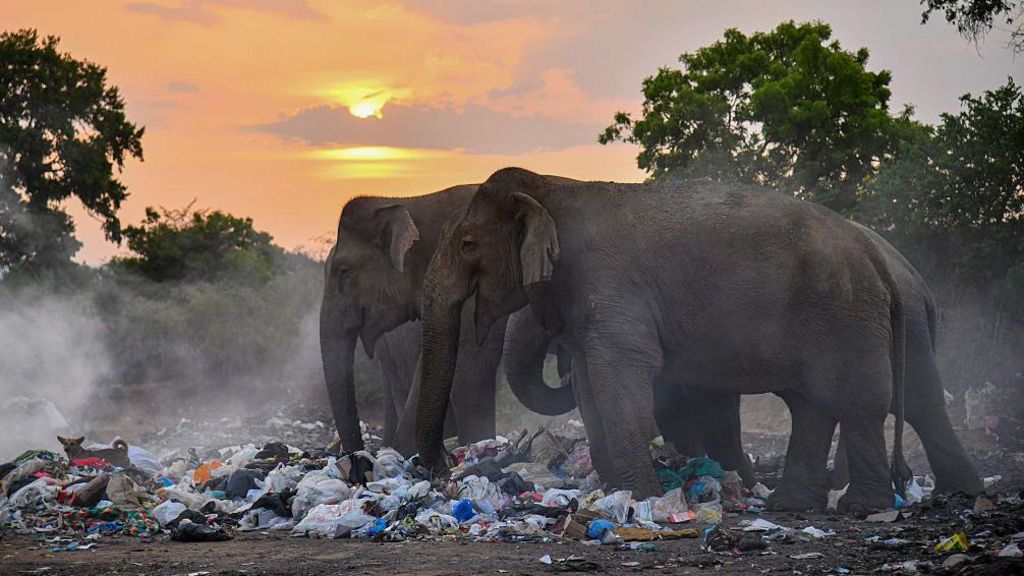
    Sri Lankan authorities have taken three men into custody following a brutal incident involving the fatal burning of a wild elephant, an act that has ignited national outrage and international condemnation. The suspects, aged 42 to 50, were apprehended on Thursday after video evidence of the attack circulated widely on social media.

    The tragic event unfolded in a northern village where the men allegedly used flaming torches to chase the animal away. Despite receiving immediate and subsequent veterinary care for severe burns and a gunshot wound to its leg, the male elephant succumbed to its injuries on Tuesday. Reports indicate the same elephant had required veterinary treatment on multiple occasions earlier this year.

    The case has sparked fierce backlash from animal rights advocates and the general public. A petition demanding full prosecution of the perpetrators and stronger preventative measures against animal cruelty has rapidly gathered over 400 signatures since its creation on Thursday.

    This incident highlights the escalating human-wildlife conflict in Sri Lanka. Official statistics reveal nearly 400 elephant fatalities have occurred this year alone, with many deaths attributed to human activities including shootings, train collisions, and the use of ‘jaw bombs’—explosive devices set by farmers to protect crops. Conversely, elephant attacks have claimed the lives of more than 100 people during the same period.

    Elephants hold sacred status in the predominantly Buddhist nation, where they play significant roles in religious ceremonies and represent an important cultural symbol. Under Sri Lankan law, killing an elephant is a capital offense that can carry the death penalty, according to the World Wildlife Fund.

  • US, Israel and UAE discussed using Gaza gas to fund reconstruction, sources say

    US, Israel and UAE discussed using Gaza gas to fund reconstruction, sources say

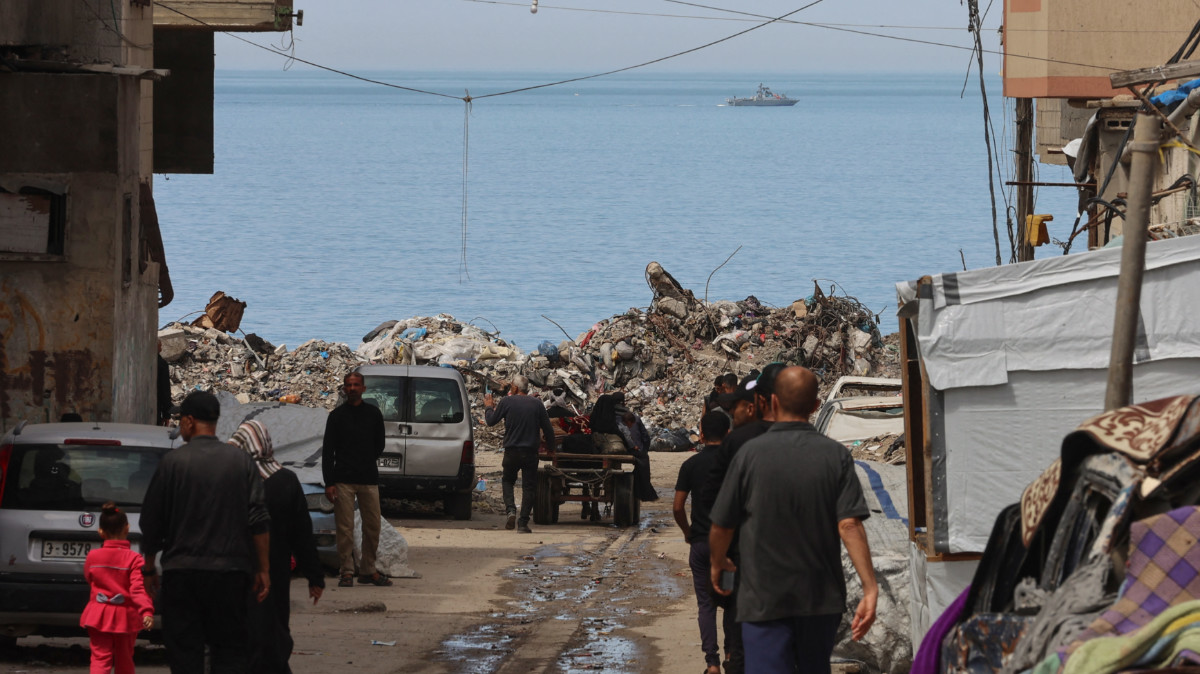
    Preliminary discussions are underway between the United States, Israel, and the United Arab Emirates regarding a novel approach to fund Gaza’s reconstruction: harnessing profits from the enclave’s offshore natural gas reserves. According to sources who spoke with Middle East Eye, these talks have explored various models, including one where the Abu Dhabi National Oil Company (Adnoc) could acquire a stake in the undeveloped Gaza Marine gas field.

    The Gaza Marine field, discovered in 2000, is one of the Palestinian territories’ most valuable natural resources. Development rights are shared between the Palestine Investment Forum (the Palestinian Authority’s sovereign wealth fund) and the Consolidated Contractors Company, with an additional 45% reserved for an international partner. Energy expert Michael Barron, author of ‘The Gaza Marine Story,’ emphasized the project’s commercial viability, estimating development costs at $750 million with potential revenue generation of $4 billion. Annual profits of $100 million for 15 years could significantly contribute to reconstruction efforts.

    These discussions occur against a complex geopolitical backdrop. The United Nations estimates full reconstruction costs at approximately $70 billion following Israel’s military campaign. However, traditional Gulf donors like Qatar and Saudi Arabia have expressed reluctance to fund rebuilding without political solutions. Qatar’s Prime Minister explicitly stated his country would not ‘write the check to rebuild what others destroyed,’ while Saudi Arabia has made no financial commitments.

    The UAE has emerged as the primary Gulf partner willing to collaborate with US and Israeli initiatives in Gaza, already serving as the largest humanitarian donor to the enclave. This potential energy partnership aligns with broader regional energy strategies, as Israel recently approved $35 billion in gas exports to Egypt and the UAE has shown previous interest in Eastern Mediterranean gas assets.

    Despite these developments, all parties emphasize the preliminary nature of discussions. No formal commitments have been made, and significant political obstacles remain, including Gaza’s divided governance and Hamas’s continued presence. The proposal represents part of the Trump administration’s broader approach to international conflicts, framing diplomatic solutions through commercial transactions and resource development.