博客

  • Tourists to face €2 fee to get near Rome’s Trevi Fountain

    Tourists to face €2 fee to get near Rome’s Trevi Fountain

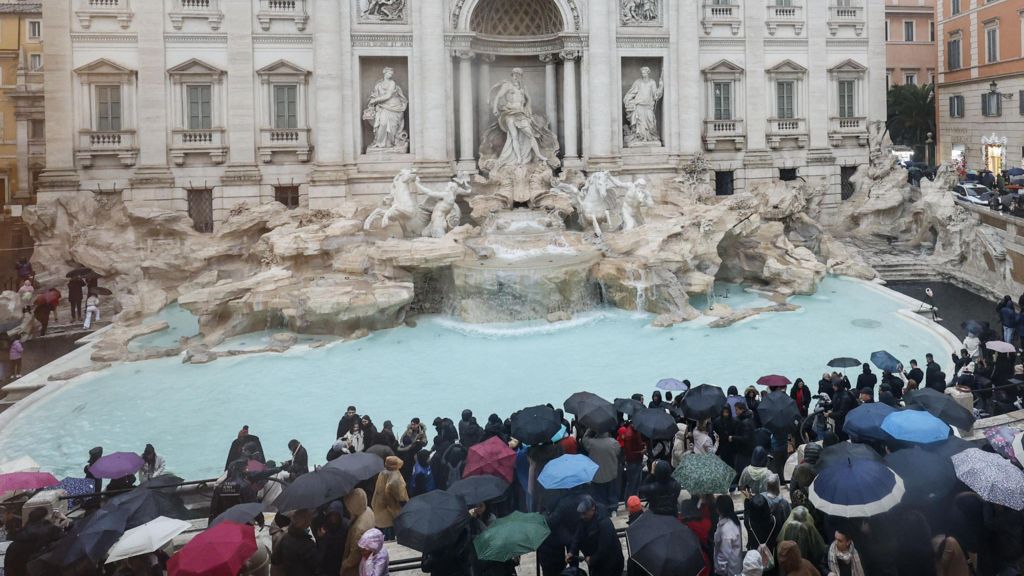
    Rome’s municipal government has announced a significant policy shift for visitors to the iconic Trevi Fountain, implementing a €2 entrance fee for close-up viewing starting February 1, 2026. The Baroque masterpiece, designed by architect Nicola Salvi in the 18th century and attracting approximately 30,000 daily visitors, will become part of a revised access system aimed at addressing overtourism challenges.

    Mayor Roberto Gualtieri defended the modest fee, stating it would contribute to more organized visitor flows while generating an estimated €6.5 million annually for maintenance and crowd management. The revenue structure distinguishes between the charitable donations from tossed coins and the operational funding from access fees.

    The initiative forms part of a broader recalibration of cultural site management that simultaneously expands free access for Rome residents to previously ticketed venues including the Sacred Area of Largo Argentina. While tourists and non-residents will pay for six specific attractions including the Napoleonic Museum, children under five and visitors with disabilities plus one companion remain exempt.

    Notably, the fountain remains freely visible from peripheral viewpoints, preserving some accessibility while implementing new crowd control measures including a 400-person capacity limit and queuing system established during recent restoration work.
  • Dubai reopens beaches and parks as weather conditions improve

    Dubai reopens beaches and parks as weather conditions improve

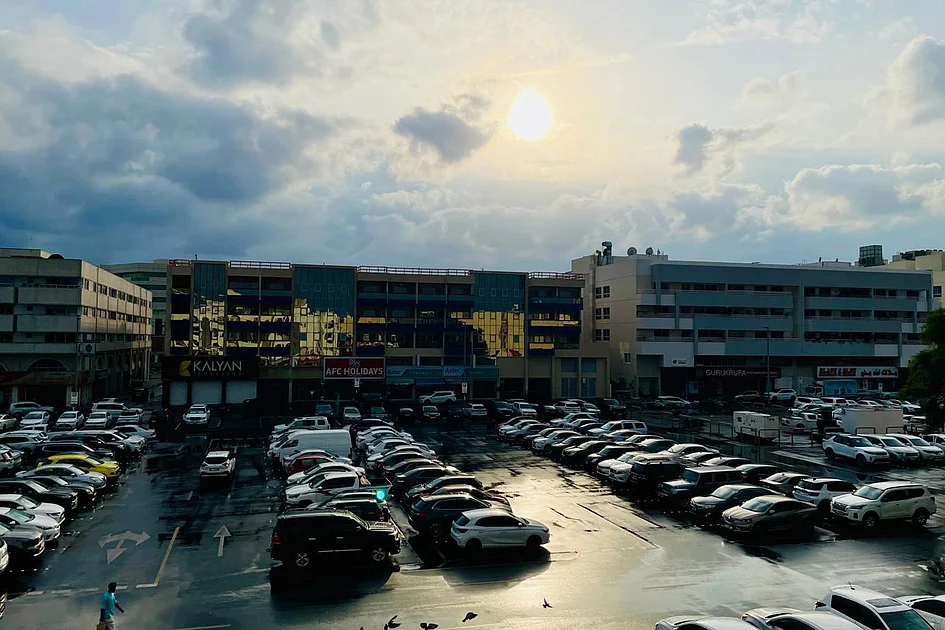
    Dubai Municipality has officially reopened all public beaches, parks, and open markets following significant improvements in weather conditions across the emirate. The decision comes after a temporary closure implemented on Thursday, December 18, and Friday, December 19, due to unstable weather patterns that posed potential safety risks to residents and visitors.

    While normal activities have resumed across Dubai’s recreational facilities, municipal authorities continue to emphasize the importance of maintaining necessary safety precautions. The reopening signifies a return to regular operations but comes with ongoing advisories for public vigilance.

    This coordinated response mirrors similar measures taken by neighboring emirates. Ajman Municipality simultaneously announced the closure of its public parks until weather conditions fully stabilize, demonstrating a unified approach to public safety management across the UAE’s northern emirates.

    The temporary closures were implemented as precautionary measures during periods of meteorological uncertainty, highlighting the municipality’s proactive approach to risk management. Current assessments indicate sufficient improvement in weather patterns to allow safe public access to outdoor facilities while maintaining appropriate safety protocols.

  • Bascom Palmer Eye Institute Abu Dhabi, Emirates Society of Ophthalmology sign strategic partnership agreement

    Bascom Palmer Eye Institute Abu Dhabi, Emirates Society of Ophthalmology sign strategic partnership agreement

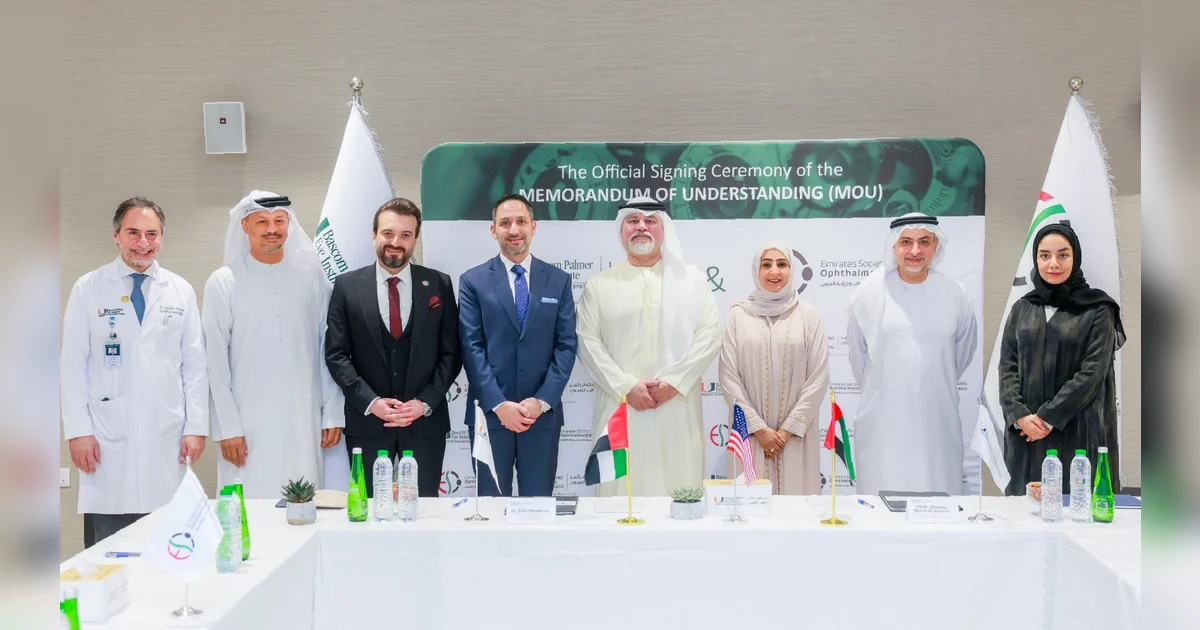
    Abu Dhabi witnessed a significant healthcare collaboration as Bascom Palmer Eye Institute Abu Dhabi and the Emirates Society of Ophthalmology (ESO) formalized a strategic partnership through a Memorandum of Understanding. The ceremony, held at Bascom Palmer’s Abu Dhabi facility, established a framework for cooperative efforts to enhance ophthalmic education, research, and clinical standards throughout the United Arab Emirates.

    This alliance brings together ESO, the UAE’s premier professional organization representing ophthalmologists, and the Abu Dhabi branch of the internationally acclaimed Bascom Palmer Eye Institute, which has maintained its position as the top-ranked ophthalmology center in the United States for 24 consecutive years according to U.S. News & World Report.

    Dr. Sheikha Noura Al Qassimi, President of ESO, characterized the agreement as a transformative milestone for ophthalmic advancement in the region. ‘This partnership embodies our mutual dedication with Bascom Palmer to propel ophthalmic education, clinical excellence, and innovation across the UAE,’ she stated. ‘We are establishing a comprehensive platform for scientific programming, professional training, and knowledge exchange that will strengthen clinical standards and contribute to sustainable eye care development throughout the Emirates.’

    The collaboration extends beyond conventional conference partnerships to include initiatives focused on best practice implementation, public awareness campaigns, and unique opportunities for Emirati medical students and residents to engage with Bascom Palmer’s global faculty and advanced facilities.

    Dr. Zain Kenderian, CEO of Bascom Palmer Eye Institute Abu Dhabi, emphasized the partnership’s broader implications: ‘This represents a pivotal moment for ophthalmic education and professional development in the UAE. Our joint commitment with ESO will elevate training, research, and clinical excellence for the benefit of medical professionals and the community at large. This memorandum initiates a long-term journey to advance regional eye care.’

    A joint oversight committee will ensure the partnership delivers tangible outcomes. Suhail Jaffar Al Zarouni, Board Chairman of Bascom Palmer Abu Dhabi, highlighted the practical benefits: ‘Collaborating with ESO enables us to directly bring Miami’s pioneering faculty and research to UAE professionals, creating lasting impact through shared knowledge and best practices.’

    The ceremony concluded with both institutions expressing confidence that their collaboration will accelerate progress in addressing regional eye health challenges, including diabetic retinopathy and pediatric care, while reinforcing the UAE’s emerging status as a hub for medical excellence.

  • Giant billboard highlighting UAE role in Sudan war appears in London

    Giant billboard highlighting UAE role in Sudan war appears in London

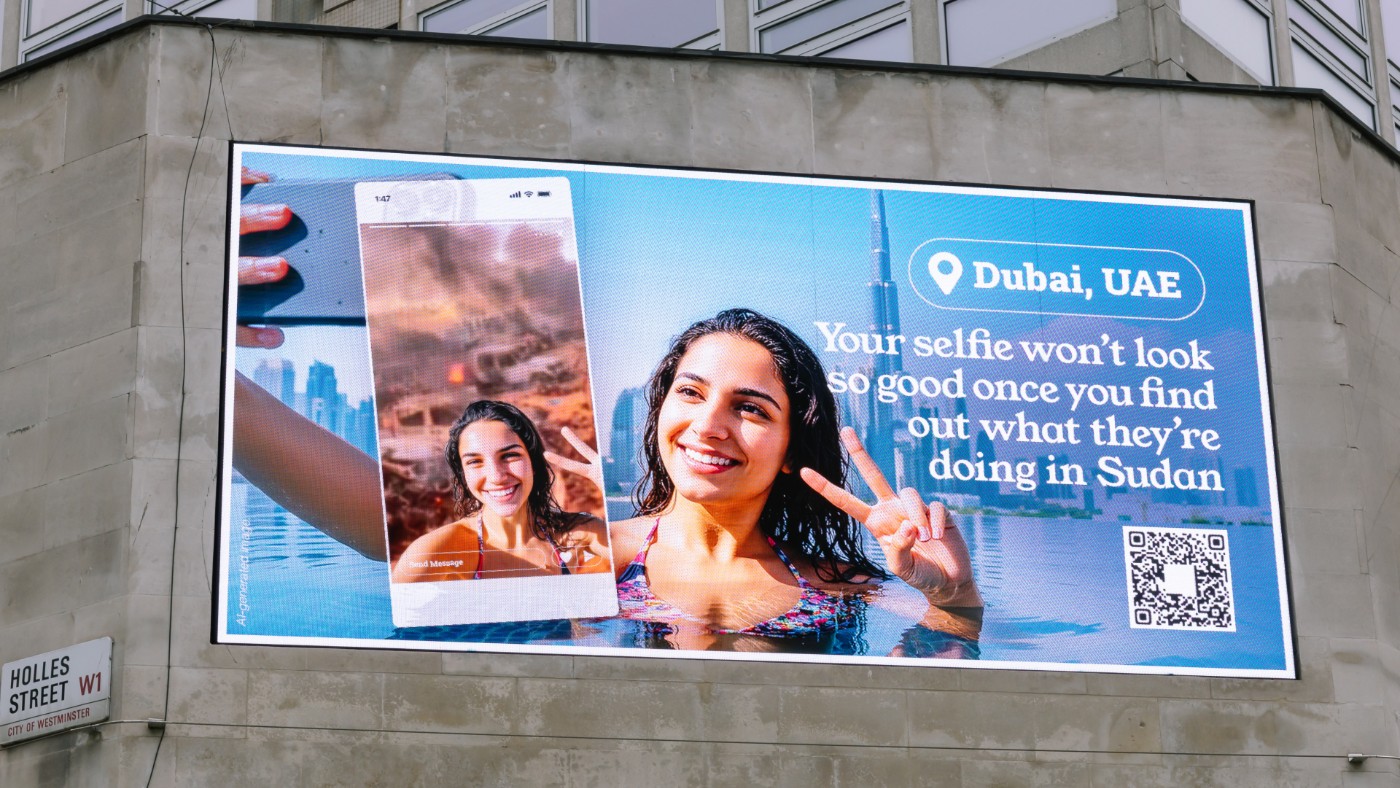
    A provocative digital billboard has emerged in central London as part of an international awareness campaign highlighting the United Arab Emirates’ alleged involvement in the Sudan conflict. The striking display features an AI-generated image of a young woman taking a selfie against Dubai’s glittering skyline from an infinity pool. However, the image on her phone screen reveals a stark contrast—the devastating aftermath of war-torn Sudan instead of luxury surroundings.

    The installation, which cycles every 80 seconds continuously, carries the caption: ‘Your selfie won’t look so good once you’ve found out what they’re doing in Sudan.’ Complementing the static display, a mobile van projects the same imagery across London’s streets, amplifying the message’s reach.

    This initiative, orchestrated by non-profit organization Avaaz, aims to spotlight evidence suggesting UAE’s support for the Rapid Support Forces (RSF) paramilitary group in Sudan. The RSF faces allegations of committing genocide during the ongoing conflict. The billboard incorporates a QR code directing viewers to investigative reports from Middle East Eye, The Guardian, and The New York Times detailing the UAE’s purported role.

    Despite the UAE’s consistent denials of supporting RSF—including recent dismissals of Middle East Eye’s reporting as ‘fabrication’—multiple evidentiary streams indicate otherwise. Flight tracking data, weapon serial numbers, diplomatic sources across multiple continents, and video evidence collectively suggest the UAE has been supplying weapons and support to RSF leader Mohamed Hamdan Dagalo, a long-term associate of Abu Dhabi.

    Supply lines reportedly operate through UAE-aligned regions including southern Libya, Chad, Central African Republic, and Somalia’s Puntland and Somaliland. International diplomats describe UAE’s involvement as an ‘open secret,’ with the nation’s sophisticated lobbying efforts and substantial financial resources reportedly shielding it from formal reprimands or consequences.

    The campaign deliberately contrasts the UAE’s reputation as a premium tourism destination—hosting over 23 million visitors in 2025’s first nine months with a $70 billion sector GDP contribution—with its alleged wartime activities. Notably, over one million British tourists visited Dubai this year, unaware of the geopolitical implications surrounding their luxury destination.

    The RSF, originating from Janjaweed militias deployed by Omar al-Bashir’s regime in Darfur, transitioned into formal Sudanese military structures from 2013 until April 2023. Its subsequent rift with the Sudanese Armed Forces (SAF)—backed by Egypt and Turkey—triggered the current conflict, displacing over 14 million people and creating the world’s most severe humanitarian crisis.

  • China unveils a new AI meteorological model

    China unveils a new AI meteorological model

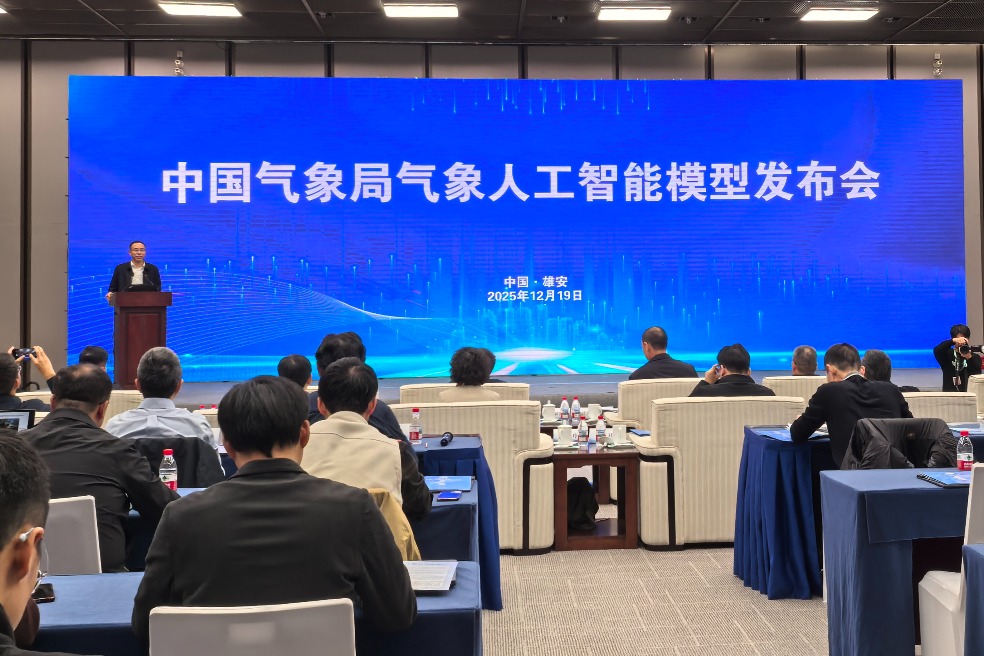
    China has achieved a significant technological breakthrough with the official launch of Fengyuan V1.0, a pioneering artificial intelligence meteorological model unveiled on December 19, 2025, in Xiong’an, Hebei Province. This open-source platform represents China’s first end-to-end scientific model base with fully independent intellectual property rights, marking a transformative advancement in weather forecasting capabilities.

    Developed through collaboration between the Chinese Academy of Meteorological Sciences and the Xiong’an Institute of Meteorological Artificial Intelligence, Fengyuan V1.0 operates as a unified, large-scale AI system that manages the entire scientific data pipeline. The model’s architecture enables direct generation of global weather predictions from raw observational data, bypassing traditional forecasting limitations.

    Chief Scientist Wang Yaqiang of the Chinese Academy of Meteorological Sciences revealed the ambitious roadmap for Fengyuan, stating: ‘Our long-term vision involves evolving this into an open forecasting system driven entirely by observational data with integrated multi-sphere coupling capabilities.’ The model’s open-source nature is strategically designed to consolidate global research and development efforts, ultimately providing robust theoretical and technical foundations for operational forecasting once maturity testing is complete.

    Deputy Administrator Cao Xiaozhong of the China Meteorological Administration emphasized the model’s critical applications in extreme weather detection, particularly for short-term imminent weather events. The administration plans to develop specialized vertical AI meteorological models targeting strategic sectors including the low-altitude economy, energy infrastructure, logistics networks, and health meteorology to better support economic and social development objectives.

    Concurrently, upgraded versions of complementary meteorological AI systems—Fengqing, Fenglei, and Fengshun—were released alongside the inauguration of a joint Earth System AI Forecasting laboratory established between Fudan University and the Xiong’an Institute. The launch ceremony also highlighted China’s commitment to international collaboration, with plans to promote meteorological AI applications among Belt and Road Initiative partner nations and strengthen partnerships between leading AI innovation teams worldwide.

  • How Dubai resident helps vulnerable animals with ‘nowhere to go’ during rain

    How Dubai resident helps vulnerable animals with ‘nowhere to go’ during rain

    As unprecedented rainfall and severe winds swept across the United Arab Emirates, dedicated animal welfare advocates mobilized to address the critical needs of stray animals facing life-threatening conditions. Among them, Chiku Singh, a British expatriate with over 25 years of community rescue experience, embarked on urgent missions across Dubai, Sharjah, and Abu Dhabi to secure animal feeding stations and reinforce shelters.

    The extreme weather conditions created emergency situations for street animals, with flooding submerging feeding areas, collapsing shelters, and exposing vulnerable animals to hypothermia risks. “For stray animals, storms are emergencies,” Singh emphasized. “Kittens can lose body heat within minutes, while elderly and sick animals struggle profoundly when their environment turns wet and cold.”

    Singh’s systematic approach involved elevating feeding bowls above flooded grounds using bricks as anchors, replacing waterlogged food with dry alternatives to prevent illness, and reinforcing insulated shelter units with waterproof layers and insulating hay. The rescue specialist utilized specifically designed elevated rest houses rather than temporary cardboard solutions, ensuring proper ventilation while maintaining warmth retention capabilities.

    With approximately 83 insulated units now deployed across multiple emirates—including labor camp areas in Mussafah and Al Reef, residential communities such as Sports City and Motor City, and various industrial zones—the initiative represents a coordinated response to weather-related animal welfare challenges. During severe conditions, stray animals frequently seek refuge near buildings or parked vehicles as familiar terrain becomes unrecognizable and dangerous.

    Singh noted that proactive preparation significantly reduced animal suffering during the recent storms: “There are animals inside dry shelters instead of under cars, and feeding stations remained functional. Some animals will survive specifically because timely preparations were implemented.” The animal advocate emphasized that responsible care during extreme weather requires comprehensive planning beyond merely leaving food outdoors, necessitating properly designed feeding stations and adequately ventilated shelters to prevent moisture accumulation.

    The ongoing effort underscores the vulnerability of street animals during environmental crises and highlights the critical intervention of community rescuers who remain active when most retreat indoors. As Singh poignantly stated, “When the storm hits, someone has to remain on the streets for those who cannot ask for help.”

  • UAE motorist injured after vehicle rolls over amid heavy rains: Fujairah Police

    UAE motorist injured after vehicle rolls over amid heavy rains: Fujairah Police

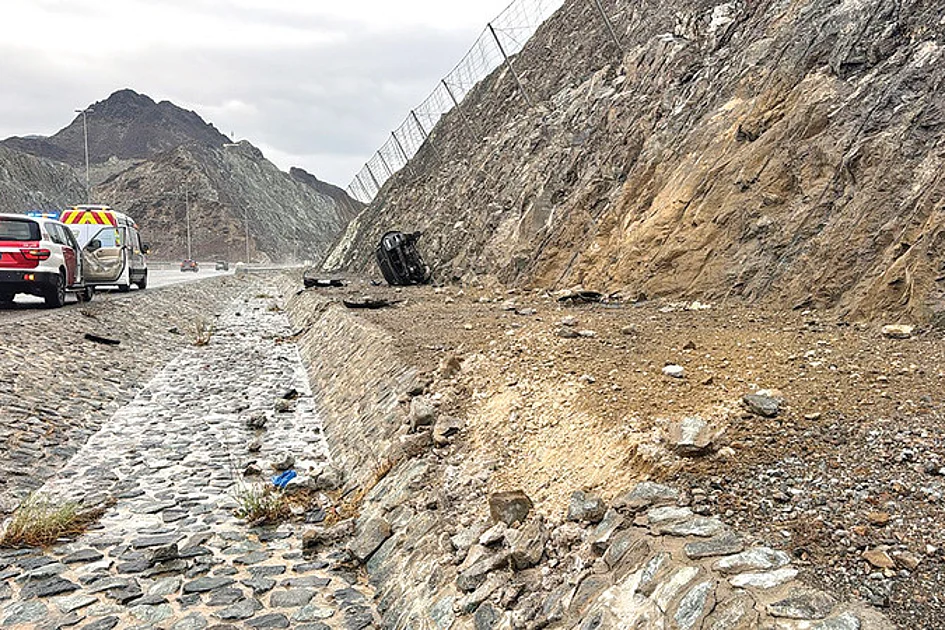
    Fujairah Police confirmed a traffic incident occurred on Sheikh Khalifa Street during Thursday’s heavy rainfall, resulting in a vehicle overturning. According to Brigadier Saleh Mohamed Abdullah Al Dhanhani, Director of the Traffic and Patrols Department, the driver sustained moderate injuries and was promptly transported to Fujairah Hospital for medical treatment.

    The incident has prompted heightened safety measures across the emirate as authorities intensify efforts to address challenges posed by unstable weather conditions. Fujairah Police have deployed additional traffic patrols to major roadways and accident-prone areas, with emergency response teams maintaining constant readiness. The operations room is implementing real-time monitoring of all road networks to facilitate immediate intervention when accidents or hazards are reported.

    Brigadier Al Dhanhani emphasized the importance of driver vigilance during adverse weather, advising motorists to reduce speed, maintain safe following distances, and avoid distractions such as mobile phone usage. ‘Road safety during rainy conditions constitutes a shared responsibility, and careful driving can save lives,’ he underscored.

    Concurrently, Fujairah Municipality has activated comprehensive emergency protocols, deploying technical teams with heavy machinery to remove accumulated rainwater from streets and neighborhoods. The municipality has enhanced its drainage capabilities with five new 12-inch pumps strategically positioned in flood-prone areas, supplemented by additional water tanks and pre-emptive maintenance of drainage networks.

    Engineer Mohamed Saif Al Afkham, Director-General of Fujairah Municipality, confirmed the full operational status of the emirate’s rainwater drainage network. The completed system spans 31.25 square kilometers with 77 kilometers of drainage infrastructure, providing efficient water management and significantly reducing pooling risks across all neighborhoods. These measures are implemented through coordinated efforts with the local emergency, crisis, and disaster management team, working continuously to ensure public safety during periods of inclement weather.

  • Qatar bets on cheap power to catch up in Gulf AI race

    Qatar bets on cheap power to catch up in Gulf AI race

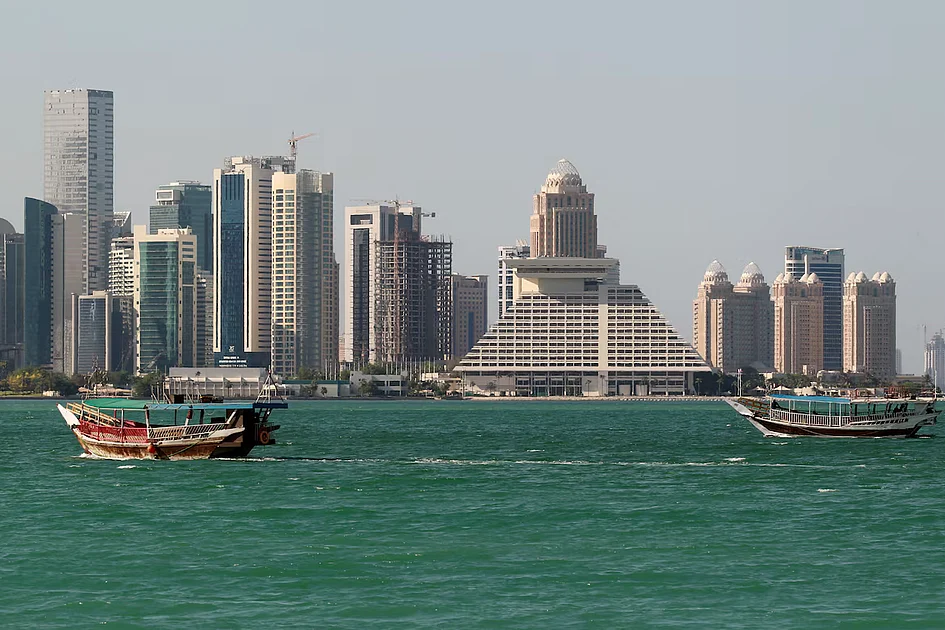
    Qatar is strategically deploying its substantial energy resources and financial capital to establish a competitive position in the artificial intelligence sector, despite entering later than regional counterparts. The nation’s recently unveiled initiative, Qai—supported by its $526 billion sovereign wealth fund and a $20 billion partnership with Brookfield—represents its most significant investment to date in an industry transforming global technological and economic landscapes.

    This development aligns with broader Gulf Cooperation Council efforts to diversify beyond hydrocarbon dependence, mirroring substantial AI infrastructure investments in Saudi Arabia and the United Arab Emirates. Qatar’s primary competitive advantage stems from its exceptionally low electricity costs, a critical factor for energy-intensive AI data centers operating in desert climates with high cooling demands.

    However, industry analysts identify multiple structural challenges beyond financial capacity. Gulf states must implement Western-standard data governance frameworks, navigate stringent US export controls on advanced semiconductor technology, and attract scarce specialized talent within an intensely competitive global market. Stephen Beard of Knight Frank emphasized that regulatory adaptation, particularly regarding data privacy laws, remains the most significant barrier to widespread AI deployment.

    While Qatar has disclosed limited operational details about Qai, its emergence responds to escalating demand for computational infrastructure as corporations increasingly integrate AI systems. Mohammed Soliman from the Middle East Institute noted that American hyperscalers—including Google, Microsoft, and Meta—welcome additional capacity development in energy-rich regions with favorable financing conditions.

    Infrastructure scalability remains crucial for regional competitiveness. Analyst projections indicate approximately $800 billion may be invested in Middle Eastern AI data center development over the next two years. Qatar’s progress will be measured against regional benchmarks: Saudi Arabia’s Humain targets 6-gigawatt capacity by 2034, while the UAE’s G42 is constructing a 5-gigawatt AI campus potentially ranking among the largest globally outside the United States.

    Compliance with US semiconductor regulations presents another critical dimension. To access Nvidia’s advanced Blackwell processors, Qatari operations must implement rigorous usage tracking and security protocols matching those required of regional competitors. This necessitates detailed reporting systems, physical inspection capabilities, and strict personnel controls for technicians from designated high-risk jurisdictions.

    Despite Qatar’s considerable sovereign wealth, industry observers characterize its position as that of a late entrant in a rapidly advancing field. Marc Einstein of Counterpoint Research noted that while Qatar possesses distinct advantages in energy economics, its neighbors currently maintain superior scale and established infrastructure networks.

  • Gainsborough Stud celebrates its heritage and the British roots in Dubai’s racing legacy

    Gainsborough Stud celebrates its heritage and the British roots in Dubai’s racing legacy

    The remarkable journey of Gainsborough Stud reveals how a British industrialist’s fleeting but impactful involvement in horse racing ultimately shaped the genetic bedrock of Dubai’s global racing empire. Jim McCaughey, a Warwickshire industrialist who burst onto the racing scene during the 1970s, established breeding foundations that would later evolve into the powerhouse Godolphin operation under Dubai’s royal family.

    McCaughey emerged as a formidable presence in the 1970s bloodstock auctions, acquiring thoroughbreds with unprecedented spending. Racing in distinctive yellow silk with black diamonds, he partnered with elite trainers including Fred Rimmel, Ryan Price, and Sir Michael Stoute, signaling his ambition to compete at racing’s highest echelons. Despite his relatively brief tenure in the sport, McCaughey’s horses achieved significant success on both Flat and National Hunt circuits, with hurdler Connaught Ranger capturing the prestigious Triumph Hurdle at Cheltenham Festival.

    By the early 1980s, McCaughey’s racing aspirations reached their peak as he targeted championship events and celebrated major handicap victories including Shaftesbury’s Ebor Handicap win in 1980. Described by Irish newspapers as a ‘fearless punter,’ he backed his horses with substantial wagers, embracing the sport’s inherent volatility. However, financial pressures eventually compelled his withdrawal from racing in the mid-1980s, followed by his tragic passing shortly thereafter.

    The enduring legacy emerged when McCaughey sold Gainsborough Stud to Sheikh Maktoum bin Rashid Al Maktoum prior to his death. Under Maktoum ownership, the stud farm flourished, producing champions including Toucing Wood (1982 St. Leger winner) and Shareef Dancer, whose 1983 Irish Derby victory led to a record $40 million syndication. Following Sheikh Maktoum’s passing in 2006, the operation transferred to his brother Sheikh Mohammed bin Rashid Al Maktoum, becoming integrated into Darley and ultimately unified with Godolphin.

    According to Trent Challis, McCaughey’s grandson and a Dubai-based investor, his grandfather’s legacy established ‘genetic foundations that, under the Maktoum family stewardship, evolved into something extraordinary.’ The bloodlines McCaughey helped develop continue producing winners across international facilities in the UK, Ireland, Kentucky, and Australia, maintaining championship connections nearly half a century after their establishment. ‘Every time Godolphin breeds a champion,’ Challis reflects, ‘there’s a thread, however thin, connecting back to those foundation decisions.’

  • Why I’m finally learning the language of crypto charts

    Why I’m finally learning the language of crypto charts

    As cryptocurrency markets approach what analysts project as the 2025 bull run, investors are reevaluating traditional financial strategies. Ann Marie McQueen, a Canadian journalist and long-term Abu Dhabi resident, documents her transformative journey from passive crypto holder to active technical analyst—a shift she describes as overcoming ‘Gen-X mentality’ financial conditioning.

    The evolution began with recognizing a critical gap in her investment approach: while thoroughly managing traditional finances, she had delegated crypto trading decisions to others. This realization coincided with observing divergent strategies within her crypto education community. Where the group’s founder advocated profit-taking without active trading, another faction embraced technical chart analysis and leveraged trading.

    Technical analysis—interpreting price charts through patterns, indicators, and market psychology—represents a paradigm shift from buy-and-hold philosophy. Proponents like AZ Penn, author of ‘Technical Analysis for Beginners,’ demonstrate how strategic entry and exit points can optimize returns in crypto’s volatile environment. Successful trader Anna Macko reports a 95% win rate since 2021 using these methods, though she emphasizes the psychological discipline required.

    McQueen acknowledges the mental barriers: the ingrained belief that ‘time in the market beats timing the market,’ reinforced by generational financial wisdom. Yet historical examples illustrate the opportunity cost of inaction—selling Bitcoin at $124,000 to repurchase at $80,000 would substantially increase holdings.

    Her commitment now involves intensive education: free coaching sessions, technical analysis workbooks, and a 52-part YouTube trading boot camp by trader TJR. This represents not merely skill acquisition but psychological transformation—developing emotional awareness, discipline, and humility in market participation.

    The underlying philosophy transcends financial gain: true risk lies not in potential losses but in refusing to engage with evolving financial systems. As institutional adoption grows and global governments recognize cryptocurrency’s potential, individual investors face both unprecedented opportunities and the responsibility of self-education.

    McQueen’s journey symbolizes a broader generational shift: from relying on financial intermediaries to embracing financial autonomy through technological literacy, regardless of mathematical background or prior experience.