博客

  • UN declares famine over in Gaza, says ‘situation remains critical’

    UN declares famine over in Gaza, says ‘situation remains critical’

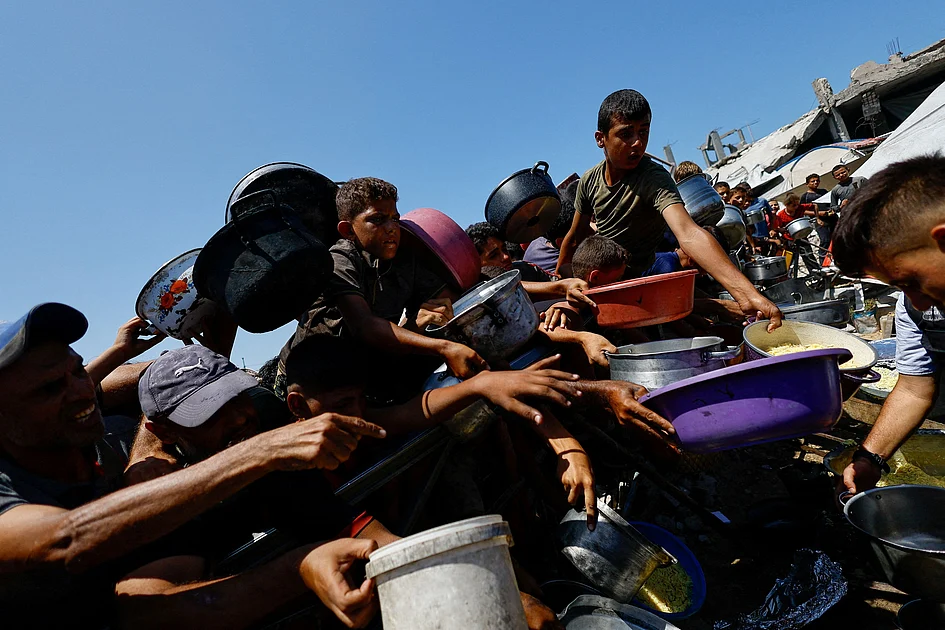
    The United Nations has formally rescinded its famine declaration for Gaza, marking a significant yet fragile improvement in the Palestinian territory’s food security situation. According to the UN’s Integrated Food Security Phase Classification (IPC) initiative, no areas in Gaza currently meet the technical criteria for famine—a stark reversal from the organization’s August 2025 declaration, the first such designation ever issued in the Middle East.

    The improvement is attributed to the partial easing of restrictions on humanitarian aid following the October ceasefire between Israel and Hamas. However, the IPC emphasized that the entire Gaza Strip remains classified at emergency levels of food insecurity, with approximately 1.6 million people projected to face crisis-level hunger through mid-April.

    Aid distribution continues to face severe challenges, with delivery described as limited, uneven, and fluctuating daily. The ceasefire remains fragile, with both parties regularly accusing each other of violations. UN agencies warned that without sustained access, supplies, and funding, several regions—including North Gaza, Gaza Governorate, Deir al-Balah, and Khan Younis—could rapidly deteriorate into famine conditions if hostilities resume.

    The humanitarian situation extends beyond food security, with over 70% of Gaza’s population living in makeshift shelters. Winter floods and plummeting temperatures have increased risks of hypothermia, while severely limited access to water, sanitation, and hygiene facilities has created conditions ripe for disease outbreaks. Agricultural infrastructure has been devastated, with over 96% of cropland damaged or inaccessible and livestock populations decimated.

    Israeli officials acknowledged the improved situation but criticized the IPC’s methodology, claiming it presented a distorted picture by overemphasizing UN aid trucks while ignoring other assistance channels. Meanwhile, humanitarian organizations like Oxfam accused Israel of continuing to block critical aid, with millions of dollars worth of supplies reportedly stranded at border crossings.

    UN Secretary-General Antonio Guterres called for expanded access points, reduced restrictions on critical items, and safe routes within Gaza, while also highlighting the rapidly deteriorating situation in the West Bank where Palestinians face escalating violence and movement restrictions.

  • ‘LeBron James of spreadsheets’ wins world Microsoft Excel title

    ‘LeBron James of spreadsheets’ wins world Microsoft Excel title

    LAS VEGAS – In a stunning upset that transformed spreadsheet mastery into sporting drama, Irish competitor Diarmuid Early captured the Microsoft Excel World Championship title, dethroning three-time champion Andrew Ngai of Australia. The 2025 finals, held at the HyperX Arena, featured the intensity of traditional esports with a $60,000 prize pool elevating office software into a competitive spectacle.

    Under dazzling arena lights with roaring crowds and live commentary, Early faced off against 255 global competitors whittled down to 24 finalists. The Galway-born, Waterford-raised champion described the transition from solitary practice to the electrifying Vegas environment as ‘outrageous’ and ‘hectic,’ with non-noise-canceling headphones failing to fully isolate competitors from the roaring stands.

    The competition structure employs brutal timed eliminations, removing last-place contestants every five minutes during final rounds. Early, previously known for ‘choking’ in major tournaments despite his financial Excel championship wins, finally delivered under pressure. His victory earned him the championship belt, $5,000 prize, and the unofficial title ‘LeBron James of Excel spreadsheets.’

    Now residing in New York where he operates a financial business, Early has gained client attention through his competitive success. The competition itself has evolved beyond its financial origins over two decades, now testing general problem-solving through challenges like maze navigation, poker hand scoring, and historical battle sorting – all executed within 30-minute timed sessions with escalating difficulty.

    The emerging esport maintains an active global community through WhatsApp groups and YouTube tutorials, though Early remains hesitant about short-form social media platforms. With the next ‘Road to Las Vegas Battle’ scheduled for January 2026, competitive spreadsheeting continues growing as both spectacle and serious test of rapid analytical thinking within Microsoft’s ubiquitous software.

  • US and Israel ‘planted’ media leaks alleging tensions before Iran attack: Report

    US and Israel ‘planted’ media leaks alleging tensions before Iran attack: Report

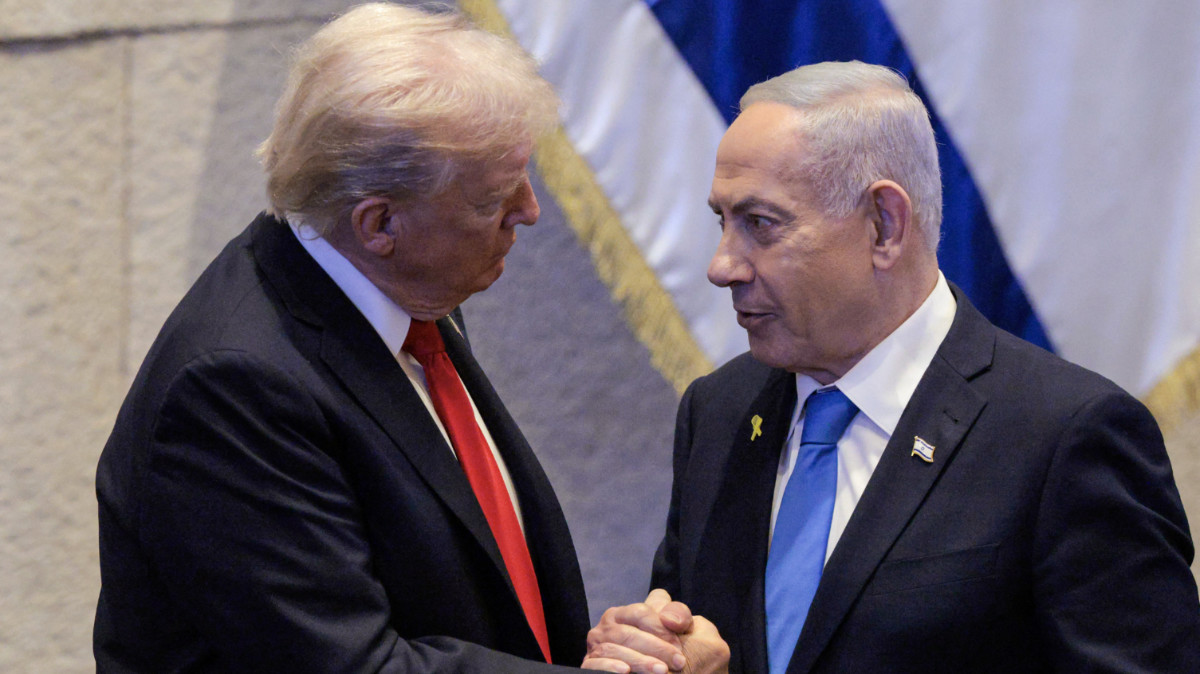
    A groundbreaking investigation by The Washington Post has exposed a meticulously orchestrated disinformation campaign between the United States and Israel, revealing that both nations collaboratively planned a military strike on Iran while deliberately misleading global media about their strategic alignment. Contrary to widespread media narratives suggesting diplomatic tensions between President Donald Trump and Israeli Prime Minister Benjamin Netanyahu, the two allies were in fact coordinating an attack strategy while simultaneously negotiating with Tehran.

    The covert operation, executed in June, involved the intentional leaking of false stories to major news outlets suggesting discord between Washington and Jerusalem. This calculated misinformation campaign aimed to lull Iranian officials into a false sense of security during nuclear negotiations. According to insider sources cited in the report, the perception of US-Israel tensions was deliberately cultivated to enable attack planning without international detection.

    Middle East Eye corroborates that Israel launched surprise strikes on June 13th using modified American F-35 aircraft and other US-supplied weaponry, just two days before scheduled nuclear talks that involved US Arab partners including Saudi Arabia, the UAE, and Qatar. The attack proceeded despite numerous media reports, including from The Wall Street Journal and Axios, asserting that the US had refused to provide offensive support or participate directly in Israeli military actions.

    In reality, the Trump administration had been thoroughly briefed on Israel’s attack plans and never ruled out participation. The US ultimately approved the use of advanced weapon systems including F-35 and F-16 fighter jets, while simultaneously supplying additional missiles to Israel in the days preceding the operation. The military campaign culminated in US strikes against Iranian nuclear facilities on June 22nd, directly contradicting dozens of media reports that had claimed American non-involvement.

    Prior to the attack, the US delivered a restrictive final ultimatum to Iran demanding the complete cessation of financial support to groups including Hezbollah, the Houthis, and Hamas. The proposal also required Iran to replace the Fordow Enrichment Plant with facilities prohibiting uranium enrichment entirely, in exchange for sanctions relief. While alternative solutions including regional uranium enrichment consortia had been discussed, the military option proceeded as planned.

  • ‘Very cool’: The 70s Afro-rock genre enjoying a rebirth

    ‘Very cool’: The 70s Afro-rock genre enjoying a rebirth

    A musical revolution born in 1970s Zambia is experiencing an extraordinary global resurgence, captivating contemporary artists and vinyl collectors worldwide. Zamrock—a potent fusion of psychedelic rock and traditional African rhythms—emerged during Zambia’s post-colonial era as a bold declaration of cultural identity. Now, five decades after its inception, this nearly forgotten genre is commanding unprecedented international attention.

    Zambian-born artist Sampa the Great is spearheading the revival movement, incorporating Zamrock’s distinctive sound into her highly anticipated third studio album. The breakthrough single ‘Can’t Hold Us’ showcases the genre’s signature fuzz guitars and defiant spirit, with Sampa declaring through her lyrics: ‘They don’t have the guts to match my prowess.’ Her artistic exploration reveals personal connections to the movement—her uncle, ‘Groovy’ George Kunda, was among WITCH’s founding members.

    The Zamrock renaissance extends far beyond African borders. Prominent American artists including Travis Scott, Yves Tumor, and Tyler, the Creator have sampled tracks from legendary Zamrock bands Ngozi Family, Amanaz, and WITCH. The genre has permeated popular culture through television soundtracks for HBO’s ‘Watchmen’ and Apple TV’s ‘Ted Lasso,’ introducing Zambian psychedelic rock to mainstream audiences.

    This remarkable revival follows decades of obscurity stemming from Zambia’s economic collapse in the 1980s. The copper market crash, musical piracy, and the devastating HIV/AIDS crisis that claimed numerous musicians—including five WITCH members—effectively silenced the genre for thirty years. Original band members like frontman Emmanuel ‘Jagari’ Chanda transitioned to conventional livelihoods, with Jagari working in mines to support his family.

    The turning point arrived in the early 2010s when California-based Now-Again Records began reissuing Zamrock albums. Label head Eothen ‘Egon’ Alapatt recognized the genre’s unique appeal, noting that English-language recordings particularly resonated with international collectors. Original vinyl pressings now command between $100 and $1,000 on the collector’s market.

    WITCH has experienced a phenomenal second act, reforming with original members and European musicians. The reinvented band has released two new albums, starred in a documentary, performed at Glastonbury, and completed international tours—achievements unimaginable during their initial run. At 74, Jagari describes the experience as ‘a new lease on life I never expected at my advanced age.’

    While celebrating international recognition, Zambian music advocates emphasize preserving the genre’s cultural context. Record store owner Duncan Sodala acknowledges the value of Western sampling but stresses the importance of artists like Sampa the Great who engage with Zamrock’s complete artistic tradition rather than treating it as mere source material.

    The movement continues gaining momentum through Zambia’s new generation of artists, dedicated festivals, and museum exhibitions. Sampa characterizes her upcoming work as ‘nu Zamrock,’ blending traditional elements with contemporary hip-hop influences. As Jagari poetically observes from his New Zealand tour stop: ‘The fire has been lit. It’s up to the younger generation to put more firewood to it and let the flames burn.’

  • Sri Lanka tea workers struggle in poverty. Flooding cost many their lives

    Sri Lanka tea workers struggle in poverty. Flooding cost many their lives

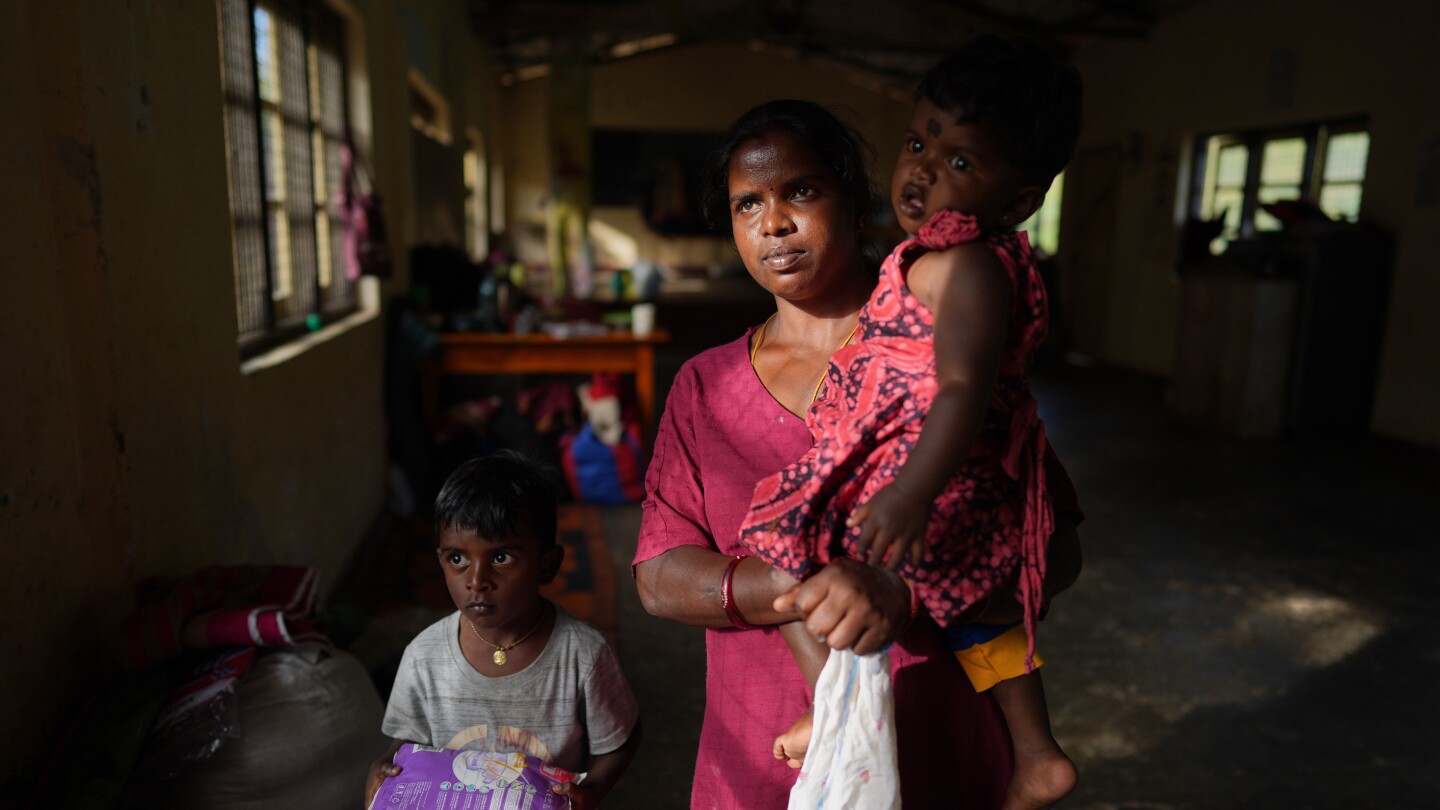
    The devastating impact of Cyclone Ditwah has laid bare the extreme vulnerabilities facing Sri Lanka’s tea plantation communities, where centuries-old systemic inequalities have amplified a natural disaster into human tragedy. In the hilly central regions, entire communities of Malaiyaha Tamil workers—descendants of indentured laborers brought from India during British colonial rule—have been virtually erased by catastrophic landslides and flooding.

    Survivors like Kumaran Elumugam returned from work to discover his home completely buried, claiming six family members including his wife, mother-in-law, and grandchildren. “The small one is still under the mud,” he lamented, encapsulating the horrifying human toll. Across the affected regions, over 640 lives were lost with hundreds more missing, while more than 100,000 homes were destroyed or damaged.

    The disaster disproportionately impacted tea workers who typically inhabit primitive 150-year-old colonial-era structures measuring barely 100 square feet, often housing eight family members with inadequate sanitation facilities. Climate researcher Melanie Gunathilaka noted that while tea plantations on flatter ground remained largely unaffected, worker settlements situated near dangerous mountain slopes were completely destroyed—a stark illustration of how little value has been placed on these communities’ safety.

    These communities, representing Sri Lanka’s fourth-largest ethnic group, survive on wages well below the minimum of 1,200 rupees ($4) per day with limited access to education, healthcare, or alternative employment. The catastrophe has exposed how climate vulnerability intersects with preexisting socioeconomic disparities.

    The government has promised compensation packages and new housing initiatives, including an Indian-assisted project to build 7,000 homes. Deputy Minister Sundaralingam Pradeep confirmed negotiations with tea companies to identify safer lands for reconstruction. However, survivors report continuing to work under dangerous conditions as companies provide no support without labor.

    Beyond immediate recovery, Sri Lanka faces profound climate adaptation challenges. The nation accounts for less than 1% of global emissions yet ranks among the most vulnerable to climate impacts. According to UN estimates, Sri Lanka loses over $300 million annually to climate-related disasters, with 19 million citizens living in disaster-prone areas.

    The country’s massive debt burden—owing billions to the IMF, multilateral banks, and national creditors—severely hampers climate resilience efforts. As analyst Sandun Thudugala observed, “Disasters don’t break the system. They expose the already broken systems.” Without debt relief and significant investment in climate-resilient infrastructure, early warning systems, and adaptive housing, Sri Lanka’s most marginalized communities remain trapped in a cycle of vulnerability despite contributing minimally to the global climate crisis.

  • Kebabs, biryani and much more: Indian city on Unesco culinary list

    Kebabs, biryani and much more: Indian city on Unesco culinary list

    The northern Indian city of Lucknow has received international recognition as UNESCO designated it a Creative City of Gastronomy, placing it among 408 cities worldwide committed to leveraging creativity for sustainable urban development. This prestigious accolade makes Lucknow only the second Indian city after Hyderabad to join this exclusive network.

    UNESCO’s Regional Director for South Asia, Tim Curtis, emphasized that this designation serves as a testament to Lucknow’s profound culinary heritage and dynamic food ecosystem, simultaneously honoring its cultural legacy while creating opportunities for global collaboration.

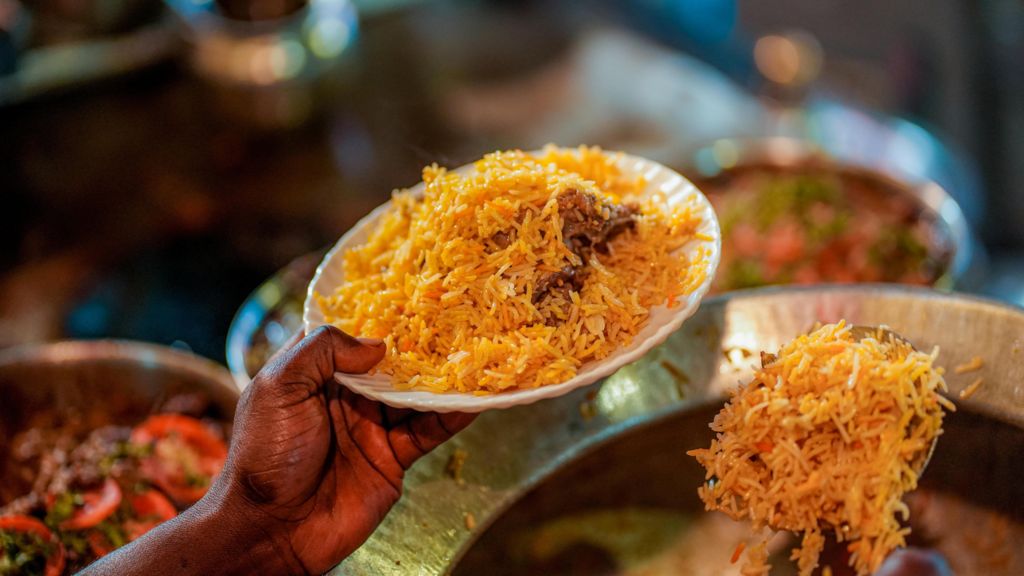
    The city’s gastronomic identity traces back to the 18th and 19th centuries when it served as the capital of the Awadh region under wealthy Muslim rulers known as Nawabs. Their royal kitchens became centers of culinary innovation, blending Persian and Indian techniques to create what is now known as Awadhi cuisine. Among their most significant contributions was the Dum pukht method—slow-cooking ingredients in a sealed pot with dough—developed during Nawab Asaf-ud-Daulah’s reign to address famine conditions through a work-for-food program.

    Lucknow’s culinary landscape features iconic dishes including melt-in-the-mouth kebabs like the galouti kebab, created for a toothless nawab using finely minced meat with papaya and spices. The city’s distinctive biryani, kormas, sheermal (saffron flatbread), and shahi tukda (bread pudding) further demonstrate its rich gastronomic diversity.

    Beyond meat-based specialties, Lucknow offers a vegetarian paradise with seasonal delights and street food like chaat. The city boasts generations-old establishments such as Sharmaji Tea Stall, operating since 1949 and famous for its masala chai served in clay glasses, and Netram, a 150-year-old institution renowned for kachoris and jalebis.

    Seasonal specialties include makkhan malai, a frothy winter dessert created through a scientific process of dew-exposed, hand-churned milk. However, concerns exist about the preservation of such traditional methods as younger generations show declining interest in these culinary arts.

    Local advocates including celebrity chef Ranveer Brar and Madhavi Kuckreja of the Sanatkada Trust emphasize that UNESCO recognition should spotlight lesser-known eateries and family recipes that constitute Lucknow’s living culinary history. They hope this international acknowledgment will encourage global visitors to explore the stories behind each dish and sustain the city’s food traditions for future generations.

  • UAE’s People of Determination craft 13,000-lanyard chain, breaking Guinness Record

    UAE’s People of Determination craft 13,000-lanyard chain, breaking Guinness Record

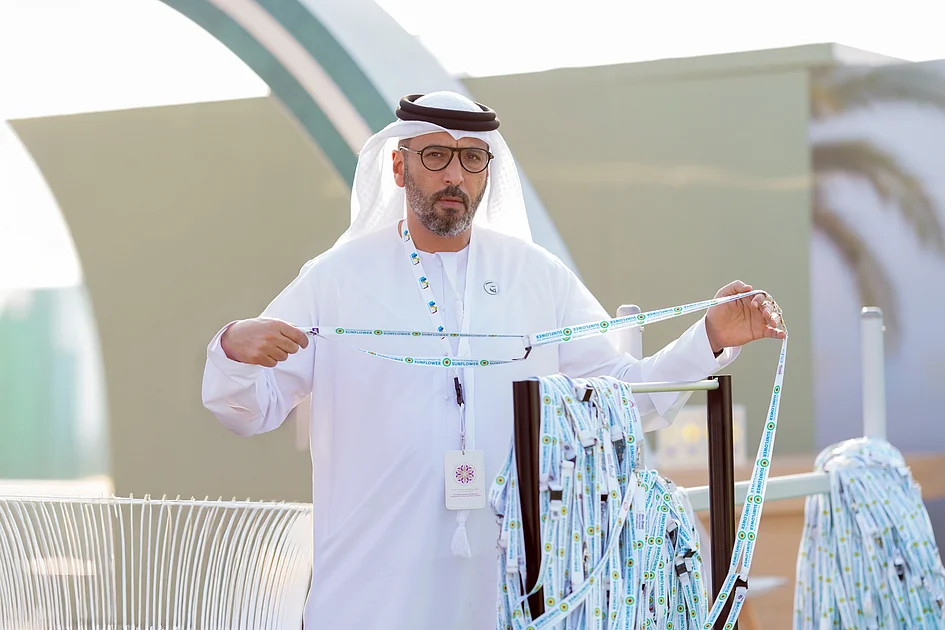
    The United Arab Emirates has secured another prestigious Guinness World Records title through a remarkable initiative highlighting inclusivity and determination. The Zayed Authority for People of Determination has been officially recognized for creating the world’s longest chain of lanyards, measuring an impressive 663.53 meters in length.

    This extraordinary achievement comprises 13,000 individually handcrafted sunflower lanyards, meticulously created by people of determination themselves. The project saw collaboration across 13 national entities that united to transform this visionary concept into tangible reality. The manufacturing and coordination process took place at the Authority’s Innovation Centre, where participants engaged in designing, assembling, and organizing the lanyards.

    The sunflower lanyard holds global significance as a recognized symbol for raising awareness about hidden disabilities. This initiative aims to foster greater community understanding and encourage institutions worldwide to develop more supportive environments for individuals with non-visible disabilities.

    Abdullah Abdulali Al Humaidan, Director General of Zayed Authority for People of Determination, emphasized the profound meaning behind this accomplishment. ‘This record transcends being merely another certificate in the UAE’s achievements register,’ he stated. ‘It represents a powerful message embodying the core values of empowerment, respect, and humanity. The project demonstrates that remarkable achievements become possible when collective efforts converge, proving that people of determination can accomplish the extraordinary when provided with supportive environments and dedicated partners.’

    Al Humaidan further reinforced the Authority’s ongoing commitment to developing high-impact initiatives that showcase the capabilities of people of determination. These efforts strengthen their vital role in the UAE’s developmental journey while contributing to global achievements that reflect national excellence and the enduring spirit of determination and perseverance.

  • EU Agrees to loan $105billion to Ukraine for defence against Russia

    EU Agrees to loan $105billion to Ukraine for defence against Russia

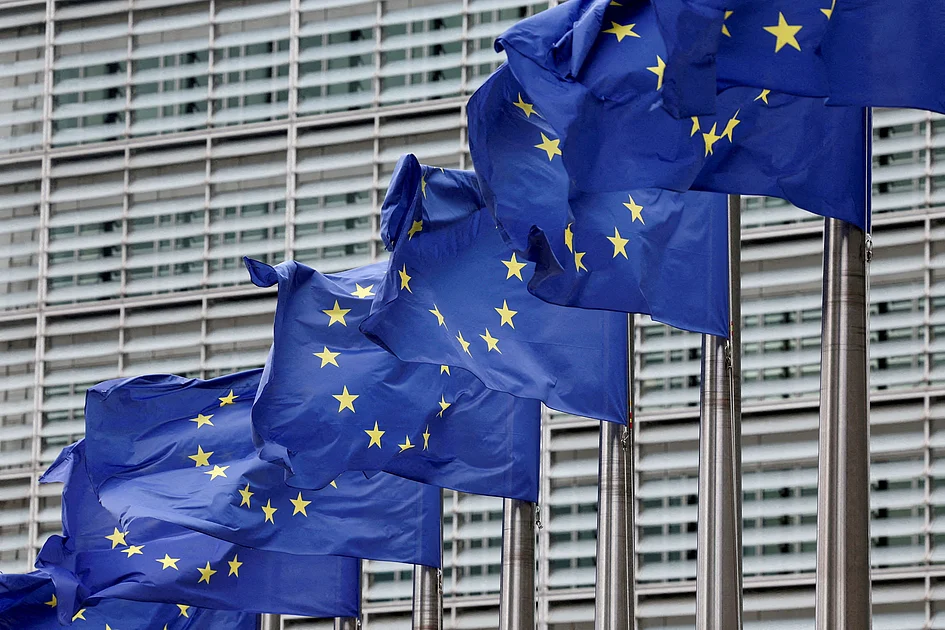
    BRUSSELS – European Union leaders reached a landmark agreement early Friday to provide Ukraine with a substantial €90 billion ($105 billion) defense loan through a collective borrowing mechanism, concluding extensive negotiations at the Brussels summit. This financial package, designed to sustain Ukraine’s military efforts against Russian aggression for the next two years, represents a strategic pivot from earlier proposals to utilize frozen Russian assets.

    The funding arrangement emerged as a compromise solution after technical and political complexities prevented immediate use of approximately €210 billion in immobilized Russian assets held within EU jurisdictions. Hungarian Prime Minister Viktor Orbán, previously opposed to unanimity-based financial measures, ultimately acquiesced to the mechanism alongside Slovak and Czech leadership after securing provisions that would not directly impact their national finances.

    EU foreign policy chief Kaja Kallas emphasized the critical nature of the decision, stating, “We simply cannot afford to fail in supporting Ukraine’s defense capabilities.” The sentiment was echoed by German Chancellor Friedrich Merz, who characterized the agreement as “favorable news for Ukraine and unfavorable for Russia.”

    Ukrainian President Volodymyr Zelenskyy, participating in the summit deliberations, had previously advocated for direct utilization of Russian assets. However, resistance from Belgium—where €185 billion of Russian assets are held—proved decisive in shifting the approach toward EU-backed borrowing.

    Belgian Prime Minister Bart De Wever praised the alternative arrangement, noting that “rationality has prevailed” and prevented institutional “chaos and division.” The frozen Russian assets will remain immobilized until Moscow provides war reparations to Ukraine, at which point they could potentially service the loan repayment.

    EU summit chairman Antonio Costa confirmed that the European Commission received authorization to develop the loan infrastructure with urgency, utilizing the EU budget as collateral. This financial intervention addresses concerns that Ukraine would face fiscal exhaustion by the second quarter of 2026 without substantial international support, potentially altering the conflict’s trajectory.

  • Make Korea great again: The right-wing group wooing disenchanted youth

    Make Korea great again: The right-wing group wooing disenchanted youth

    In a remarkable political reversal, imprisoned former South Korean President Yoon Suk Yeol has emerged as an unexpected symbol of resistance for a generation of disaffected youth, despite facing life imprisonment for his attempted martial law declaration in December 2024.

    The movement, spearheaded by 24-year-old Park Joon-young and his right-wing youth organization Freedom University, has gained significant traction among young South Koreans who feel abandoned by the political establishment. What began as campus protests against Yoon’s impeachment has evolved into a full-fledged youth rebellion movement that mirrors tactics and rhetoric from America’s MAGA movement.

    Park founded Freedom University in opposition to what he characterizes as a corrupt, left-wing political status quo that has failed South Korea’s younger generation. The group has rapidly expanded through aggressive social media campaigns, drawing thousands to rallies where attendees pose for selfies with images of the imprisoned former leader.

    The movement’s ideology combines economic discontent with nationalist fervor. Their banners proclaim “Korea for Koreans” and demand the expulsion of the “Chinese Communist Party,” reflecting widespread Sinophobia in a country that consistently ranks among the world’s least favorable toward China. The group promotes unsubstantiated claims about Chinese interference in Korean elections and society.

    This youth mobilization represents a dramatic shift in political allegiances. Yoon, who was deeply unpopular among young voters during his presidency, has been reinvented as a martyr figure following his failed power grab. His December 3, 2024 declaration of martial law—which alleged without evidence that North Korean sympathizers and Chinese spies were conspiring to steal elections—was defeated within hours by public resistance and parliamentary action.

    The movement’s growth reflects South Korea’s deepening political polarization and the economic anxieties of its youth. Recent surveys show nearly 75% of young South Koreans believe the economy is in poor shape compared to their parents’ generation, with home ownership rates at historic lows despite the country’s world-class education system. Median monthly income remains approximately $1,600, creating widespread disillusionment.

    Psychiatrist Kim Hyun Soo warns that without offering new visions of hope, South Korea risks further polarization as frustrated youth turn to movements like Freedom University. The group’s effectiveness lies in its ability to channel economic frustration, cultural resentment, and nationalist sentiment into a cohesive political force that continues to gain momentum despite being supported by only 27% of the general population.

  • Look: Stunning Dubai skyline shines after heavy overnight rains

    Look: Stunning Dubai skyline shines after heavy overnight rains

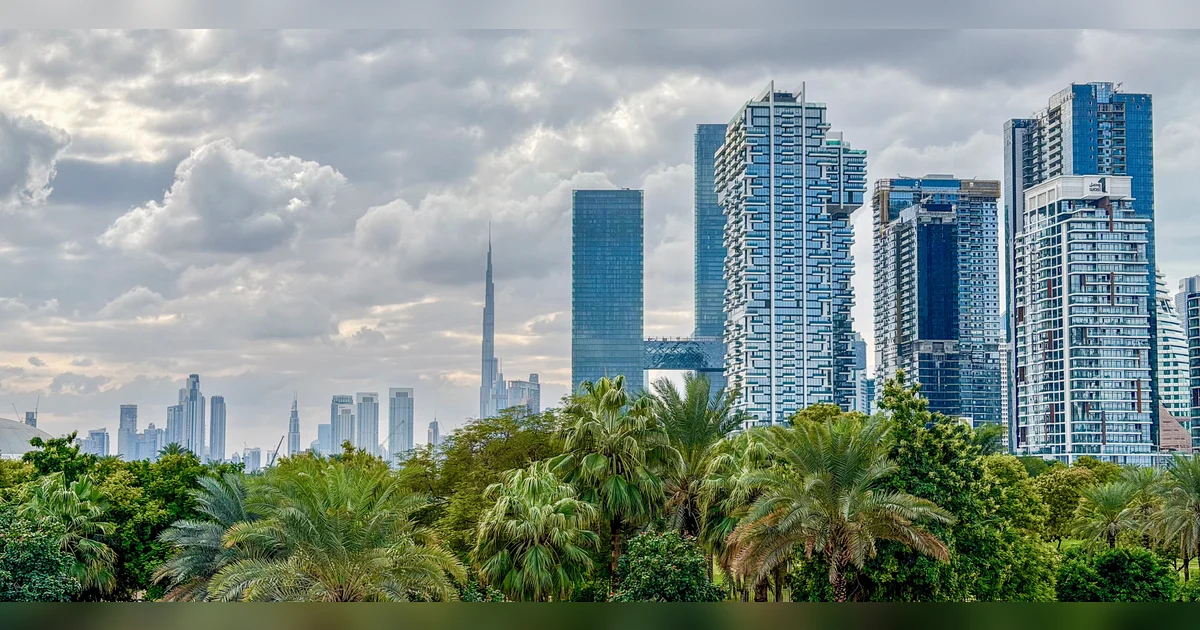
    An extraordinary meteorological phenomenon graced Dubai’s iconic skyline on December 19, 2025, as heavy overnight rainfall created breathtaking visual transformations across the urban landscape. The unexpected downpour, a rare occurrence in the arid Emirati climate, left the city’s architectural marvels glistening under clearing skies by Friday evening.

    The precipitation event began during the night hours and continued through early Friday, culminating in a remarkable visual spectacle as daylight emerged. Dubai’s towering skyscrapers, including the Burj Khalifa and numerous contemporary structures, reflected brilliantly in the temporary water accumulations that formed across the city’s thoroughfares and public spaces.

    Meteorological experts noted that while winter months occasionally bring precipitation to the region, the intensity and visual impact of this particular weather event were notably exceptional. The rainfall provided both practical benefits for water resources and an unexpected aesthetic dimension to the urban environment.

    Residents and visitors alike captured stunning photographs of the transformed cityscape, with many sharing images of mirror-like reflections showcasing architectural landmarks against clearing skies. The phenomenon created unique opportunities for photographic artistry, blending natural elements with human-engineered structures in unusual harmony.

    Urban infrastructure performed effectively throughout the precipitation event, with drainage systems managing the unusual water volume appropriately. The event concluded by late afternoon, leaving behind a refreshed atmosphere and visually enhanced cityscape that attracted widespread attention across social media platforms and local community discussions.