博客

  • UK scientists developing new Ebola vaccine that could be ready in months

    UK scientists developing new Ebola vaccine that could be ready in months

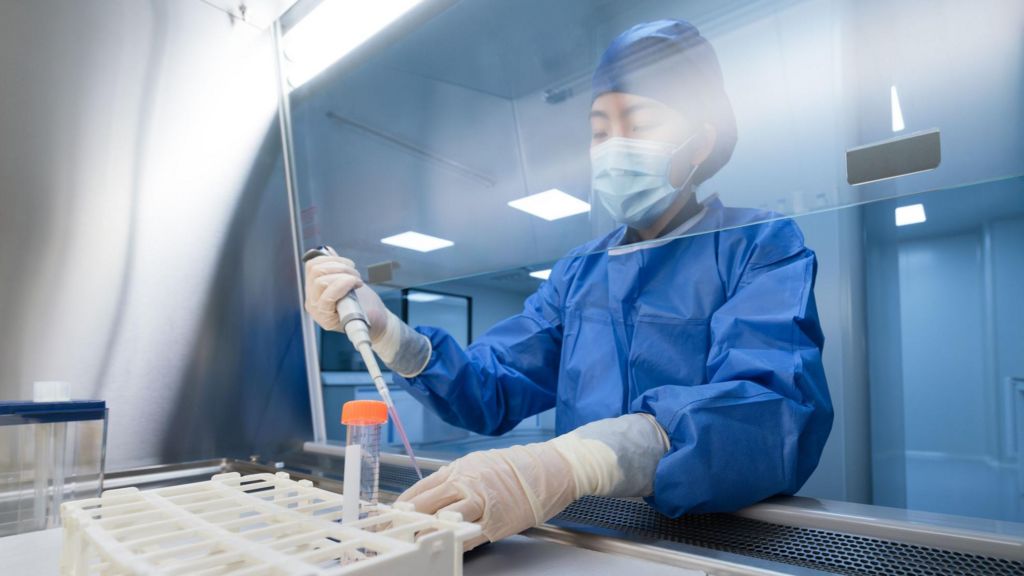
    A rapidly escalating Ebola outbreak in the Democratic Republic of Congo (DRC), driven by a rare, untreatable strain of the virus, has spurred urgent vaccine development work from a team of researchers at the University of Oxford, with the candidate potentially ready for field deployment within months.

    The ongoing outbreak, centered in northeastern DRC, has already been linked to 750 suspected cases and 175 confirmed deaths, according to latest outbreak tracking data. The pathogen at the center of the crisis is Bundibugyo, an understudied Ebola species that has only caused two recorded outbreaks in the last 20 years and has no licensed, proven vaccine currently available. The virus kills roughly one-third of all people it infects, making swift containment a top global health priority.

    In response to the crisis, the World Health Organization (WHO) has upgraded the risk level of the outbreak from “high” to “very high” within DRC, with regional risk across central Africa also elevated to “high.” International risk remains low, however, and the WHO declared a Public Health Emergency of International Concern (PHEIC) over the outbreak over the weekend, explicitly noting that the event does not rise to the level of a pandemic.

    Oxford’s vaccine candidate leverages the same ChAdOx1 platform the university’s vaccine group refined during the global COVID-19 pandemic – a flexible, easily adaptable genetic vaccine technology that can be rapidly modified to target new pathogens. During the COVID response, the platform was loaded with coronavirus genetic material; for this Ebola candidate, it has been reconfigured to carry genetic code from the Bundibugyo strain.

    The platform relies on a modified chimpanzee common cold virus, genetically edited to be safe for human use, that delivers Bundibugyo genetic material to human cells. This trains the immune system to recognize and neutralize the actual Ebola virus if exposure occurs, without causing Ebola infection or symptomatic disease. Preclinical animal testing for the new candidate is already underway at Oxford’s facilities, and the Serum Institute of India has been pre-positioned to scale up mass manufacturing as soon as the university provides clinical-grade vaccine material.

    Professor Sarah Lambe, head of vaccine immunology at the Oxford Vaccine Group, emphasized that speed is the top priority for the project. “People are worried about this outbreak, generally, you prepare for the worst case scenario – hopefully contact tracing and quarantine is all that’s needed, but we can’t take our foot off the gas,” Lambe told BBC News. Once the research team delivers initial starting material to the Serum Institute, Lambe noted that the manufacturer can ramp up production both quickly and at large scale. The WHO projects that the candidate could be ready for human clinical trials in affected regions within two to three months.

    This outbreak poses unique challenges to global health responders because of the rarity of the Bundibugyo strain. Of the six known Ebola species, only three are known to cause large human outbreaks, and Bundibugyo had not been detected in more than a decade prior to this event – its last outbreak occurred in DRC in 2012, following an initial 2007 outbreak in Uganda. While existing effective vaccines are available for the more common Zaire Ebola strain, none have been approved for Bundibugyo. A separate experimental Bundibugyo candidate is also in development, but that effort is not expected to produce testable doses for another six to nine months, making Oxford’s accelerated timeline a critical asset for outbreak response.

    If authorized, the vaccine will not be deployed in mass public vaccination campaigns like COVID-19 vaccines. Instead, it will be used in the targeted ring vaccination strategy standard for Ebola outbreaks, which prioritizes immunization for people at highest exposure risk: close contacts of confirmed cases, and frontline healthcare workers treating infected patients. The Oxford team had already been working on related vaccine candidates for other dangerous filoviruses, including Sudan ebolavirus and Marburg virus, prior to this outbreak, allowing them to adapt their work rapidly to address the new Bundibugyo emergency.
  • Palestinian UN ambassador withdraws General Assembly vice presidency bid after US pressure

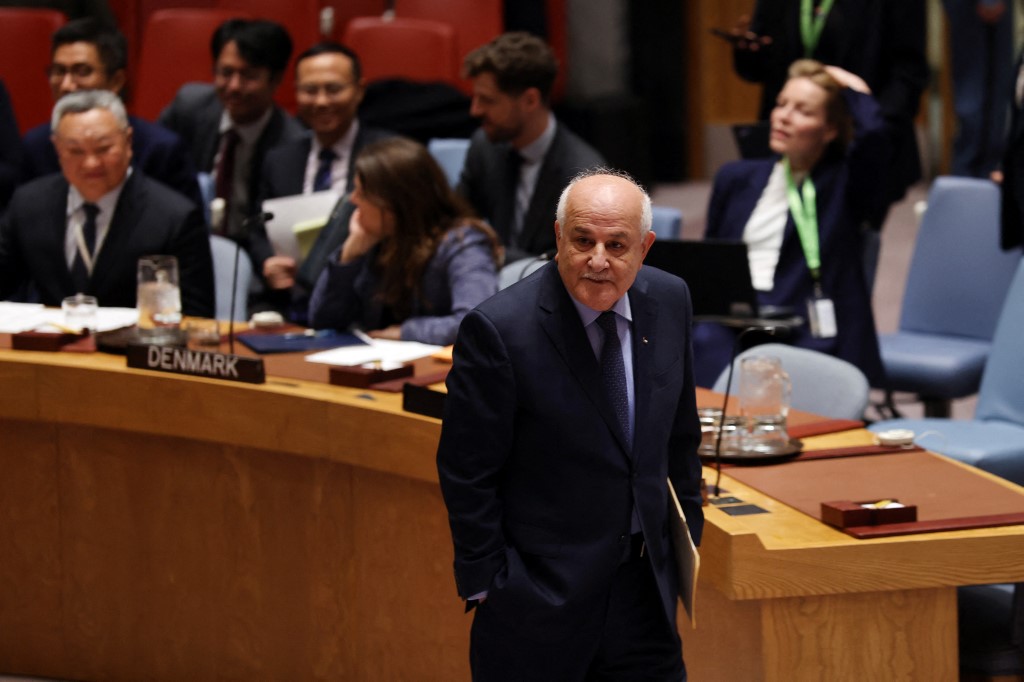
    Palestinian UN ambassador withdraws General Assembly vice presidency bid after US pressure

    In a move that underscores deep diplomatic pressure on the Palestinian mission at the United Nations, Palestinian UN Ambassador Riyad Mansour has formally pulled his name from contention for the vice presidency of the UN General Assembly, following explicit threats from the United States to revoke the entire Palestinian delegation’s entry visas if he refused to abandon the race, National Public Radio has reported.

    Citing an anonymous source with direct knowledge of the internal developments, the outlet confirmed that Lebanon’s ambassador will now take Mansour’s place on the ballot. The Palestinian UN delegation communicated through a third Arab nation that Mansour would not seek the vice presidential position for the 2024-2026 term, according to the report. La Neice Collins, spokesperson for the sitting UN General Assembly president, later issued a public statement confirming the withdrawal, cementing the outcome of the behind-the-scenes pressure campaign.

    Documents show that internal communications from the US State Department, dated Tuesday, had explicitly instructed American diplomatic staff based in Jerusalem to ramp up pressure on Palestinian leadership to force Mansour out of the race. The cable argued that Mansour’s candidacy ran counter to former US President Donald Trump’s ongoing policy proposals for the post-conflict future of the Gaza Strip. The department’s message was uncompromising: “We will hold the Palestinian Authority responsible if the Palestinian delegation does not withdraw its VPGA candidacy.”

    The cable also carried a veiled reference to past punitive visa actions, reminding recipients that Washington had already denied entry visas to Palestinian Authority President Mahmoud Abbas and 80 other senior Palestinian officials ahead of last year’s UN General Assembly gathering in New York. It noted that “it would be unfortunate to have to revisit any available options” — a clear signal that the US was prepared to enact new restrictions if its demands were not met.

    As of press time, the Palestinian UN mission has not issued an immediate response to requests for comment from Middle East Eye, the independent outlet that first expanded on the reporting of the incident.

    This latest withdrawal marks the second time in 2024 that a senior Palestinian candidate has stepped back from a top UN leadership post amid foreign pressure. Back in February, Mansour withdrew his candidacy for the presidency of the UN General Assembly after coordinated lobbying campaigns from both the United States and Israel. At that time, the Palestinian mission framed the decision as a response to “the prevailing conditions in Palestine.”

    The election for UN General Assembly president and the 21 vice presidential seats from regional groups across the world is scheduled to take place on June 2. The current controversy comes on the heels of a landmark May 2024 vote in the General Assembly that delivered expanded participation rights for the Palestinian Authority. In an unprecedented outcome, delegates overwhelmingly approved a measure granting Palestine enhanced standing beyond its current status as a non-member observer state, including the right to speak on all General Assembly agenda items, co-sponsor resolutions, and propose amendments to draft UN texts. The assembly also voted by a wide margin to back Palestine’s bid for full UN membership, marking a major diplomatic breakthrough for Palestinian statehood efforts that has drawn sharp pushback from the US and Israel.

  • WHO chief says Ebola outbreak in Congo is ‘spreading rapidly’ and upgrades risk assessment

    WHO chief says Ebola outbreak in Congo is ‘spreading rapidly’ and upgrades risk assessment

    GENEVA, Switzerland – In a stark update delivered to reporters on Friday, World Health Organization Director-General Tedros Adhanom Ghebreyesus announced a troubling escalation of the ongoing Ebola outbreak in the Democratic Republic of the Congo, raising the national risk assessment from high to the most severe tier of “very high” amid evidence of accelerating transmission.

    Tedros clarified that while the domestic risk has worsened, the threat of regional spillover still holds at a high level, and the global risk of widespread Ebola spread remains categorized as low. Official counts place the number of confirmed cases at 82, with seven confirmed fatalities recorded so far, but the WHO leader emphasized that the true scale of the epidemic far outpaces these confirmed numbers. Currently, more than 750 additional cases are classified as suspected, with 177 suspected deaths linked to the outbreak across affected areas of the country.

    Neighboring Uganda has so far avoided widespread community transmission, with the situation there remaining classified as stable. Two confirmed Ebola cases have been recorded in the country, both tied to travel from the DRC, and one of those patients has died.

    The rapidly deteriorating situation has prompted immediate action from the global humanitarian community. Earlier on Friday, the United Nations confirmed it had disbursed $60 million from its Central Emergency Response Fund, a reserve pool of emergency funding designated to speed up outbreak response efforts across the DRC and the broader Great Lakes region. The United States also announced a pledge of $23 million in new funding to support response operations in both the DRC and Uganda, alongside a plan to finance the construction of up to 50 new Ebola treatment clinics across affected zones in both countries.

    Notably, Ugandan health authorities have publicly stated that they have no knowledge of planned U.S.-funded treatment centers being established within their borders, creating a small point of discrepancy in the announcement of international support.

  • ‘Hard to win’: Taiwanese react to uncertainty over US arms sales

    ‘Hard to win’: Taiwanese react to uncertainty over US arms sales

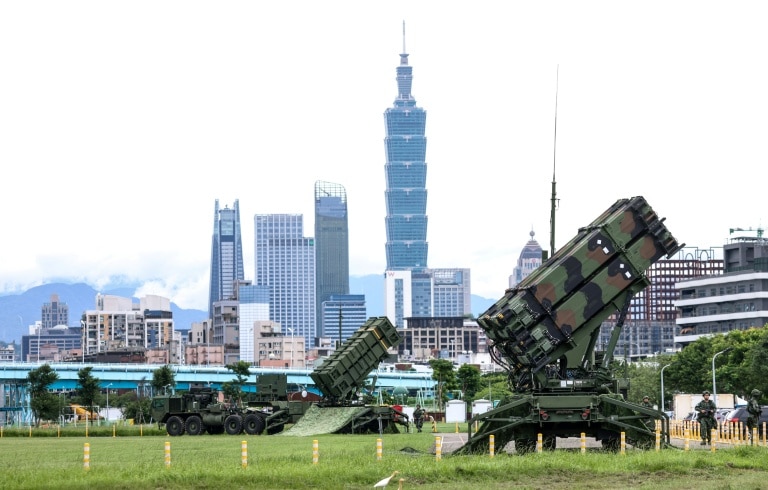
    When former U.S. President Donald Trump recently suggested that longstanding American arms sales to Taiwan could be used as a bargaining chip in negotiations with Beijing, it sent shockwaves through global diplomatic circles. For ordinary residents of Taipei, however, the moment has underscored a bleak reality: the island’s security trajectory is ultimately out of their hands.

    One week has passed since Trump made the controversial remarks during interviews with Fox News and on Air Force One, and intense speculation continues to swirl over whether decades of consistent U.S. policy toward the democratically governed island could be fundamentally upended. The context of this uncertainty stretches back nearly 50 years, when the United States officially shifted its diplomatic recognition from Taipei to Beijing. Even without formal diplomatic ties, Washington has remained Taiwan’s most critical international security partner and primary arms supplier, a commitment codified in the 1979 Taiwan Relations Act passed by U.S. Congress, which legally requires Washington to provide defensive arms to the island.

    Despite widespread anxiety among Taiwanese government officials, who have spent weeks anxiously awaiting Trump’s final decision on a new pending arms package, public reaction on the streets of Taipei has been marked by a quiet, fatalistic calm. Many residents have long held deep reservations about the practical value of additional U.S. weaponry in the face of China’s persistent claims that Taiwan is an inalienable part of its territory, and Beijing’s repeated threats to use force to assert control if necessary.

    Nicole Lee, a 46-year-old nurse in Taipei, said she does not believe advanced military hardware would shift the balance of power significantly if a conflict were to break out. “Even if they give us weapons, if we really had to use force against China, I don’t think there would be much we could do,” she explained.

    Ben Wu, a 41-year-old delivery driver, echoed Lee’s sentiment, framing U.S. arms sales as little more than a costly “protection fee” for the island. Even with the most advanced weaponry the U.S. can offer, he noted, “it would still be very hard to win” against China’s far larger military force.

    To date, Taipei has poured tens of billions of dollars into purchasing advanced U.S. military equipment, including fifth-generation fighter jets, precision high-tech missiles, and reconnaissance drones, all to bolster its defensive capabilities against a potential cross-strait attack. Taiwanese officials have repeatedly reminded the Trump administration of Washington’s binding legal commitments under the Taiwan Relations Act, while top U.S. officials including Secretary of State Marco Rubio and Trade Representative Jamieson Greer have publicly insisted that no shift in longstanding U.S. policy toward Taiwan is underway.

    Still, many ordinary Taiwanese remain deeply skeptical of Trump’s approach to the issue, with many arguing that the former president prioritizes U.S. interests above all other considerations, with little regard for longstanding alliances or commitments. Cynthia Kuo, a 29-year-old elementary school teacher in Taipei, described Trump as the “kind of person who just says whatever pops into his head.” “So I feel like whatever decisions he makes, he only makes them if he thinks they’re good for the United States,” she said. “He’s not going to take other countries into account.”

    A 78-year-old retiree, who requested anonymity to speak freely, said the only certain takeaway from the current situation is that Trump cannot be counted on as a reliable partner for Taiwan. “He’s totally untrustworthy,” she said. “I often feel that Trump is a hooligan in international politics.”

    Across age groups, residents of Taipei echoed a shared sense of powerlessness in the face of the current uncertainty. No matter the outcome, the final decisions on the pending arms package will be made in Washington, and any subsequent response from Beijing will be shaped thousands of kilometers away from Taipei. For 22-year-old university student Matt Lin, that reality makes personal anxiety feel pointless. “I’m not that worried,” he told AFP. “Whether we worry or not doesn’t really change anything.”

  • Tennis players ‘ignored’ in pay dispute, says Fritz

    Tennis players ‘ignored’ in pay dispute, says Fritz

    As the 2025 French Open prepares to kick off at Roland Garros this Sunday, a growing rift between elite tennis players and Grand Slam tournament organisers has erupted into open conflict, with top stars accusing governing bodies of ignoring longstanding calls for fairer revenue sharing.

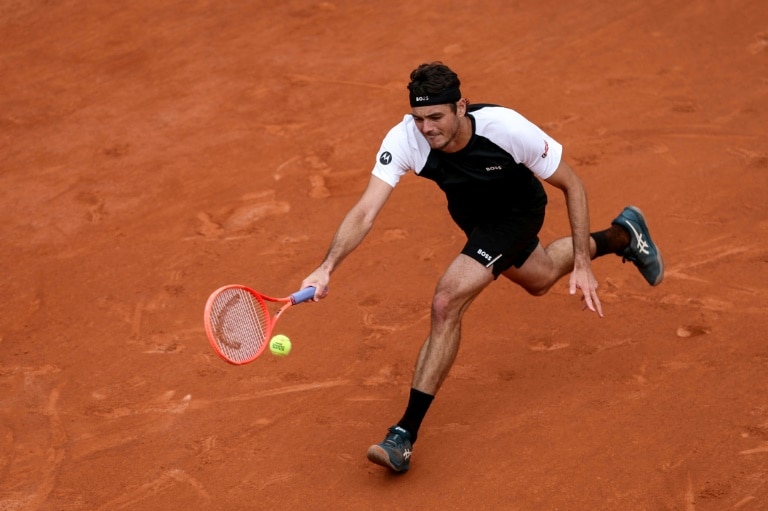
    World number eight Taylor Fritz, one of the most vocal leaders of the player movement, told reporters in Paris on Friday that players have maintained a measured approach to their demands but have been met with complete disregard from organisers. This dismissal has prompted a coordinated protest: the majority of the world’s top-10 ranked players will scale back their required media commitments throughout the clay-court major in a show of collective force.

    At the heart of the dispute is the share of Grand Slam revenue allocated to player prize money. Currently, players receive just 15 percent of total revenue generated by the four Slams, and they are pushing to increase that allocation to 22 percent, a change they frame as a matter of basic fairness rather than excessive demand.

    “It’s not about wanting more money. It’s about just wanting what’s fair,” Fritz said. “As the tournaments make more money, we obviously want to see the revenue shared back to the players reflect that. I think obviously when it’s going the opposite direction and going down, it’s disappointing to see. We have been pretty patient and mild with our requests, and I think all of us feel it’s a bit disrespectful to just be ignored when the sport is the healthiest, when there should be a very fair partnership and open dialogue between the players and the tournaments.”

    The call for reform has gained widespread support across both the men’s and women’s games, with many of the sport’s biggest names backing action. Men’s world number one Jannik Sinner earlier this month urged Slam organisers to show basic respect to the athletes who draw global audiences to the tournaments. Women’s world number one Aryna Sabalenka even raised the possibility of a full boycott of all four Grand Slams to force organisers to address player demands, a comment that sent shockwaves through the tennis community.

    Fritz clarified that a full-scale boycott has not been formally discussed among the player group, but he stopped short of ruling out the drastic measure if organisers continue to refuse to negotiate. “Something does have to change if we are ignored, so that’s a conversation to have, I think,” the American star said. “Right now I’m not ready to start tossing that around, because I want to really mean it if I’m going to say it.”

    Russian 10-time Grand Slam quarter-finalist Andrey Rublev echoed Fritz’s frustration, calling out organisers for their complete lack of response to official player inquiries. “They don’t hear you. They don’t answer,” Rublev said. “When you send the mail in, no one responds to official mail for months. Come on, guys. We are together, or you completely don’t care that much that you cannot even communicate.”

    So far, organisers have shown no willingness to compromise. French Open tournament director Amelie Mauresmo stated Thursday that Roland Garros officials would not budge on their current prize money structure, rejecting calls for an immediate increase.

    Despite the hardline stance from organisers, young women’s star Mirra Andreeva, ranked eighth in the world, emphasized that players remain fully united in their push for reform. The 19-year-old noted that the collective stand has reinforced solidarity across the tour, saying: “I do think that we have a reason behind it, and I do think that all of us are united. It’s also nice that players are all together and they have the same opinion about that.”

    This year’s French Open singles champion will take home 2.8 million euros ($3.3 million), up from 2.55 million euros in 2024. While the champion’s purse is higher than that of the Australian Open, it remains lower than the top prize at both Wimbledon and the US Open, highlighting the disparities that have fuelled player discontent across the tour.

  • A senior Buddhist monk accused of child sexual abuse is released on bail in Sri Lanka

    A senior Buddhist monk accused of child sexual abuse is released on bail in Sri Lanka

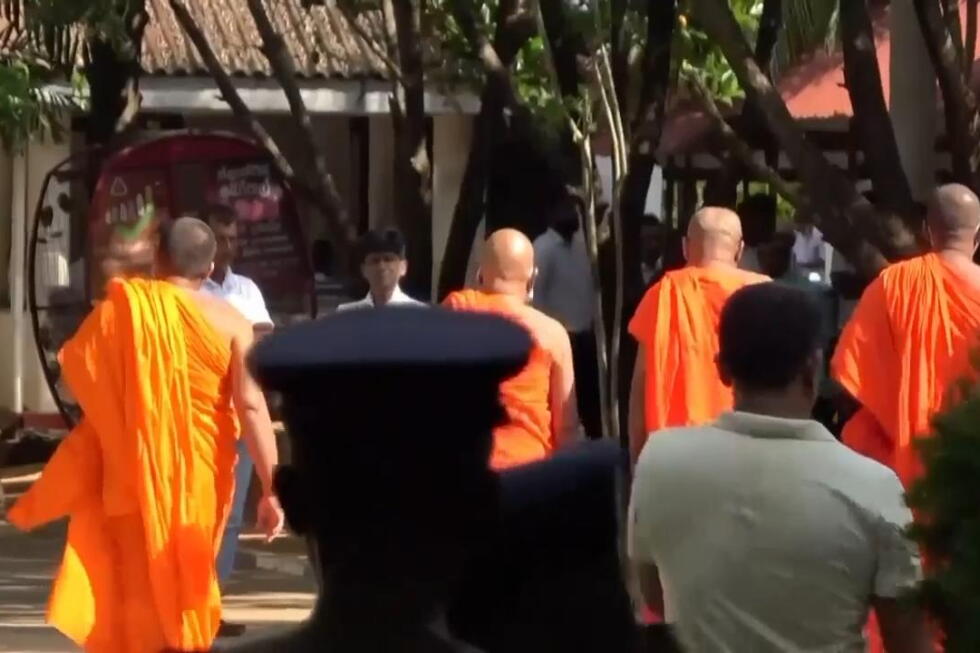
    COLOMBO, Sri Lanka – A Sri Lankan court has granted bail to a prominent senior Buddhist monk arrested earlier this month on charges of sexually abusing a 14-year-old minor, a decision that has ignited fierce public discussion across the majority-Buddhist island nation. Seventy-one-year-old Rev. Pallegama Hemarathana, who has publicly denied all allegations against him, was taken into custody alongside the victim’s mother, who faces charges of assisting the monk in the alleged abuse. The pair were both released on bail Friday by a court in Anuradhapura, Sri Lanka’s ancient cultural heartland.

    Prior to his release, the high-profile cleric had avoided pre-trial detention in a standard correctional facility after claiming urgent medical concerns, instead completing his required custody period at a local hospital. Hemarathana holds significant standing in Sri Lanka’s Buddhist community: he serves as the custodian of eight major ancient Buddhist pilgrimage sites in Anuradhapura, locations that draw devout Buddhist visitors from across the globe.

    With more than 70 percent of Sri Lanka’s 22 million residents identifying as Buddhist, monastic figures wield outsized influence over the country’s political and social spheres. The allegations against Hemarathana have split public opinion, with passionate arguments emerging both in defense of the monk and in support of holding him accountable under the law.

    When the accused was brought to the Anuradhapura court for Friday’s bail hearing, women’s rights advocacy group Women for Freedom organized a silent demonstration outside the courthouse to demand justice for the minor victim. Hemamali Abeyratne, a representative of the group, criticized the widespread societal and institutional bias that has favored the accused monk over the young victim.

    “As a community, we have to ask ourselves whether we are delivering real justice to this child,” Abeyratne stated. She emphasized that the status of the accused should never impact the pursuit of justice, noting, “The question is not whether the accused is a monk, a school principal or an ordinary member of society, but only whether justice prevails. We know that a child can become a victim in the hands of any member of this society.”

    Legal representatives for the monk have pushed back against the accusations and the calls for extended pre-trial detention, claiming that non-governmental organizations and women’s rights groups hold pre-existing bias against the high-profile cleric. Mahesh Kotuwella, an attorney on Hemarathana’s legal team, alleged that civil society and what he called “anti-Buddhist groups” are actively working to sow social unrest and secure a longer detention period for the monk. The case is scheduled to return to court for further proceedings next month.

  • Turkish opposition fights court ousting of leaders in ruling boosting Erdogan

    Turkish opposition fights court ousting of leaders in ruling boosting Erdogan

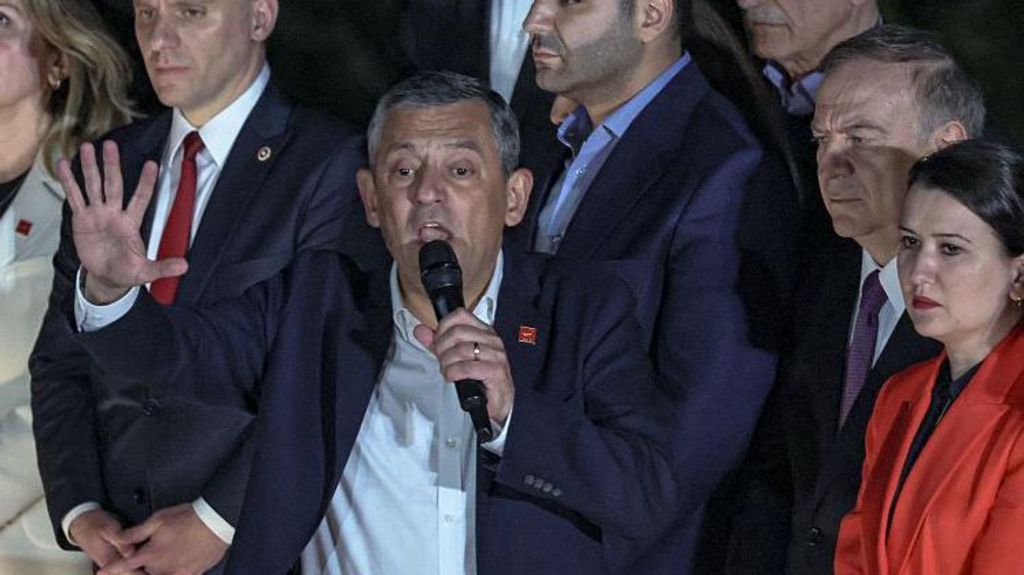
    A controversial court ruling that nullifies the 2023 leadership election of Turkey’s main opposition Republican People’s Party (CHP) has plunged the country into a new political crisis, with opposition chief Özgür Özel slamming the decision as a carefully orchestrated “judicial coup” against democracy.

    On Thursday, Ankara’s appellate court overturned a 2025 lower court ruling that had dismissed claims of vote rigging during the CHP primary that elevated Özel to the party’s top position. The appellate court’s judgment not only removes Özel and the entire CHP executive board from their posts, but also orders the reinstatement of 77-year-old Kemal Kilicdaroğlu, the long-time party leader who lost the 2023 presidential election to incumbent President Recep Tayyip Erdogan and was later voted out of his leadership role by CHP members. All policy and administrative decisions made by the current CHP executive are also expected to be invalidated following the ruling.

    The decision triggered immediate shock and outrage across the CHP. BBC Turkey correspondent Ayşe Sayin reported that many CHP staffers at party headquarters were reduced to tears, and internal tensions boiled over when some members removed a portrait of Kilicdaroğlu from the building’s walls while labeling him a traitor. Thousands of supporters flocked to CHP headquarters in Ankara to protest the ruling within hours of its announcement.

    Özel, who has positioned himself as one of Erdogan’s most vocal critics, has pledged an all-out fight against the court’s decision. “We are living through a dark day for Turkish democracy,” Özel told supporters. “These coup plotters do not arrive with tanks, cannons, rifles or camouflage; they come wearing the robes of judges and prosecutors.” The CHP leader has formally submitted an objection to the ruling to Turkey’s supreme election council (YSK), which began deliberations on the challenge on Friday. He also moved to dismiss widespread speculation of a party split, saying, “Tenants leave, homeowners stay.”

    Critics argue the ruling is the latest in a years-long campaign by Erdogan and his ruling Justice and Development Party (AKP) to sideline political opponents and consolidate power. Özel has explicitly accused the AKP of pursuing a deliberate strategy to “eliminate its rivals.” A key red flag for opponents is the role of current Justice Minister Akin Gürlek, a hardline prosecutor who was hand-picked for the cabinet post by Erdogan earlier this year. Before his appointment, Gürlek served as chief prosecutor in Istanbul, where he led high-profile investigations targeting opposition figures—most notably Ekrem Imamoğlu, the popular CHP mayor of Istanbul who remains Erdogan’s most formidable potential challenger. Imamoğlu has been held in prison for more than a year on corruption charges brought by Gürlek that carry a combined potential sentence of more than 2,000 years behind bars.

    Defending the court’s decision, Gürlek claimed the ruling “reinforces our citizens’ trust in democracy.”

    Senior CHP figures have echoed Özel’s condemnation. Jailed and suspended Istanbul mayor Imamoğlu released a social media statement calling on all Turkish citizens to “stand together for their country.” Ankara Mayor Mansur Yavaş, another high-profile CHP leader, warned the ruling’s core goal is to split Turkey’s largest opposition bloc and neutralize it as a political force ahead of potential early elections. With Turkey’s economy already struggling, Yavaş argued that ruling-party leaders are likely to call snap elections before the 2028 scheduled date to capitalize on the opposition’s disarray.

    The ruling has already rippled through Turkish financial markets: the country’s benchmark stock index plummeted 6% in late trading Thursday, though it clawed back some losses on Friday morning. While Özel plans to appeal the decision all the way to Turkey’s Court of Cassation, legal analysts warn the process will likely drag on for months or even years, leaving the opposition in limbo. Many political observers now suggest that if Özel cannot reverse the ruling through the courts, he and his supporters may be forced to form a new breakaway party to contest future elections.

    In a separate, concurrent development that has drawn further criticism of the Erdogan administration, the president on Friday ordered the permanent closure of Istanbul Bilgi University, a respected independent higher education institution that enrolls roughly 22,000 domestic and international students. The 30-year-old university was effectively shut down overnight, according to Yaman Akdeniz, a law professor who has taught at the institution for 15 years. “An institution where I’ve taught for 15 years, one we’ve nurtured alongside thousands of young people, is being completely disregarded,” Akdeniz said. Turkey’s Council of Higher Education has stated it is putting measures in place to minimize disruption for current students and ensure they can continue their studies at other institutions.

  • What to know about the death of a Congolese man in Ireland

    What to know about the death of a Congolese man in Ireland

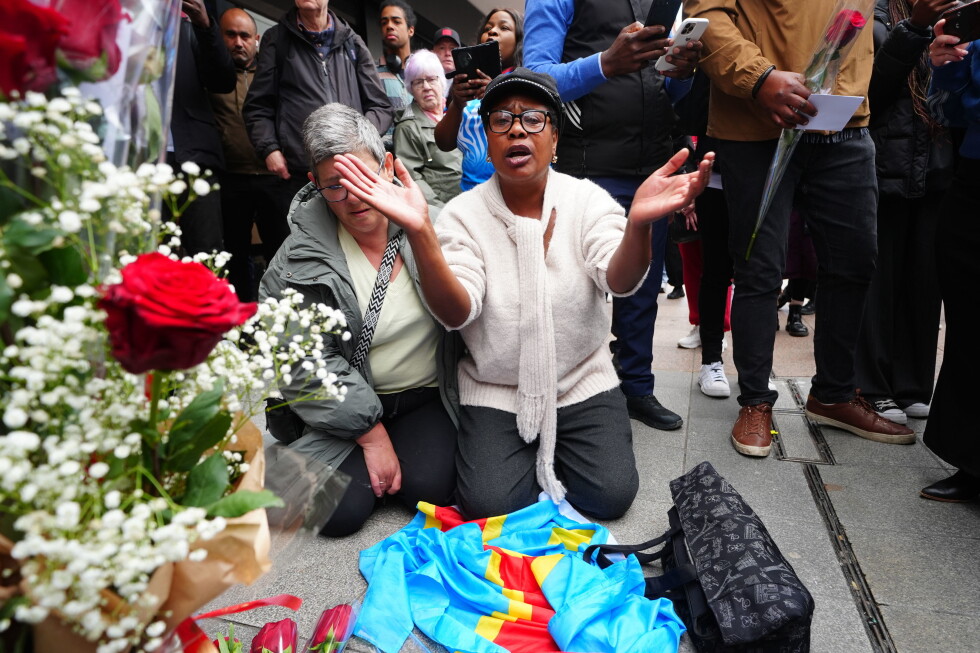
    DUBLIN, Ireland — Hundreds of activists and community members across Ireland are demanding a full, transparent investigation into the death of 35-year-old Yves Sakila, a Congolese man who died after being detained by private security guards outside one of Dublin’s most iconic retail locations.

    The incident, which took place on May 15 outside Arnotts — Ireland’s oldest and largest department store located in central Dublin — has drawn nationwide outrage after disturbing surveillance footage of the encounter emerged, with activists drawing sharp parallels between Sakila’s death and the 2020 murder of George Floyd at the hands of Minneapolis police, a case that sparked a global reckoning over systemic anti-Black racism and excessive use of force.

    According to law enforcement reports, security guards suspected Sakila of shoplifting a bottle of perfume from the store. When he attempted to flee, he knocked over an 80-year-old pedestrian, who was later hospitalized for treatment of his injuries. Sakila was eventually caught and pinned to the sidewalk by multiple guards, and footage of the incident reviewed by the Irish Network Against Racism (INAR) shows him struggling and crying out in distress for nearly five minutes before he lost consciousness. The advocacy group confirmed that the video shows a man in a gray suit kneeling directly on Sakila’s neck during the restraint, a detail that has amplified public anger over the incident. When Gardaí (Irish police) arrived at the scene, Sakila was already unresponsive, and he was pronounced dead shortly after being transported to a nearby hospital.

    Sakila, who moved to Ireland from the Democratic Republic of Congo as a teenager, had lived in the country for more than 20 years. Though he once worked in the technology sector, he had experienced homelessness in recent years and struggled with substance abuse, according to his family’s attorney. Childhood acquaintances remember him as a warm, grounded member of Ireland’s Congolese community. “Yves Sakila was a man who did not deserve to die,” said Suzie Tansia, a representative of Congolese Community Ireland, speaking at Thursday’s demonstration. “He was a human being, like you and I. He was somebody’s son, and that could have been any one of us.”

    Irish anti-racism organizers have raised urgent alarm over the circumstances of Sakila’s death. “We are very concerned that this case appears to have the hallmarks of a case of excessive use of force,” said Shane O’Curry, INAR’s director. “The death of a Black man in such circumstances is extremely worrying, and we urge the authorities to thoroughly investigate all of the circumstances leading to this man’s death, in order to ensure minority ethnic community confidence in the criminal justice system.” Arnotts has issued a statement saying it is “deeply saddened” by Sakila’s passing, and announced it is conducting an internal review of its privately contracted security services while cooperating fully with the ongoing police investigation.

    Two separate probes are currently underway into the incident. Irish Prime Minister Micheál Martin has publicly called for a comprehensive, unbiased investigation, extending his condolences to Sakila’s family and the wider Congolese community in Ireland. “My deepest sympathies go out to his family, and to the wider Congolese community,” Martin said. “I don’t want to prejudice the outcome of that investigation but I think a lot of people are clearly very concerned about what has transpired here.” Gardaí are leading the criminal investigation into Sakila’s death, while Ireland’s police ombudsman has launched a separate internal probe into the actions of responding officers. Initial reports indicate the first officers on scene handcuffed Sakila before realizing he was unresponsive and beginning cardiopulmonary resuscitation. An autopsy has been completed, but law enforcement has declined to release the official cause of death for operational reasons, leaving Sakila’s family frustrated by the lack of publicly available information, according to their legal representation. Police have issued a public call for any witnesses to the incident to come forward to assist with the investigation.

    In the week following Sakila’s death, community members have organized multiple gatherings to honor his life and demand action. A quiet vigil was held outside Arnotts on Tuesday, drawing dozens of attendees, and hundreds of protesters gathered peacefully outside Ireland’s Parliament on Thursday to call for systemic change. Protesters carried signs reading “Black lives matter here too” and chanted slogans including “Justice for Yves, dignity for all” and “No justice, no peace.” Ahead of the protest, the Black Coalition Ireland held a formal press conference to outline five core demands: a fully transparent investigation into Sakila’s death, mandatory anti-racism training for all Irish law enforcement, new legislation limiting excessive force during civilian detentions, an end to anti-minority demonizing rhetoric targeting ethnic communities, and guaranteed equal treatment under the law for all Irish residents, not just on paper. “We are demanding this because our lives matter,” said Yemi Adenuga, a Meath County councilor and coalition spokeswoman. “It would be sad to see this happen again on the streets of Dublin.”

  • Former prime minister Tony Abbott set to be elected unopposed as federal president of the Liberal Party

    Former prime minister Tony Abbott set to be elected unopposed as federal president of the Liberal Party

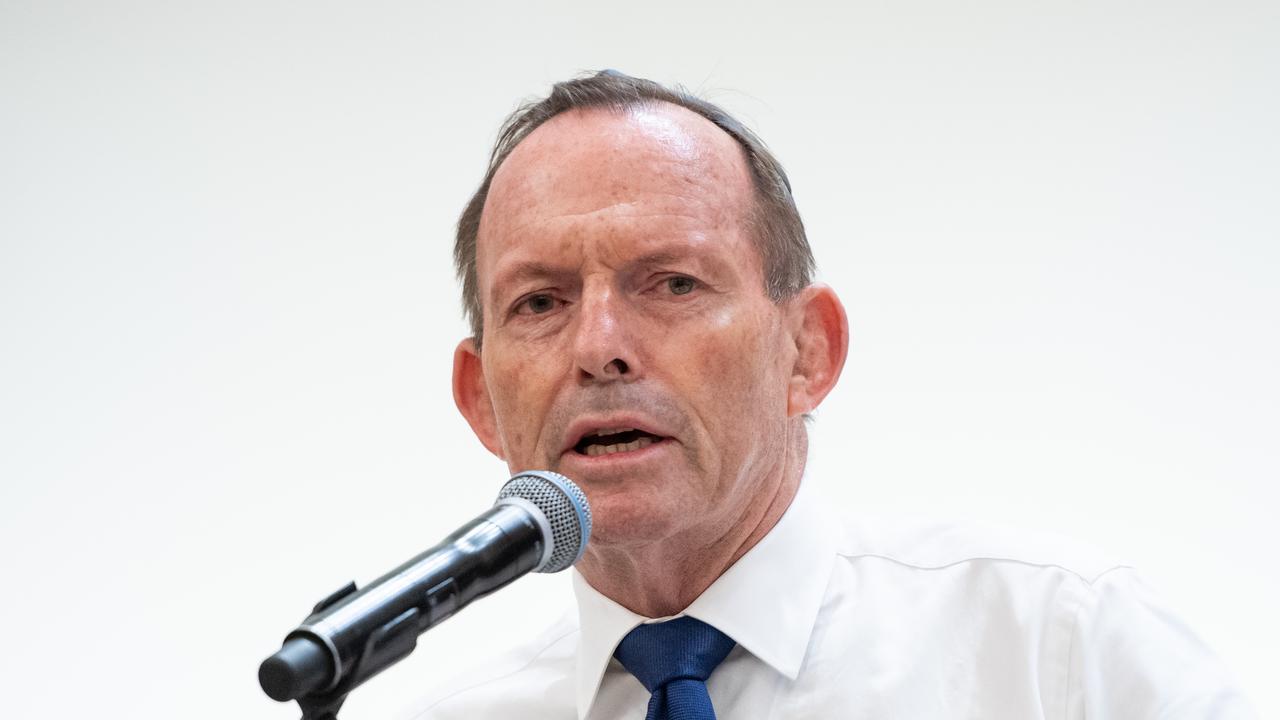
    Nearly five years after losing his parliamentary seat in a federal election, one of Australia’s most recognizable conservative political figures is set to make a high-profile return to the forefront of national politics. Former Australian Prime Minister Tony Abbott has secured a spot as the only nominee for the federal presidency of the Liberal Party, putting him on track to take the senior party role without any contest.

    Details of the nomination were made public after party delegates received a full list of candidates for all internal Liberal Party positions via email on Friday afternoon. With no other candidates put forward for the top administrative role, Abbott is all but guaranteed to win the position when the Liberal Federal Council holds its formal endorsement vote during a scheduled meeting in Melbourne next week.

    The road to the presidency saw a last-minute shift earlier in the nomination process: former foreign minister Alexander Downer, who had initially launched a bid for the top job, ultimately withdrew his candidacy to run instead for a vice presidential position on the party’s federal executive.

    Abbott will take over the role from outgoing federal president John Olsen, a former South Australian senator who has held the position in recent years.

    A veteran of Australian conservative politics, Abbott served as the country’s 28th prime minister from 2013 to 2015. His tenure ended abruptly when he was removed from office via a leadership spill orchestrated by his then-colleague Malcolm Turnbull, who went on to replace him as prime minister and Liberal Party leader. Abbott retained his northern Sydney seat of Warringah until the 2019 federal election, when he was unseated by independent candidate Zali Steggall, ending his decades-long run as a sitting member of parliament.

    The Liberal Party’s governing structure places the federal presidency at the heart of the party’s national administrative leadership. The Liberal Federal Council, which will formally confirm Abbott’s appointment, is made up of 14 delegates from every Australian state and the Australian Capital Territory. These delegates include the federal president, the parliamentary party leader, the head of the Young Liberal Movement, the president of the party’s national Women’s Council, and 10 additional appointed representatives.

    The party’s federal executive, which includes the federal office bearers, divisional presidents from across the country, and the federal parliamentary leadership team, is required to hold at least four formal meetings each year per the party’s official governing charter. While policy positions adopted by the Federal Council are not legally binding on the Liberal Party’s parliamentary wing, the body’s stances carry significant ideological and political weight that shapes the party’s public policy agenda.

    As of Friday, media outlets have not received an official statement from the Liberal Party’s federal branch regarding Abbott’s nomination. Political observers widely view the appointment as cementing Abbott’s return to the front lines of Australian conservative politics four years after his exit from parliament.

  • AI used to fake evidence that ended Korean actor’s career, say police

    AI used to fake evidence that ended Korean actor’s career, say police

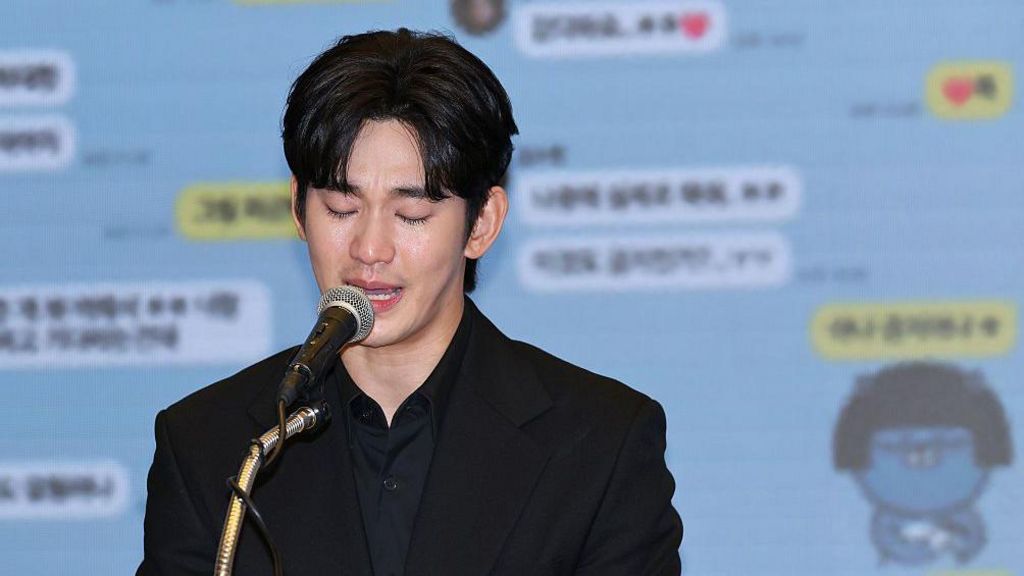
    One of South Korea’s most recognizable A-list actors has seen his decades-long career completely upended by a damaging defamation scandal built entirely on fabricated evidence, authorities now confirm. South Korean law enforcement has announced they are pursuing an arrest warrant against a popular YouTuber accused of forging digital proof to falsely claim top Hallyu star Kim Soo-hyun dated late actress Kim Sae-ron while she was a minor.\n\nThe unsubstantiated allegations first emerged in 2024, just after Kim Sae-ron died by suicide at age 24. The content creator at the center of the controversy, Kim Se-ui, who commands a following of nearly one million subscribers on his YouTube channel, published what he claimed were private text message exchanges between the two actors and an audio recording of the late actress admitting she had a relationship with Kim Soo-hyun starting in middle school. For months, these materials were taken as credible by much of the public, and gained widespread traction after Kim Sae-ron’s family publicly endorsed the YouTuber’s claims.\n\nAfter a thorough investigation, however, police have confirmed that every piece of evidence released by the YouTuber was manipulated. Investigators say the voice recording was entirely generated using artificial intelligence, and the text message screenshots were edited from messages Kim Sae-ron sent to other contacts to falsely imply they were exchanged with Kim Soo-hyun. According to police filings cited by South Korean outlet JoongAng Ilbo, the creator knowingly spread these falsehoods for financial gain from his high-traffic channel. Authorities add that the hoax had devastating, irreversible consequences for the actor: it completely destroyed his public standing, halted all his professional and commercial work, and eliminated the foundation of his acting career. Law enforcement also confirmed Kim Soo-hyun continues to undergo psychiatric treatment in the wake of the unrelenting public backlash.\n\nKim Soo-hyun has consistently denied the core allegation that he dated Kim Sae-ron while she was underage. Initially, his agency denied the pair had ever been involved romantically, but the actor later clarified at an emotional press conference in March 2025 that the two did date for one year, but only after Kim Sae-ron reached legal adulthood. \”I can’t admit to something I didn’t do,\” he told reporters at the time, fighting back tears. Shortly after that press appearance, Kim Soo-hyun filed criminal complaints and civil lawsuits against both the YouTuber and Kim Sae-ron’s family for spreading false accusations.\n\nSince the scandal broke, Kim Soo-hyun — once a fixture on hit Korean television series and a top-earning endorser for major global brands — has not made any public appearances. The upcoming Disney+ series *Knock-Off*, which he had nearly completed filming when the allegations surfaced, has been pushed to an indefinite release date.\n\nIn response to the arrest warrant application, Kim Se-ui has pushed back against authorities, posting a video claiming law enforcement’s allegations against him are a “subterfuge meant to disrupt his investigation” into the actor. As of Tuesday, neither Kim Soo-hyun nor his agency has issued any public comment on the latest development in the case.\n\nThe scandal shines a new light on the intense public scrutiny that celebrities face in South Korea, where even minor missteps can lead to a complete end to a star’s career. It also underscores the growing risk of AI-generated disinformation targeting public figures. Kim Sae-ron herself was no stranger to online harassment: once regarded as one of South Korea’s most promising young rising actresses, she faced widespread online vitriol after being fined for a drunk driving incident in 2022, years before her death.