博客

  • Trump inserts himself into the centre of America’s 250th birthday celebrations

    Trump inserts himself into the centre of America’s 250th birthday celebrations

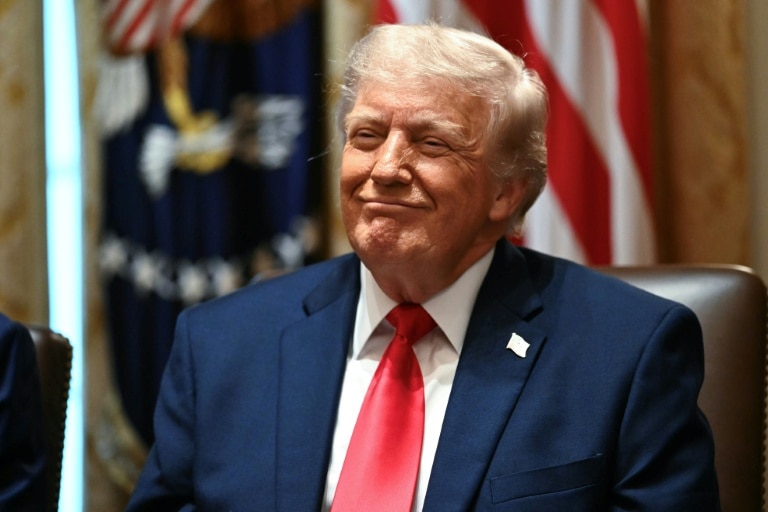
    As dozens of high-profile musical performers have pulled out of or disavowed involvement in the series of official anniversary events marking the United States’ 250th year of independence, former and current U.S. President Donald Trump has declared the celebrations do not need celebrity entertainment to succeed.

    On his social media platform Truth Social, Trump issued a blunt dismissal of the exiting artists. “I don’t want so-called ‘artists’ that get paid far too much money, who aren’t happy,” he wrote. “I only want to be surrounded by happy people, smart people, successful people and people that know how to win.”

    Following the wave of withdrawals, the president directed his administration representatives to explore making him the headlining attraction of the 16-day “Great American State Fair” scheduled to open on the National Mall in Washington D.C. later this month. While it remains unconfirmed whether Trump’s proposed “giant Make America Great Again Rally” will replace the absent musicians, the move is the clearest example yet of how the sitting president has centered himself in the nation’s landmark Independence Day commemorations.

    Since returning to the White House in January 2025, Trump has repeatedly framed his second term as a unique opportunity to lead the U.S. through a series of historic national and global events, including this year’s men’s FIFA World Cup, the 2028 Los Angeles Summer Olympics, and the 250th anniversary of American independence. Of these milestone occasions, Trump has shown particular interest in the semiquincentennial, an event steeped in patriotic symbolism and national pageantry.

    A decade ago, the U.S. Congress created the official “America 250” commission to plan coordinated, national anniversary events. But shortly after Trump’s return to office, allies and groups aligned with the president launched a parallel, privately funded initiative called the “Freedom 250” committee to host separate celebrations aligned with the president’s agenda. The competing slate of events includes the National Mall state fair, a UFC mixed martial arts fight hosted on the White House grounds, a national fitness competition in Orlando, Florida, a street Grand Prix racing event through downtown Washington D.C., and what Trump has claimed will be the largest fireworks display the world has ever seen on the Fourth of July. Trump has regularly promoted these events on social media, even sharing AI-generated images of himself starting the street race and posing beside the White House fighting ring.

    In contrast, the official congressionally authorized America 250 initiative has planned far more modest events, including traveling art exhibitions and community block parties across all 50 states.

    Beyond lining up events, the Trump administration has prioritized a series of public space “beautification” projects across Washington D.C. to prepare for months of anniversary activities. More than a dozen iconic fountains in high-traffic public parks and circles across the capital have been restored, and Lafayette Park directly across from the White House is currently closed for major renovations. The Lincoln Memorial Reflecting Pool, a landmark at the heart of the National Mall, is undergoing resurfacing work, though the project has drawn questions over its funding and construction methods. Four historic bronze horse statues near Memorial Bridge are set to receive a coating of 23.75-karat gold leaf, while downtown streets have been repaved and city lampposts repainted by work crews.

    Trump, who built his pre-political career as a New York City real estate developer, has leaned into his personal interest in construction projects, often sounding more like a municipal public works official than the U.S. head of state when discussing the renovations. During last week’s Cabinet meeting, he dedicated more than 20 minutes to detailing the capital improvement projects, saying, “I love construction. DC is looking beautiful.”

    Last month, the U.S. Commission of Fine Arts approved plans for a new 250-foot triumphal arch to be built across the Potomac River from the Lincoln Memorial, though the controversial project still requires additional regulatory approval and is already facing ongoing legal challenges from critics who argue it is an unnecessary distortion of the National Mall’s historic landscape.

    White House aides and senior administration officials have worked for months to tie Trump directly to every part of the anniversary celebrations. In March, the U.S. Treasury approved a commemorative gold coin featuring Trump at a presidential desk. Just last week, Treasury Secretary Scott Bessent confirmed the department is also developing a special $250 bank note that would feature Trump’s portrait. Adding a portrait of a living U.S. president to federal currency would require explicit approval from a majority in both chambers of Congress, however.

    The proposal for the Trump-branded $250 note drew immediate fierce pushback from congressional Democrats, who are broadly united in opposing the administration’s framing of the anniversary. “Get over yourself,” House Democratic Leader Hakeem Jeffries wrote on social media platform X. “The upcoming July 4th anniversary is not about a wannabe king. It is about celebrating the American journey.”

    Trump and his administration have dismissed the criticism as unpatriotic, arguing that the administration’s large-scale events and investments are appropriate for a momentous national occasion. But the end result has transformed what was meant to be a unifying national milestone into yet another front in American partisan conflict, coming at a time when the nation remains as deeply politically divided as it has ever been.

  • Sabalenka overpowers Osaka to reach French Open quarter-finals

    Sabalenka overpowers Osaka to reach French Open quarter-finals

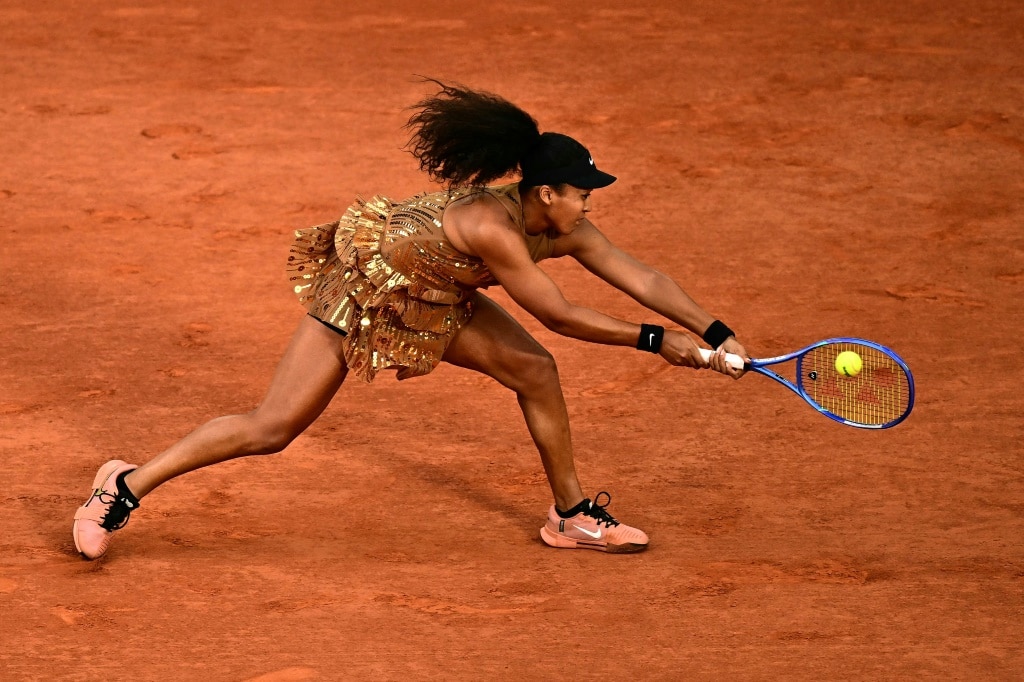
    On Monday night at Roland Garros, top-ranked women’s singles star Aryna Sabalenka delivered a powerhouse performance to defeat four-time Grand Slam champion Naomi Osaka in straight sets, securing her spot in the 2024 French Open quarter-finals and extending an extraordinary streak of deep major tournament runs. The world number one’s 7-5, 6-3 victory not only marked her fourth consecutive quarter-final appearance at the clay-court major, but also her 14th straight advancement to the last eight of any Grand Slam — a feat no other remaining singles player at this year’s tournament can match. In fact, Sabalenka now stands as the only former Grand Slam champion left in both the men’s and women’s singles draws, after a wave of unexpected upsets swept through the early rounds.

    Sabalenka’s aggressive game was on full display throughout the clash, firing 39 winners and 12 aces past a resilient Osaka who pushed her to tight service games on multiple occasions. The opening set set the tone for the tight contest: the two power hitters traded breaks in the early going before Sabalenka leveled at 2-2 with a hold that included three aces, the third coming on a powerful second serve. The set remained on serve until the 11th game, when Sabalenka broke through with a blistering backhand winner that earned her two break points, converting on the first after Osaka found the net. She closed out the set with a ruthless love hold to take the lead.

    In the second set, Osaka fought hard to stay in the match, saving a break point in a marathon sixth game to hold a 3-2 lead. But Sabalenka, who had dropped only six points across her previous seven service games, responded with a clever drop shot to hold serve in a grueling game that proved pivotal. In the very next game, a brilliant low volley at the net broke Osaka’s serve, shifting all momentum to the top seed. Two games later, an Osaka double fault set up match point, and Sabalenka sealed the win with a blistering return.

    The Monday night clash carried extra significance beyond tournament advancement: it was the first women’s match scheduled for the French Open’s prime-time night session since 2023, ending a streak of 32 consecutive men’s night matches that drew widespread criticism from players and fans over unequal treatment. Both Sabalenka and Osaka embraced the moment, with Sabalenka — who has previously spoken out in favor of equal scheduling for women — saying she hopes the match opens the door for more women’s night sessions in future tournaments. “I hope that this is the beginning, today’s match. It’s like we open up that door for woman night sessions,” she said after the win.

    For Sabalenka, the victory keeps alive her bid for a maiden French Open title, a chance to avenge her painful 2023 final defeat to Coco Gauff. She will next face Russian rising star Diana Shnaider for a spot in the semi-finals. Reflecting on the wave of upsets that cleared her path to this point, Sabalenka said she has remained focused on her own game regardless of results elsewhere. “I was able to kind of separate myself from what’s going on this year at the Roland Garros,” she said. “I have been around. Anything can happen. That’s tennis. My mindset, it’s basically that I’m ready to do whatever it takes to get this beautiful trophy.”

    For Osaka, the result marks the best deep run of her career at the French Open, ending her tournament in the round of 16. The 28-year-old Japanese star, who once again competed in her iconic sequined gold dress she has compared to the Eiffel Tower at night, showed a new sense of perspective post-match, noting how her approach to the sport has matured. “If I lost this match when I was younger, I’d shut myself in my room or whatever,” she said. “But now I feel like obviously I love tennis, and I’m trying my best to do everything to be the best player I can. But… it’s kind of like a clock in/clock out type of thing. I’m excited to go home and see my daughter.” She added that she found playing the historic night match a fun experience, calling it “really cool” to share the spotlight with Sabalenka.

  • Two possible Ebola cases in Brazil ruled out as patients test negative

    Two possible Ebola cases in Brazil ruled out as patients test negative

    Brazilian local health authorities have officially announced that two people who were once under monitoring as suspected Ebola cases have now cleared their tests, with both returning negative results for the deadly virus.

    The two suspected patients, who developed Ebola-compatible symptoms after returning from trip to African nations, were placed under observation and testing in Brazil’s two largest urban centers, São Paulo and Rio de Janeiro, immediately after they showed symptoms. According to an official announcement from São Paulo’s health department, the 37-year-old male patient, who had traveled to the Democratic Republic of the Congo (DRC) – the epicenter of the ongoing Ebola outbreak – did not contract Ebola. Subsequent tests revealed he was actually infected with meningitis, and had only presented fever, a common overlapping symptom for both diseases.

    In the separate case in Rio de Janeiro, the patient – a Belgian national who recently returned from Uganda – also tested negative for Ebola. He had been flagged for suspicion after showing viral symptoms including cough, body chills and diarrhea, but test results confirmed he was suffering from malaria instead.

    Health officials noted that if either of these two cases had returned positive Ebola results, they would have marked the first confirmed Ebola infections detected outside of Africa since the current outbreak took hold in the DRC.

    As of current reports, the outbreak situation in Africa remains serious. The DRC has recorded more than 1,000 suspected Ebola cases, with at least 246 confirmed deaths linked to the virus. Most infections are concentrated in three eastern provinces of the country: Ituri, North Kivu and South Kivu. Neighboring Uganda has also confirmed nine Ebola cases and one fatality from the disease.

    The ongoing outbreak is driven by the Bundibugyo strain, a rare Ebola variant for which no licensed, proven effective vaccine currently exists. This strain has an average mortality rate of roughly 30 percent among those who contract it. At present, three new candidate vaccines targeting the Bundibugyo strain are under active development, led by research teams including the International AIDS Vaccine Initiative (IAVI), the University of Oxford, and biopharmaceutical company Moderna.

    For background, Ebola viruses are primarily zoonotic pathogens that naturally circulate in wild animal populations, most commonly fruit bats. Human outbreaks typically originate when an individual comes into contact with or consumes an infected animal. Once an initial human infection occurs, the virus spreads rapidly through direct contact with an infected person’s bodily fluids – which includes sweat, saliva, blood, semen, feces, urine and vomit.

  • Egyptian activist in ‘real danger’ in Oman as she faces extradition over social media posts

    Egyptian activist in ‘real danger’ in Oman as she faces extradition over social media posts

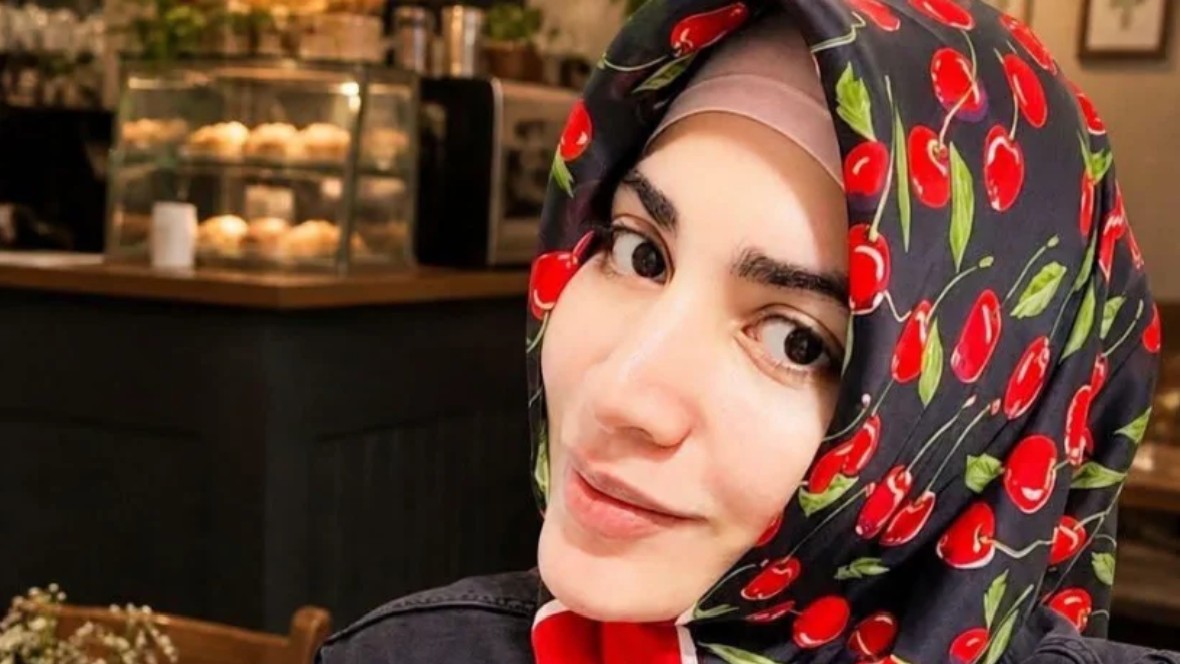
    A politically charged case spanning the Gulf and North Africa has sparked urgent alarm from human rights advocates, as an Egyptian dissident and her days-old newborn face forced extradition from Oman to Cairo, in what legal representatives say is a brazen misuse of international law enforcement frameworks built for transnational crime, not political repression.

  • No, Trump’s name hasn’t been removed from the Kennedy Center

    No, Trump’s name hasn’t been removed from the Kennedy Center

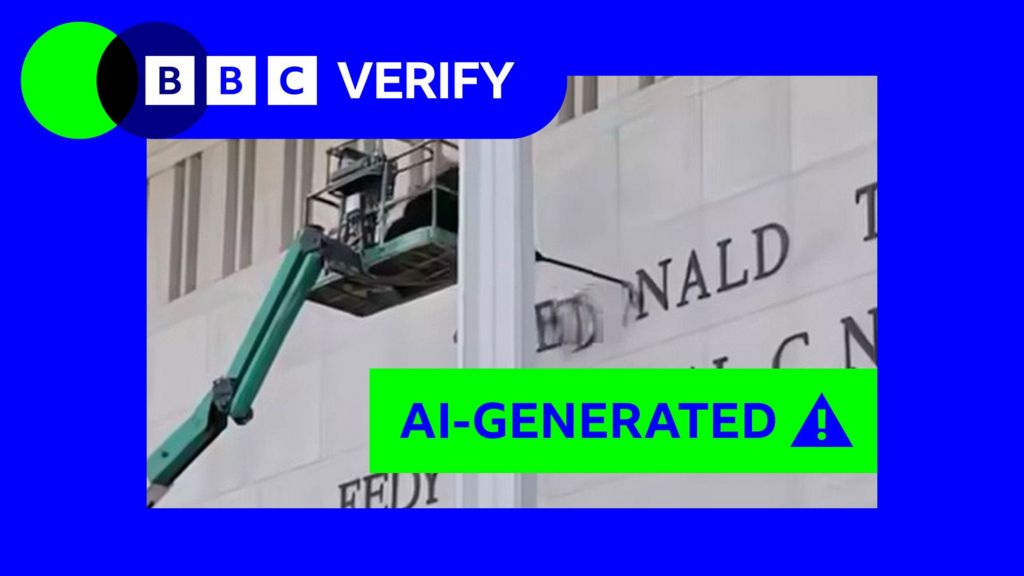
    A digitally altered artificial intelligence-generated video has spread rapidly across social media platforms in recent days, racking up millions of views from users around the world. The deceptive clip purports to show construction workers physically prying former U.S. President Donald Trump’s name off the exterior facade of the iconic John F. Kennedy Center for the Performing Arts in Washington, D.C.

    The convincing-looking footage has sparked widespread discussion and outrage among social media users, many of whom initially believed the video captured a real, politically motivated removal of Trump’s name from the national landmark. However, multiple official sources and on-site verification have confirmed that the content shared online is entirely fabricated. As of the latest update, Trump’s name remains fully intact on the building’s exterior, with no plans for removal currently in motion.

    The spread of this false video underscores the growing challenge of AI-generated misinformation in modern digital media, where realistic-looking fake content can reach massive audiences in a matter of hours before fact-checkers can debunk the false claims. This incident also highlights how political tensions continue to fuel the creation and sharing of manipulated content that aligns with partisan narratives on both sides of the political spectrum.

  • US justice department says it will abide by court ruling halting Trump’s $1.8bn ‘anti-weaponisation’ fund

    US justice department says it will abide by court ruling halting Trump’s $1.8bn ‘anti-weaponisation’ fund

    A long-simmering political controversy over a proposed $1.8 billion federal compensation fund took a new turn this week, as the U.S. Department of Justice confirmed it will follow a federal court’s ruling that temporarily halts the launch of the initiative tied to President Donald Trump. While the DOJ has pledged to abide by the court’s order, the department made clear in a public statement released Monday that it strongly objects to the decision that put the fund on ice.

    The fund, branded the ‘anti-weaponisation fund’ by the Trump administration, emerged last month as part of a settlement agreement resolving a claim against the federal government over the unauthorized leak of Trump’s personal tax returns during previous administrations. Designed to offer financial compensation to individuals who say they were unfairly targeted and persecuted for political reasons by prior U.S. governments, the DOJ has framed the initiative as a long-overdue corrective for widespread institutional abuse. In a post on X Monday, the department emphasized that the fund is open to all eligible people regardless of political affiliation, saying it would accept claims from Democrats, Republicans, conservatives, independents, and voters with no party alignment alike.

    The hold on the fund was issued last week by U.S. District Judge Leonie Brinkema, who put a temporary block on all work to establish and operate the $1.776 billion fund until a full preliminary hearing scheduled for June 12. Brinkema’s order bars the DOJ from taking any steps related to the fund, including accepting, reviewing, processing, or disbursing funds to claimants, during the waiting period. Prior to last week’s ruling, the DOJ had repeatedly expressed extreme confidence that the fund’s structure and authorization would stand up to legal scrutiny.

    The court challenge that led to the order stemmed from a lawsuit filed in Virginia by two male plaintiffs who argued the fund is illegally discriminatory. The two men say they themselves were targeted for political retaliation by the Trump administration, but they believe the fund’s eligibility rules will bar them from receiving any compensation, despite the DOJ’s claims of open access. The lawsuit is not the only source of pushback against the initiative: the fund has drawn sharp criticism from lawmakers across the political aisle, with both Republican and Democratic members of Congress labeling it an unaccountable ‘slush fund’ that lacks proper oversight.

    High-profile opposition has grown in recent days, with former Vice President Mike Pence—who served alongside Trump during his first term—adding his voice to critics over the weekend. Pence called the proposal a bad idea from its inception and urged the administration to scrap the plan entirely. Multiple sources familiar with the initiative confirm that a large share of expected claimants include supporters of Trump who were prosecuted for their role in the January 6, 2021, U.S. Capitol riot, as well as former members of Trump’s first-term inner circle who have faced federal investigations. When asked for comment on the court’s ruling this week, the White House deferred all questions to the Department of Justice.

  • Shias in Lucknow mourn Khamenei even as India strengthens ties with Israel

    Shias in Lucknow mourn Khamenei even as India strengthens ties with Israel

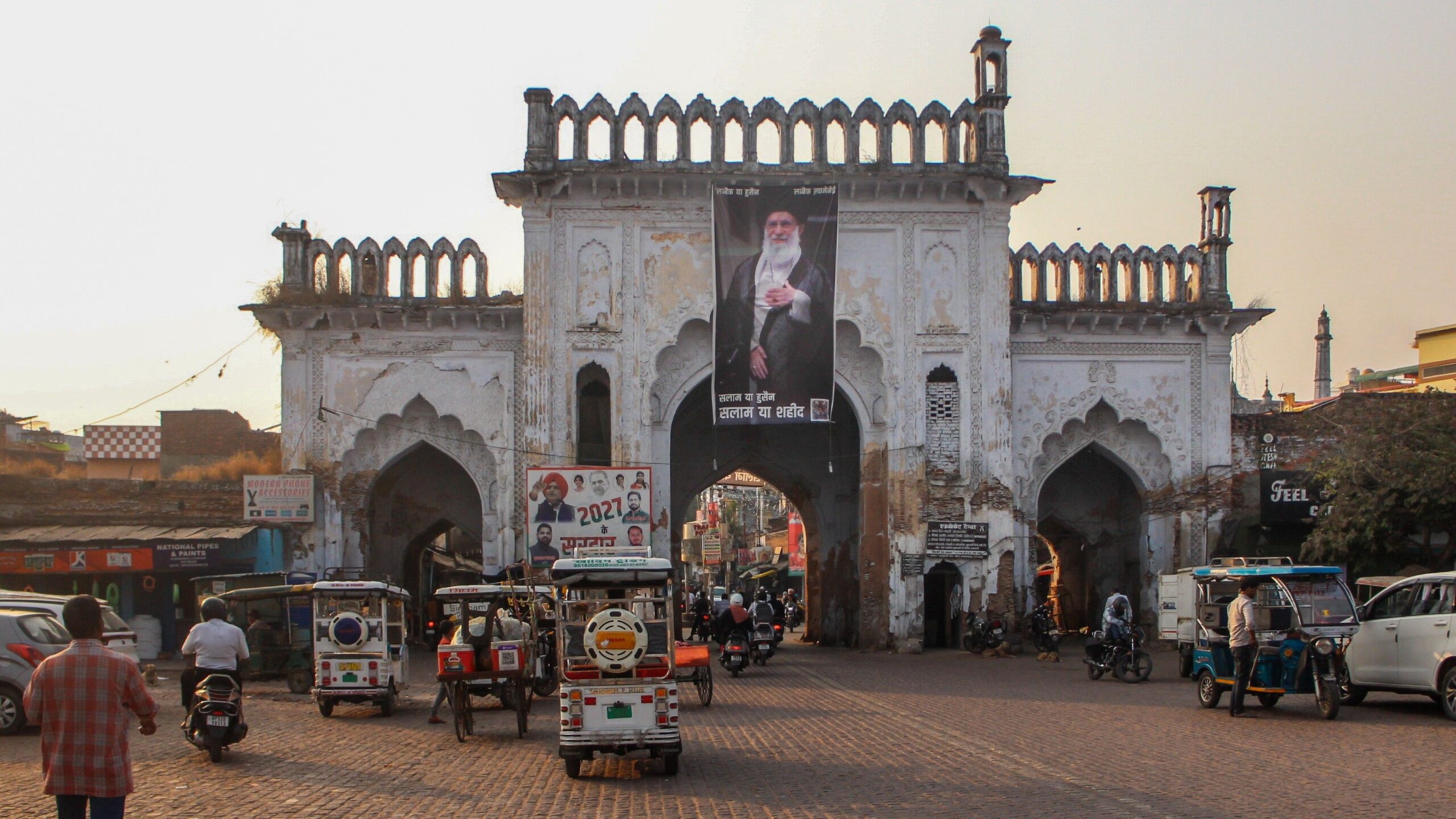
    Beneath the scorching dry-season winds that cut through the narrow lanes of Lucknow’s historic old city, an unmistakable display of solidarity with Iran fills every public space. At Hussainabad Chowk, the city’s bustling central open plaza, towering posters of the recently assassinated Iranian supreme leader Ali Khamenei billow, one bearing a Hindi inscription that reads: “Heartfelt and tearful homage to the great leader and guide of world peace and humanity, Martyr Ayatollah Sajjad Ali Husaini Khamenei Sahib.” Another poster positions Mojtaba Khamenei, Iran’s new supreme leader, standing protectively behind his slain father, hands resting gently on his shoulders.

    Further into the warren of old city alleyways, reverence for Iran’s ayatollahs appears everywhere: hand-painted graffiti, framed portraits, and street-side murals line every wall. In a stark act of protest, Israeli and American flags are painted directly onto the dusty paving stones, alongside portraits of Israeli Prime Minister Benjamin Netanyahu, U.S. President Donald Trump, and Saudi Arabia’s de facto leader Mohammed bin Salman, placed deliberately to be stepped on by passing pedestrians. Netanyahu’s image is the most heavily worn, reduced to faint fragments against the tattered blue-and-white backdrop of the Israeli flag, while Trump’s portrait remains partially intact—a vivid visual marker of the relative intensity of public anger toward each figure, shaped by their role in the strikes that killed Khamenei.

    This grassroots activism is not a new outburst: soon after the October 7, 2023 attacks on Israel, local shopkeepers in old Lucknow launched a grassroots boycott of American and Israeli-linked goods, pouring thousands of bottles of Coca-Cola down open drains. Today, the only cola stocked on store shelves is Campa Cola, a popular Indian-made alternative. What makes this display of anti-Israel protest particularly striking is its location: it unfolds in the country of Prime Minister Narendra Modi, one of Israel’s closest global allies.

    Lucknow, the capital of India’s most populous state Uttar Pradesh, carries centuries of deep cultural and religious ties to Iran. Once ruled by the Nawabs of Lucknow, a Persian-origin dynasty that governed the Awadh region through the 18th and 19th centuries, the city grew into one of South Asia’s preeminent centers of Indo-Islamic culture, with its art, cuisine, music, and architecture all bearing enduring West Asian influences. Today, it is home to India’s largest Shia Muslim community, concentrated heavily in the old city’s winding neighborhoods.

    When news broke on February 28 of the joint U.S.-Israeli strike that killed Khamenei, spontaneous protests erupted across old Lucknow within hours. Chants of “America Murdabad” and “Israel Murdabad”—translated as “Death to America” and “Death to Israel”—echoed off the Chowk’s historic sandstone walls. By sunset, thousands of mourners gathered at Bada Imambara, Lucknow’s iconic 18th-century Shia religious site and top tourist attraction, to light candles in honor of Khamenei, whom many now honor as a martyr.

    A historic slogan tied to the core of Shia identity was quickly reworked to reflect the moment: the centuries-old cry “Hussaini maaroge, har ghar Hussaini Niklega” (“If you kill one Hussaini, a hundred more will rise from every home”), rooted in the 680 CE martyrdom of Imam Hussain at the Battle of Karbala, became “Tum kitne Khamenei maaroge, har ghar se Khamenei niklega” (“If you kill one Khamenei, thousands more will emerge from every household”). The adaptation sent a clear message: the Shia community of Lucknow views itself as an integral part of the global Shia resistance movement.

    “Lucknow’s historical relationship with Iran is such that it was once called the Shiraz of the East,” explains Akbar Mehdi, a young Shia cleric originally from a small town east of Lucknow who now resides in the Iranian holy city of Qom. Mehdi returned to India for the holy month of Ramadan shortly before the strike and has been unable to return to Iran amid the ongoing conflict. “In dining customs, in everyday conversation, an Iranian imprint is clearly visible across our culture here,” he said.

    While connections between Lucknow and Iran predate the 1979 Islamic Revolution, the depth of ideological alignment grew dramatically in the decades that followed, according to Ziyaullah Siddiqui, co-editor of the Urdu-language news portal Qasidnama. His co-editor Shibli Beg explains that Ayatollah Ruhollah Khomeini’s introduction of the concept of Wilayat-e-Faqih—rule by Islamic jurists as a temporary guardianship before the messianic return of the Mehdi—shifted the entire orientation of Lucknow’s Shia community. After 1979, the community’s center of gravity moved from local religious affairs to an increasingly Iran-centric global outlook, with hundreds of young Lucknow Shias traveling to Iran for religious education, and nearly all of the city’s most prominent senior clerics completing their studies in Iranian seminaries.

    The ancestral ties binding the two regions run even deeper than the revolution: just a short drive from Lucknow, the small village of Kintoor sits amid the lush, fertile paddy fields of the Gangetic Plains, and it is the ancestral birthplace of Khomeini himself. Khomeini’s grandfather, Syed Ahmad Musavi Hindi, was born in Kintoor in 1790 before migrating to the Iranian village of Khomein at age 40.

    In the neighboring village of Rasulpur, Middle East Eye met Rehan Kazmi, a local doctor, descendant of Khomeini, and distant cousin of Iran’s first revolutionary supreme leader, who also founded the Imam Khomeini Foundation to preserve the family’s ancestral connection to the region. “The Kazmi family of Rasulpur and the Kazmi-Musavi family of Kintoor share the same bloodline,” Kazmi explained during an interview in his clinic, where four framed images hang on the wall: a local Sufi saint Haji Waris Ali Shah, a piece of embroidered Islamic calligraphy, Ali Khamenei, and Ruhollah Khomeini. “Around 900 years ago, our ancestors moved to this land from Nishapur in Iran and settled here. We have been Indians ever since,” he said, recalling that even during his childhood in the village, Farsi was so commonly spoken that “even the chickens understood Farsi commands.”

    Kazmi recalled that within hours of news of Khamenei’s assassination breaking on February 28, villagers across the region took to the streets to condemn the strike and express solidarity with Iran. They marched carrying portraits of Khomeini and Khamenei, all local shops closed their doors, and the village observed three days of official mourning.

    While Lucknow is home to India’s largest Shia community, the city’s overall population is majority Hindu, and Uttar Pradesh is governed by Chief Minister Yogi Adityanath, a controversial Hindu nationalist priest-politician infamous for his anti-Muslim rhetoric and repeated actions that stoke inter-religious communal tension. He once claimed “Muslims did no favour to India by staying here.” Yet despite this tense political context, local journalist Siddiqui noted that aside from a tiny number of isolated provocations early on, the widespread pro-Iran protests have seen remarkably little communal pushback. “Lucknow is a city where Hindu-Muslim riots have never taken root. During the 1947 Partition of India and Pakistan, the city was largely spared the bloodshed that tore apart other parts of the subcontinent. People here are sensible. This is a city of tehzeeb—of civilisation,” he said.

    By mid-March, the nature of the solidarity movement shifted: large, public street protests gave way to coordinated humanitarian fundraising for Iranian civilians affected by the ongoing war. Even the poorest members of the community contributed what they could, Kazmi said. “Even very poor daily wage labourers gave whatever small change they had. It shows how deeply people here care about this cause.” One young donor, who himself relied on casual work to support his family and clearly had little to spare, told organizers: “Such is my love for Iran, I could not give less.”

    The gap between this widespread grassroots solidarity and India’s official foreign policy could not be wider. Modi’s ruling Bharatiya Janata Party (BJP) government in New Delhi maintains extremely close ties to Israel: India is the world’s largest buyer of Israeli military equipment, and just three days before the joint U.S.-Israeli strike on Iran began, Modi completed a high-profile state visit to Israel. Standing alongside Netanyahu on February 25, Modi declared: “Israel is the Fatherland, India is the Motherland,” and even noted that his birthday falls on the same date that India first formally recognized Israel, framing the alliance as a personally fated bond. Just two days after that visit, the war on Iran began.

    The conflict has already delivered tangible economic harm to India, which relies almost entirely on energy shipments passing through the Strait of Hormuz. Nine out of 10 Indian households rely on liquefied petroleum gas (LPG) cylinders for cooking, and roughly 60% of India’s total LPG imports pass through the strategic waterway. From the first day of the war, Indian households faced sharp price hikes and long waiting lines for refills, and widespread public panic has gripped the country ever since. When negotiations between the U.S. and Iran collapsed in mid-May, Modi publicly called on Indian citizens to cut energy use by using public transport and working from home wherever possible.

    “Both the ordinary people of India and Iran are unhappy with India aligning so closely with Israel,” cleric Akbar Mehdi said. “People here can tell truth from falsehood. Iran, Lebanon, Yemen, Palestine—this is the path of truth, the path of Karbala, the path of Islam.”

    Today, India presents a picture of two competing national narratives existing side by side. On one side is the BJP government, which has refused to condemn Israel’s military campaign, even as its own supporters grow increasingly anxious about the economic fallout of the conflict. On the other side is the grassroots pro-Iran solidarity movement, whose leaders are hesitant to openly challenge the central government: after 12 years of BJP rule, India’s Muslim community as a whole, and Shia Muslims in particular, are a marginalized minority with very little representation in national politics, and face widespread systemic pressure. “We cannot speak openly against the government, because of the fear and the constant pressure we live under,” Mehdi explained.

    Once a leading global voice for Palestinian statehood and the first large country to cut diplomatic ties with apartheid South Africa, India now maintains a deliberate silence on the violation of Iran’s sovereignty, though it has also walked back its early overtly pro-Israel rhetoric in the face of growing domestic and regional discontent. Many critics in Lucknow argue that the BJP’s current foreign policy is unmoored and weak, leaving India increasingly isolated across West Asia as anti-Western and pro-resistance sentiment spreads across Asia.

    For Rehan Kazmi, the shift in India’s longstanding principles is the core of the problem. “The leaders who built independent India experienced oppression themselves, they stood with the victims of colonialism. They understood what was happening in Palestine, because they had fought the same fight. Our ancestors sacrificed everything to free this country. Today, the soul of India is under attack. If the soul is gone, the body has no meaning.”
  • In Tehran, exhausted Iranians are caught between war and the shadow of war

    In Tehran, exhausted Iranians are caught between war and the shadow of war

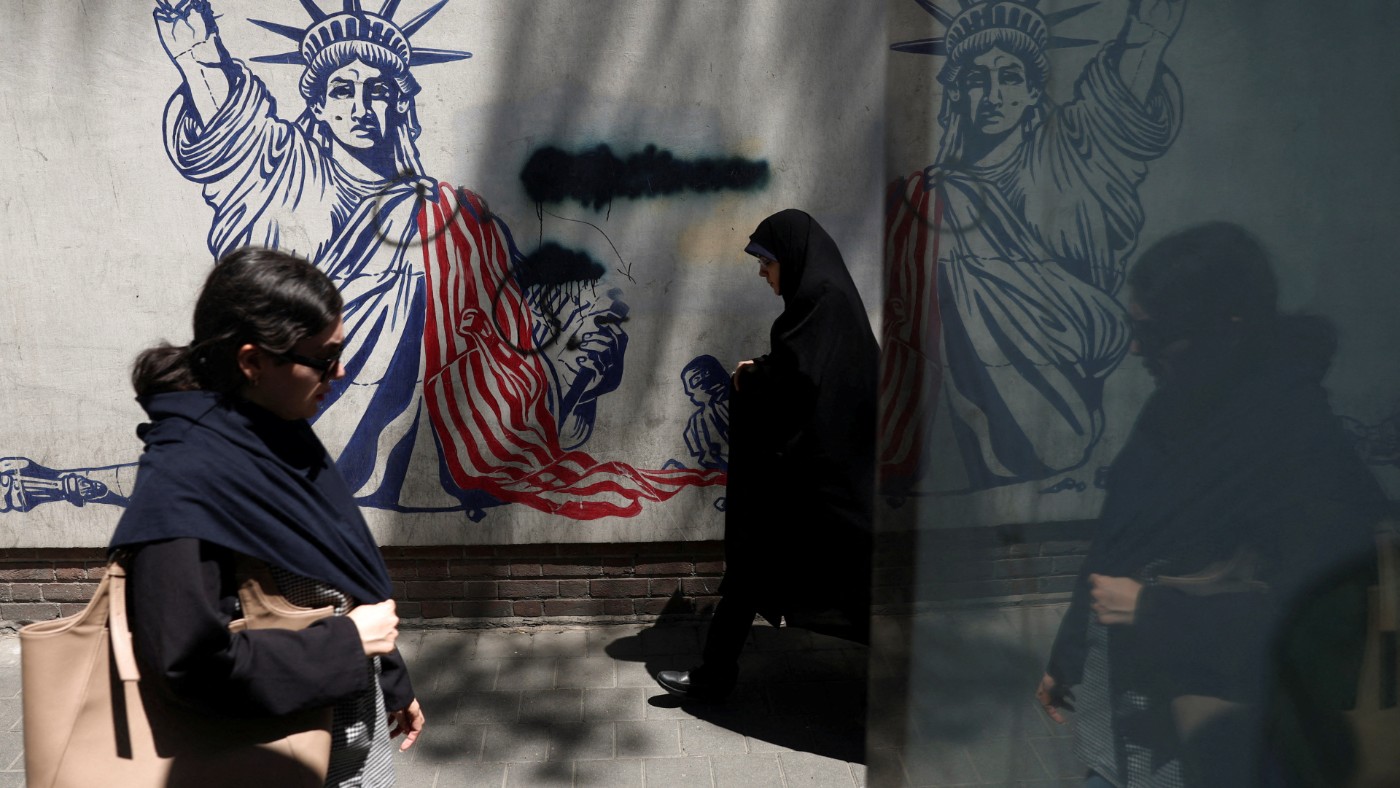
    More than three months have passed since the United States and Israel opened military hostilities against Iran, and for ordinary Iranian citizens across Tehran, every day has been defined by a single, draining reality: a liminal state of neither open war nor lasting peace that has left nearly all facets of daily life frozen. For 38-year-old Tehran resident Afshin, his weariness echoes the sentiment of a large swathe of the population. “We’re exhausted,” he shared in an interview. “It’s either been war since last summer, or the constant shadow of war. I hope they reach a deal so we can finally escape this suspended state… I just want life to go back to normal.”

    Against this backdrop of persistent instability, many Iranians hold a fragile, tentative hope that indirect negotiations between Tehran and Washington, brokered by regional intermediaries including Pakistan and Qatar, will pull the country out of its current crisis. These talks have continued despite major escalations: recent U.S. airstrikes on southern Iran and Israel’s ongoing ground invasion of southern Lebanon have failed to derail the diplomatic process entirely. Over the past week, circulating reports suggest a potential preliminary deal that would institute a 60-day mutual ceasefire, creating space for negotiators to hammer out a more comprehensive agreement addressing longstanding sticking points, including Iran’s uranium enrichment program and the relief of crippling U.S. economic sanctions.

    Yet for all the quiet hope, no guarantee of a breakthrough exists, and the endless uncertainty has become a heavy emotional burden that most Iranians struggle to carry week after week. While 27-year-old Tehran resident Hediyeh suspects a preliminary agreement has already been finalized behind closed doors—telling Middle East Eye that “it appears they’re only still negotiating on how and when to announce it”—she remains deeply skeptical of how long any deal will hold. She notes that public speculation already frames the 60-day ceasefire as merely a delay for tougher negotiations on core issues to come later. “But what if there isn’t a final agreement? Honestly, we’re tired. We are tired of hearing about uranium and the nuclear programme and negotiations and ‘informed sources who asked not to be named,’” she said.

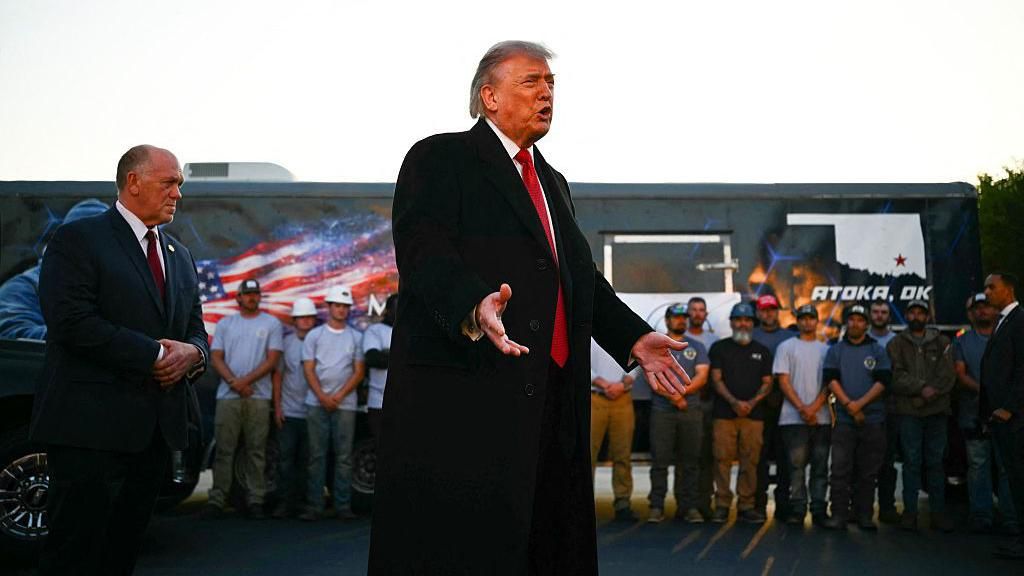
    For many Iranians, recent history only fuels deep distrust of the ongoing diplomatic process. Both the 12-day conflict last year and the new war that began in late February broke out while Iranian and U.S. diplomats were already engaged in indirect talks through intermediaries. That pattern has left many convinced another outbreak of hostilities could come at any time, even amid current negotiations. “I don’t trust Trump anymore,” 46-year-old Mohammad, another Tehran resident, told Middle East Eye. “Two times he attacked us while we were negotiating. Why shouldn’t it happen a third time? All this uncertainty drags my mind more towards the possibility of another war.”

    Trump’s own erratic public messaging has only amplified this uncertainty: the U.S. president has shifted wildly day to day, sometimes posting respectful messages to Iranian officials on social media and claiming a deal is close, only to turn around days later and tell reporters he is unhappy with proposed terms and issue new threats of military action. This inconsistency has filtered through his own administration, creating whiplash for observers both inside and outside Iran. On May 28, the Associated Press cited multiple senior U.S. officials reporting that the full text of a preliminary agreement had been finalized and was waiting for Trump’s approval. Just hours later, Iran’s Tasnim News Agency, an outlet aligned with the country’s Revolutionary Guards, rejected the report entirely. Citing a senior Iranian negotiator, Tasnim confirmed no final text had been agreed, and no such update had been shared with Pakistani mediators. The conflicting reports have only deepened public suspicion across Iran.

    For business owners like 58-year-old clothing retailer Hamidreza, this months-long uncertainty has paralyzed economic activity across the country, from large enterprises to ordinary households. “Everything in our lives is hanging in the air. We don’t know what to do. The market is terrible. We can’t plan ahead. We can’t even visualise the future adequately. Customers are in exactly the same situation,” he explained. Asked if he believes a deal will ever be reached, he laughed bitterly. “Trump himself likely doesn’t know, much less me. Anyone who tells you with certainty what’s going to happen is a charlatan. The world is now dealing with a man who goes into one night’s sleep and wakes up the next morning saying something totally different. How can anyone properly and confidently predict anything, when so much of global politics rests on someone this unpredictable?”

    This uncertainty has not only strained public mood and business activity—it has upended concrete, long-held personal plans for many Iranians. Thirty-one-year-old lab technician Sima, who had been planning to pursue a master’s degree in Europe, has seen her dream put on indefinite hold. Visa processing for most Iranians has effectively frozen amid the current crisis, she explained. “Many European embassies in Tehran are essentially semi-shut down. You cannot get an appointment in Iran, they won’t permit you to apply through embassies in neighbouring countries either,” she said. After spending months securing admission to a reputable Italian university, the Iranian rial collapsed in value, completely wiping out her carefully calculated budget for study abroad. Even with an acceptance letter in hand, she cannot book a visa appointment—and the new academic year is just months away.

    Not all Iranians are pushing for a rapid deal with Washington, either. Some argue that a hasty agreement could become another strategic trap that leaves Iran surrendering key leverage without gaining any meaningful, lasting concessions. Forty-one-year-old civil engineer Mehdi is deeply pessimistic about the current negotiation framework, questioning what Iran will actually gain in exchange for the concessions it is being asked to make. “If they stopped the war and went back to bargaining, it’s from pressure associated with the Strait of Hormuz and increasing oil costs,” he noted. “So now we reopen the strait and in return they return a tiny fraction of our own frozen cash? That sounds absurd to me.”

    Mehdi fears that any temporary ceasefire deal will ultimately weaken Iran’s position without preventing a future full-scale conflict. “I’m not saying I like war,” he clarified. “But do you know what’s worse than war? When they can go wherever they want, blow up parts of your country, and nothing really happens in return. That’s how things played out for years in Syria.” He warns that if Iran eases economic pressure on the U.S. and global markets, Washington and Israel will simply return to all-out military action once Iran has given up its leverage.

    For now, the majority of ordinary Iranians are trapped between two equally frightening outcomes: the immediate fear of a resumption of full-scale war, and the long-term fear that a flawed, fragile peace will only delay the inevitable conflict, leaving them exhausted and adrift in limbo for months or years to come.

  • Trump admin agrees to temporarily freeze ‘slush fund’ for allies

    Trump admin agrees to temporarily freeze ‘slush fund’ for allies

    The controversial $1.8 billion fund dubbed a ‘slush fund’ for political allies by opponents will be temporarily halted, after the Trump administration’s Department of Justice confirmed it will comply with a federal court order blocking the initiative’s implementation. The freeze, which precedes a June 12 court hearing on the proposal, comes amid widespread reporting that the embattled fund may be scrapped entirely amid mounting pushback from across the political spectrum.

    The so-called Anti-Weaponization Fund was born from a civil settlement between the Trump administration and the Internal Revenue Service, stemming from a lawsuit Trump filed after his personal tax returns were leaked by a former government contractor. The administration frames the fund as a mechanism to compensate individuals who it claims were unfairly targeted by politicized law enforcement and government overreach, a practice the president has labeled ‘weaponization’ and ‘lawfare.’ According to official statements from the Justice Department, the fund is open to qualifying people from all political affiliations, regardless of party or ideological alignment.

    Critics, however, have painted a far different picture of the initiative. They argue the fund lacks clear statutory authority, has minimal independent public oversight, and stands to act as a pot of taxpayer money to reward Trump’s political loyalists. Among the groups that opponents fear could benefit from the fund are hundreds of people convicted of crimes connected to the January 6, 2021 assault on the U.S. Capitol, an insurrection carried out by supporters attempting to overturn Trump’s 2020 election loss to Joe Biden. Shortly after returning to office at the start of his second term, Trump issued pardons to more than 1,500 people convicted in connection with the Capitol attack.

    The legal challenge that prompted the current freeze was brought by a coalition of plaintiffs, who argued the fund is an unlawful collusive arrangement that lacks congressional approval, any grounding in U.S. law, and meaningful accountability mechanisms. Multiple other legal challenges are already pending against the initiative, including cases filed by law enforcement officers who battled January 6 rioters and nonpartisan government oversight organizations.

    The proposal has even proven politically toxic within Trump’s own Republican Party. Senate Republican leadership recently delayed a critical spending bill for Immigration and Customs Enforcement and U.S. Border Patrol, in large part due to widespread Republican concerns that the legislation could inadvertently open the door for taxpayer dollars from the fund to go to January 6 defendants.

    Last week, U.S. District Judge Leonie Brinkema issued an order barring the administration from taking any further steps to launch or operate the fund ahead of the June 12 hearing. In a post to the social platform X shared Monday, the Justice Department acknowledged it strongly disagrees with Brinkema’s ruling, but confirmed it would respect the court’s order and implement the temporary freeze.

    Multiple U.S. media outlets including Axios have cited anonymous administration sources reporting that the Trump administration is preparing to abandon the fund entirely, with one source telling Axios the initiative is ‘dead for now.’ When approached for comment by Agence France-Presse on reports of the fund’s cancellation, the White House declined to issue a new statement and instead directed reporters to the Justice Department’s existing post on X.

  • For Nigeria’s Shia, the US-Israeli war on Iran is personal

    For Nigeria’s Shia, the US-Israeli war on Iran is personal

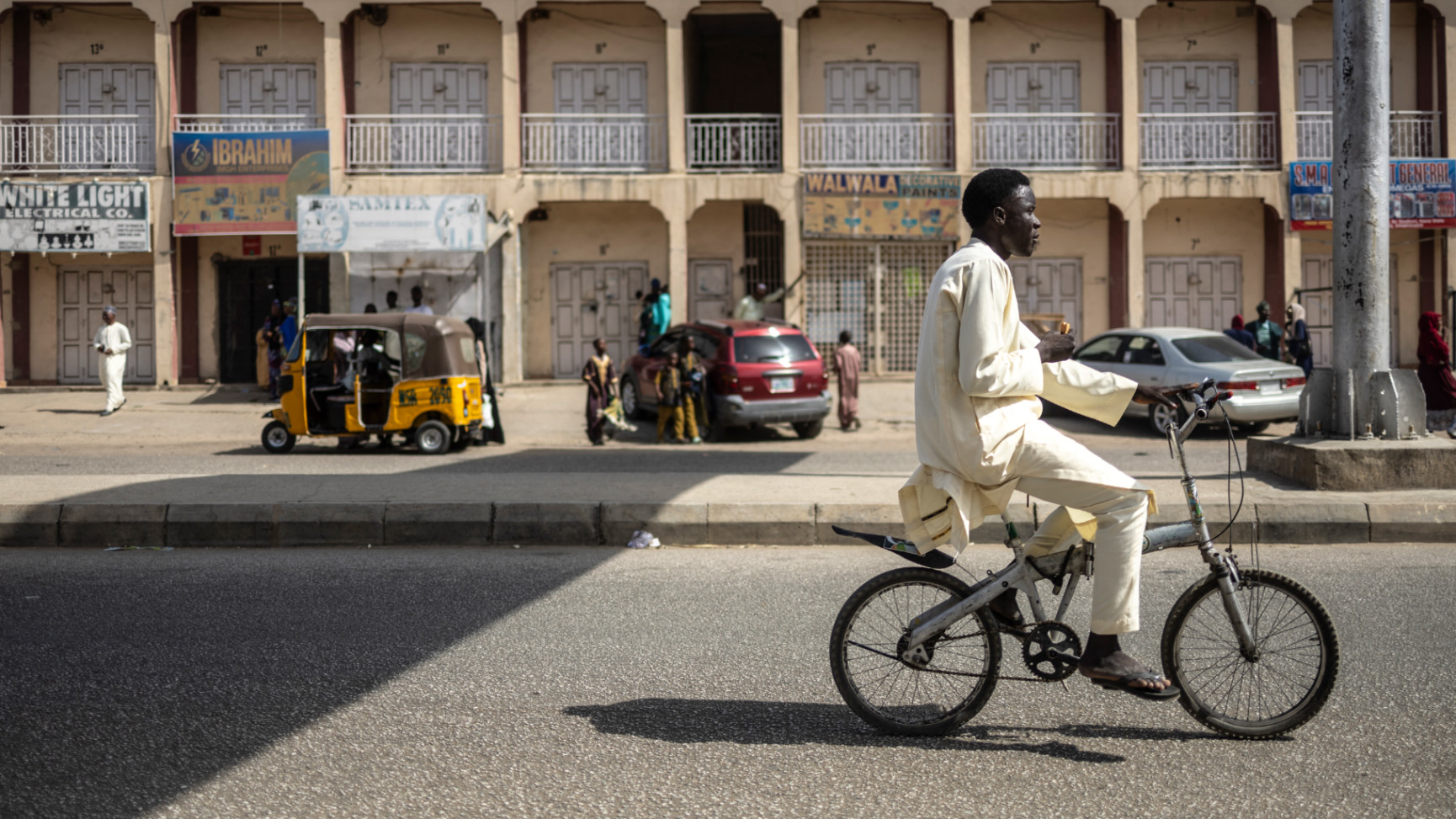
    On a sweltering March afternoon, hundreds of men clad in all black marched in a winding procession through the main thoroughfares of Kano, one of Nigeria’s largest northern cities. They carried framed portraits of Iran’s top leader, Ayatollah Ali Khamenei, waved Iranian national flags, and filled the air with chants denouncing joint US-Israeli military strikes on Iran, declaring unwavering solidarity with what they called “a nation under oppression.”

    To casual onlookers lingering at roadside storefronts or peering out from passing public buses, the demonstration looked like a scene borrowed from a conflict drama unfolding thousands of kilometers away in the Middle East. But for Nigeria’s minority Shia Muslim community, the public rally was far more than performance: the US-Israeli campaign against Iran hits close to home, bound by decades of ideological, religious, and cultural ties.

    In the weeks following the outbreak of the latest Middle Eastern conflict, nearly identical pro-Iran demonstrations have cropped up across major Nigerian cities, from Kano and Sokoto to Gombe and the federal capital Abuja. Organized primarily by members and supporters of the proscribed Islamic Movement in Nigeria (IMN) — one of the most influential Shia movements across the African continent — these rallies lay bare a stark reality: global geopolitical tensions can reverberate powerfully among local religious communities thousands of miles from active battlefields.

    The gatherings also underscore the persistent ideological pull Iran has maintained among segments of Nigeria’s Shia population, nearly 50 years after the 1979 Islamic Revolution in Tehran inspired grassroots movements across the Middle East and large swathes of Africa. “We believe Iran is standing against oppression and foreign domination,” explained Ibrahim Musa, a 32-year-old local trader who joined the Kano march. “As Shia Muslims, we feel connected to their struggle.”

    Nearly 100 days have passed since the February 28 US-Israeli attacks on Iran ignited a broader regional conflict, and its economic and political aftershocks continue to ripple far beyond the Middle East. In Nigeria, where the vast majority of the country’s large Muslim population identifies as Sunni, the Shia minority has cultivated deep spiritual and ideological bonds with Iran for generations, viewing the country as a global symbol of anti-imperial resistance. These ties solidified in the late 1970s and 1980s, when the IMN emerged under the leadership of Sheikh Ibrahim el-Zakzaky.

    Drawing direct inspiration from Iran’s Islamic Revolution, Zakzaky built a movement centered on grassroots political activism, community social welfare programs, and uncompromising opposition to Western political influence in West Africa. Over decades, the IMN built formal educational and religious partnerships with Tehran, with hundreds of members traveling to Iran to pursue advanced Islamic theological studies. Today, Iran remains a potent symbolic touchstone for much of Nigeria’s Shia community.

    “Supporting Iran is not only about politics. Many people see it as defending Muslim dignity against powerful Western countries,” noted Abdullahi Sani, a Shia cleric based in Sokoto, in an interview with Middle East Eye.

    Moses Abolade, a leading African geopolitics scholar and peacebuilding consultant with the Peace Education and Practice Network, explained that Iran has spent decades carefully building ties across African nations through religious training scholarships, investment in local religious institutions, humanitarian development projects, and targeted diplomatic outreach. While Tehran’s overall influence on the continent pales in comparison to global powers like China, the United States, and Russia, it has successfully nurtured deep loyalty among Shia minority communities in countries including Nigeria, Senegal, and Tanzania.

    “The recent protests by some Nigerian Shia Muslims over the US-Israel-Iran tensions reflect how global conflicts increasingly shape local identities, emotions, and public discourse far beyond the Middle East,” Abolade told Middle East Eye. “For many participants, Iran represents not just a sovereign nation, but a symbol of transnational religious and political solidarity. While these demonstrations may not shift the balance of global geopolitics directly, they deliver symbolic morale boost and reinforce narratives of international solidarity that strengthen Iran’s ideological standing against Western powers.”

    Even so, Abolade emphasized that the rallies do not represent the views of all Nigerians or all Nigerian Muslims, and warned that framing the conflict through a sectarian lens risks deepening existing domestic social divides. “The deeper concern is how transnational narratives, social media amplification, and global political tensions can worsen polarization, spread misinformation, and stoke sectarian mistrust within already fragile Nigerian society,” he said. “Nigeria’s extraordinary religious and ethnic diversity demands that these issues be approached with extreme caution and responsibility to avoid importing foreign conflicts into local community dynamics.”

    For Nigeria’s Shia community, which has long faced official suspicion and repeated government crackdowns, the protests also serve a quiet domestic political purpose. The IMN has endured years of tense, often hostile relations with the Nigerian federal government, particularly after a 2015 clash in Zaria where Nigerian army forces killed hundreds of IMN members. The government formally banned the movement in 2019, and in the years since, IMN members have organized regular public demonstrations to demand accountability for the Zaria killings and greater official recognition of the movement. For many members, global developments connected to Iran act as a natural rallying point, creating space to reaffirm their shared religious and political identity and reinforce collective unity.

    Not all observers view the demonstrations as benign, however. Retired Colonel AY Gwandu, a senior security official at Usmanu Danfodiyo University, noted that “there is inherent concern whenever foreign conflicts begin to shape the activities of local religious groups.” He added that many ordinary Nigerians fear the rallies could deepen domestic sectarian divides or create new domestic security risks.

    Nigeria has struggled for decades with violent insurgency linked to Sunni extremist groups including Boko Haram and the Islamic State West Africa Province. While the IMN holds distinct ideological positions that separate it from these extremist organizations, Nigerian security agencies have continued to closely monitor the movement’s activities. Although authorities have occasionally dispersed IMN gatherings over public safety concerns, the recent pro-Iran demonstrations have remained overwhelmingly peaceful.

    Even so, many residents of northern Nigeria still worry that these displays could heighten sectarian tensions in a country already grappling with chronic insecurity, rising religious extremism, and deep political instability. Political analysts add that the demonstrations also put Nigeria in a diplomatically delicate position, as the country maintains formal ties with Western nations, Israel, Gulf Arab states, and Iran simultaneously. While open public displays of support for Tehran by local groups are unlikely to shift Nigeria’s official foreign policy directly, they highlight how increasingly global power rivalries are reshaping domestic political discourse in African states.

    Political scientist Abdulqodir Yunus explained that the Nigerian government is currently navigating pressure to “balance respect for freedom of expression with legitimate domestic security concerns.” He added that “these protests make clear that international conflicts now have unavoidable local dimensions” across the globe.

    For the protesters themselves, however, the movement is as much about collective belonging as it is about geopolitics. In Kano, demonstrators of all ages — including women and children — marched through crowded commercial streets under heavy police observation. Some carried large banners accusing the United States and Israel of unprovoked aggression, while others called on the international community to stand with Iran. Similar scenes were documented across Sokoto and Gombe States, where participants chanted for unity and condemned Western military intervention in the Middle East. While solidarity with Iran was the rally’s official central theme, the gatherings also doubled as public assertions of religious identity and resistance to what participants frame as global injustice.

    “If another Muslim nation is suffering, we cannot ignore it,” said Musa, the Kano trader. At a rally in Gombe, religious chants filled the afternoon air, punctuated by large posters featuring images of Iranian leaders alongside portraits of IMN founder Zakzaky.

    To outside observers, this display of transnational solidarity may seem striking in a West African nation grappling with its own severe economic struggles and security crises, but protesters insist their shared struggle transcends geographic borders. For Tehran, these public displays across African cities confirm that the Islamic Republic’s ideological message still resonates globally, even amid decades of diplomatic isolation and crippling economic sanctions. For Nigerian Shia, the rallies reaffirm their connection to a broader transnational movement.

    “These protests give us a voice,” said Fatima Aliyu, a university student who joined the demonstration at Abuja’s National Mosque. “Even though we are far away, we want Iran to know they are not alone.”