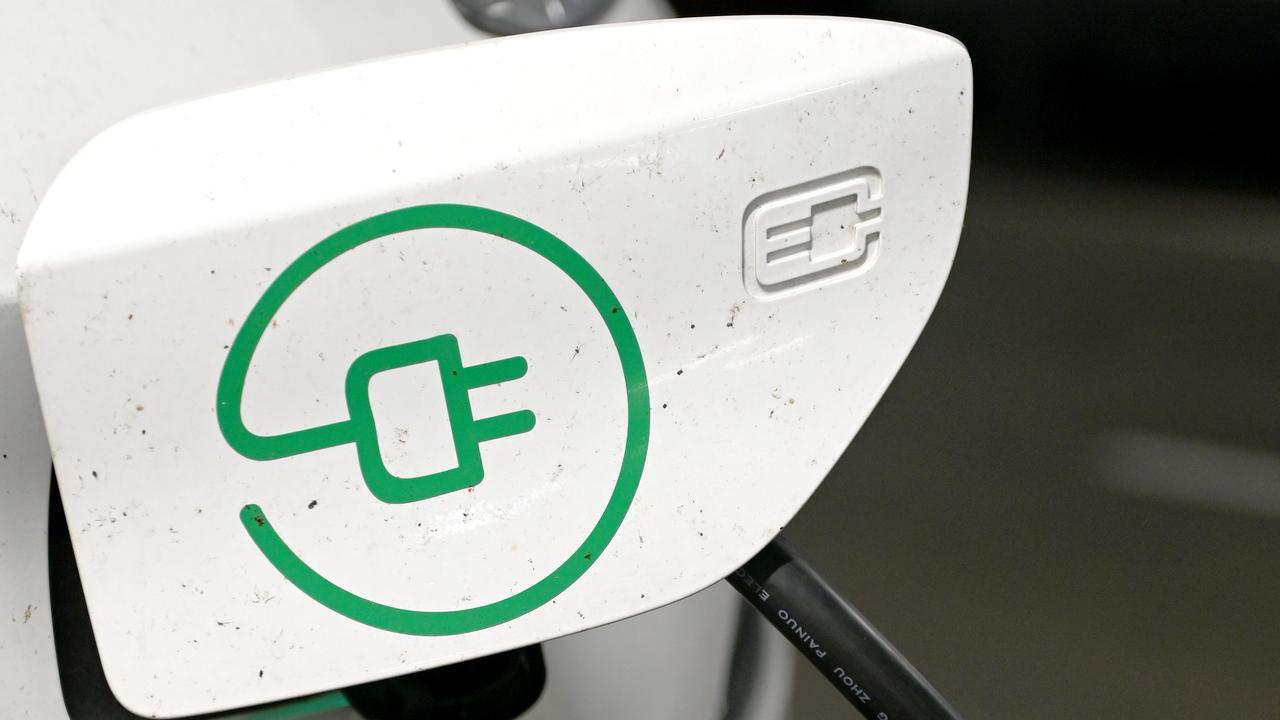
Australia’s electric vehicle (EV) market has continued its explosive growth, notching a second straight month of historic sales amid ongoing global fuel price volatility that has pushed thousands of consumers to shift to battery-powered transport. New industry data released by the Federal Chamber of Automotive Industries (FCAI) reveals that more than 23,500 battery electric vehicles were sold across the country in July 2026, accounting for 21.7% of total new car sales for the month — the highest market share EVs have ever captured in a single month. This milestone marks the second consecutive record-breaking month for EV adoption in Australia, confirming the sector’s rapid transition away from fossil fuel-powered vehicles.
“July was another outstanding month for Australian new-vehicle sales and delivered the best July result on record,” said FCAI chief executive Tony Weber. While Weber praised the accelerating uptake of EVs, he also issued a stark call to action for policymakers and private industry to urgently expand the country’s public charging network to match growing consumer demand. With more Australians embracing EVs, particularly drivers who lack off-street parking or home charging access and those traveling through regional areas, Weber stressed that accessible, reliable charging infrastructure is non-negotiable to preserve consumer confidence as EVs become a mainstream option.
“Governments and the private sector must work together to ensure that the public charging network meets growing demand particularly in regional areas and for motorists who do not have access to charging at home,” Weber said. “Accessible and dependable charging will be critical to maintaining consumer confidence as electric vehicles become a larger part of Australia’s new-vehicle fleet.”
When it comes to top-selling models, Chinese automaker BYD led the market in July, with its popular Sealion 7 SUV notching 2,548 sales to claim the number one spot. US EV giant Tesla followed close behind: its Model Y Long Range variant recorded 2,429 sales, while the standard Model Y added more than 2,200 additional sales, cementing Tesla’s position as one of Australia’s most popular EV brands.
Federal Energy Minister Chris Bowen welcomed the record sales, linking the sharp uptick in EV adoption to persistent global oil market instability that has kept petrol prices volatile for Australian motorists. Bowen noted that EV ownership is helping households shield themselves from global oil shocks and cut everyday cost-of-living expenses, a benefit that more Australians are prioritizing as energy prices remain unpredictable.
“The lesson from Cheaper Home Batteries and EVs is clear to me: with the right policy settings Australians will respond enthusiastically in ways which can lead to globally leading outcomes,” Bowen said. He pointed to longer-term data that underscores the speed of Australia’s EV transition: in the first half of 2026, battery EVs and plug-in hybrid vehicles together made up 27% of all light vehicle sales, totaling 191,830 units. That marks a dramatic jump from 2025, when the combined market share of EVs and plug-ins stood at just 13% for the full calendar year.
Bowen added that EV tax cuts have driven the strongest uptake in fast-growing suburban and outer-urban areas including Tarneit, Werribee, Kellyville, Marsden Park, Craigieburn, Cranbourne and Baulkham Hills. He argued that widespread EV adoption reflects a common-sense choice by Australian households to cut costs and embrace modern renewable energy technology.
“The common sense choices that Australians are making to upgrade their own energy infrastructure with modern, reliable renewables is the same as our approach for the country,” Bowen said. “People (are) getting a battery and then maximising its contribution to their cost of living by using it to power their EV at a rate much cheaper than filling up at the servo.”
Beyond battery EVs, the overall low-emission vehicle sector now dominates the Australian new car market. When combined with hybrid vehicles, which held a 17.2% market share in July, all electric and hybrid vehicles accounted for nearly 39% of total new car sales. Internal combustion engine vehicles still hold a significant share of the market, however: petrol-powered cars led all powertrains with 27,894 sales in July, equal to just over a quarter of total market share, while diesel vehicles followed closely with 24,773 units sold.